Weddings & Bridal
- Weddings & Bridal
How to Steam a Wedding Dress Safely by Fabric
How to steam a wedding dress safely starts with its care label, not the steamer. Hang the gown first, and use gentle steam only when its fabric and decorations permit it. Satin, tulle, lace, and structured bridal fabrics need different handling. If instructions are unclear, ask a bridal specialist rather than risk a mark on…
- Weddings & Bridal
How Should a Wedding Dress Fit? Four Signs to Check
A wedding dress fits correctly when the neckline stays put and the waist sits where the design intends. The seams shouldn’t pull, and the front hem should clear your shoes as you walk. The dress can feel close without making it hard to breathe or sit. Fasten it fully before you judge, since clips and…
- Weddings & Bridal
Final Wedding Dress Fitting Checklist Before You Take It Home
Use this wedding dress fitting checklist with the finished dress, your wedding shoes, and the undergarments you’ll wear on the day. Walk, sit, try a step, dance, and have your helper fasten the bustle if the dress has one. If something pulls, slips, or catches, show your tailor during the fitting and repeat that movement…
- Weddings & Bridal
Wedding Dress Bustle Types for Different Bridal Trains
Start by comparing three wedding dress bustle types on your own train. An American bustle lifts the train over the skirt, a French bustle folds it under, and a ballroom bustle tucks it away for an even hem. Ask your tailor to pin the options so you can see which protects the details you love…
- Weddings & Bridal
What Can Be Altered on a Wedding Dress Without Changing Its Design?
Most wedding dresses can be shortened, taken in, adjusted at the straps, or given a bustle without losing their original shape. Larger size changes, moved boning, and rebuilt lace panels are less predictable. What can be altered on a wedding dress ultimately depends on its seams, support, and fabric placement. The useful distinction is not…
- Weddings & Bridal
Bridal Size vs Street Size: How to Read a Wedding Dress Chart
Bridal size vs street size is not a fixed conversion. Wedding gown labels often differ from everyday clothing labels, and designers use different measurement charts. Choose the size that accommodates your bust, waist, and hips in the specific dress. Treat the number on the label as a reference, not a fit verdict. Start with the…
- Weddings & Bridal
How to Measure for a Wedding Dress: Bust, Waist, Hips and Hem
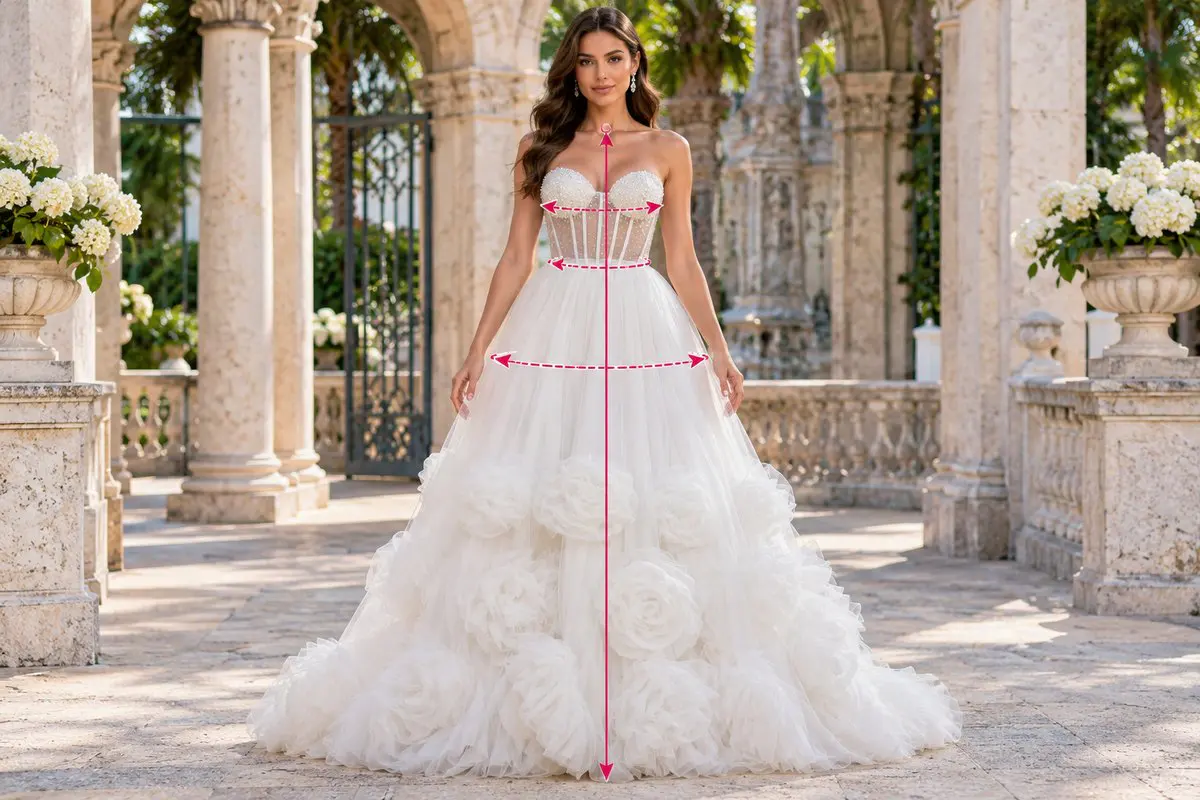
To measure for a wedding dress, record your full bust, natural waist, fullest hips, and the length required for the front hem. Use a soft tape, stand naturally, and repeat each reading. Hollow-to-hem starts at the base of your neck, not at your shoulder. Take these measurements before selecting a size from a designer chart.…
- Weddings & Bridal
Winter Wedding Dresses for Brides: What to Wear in Cold Weather
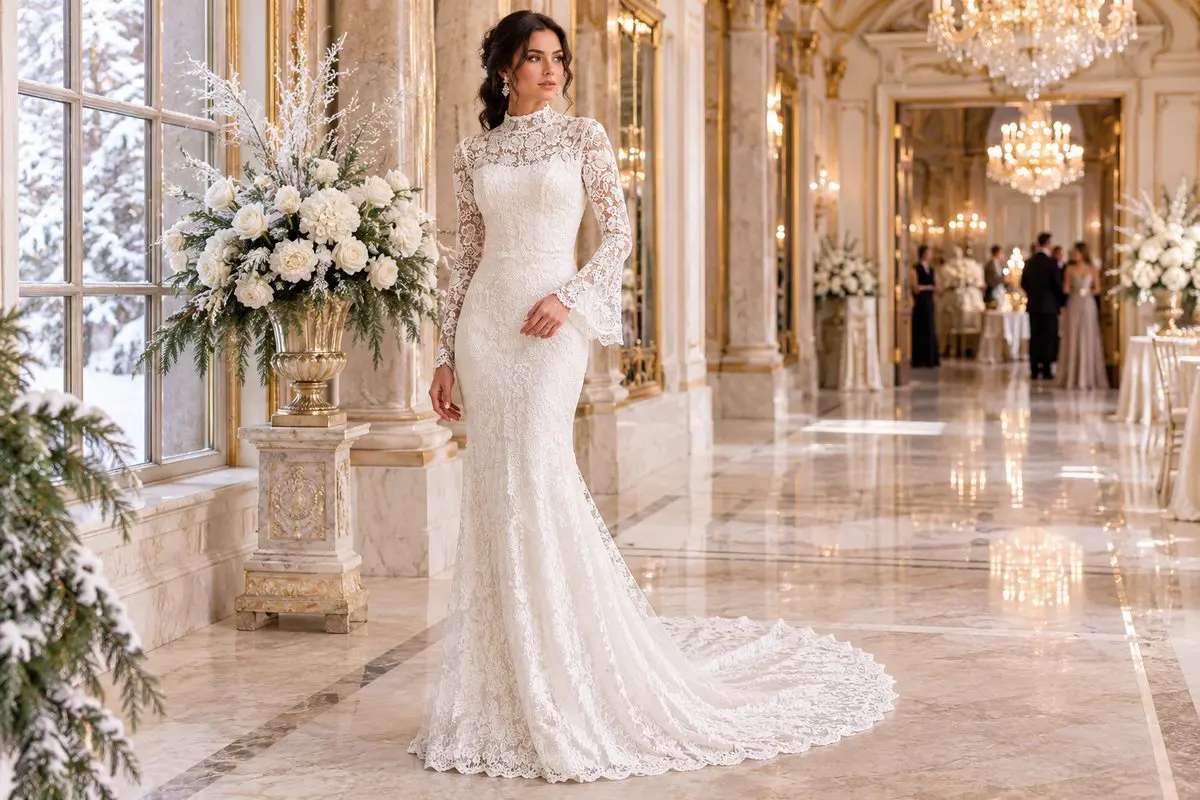
A winter wedding dress for the bride should suit the ceremony, feel comfortable indoors, and work with a proper outer layer. Cold weather changes how you travel, take photographs, and manage a train. It does not mean you must wear heavy sleeves or give up your preferred silhouette. Start with the venue and its heating,…
- Weddings & Bridal
How to Choose Bridesmaid Dresses: Colors, Styles and Timeline
The best way to choose bridesmaid dresses is to set the wedding dress code, select a color plan, and agree on a comfortable fit before anyone orders. One shared detail can unite different silhouettes. A clear budget and ordering schedule then keep the bridal party coordinated without requiring everyone to wear an identical dress. Start…
- Weddings & Bridal
How to Spot Fake Designer Wedding Dresses Before Buying
The safest way to avoid a counterfeit designer wedding dress is to verify the seller through the designer before paying. Then match the advertised style number, color, and construction details to the official product page. Photos, discounts, and labels alone cannot establish authenticity. Begin with wedding dress fundamentals , then use the checks below before…
- Weddings & Bridal
Wedding Guest Dress Over 50: What to Wear for Any Dress Code
A wedding guest dress over 50 should suit the invitation, fit comfortably, and reflect your personal style. There is no age rule requiring long sleeves, dark colors, or a particular hemline. Start with the dress code and venue, then choose the shape and details you enjoy wearing. From a daytime ceremony to a formal evening…
- Weddings & Bridal
Questions to Ask a Bridal Stylist Before You Order a Wedding Dress
The most useful questions to ask a bridal stylist are about the exact gown you will receive, its fit, total cost, delivery date, and store policies. Before placing an order, request specific answers in writing. A beautiful sample is only the starting point; your purchase should be equally clear. Bring your wedding date, realistic full-outfit…
- Weddings & Bridal
Wedding Dress Embellishments: 5 Types and How to Choose
Wedding dress embellishments are decorative details added to a bridal gown, including pearls, crystals, raised florals, bows, and lace appliqué. The best choice depends on the effect you want, where the detail sits, and how the finished dress feels. Compare texture and placement before judging sparkle alone. Start with bridal dress styles that suit your…
- Weddings & Bridal
Wedding Guest Nails: Colors and Designs to Match Your Dress
Wedding guest nails look most considered when they complement the dress instead of copying its color exactly. Start with the outfit, then choose a polish shade, finish, and length that suit the ceremony and reception. Sheer pink, muted rose, or a clean French tip can work across many looks. Deeper colors and small accents can…
- Weddings & Bridal
Wedding Dress Lining: Opacity, Comfort, Color and Shape
Wedding dress lining is the inner fabric that helps control coverage, skin comfort, and the way a bridal gown looks. Its placement and color can change sheer lace, while its weight affects movement. Examine the lining during a fitting, not just the visible fabric. What Does Wedding Dress Lining Actually Do? A lining finishes the…
- Weddings & Bridal
How Wedding Dress Fabrics Look in Daylight, Flash and Warm Light
Wedding dress fabric in photos can look markedly different in daylight, direct flash, and warm indoor lighting. Satin may show bright highlights, while lace reveals patterned texture and tulle softens the outline. Test the actual gown in each type of light before choosing a fabric based on online product images alone. Why Does Wedding Dress…
- Weddings & Bridal
Wedding Guest Dress Necklines and Sleeves: A Practical Guide
Wedding guest dress necklines and sleeves should suit the ceremony, support your bust, and let you move comfortably. V-necks and square necklines offer different amounts of openness, while sleeve shapes change shoulder coverage. Choose the combination before deciding on accessories, then check the fit while sitting and raising your arms. Which Wedding Guest Dress Necklines…
- Weddings & Bridal
Wedding Dress Fabric Weight: Drape, Support and Alterations
Wedding dress fabric weight changes how a gown falls, how substantial it feels, and how an alterations professional handles it. It can influence seasonal comfort, but outer fabric weight never tells the whole story. Lining, underskirts, trains, beading, and cut can add more total weight than the shell fabric. Use fabric weight as a comparison…
- Weddings & Bridal
How Much Does a Wedding Guest Dress Cost? A Practical Budget Guide
Wedding guest dress cost varies widely, but you can control your spending by setting an outfit budget before choosing a style. Start with the invitation, allow for tailoring, and compare complete costs rather than dress tags alone. There is no required amount a guest must spend. Use wedding guest dress styles as a visual reference…
- Weddings & Bridal
What Is Mikado Fabric? Structure, Sheen and Bridal Uses
Mikado is a substantial, smooth bridal fabric known for holding sculpted shapes and clean folds. It often has a controlled sheen rather than a highly reflective finish. Wedding dress Mikado may contain silk, synthetic fibers, or blends, so the fabric name alone does not identify its exact composition. If you are comparing designer wedding dresses…
- Weddings & Bridal
Chantilly vs Guipure Lace: Pattern, Weight, and Bridal Use
Chantilly vs guipure lace comes down to construction: Chantilly places delicate motifs on fine net, while guipure connects bolder motifs without that continuous mesh. Chantilly generally drapes softly. Guipure often holds a more defined pattern. For brides, the best choice depends on placement, lining, movement, and the look you want in photographs. What Is the…
- Weddings & Bridal
Wedding Guest Dress Size Guide: Measure, Fit, and Alter
A wedding guest dress size guide should start with your bust, waist, and hip measurements, not the number on your usual clothing label. Compare those figures with the chart for the actual dress. Then check the bodice, hem, and movement before ordering or arranging alterations. A comfortable fit matters throughout the ceremony, dinner, and dancing.…
- Weddings & Bridal
Satin vs Mikado Wedding Dresses: Sheen, Shape, and Photos
Satin vs Mikado wedding dresses differ most in how their fabric reflects light and holds shape. Softer satin often drapes closer to the body, while Mikado usually creates firmer pleats and volume. Neither label guarantees a specific weight or level of shine. Compare the finished gowns in motion and in photographs before choosing. Start with…
- Weddings & Bridal
Wedding Guest Makeup Ideas That Work With Your Dress
Wedding guest makeup looks most cohesive when it complements your dress color, fabric, and level of formality. Start with the outfit, then choose a natural or more defined beauty look that suits the celebration. A navy crepe gown may welcome soft bronze eyes, while a detailed satin dress often needs less competing shimmer. Your comfort…
- Weddings & Bridal
How a Corset Wedding Dress Works: Boning, Lacing and Fit
A corset wedding dress works by shaping the torso with fitted panels and internal reinforcement. Boning helps the bodice keep its shape, while closures secure the fit. Some gowns also use cups and an internal waist stay. Together, these elements can stabilize the dress without requiring painful tightening. The word corset does not guarantee one…
- Weddings & Bridal
How Strapless Wedding Dresses Stay Up: Support and Fit Tests
How do strapless wedding dresses stay up without shoulder straps? A fitted bodice transfers support around the torso and waist, while internal structure helps the neckline keep its position. Boning, shaped cups, closures, and sometimes a waist stay work together. A bride should be able to breathe, sit, and move without repeatedly pulling the gown…
- Weddings & Bridal
Wedding Guest Dress Cuts and Details: How to Choose
Wedding guest dress cuts affect more than appearance. The shape of the skirt, neckline, sleeves, and placement of details change how a dress fits and moves. Start with the invitation, then compare each design feature in the fitting room. A beautiful cut should also let you sit, walk, and celebrate comfortably. Which Wedding Guest Dress…
- Weddings & Bridal
Mermaid vs Trumpet vs Fit-and-Flare Wedding Dresses: A Bridal Fitting Guide
A mermaid vs trumpet vs fit and flare wedding dress comparison becomes useful when you actually try the gowns on. Check where each skirt releases, then walk, sit, and turn before choosing. Bridal labels vary between designers, so movement and fit matter more than the name on the tag. Start with Jovani’s Wedding Dresses to…
- Weddings & Bridal
Wedding Guest Dress Fabrics: How to Compare Feel, Drape and Formality
Choosing wedding guest dress fabrics means looking beyond the fabric name. Chiffon offers floating movement, crepe creates a cleaner line, and satin reflects more light. The best choice also depends on the lining, dress code, venue, and how comfortably the finished dress moves. Use these checks before deciding. Which Wedding Guest Dress Fabrics Work Best?…
- Weddings & Bridal
Wedding Guest Shoes: How to Match Your Dress and Venue
The best wedding guest shoes suit the dress code, complement your outfit, and remain comfortable across the ceremony and reception. Start with the ground you will walk on, then choose heel height, color, and shape. A polished low heel or dressy flat often works better than a taller shoe you cannot wear confidently. Which Wedding…
- Weddings & Bridal
What Couture Means in Bridal Fashion and How to Judge a Gown
In bridal fashion, couture usually signals an emphasis on design, construction, and individualized fit, but the label alone does not guarantee a custom-made gown. The useful couture meaning bridal shoppers need is practical: ask how the dress is produced, what can be customized, and which fittings are included before paying for the name. What Does…
- Weddings & Bridal
Wedding Dress Construction 101: Seams, Layers, Interfacing, Boning & Lining
Wedding dress construction is the system of seams, supportive layers, boning, and lining that gives a bridal gown its shape and helps it move with the body. Seams contour fabric, interfacing stabilizes selected areas, boning supports a bodice, and lining finishes the inside. Comparing these details in Wedding Gowns reveals more than a photograph. What…
- Weddings & Bridal
Bridal Vocabulary: 75 Wedding Dress Terms Brides See in Appointments and Product Pages
Wedding dress terms can make a bridal appointment feel more complicated than it needs to be. Consultants and product pages use words such as A-line, bateau, Mikado, chapel train, Basque waist, horsehair braid, and illusion mesh because each describes a specific part of the gown. You do not need to memorize every bridal term before…
- Weddings & Bridal
Wedding Dress Anatomy: Bodice, Waistline, Skirt, Train, Lining & Support
Wedding dress anatomy is the way the main parts of a bridal gown work together. The bodice shapes the upper section, the waistline controls where the skirt begins, the skirt creates the overall silhouette, and the train extends the design behind the bride. Inside the gown, lining and structural support can affect how the dress…
- Weddings & Bridal
Wedding Guest Dress Code & Etiquette Guide
Choosing what to wear to a wedding as a guest starts with more than finding a dress you like. The invitation, dress code, venue, time of day, season, and cultural context all help define what will feel appropriate. Once those signals are clear, choosing among Jovani wedding guest dresses becomes much easier. What should you…
- Weddings & Bridal
Hairstyles for Wedding Guest Dresses
Wedding guest hairstyles work best when they are chosen after the dress, not before it. The neckline, back detail, sleeves, venue, weather, and dress code all affect whether an updo, half-up style, or hair-down look makes the most sense. The goal is not to create bridal hair. It is to choose a hairstyle that works…