
A lace wedding guest dress brings a romantic, timeless quality that few other fabrics can match, which is exactly why it remains such a popular choice for weddings. The intricate texture of lace reads as elegant and feminine, photographs beautifully, and suits the celebratory mood of a wedding perfectly. But lace carries one consideration that a guest needs to handle carefully: because lace is so strongly associated with bridal gowns, wearing it as a guest means making thoughtful choices about color and styling so you complement the celebration rather than echo the bride. Done well, a lace dress is one of the most elegant things a guest can wear. This guide covers why lace works so beautifully for weddings, the all-important color rules for guests, the types of lace and when each suits the occasion, and how to style a lace dress so you look polished and appropriate.
Why Lace Works Beautifully for Weddings
Lace has a special place in wedding fashion, and understanding its appeal helps you wear it well as a guest. The fabric brings qualities that suit the occasion naturally.
Romantic, Timeless Texture
A lace wedding guest dress carries a romantic, timeless quality that suits the elegance of a wedding beautifully. The intricate, textured surface of lace reads as sophisticated and feminine, adding visual depth that a flat fabric cannot, which is why it has remained a favorite for formal occasions across generations. Lace photographs wonderfully, with its detail catching the light and creating a soft, elegant impression in wedding photos. The fabric also carries a sense of occasion, feeling special and considered rather than everyday, which suits the significance of a wedding celebration. For a guest who wants a look that feels elegant, romantic, and appropriate to the formality of a wedding, lace offers a timeless choice, and the range of lace evening dresses shows how versatile the fabric can be across formal styles.
Suited to Many Wedding Settings
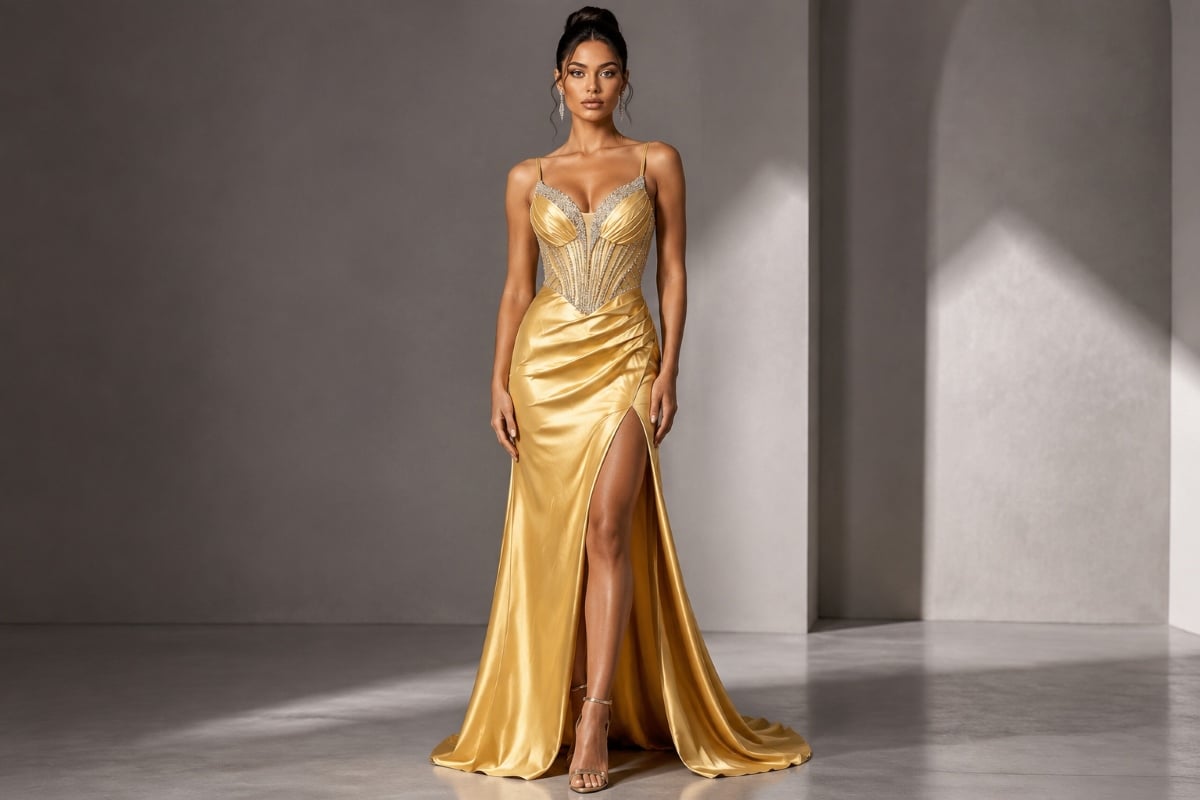
Lace is a remarkably versatile fabric for weddings, suiting a wide range of settings, seasons, and formality levels. A delicate lace overlay feels light and romantic for a spring or summer celebration, while a heavier guipure lace reads as richer and more structured for a fall or winter wedding. Lace translates beautifully to garden, vineyard, and estate settings, where its vintage-inspired texture suits the romantic atmosphere, and it works equally well in formal ballrooms. The fabric also adapts to different lengths and silhouettes, from a knee-length cocktail style to a floor-length gown, so it can match nearly any wedding’s dress code. This adaptability is part of why lace is such a reliable choice for a guest, and the range of wedding guest gowns shows how lace fits among the many options for the occasion.
The Color Rules Every Guest Should Know
Because lace reads as bridal, color is the most important decision a guest makes when choosing a lace dress. Getting it right keeps you elegant and appropriate. This is where lace differs from any other fabric for a guest.
Why White Lace Is Off-Limits for Guests
The single most important rule for a lace wedding guest dress is to avoid white, ivory, cream, and champagne entirely, since these colors are reserved for the bride. Lace makes this rule especially critical, because lace is so strongly associated with bridal gowns that a white or pale lace dress reads as distinctly bridal and risks appearing to compete with the bride, which is the one thing every guest must avoid. Even a very pale blush or light silver lace can photograph as near-white under certain lighting, so erring well away from the bridal palette is the safe approach. This consideration matters more for lace than for almost any other fabric, precisely because of its bridal associations, a concern our guide on how to avoid looking like the bride explores in detail. Choosing a clearly non-bridal color is the first and most essential step.
Colors That Let Lace Shine
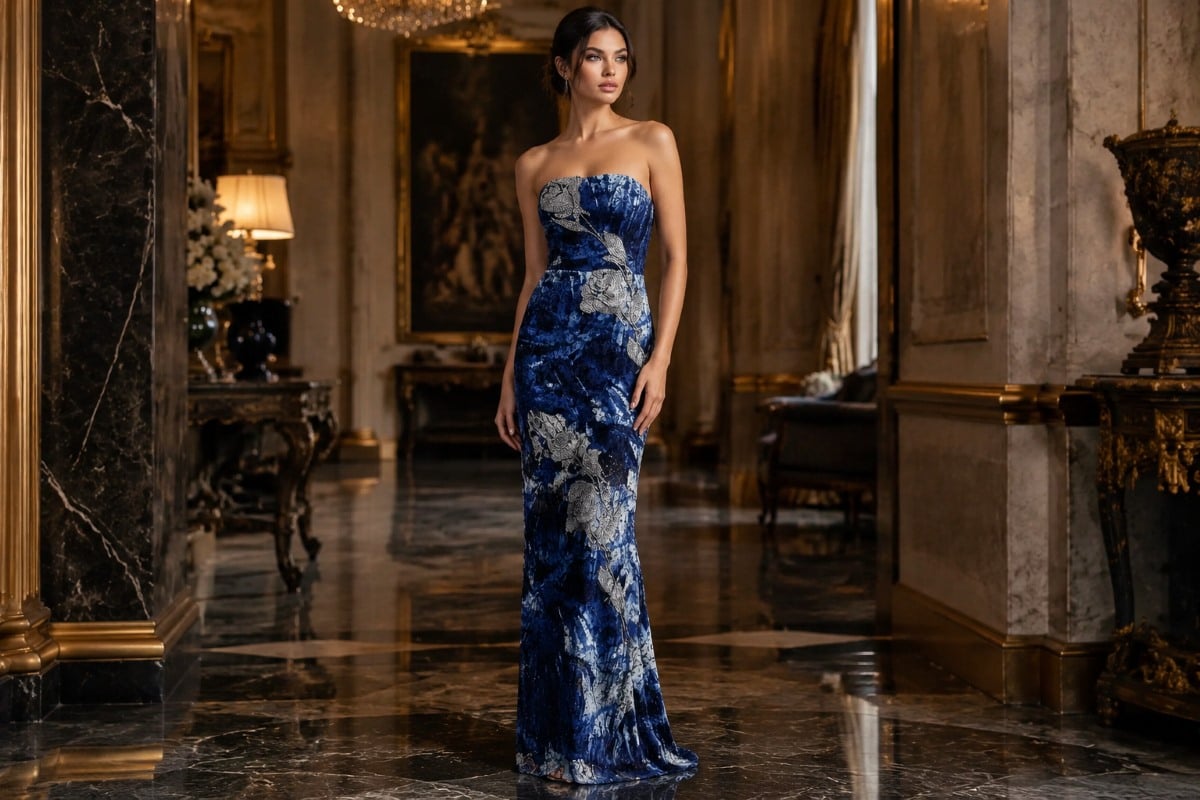
Once white and pale shades are ruled out, lace looks beautiful in a wide range of colors that read as elegant and clearly non-bridal. Rich jewel tones like emerald, sapphire, and burgundy show off the texture of lace beautifully while reading as sophisticated and seasonally appropriate. Deep neutrals like navy, charcoal, and black work elegantly, with black lace in particular reading as timeless and refined for an evening wedding. Soft but clearly colored shades like dusty rose, sage, or lavender suit daytime and outdoor weddings while staying safely away from bridal white. The key is choosing a color with enough depth or clear hue that it could never be mistaken for the bride’s gown, and our guide to wedding guest dress etiquette covers how color choices fit the broader rules. A confident color lets the beauty of the lace shine without any risk.
Understanding Different Types of Lace
Not all lace is the same, and knowing the differences helps you choose the right look for the wedding. The type of lace changes the mood and formality of the dress.
Delicate Versus Bold Lace
Lace comes in several distinct types, and the difference shapes how a dress reads and which weddings it suits. Delicate Chantilly lace is exquisitely fine and soft, lying flat against the body for a romantic, understated look that suits daytime and garden weddings beautifully. Bolder guipure lace is thicker and more geometric, with a structured, modern quality that stands out at more formal or contemporary celebrations. Alençon lace, with its distinct corded outline, offers a traditional, textured look that reads as classic and elegant. Three-dimensional lace appliques add couture-level texture and dimension for a statement look, and the range of lace cocktail dresses shows how different lace types appear across styles. Choosing the type of lace that matches the wedding’s formality and your own taste ensures the dress feels right for the occasion.
How Lace Is Constructed and Lined
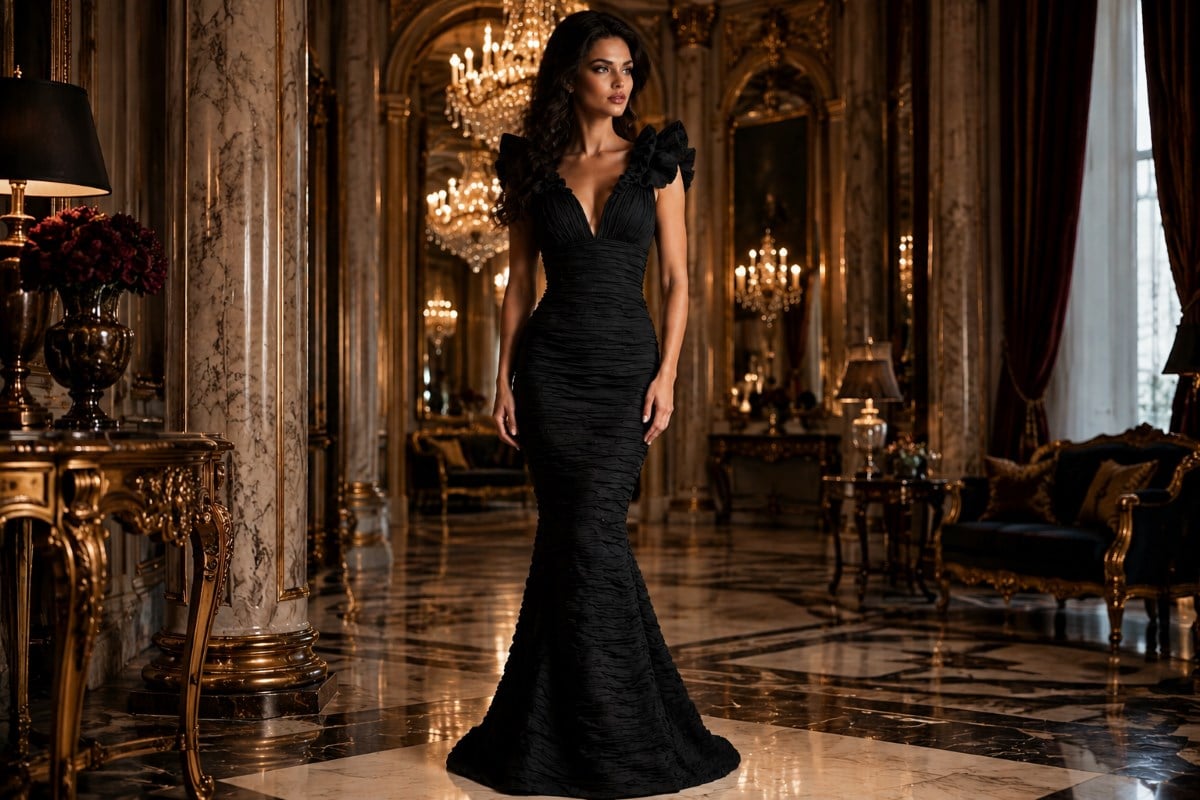
The way a lace dress is constructed affects both how it looks and how comfortable it is to wear through a long celebration. Lace is often layered over a solid lining, which determines the level of coverage and the smoothness of the silhouette, so checking the lining is worthwhile when choosing a dress. Some styles use illusion lace over mesh to create the look of lace directly on the skin while maintaining coverage, a useful option for a guest who wants elegance with modesty. Well-constructed lace dresses place the lace thoughtfully so the pattern flows cleanly across the body rather than breaking awkwardly at the seams, a hallmark of quality construction. Jovani’s careful placement of lace appliques ensures smooth, clean transitions across the bodice and skirt, reflecting a design heritage reaching back to 1983. Understanding how a lace dress is built helps you choose one that looks polished and feels comfortable all day.
Styling a Lace Wedding Guest Dress
A lace dress has its own elegant texture, so styling it well means complementing rather than competing with the fabric. A few thoughtful choices complete the look.
Accessories That Complement Lace
Because lace already brings intricate texture and visual interest, the smartest styling approach is to keep accessories refined so they complement rather than compete with the fabric. Simple, elegant jewelry like delicate earrings and a refined bracelet enhances the look without overwhelming the detail of the lace, while overly busy accessories can clash with the pattern. A sleek clutch and elegant heels keep the overall look polished and appropriate for the formality of a wedding. For a wedding with a dress code that calls for an evening gown, a floor-length lace style brings the right level of formality, and the range of evening dresses shows how lace reads at full length. Letting the lace be the focal point, with accessories kept simple and elegant, creates a refined, cohesive look that suits the celebration beautifully.
Coverage, Layers, and Comfort
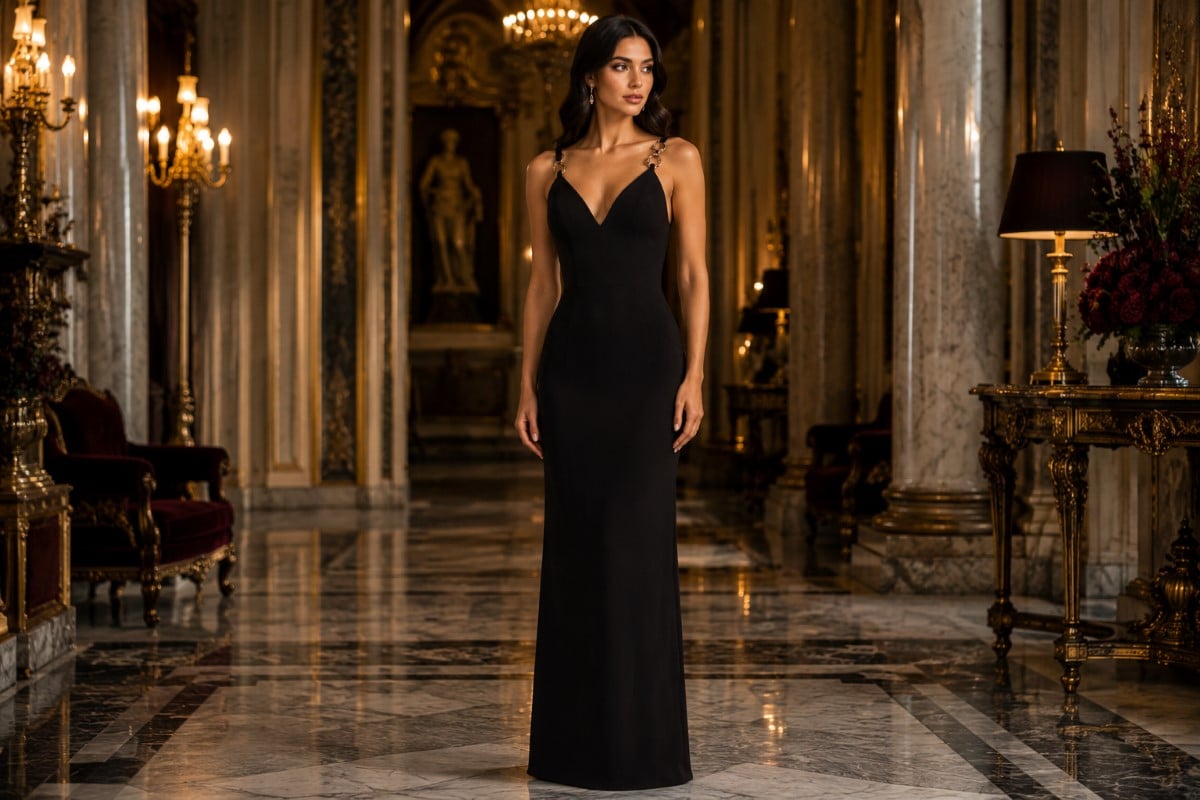
Lace offers natural flexibility when it comes to coverage, which makes it a comfortable and adaptable choice for a guest across different venues and seasons. Lace sleeves, whether full-length, three-quarter, or cap, provide elegant coverage while adding to the romantic feel of the dress, suiting cooler venues and more conservative ceremonies. A lace overlay or a higher neckline offers additional coverage for a religious ceremony without sacrificing elegance, and a light wrap can be added for a cool evening. The texture of lace also means it works beautifully across the formal spectrum, suiting both daytime and evening weddings, a versatility our guide to wedding guest outfit ideas explores across settings. Choosing a level of coverage that suits the venue and feels comfortable lets you enjoy the celebration fully rather than spending the day adjusting your dress.
Lace also lends itself naturally to more covered, modest styling for guests who prefer it, without ever looking heavy or severe. The range of lace mother of the bride dresses shows how the fabric suits fuller coverage and formal occasions beautifully, which is useful whether you are a guest who wants more coverage or a close family member attending the wedding.
When Lace Is and Is Not the Right Choice
Lace is a beautiful option for most weddings, but being honest about when it works best, and when another fabric might serve you better, helps you choose with confidence. The fabric suits many occasions, yet a few situations call for a second thought.
When Lace Suits the Wedding
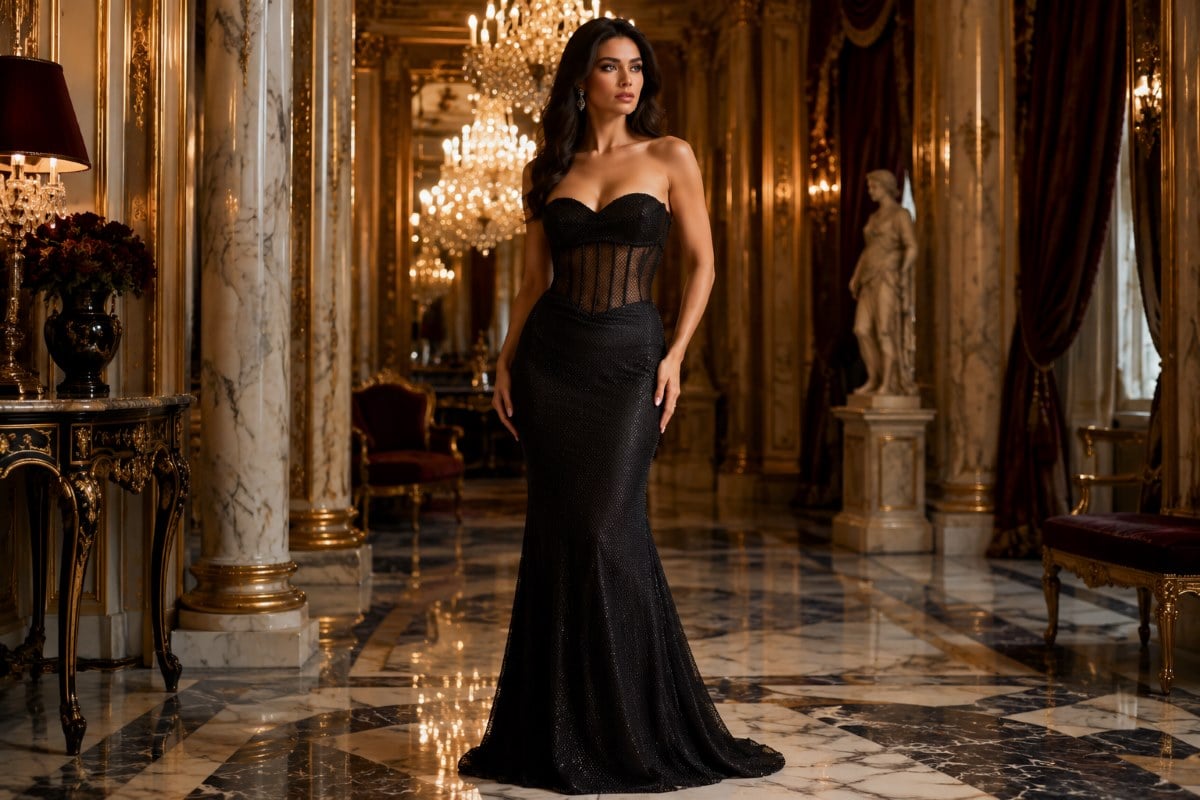
Lace is an excellent choice for a wide majority of weddings, particularly romantic, traditional, and formal celebrations where its texture and timeless quality feel right at home. A garden, vineyard, or estate wedding suits lace beautifully, as the vintage-inspired fabric complements the romantic atmosphere of these settings. Formal and black-tie evening weddings welcome lace too, especially in a richer guipure or Alençon lace and a deeper color that reads as elegant and refined. Lace also works well across seasons, with lighter lace for warm-weather weddings and heavier lace for cooler months. For a guest who wants a look that feels elegant, feminine, and appropriate to the significance of a wedding, lace is a reliable and beautiful choice that rarely feels out of place when the color is chosen carefully.
When to Consider Another Fabric
There are a few situations where a guest might reasonably choose a different fabric over lace. For a very casual or beach wedding, a lightweight chiffon or a simple cotton-blend dress may suit the relaxed setting better than formal lace, which can read as overly dressy in a barefoot, seaside context. If the only lace dress you love happens to be white or very pale, the bridal association makes it the wrong choice for a guest regardless of how beautiful it is, and a different colored fabric is the safer path. Some guests also simply prefer the clean, modern look of a structured crepe or satin over the romantic texture of lace, which is entirely a matter of personal taste. Being honest about the venue, the color, and your own style helps you decide whether lace is genuinely the right fabric for the wedding you are attending.
Frequently Asked Questions About Lace Wedding Guest Dresses
Can you wear lace to a wedding as a guest?
Yes, lace is a beautiful and entirely appropriate choice for a wedding guest, as long as you avoid bridal colors. Lace reads as romantic, timeless, and elegant, suiting the formality of a wedding perfectly. The one critical rule is color: because lace is so strongly associated with bridal gowns, you must steer clear of white, ivory, cream, and champagne. In a clearly non-bridal color like a jewel tone, deep neutral, or clear pastel, a lace dress is one of the most elegant things a guest can wear. The romantic texture suits the occasion, photographs beautifully, and feels appropriately special without ever overstepping, which is exactly what a guest wants.
What color lace can a wedding guest wear?
A wedding guest can wear lace in almost any color except bridal shades. Rich jewel tones like emerald, sapphire, and burgundy show off lace beautifully, while deep neutrals like navy, charcoal, and black read as timeless and refined. Soft but clearly colored shades like dusty rose, sage, or lavender suit daytime and outdoor weddings. The key is choosing a color with enough depth or clear hue that it could never be mistaken for the bride’s gown, since lace makes the no-white rule especially important to follow carefully.
Is lace too bridal for a wedding guest?
Lace itself is not too bridal for a guest, but white or pale lace is. Because lace is so associated with wedding gowns, a white, ivory, or very pale lace dress reads as distinctly bridal and risks appearing to compete with the bride. The solution is simply color: a lace dress in a rich, clearly non-bridal shade reads as an elegant guest choice rather than a bridal one. As long as the color is unmistakably not white or pale, lace is a sophisticated and appropriate fabric for a wedding guest to wear.
What type of lace is best for a wedding guest dress?
The best type of lace depends on the wedding’s formality and your taste. Delicate Chantilly lace is fine and soft, suiting daytime and garden weddings, while bolder guipure lace is thicker and more structured for formal or contemporary celebrations. Alençon lace offers a classic, corded texture, and three-dimensional appliques add couture-level dimension for a statement look. Matching the type of lace to the wedding’s setting and dress code, delicate for relaxed daytime events and bolder lace for formal evenings, ensures the dress feels right for the occasion. If you are unsure, a medium-weight lace in a clear color is the most versatile and works across a wide range of weddings comfortably.
Is a lace dress appropriate for a formal wedding?
Yes, lace is well suited to formal weddings, particularly in a floor-length style and a richer type of lace. A floor-length lace gown in guipure or Alençon lace, in a deep jewel tone or elegant neutral, reads as appropriately formal for a black-tie or evening wedding. For less formal celebrations, a knee-length or midi lace dress in a lighter lace suits the occasion. Lace adapts across the formal spectrum, so matching the length, lace type, and color to the wedding’s dress code ensures the dress is appropriately formal for the event.
How do you style a lace wedding guest dress?
Because lace already brings intricate texture, keep accessories refined so they complement rather than compete with the fabric. Simple, elegant jewelry like delicate earrings enhances the look without overwhelming the detail, while a sleek clutch and elegant heels keep it polished. Let the lace be the focal point rather than layering on busy accessories. For coverage, lace sleeves or a higher neckline add elegance while suiting cooler venues or religious ceremonies. The goal is a refined, cohesive look with the lace as the centerpiece, appropriate to the formality of the wedding.