
For most of wedding history, a bride owned exactly one dress, and every photograph of her was taken in it. That is no longer the only way. A growing number of brides are choosing a separate dress specifically for their portraits, distinct from the gown they walk down the aisle in. A bridal portrait dress is a dress chosen for a formal photography session rather than for the ceremony itself, and treating it as its own decision opens up creative, practical, and budget possibilities that a single all-day gown cannot offer. Whether the portraits happen weeks before the wedding, during a dedicated session, or in a relaxed shoot afterward, choosing the dress with the camera in mind is its own art. This guide walks through what a bridal portrait dress is, why a bride might want one separate from her gown, and how to choose it well.
What a bridal portrait session is
A bridal portrait session is a dedicated photo shoot focused entirely on the bride, separate from the candid coverage of the wedding day. In some regions, particularly across the American South, formal bridal portraits taken weeks before the wedding are a long-standing tradition, often displayed at the reception. Elsewhere, brides arrange editorial-style sessions, destination shoots, or relaxed post-wedding portraits simply to capture beautiful images without the time pressure of the day itself. What these sessions share is a singular focus: the photographs are the entire point, which changes what the dress needs to do.
Because the session is built around the camera, the dress is chosen for how it photographs and how freely the bride can pose, rather than for how it carries her through a ceremony, a meal, and hours of dancing. There is no need to compromise for comfort across a long day or to balance the demands of different wedding moments. That freedom is exactly why a portrait dress can be a different garment from the main gown, and why some brides treat it as a distinct, deliberate choice rather than defaulting to the dress they already own.
Why choose a dress separate from your wedding gown
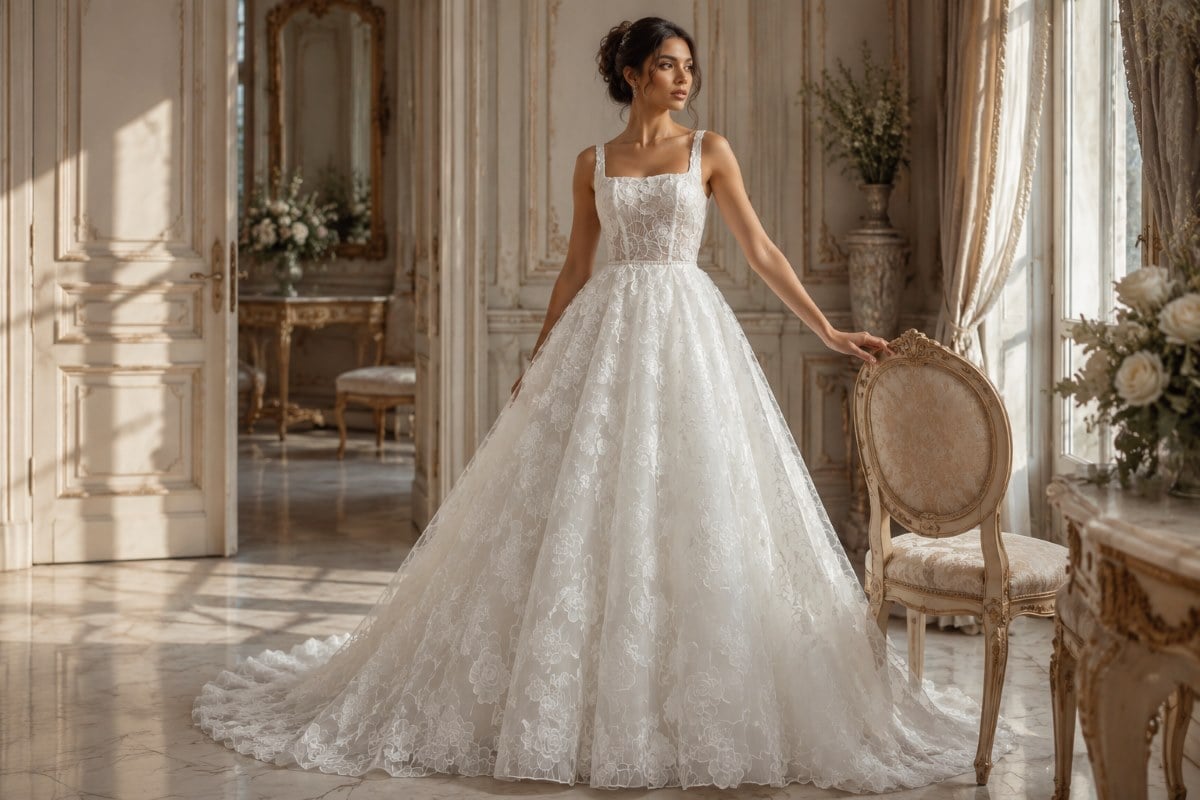
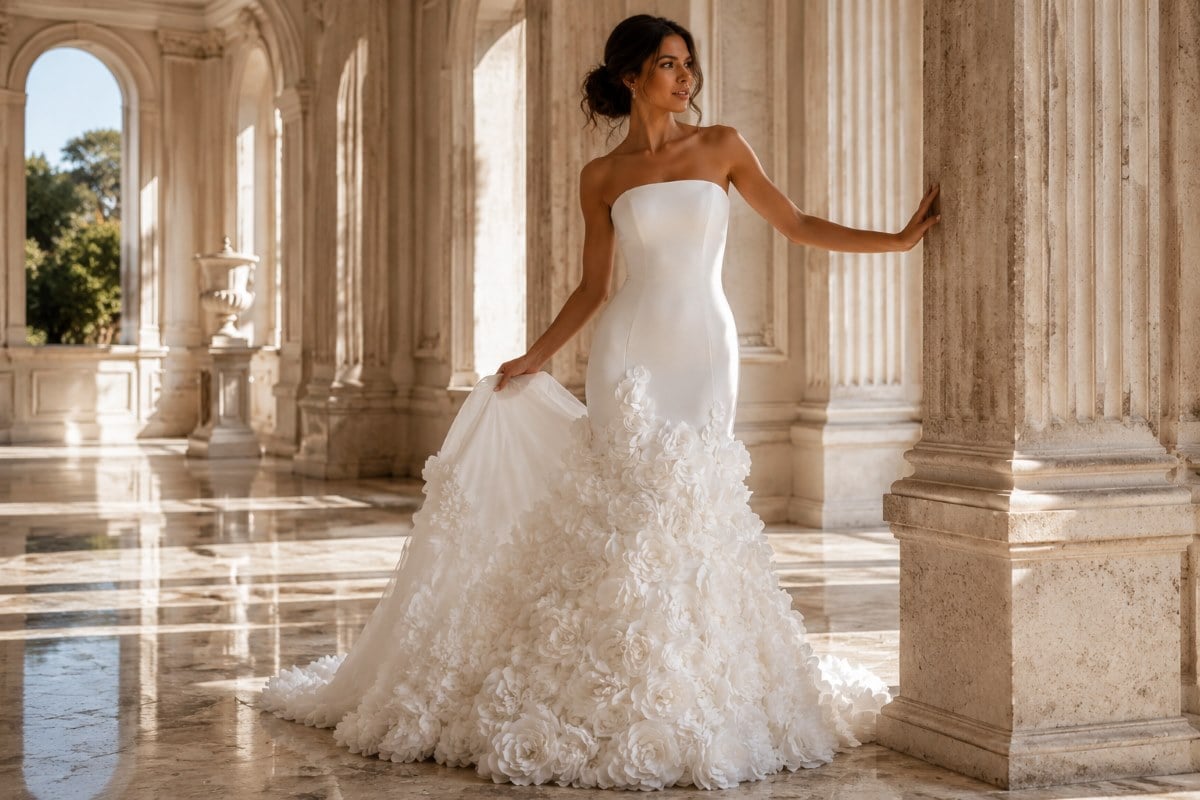
The most common reason is creative range. Many brides are drawn to two different aesthetics and feel they have to choose, when a separate portrait dress lets them have both. A bride can wear a traditional, formal gown for the ceremony and a more modern, editorial, or unexpected dress for her portraits, capturing two distinct moods in her bridal imagery. The full collection of wedding gowns shows how much variety exists within bridal style, and a portrait session is a low-pressure way to explore a look the bride loves but might not want for the ceremony itself.
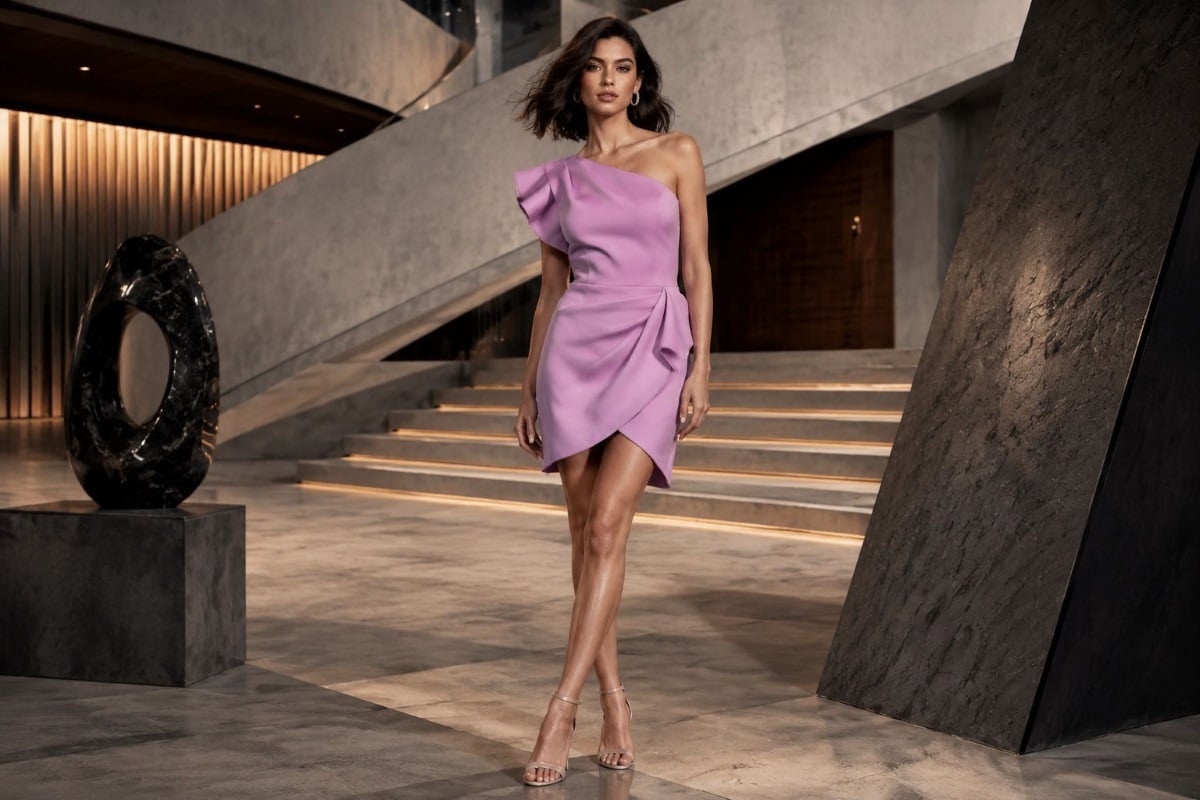
There are practical reasons too. A bride whose main gown is elaborate, heavy, or still being altered may want a simpler, easier dress for a relaxed shoot. A destination or elopement bride may want something packable and movement-friendly for portraits in a striking location. Some brides choose a separate portrait dress purely for variety, so their photographs are not all in a single look. Among the lighter, easier options, the range of short wedding dresses shows how a shorter or simpler silhouette can read as fully bridal while being far more practical for an active session. The separate portrait dress is, in many cases, the most flexible piece in a bride’s wardrobe.
How it differs from a reception or second dress
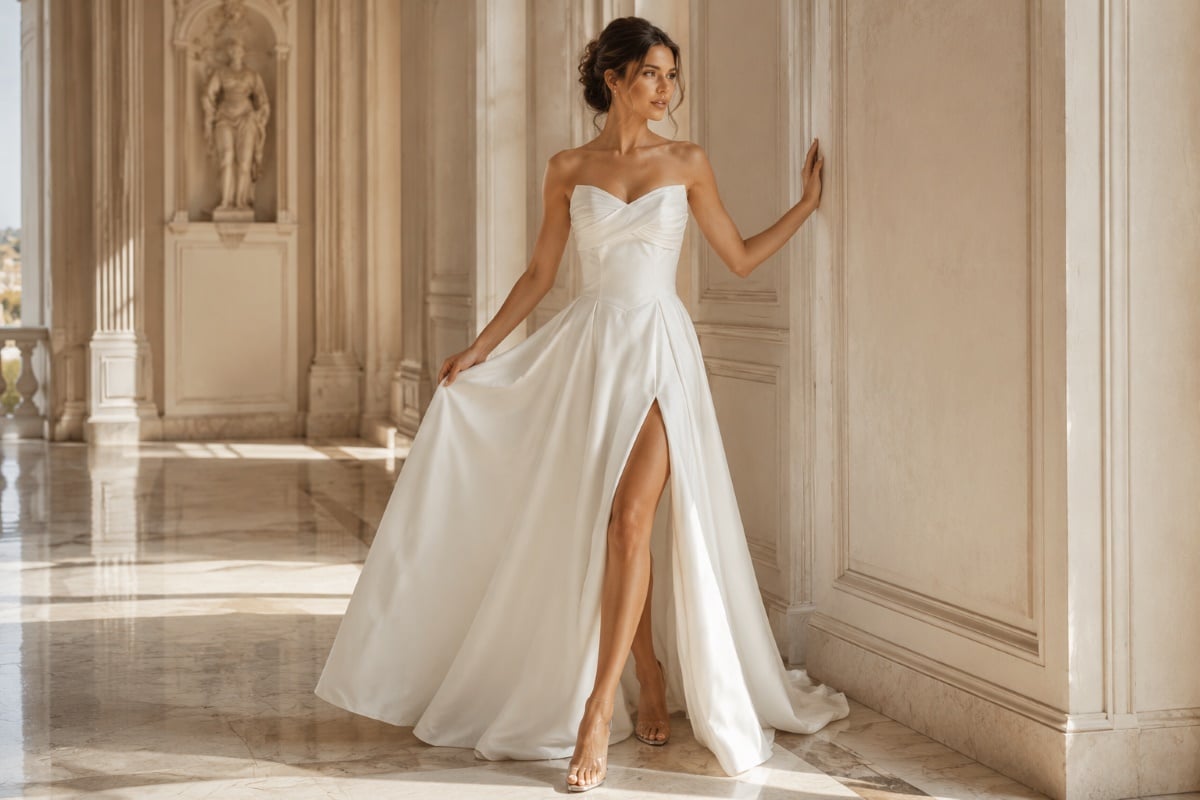
It helps to separate the portrait dress from two related ideas it is often confused with. A reception or second dress is chosen for the party: it prioritizes movement for dancing, comfort for a long evening, and a celebratory, sometimes daring feeling for the after-party hours. The reasoning behind that choice is covered in the guide to the second wedding dress, and the contrast is clarifying. A portrait dress is chosen for the camera and for posing, not for an event, so its priorities are different: how it reads in a still frame, how it moves for a held pose, and how it photographs under studio or natural light. A reception dress has to survive a party; a portrait dress only has to look right for the lens. Understanding that difference keeps the two decisions from blurring together.
What makes a dress photograph well
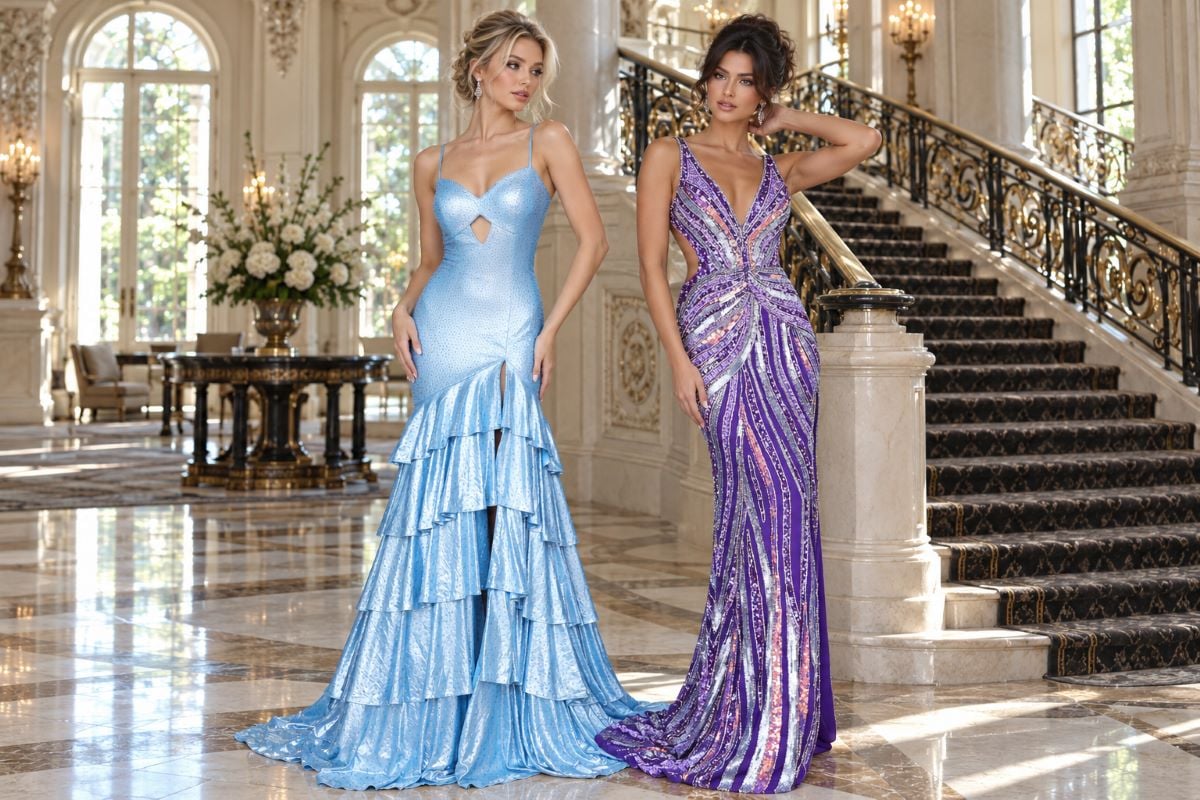
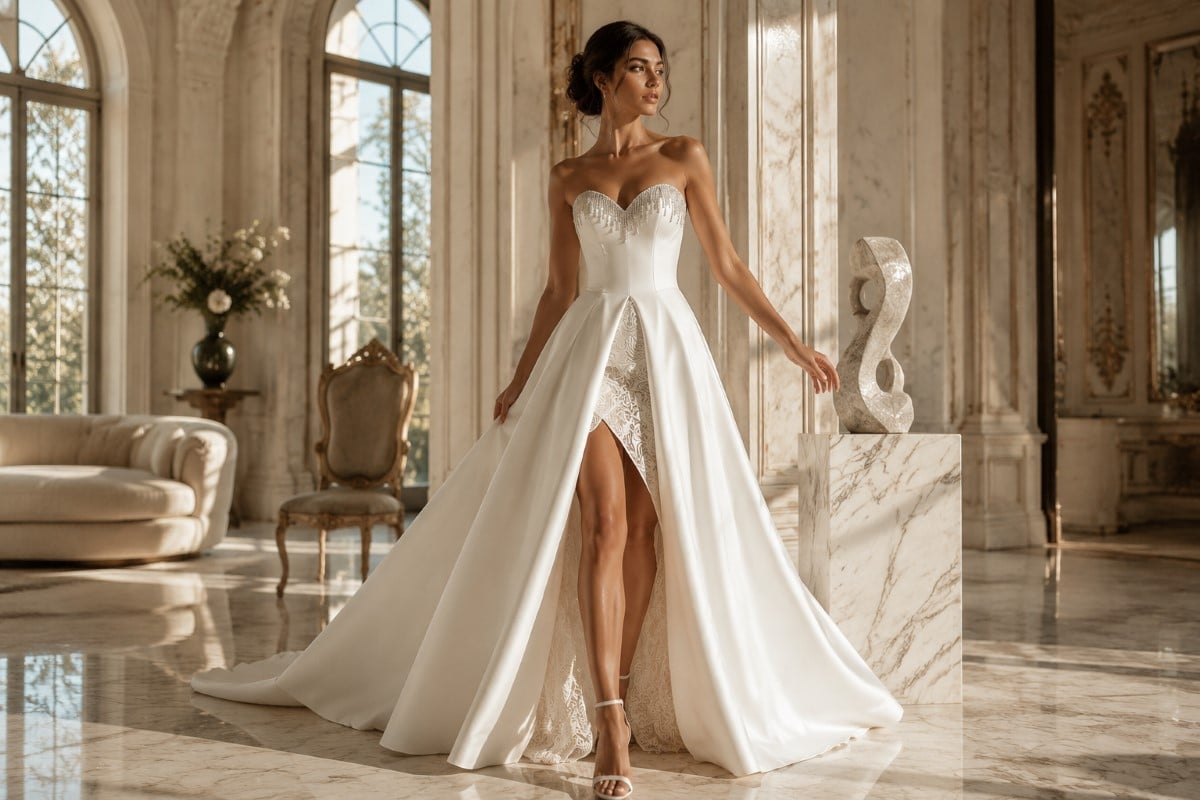
Choosing a dress for portraits means thinking about how fabric, shape, and detail translate through a camera, which is not always the same as how they look in a mirror. Fabric is the foundation. Matte and lightly textured materials like crepe and soft satin read cleanly in bright daylight, while heavily beaded or metallic fabrics come alive under the warm, low light of an evening or studio session, catching and reflecting light in a way that adds dimension. Matching the fabric to the light of the planned session is one of the most useful decisions a bride can make. A dress that looks beautiful in a fitting room can read flat or busy on camera if the fabric fights the lighting.
Silhouette matters because a portrait is often a sustained, held pose rather than natural movement. A shape that holds its line cleanly when the bride is standing, seated, or turning reads better than one that needs constant adjusting. The balanced proportions of an A-line wedding dresses silhouette photograph reliably from many angles, which is part of why the shape is so enduring for formal imagery. Detail should be intentional: a clean neckline frames the face, which is the focal point of any portrait, while overly busy embellishment near the collarbone can pull the eye away from it. Choosing a dress that flatters the bride’s face and posture, not just her figure, is what makes a portrait feel like her.
Color beyond traditional white
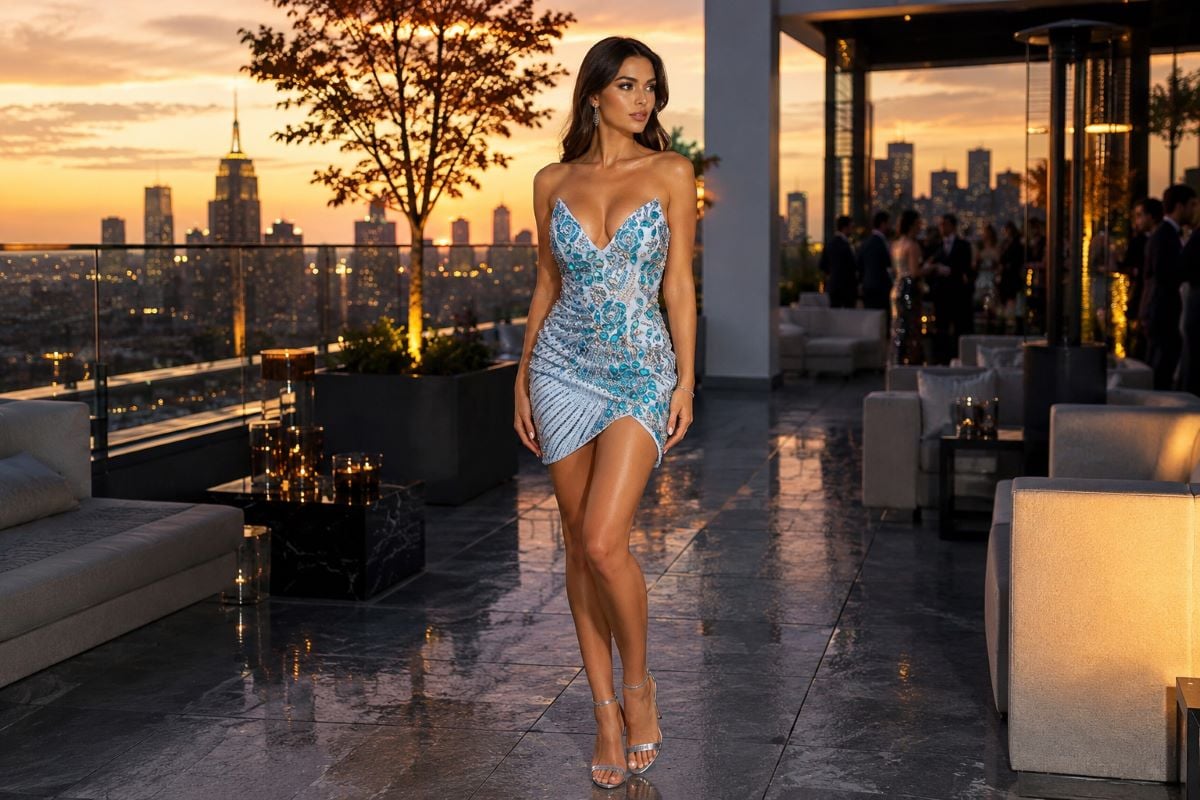
A bridal portrait session is also a natural place to step outside traditional white or ivory, since the dress is not standing in for the ceremony gown. Some brides keep the portrait dress bridal in tone, choosing a soft champagne or a clean ivory to maintain a cohesive feeling across all their images. Others use the freedom of a separate dress to wear a color: a soft blush, an icy blue, a metallic, or even a bold shade that matches their personality or the setting. Because the portrait dress carries no obligation to read as the wedding gown, the usual rules relax, and the choice becomes purely about what photographs beautifully and feels like the bride. It is worth testing a color against the planned backdrop, since a shade that sings against greenery or a soft studio wall can look entirely different in another setting. A bride might also coordinate the portrait dress loosely with her wedding palette, so the images still feel connected to the day even in a different color. A non-traditional color in a formal silhouette can produce genuinely memorable, editorial images that the main gown never could.
Practical planning for the dress and the session
A few practical considerations make the portrait dress decision smoother. Timing is the first. If the portraits happen before the wedding, the dress needs to be ready and fitted well in advance, which is a real advantage of choosing a separate, simpler dress rather than rushing alterations on an elaborate gown. If the session is after the wedding, there is more flexibility, and a bride can choose something she loves without the pressure of the main timeline. Knowing when the session falls shapes how much lead time the dress requires.
Location and movement matter too. A studio session rewards a dress with clean lines and a fabric that holds up under controlled light, while an outdoor or destination shoot rewards a dress that moves well in wind and travels without heavy creasing. A bride planning an active, location-driven session should prioritize a dress she can walk, sit, and pose in comfortably. For a sense of how to dress for a camera-focused shoot more broadly, the guidance in what to wear to an engagement photo shoot covers how clothing reads on camera and how to coordinate a look for photographs, much of which applies directly to bridal portraits. Planning the dress around the specifics of the session is what produces images the bride actually loves.
Styling and accessories for portraits
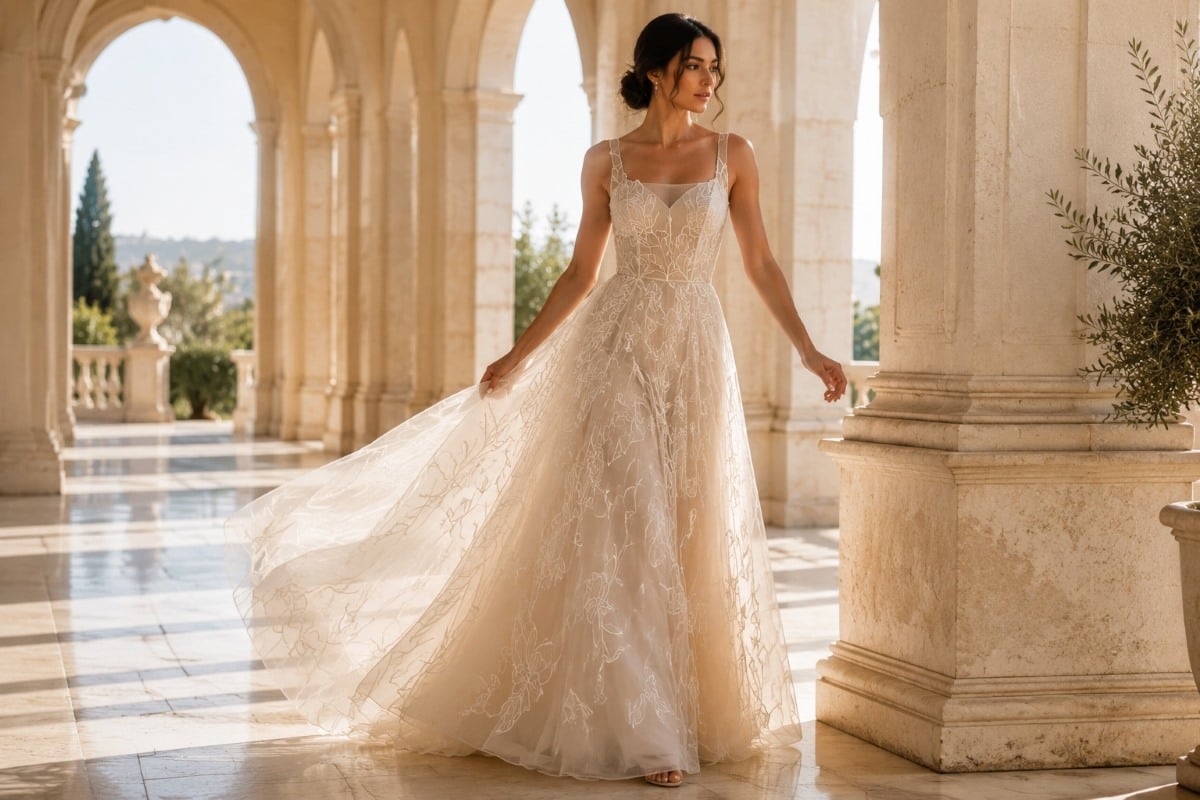
Because a portrait is a close, sustained look, the styling around the dress carries more weight than it might on a busy wedding day. Accessories should support the dress and frame the face rather than compete with either. A clean hairstyle that shows the neckline, refined jewelry scaled to the dress, and a thoughtful approach to the overall balance all help the image read as polished. Many of the same principles that guide bridal styling generally apply here, and the overview in accessorize your wedding dress is a useful reference for keeping the dress the focal point while the accessories provide harmonious support.
It is also worth remembering that a portrait dress can do double duty. A simpler, lighter portrait dress often works beautifully for pre-wedding events as well, so the investment stretches further than a single session. A bride choosing a clean, versatile style might find it serves as a rehearsal or pre-wedding look too. The range of the little white dress shows how a single elegant piece can move between several bridal moments, which is part of what makes a separate portrait dress a practical choice rather than an indulgence. Styling it with that versatility in mind extends its value well beyond the photographs.
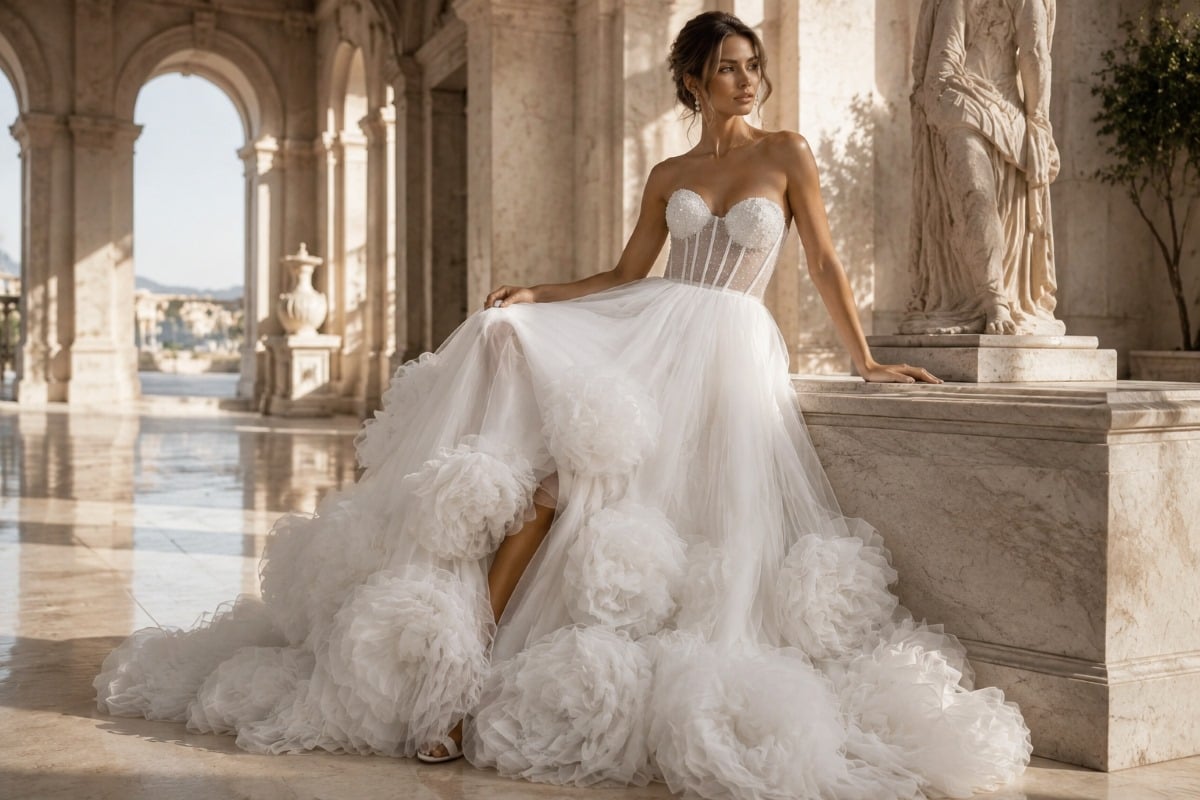
Is a separate portrait dress right for you?
A separate bridal portrait dress suits a bride who values her photographs highly, who is drawn to more than one aesthetic, or who has a practical reason her main gown is not ideal for a shoot. It rewards a bride who wants creative range in her bridal imagery, who is planning a session with specific demands like travel or a particular location, or who simply loves the idea of a second beautiful dress chosen purely for the camera. For that bride, a portrait dress is a meaningful, rewarding addition to her wedding.
For a bride who feels completely captured in her main gown and prefers the cohesion of a single look across all her images, a separate portrait dress is an optional extra rather than a necessity, and there is nothing wrong with skipping it. The right choice depends on how she wants her bridal story told in photographs. If she does want a dress with celebratory range for the evening hours rather than the portrait session specifically, the styles among wedding reception dresses point in that direction instead, which is a useful distinction to keep in mind. Understanding the portrait dress as its own decision gives a bride one more way to make her wedding imagery exactly what she imagined.
Frequently asked questions bridal portrait dress
What is a bridal portrait dress?
A bridal portrait dress is a dress chosen specifically for a formal photography session rather than for the wedding ceremony itself. The session focuses entirely on the bride, so the dress is selected for how it photographs and how freely she can pose, rather than for how it carries her through a long day. It can match the wedding gown in spirit or be a completely different look, and treating it as its own choice gives a bride creative and practical freedom her main gown cannot offer.
Why would a bride want a dress separate from her wedding gown?
The most common reason is creative range, since a separate dress lets a bride capture two distinct looks in her bridal imagery, one traditional and one more modern or editorial. There are practical reasons too: a simpler, lighter dress is easier for an active or destination session than an elaborate gown, and a separate dress adds variety so the photographs are not all in a single look. Some brides also use the freedom to wear a color or silhouette they love but would not choose for the ceremony. For a bride drawn to two different looks, the portrait session is the lowest-pressure way to wear the second one without compromising the gown she walks down the aisle in.
How is a portrait dress different from a reception dress?
A portrait dress is chosen for the camera and for posing, while a reception dress is chosen for the party. The reception dress prioritizes movement for dancing, comfort across a long evening, and a celebratory feeling, and it has to survive an active event. A portrait dress only needs to look right for the lens, so its priorities are how it reads in a still frame, how it holds a pose, and how it photographs under the session’s lighting. The two serve different moments and call for different choices.
Can a bridal portrait dress be a color other than white?
Yes, and a portrait session is a natural place to step outside traditional white, since the dress is not standing in for the ceremony gown. Some brides keep it bridal with soft champagne or ivory for cohesion across their images, while others choose blush, icy blue, a metallic, or even a bold shade that suits their personality or setting. Because the portrait dress carries no obligation to read as the wedding gown, the choice becomes purely about what photographs beautifully and feels like the bride.
What should I look for in a dress for photographs?
Focus on how fabric, shape, and detail translate on camera. Matte and lightly textured fabrics like crepe and soft satin read cleanly in daylight, while beaded or metallic fabrics come alive under warm evening or studio light, so match the fabric to the session’s lighting. Choose a silhouette that holds its line cleanly in a held pose, and keep the neckline clean so the eye goes to the face, which is the focal point of any portrait. A dress that flatters posture and face, not just figure, photographs best. It also helps to consider the dress from every angle, since a portrait session captures the back and profile as often as the front, so a clean silhouette from the side or a beautiful detail at the back adds value the front view alone does not.
When should I shop for a bridal portrait dress?
Timing depends on when the session falls. If portraits happen before the wedding, the dress needs to be ready and fitted well in advance, which is one reason a simpler, separate dress is easier than rushing alterations on the main gown. If the session is after the wedding, there is more flexibility. Either way, allowing enough lead time for any alterations is wise, and choosing a versatile style means the dress can often serve pre-wedding events as well, stretching its value beyond the single session.
If a dress chosen purely for your portraits sounds like the right way to capture the bridal images you imagine, the best next step is to see the silhouettes and fabrics in person and find the one that photographs the way you want, which you can do by visiting an authorized Jovani retailer.