Long Sleeves Wedding Guest Dresses: Start With Sleeve Construction
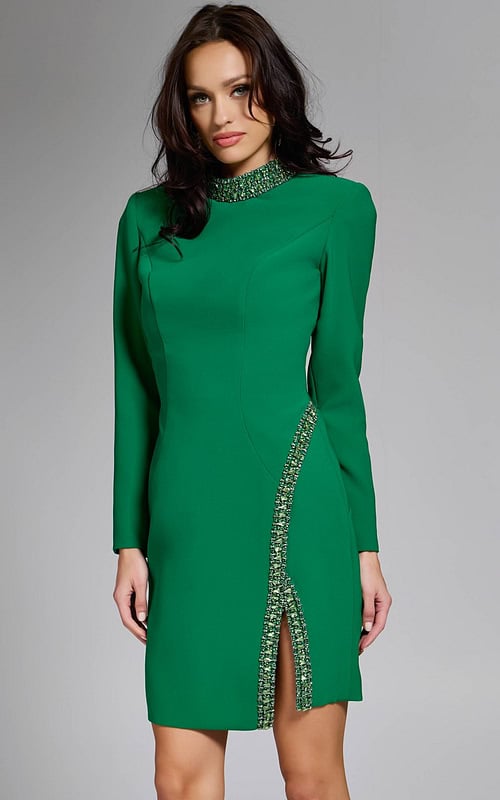
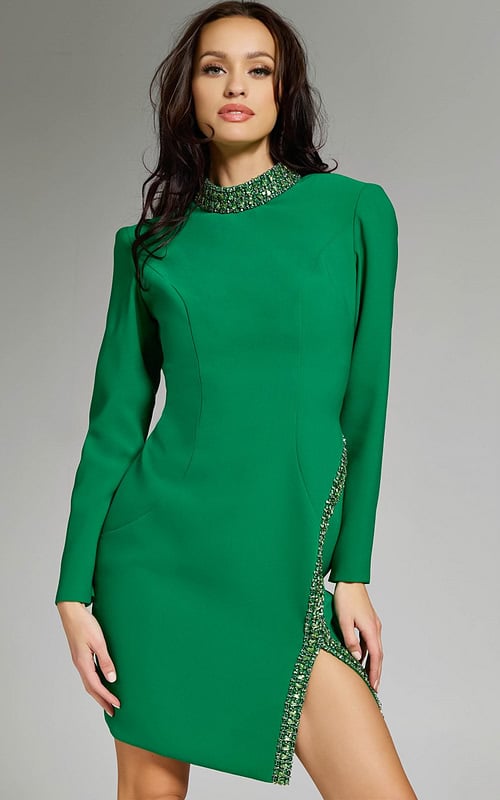
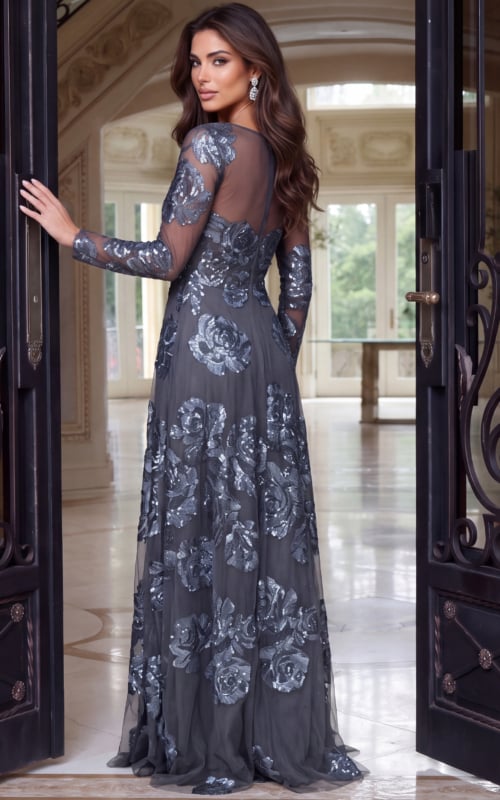
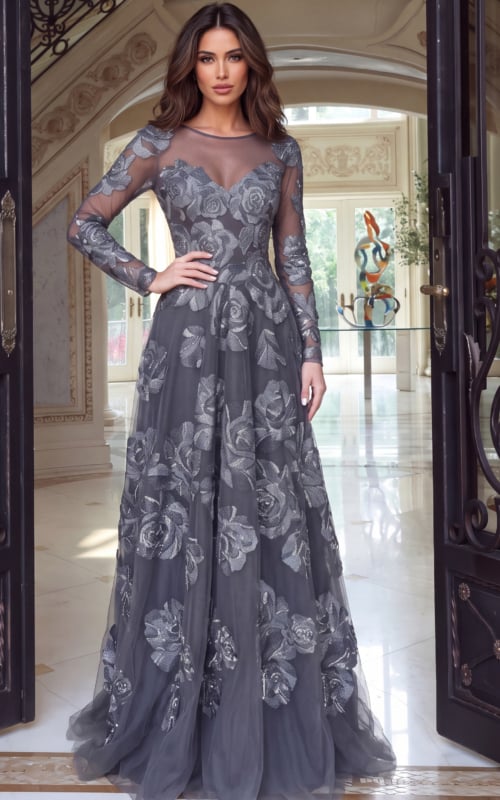
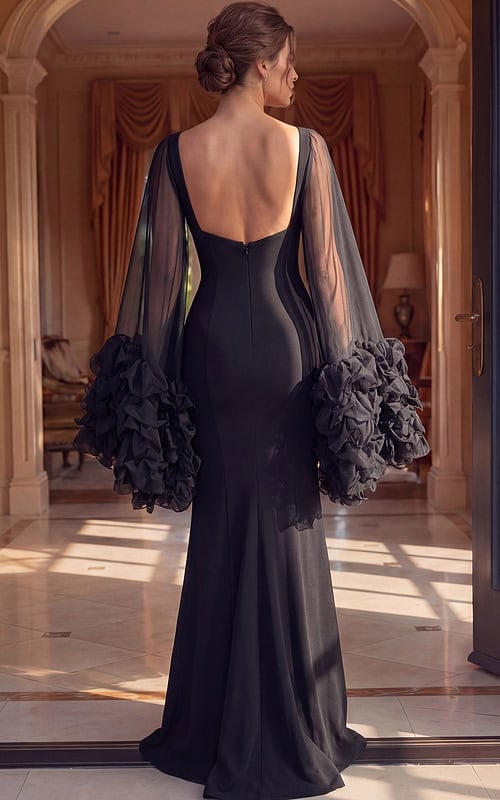
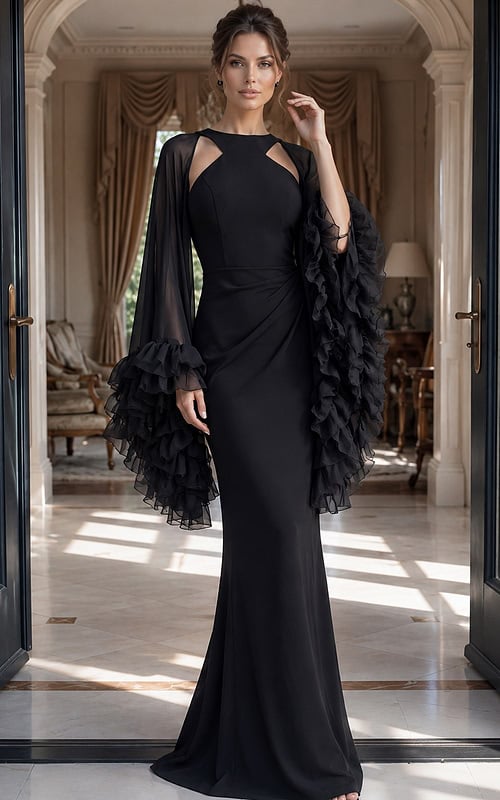
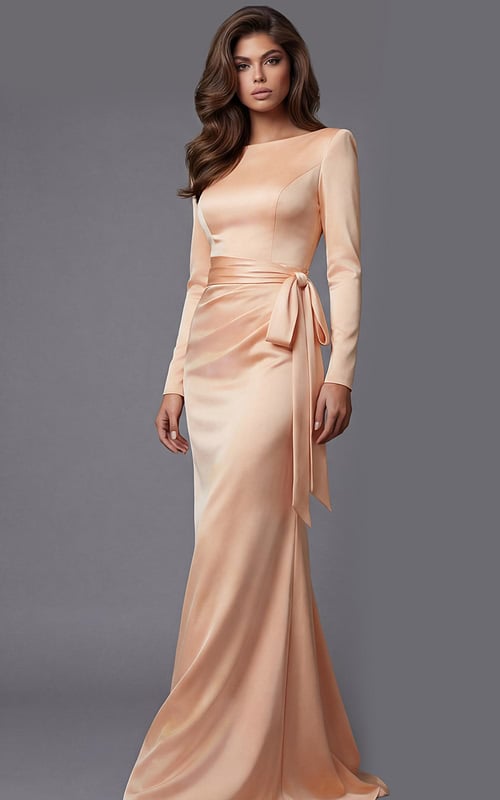
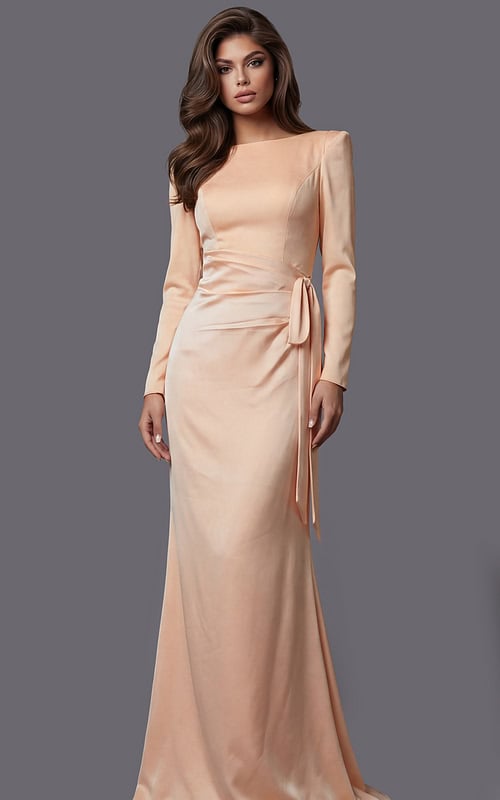
Long sleeves wedding guest dresses vary more by sleeve construction than coverage alone suggests. A fitted sleeve in stretch crepe gives a clean line and usually moves with the arm, while woven brocade can feel sharper but less forgiving at the elbow and shoulder. Sheer mesh, lace, or chiffon sleeves add coverage with less weight, though the armhole and cuff still need to sit comfortably through a ceremony, meal, and reception.
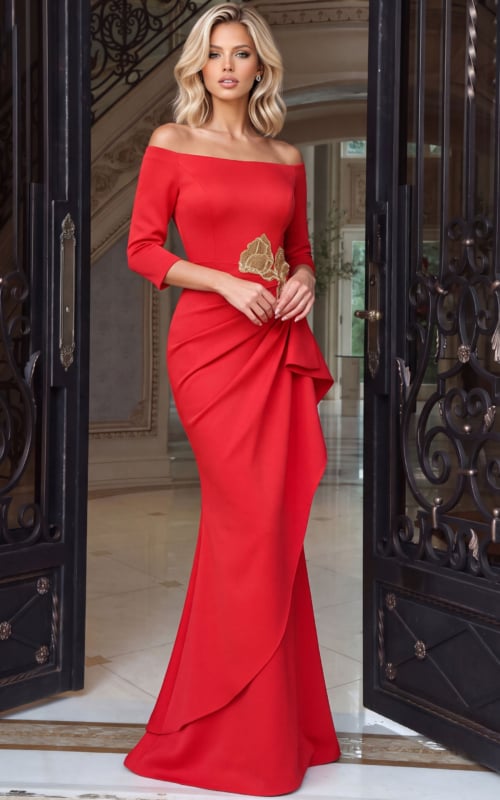
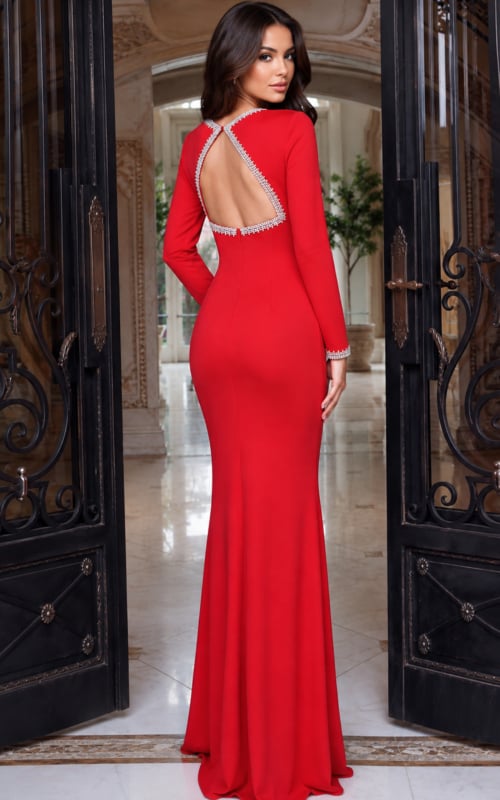
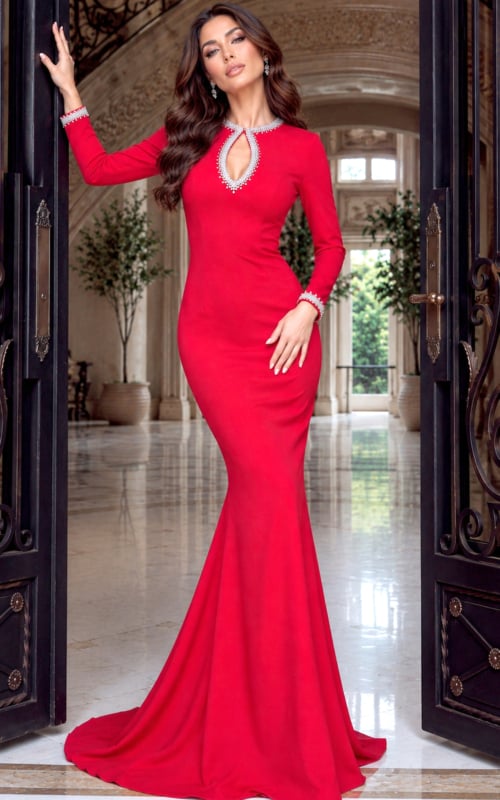
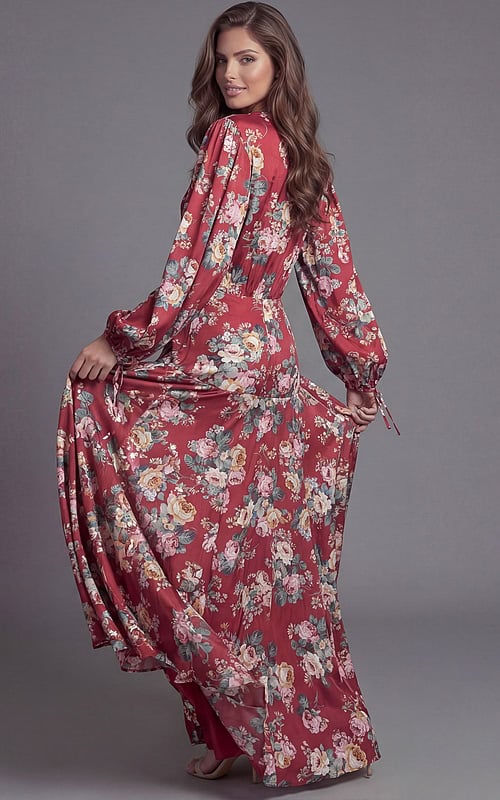
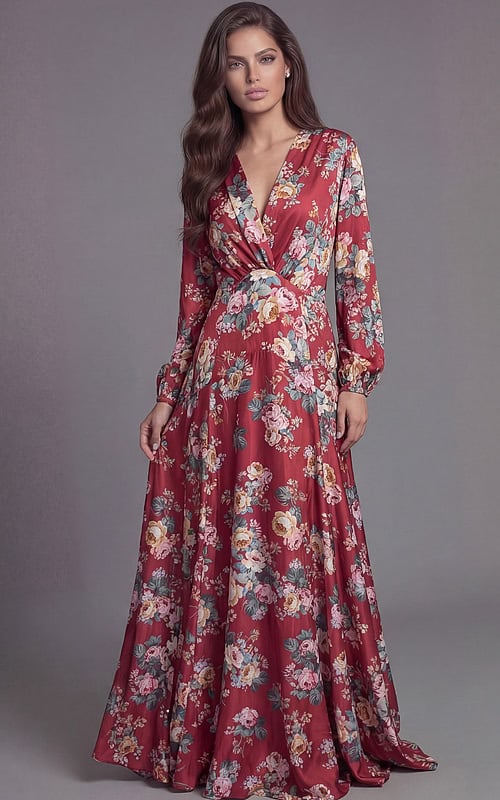
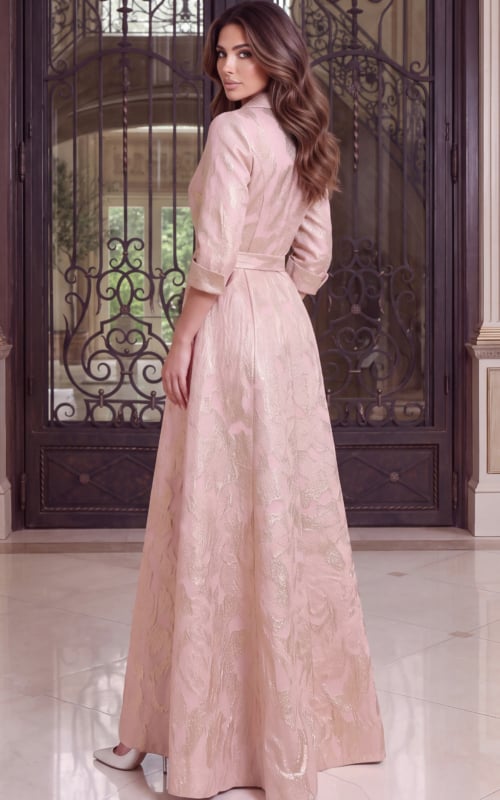
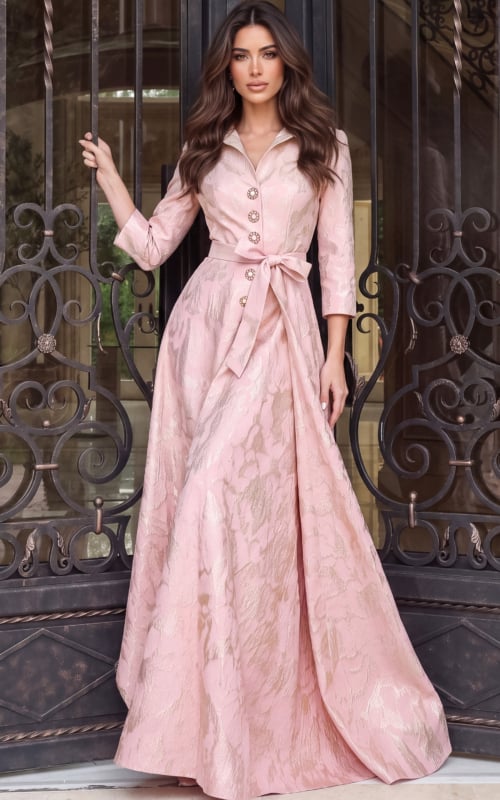
Start by deciding how much structure you want through the body. A fitted column or mermaid shape keeps the silhouette close and benefits from fabric with recovery, especially when the sleeve is narrow. An A-line skirt gives more room through the hip and can balance a bishop or puff sleeve. If you want to compare sleeve coverage against a broader assortment, browse wedding guest gowns for alternative necklines, lengths, and silhouettes. Keep that comparison focused on what changes your fit or movement rather than treating sleeve coverage as the only deciding factor.
Compare Stretch, Lining, and Fabric Weight
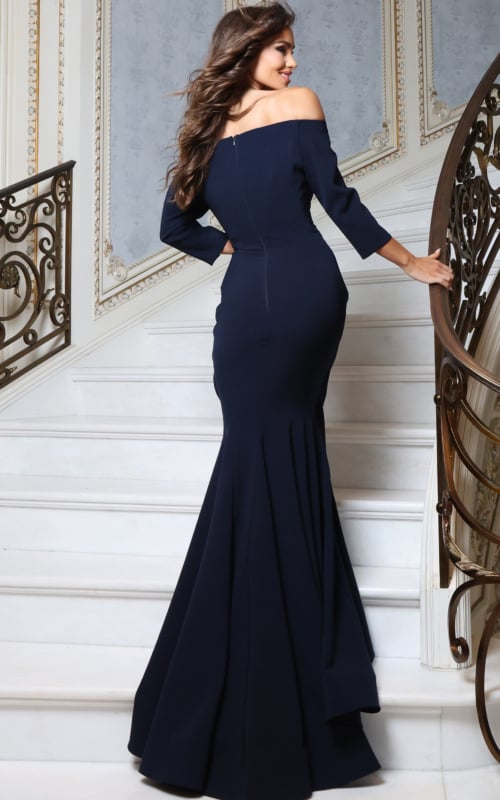
When comparing long sleeves wedding guest dresses, check whether stretch comes from the shell, the lining, or both. Stretch crepe and stretch jersey can follow the body closely and recover after sitting, while rigid satin, brocade, and some embellished fabrics depend more on precise seam placement. If the outer layer stretches but the lining does not, the dress may feel tighter than expected through the bust, upper arm, or hip.
Lining changes drape as well. A smooth full lining can reduce cling and help a fitted skirt fall cleanly, while partial lining keeps sheer sleeves visually lighter. With lace or mesh sleeves, look at where the lining stops and whether the armhole seam feels bulky. Shoppers who prefer the same wedding context with less arm coverage can compare sleeveless wedding guest dresses. If shoulder framing matters more than full coverage, off shoulder wedding guest gowns offer a useful construction comparison.
Match Sleeve Shape to the Neckline and Bodice
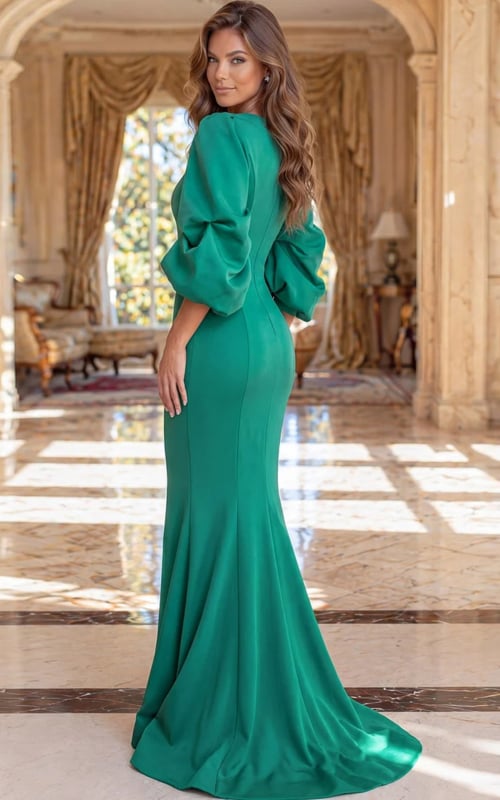
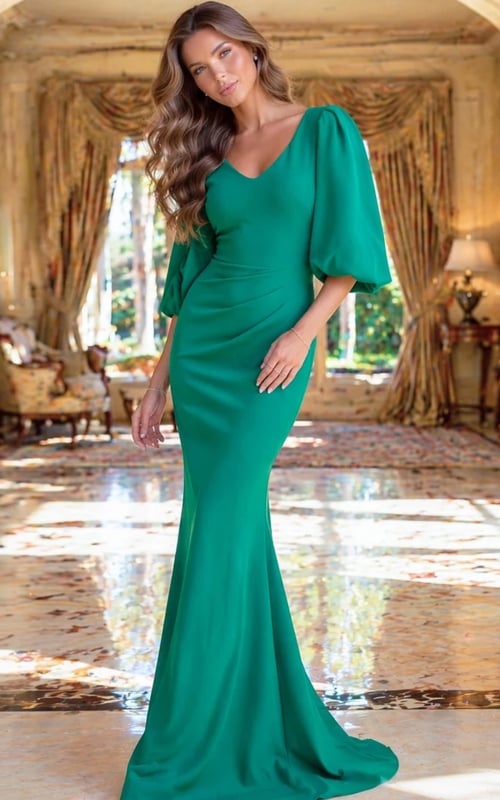
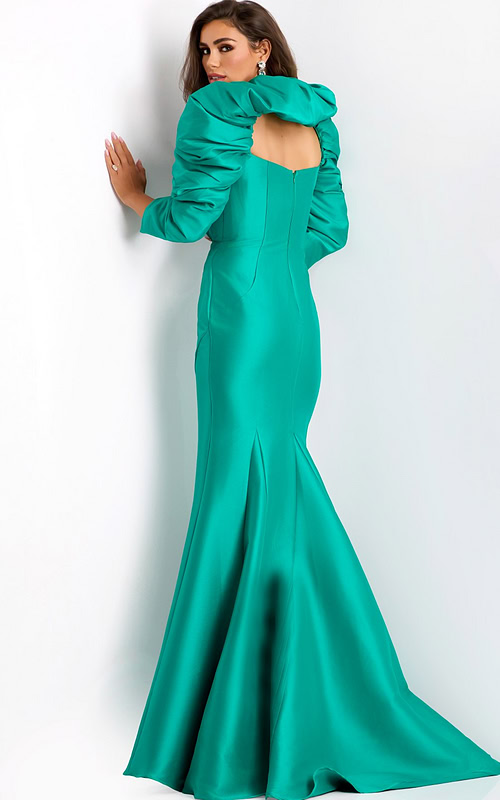
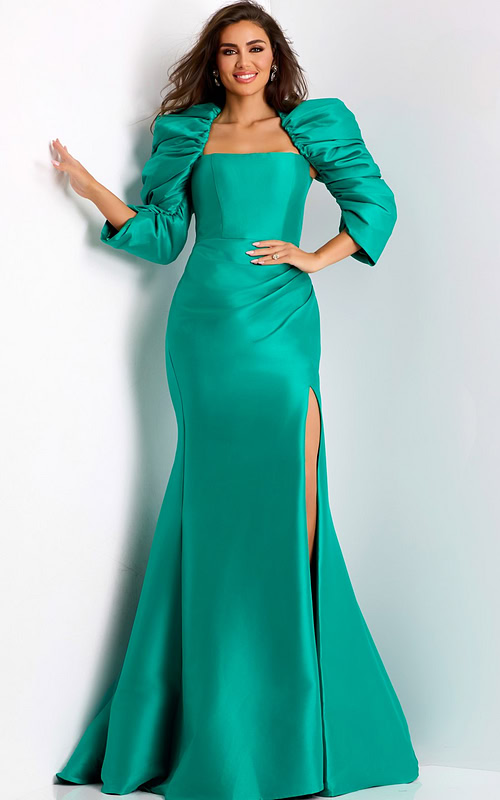
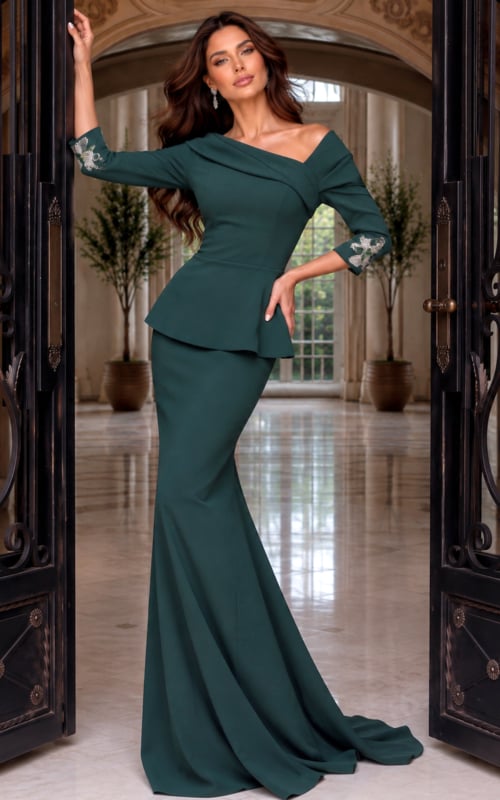
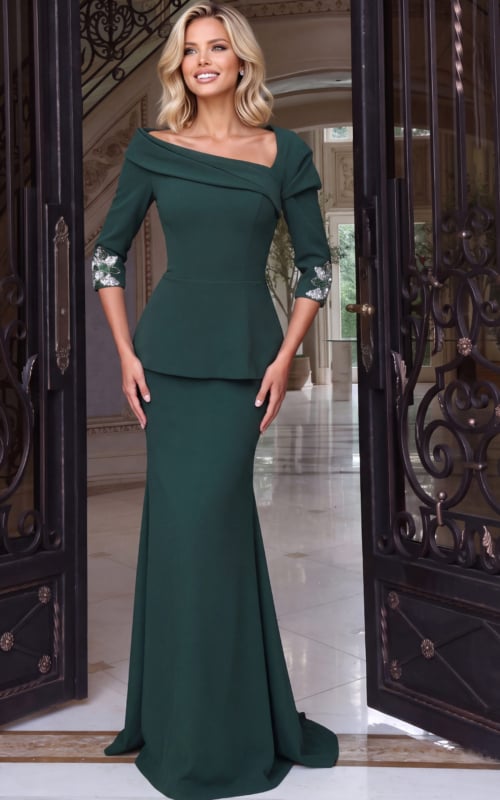
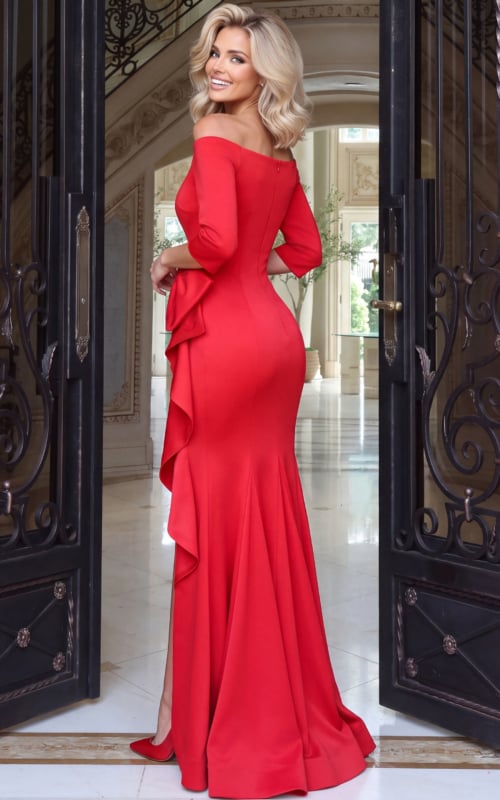
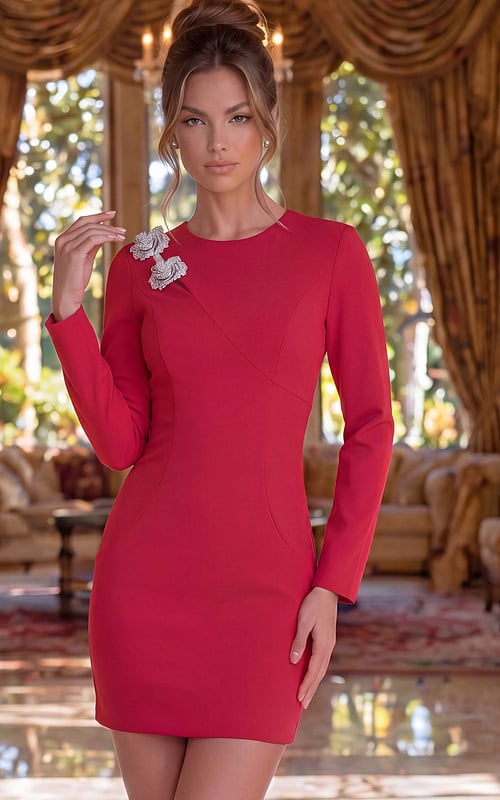
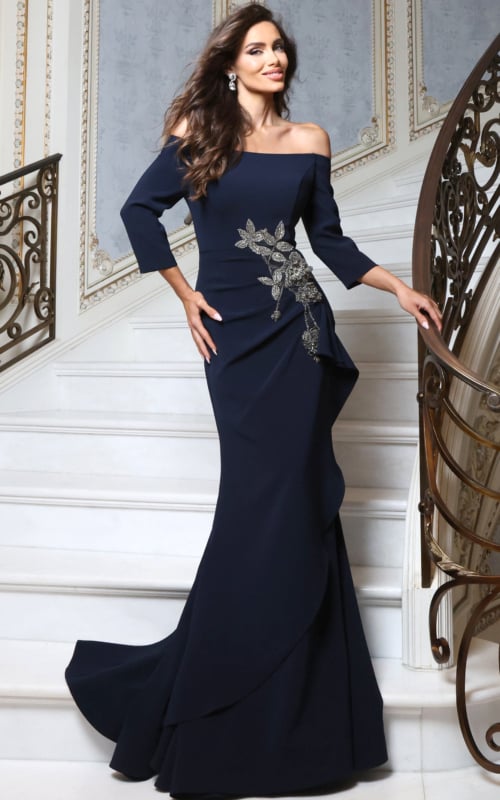
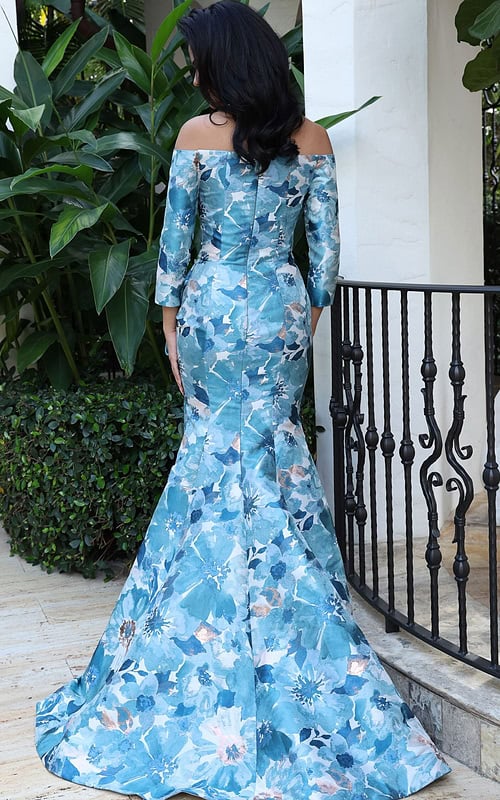
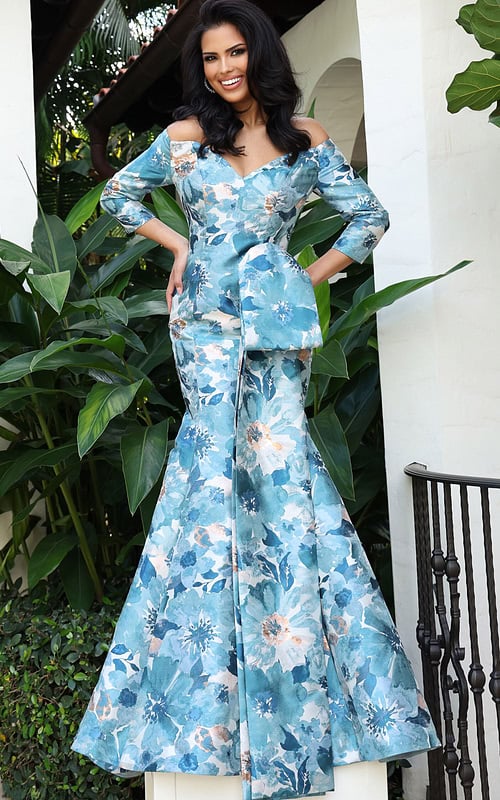
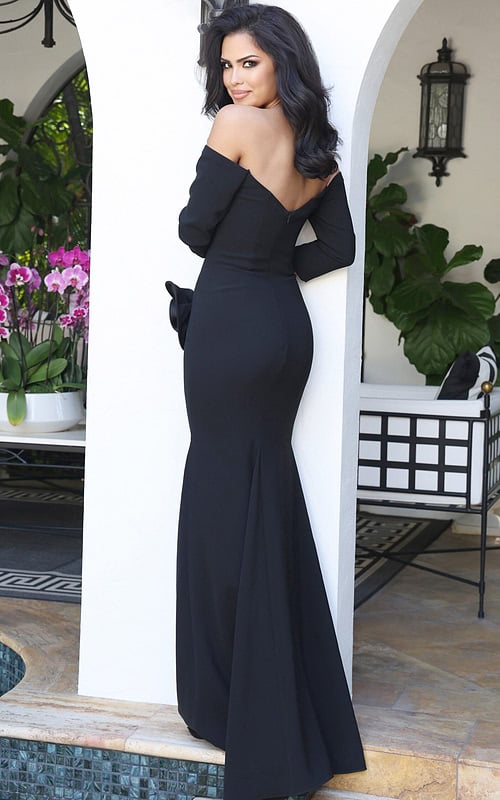
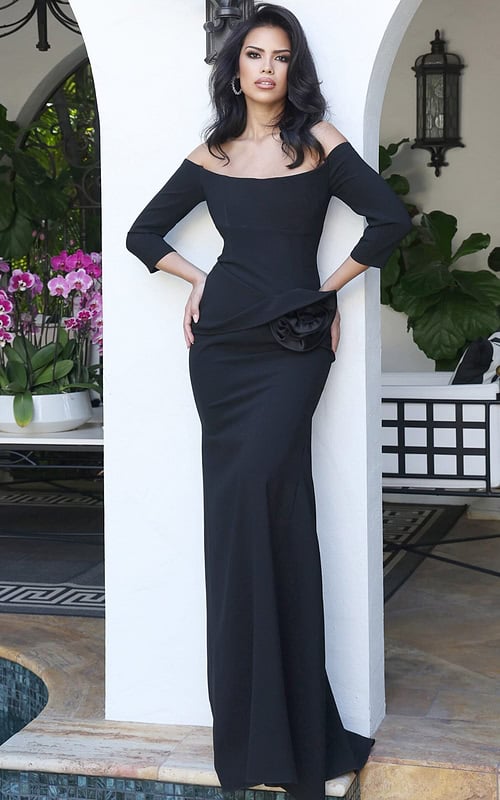
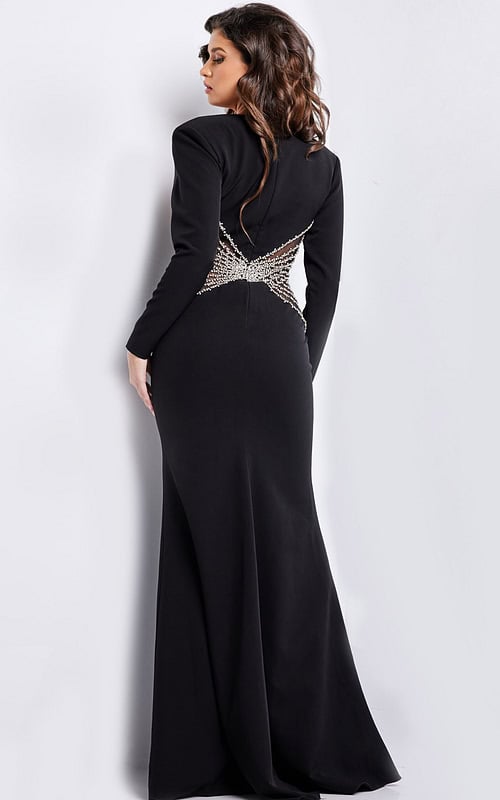
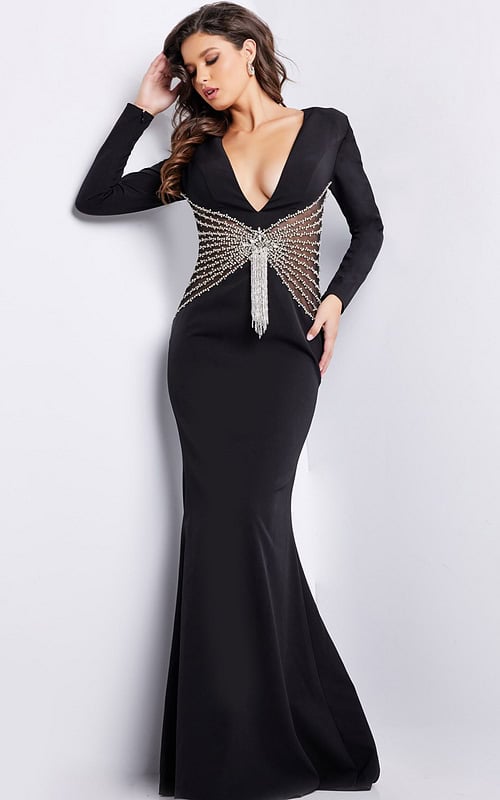
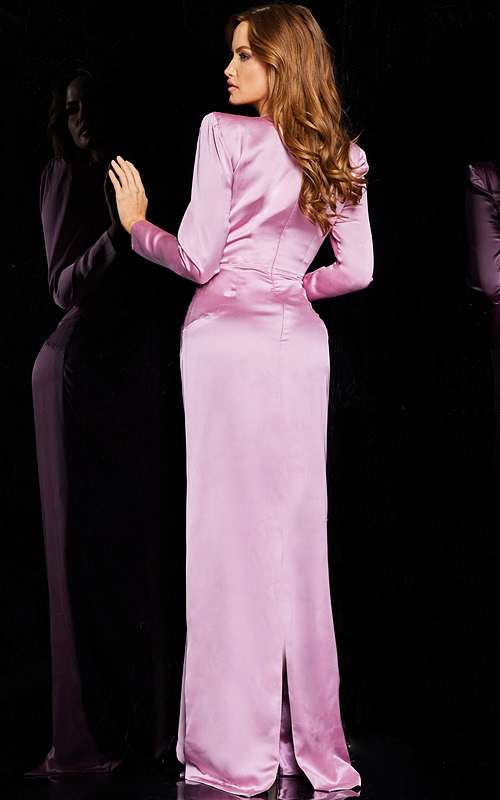
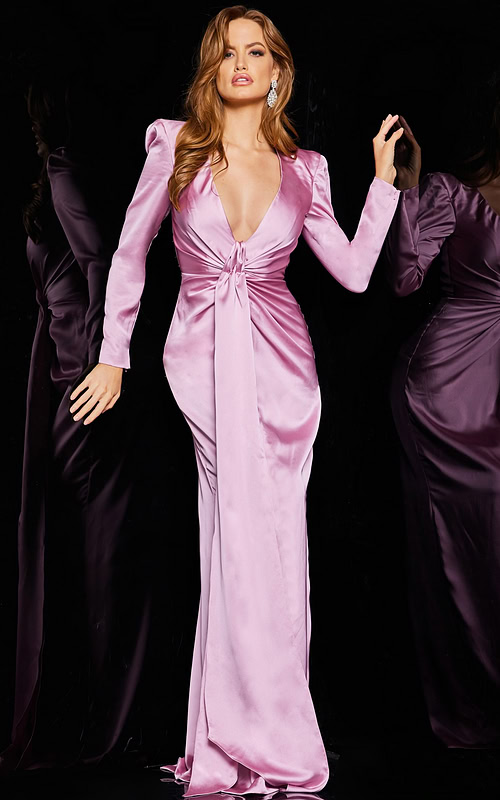
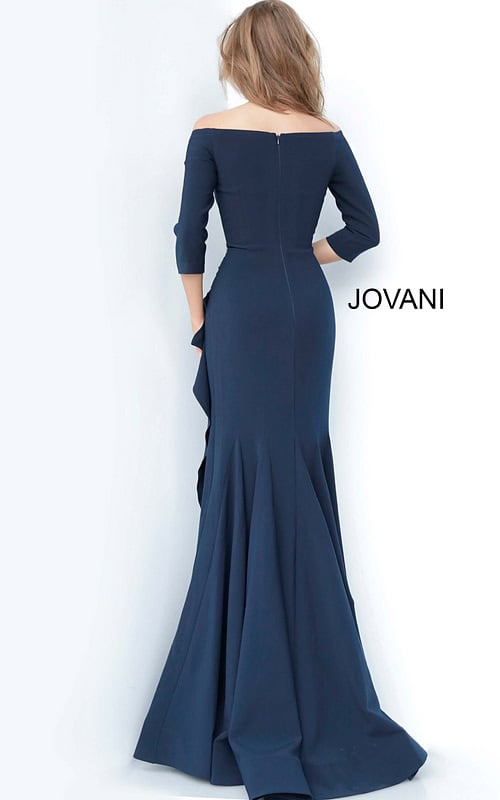
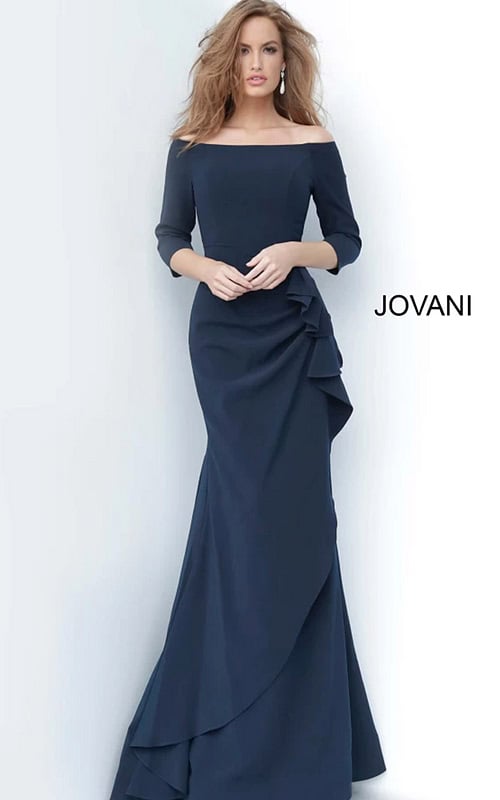
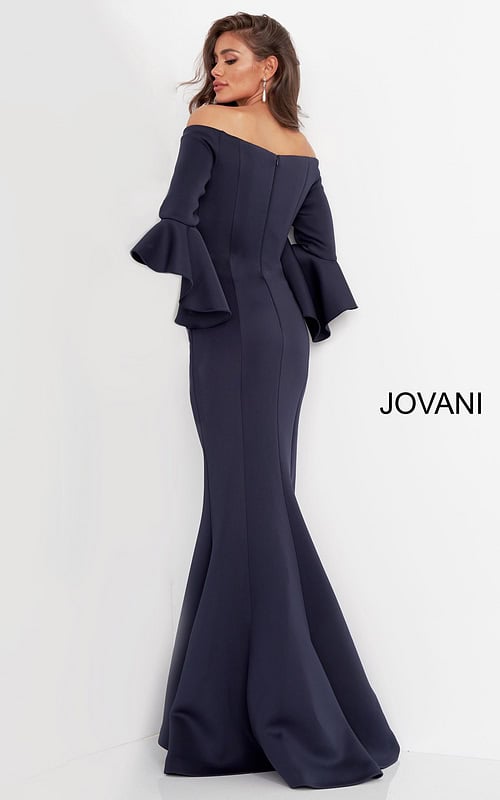
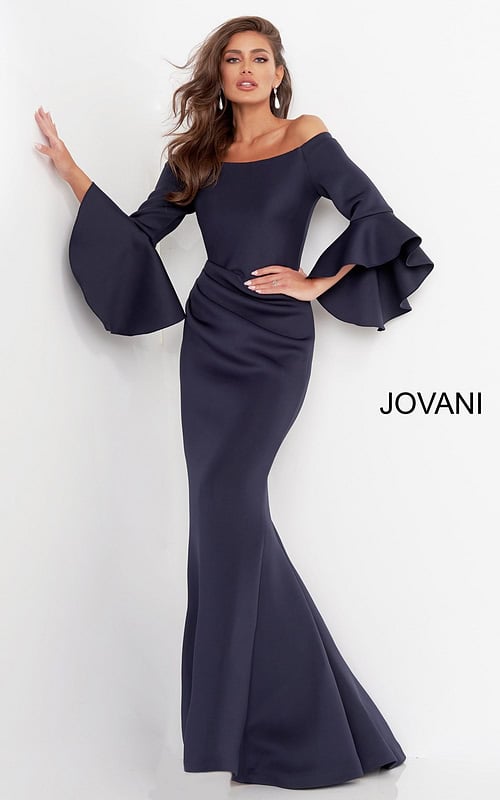
A long sleeves wedding guest dress works best when the sleeve and neckline are engineered as one unit. High necks and bateau shapes can support a streamlined sleeve, but the shoulder line still needs enough ease so the bodice does not pull upward when you reach or sit. V-necks and square necks open the upper body visually, which can balance the coverage of a full sleeve. Long sleeves wedding guest gowns with off-the-shoulder necklines need secure internal structure because the bodice cannot rely on conventional shoulder straps for support.
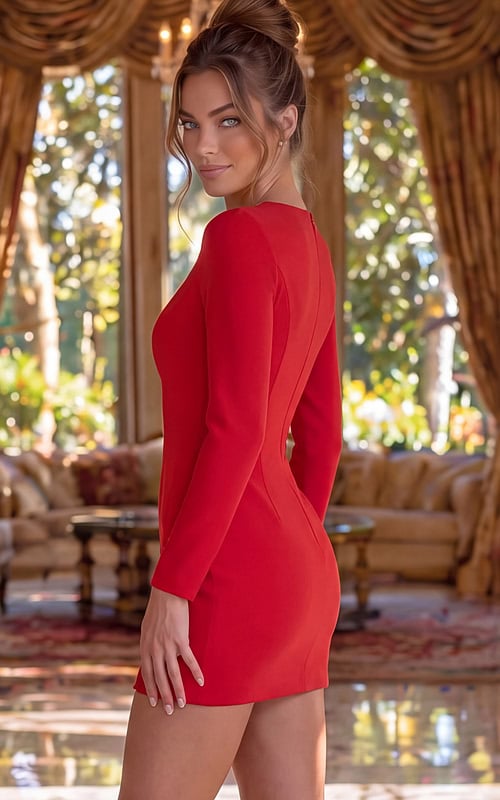
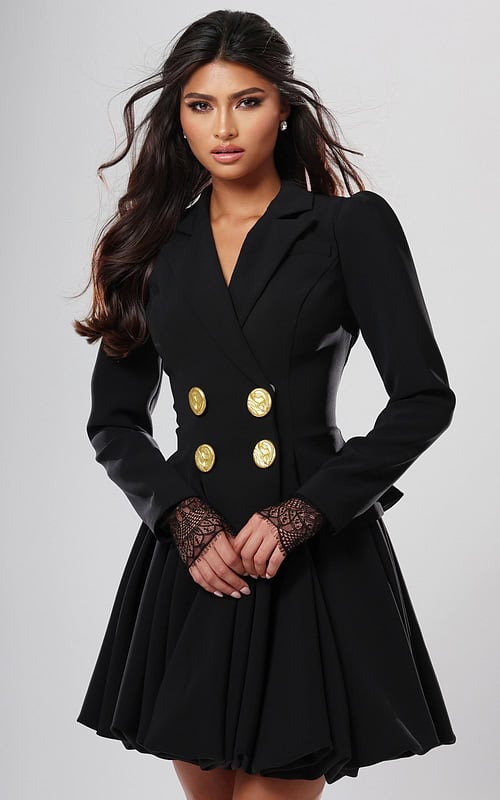
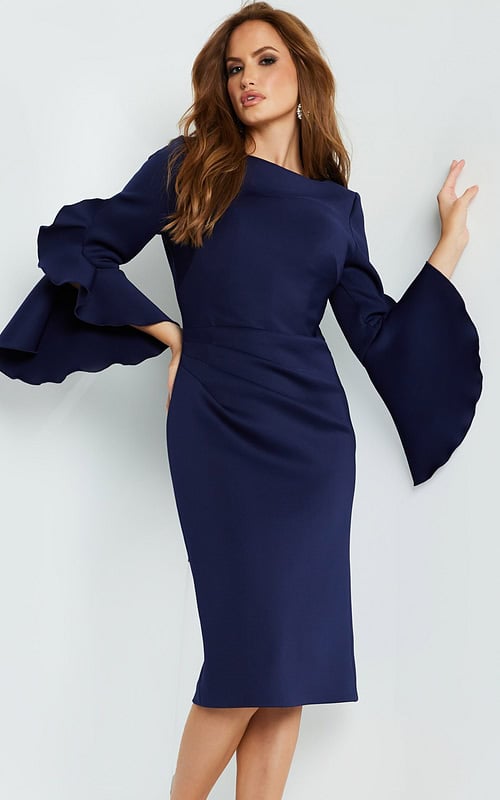
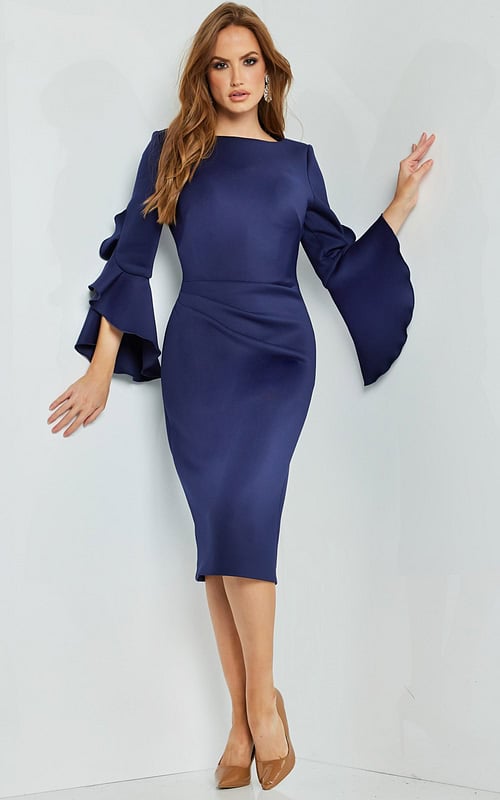
Cuffs deserve attention too. A fitted wrist can keep a billowy sleeve controlled, while a flared cuff adds movement but may be less practical at dinner. Embellished cuffs should be backed smoothly so beadwork or crystals do not scratch or catch on delicate fabric. For shoppers deciding whether sleeve coverage or hem length matters more, short wedding guest dresses provide a separate length-led route without turning this page into a short-dress collection.
Choose Length by Wedding Dress Code and Movement
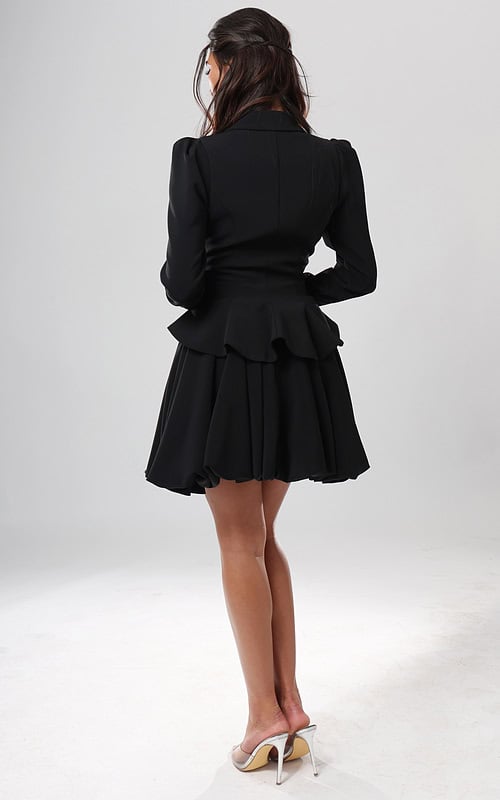
Hem length still carries much of the dress-code signal even when the arms are fully covered. Floor-length styles are generally the stronger choice for a black-tie wedding, particularly in crepe, satin, brocade, or controlled chiffon. A slit can make a fitted long skirt easier to walk in, but check where it begins when seated. Midi and knee-length proportions can suit a cocktail-attire wedding when the fabric, neckline, and construction remain polished.
With a full-length gown, consider how the sleeve changes the overall balance. A dramatic puff sleeve with a full skirt creates more volume than a fitted sleeve with a column silhouette. If you choose a shorter hem, keeping one structural feature dominant can make the proportions easier to wear through the ceremony and reception. The goal is not to minimize detail, but to make sure sleeve volume, neckline depth, skirt shape, and embellishment are working together rather than competing.
Consider Season, Venue, and Temperature
Long sleeves wedding guest dresses are especially practical when the ceremony space is cool, the wedding continues into the evening, or the season makes extra coverage useful. Fabric choice determines whether that coverage feels comfortable. Chiffon and mesh sleeves allow more airflow for spring or early fall weddings, while crepe, satin, brocade, and lined lace hold more warmth and suit cooler settings. Velvet can work for a winter wedding when the cut and venue support the heavier surface.
Venue affects movement too. For a garden or vineyard wedding, a skirt with some release through the hem is easier on uneven ground than a very narrow floor-length shape. For a hotel or ballroom wedding, a fitted gown can work well if the sleeve and bodice still allow comfortable sitting and dancing. If asymmetry suits your preferred level of coverage, one shoulder wedding guest outfits provide a related neckline comparison while remaining firmly within wedding-guest dressing.
Refine the Fit Before Choosing the Finish
The strongest long sleeves wedding guest dresses should feel secure before color, embellishment, or surface texture becomes the deciding factor. Check the shoulder point first: it should sit cleanly without twisting the sleeve. Then test the bust and waist while seated, since a structured bodice can feel noticeably different from standing fit. Raise and bend the arms to see whether the sleeve pulls the neckline, strains the underarm seam, or limits movement.
For fitted crepe or jersey, fabric recovery matters because the material needs to return to shape after sitting. For satin or brocade, clean darts, princess seams, and waist placement do more of the shaping work. Sheer sleeves should have comfortable seams and secure attachment at the armhole. When assessing a long sleeves wedding guest gown, compare construction before decorative finish: support, movement, and proportion will affect wearability for far longer than surface detail. Jovani’s focus on fit and construction is most useful at this stage, when two similar-looking dresses may feel very different once you move.