
A wrap wedding guest dress is one of the most reliably flattering choices you can make for a wedding, which is exactly why it has stayed popular for decades. The wrap silhouette, with its crossover front that ties or fastens at the waist, creates a defined waistline and a flattering V-neckline on almost every body type. For a wedding guest, that combination of comfort, flattery, and easy elegance is hard to beat. But there is more to choosing a wrap dress for a wedding than picking the first one you like, since the dress code, the venue, and the fabric all shape whether a particular wrap works for the occasion. This guide explains what makes the wrap silhouette so flattering, how to choose one for different wedding dress codes, what to avoid, and how to style it so you look polished from the ceremony through the reception. By the end, you will know exactly when a wrap dress is the right call for a wedding and how to pick one that flatters you and suits the occasion.
What Makes a Wrap Dress So Flattering
The wrap dress earns its reputation through its shape. The crossover front wraps one side over the other and secures at the waist, which naturally defines the narrowest part of your torso and creates a clean, flattering line.
The Defined Waist and V-Neckline
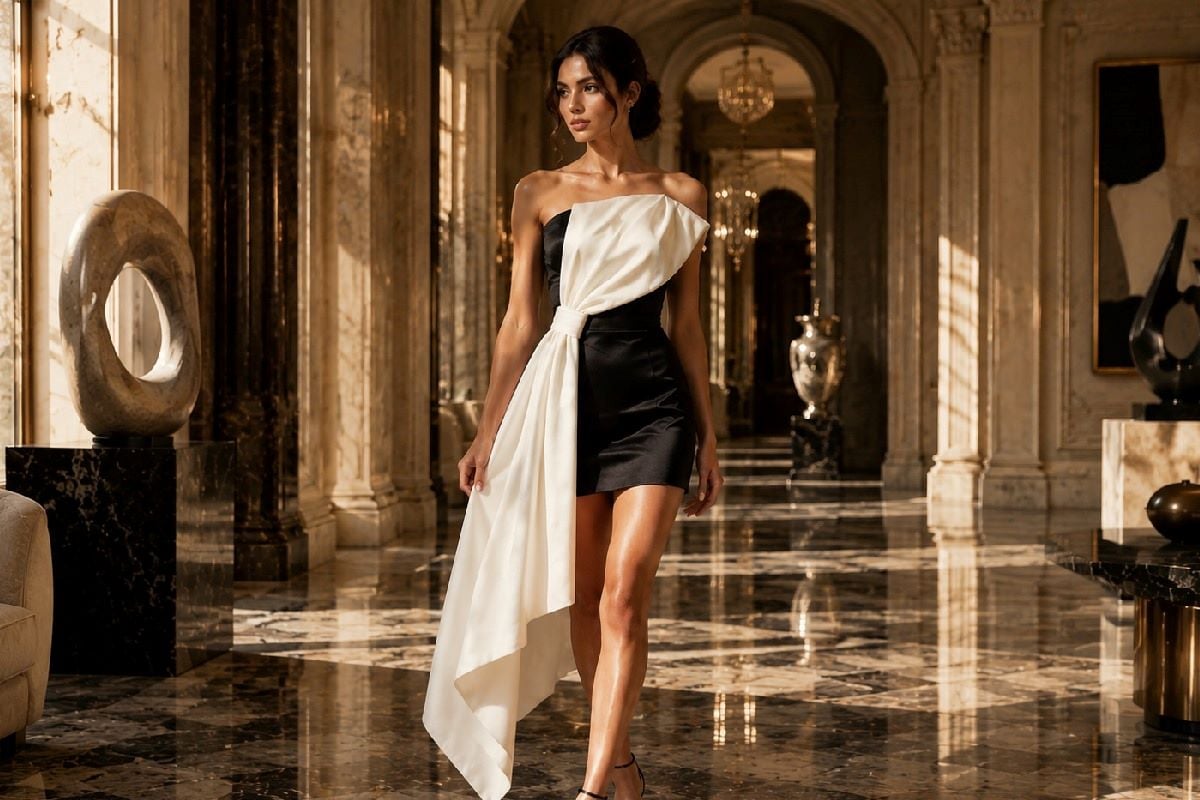
The genius of a wrap dress is that it cinches at the waist and creates a V-neckline in one simple move, both of which flatter the figure. The defined waist gives shape to any body type, while the V-neck elongates the neck and draws the eye upward. The diagonal line of the wrap also skims the body gracefully rather than clinging, which is part of why so many people find the silhouette comfortable and forgiving. This combination works across a wide range of figures, which is rare for any single silhouette. Many formal dresses borrow this flattering construction through a faux-wrap or surplice bodice, and our collection of wedding guest gowns includes styles that use this wrap-inspired shaping.
True Wrap Versus Faux Wrap
It is worth knowing the difference between a true wrap and a faux wrap, since both appear at weddings. A true wrap dress actually ties or fastens, opening fully, which makes it adjustable but means you may want to secure it for confidence. A faux wrap mimics the crossover look but is sewn in place and slips over the head, which removes any worry about it coming undone. For a wedding, where you will be moving, sitting, and dancing, a faux wrap or a securely fastened true wrap gives you the flattering look without the concern. Many formal evening styles use the faux-wrap approach precisely because it delivers the silhouette with complete security.
Choosing a Wrap Dress for the Dress Code
The most important factor in choosing any wedding guest dress is the dress code, and a wrap dress can work across several of them when you choose the right fabric and length. Matching the wrap to the formality of the wedding is essential.
Semi-Formal and Cocktail Weddings
A wrap dress is a natural fit for semi-formal and cocktail weddings, where its polished but approachable look sits comfortably. A wrap in a quality fabric, at knee or midi length, reads as appropriately dressed for these events without being overdressed. The silhouette suits the relaxed elegance these dress codes call for, and it photographs beautifully. Understanding exactly what each dress code asks of you helps, and our guide to wedding guest dress codes breaks down what works for cocktail, semi-formal, and beyond.
Formal and Daytime Weddings
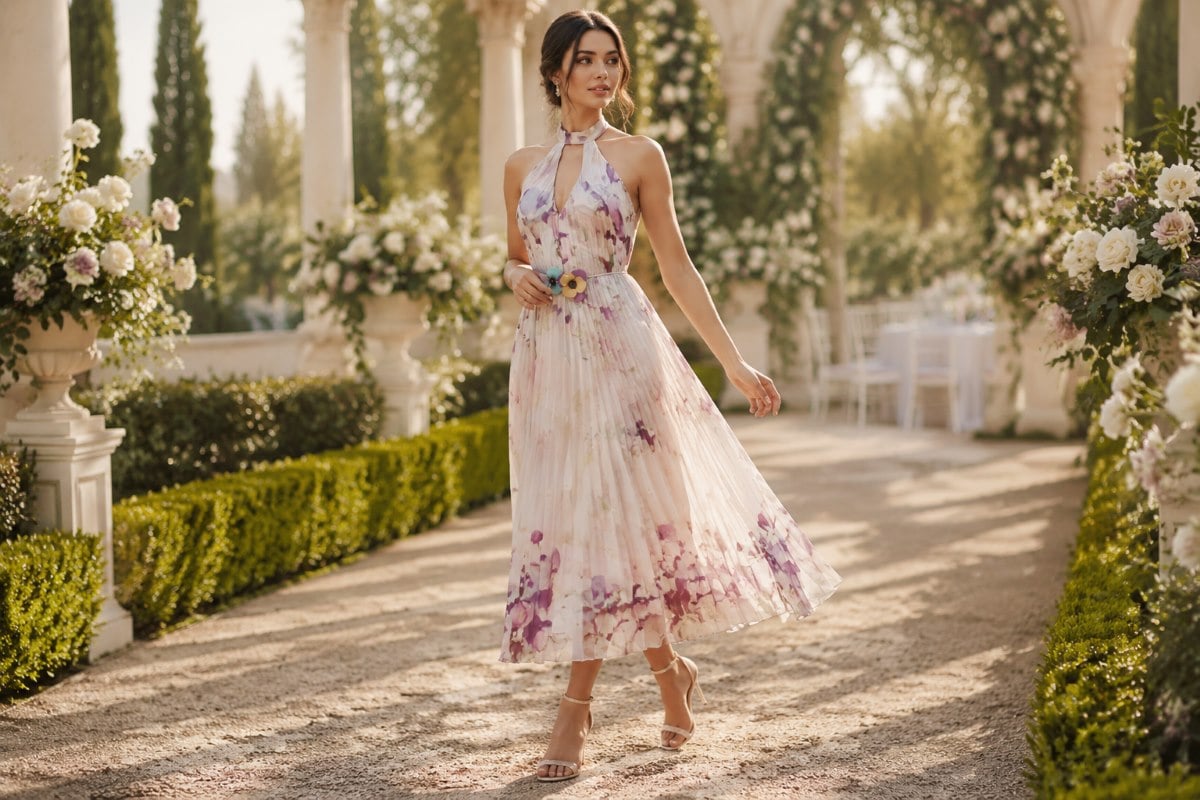
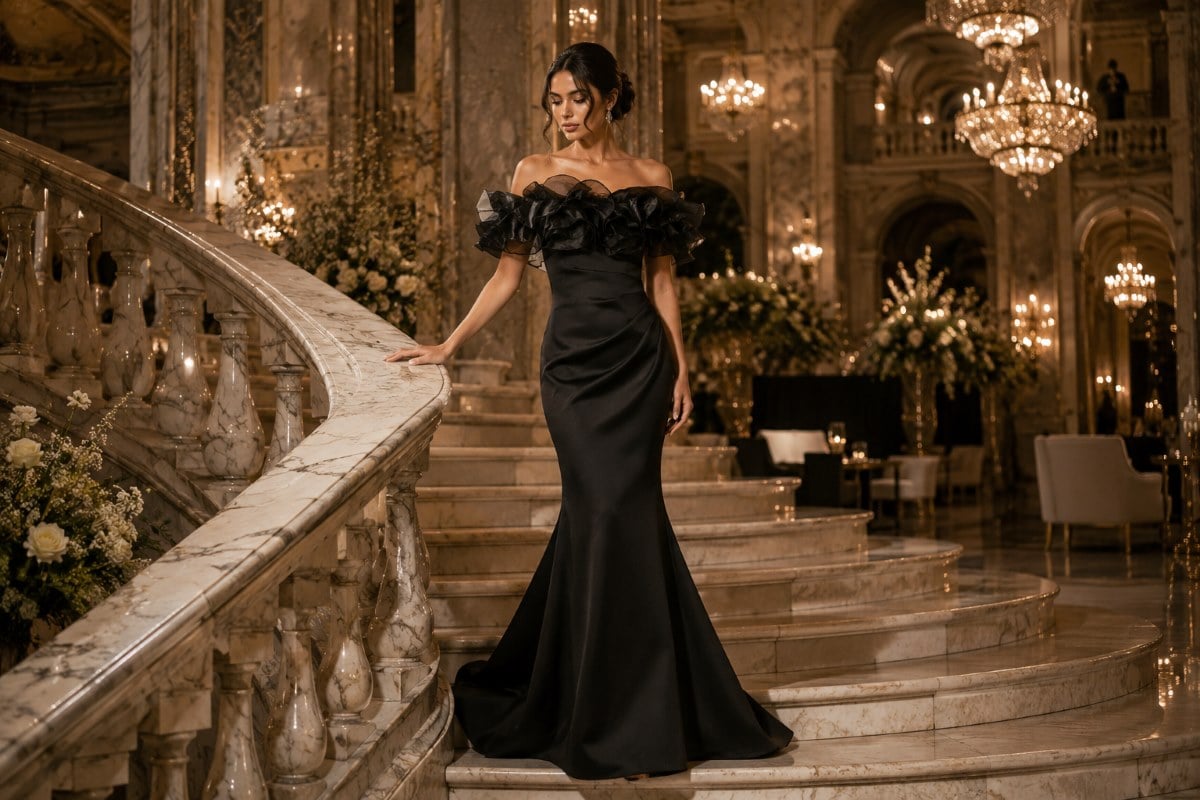
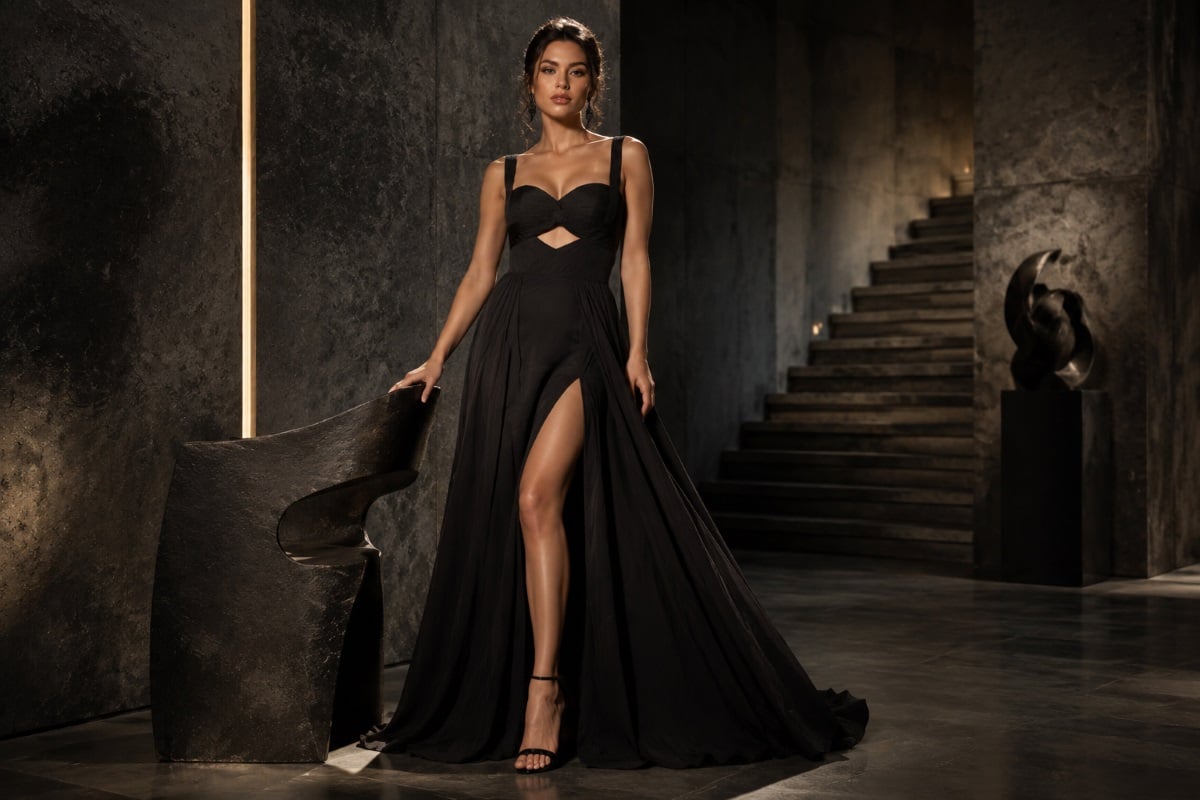
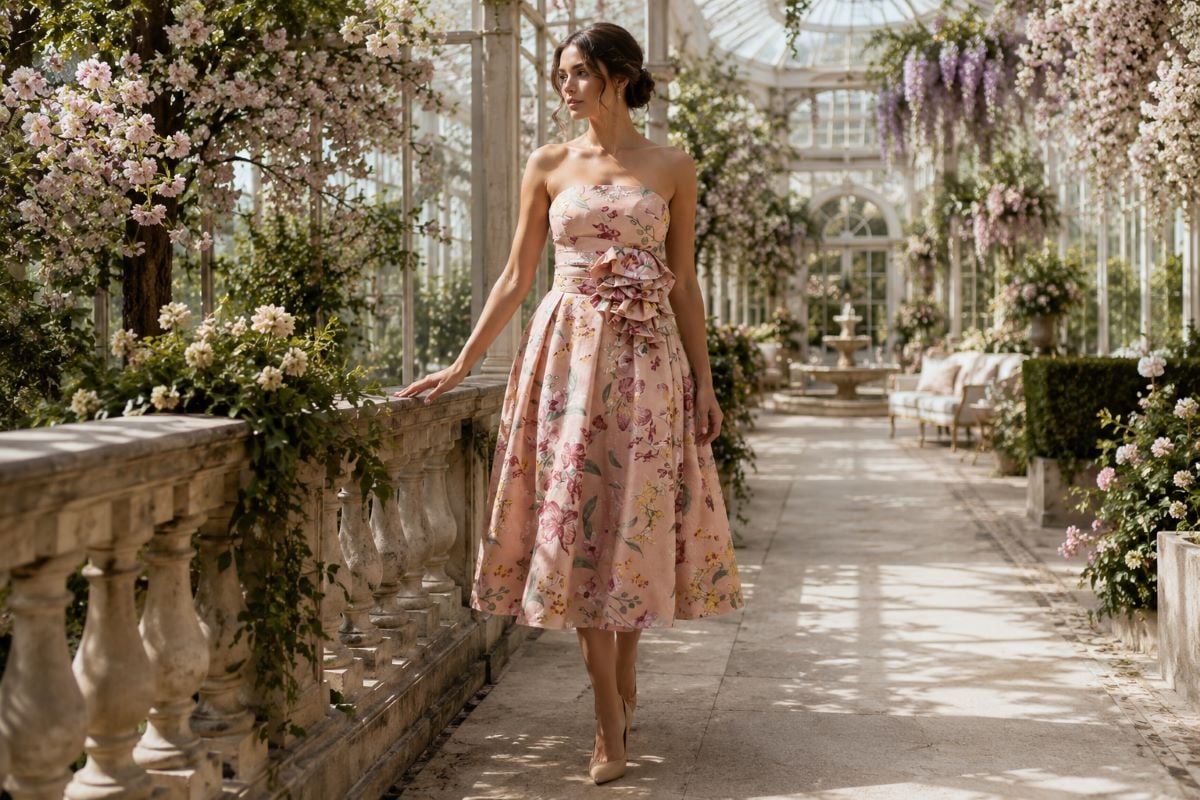
For a formal wedding, a longer wrap dress in a richer fabric like satin can rise to the occasion, though a very formal or black-tie event may call for a more structured gown instead. For daytime and outdoor weddings, a wrap dress genuinely shines, since its comfortable, flowing shape suits a garden ceremony, a brunch reception, or a relaxed afternoon celebration. A lighter fabric and a softer print read as fresh and seasonal for daytime. If you prefer an even cleaner, more pared-back look for a formal setting, our guide to a clean, simple silhouette shows how understated styling can read as elegant.
The wrap’s versatility across these settings is a big part of its appeal, since few silhouettes move as easily from a casual daytime ceremony to a dressier evening reception. The same basic shape works across the calendar and across venues, with only the fabric and length shifting to match the formality. That adaptability makes a wrap dress a smart choice for anyone who attends several weddings a year and wants a reliable, flattering option. Our broader collection of wedding guest outfit ideas shows how to adapt a look to different wedding styles.
Who a Wrap Wedding Guest Dress Suits
One of the strengths of the wrap silhouette is how widely it flatters, which is why it works for so many wedding guests. Still, knowing how it suits different figures helps you choose the details that work best for you.
Flattering Across Body Types
The wrap is often called one of the most universally flattering silhouettes, and there is real truth to that. The defined waist suits hourglass figures by following their natural shape, flatters pear shapes by skimming over the hips, and gives straighter figures a defined waistline they might not otherwise have. For fuller busts, the adjustable or faux-wrap V-neck offers a comfortable, flattering fit, though you may want to check the coverage suits your comfort. The shape adapts to the person wearing it, which is exactly why it remains so popular for events where you want to look and feel your best.
The adjustability of a true wrap is part of what makes it so accommodating across body types. Because the waist ties rather than sitting at a fixed measurement, you can adjust how snugly it fits on the day, which is helpful since bodies fluctuate and a wedding involves a long meal. A faux wrap trades that adjustability for security, fitting at a set size but never shifting, so the choice between them comes down to whether you value a customizable fit or complete peace of mind. Either way, the wrap silhouette tends to suit a wider range of figures than a more rigid style, which is a large part of why it has stayed a wedding guest favorite for so long.
Comfort for a Long Celebration
A wedding is a long event, with a ceremony, photos, a meal, and dancing, so comfort matters as much as flattery. The wrap silhouette excels here because it moves with you, accommodates sitting and dancing without restriction, and does not cling uncomfortably. A faux wrap removes any worry about the dress shifting, letting you relax and enjoy the celebration. This combination of comfort and flattery is why a wrap dress is such a practical choice for a guest who wants to look polished without fussing over their outfit all day.
What to Avoid With a Wrap Wedding Guest Dress
Knowing what to steer clear of is as helpful as knowing what to choose, especially for a wedding where the rules around guest attire matter. A few common missteps are easy to avoid.
Colors and Prints to Skip
The cardinal rule for any wedding guest applies to a wrap dress too, avoid white, ivory, and anything that reads as bridal, since those belong to the couple. Be cautious with very bold or attention-grabbing prints that might pull focus, and check whether the couple has any color preferences. A wrap dress in a flattering jewel tone, a soft seasonal shade, or a tasteful print is a safe and elegant choice. Knowing the etiquette around guest attire keeps you appropriately dressed, and our guide to wedding guest etiquette covers the colors and styles to approach with care.
Fit and Coverage Concerns
A wrap dress should fit comfortably without gaping at the bust or pulling at the waist tie, so checking the fit when you try it on matters. If a true wrap feels like it might shift, a few discreet stitches or a fashion tape can secure it for peace of mind. For a ceremony in a house of worship, you may need more coverage than a wrap V-neck provides, in which case a light layer helps. Thinking about coverage for the ceremony specifically is wise, and our advice on accessorizing a wedding guest look covers wraps and layers that add coverage gracefully.
Styling Your Wrap Wedding Guest Dress
Once you have the right wrap dress, styling brings the whole look together. The silhouette is already flattering, so the finishing touches should support it rather than compete with it.
Shoes and Accessories
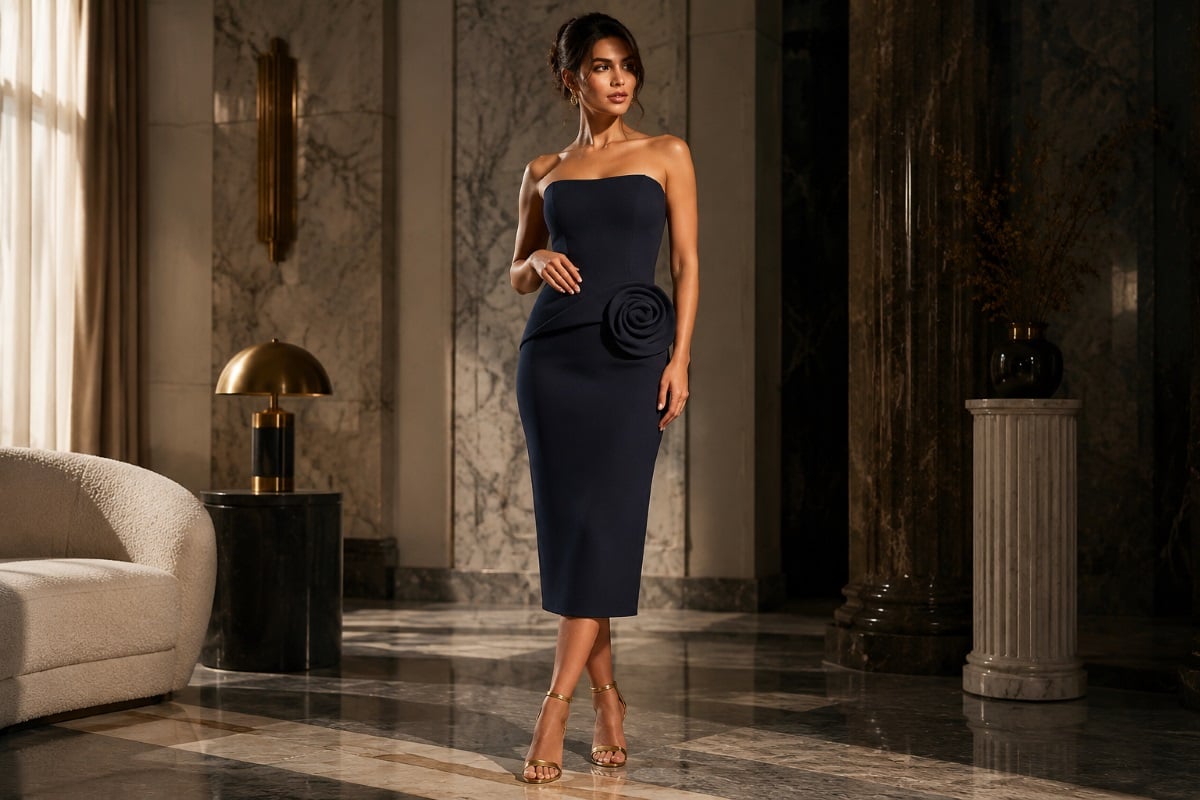
A wrap dress has a clean, defined shape, so accessories can be elegant and simple. Delicate jewelry that complements the V-neckline works beautifully, and statement earrings draw the eye upward to the face. For shoes, the length of your wrap dress guides the heel height, with a midi pairing well with a heel that keeps the proportions balanced. A small clutch keeps the look polished, since an oversized bag breaks the clean line. The goal is a finished look where every element supports the flattering silhouette of the dress.
Layers for Coverage and Season
A light layer extends a wrap dress across seasons and settings. A shawl, a bolero, or an elegant jacket adds coverage for a ceremony or warmth for a cool evening, and it can come off for the reception. Choosing a layer that complements the dress rather than clashing keeps the look cohesive. For a cooler-weather wedding, a richer fabric layer adds both warmth and a seasonal feel. A faux-wrap evening style with its own coverage may need no layer at all, while a lighter daytime wrap benefits from one for a church ceremony. A wrap wedding guest dress styled thoughtfully carries you elegantly from the ceremony through the last dance.
Fabrics and Seasonal Choices for a Wrap Dress
The fabric of a wrap dress shapes both how it looks and which season and setting it suits. Matching the material to the wedding helps your wrap feel right for the occasion.
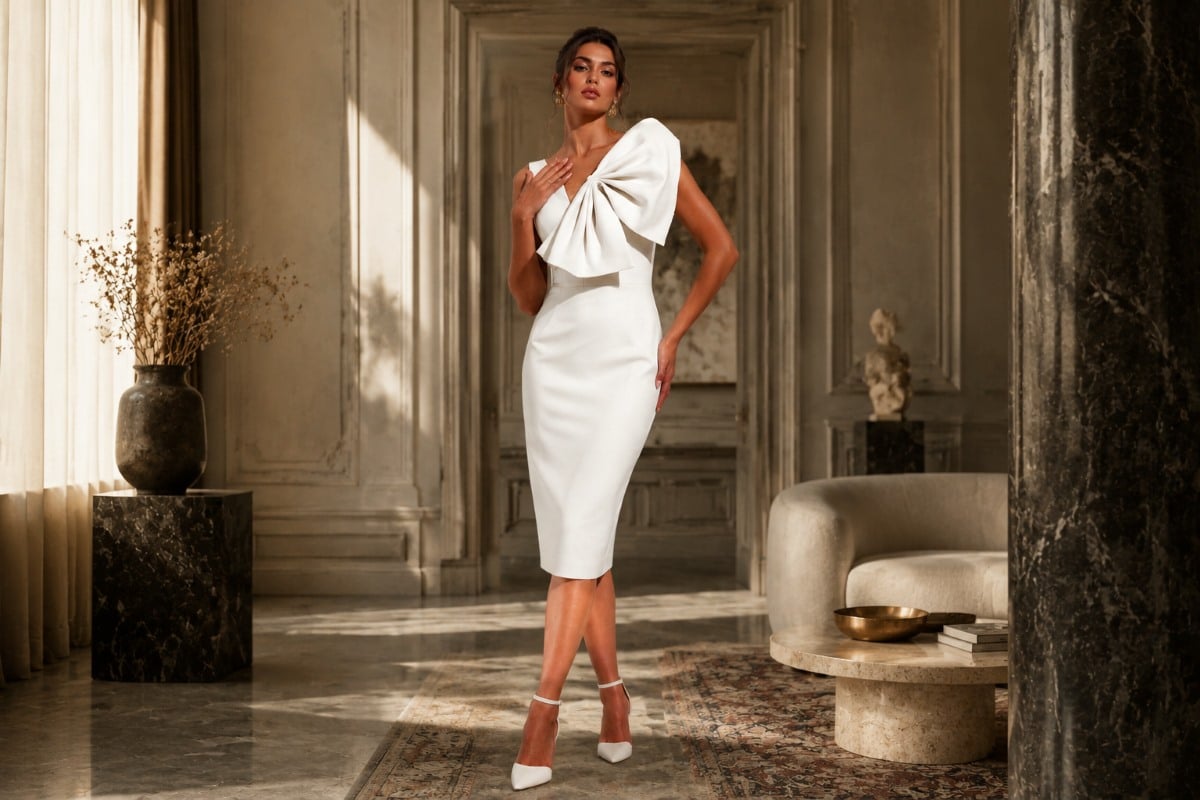
Fabrics That Suit Different Weddings
Lighter fabrics like chiffon and crepe give a wrap dress a soft, flowing quality that suits daytime and warm-weather weddings, while richer fabrics like satin add the weight and sheen a more formal evening wedding calls for. Jersey wraps drape beautifully and feel comfortable, which is part of the silhouette’s classic appeal, while a structured fabric creates a sharper, more formal line. The fabric also affects how the wrap moves as you walk and dance, so a material with good drape keeps the silhouette graceful. A wrap dress in a quality fabric reads as polished, while a flimsy material can undercut the look, which is why fabric is worth real attention. For a contemporary take on the silhouette, our guide to a modern wedding guest dress shows how current design updates a classic shape.
Dressing for the Season
The time of year guides both fabric and color for a wrap wedding guest dress. A spring or summer wedding suits lighter fabrics, soft prints, and fresher colors, while a fall or winter celebration welcomes richer fabrics, deeper shades, and a warmer layer. A wrap dress adapts to all of these because its silhouette is seasonless, so only the fabric and color need to shift. For a colder wedding, pairing the wrap with a velvet or heavier layer adds both warmth and a seasonal feel. Thinking about the season helps you choose a wrap that feels appropriate rather than out of place, and red is a popular cooler-weather choice worth understanding, as our look at whether you can wear red to a wedding explains.
Frequently Asked Questions About Wrap Wedding Guest Dresses
Is a wrap dress appropriate for a wedding?
Yes, a wrap dress is appropriate for many weddings, especially semi-formal, cocktail, daytime, and outdoor celebrations. Its flattering, comfortable silhouette suits these settings beautifully. For a very formal or black-tie wedding, a more structured gown may be better, and a longer wrap in a rich fabric can work for a formal event. Matching the fabric and length to the dress code is the key to wearing a wrap dress well at any wedding.
Why is a wrap dress so flattering?
A wrap dress flatters because its crossover front defines the waist and creates a V-neckline in one move. The defined waist gives shape to any figure, the V-neck elongates the neck and draws the eye up, and the diagonal line skims the body gracefully rather than clinging. This combination works across a wide range of body types, which is why the silhouette is so widely loved.
What is the difference between a true wrap and a faux wrap dress?
A true wrap dress actually ties or fastens and opens fully, making it adjustable but meaning you may want to secure it for confidence. A faux wrap mimics the crossover look but is sewn in place and slips over the head, removing any worry about it coming undone. For a wedding, a faux wrap or a securely fastened true wrap gives you the flattering look with complete security.
What body type looks best in a wrap wedding guest dress?
The wrap is one of the most universally flattering silhouettes. The defined waist follows an hourglass shape, skims over the hips of a pear shape, and gives straighter figures a defined waistline. For fuller busts, the adjustable or faux-wrap V-neck offers a comfortable fit, though checking the coverage matters. The shape adapts well to nearly every figure, which is why it suits so many guests.
What color wrap dress should I wear to a wedding?
Avoid white, ivory, and anything bridal, since those belong to the couple. Be cautious with very bold prints that might pull focus, and check whether the couple has color preferences. A wrap dress in a flattering jewel tone, a soft seasonal shade, or a tasteful print is a safe, elegant choice. The goal is a color that looks beautiful on you without competing with the bride.
How do I keep a wrap dress from coming undone at a wedding?
Choose a faux wrap, which is sewn in place and cannot come undone, or secure a true wrap with a few discreet stitches or fashion tape for peace of mind. Make sure the dress fits without gaping at the bust or pulling at the waist tie when you try it on. These small steps let you move, sit, and dance with complete confidence throughout the celebration. A quick check in front of a mirror before the wedding, raising your arms and sitting down, confirms the dress will behave through the day.