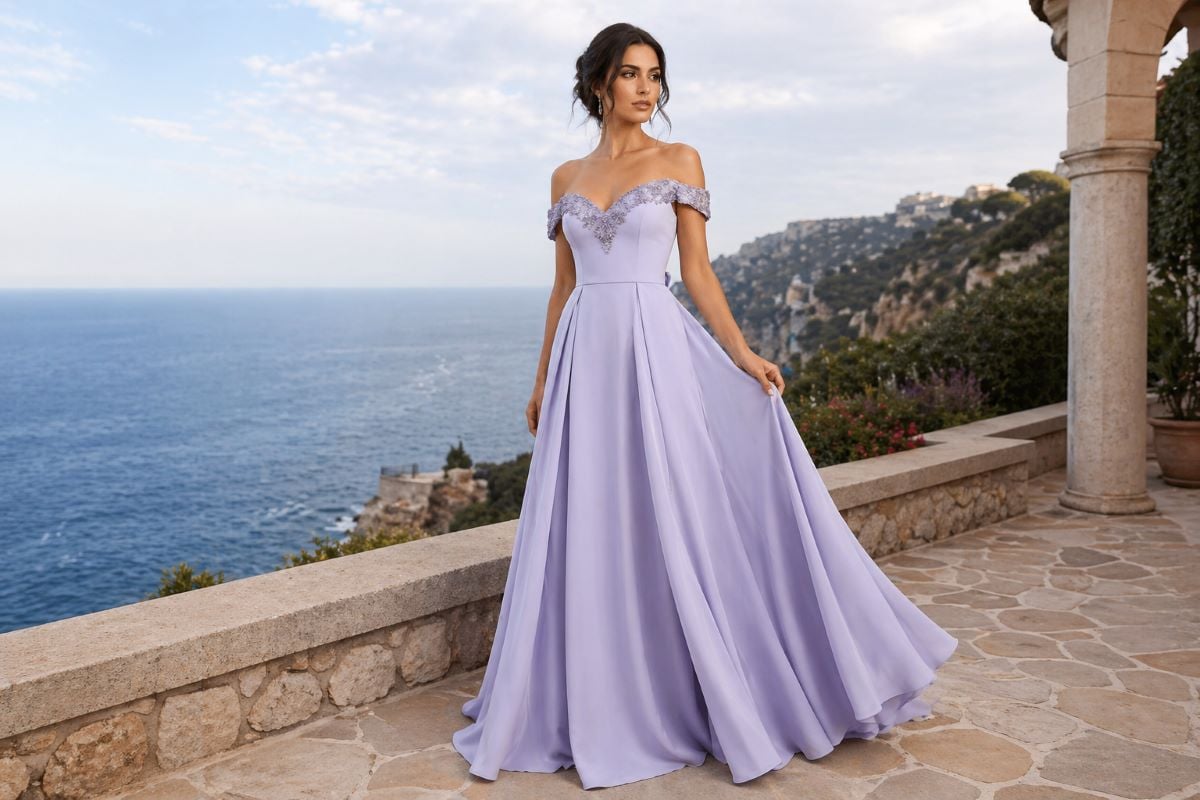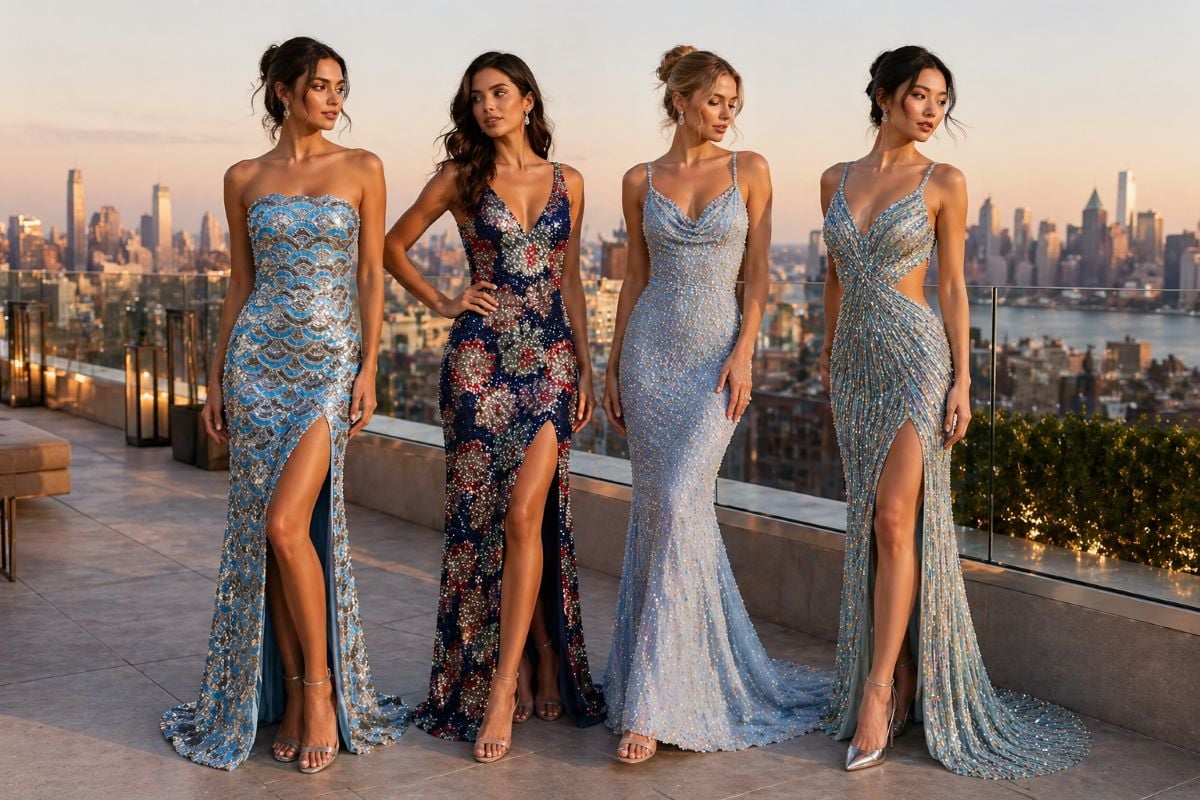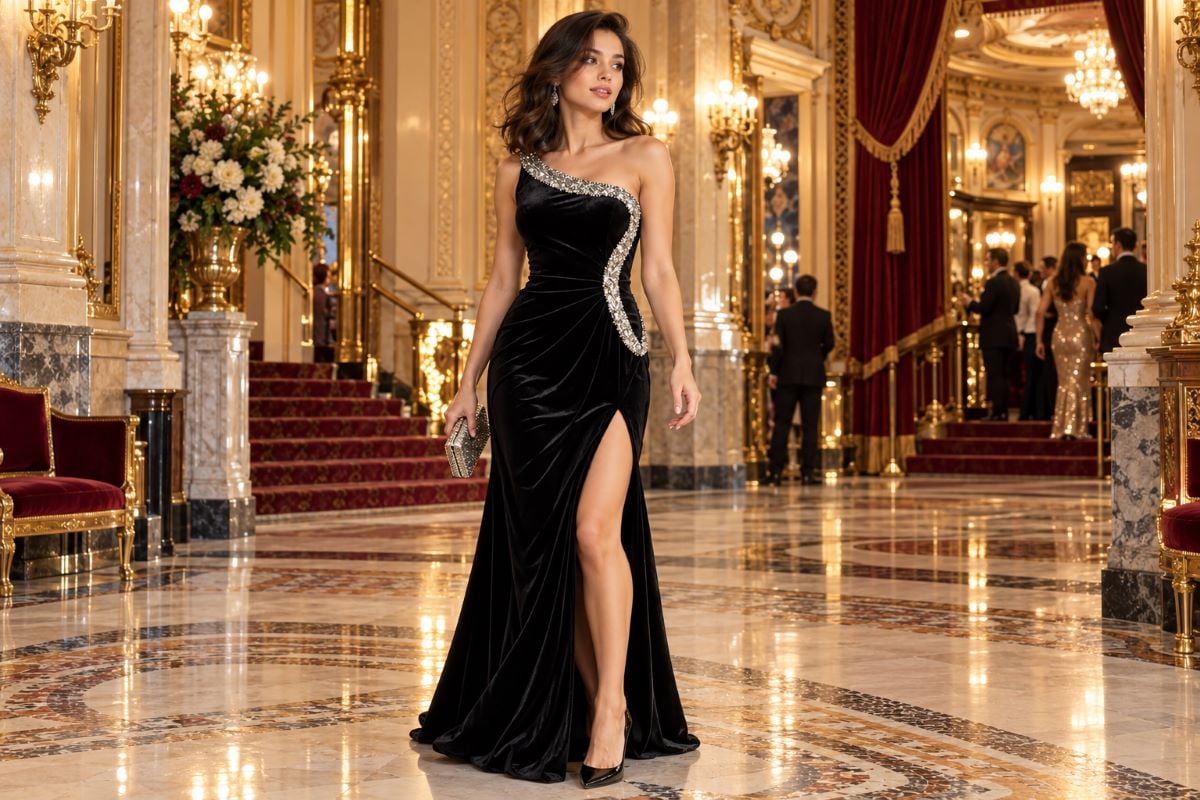

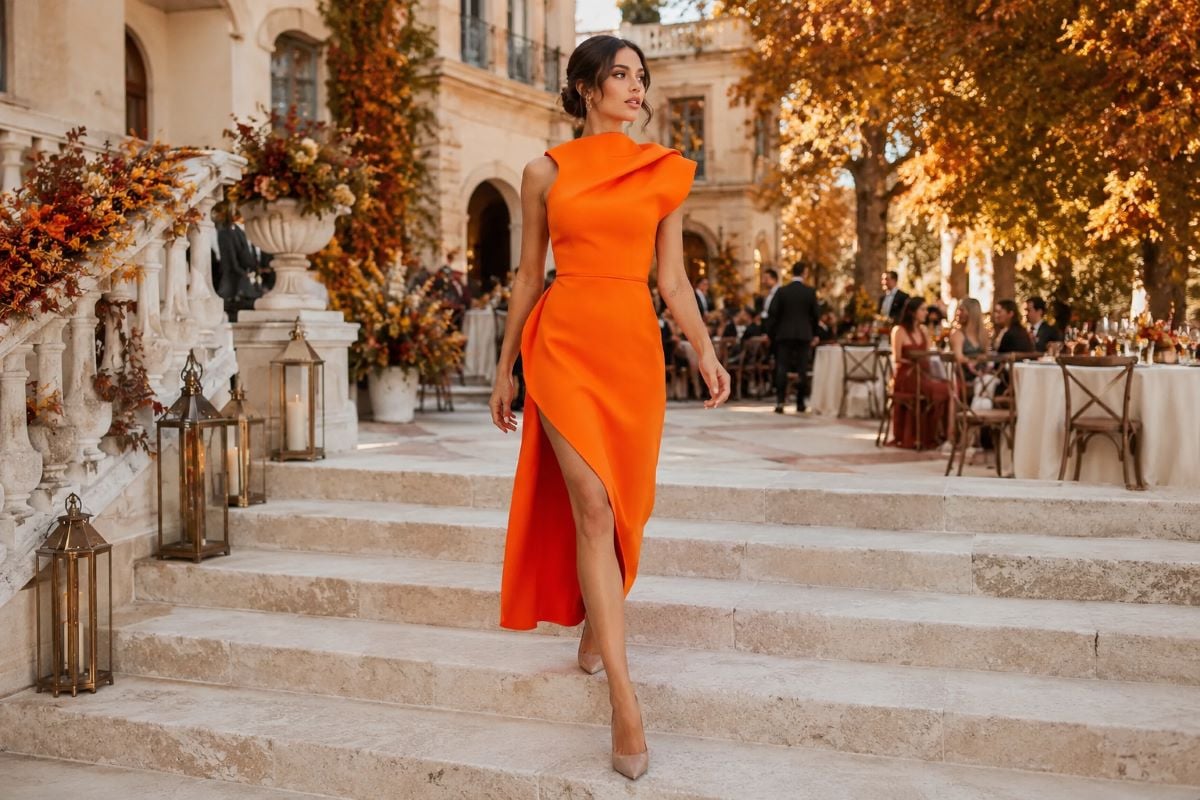
Fall weddings have a character all their own. The light turns golden, the evenings cool down quickly, and the venues range from candlelit ballrooms to open barns surrounded by turning leaves. That mix is exactly what makes dressing for one tricky. A dress that felt right at a June garden ceremony can look thin and out of season by October, while a look built for the season photographs beautifully against autumn backdrops.
This guide covers the decisions in the order that actually matters: the dress code, then the color, then the fabric, and finally the details that keep you comfortable from an outdoor ceremony through the last dance.
Which Dresses Work Best for a Fall Wedding?
The best fall wedding guest dresses combine a deep seasonal color, such as burgundy, emerald, navy, plum, or chocolate brown, with a fabric that has real weight, like velvet, satin, crepe, or lined lace. Match the length to the dress code, floor length for black tie and midi or knee length for cocktail attire, and leave white, ivory, and anything bridal to the bride.
Start with the Dress Code, Not the Color
The invitation answers your biggest question before you ever open a browser tab. Black tie, formal, cocktail, and casual each set a different floor and ceiling for what you can wear, and a quick review of wedding guest dress codes will save you from guessing. If no code is printed, read the venue instead. An evening reception at a hotel ballroom implies far more formality than an afternoon ceremony at a vineyard.
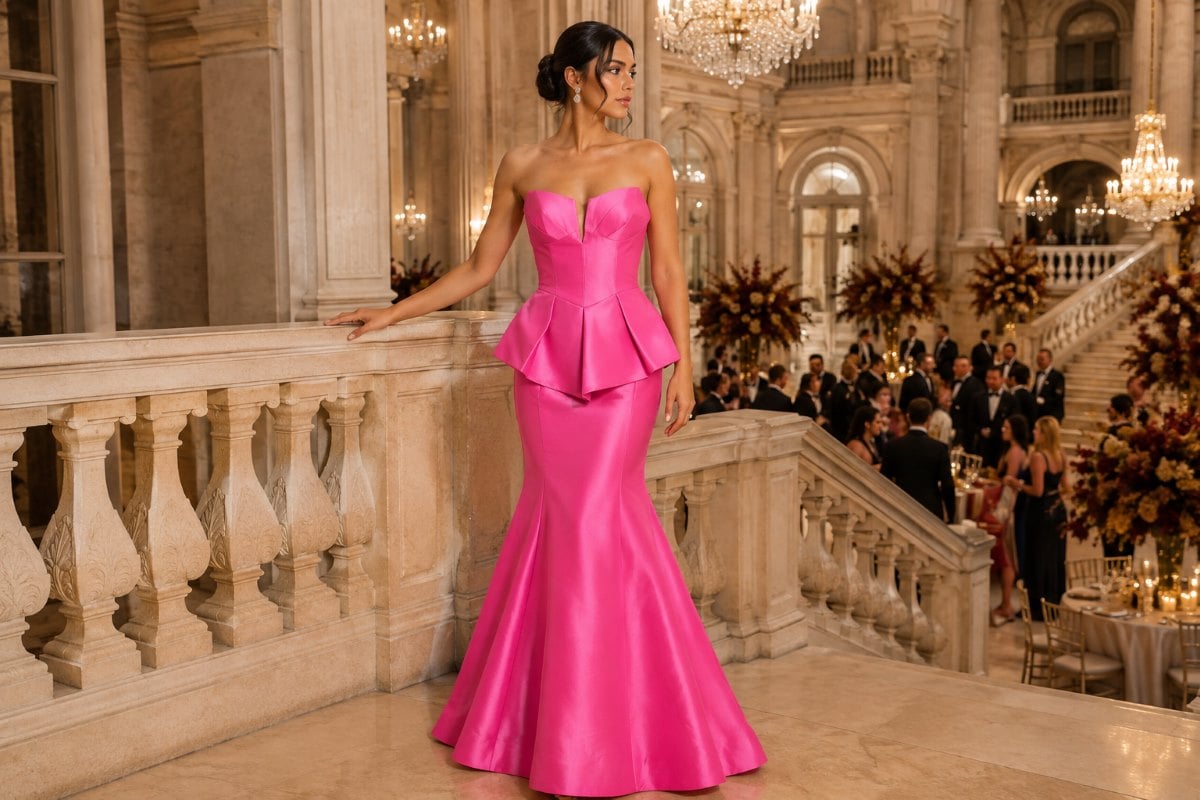
For the most formal end of the scale, a floor length gown in a rich color is the safest and most photogenic choice. Our guide on what to wear to a black tie wedding breaks down exactly how far you can go with embellishment and neckline. Cocktail attire opens the door to knee length and midi dresses, and even a casual fall wedding still calls for a polished dress rather than everyday separates.
The Fall Color Palette That Photographs Well
Autumn receptions are usually lit warm, and the backdrops lean toward foliage, wood, and candlelight. Deep, grounded colors thrive in that setting. Burgundy and wine, emerald and forest green, navy, plum, chocolate brown, rust, and antique gold all read rich in photos and pair naturally with the season. Jewel tones in particular flatter nearly every complexion under evening light.
Red can be gorgeous at a fall wedding when it leans deep rather than bright, though it carries some baggage as a guest color. If you are drawn to it, read up on the etiquette of wearing red to a wedding before committing, and favor wine, garnet, or brick shades over fire engine red.
Lighter colors are not off limits for daytime celebrations, but they work best with autumn texture behind them, so a dusty rose in crepe or a soft gold in satin feels seasonal where the same shade in floaty chiffon would not. The only true exclusions are white, ivory, cream, and champagne so pale it photographs white. Those belong to the bride at every wedding, in every season.
Fabrics That Carry the Season
Texture is what separates a fall wedding guest look from a summer one. Velvet is the signature autumn fabric, warm to the touch and dramatic under low light. Satin brings luster without weight, crepe holds a clean structured line, and lined lace adds romance while still feeling substantial. Even sequins work in the fall when the base color stays deep, since the sparkle catches candlelight instead of sun.
If the wedding sits at the formal end and you want a true gown, the silhouettes covered in our guide to fall and winter evening dresses translate directly to wedding guest dressing, from long sleeve column gowns to velvet A-lines.
Sleeves, Layers, and Outdoor Ceremonies
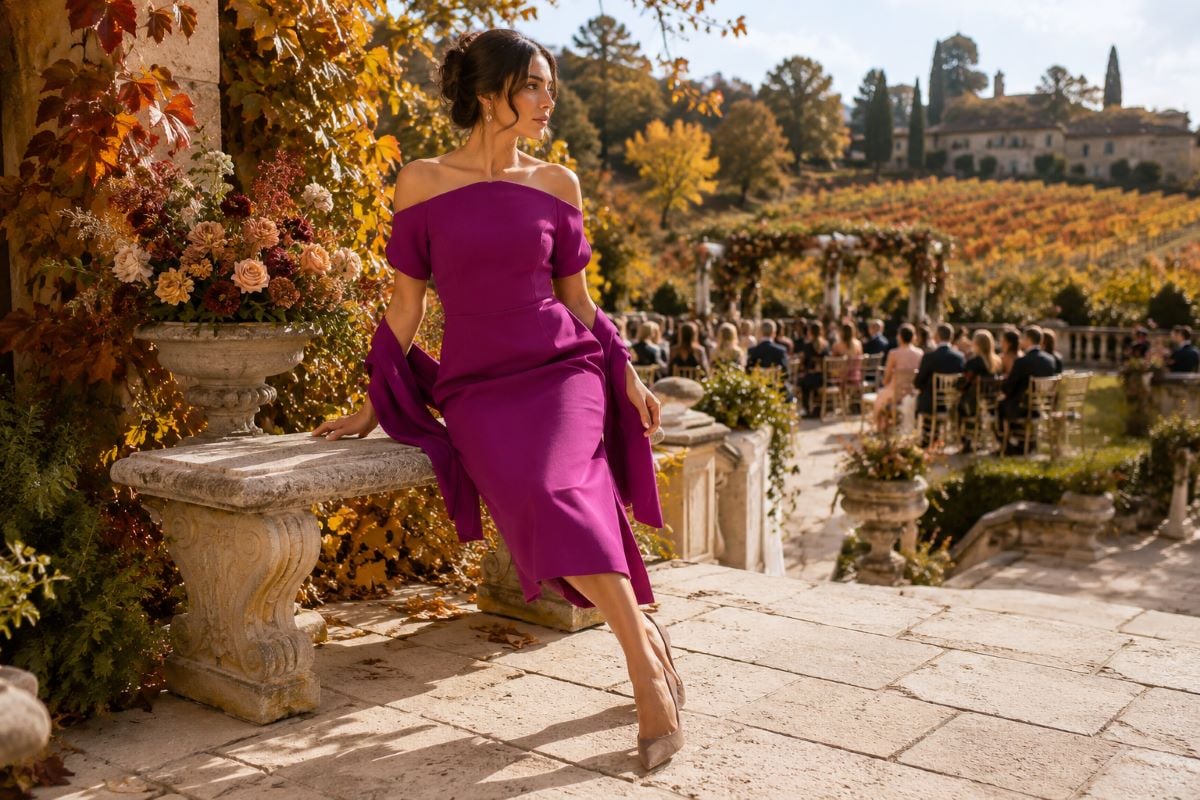
Fall weather is famously unstable, and the gap between an early afternoon ceremony and a late evening send off can reach twenty degrees. Long sleeves, three quarter sleeves, and illusion sleeves all solve the problem inside the dress itself. If you prefer a sleeveless silhouette, plan a shawl, a cape, or a tailored wrap you can remove indoors without disturbing the look.
Outdoor venues ask a little more of you. Grass, gravel, and uneven barn floors punish stiletto heels, so a block heel or a low platform is the smarter base. Our advice on dressing for an outdoor wedding covers the rest, from checking the forecast for the exact date to planning for a ceremony outside and a reception indoors.
Length and Silhouette by Venue
Midi dresses are the most versatile length for fall because they suit both indoor and outdoor settings and sit comfortably inside cocktail and semi formal codes. Floor length belongs to evening receptions and formal ballrooms, while knee length keeps a daytime or casual celebration light on its feet. Among silhouettes, A-line and fit and flare shapes move well on a dance floor, wrap styles adjust to layering, and structured sheath dresses photograph cleanly in group shots.
When you are ready to browse by color and shape, the full range of wedding guest gowns can be filtered straight down to the season’s palette.
Finishing the Look
Warm metals do the heavy lifting in autumn styling. Gold and bronze jewelry, an embellished clutch, and a deeper lip color tie a fall look together in a way silver and pastels rarely do. The details matter enough that it is worth reading how to accessorize a wedding guest outfit before the day arrives, since the right earrings can shift the same dress from ceremony to reception.
Common Questions About Fall Wedding Guest Attire
These are the questions guests ask most often once the invitation lands and the forecast starts changing by the hour.
What colors should a guest wear to a fall wedding?
Deep, grounded colors suit fall weddings best, including burgundy, emerald, navy, plum, chocolate brown, rust, and antique gold. Save the deepest shades for evening receptions and keep lighter, muted tones like dusty rose for daytime ceremonies, always in a fabric with enough texture to feel seasonal.
Can you wear black to a fall wedding?
Yes, black is appropriate at most fall weddings, especially cocktail, formal, and evening celebrations. Keep it from feeling somber by choosing a dress with texture, beading, or lace and pairing it with warm gold or copper accessories rather than cool tones.
Can you wear floral prints to a fall wedding?
Floral prints work in fall when the ground color is dark and the print reads moody rather than springlike, such as jewel tone blooms on black or navy. The usual guest rules still apply, so avoid any print that could echo the bridal party, and choose a scale of print that reads formal rather than casual.
Is a midi dress formal enough for a fall wedding?
A midi dress is formal enough for cocktail and semi formal fall weddings, and it is often the most practical length for outdoor venues. For black tie or formal evening receptions, a floor length gown remains the expected standard.
Do you need sleeves for a fall wedding?
Sleeves are not required, but they are the easiest way to stay comfortable through an outdoor ceremony. A sleeveless gown paired with a removable wrap or cape gives you the same flexibility, letting you add warmth for photos outside and shed it on the dance floor.
What should you avoid wearing to a fall wedding?
Skip white, ivory, cream, and pale champagne, along with any color the couple has reserved for the bridal party. Summer weight fabrics like unlined chiffon can look out of season and leave you cold, and thin stiletto heels are a genuine hazard on grass, gravel, or old barn floorboards.
A fall wedding rewards guests who dress for the season instead of around it, so choose your color and fabric with the venue in mind, then see how the look comes together in person at an authorized Jovani retailer near you.