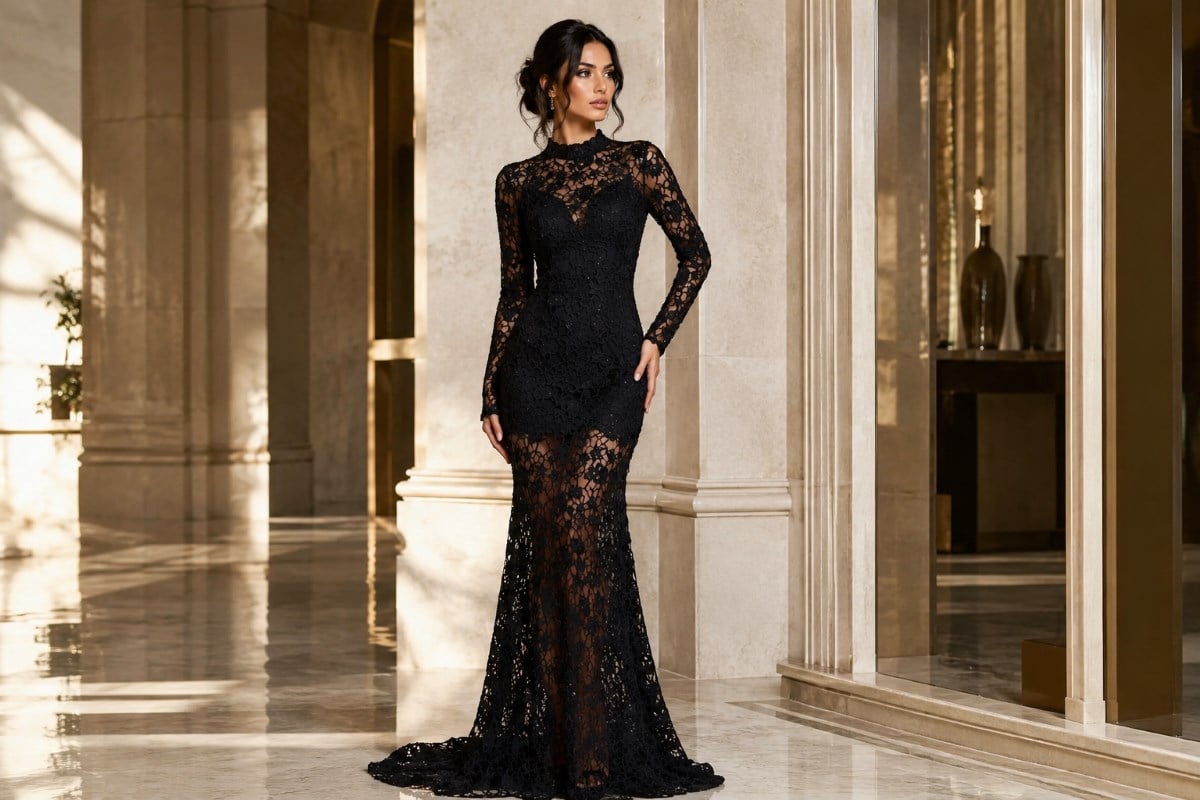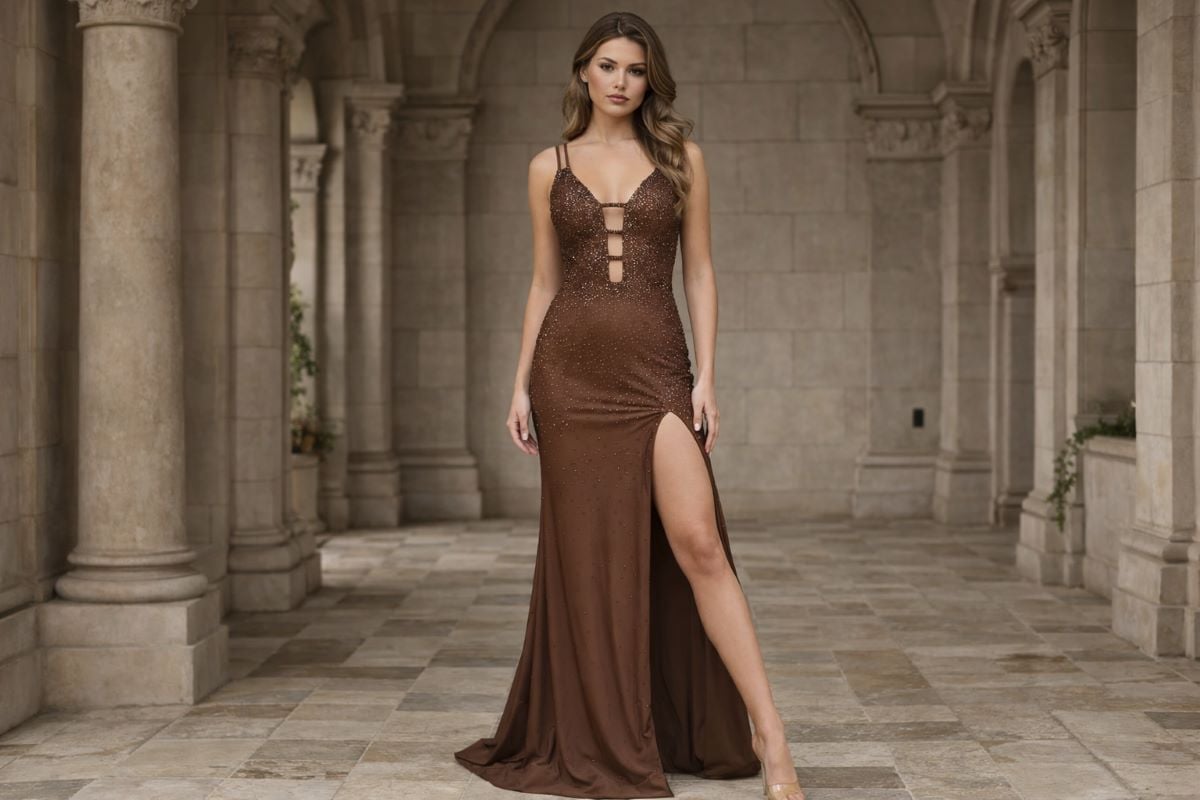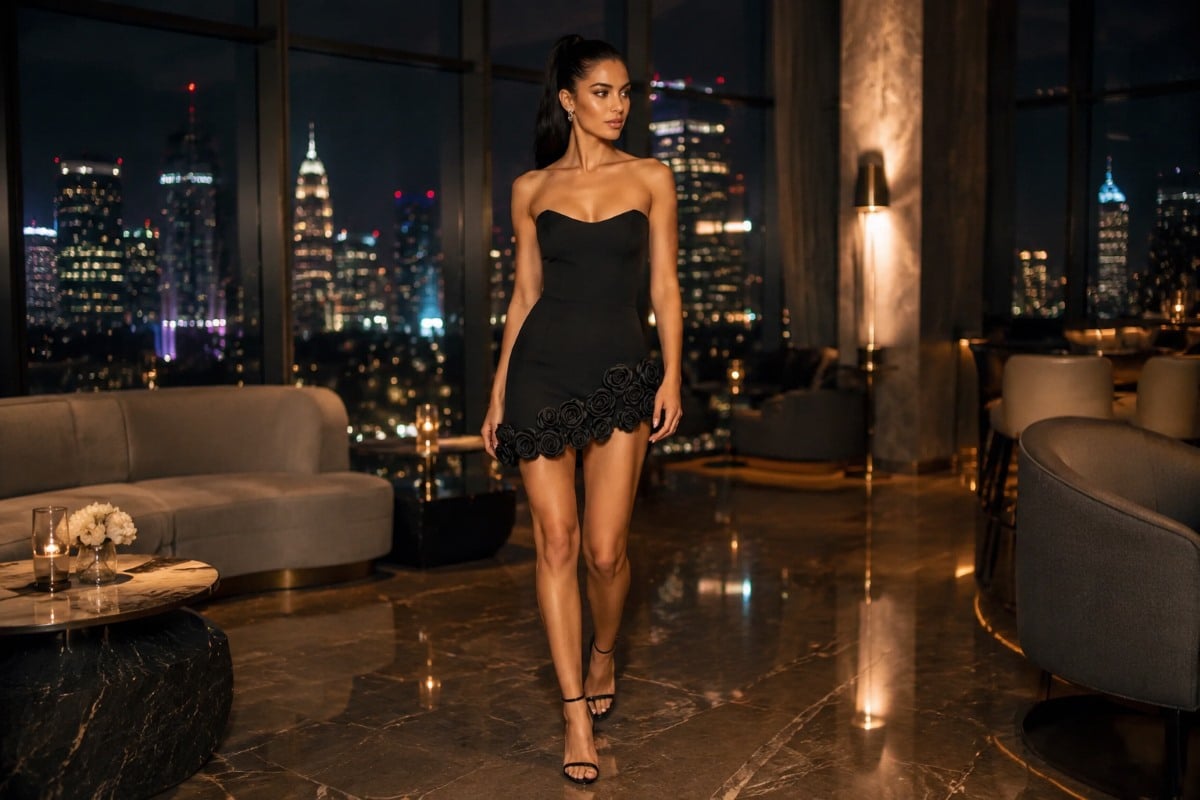

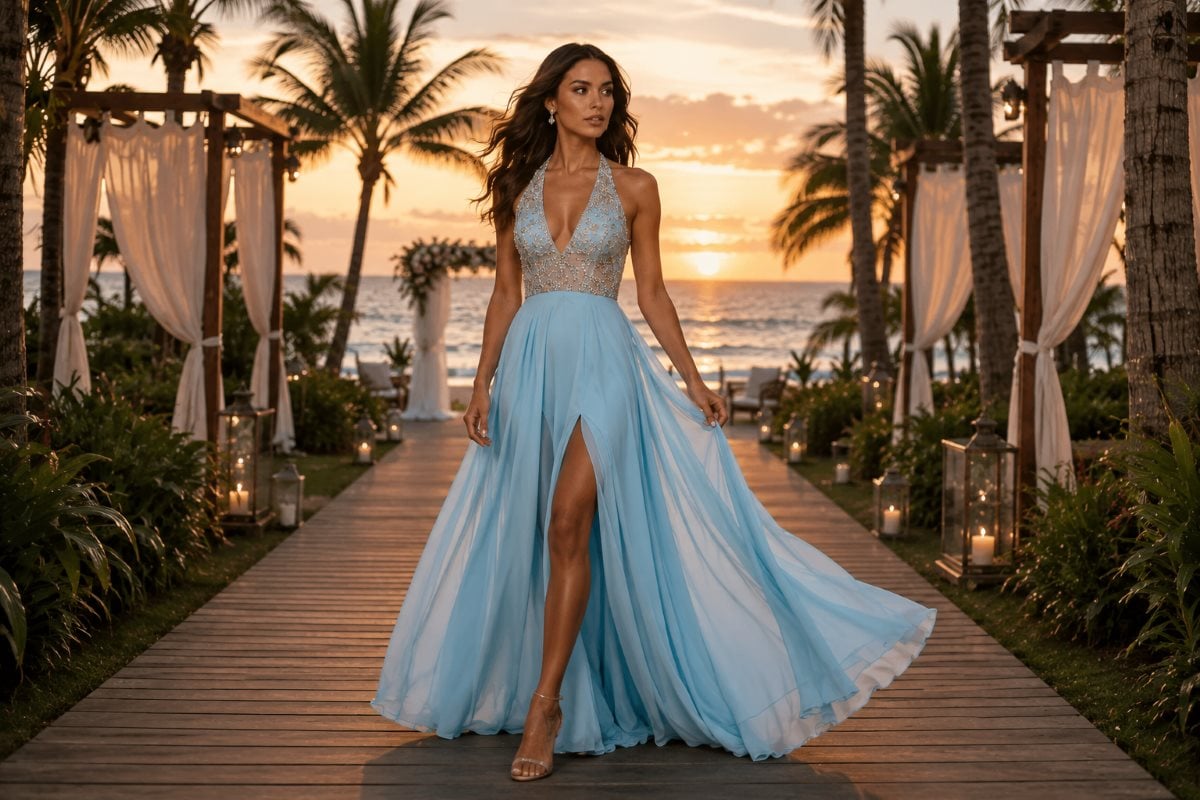
An invitation to a wedding in Tulum, Maui, or the Caribbean is a wonderful thing to open. Then the practical questions start. What do you wear when the ceremony is on hot sand at four in the afternoon, the reception runs late into a humid night, and the whole outfit has to survive a flight and a folded suitcase first. A tropical destination wedding guest dress has a harder job than a dress for a ballroom down the road. It has to look polished, handle real heat, travel without ruin, and let you actually enjoy the celebration. This guide walks through all of it: the fabrics that survive the climate, the silhouettes that work, how to pack a formal dress so it arrives ready to wear, what to do about sand and shoes, and the colors that photograph beautifully in bright natural light. Think of it as everything you need to arrive prepared rather than improvising.
First, decode what kind of wedding it actually is
Before choosing anything, read the invitation carefully, because a tropical destination wedding is not one single dress code. The location and the formality are two separate pieces of information, and guests routinely confuse them.
A wedding at a beachfront resort in Mexico marked “resort formal” asks for something quite different from a barefoot ceremony on the sand marked “beach casual,” and both differ again from a formal evening reception at a tropical estate. The destination tells you about climate. The dress code tells you about formality. You need to answer both. If the couple used an invented phrase like “island elegant” or “tropical chic,” do not guess. Our full breakdown on how to decode the dress code explains how to translate those phrases into a real outfit. One reliable principle for destination weddings: when in doubt, dress toward the more formal end of whatever the code suggests, in the lightest possible version of that formality. It is better to be slightly more dressed than underdressed at someone’s wedding.
It is also worth knowing that European destinations behave differently from tropical ones. A wedding on a Greek island or the Amalfi Coast leans toward more formal, covered European dressing even outdoors, while weddings in the Caribbean, Mexico, and Hawaii genuinely reward lighter, more relaxed formal dressing because the climate makes heavy construction uncomfortable. This guide focuses on the tropical end of that spectrum.
Fabric is everything: what survives heat and humidity
If you take one thing from this guide, make it this. The fabric of your tropical destination wedding guest dress matters more than the silhouette, the color, or the embellishment. The wrong fabric turns a beautiful dress into a long, sticky ordeal, and the right one keeps you comfortable from the ceremony through the last dance.
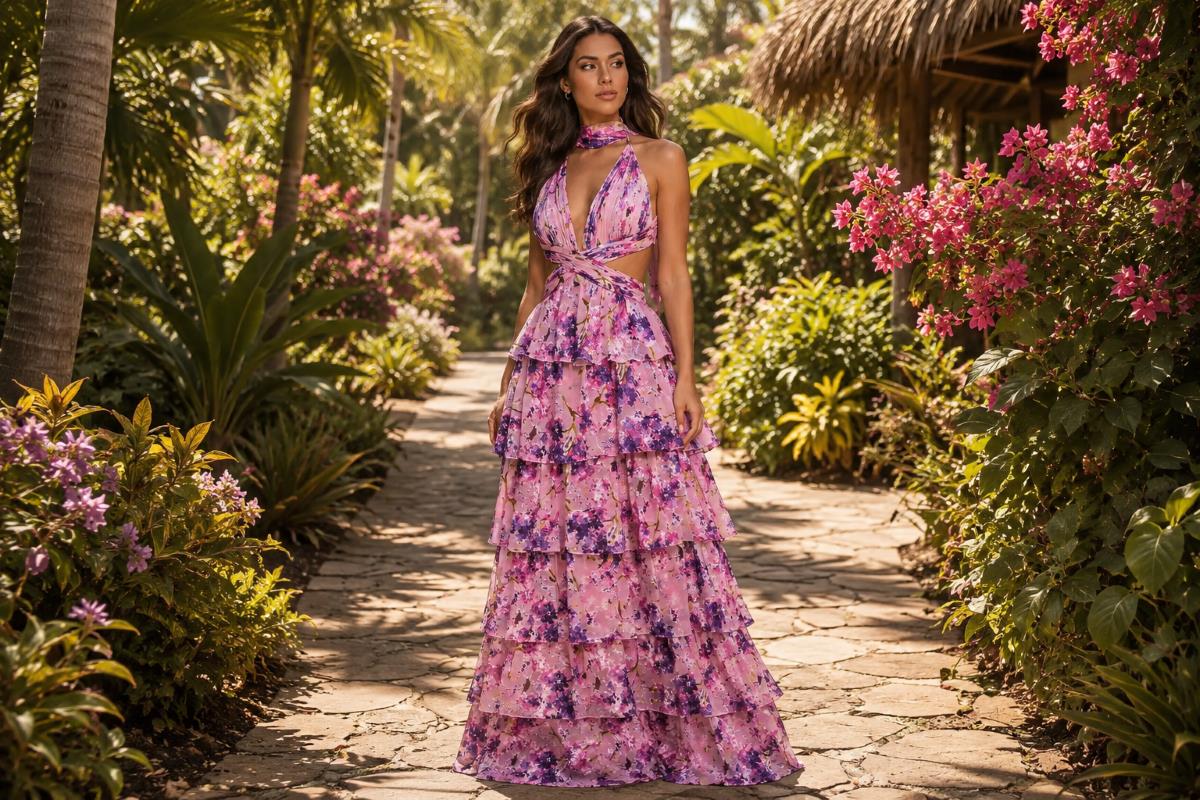
Fabrics that work in the tropics
- Chiffon. The standout choice. It is light, it moves in a breeze, it never traps heat, and it photographs with a soft, airy quality that suits bright outdoor light. A chiffon gown or skirt is the most reliable answer to a warm-weather wedding.
- Georgette. Similar to chiffon with a touch more texture and a slightly more matte finish. It drapes beautifully and stays cool.
- Lightweight crepe. A thin crepe gives a little more structure than chiffon while staying breathable. A good pick if you want a cleaner, more tailored line.
- Organza. Light and slightly crisp, useful for soft volume without weight.
- Cotton-blend voile. For the most casual beach ceremonies, a fine cotton blend is breathable and relaxed.
Fabrics to leave at home
- Heavy satin and mikado. These hold heat against the body and feel oppressive in humidity. A structured satin column that looks perfect in an air-conditioned ballroom becomes genuinely difficult to wear through a humid outdoor ceremony.
- Velvet. Beautiful in winter, completely wrong for the tropics.
- Heavy all-over beading and sequins. Dense embellishment adds weight and traps warmth. A little sparkle is lovely, but an entirely beaded gown is a poor traveler and a hot one.
- Thick lining and built-up underlayers. Multiple heavy layers defeat the purpose. Look for a single, light lining instead.
For lighter options, the airy, fluid styles among chiffon prom gowns show exactly the kind of fabric weight that handles a tropical climate well, even though the occasion differs.
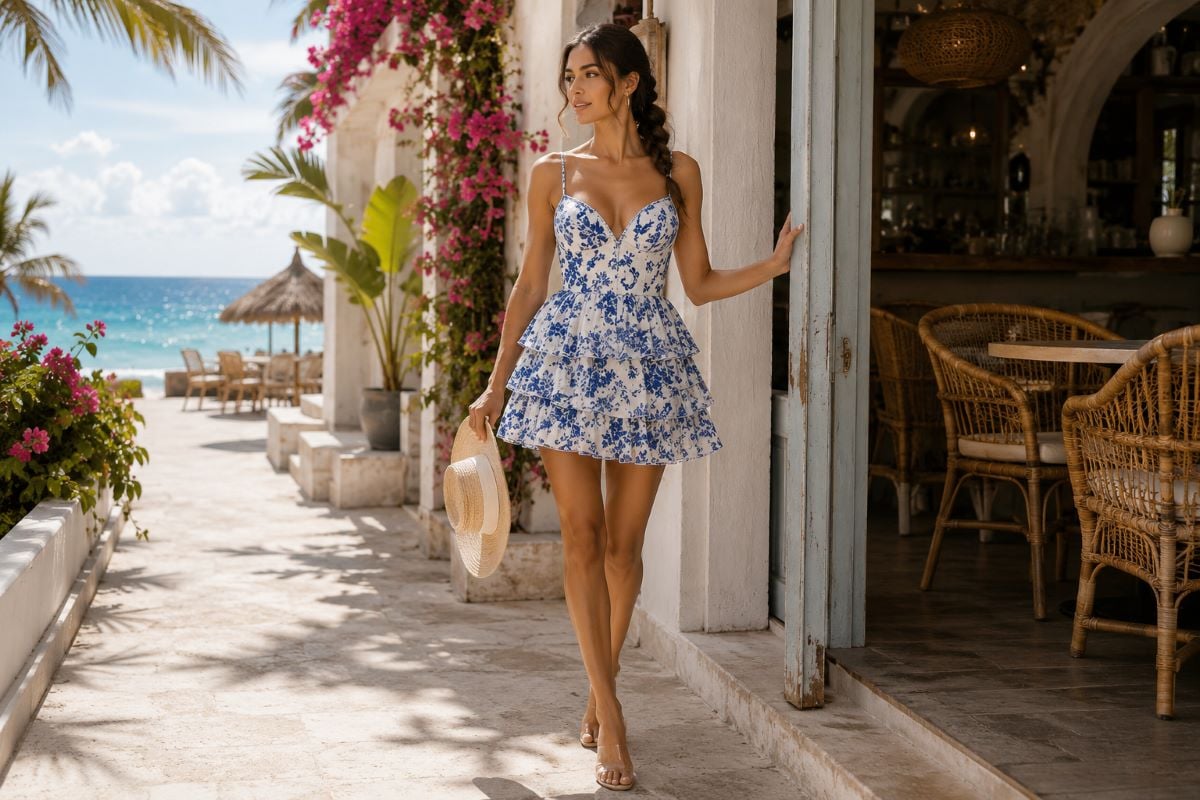
The silhouettes and lengths that make sense
Once the fabric is right, the shape of the dress decides how comfortable and appropriate you feel in the specific setting. Heat and terrain both come into play.
For length, a floor-length gown is appropriate and can be beautiful for a formal tropical reception, as long as it is in a light fabric and the hem clears the ground enough to walk on grass or sand. The flowing styles among long formal gowns in chiffon work well for evening celebrations. For daytime and semi-formal beach ceremonies, a midi length is often the smarter choice, since it stays elegant while keeping the hem away from sand entirely. The draped and fluid options among midi evening dresses are practical and polished for this. A very short cocktail dress can work for a casual beach event but usually reads as too casual for a formal destination wedding.
For silhouette, anything that skims the body and moves with air is your friend. An A-line flows gently and flatters widely. A soft column in a light fabric gives a long, clean line without clinging. A wrap dress is an excellent traveler, since it adjusts to your body and resists looking creased. Be a little cautious with very tight, body-hugging silhouettes in the heat, since they show every effect of humidity and limit airflow. Also think about wind, which is constant near the water. A dramatic high slit or an extremely full lightweight skirt can become something you spend the day managing, so if the venue is exposed, choose a moderate slit and a controlled amount of volume.
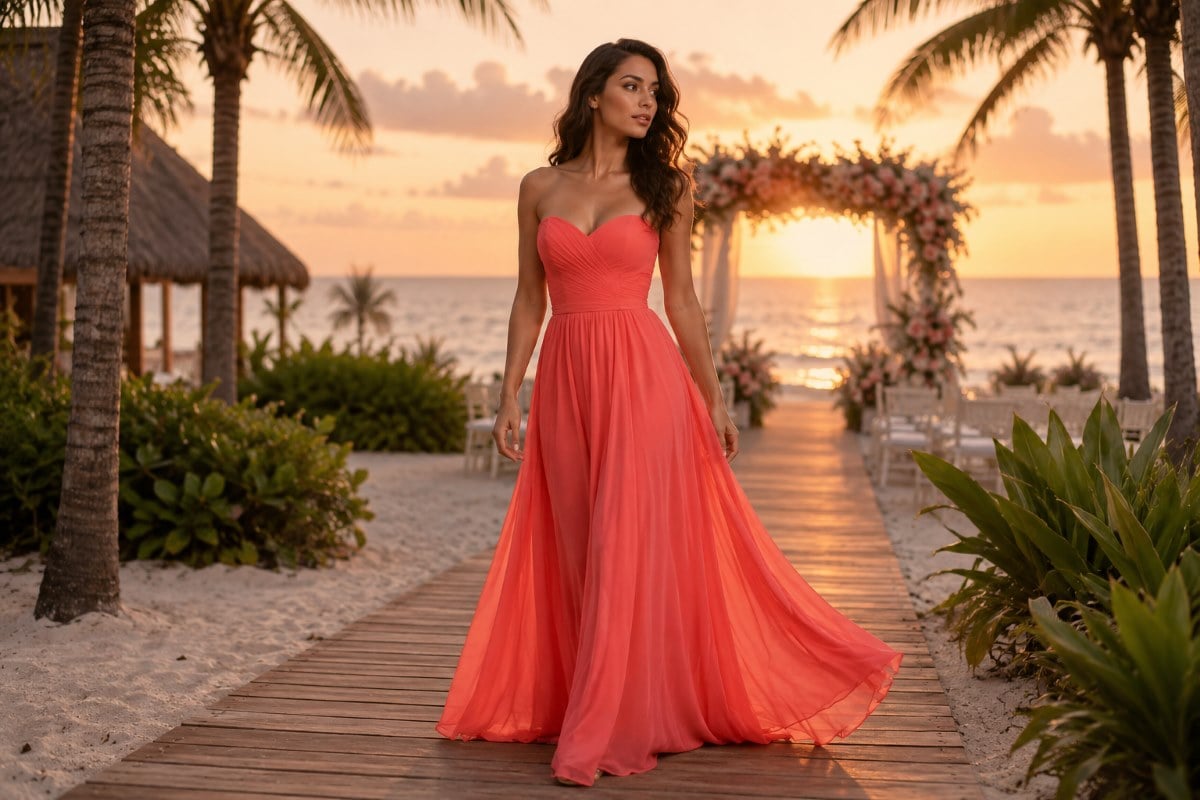
Packing a formal dress so it survives the trip
This is the part almost every other guide skips, and it is the part that ruins the most outfits. A beautiful dress that arrives crushed at the bottom of a suitcase is a real problem when the wedding is in two days and you are far from home.
- Choose a forgiving fabric from the start. Chiffon, georgette, and jersey resist hard creasing far better than crisp or structured fabrics. This is one more reason fabric choice comes first.
- Carry it on, do not check it. Whenever possible, bring the dress in the cabin. Many airlines will hang a garment bag for you, and a carried dress cannot be lost by the airline the day before the wedding.
- Roll, do not hard-fold. For soft fabrics, gently rolling causes fewer sharp creases than flat folding. Tissue paper between layers reduces friction lines.
- Use a garment bag. A proper bag protects the dress and keeps it separate from everything else.
- Hang it the moment you arrive. Unpack the dress first, before anything else, and hang it in the bathroom during a hot shower. The steam releases most travel creases without an iron.
- Pack a travel steamer or know the venue has one. A small handheld steamer is the safest tool for delicate fabrics. Hotel irons are risky on chiffon and fine synthetics.
- Always have a backup plan. If your destination wedding guest outfit is irreplaceable and the trip is long, consider a simple second option, just in case.
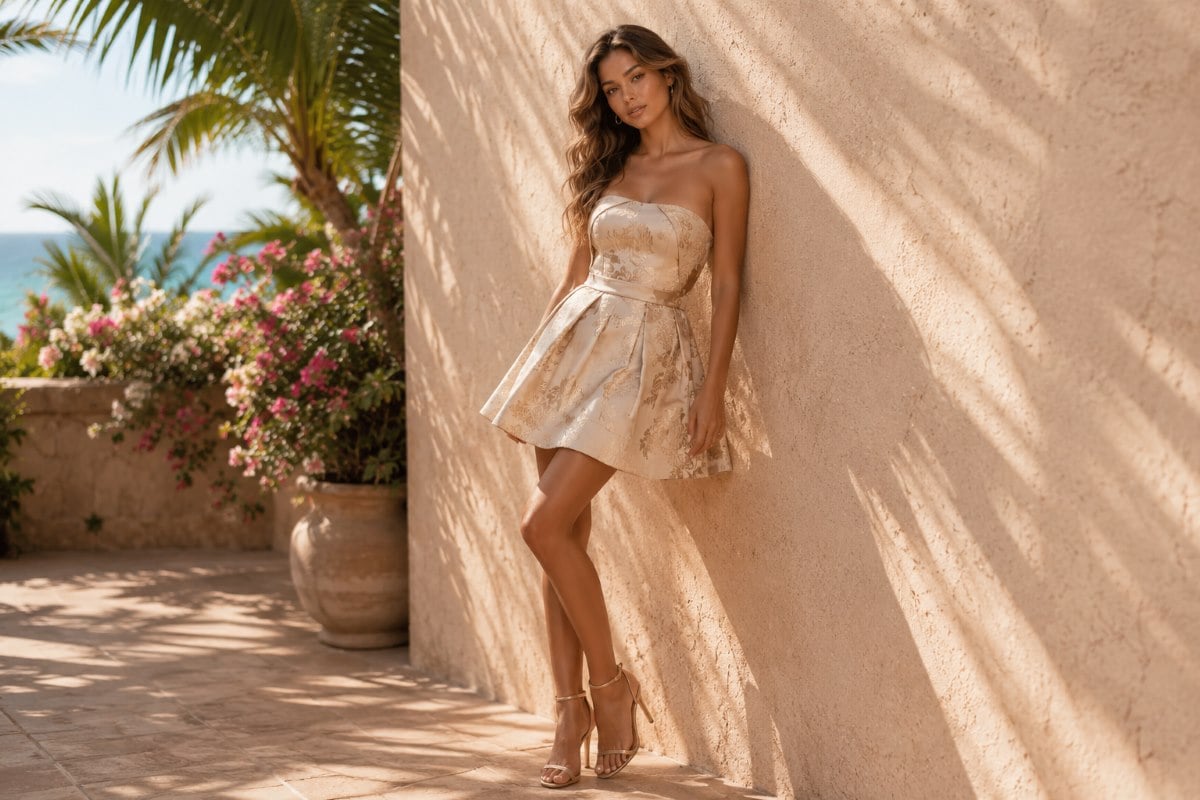
Shoes, sand, and the practical reality of the ground
Footwear is where destination weddings defeat the unprepared. A thin stiletto heel sinks straight into sand and wobbles on grass and uneven stone, so the glamorous shoe you would wear to a ballroom is often the wrong shoe here.
For beach and garden ceremonies, choose a block heel, a wedge, or an elegant flat sandal. These stay stable on soft ground and let you walk and stand comfortably for hours. Wedges in particular give height without the sinking problem. For a ceremony directly on sand, many guests carry a refined pair of flat sandals for the ceremony itself and change into a heel later for the reception on a solid floor. Metallics, neutrals, and soft colors all work well and handle bright daylight gracefully. Whatever you choose, break the shoes in before the trip, since a blister on day one of a destination weekend is a long way from home. Plan for the surfaces you will actually stand on, not the surface in the photographs.
Choosing colors that work in tropical light
Bright, natural sunlight behaves differently from indoor venue lighting. It is stronger, clearer, and less forgiving, and it changes how a color reads in photographs. Tropical settings invite a livelier palette than a formal city wedding, and this is the moment to enjoy it.
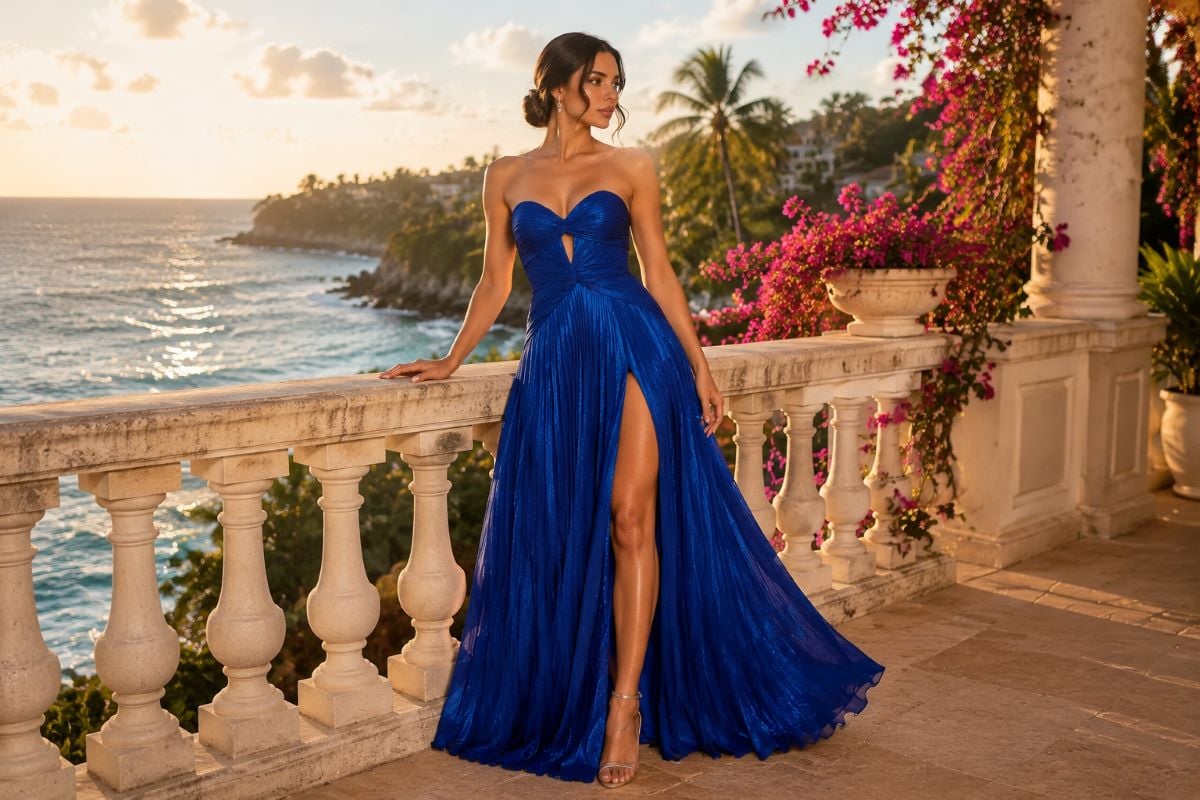
Saturated, warm colors look wonderful against sand, sea, and palm. Coral, turquoise, sunset orange, fuchsia, and clear yellow all photograph beautifully in daylight. Soft pastels such as blush, sage, sky blue, and lavender suit daytime ceremonies and feel light and seasonal. Floral prints are especially at home at a tropical wedding, since the print echoes the setting rather than fighting it, and the styles among floral evening dresses show how a print reads as celebratory rather than busy.
A few cautions. Very dark colors absorb heat and can feel warmer in direct sun, though they still work for evening receptions. Be careful with pale, washed-out neutrals in bright light, since strong sunlight can make a pale beige or icy pink photograph closer to white than you expect. And the universal rule still applies everywhere: white, ivory, cream, and pale champagne belong to the bride alone, no matter how tropical the setting feels.
Staying comfortable and prepared through the day
A destination wedding is often a long event in a hot place, sometimes a whole weekend of events. A little preparation keeps you comfortable and present rather than wilting.
Plan for sun during daytime ceremonies, since shade is not guaranteed. Heat also affects makeup and hair, so a humidity-resistant approach lasts far better than a heavy one. Evenings near the water can cool down more than you expect, so a light wrap or a sheer shawl is worth carrying for the reception. Choose a dress you can move, sit, and dance in easily, and bring smooth, comfortable undergarments suited to a light dress. If the celebration spans several events, a rehearsal dinner, the ceremony, a farewell brunch, plan each outfit with the same climate logic rather than scrambling on the day. For broader help building each look, our guide to outfit ideas for any wedding is a useful starting point, and if your celebration is outdoors but not strictly tropical, the advice on what to wear to an outdoor wedding covers grass, gardens, and cooler open-air settings.
About dressing for a tropical destination wedding FAQ’s
What is the best fabric for a tropical destination wedding guest dress?
Chiffon is the strongest choice, since it is light, breathable, and moves in a breeze without trapping heat. Georgette, lightweight crepe, and organza also work well. Avoid heavy satin, velvet, dense beading, and thick linings, which hold heat against the body and feel oppressive in humidity.
Can I wear a long gown to a beach wedding?
Yes, a floor-length gown is appropriate for a formal tropical wedding, provided it is in a light fabric like chiffon and the hem clears the ground enough to walk on sand or grass. For daytime or more casual beach ceremonies, a midi length is often more practical because it stays away from the sand entirely.
What shoes should I wear to a destination beach wedding?
Choose a block heel, a wedge, or an elegant flat sandal, since thin stilettos sink into sand and wobble on grass. Many guests wear flat sandals for a ceremony on sand and change into a heel for the reception on a solid floor. Always break new shoes in before the trip.
How do I pack a formal dress without it getting wrinkled?
Choose a forgiving fabric like chiffon or jersey, carry the dress on the plane in a garment bag rather than checking it, and roll soft fabrics instead of hard-folding them. On arrival, hang the dress immediately, and use the steam from a hot shower or a small travel steamer to release any travel creases.
What colors are best for a tropical destination wedding guest dress?
Saturated warm colors such as coral, turquoise, fuchsia, and clear yellow photograph beautifully in bright daylight, and soft pastels suit daytime ceremonies. Floral prints feel at home in a tropical setting. Avoid white, ivory, cream, and pale champagne, which are reserved for the bride.
How formal should a destination wedding guest outfit be?
Read the invitation for both the location and the dress code, since they are separate. Tropical destinations reward lighter, more relaxed formal dressing, but you should still dress toward the more formal end of whatever code is stated, simply in the lightest version of that formality. When unsure, slightly more dressed is better than underdressed.
When you are ready to find a light, travel-friendly look for a warm-weather celebration, explore the wedding guest gowns collection through an authorized Jovani retailer.