
3 Colors
Little Black Dresses
Little black dresses take the color question off the table, which leaves the cut, the fabric, and the finish to do the talking. This range is short and built for occasions: corset minis with visible boning, strapless and halter bodices, a few sleeved styles with a cap or a puff, and open backs behind high necklines. Crepe and velvet keep a little black dress quiet, while lace, crystals, and 3D roses give a black mini dress far more to say. Jovani sets steel boning into its structured bodices and sews embellishment on by hand, so the short LBD you choose keeps its line from the first toast to the last dance.
Products
2 Colors
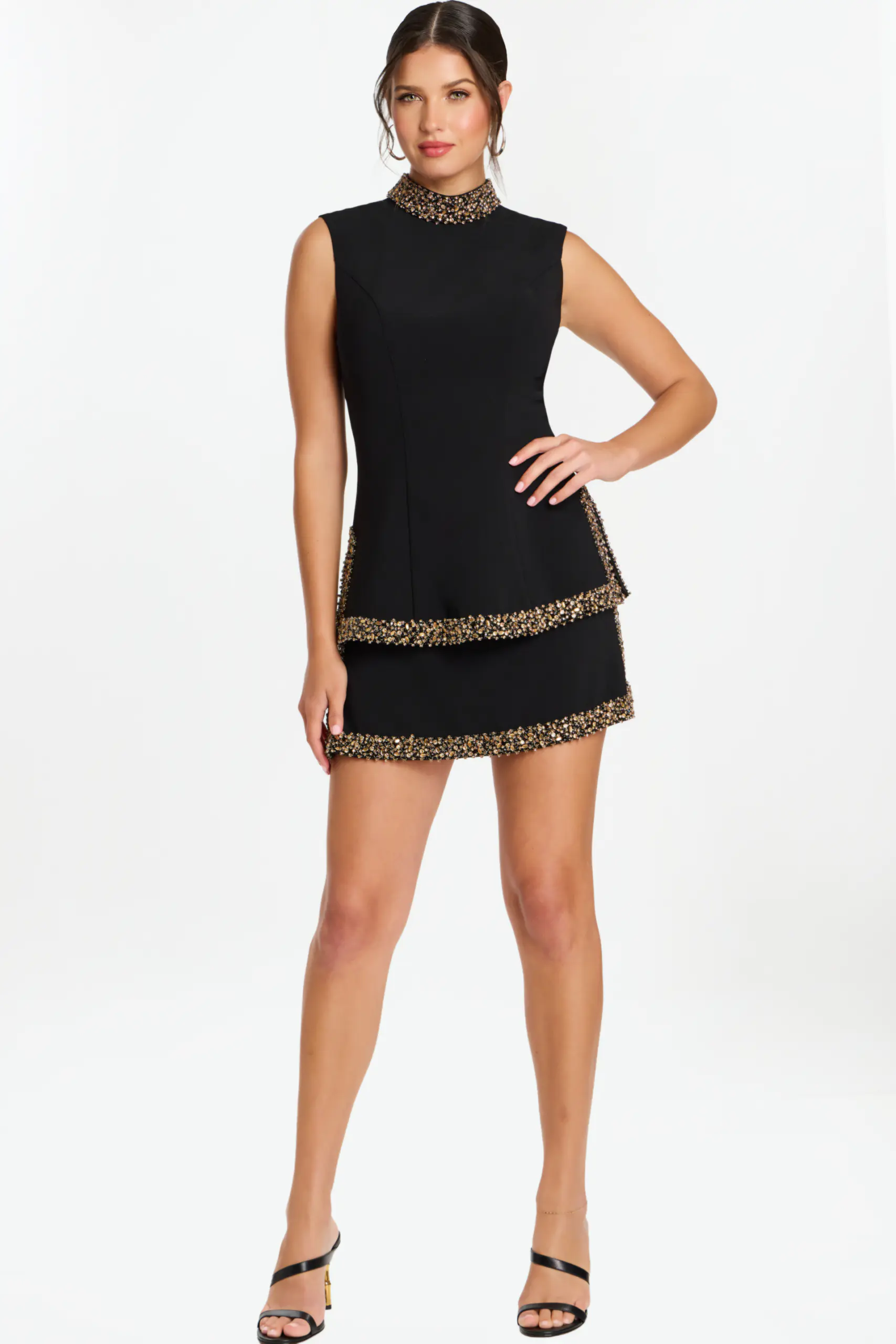
Beaded Mini Dress With High Neckline 46992
5 Colors
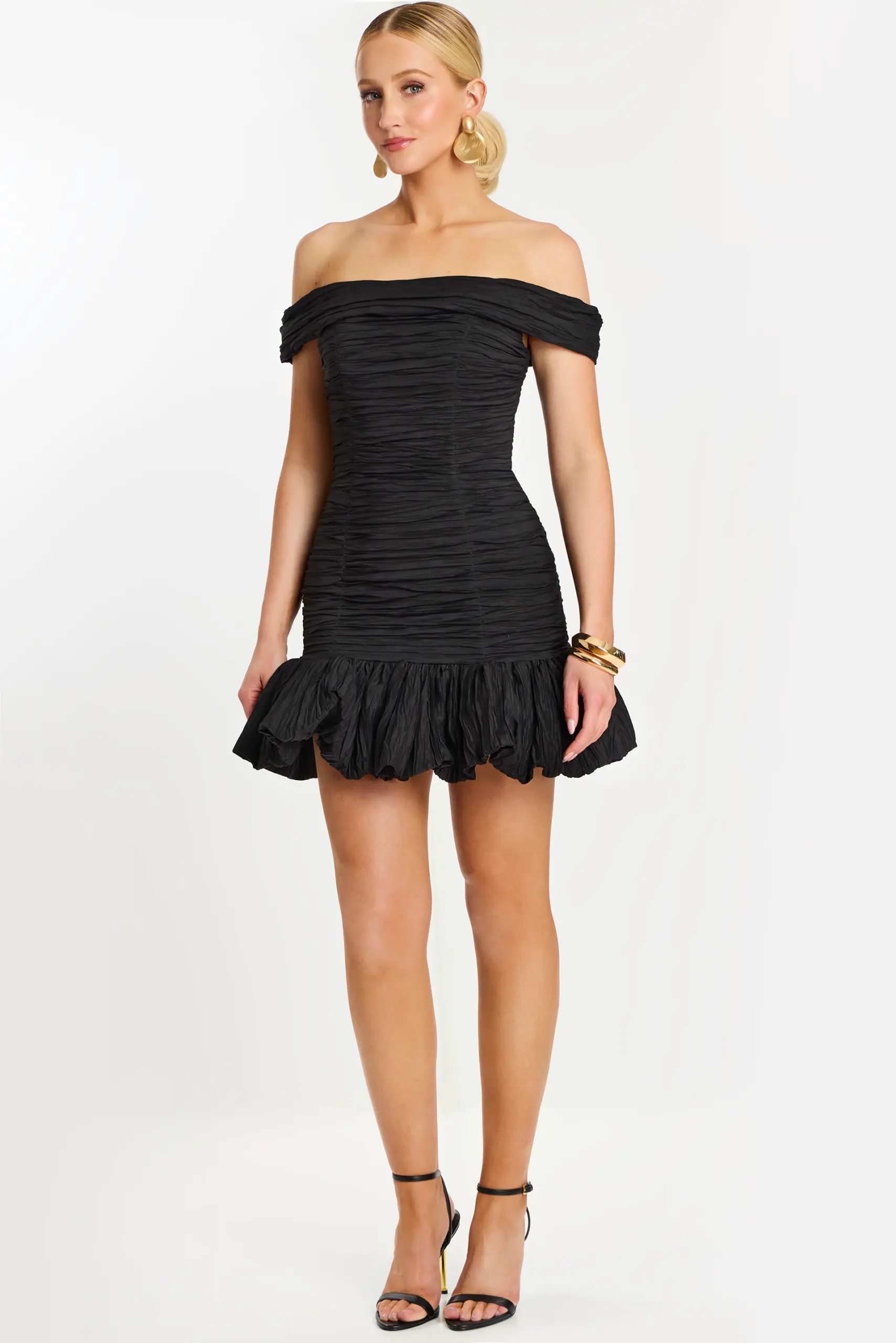
Ruched Off-the-Shoulder Black Mini Dress 45459
5 Colors
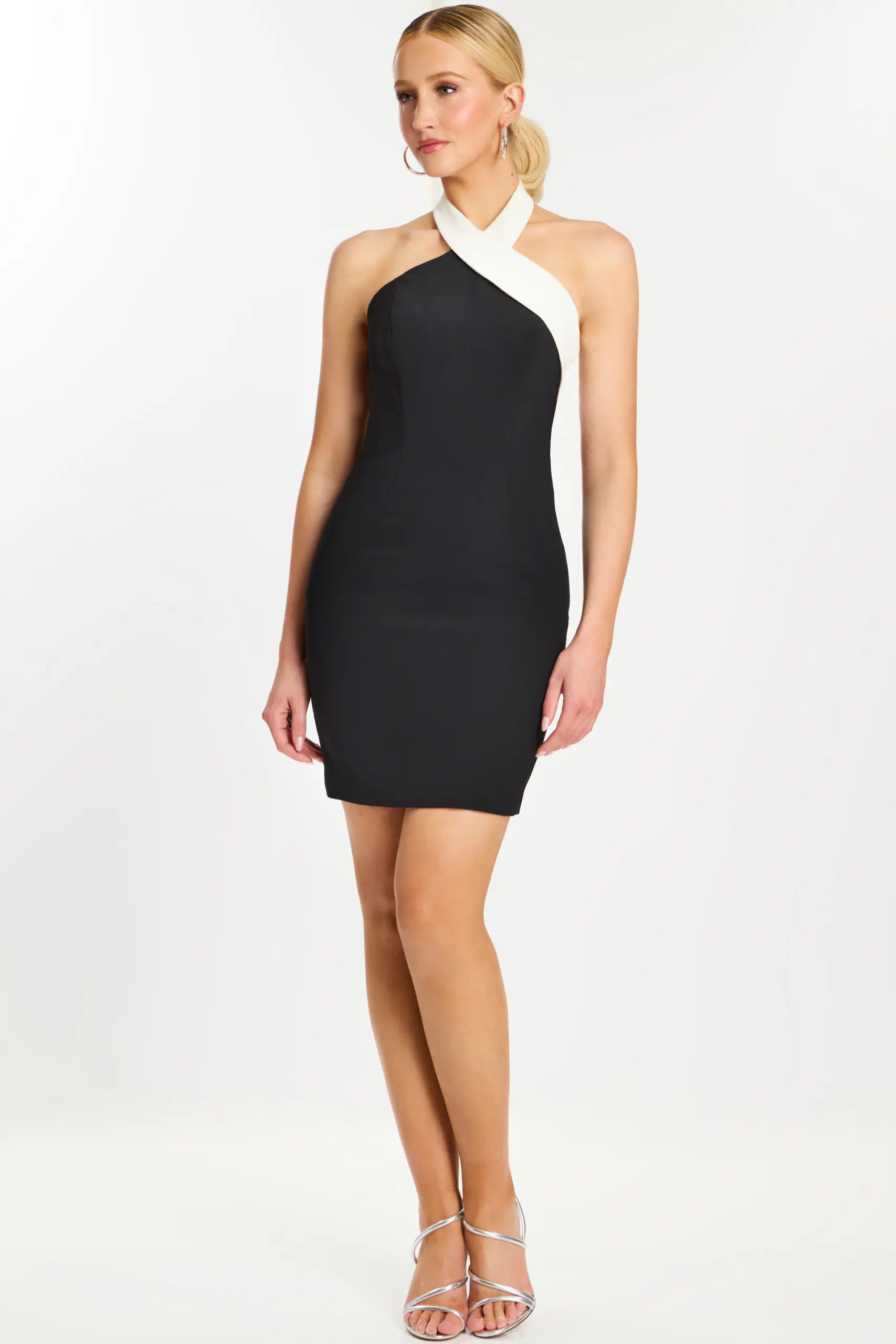
Fitted Mini Dress with White Crisscross Halter Neck 45456
5 Colors
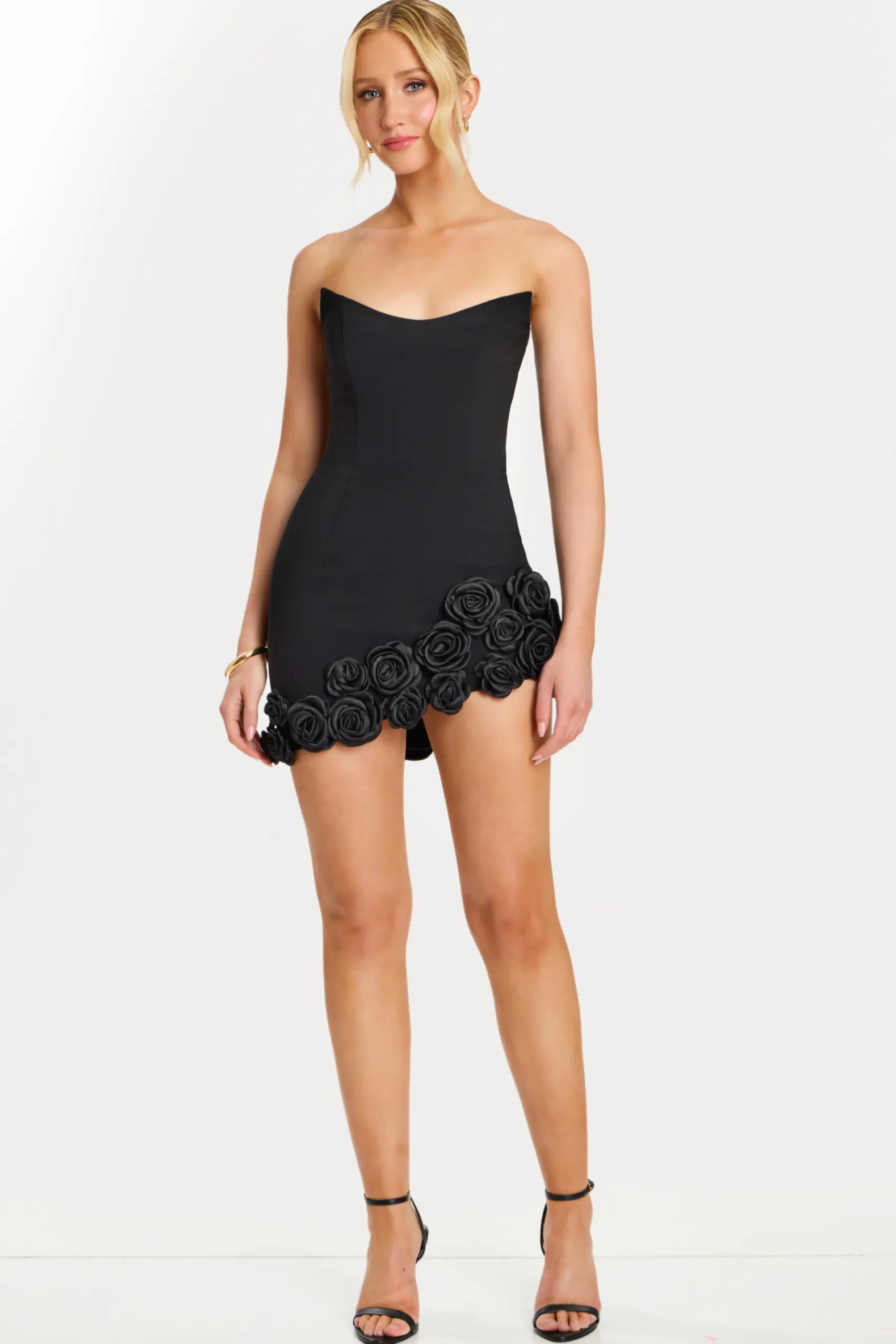
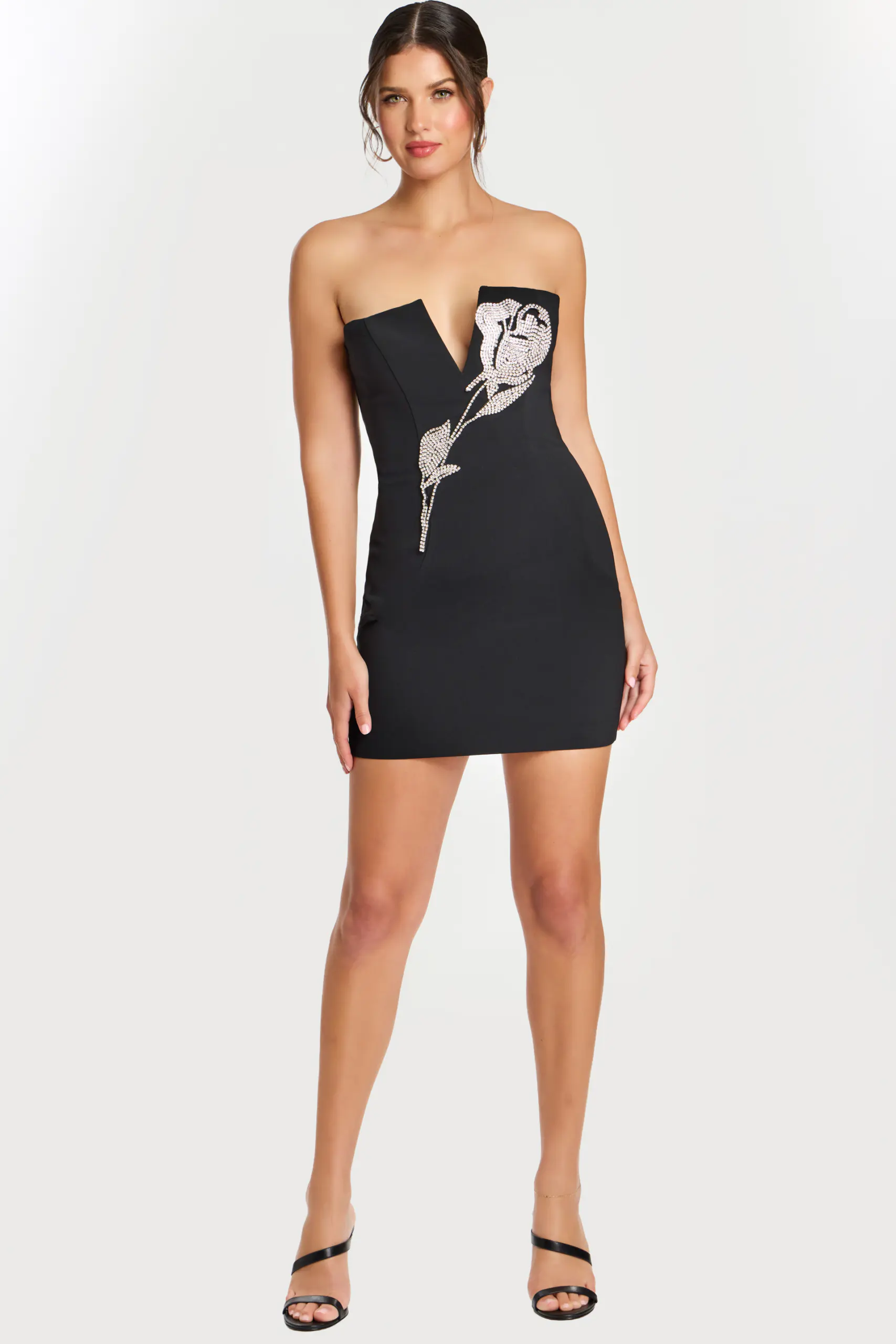
Strapless Black Mini Dress with Rhinestone Rose Detail 48669
1 Colors
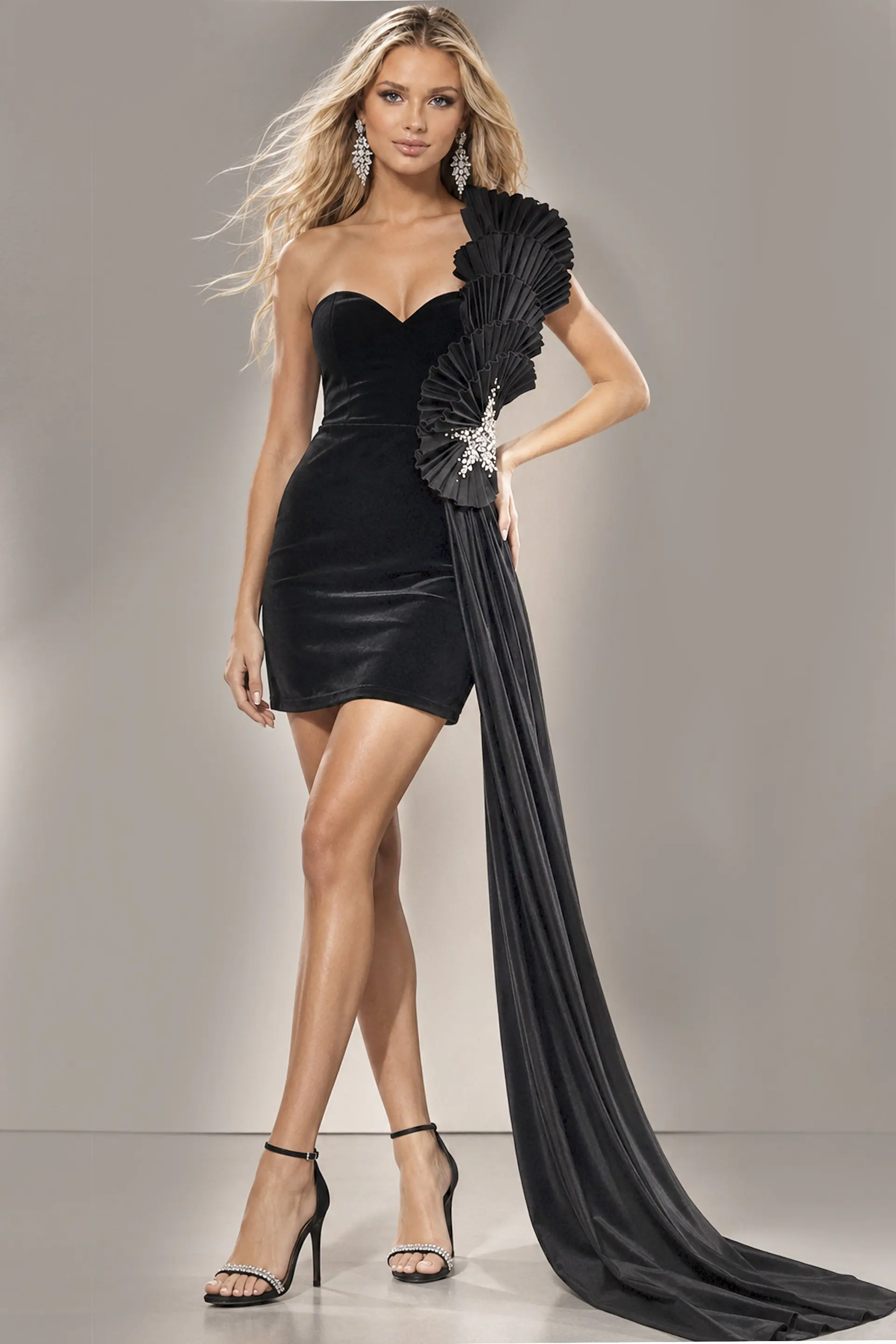
Velvet One Shoulder Mini Dress with Pleated Fan Shoulder and Drape 47203
1 Colors
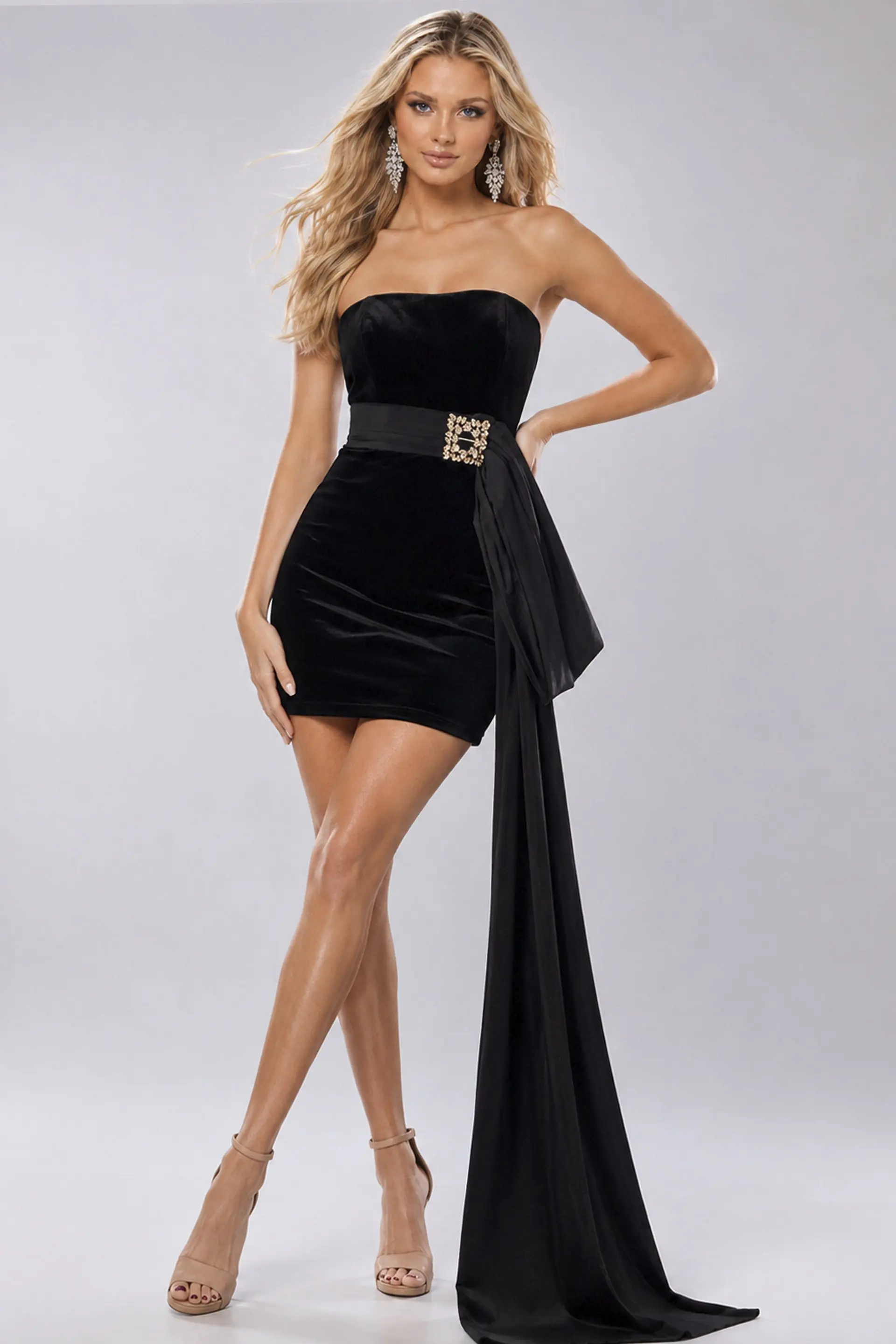
Strapless Velvet Mini Dress with Crystal Buckle Belt and Sweep Drape 46364
3 Colors
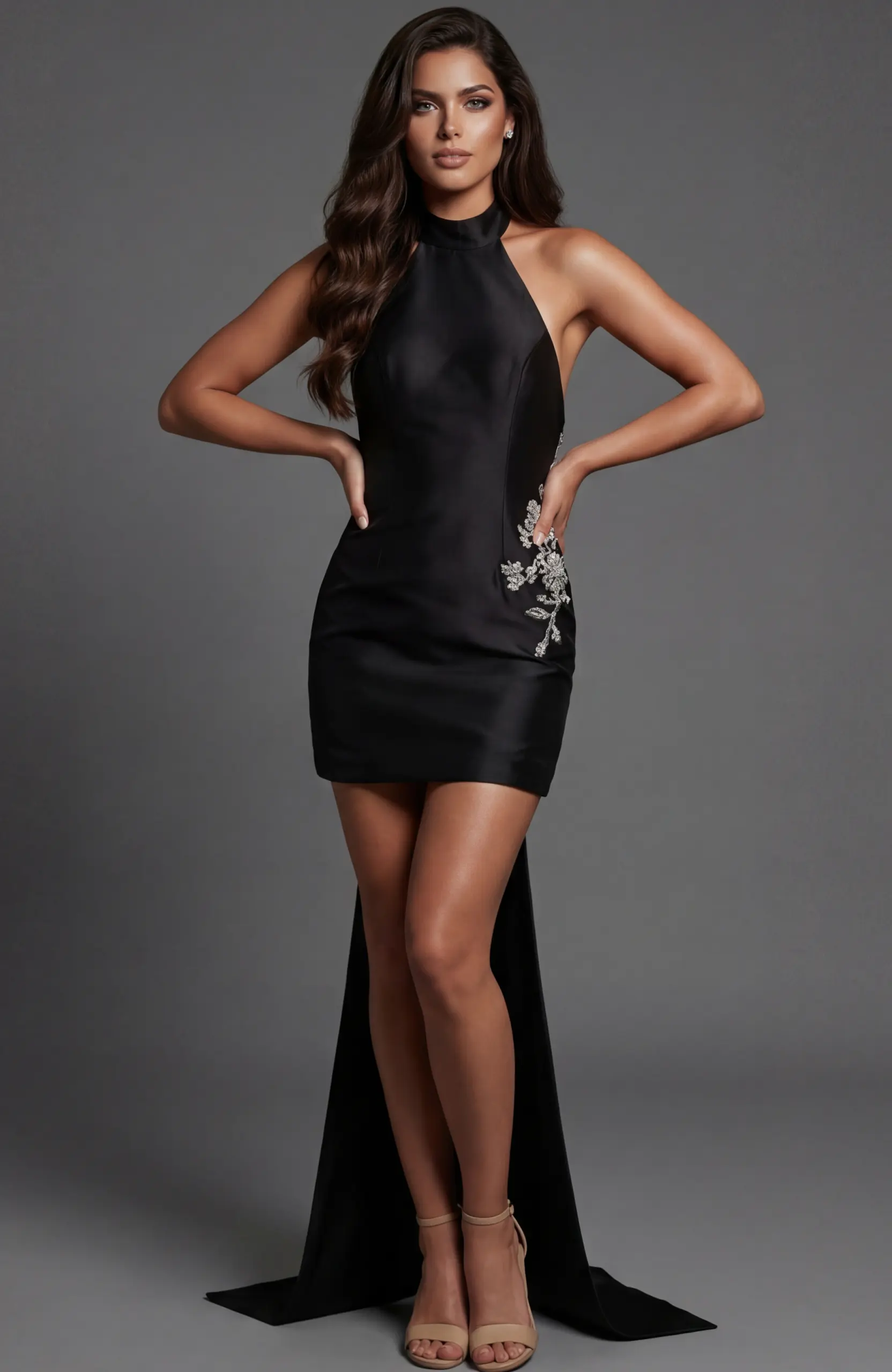
Halter Neck Mini Dress With Open Back 47830
1 Colors
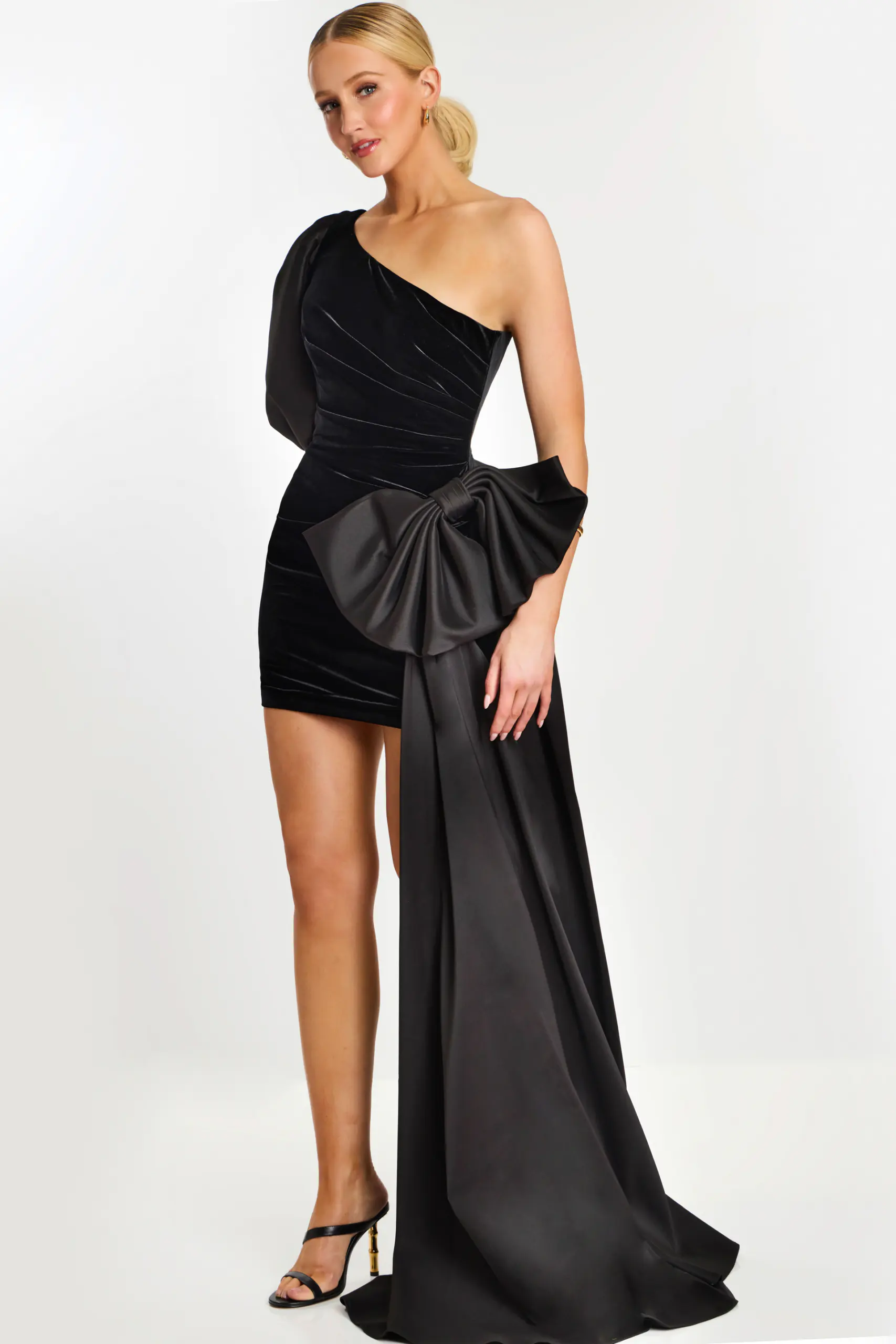
Black Mini Dress with Puff Sleeve & Bow 45428
3 Colors
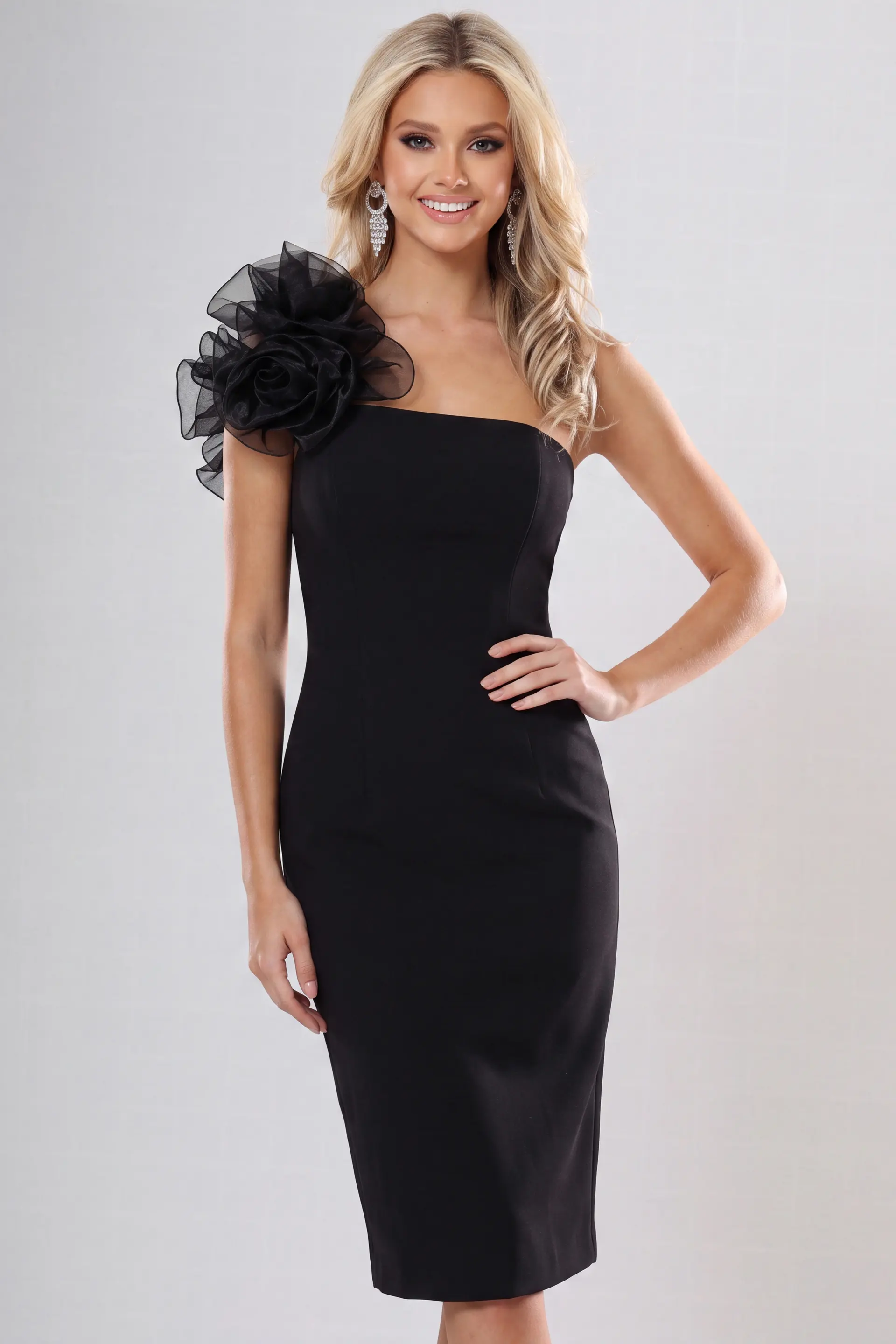
Black One Shoulder Floral Appliqué Cocktail Dress 40096
3 Colors
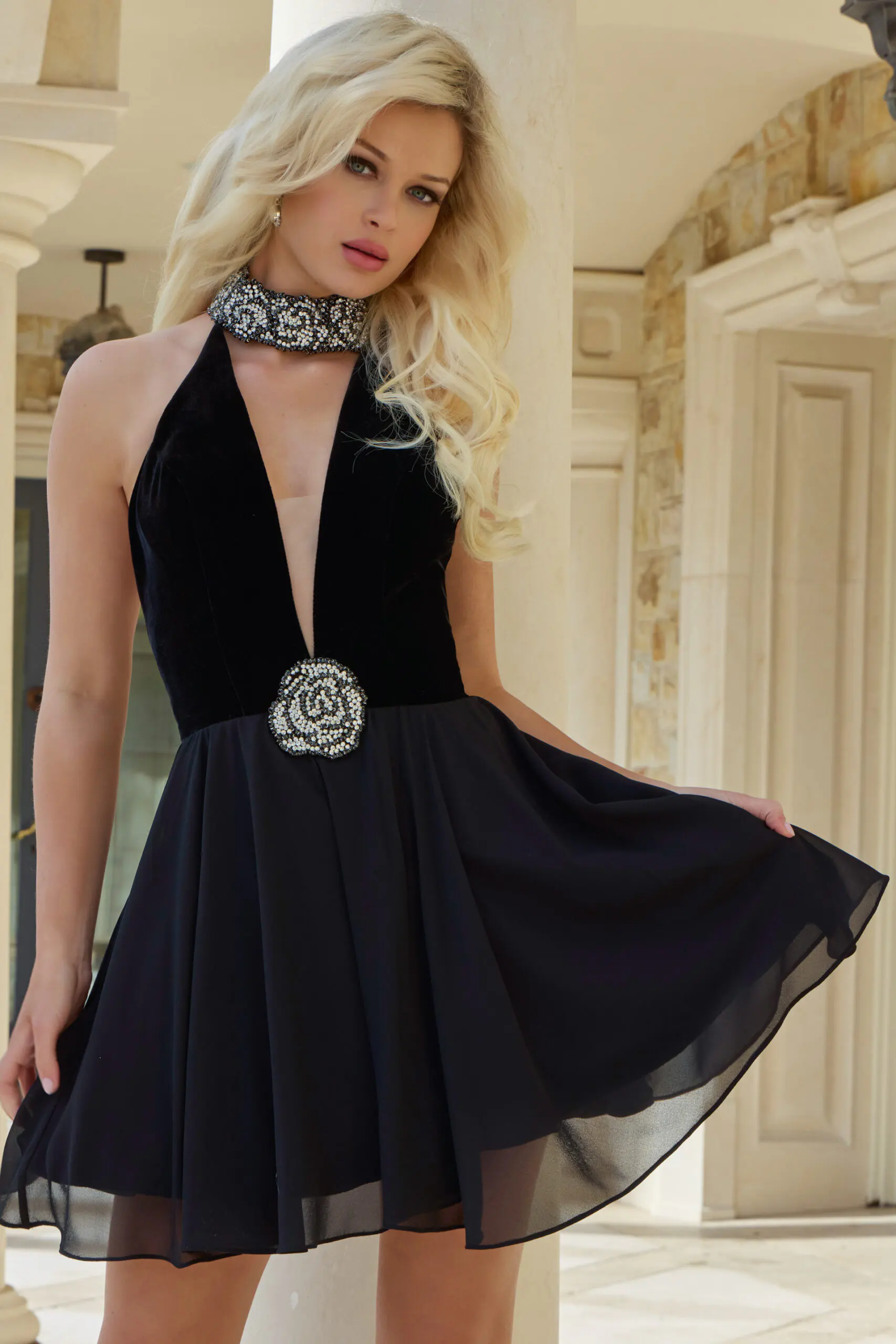
Plunging Fit And Flare Dress With Beaded Rose Waist Detail 45368
3 Colors
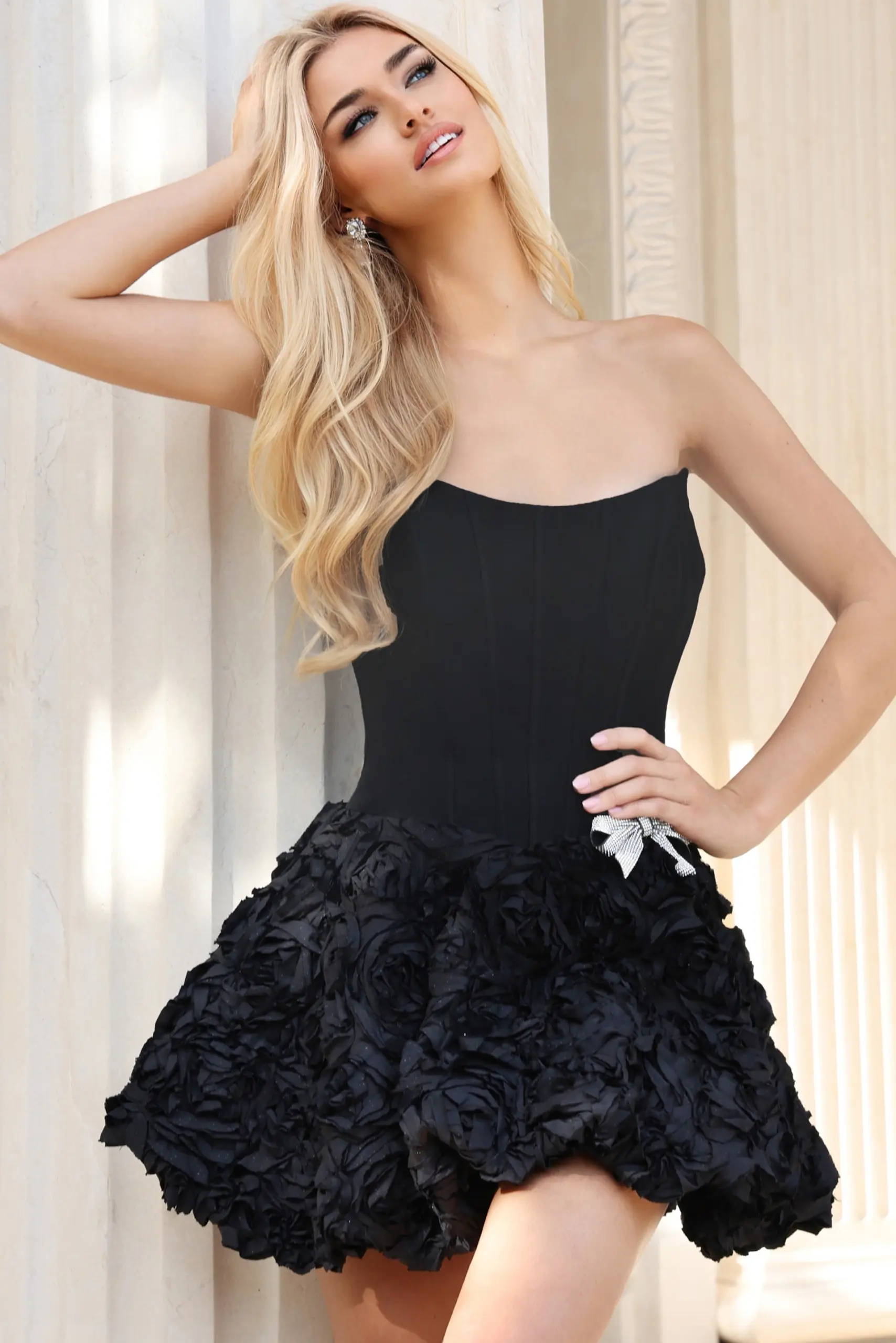
Corset Dress With Textured Rosette Skirt 46486
3 Colors
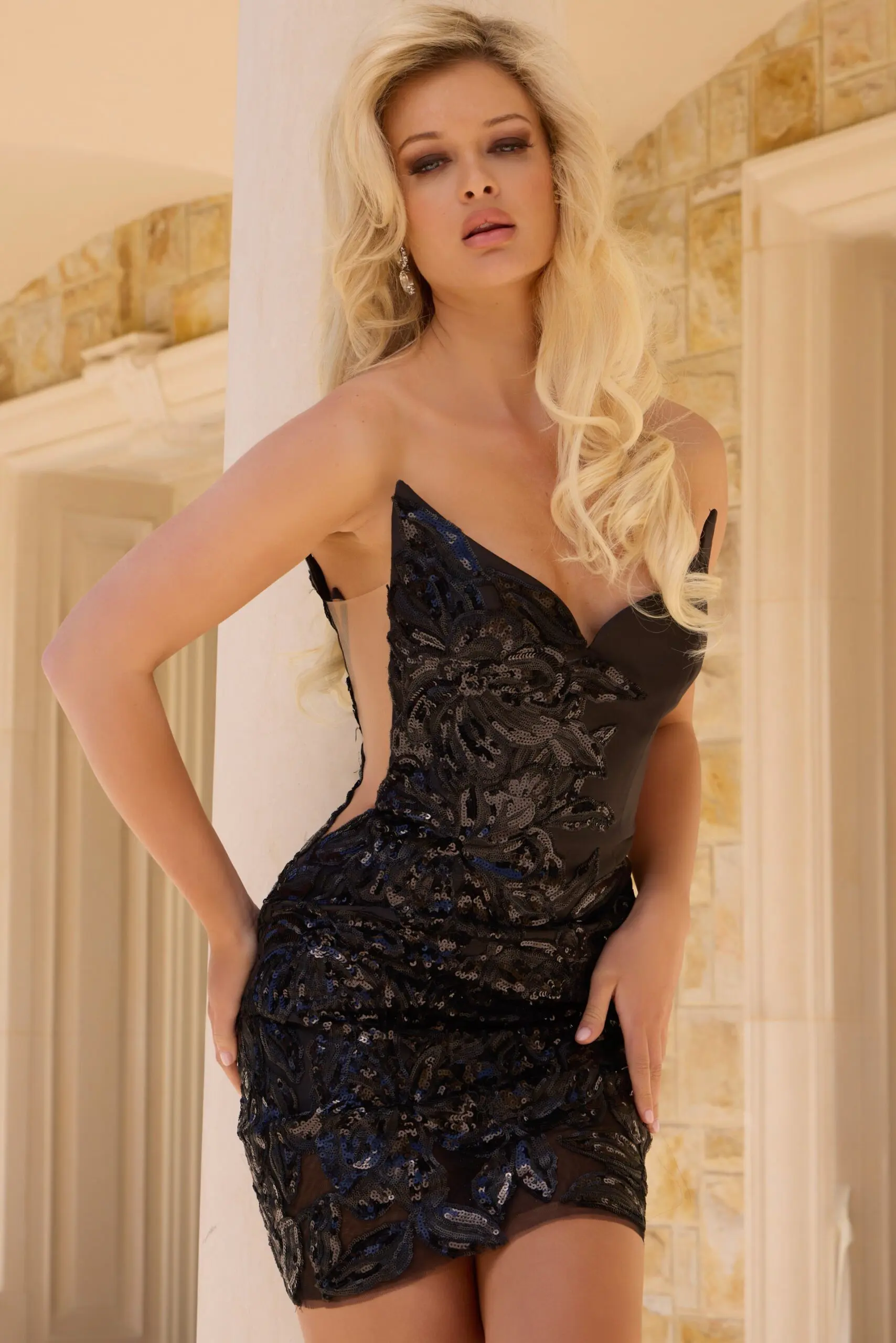
Strapless Sequin Mini Dress with Sheer Side Panels 45599
2 Colors
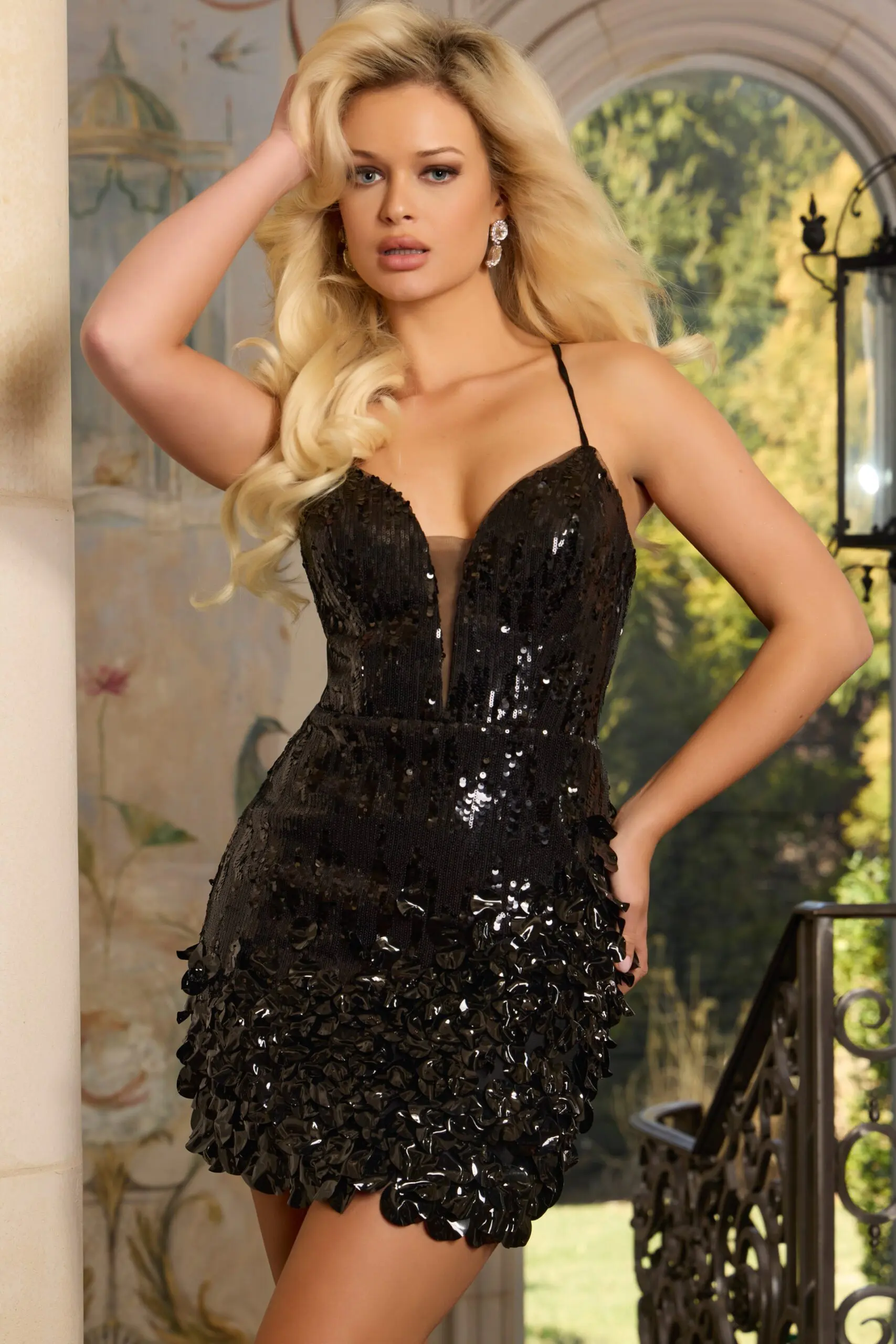
Plunging Sheer Inset Black Sequin Corset Mini 47420
2 Colors
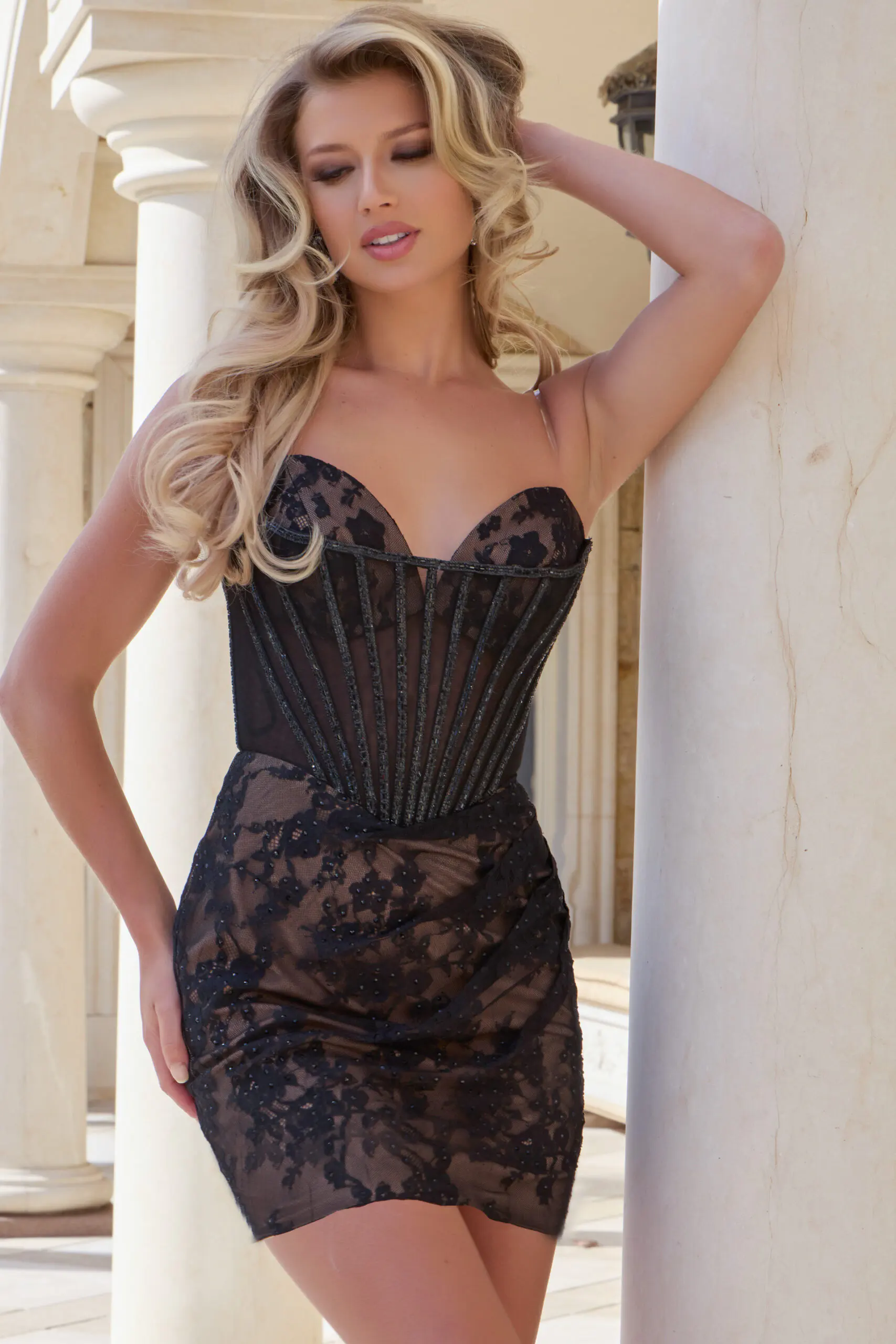
Sheer Black Lace Corset Mini Dress 45826
1 Colors
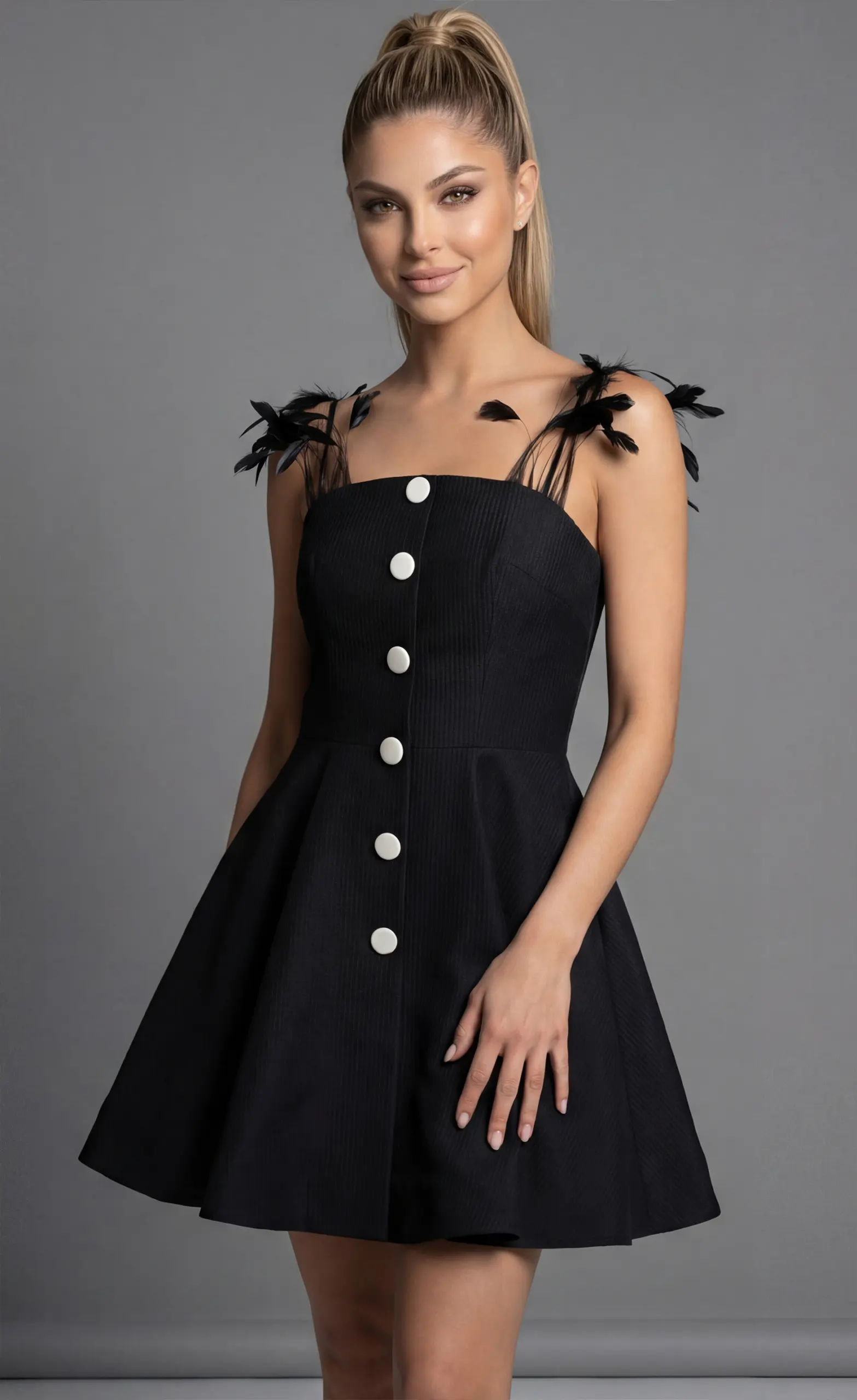
Fit and Flare Mini Dress with Feather Straps 43615
1 Colors
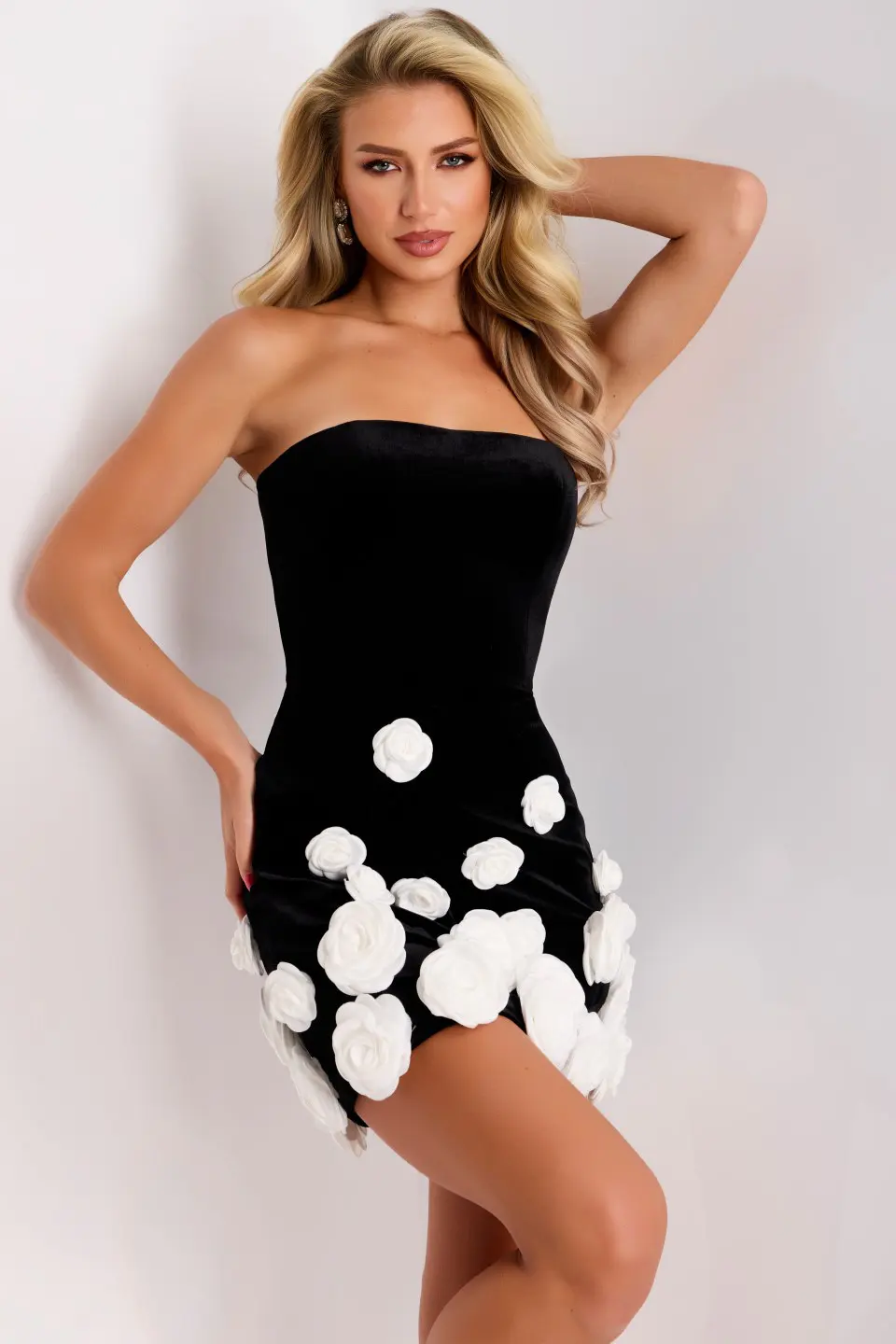
Strapless Cocktail Dress with 3D Floral Appliqué 45237
9 Colors
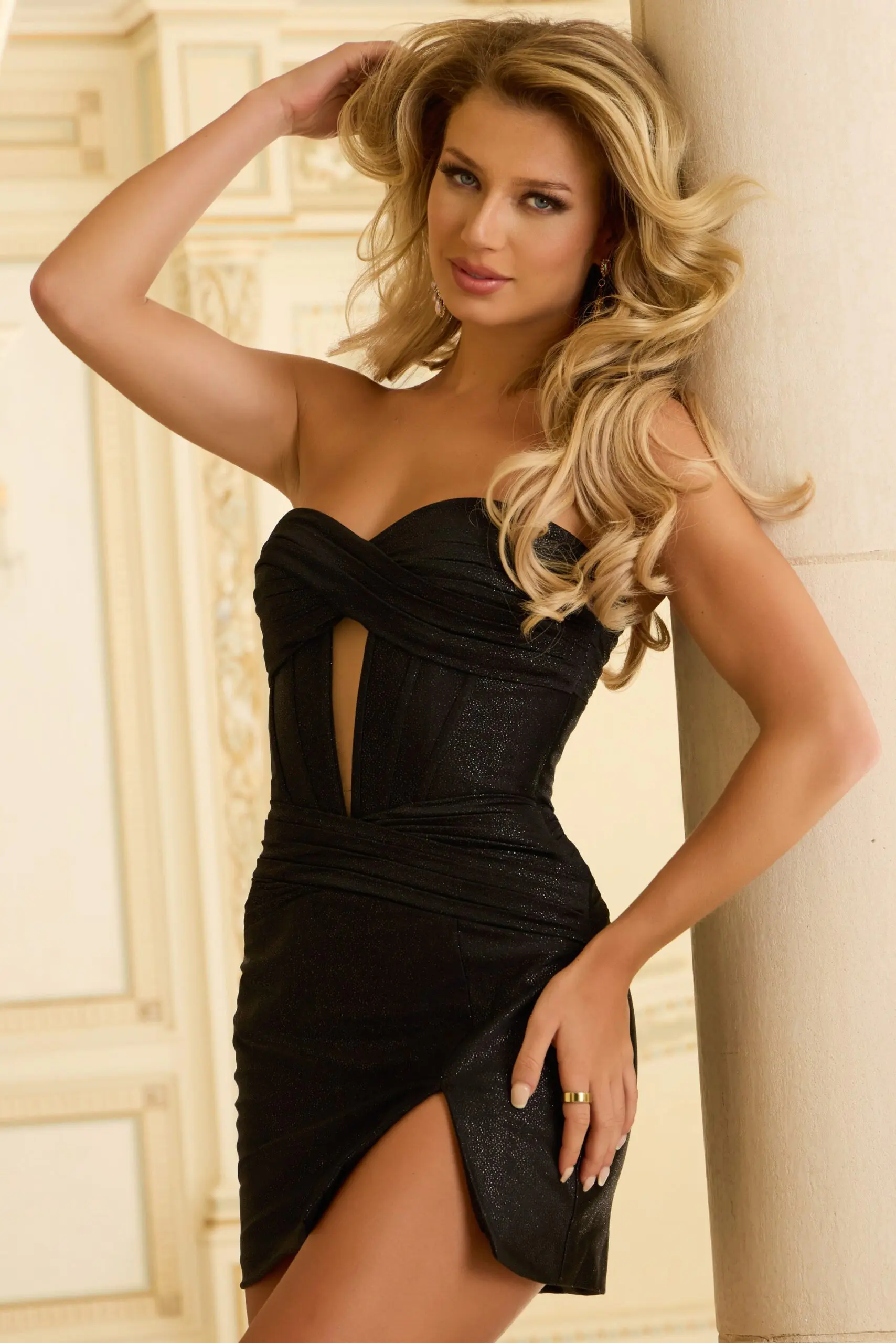
Strapless Twist Front Cutout Sweetheart Mini Dress 46488
1 Colors
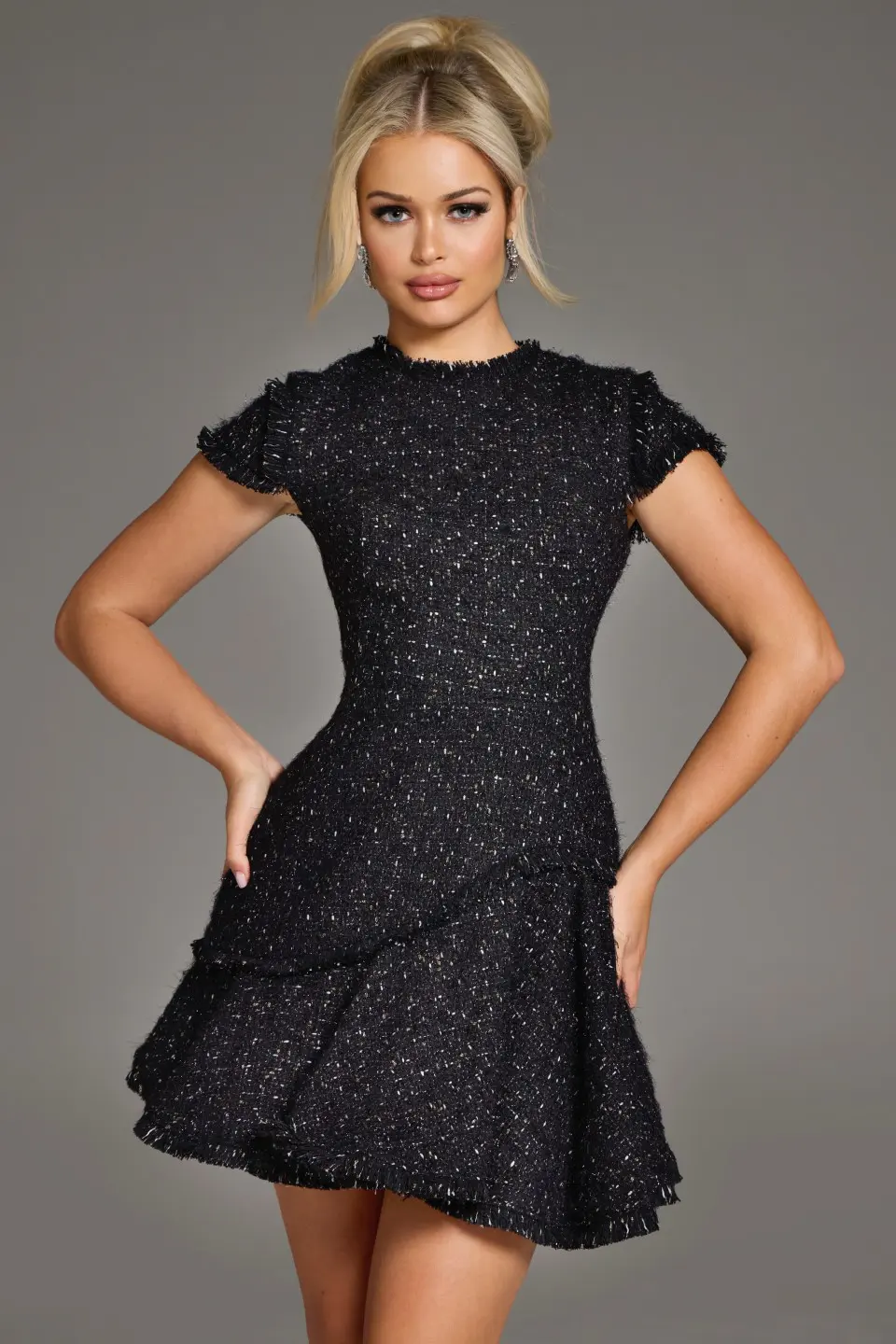
Cap Sleeve A-Line Tweed Dress with Frayed Edges 40659
4 Colors
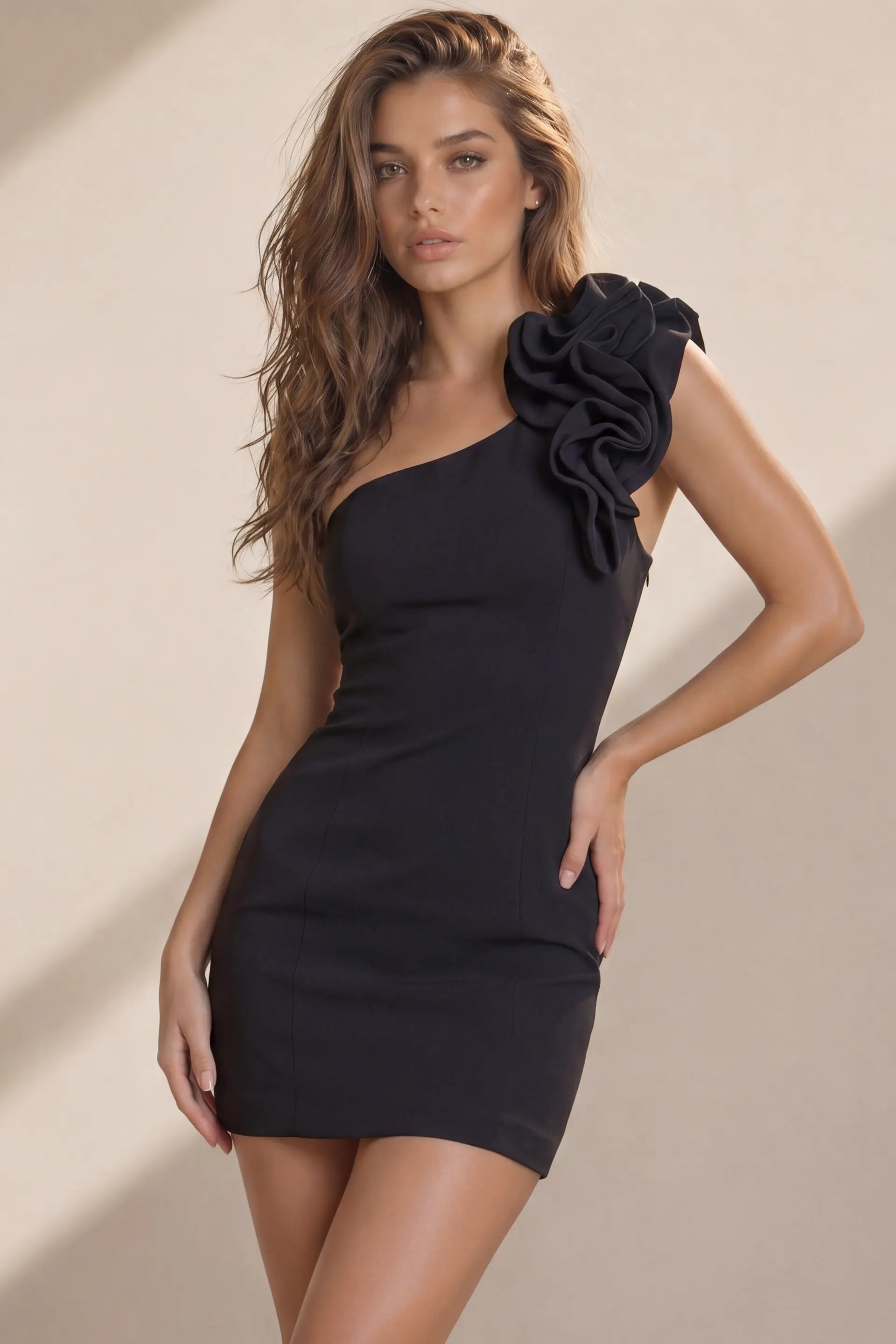
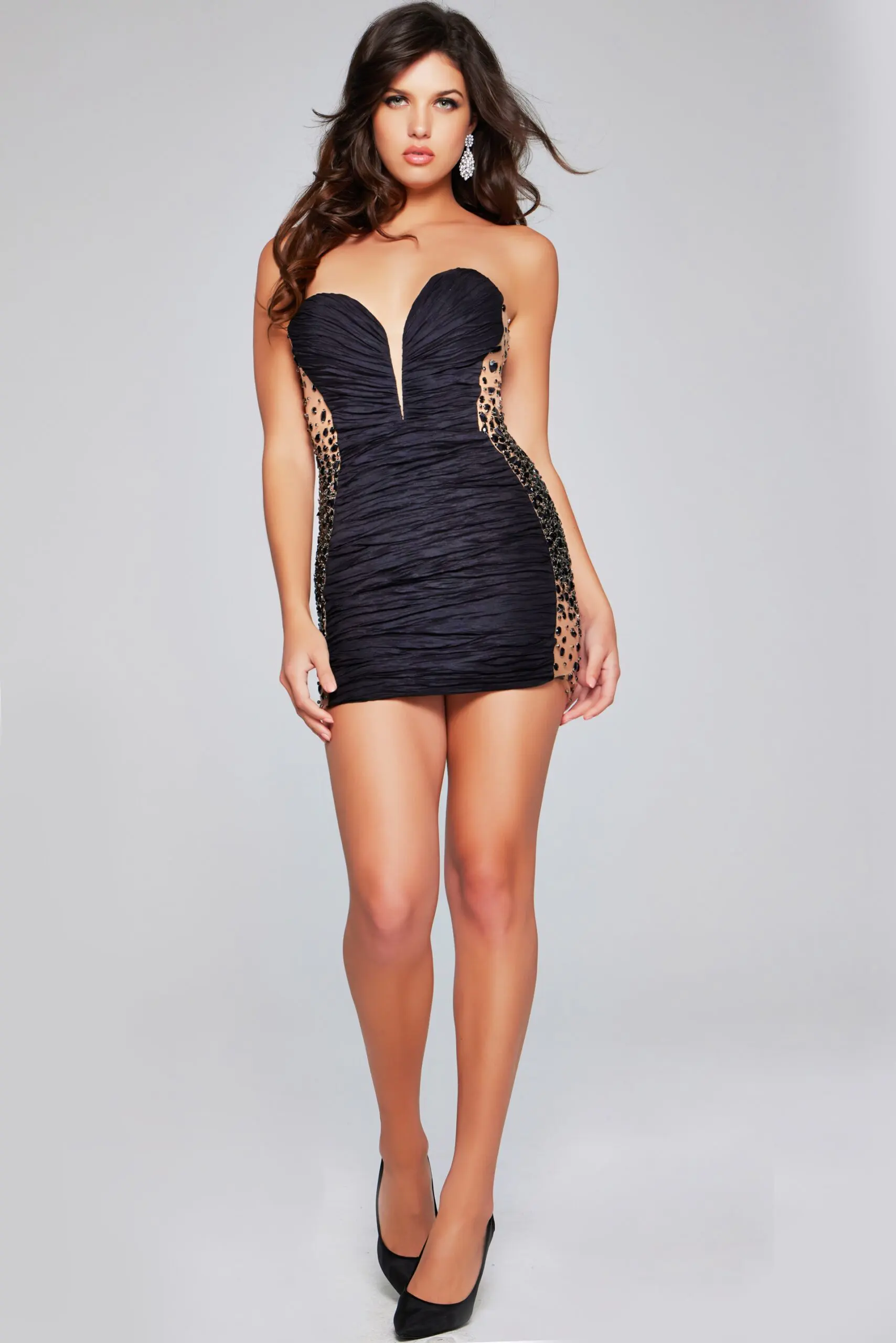
One Shoulder Fitted Mini Dress 46541
2 Colors
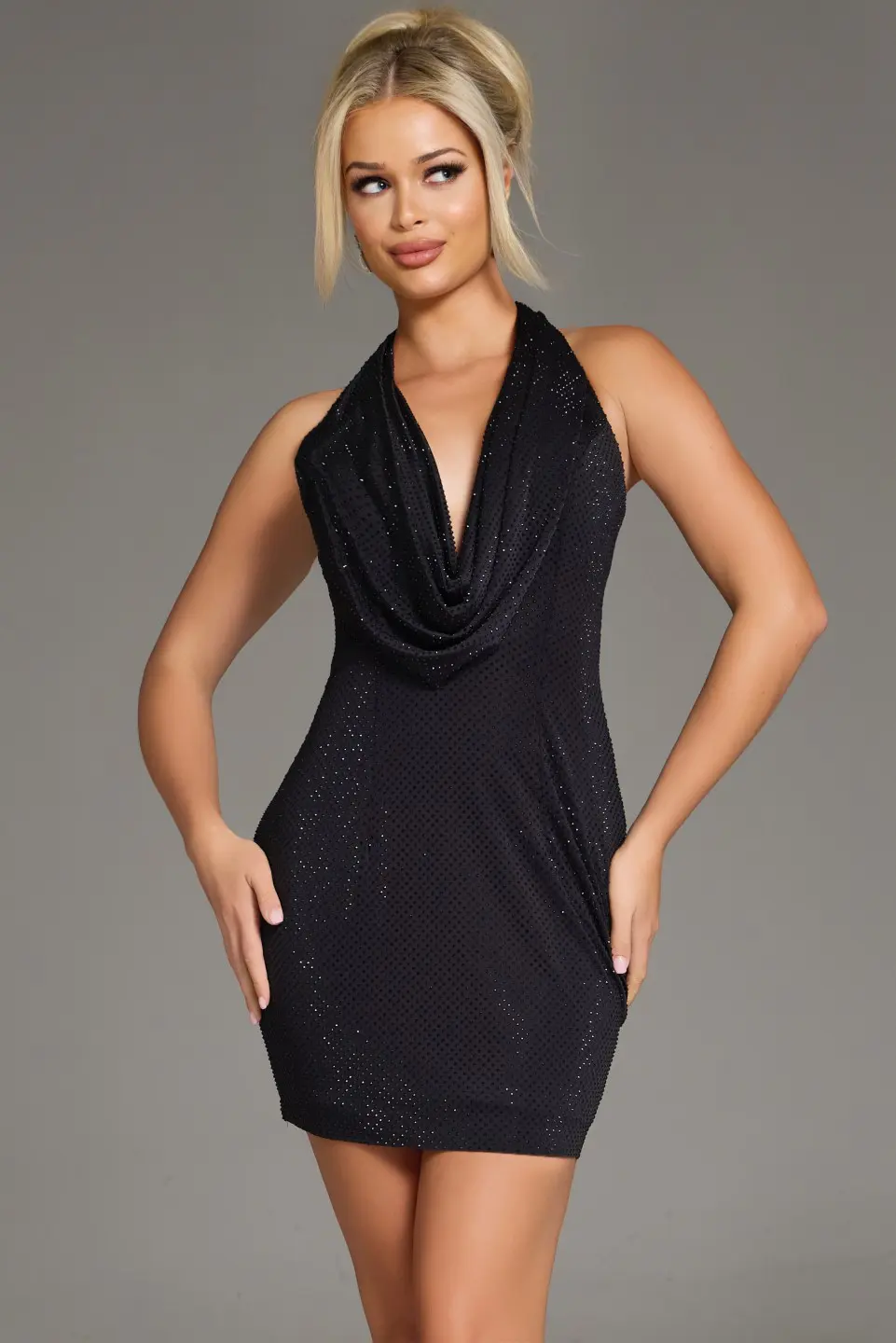
Halter Mini Dress with Drape Neckline 41197
1 Colors
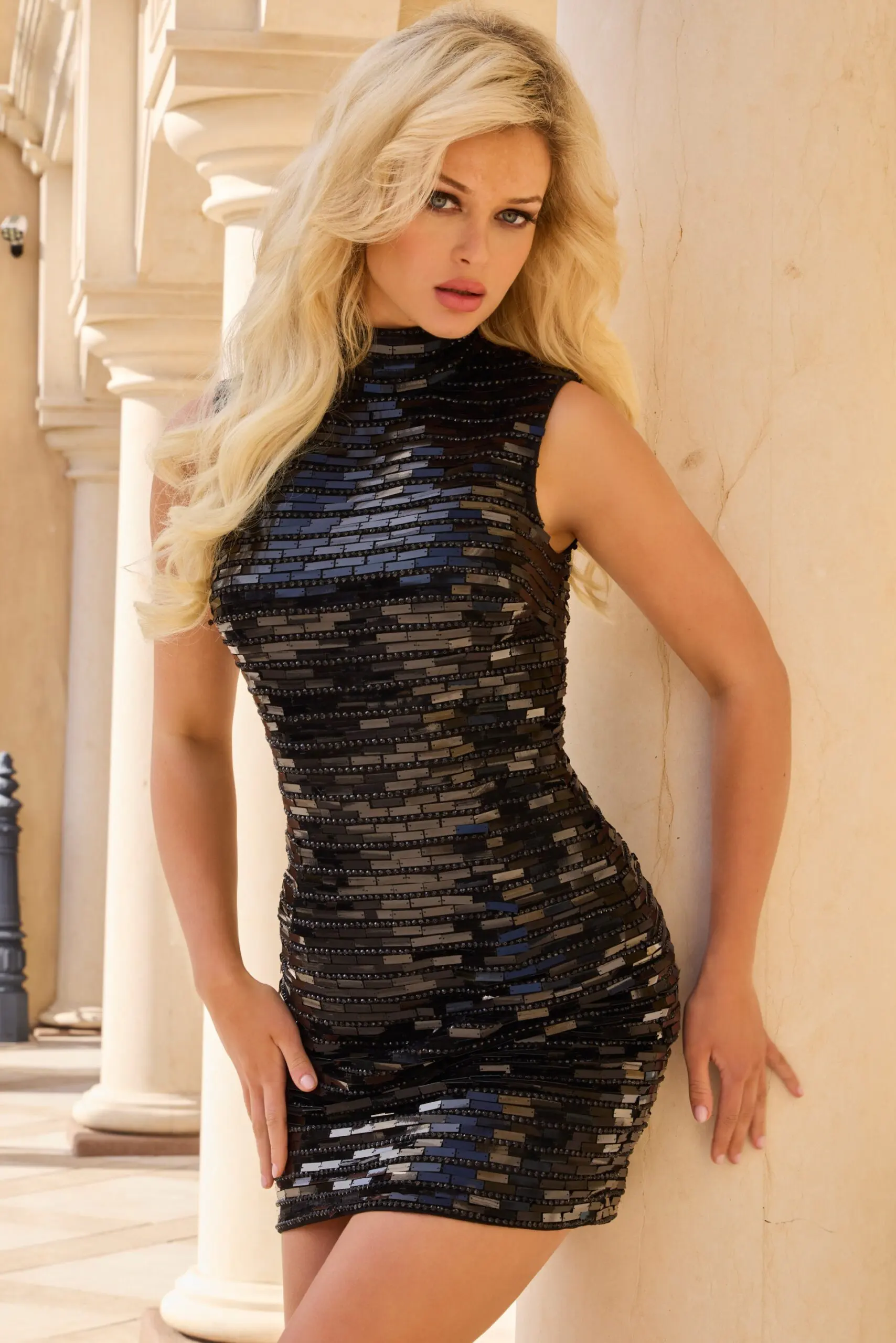
High Neck Mini Dress With Shiny Beaded Stripes 46141
2 Colors
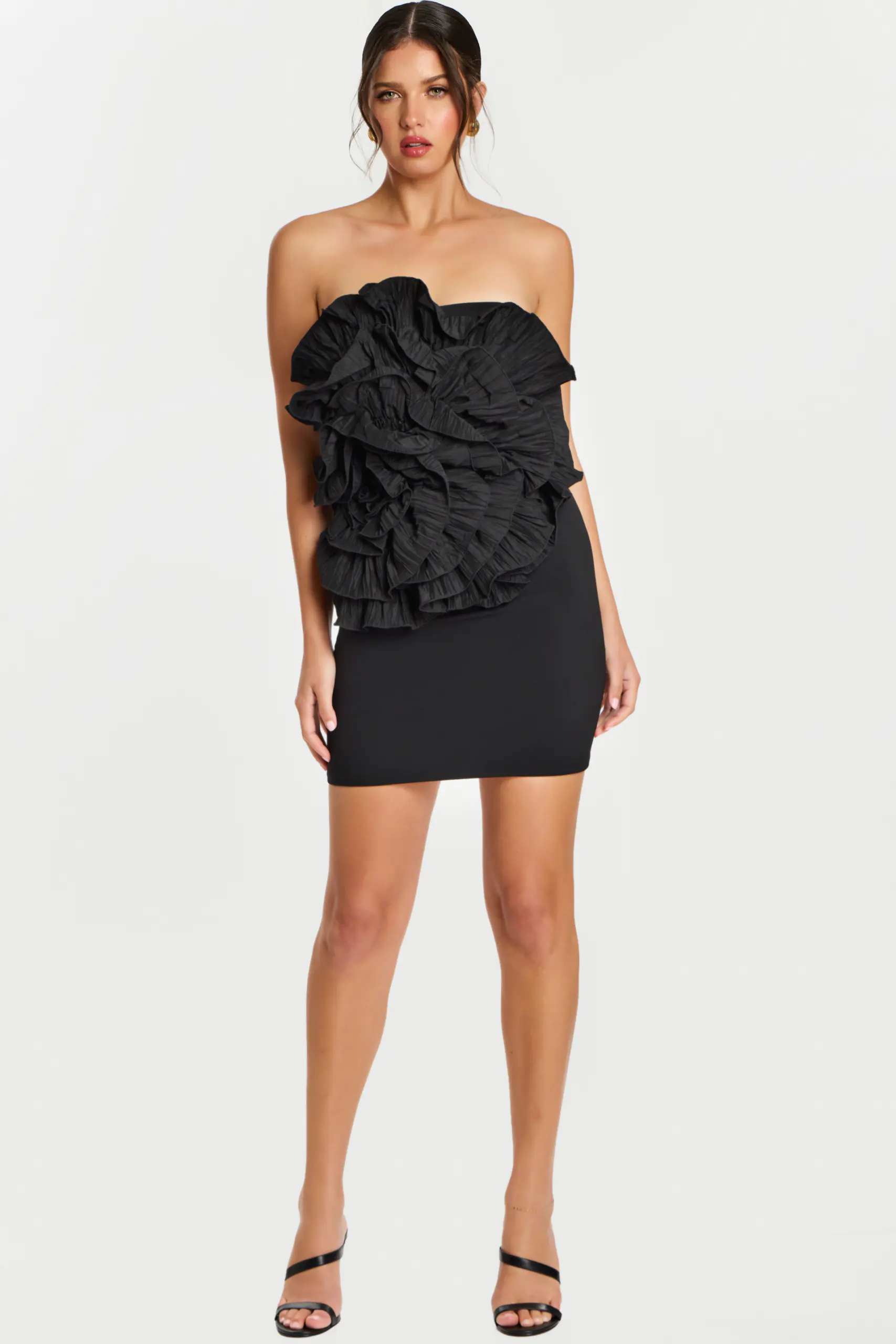
Strapless Mini Dress With Ruffle Detail 45451
3 Colors
Black Embellished Short Dress 39788
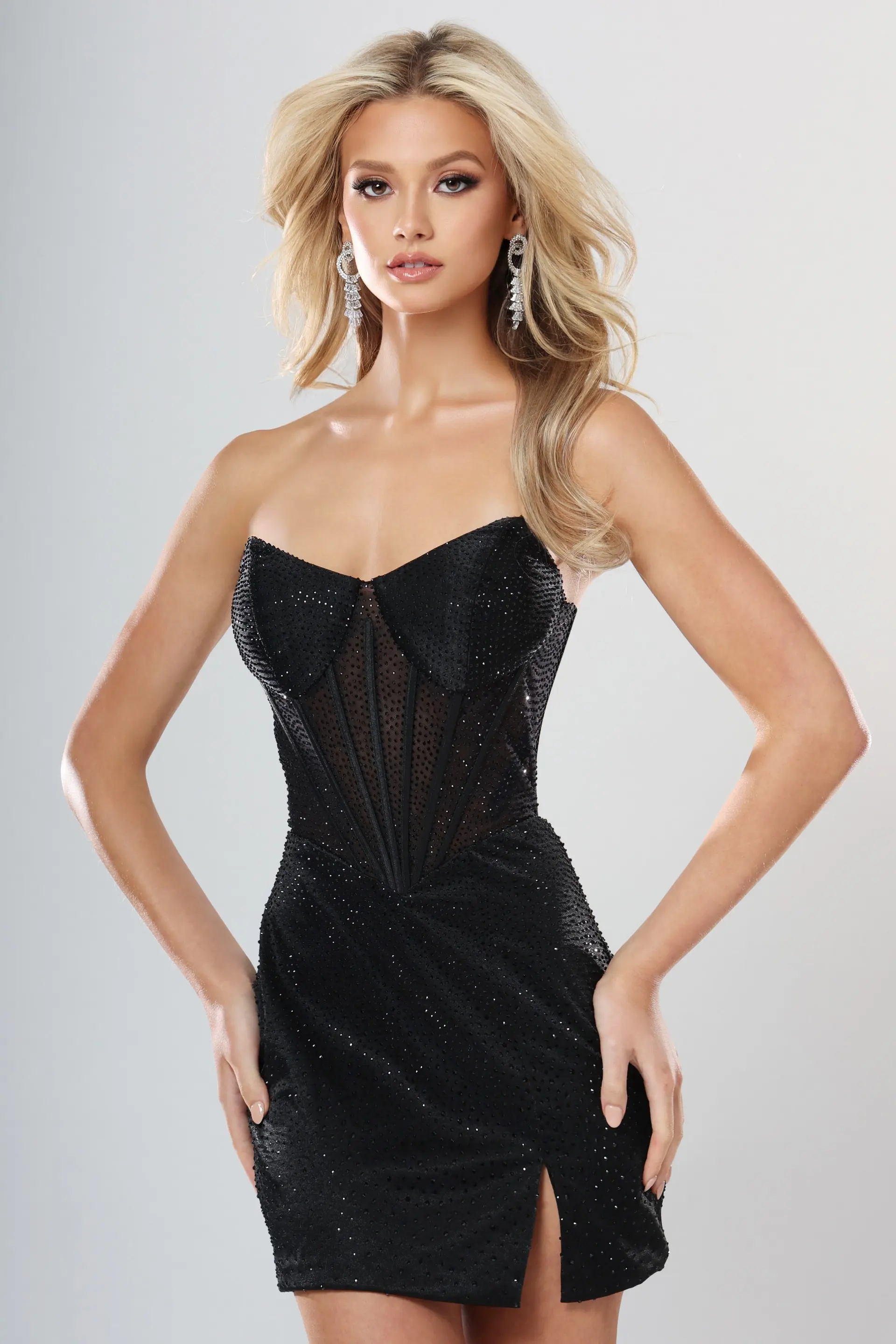
4 Colors
Sequin Corset Mini Dress with Mesh Back 53295
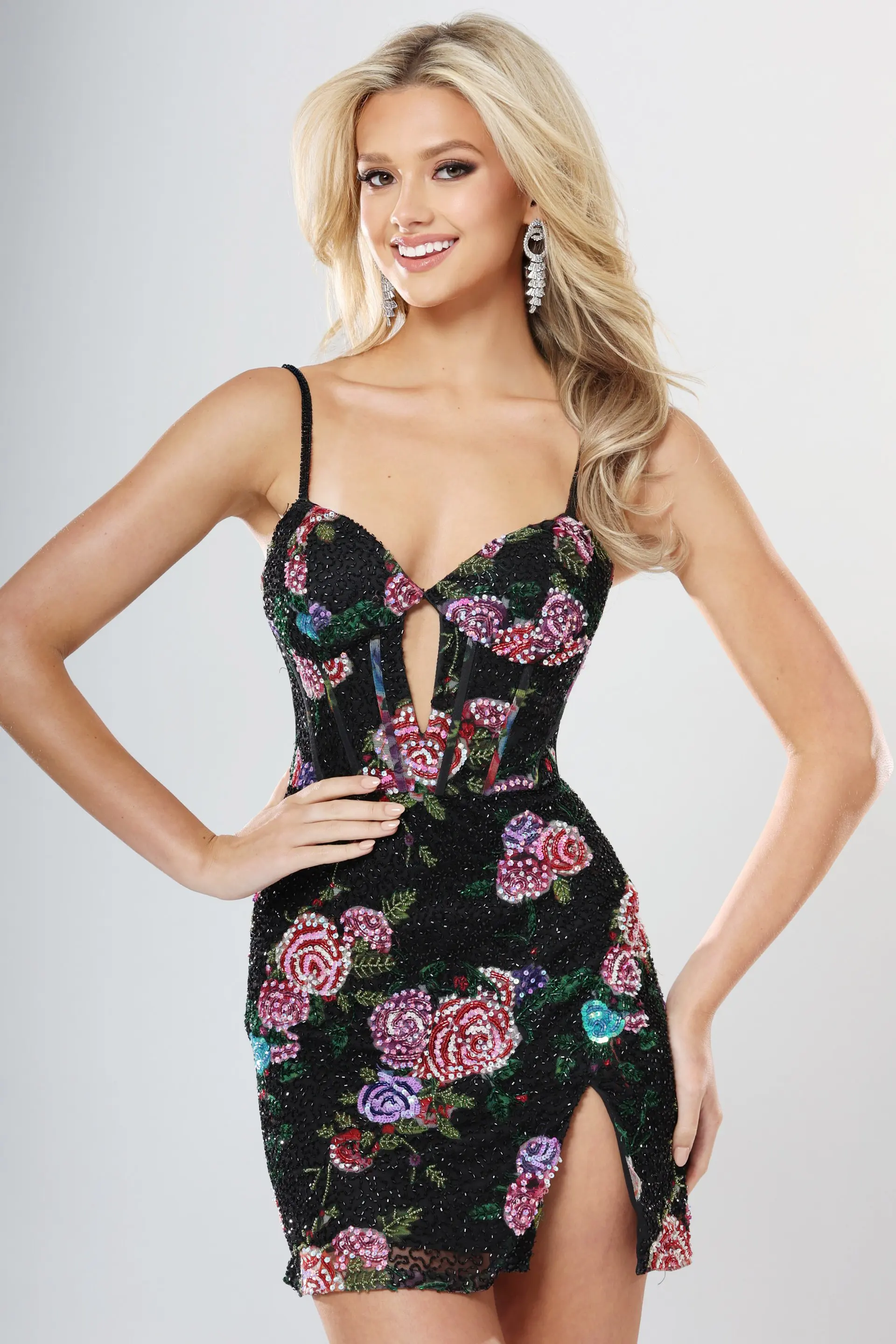
1 Colors
Floral Sequin Spaghetti Strap Mini Dress 49235
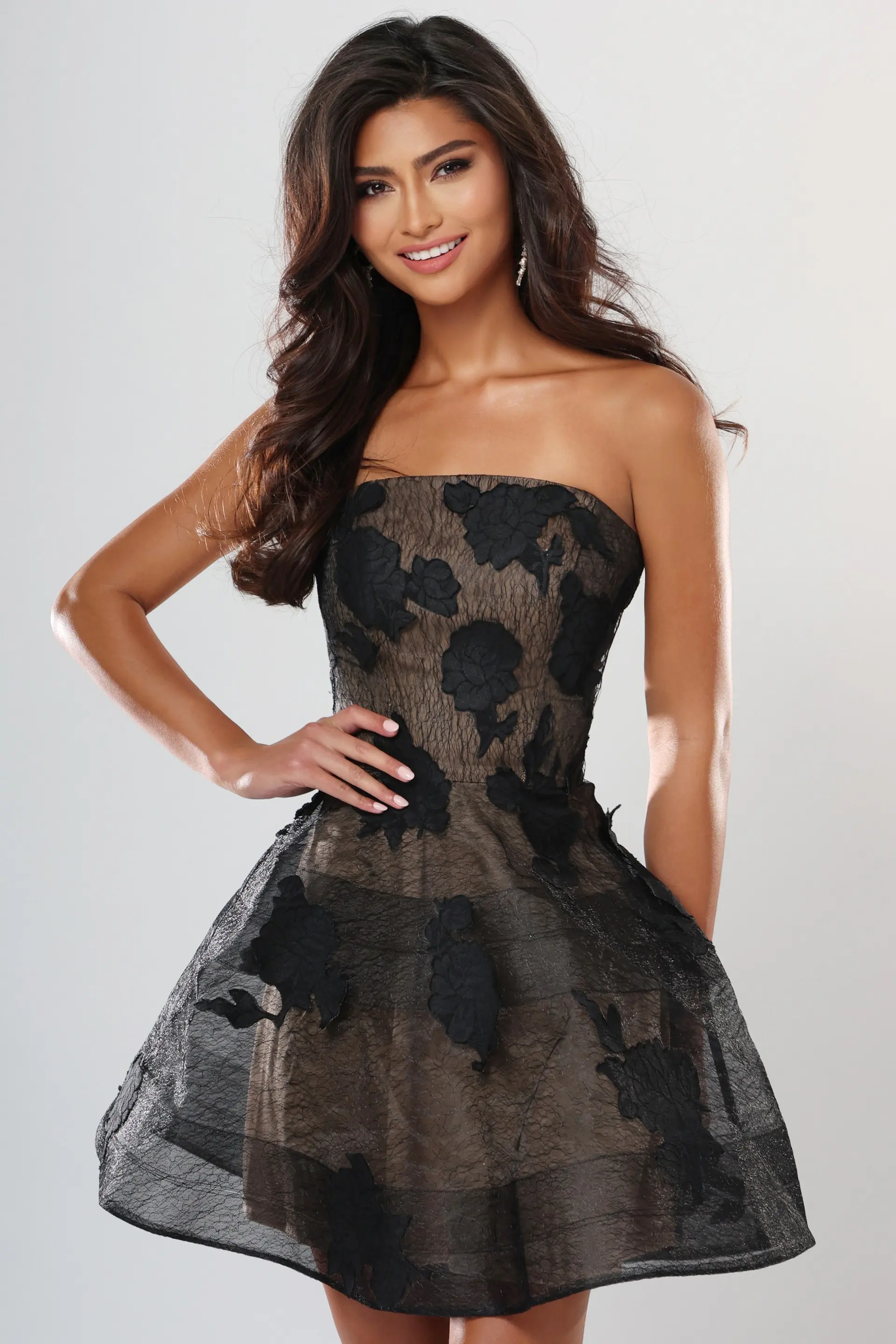
1 Colors
Strapless Black Lace Mini Dress 53779
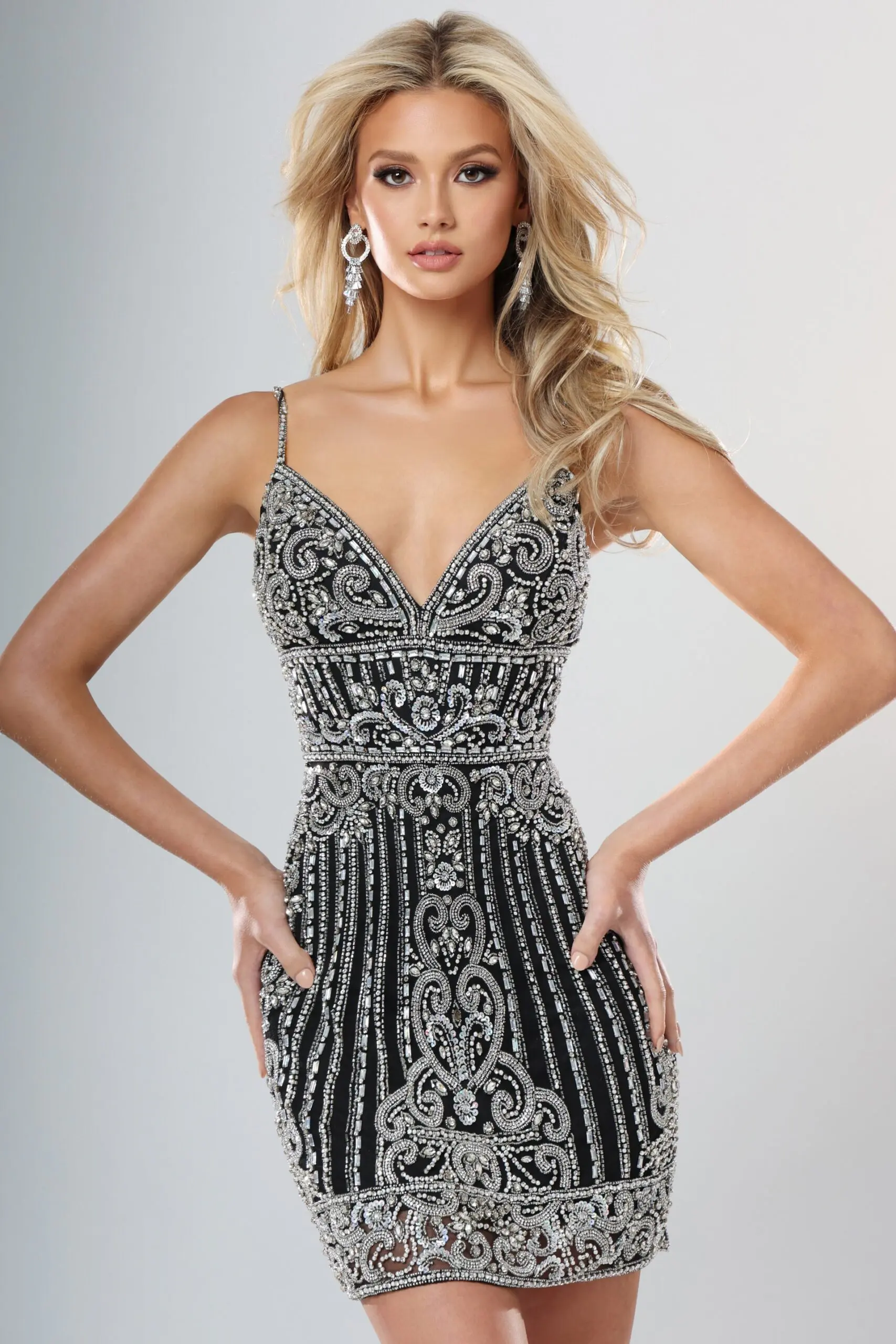
3 Colors
Black Crystal Beaded V-Neck Bodycon Mini Dress 52436
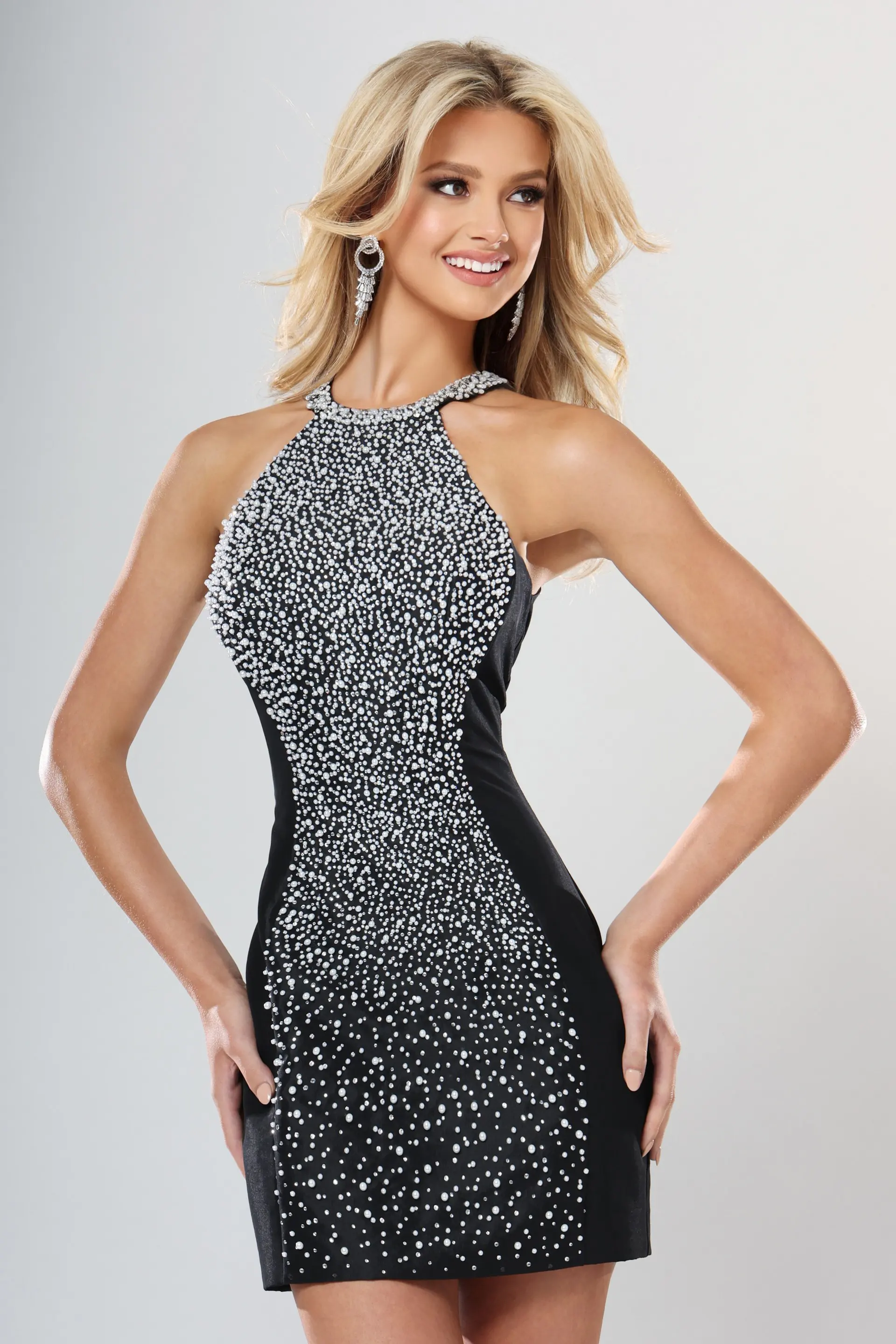
3 Colors
Black Crystal Halter Bodycon Mini Dress 53585
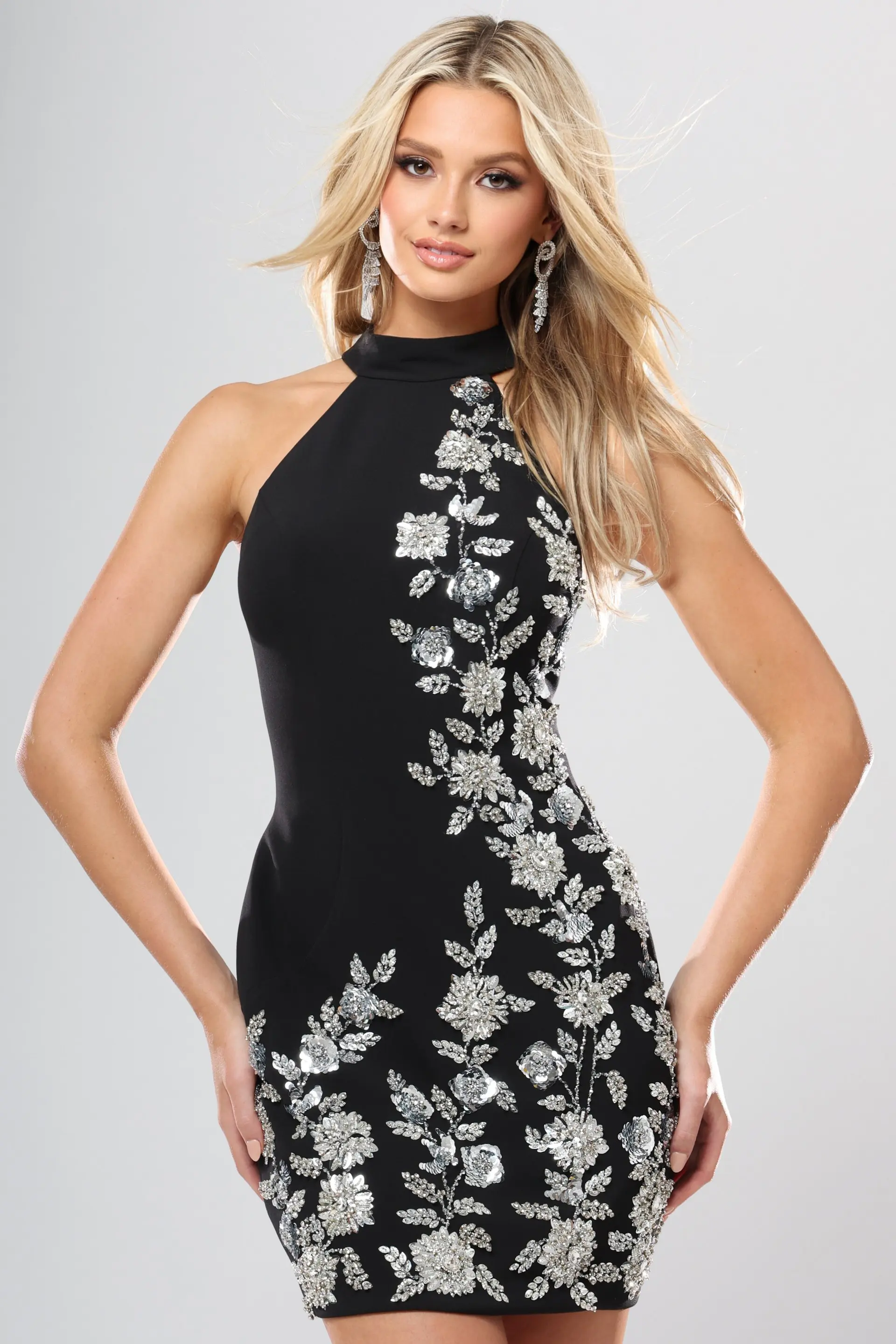
4 Colors
Halter Neck Mini Dress With Floral Sequin Applique 46402
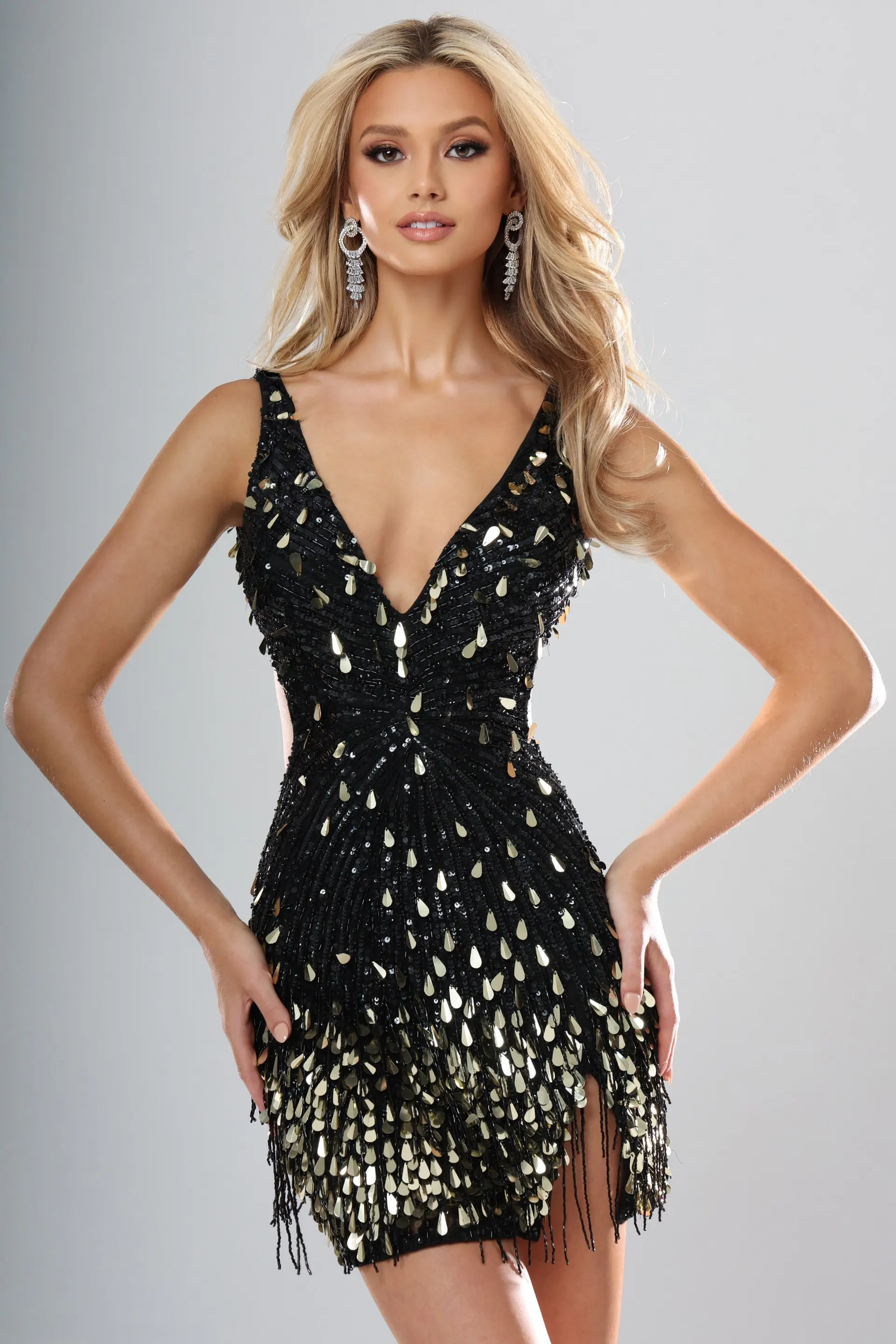
7 Colors
Beaded Fringe V Neck Fitted Dress 51547
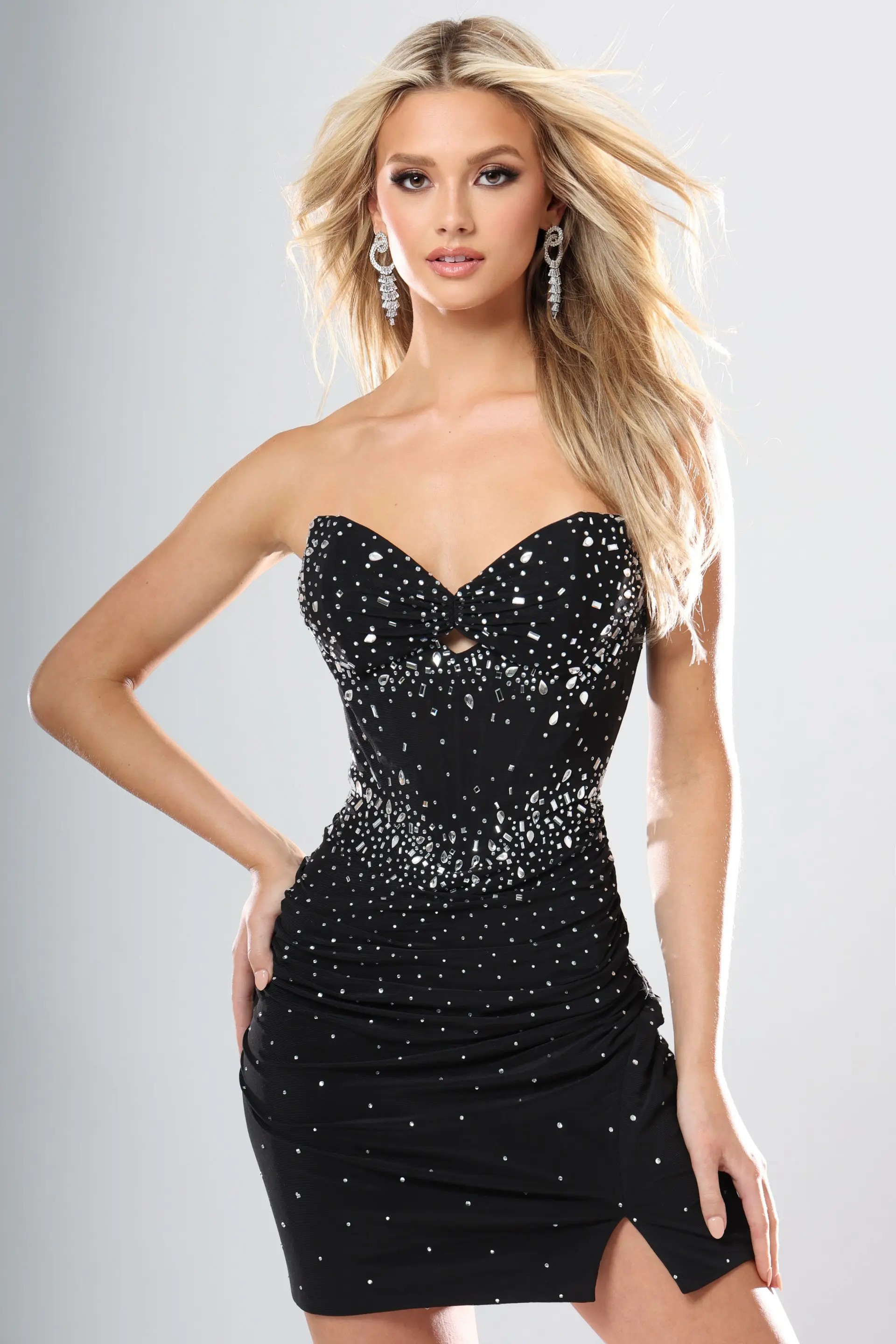
2 Colors
Strapless Black Rhinestone Ruched Mini Dress 48367
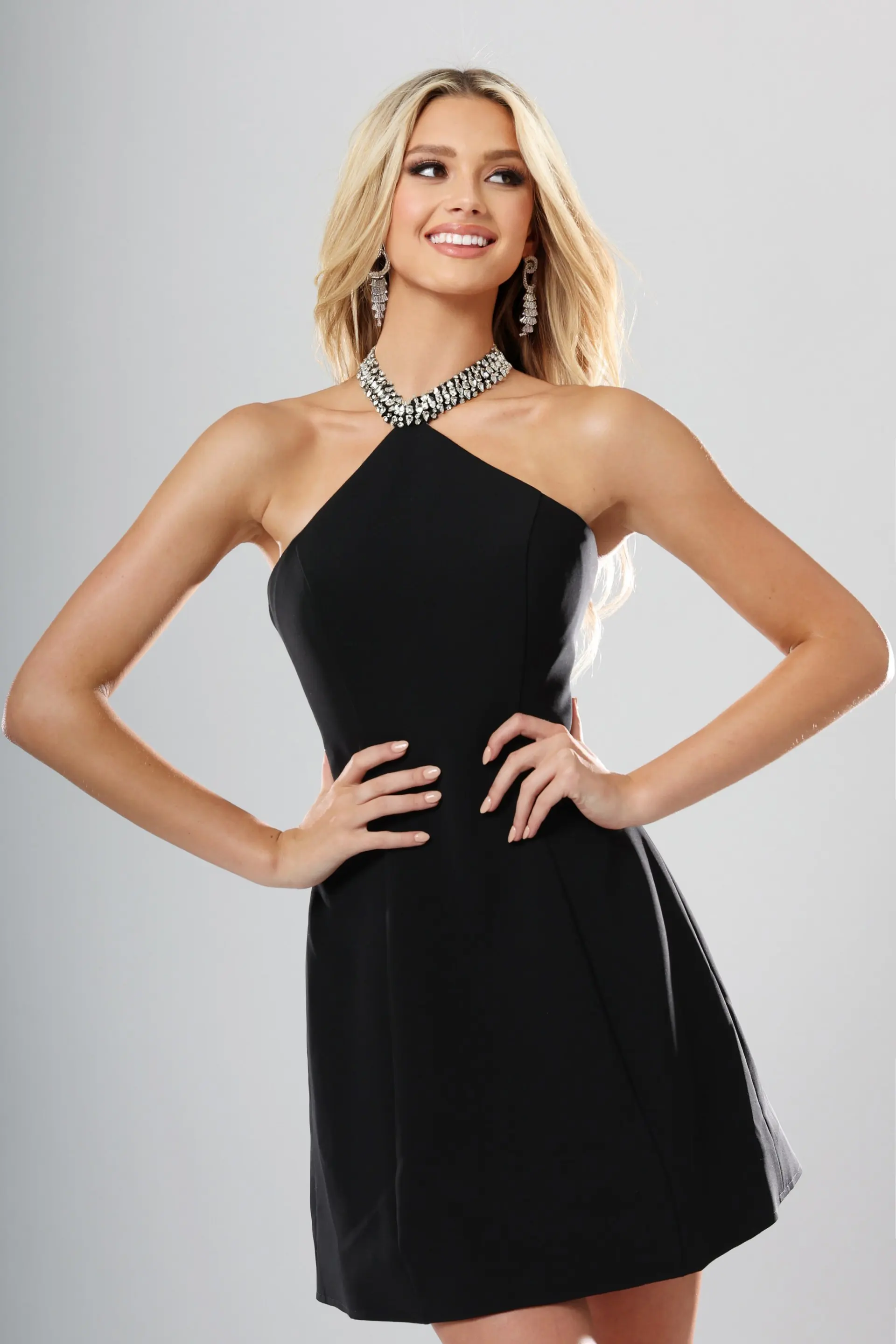
1 Colors
Embellished Halter Neck Little Black Mini Dress 53954
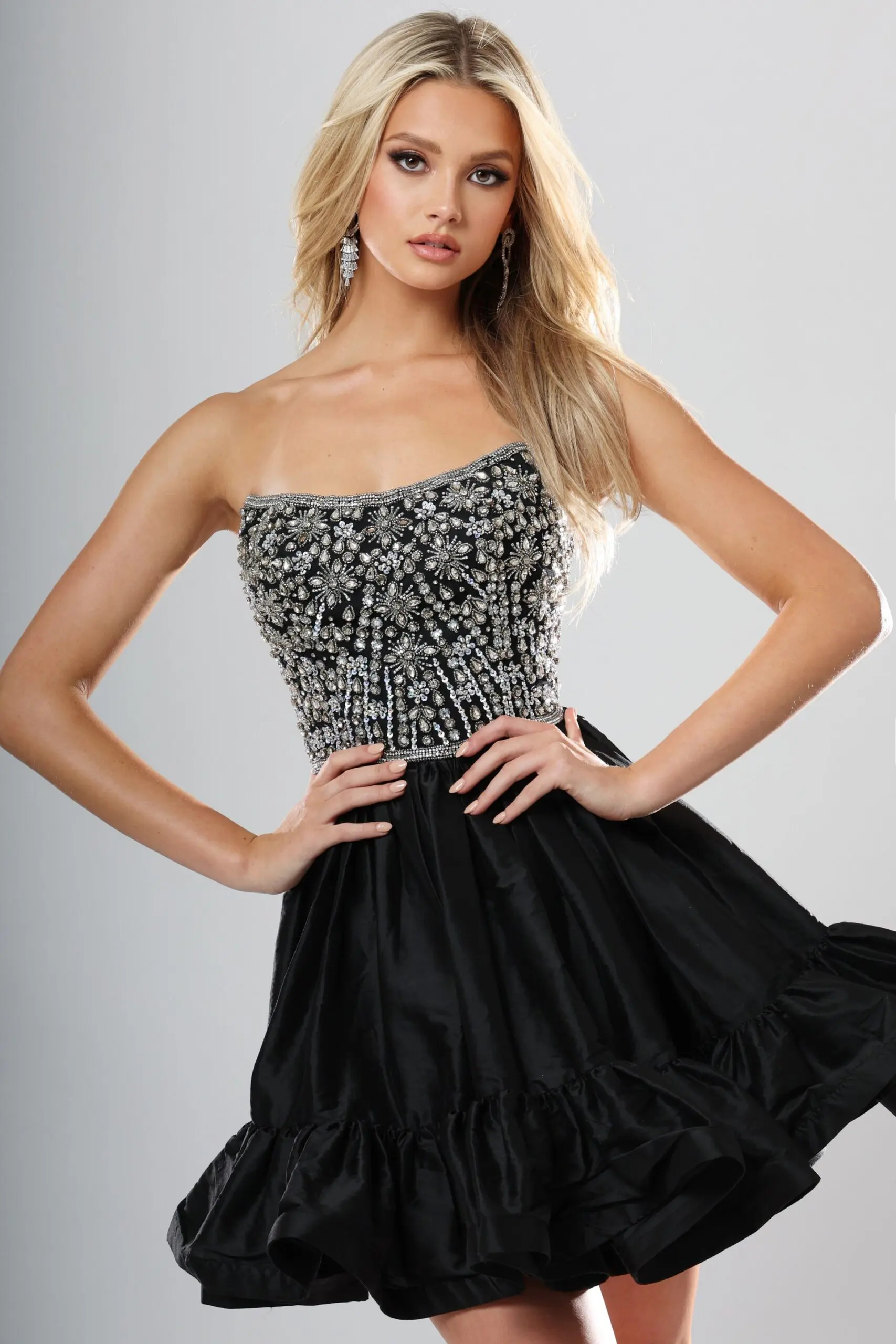
2 Colors
Strapless Ruffle Mini Dress 52439
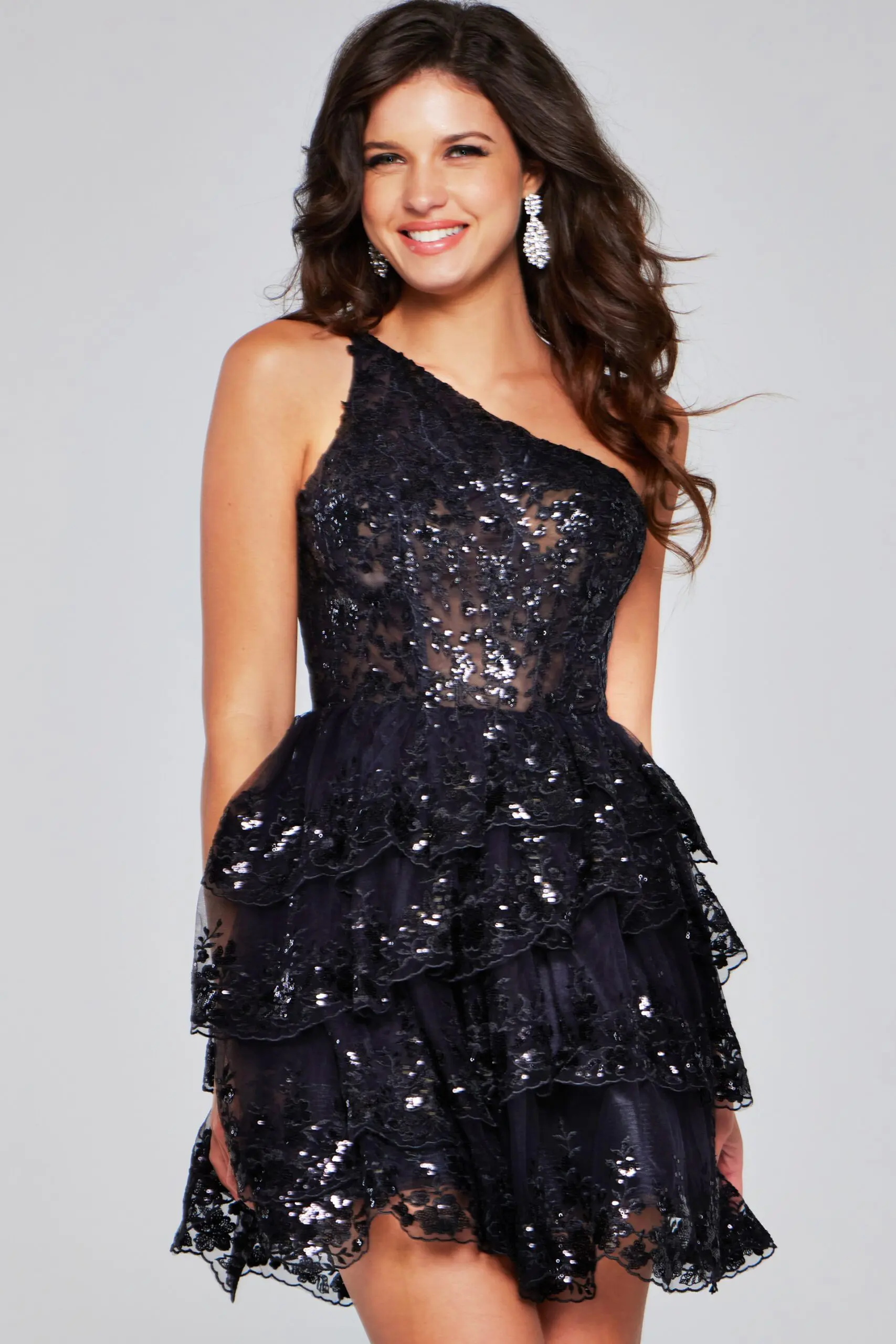
4 Colors
Black One Shoulder Fit and Flare Dress 42016
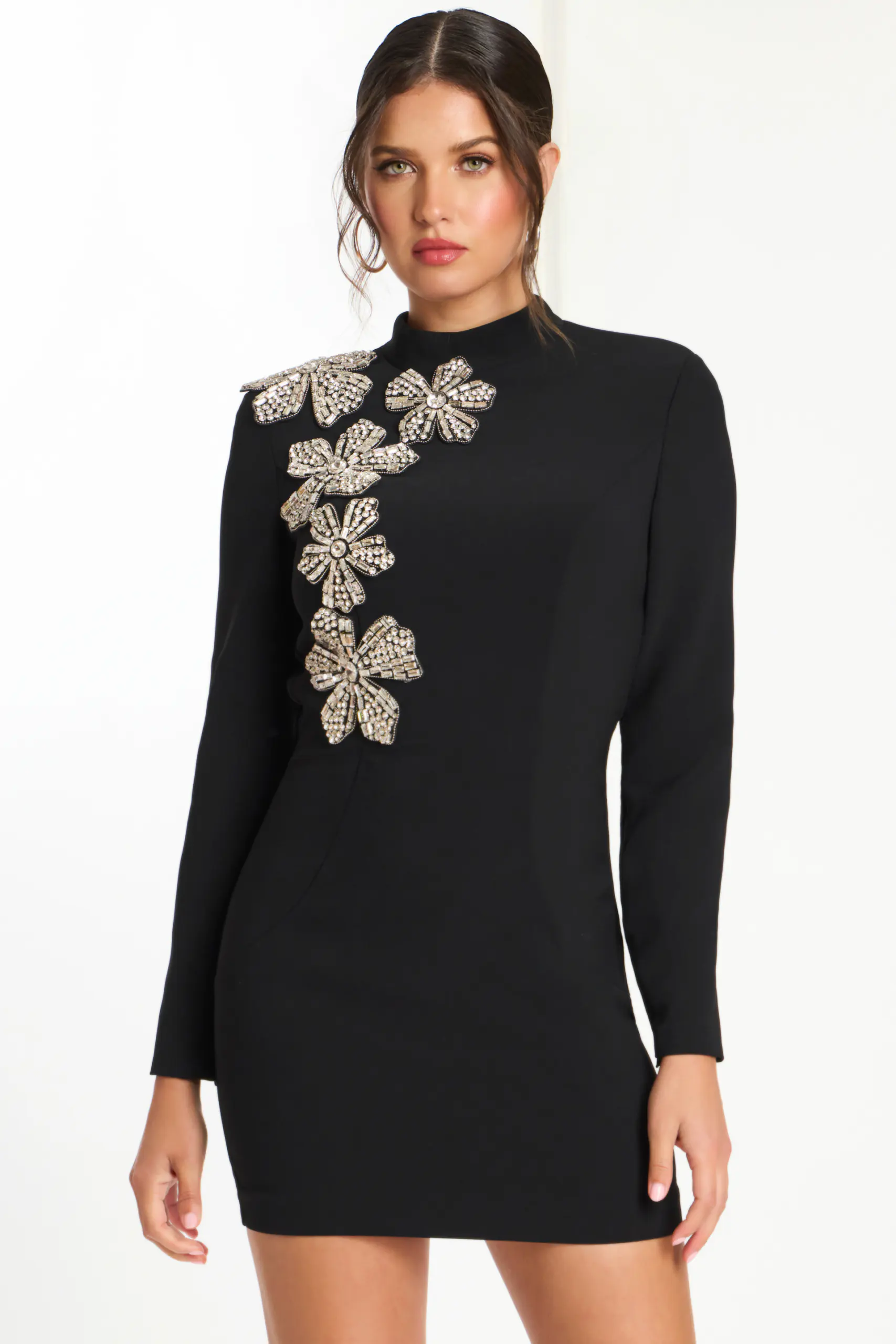
5 Colors
Embellished Mini Dress With Open Back and Beaded Flowers 46005
Trending Now
About This Category
Get ready for any event with a stylish little black dress from our newest collection:
The little black dress is a fashion staple for a reason. It is versatile, flattering, and elegant. Whether you need a dress for a party or a day at the prom, a little black dress is always on point. The key to finding the perfect little black dress is to choose one that fits your style. Choose a midi dress with ruffles or lace detailing if you prefer a feminine look. Try a little black dress with simplistic lines and minimal accessories for a more modern look. No matter what your style, there is sure to be a little black dress that is perfect for you.
Little Black Dresses Start With the Silhouette
With the color fixed, silhouette separates one dress from the next. A bodycon or fitted mini follows the body from bust to hem and puts the attention on the neckline and the fabric, so a black bodycon mini dress usually comes in crepe, scuba, or a densely beaded surface. A line and fit and flare styles close in at the waist and release the skirt, the easiest shapes to dance and sit in. Bubble hems and ruched skirts push volume out from a narrow bodice, and they include some of the more unique little black dresses here.
Corset minis sit at the structured end. The boning becomes part of the design, often under sheer mesh or lace, and the bodice holds the dress up on its own, the same construction behind every strapless little black dress here.
How the Shoulder Line and the Back Change an LBD
The neckline divides little black dresses more sharply than the skirt does. A halter draws the eye up and narrows the shoulders, a high neck closes the front at the collarbone, a one shoulder cut runs a diagonal across the body, and thin straps leave a sweetheart or square neckline fully visible. Those cuts sit together under sleeveless little black dresses, where the strap does the holding and the bodice can stay softer. Sleeved styles are fewer: a cap sleeve, a puff sleeve with a bow, a long sleeve beaded mini.
The back is the third decision. An open back behind a covered front gives a little black dress two faces, modest as you walk in and bare as you turn. Keyhole openings, criss cross straps, and low scoops run through the backless little black dresses, where the lower the back drops, the more structured the front has to be.
Fabric and Shine on a Black Mini Dress
Black changes character with the fabric more than any other color. Matte crepe and scuba absorb light and read clean and architectural. Satin reflects along every fold, so a black satin mini dress looks fluid but shows what sits beneath it. Velvet has a soft depth that suits the colder months, and a black velvet mini dress needs little added. Lace and sheer panels bring texture without shine, so a black lace mini dress adds detail with no sparkle at all.
Embellishment sits at the other end. Against black, sequins, crystals, rhinestones, and beads reflect with a contrast they never reach on a pale base, so even a single crystal bow reads from across a room. The black sparkly dresses gather those finishes in one place, from all over sequin bodices to placed rhinestone roses.
Which Little Black Dress Suits the Dress Code
Cocktail attire is where an LBD feels most at home. A structured or lightly embellished mini reads as fully dressed at a birthday dinner, a date night, or a cocktail reception, and the black cocktail dress styles next to these cover the same code across more necklines and finishes.
The season changes the answer. From October through New Year's Eve, a Christmas party or a countdown is where sequins, velvet, and crystal trims earn their place. Black tie optional is the one code where a short black dress needs real help: a heavily embellished corset mini can carry it, a plain one usually cannot. For daytime and corporate rooms, a high neck or a sleeved style with a hem near the knee works without any shine.
Fit, Length, and Construction in a Short Black Dress
Black hides seam lines, so a poor fit shows less than in white or red, but feels no better. Size a boned bodice to the ribcage rather than the bust, because the boning does the holding and a bodice loose at the ribs will slip. Size a bodycon to the hip, with no pull across the thigh. Fit and flare and A line styles are the most forgiving, since only the waist seam has to land precisely.
Length is worth matching to the room. A mid thigh mini reads younger, while a hem just above the knee suits corporate and conservative settings. Designed in New York, Jovani little black dresses use steel boning in the structured bodices and hand sewn beading on the embellished ones, the two details that separate a designer little black dress from a fast fashion copy after a few wears.
Little Black Dress Questions
What is a little black dress?
A little black dress is a simply cut black dress made for many occasions rather than one. Coco Chanel is credited with it: in 1926 American Vogue published one of her plain black designs and called it Chanel's Ford, after the Model T. That dress reached the calf, so little described the simplicity as much as the length. Today an LBD usually means mini to knee length.
Can you wear a little black dress to a wedding?
Yes, at most receptions with a cocktail dress code, and black no longer reads as a mourning color at a celebration. Velvet and lace suit a winter wedding. Check first whether the invitation says black tie, and whether the venue or family tradition expects more coverage or a lighter color.
How do you dress up a little black dress?
Let the dress decide how much you add. A plain crepe or satin mini takes a statement earring, a metallic heel, or a jeweled clutch. A style that already carries crystals, a corset, or 3D flowers needs less: one piece of jewelry and a simple strappy sandal. Black works with gold, silver, and pearls equally, so match the metal to any hardware on the dress.
Is a little black dress the same as a black cocktail dress?
They overlap almost completely. LBD names the piece you wear again and again, while black cocktail dress names the dress chosen for one cocktail dress code. Most short styles here answer to both names.
A black cocktail dress is considered an incredibly versatile and flattering piece in a woman's wardrobe; the black dress can be dressed up or down to suit any occasion. The little black dress is always an elegant choice, whether a formal dinner party or a casual night out with friends. In addition to its style and versatility, the classic little black dress is renowned for its slimming effect. The little black dress can flatter various body types thanks to its simple and streamlined silhouette. The little black dress will make you look and feel your best, whether petite or plus-size. So next time you need a go-to outfit for a special event, reach for your little black dress and enjoy the compliments that will surely come your way.
The little black dress is a fashion icon that has been around for centuries. While its origins are unclear, some believe Coco Chanel first popularized it in the 1920s.
Find the perfect LBD for your next party:
The first step is to decide on the style of little black dress you're trying to find for your formal event. Do you want something simple and classic or something more flashy and attention-grabbing? You can't go wrong with a simple black dress. No matter the event or occasion, there is no doubt that the black dress will make you look polished and professional while still being able to show off your curves!
Once you've decided on your desired dress style, it's time to start shopping around. Check out your favorite stores in person and online to see what they offer. Try on a few dresses until you find the one that's just right for you.
Stylish Long sleeves, cute black dress, Cute Black Dresses with Jacket:
We've got the perfect classy black dress from party to date night! Jovani's collection of little black dresses features a variety of styles such as scoop neck, Plunging necklines to suit any occasion. From the shorter mini dress to more casual midi length, we have the best short dresses to suit your needs with the perfect fit. With Jovani's little black dress, you'll always look and feel your best.
Explore our chic and versatile Little White Dress collection for a fresh and elegant alternative.