Choosing Floral Wedding Guest Dresses by Dress Code and Setting
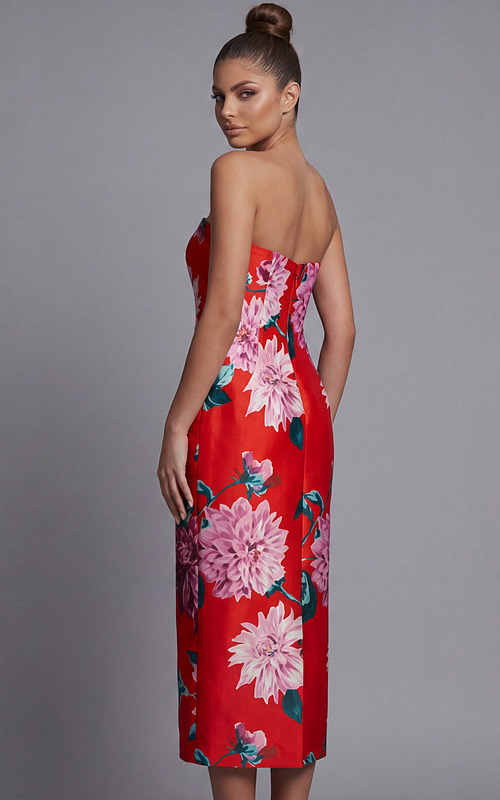
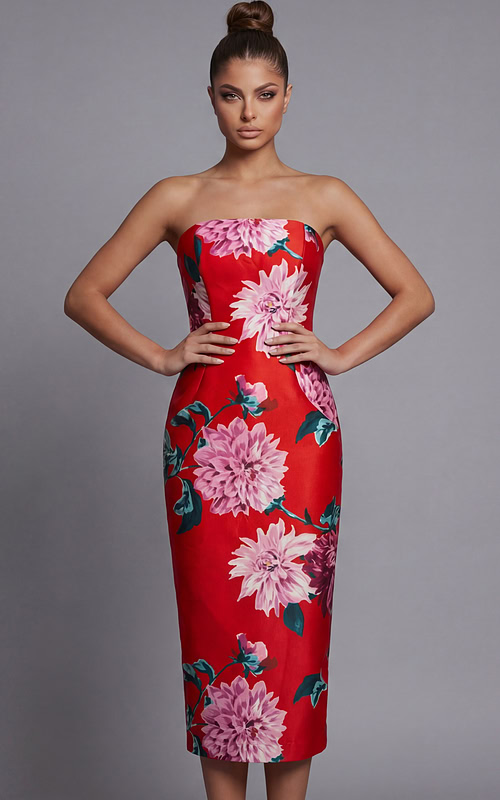
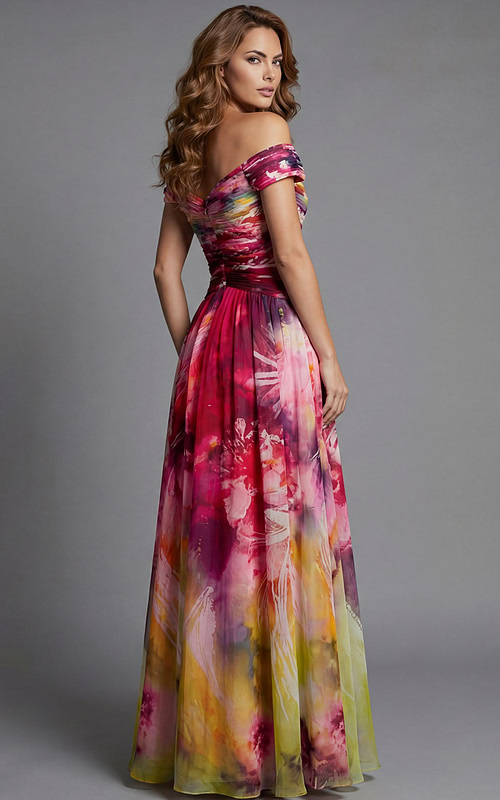
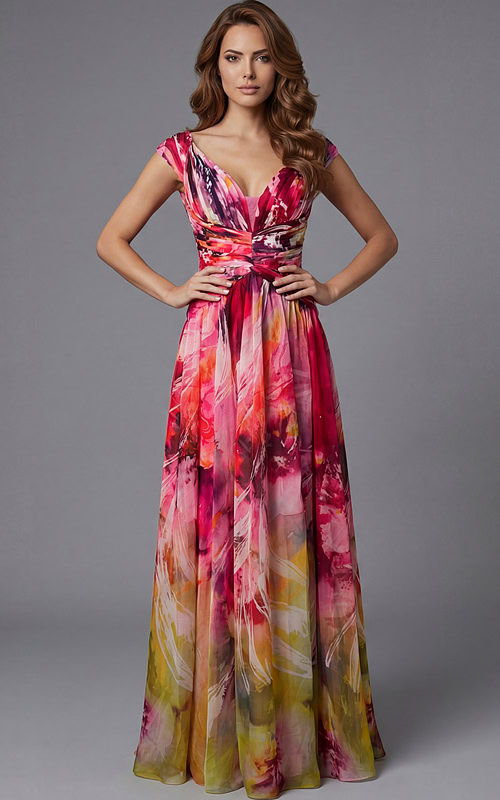
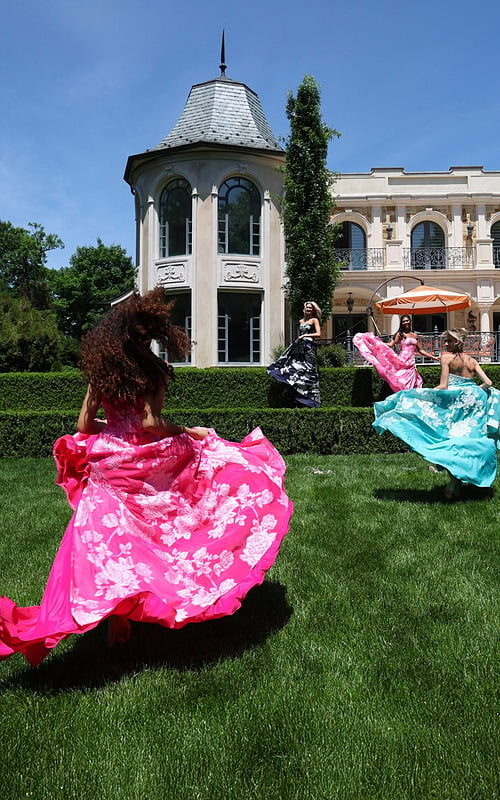
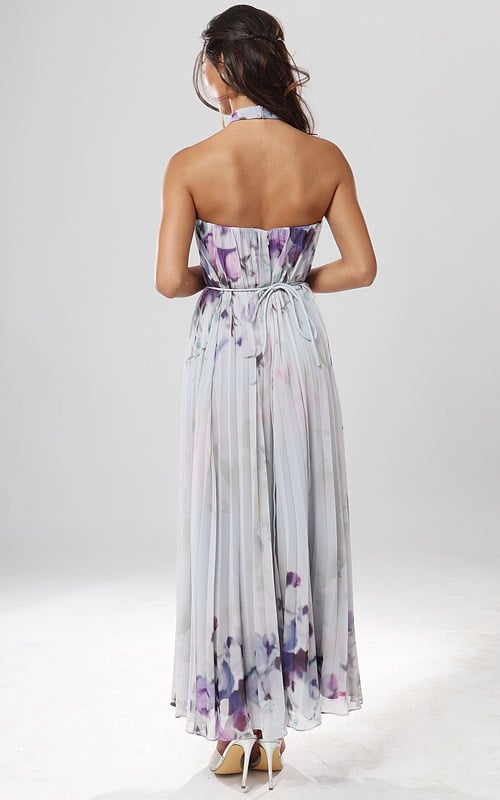
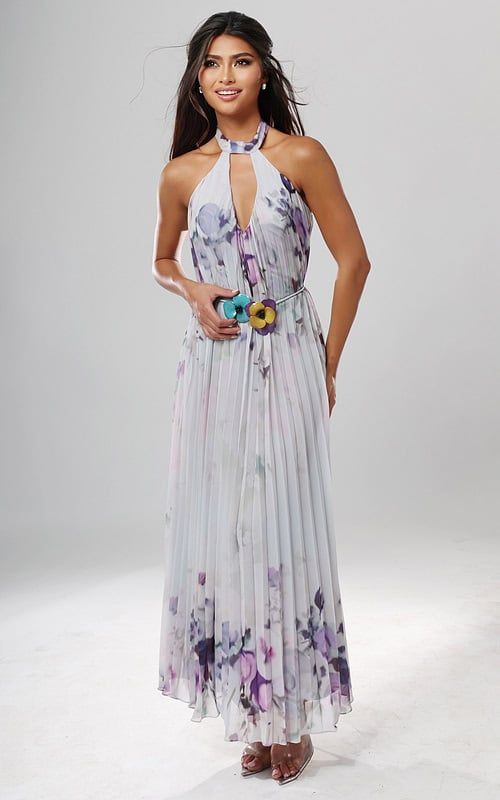
Floral wedding guest dresses can move from a daytime garden ceremony to a formal evening reception when the print, fabric, and construction match the dress code. For garden weddings, lighter palettes and skirts with movement often feel especially well suited to the setting. Chiffon, organza, and fluid satin keep longer shapes from looking heavy, while floral midi styles can work particularly well for cocktail and semi-formal invitations. If the event calls for a broader range of silhouettes, wedding guest outfits offer a natural way to compare floral designs with cleaner solid-color options.
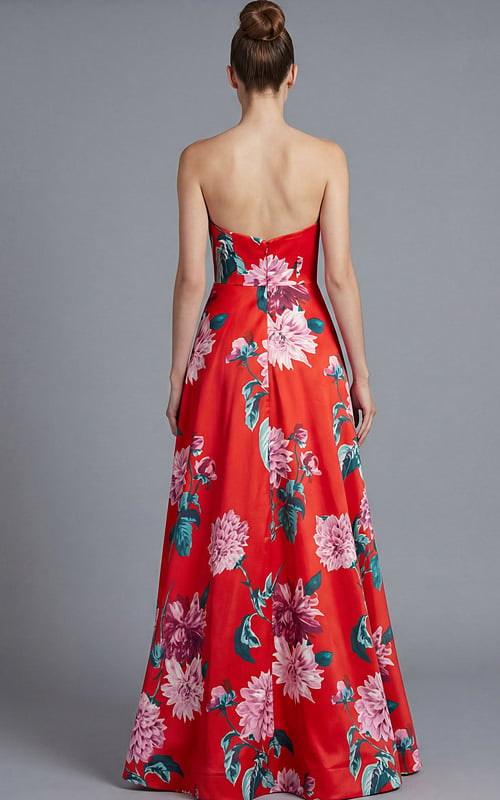
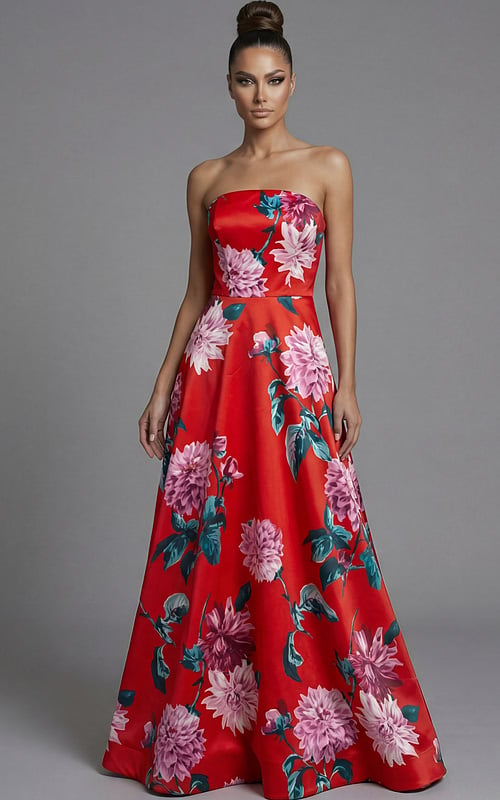
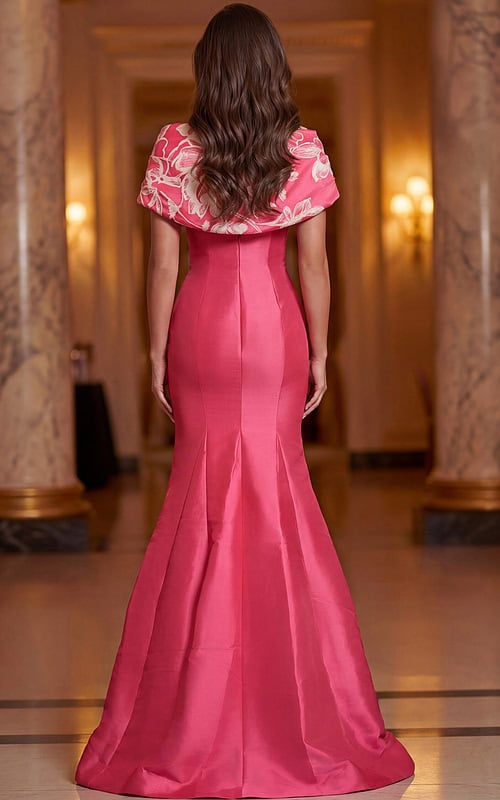
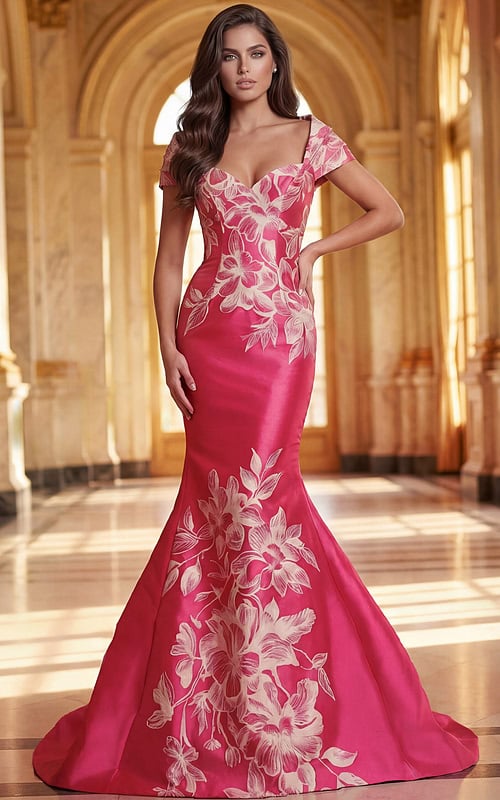
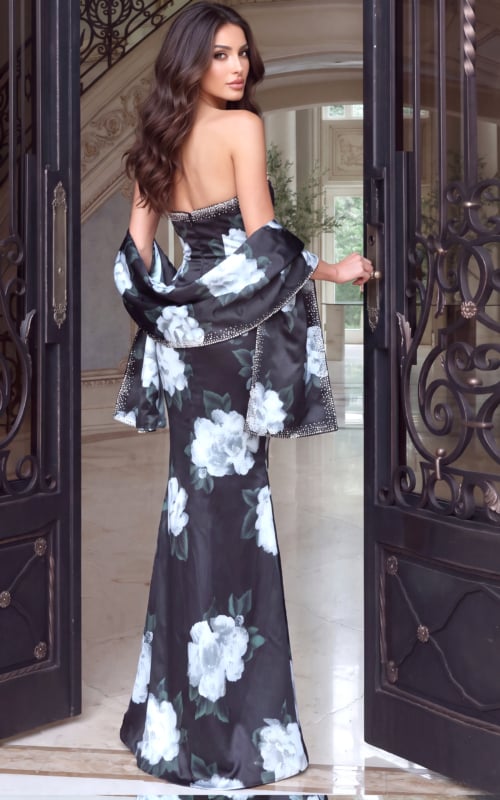
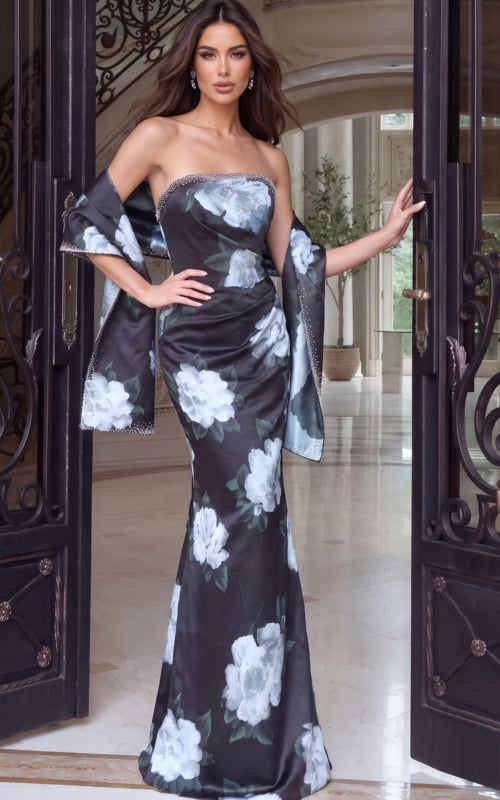
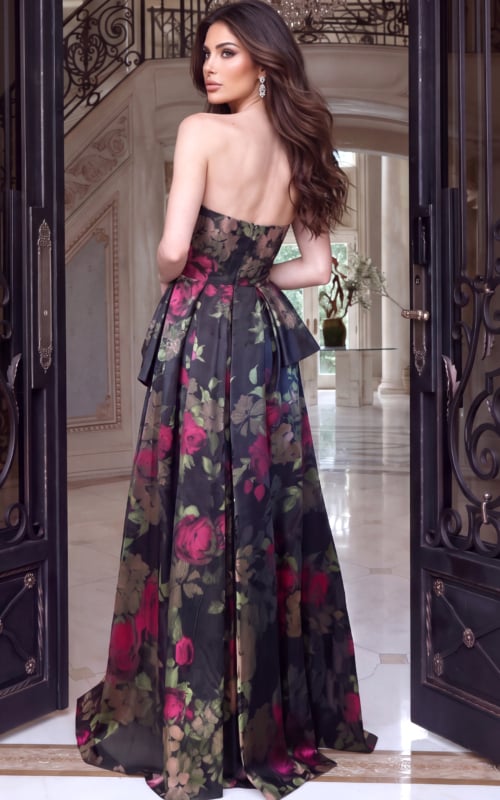
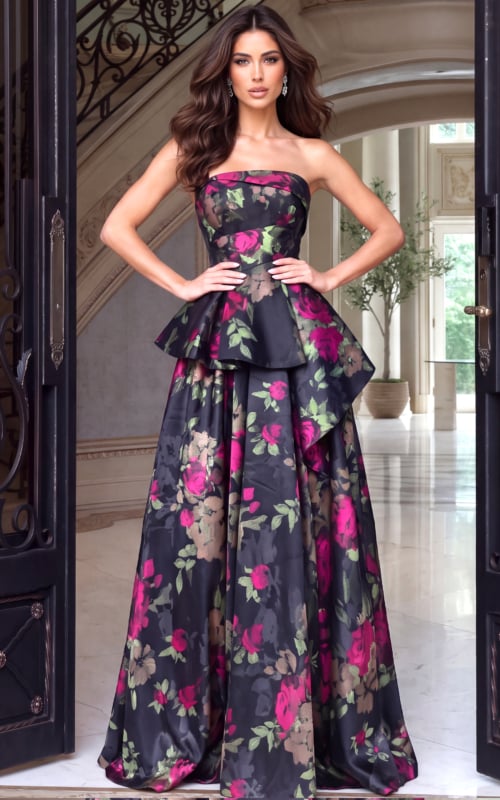
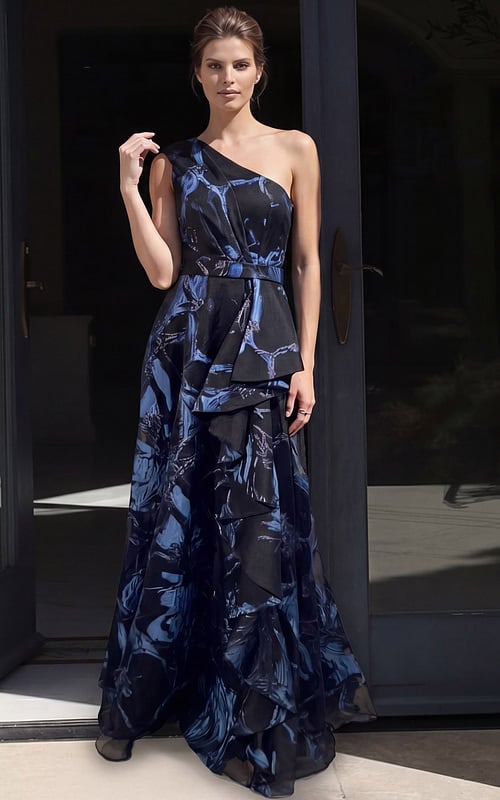
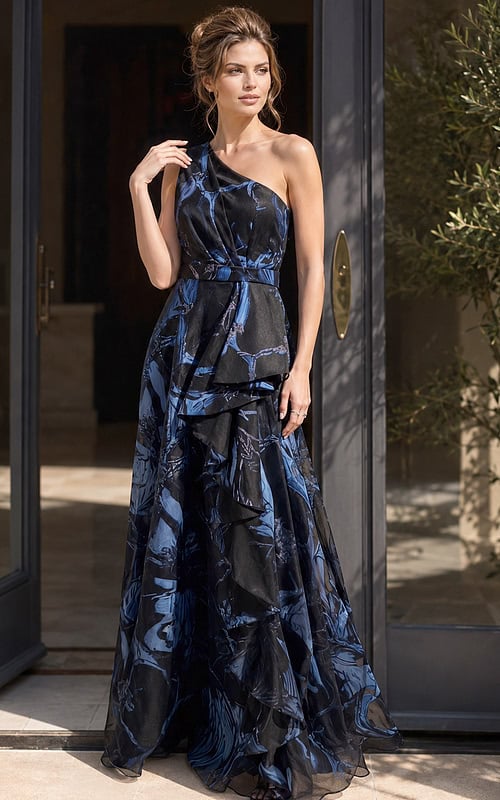
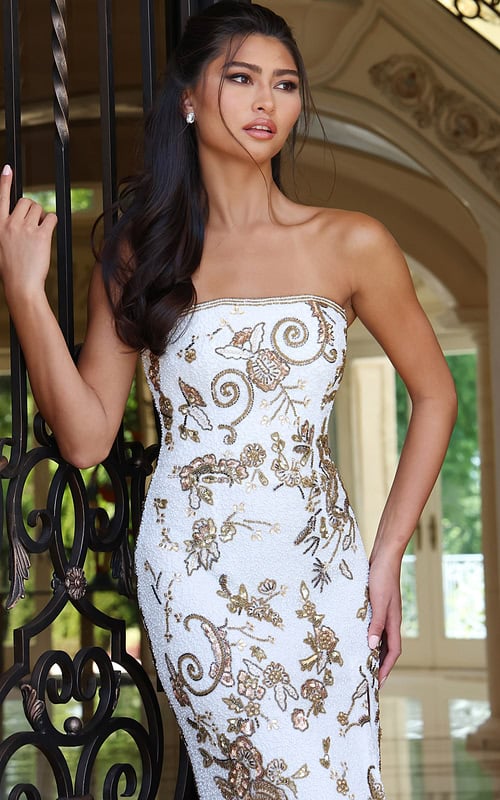
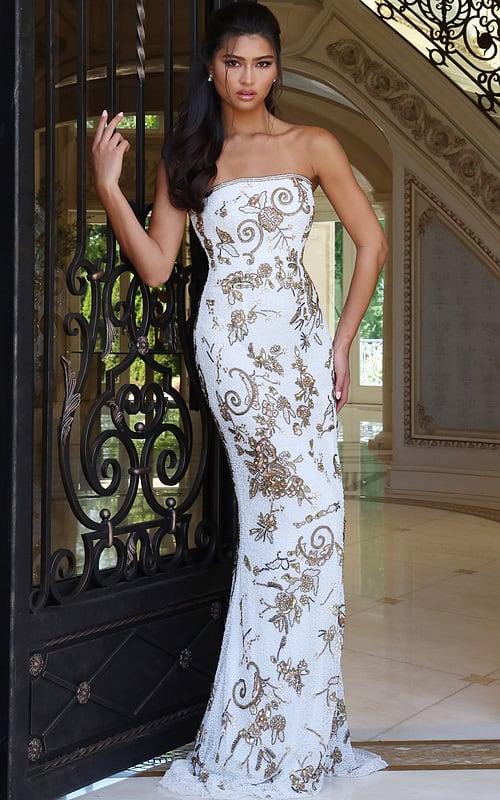
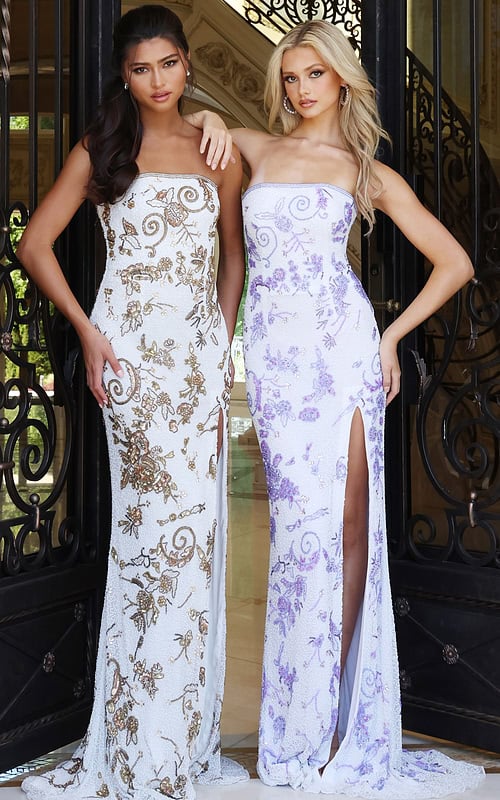
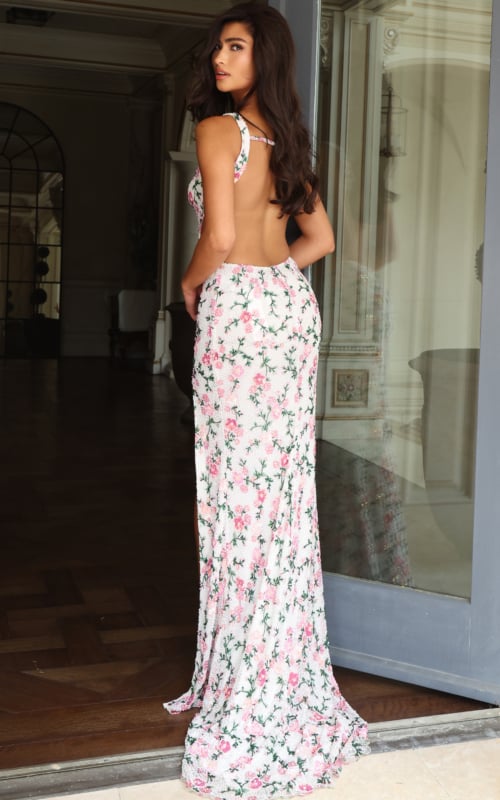
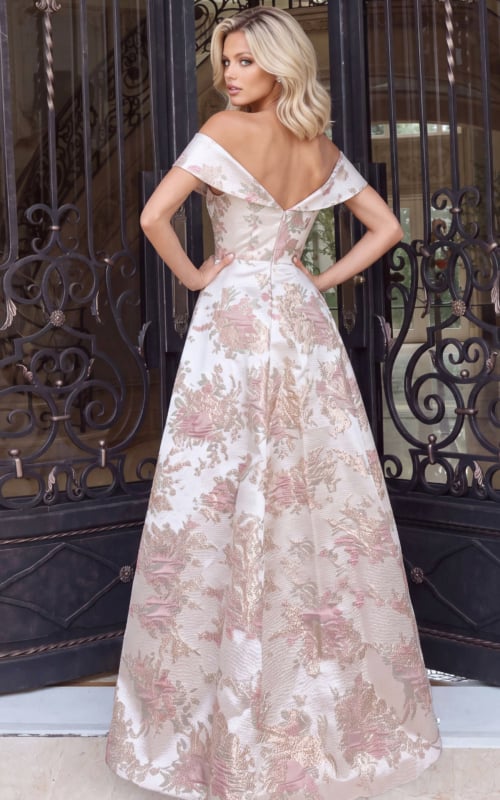
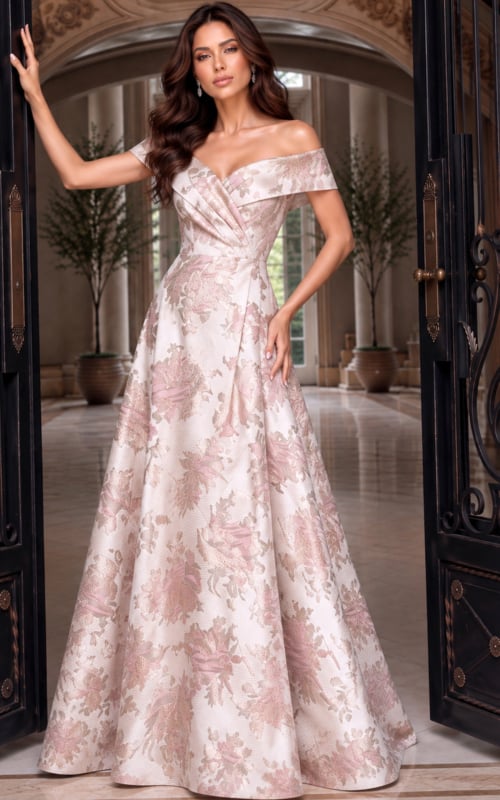
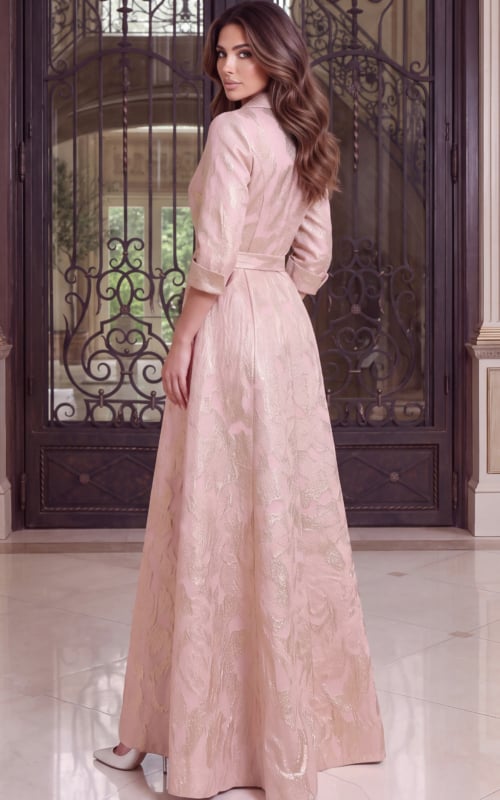
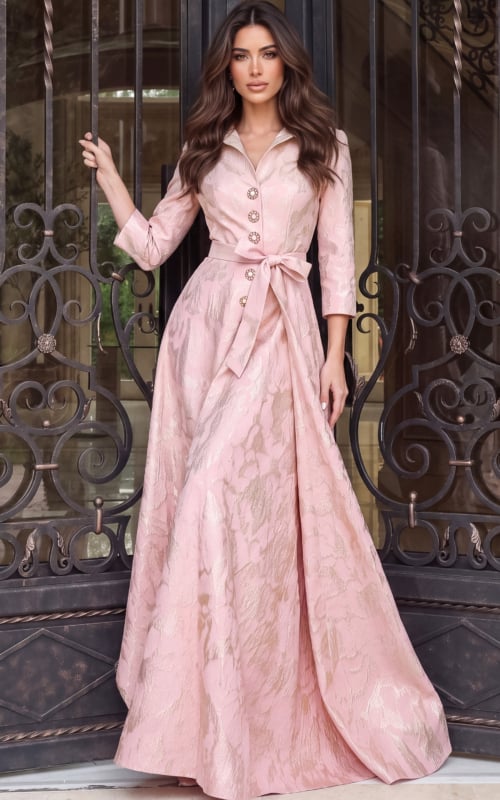
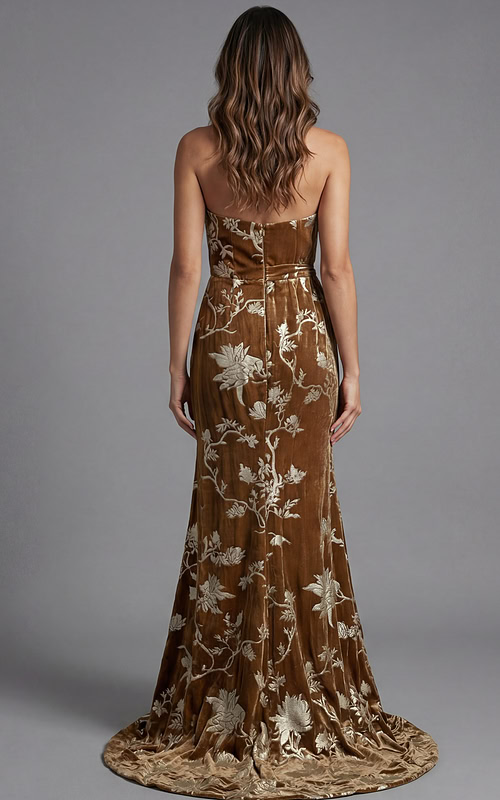
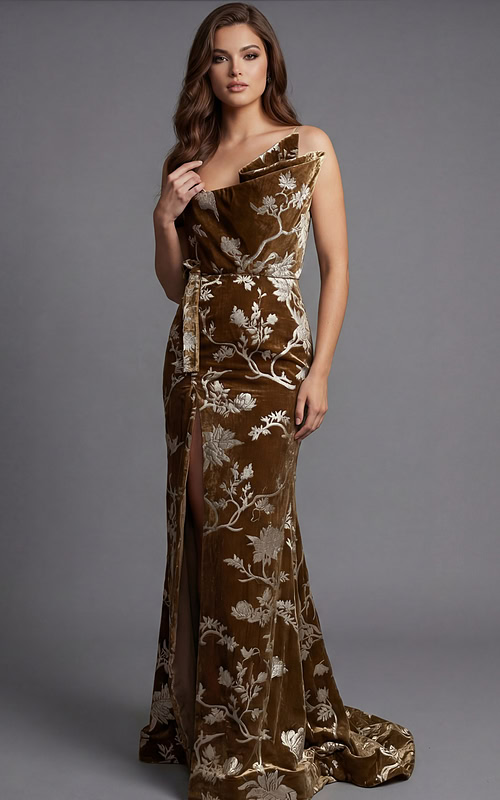
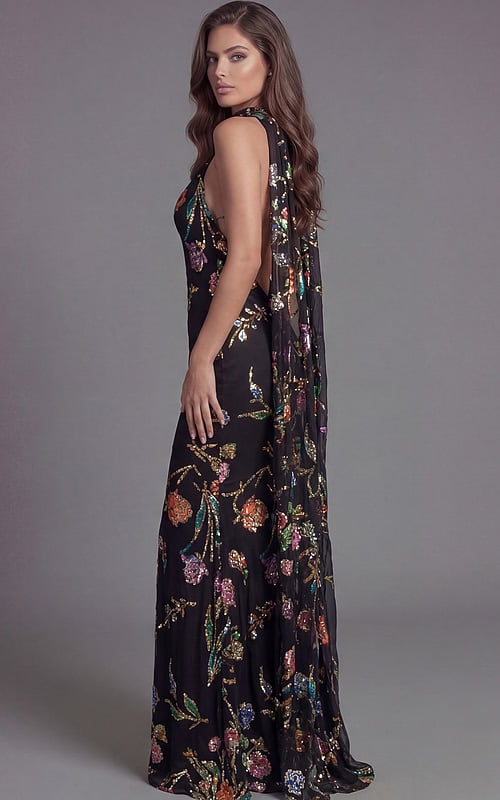
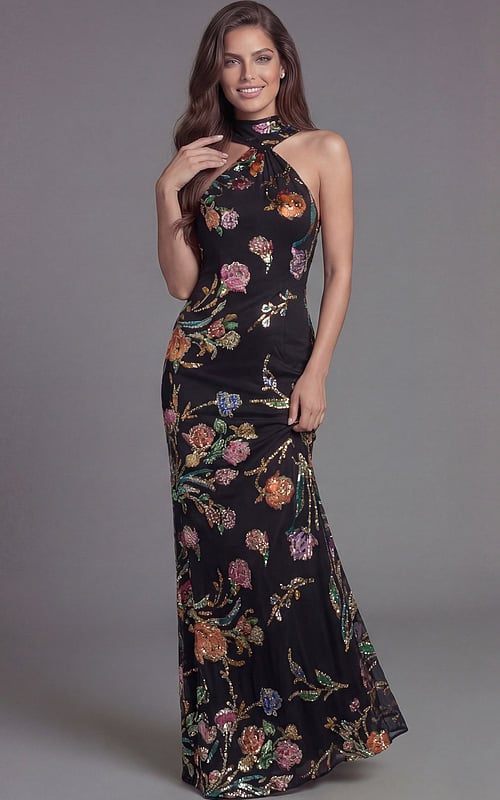
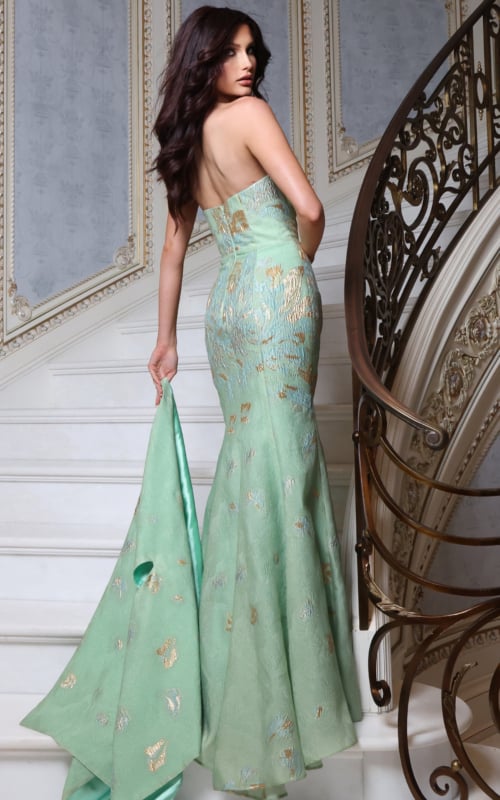
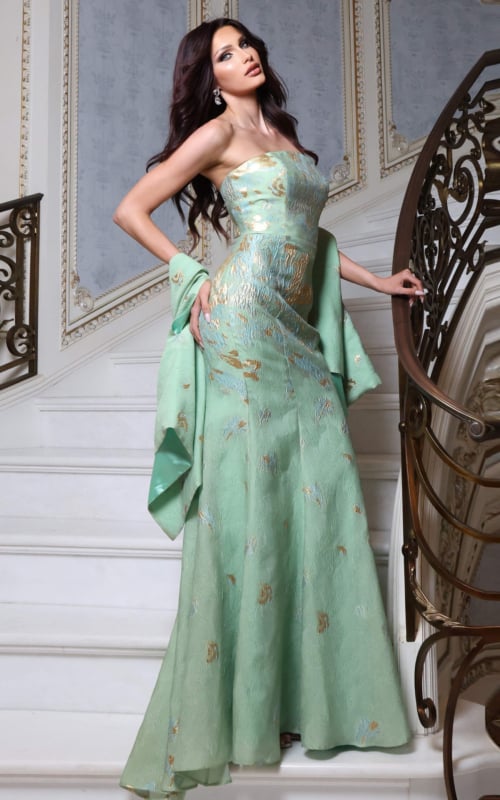
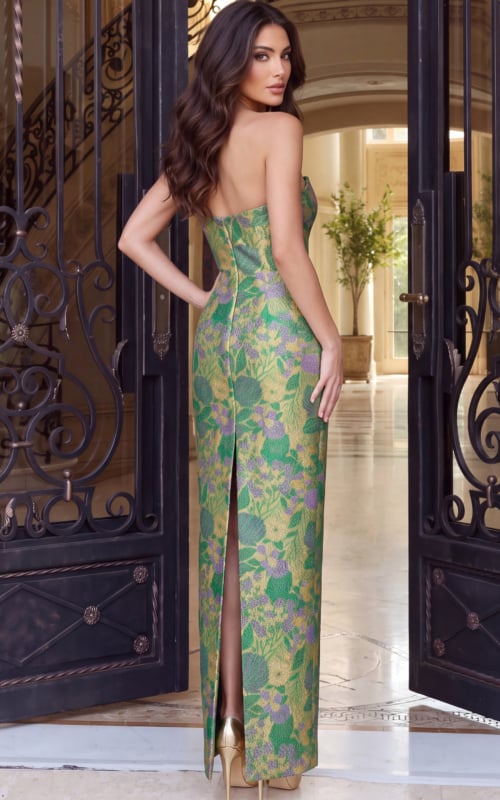
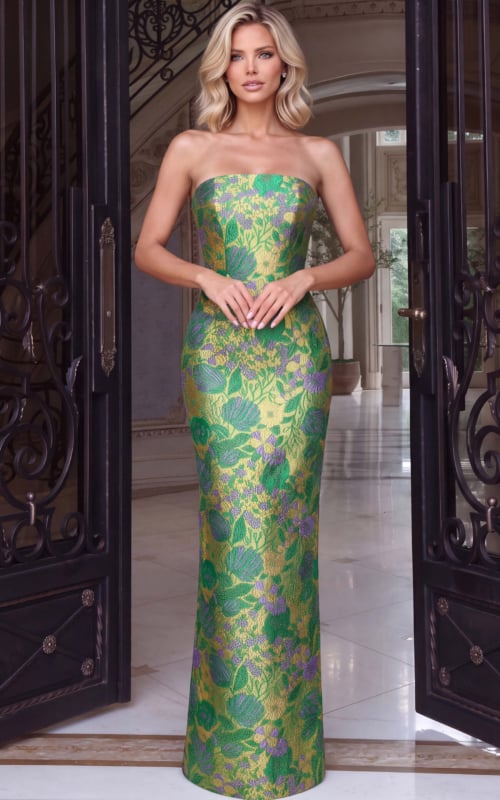
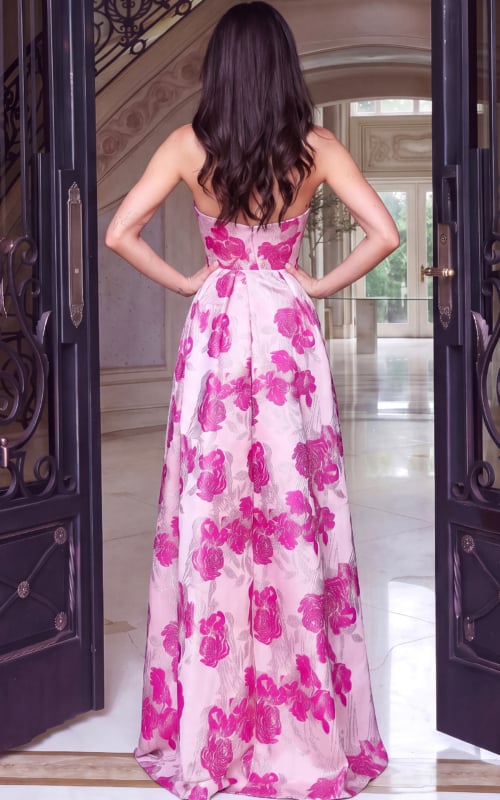
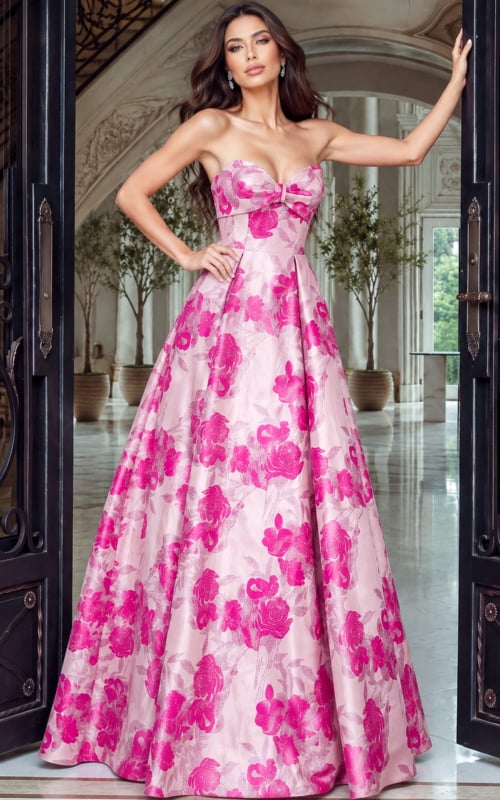
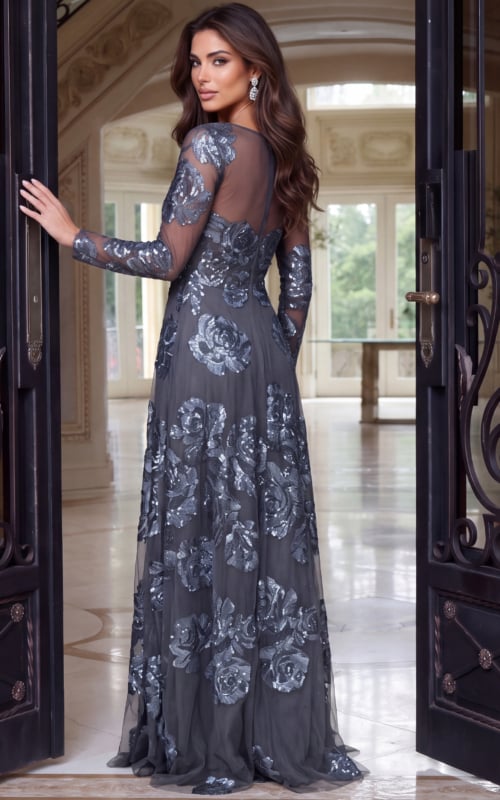
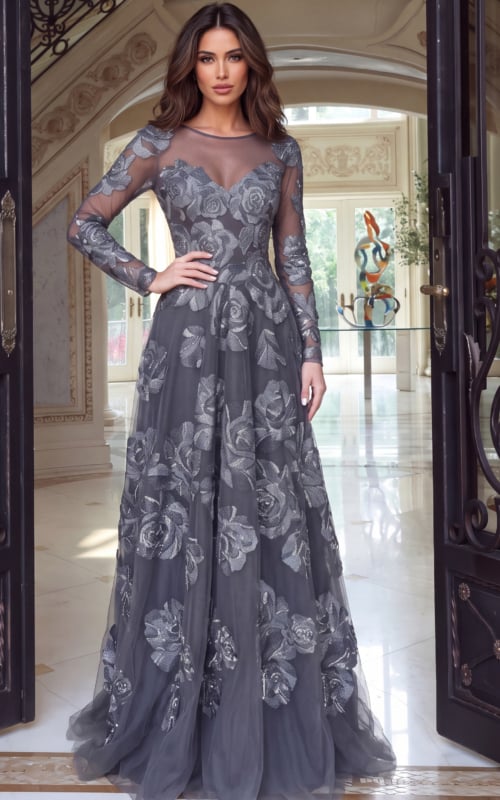
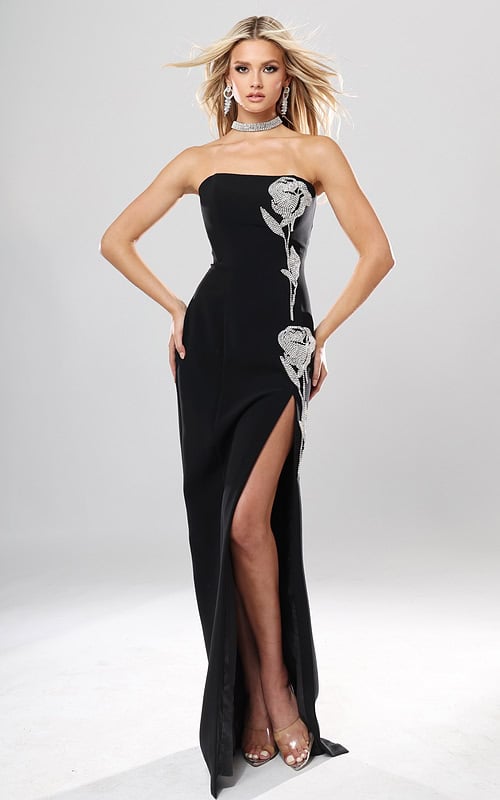
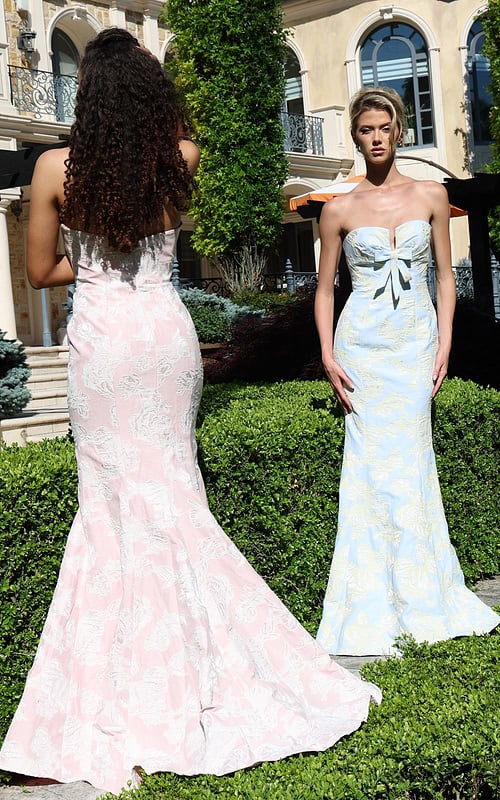
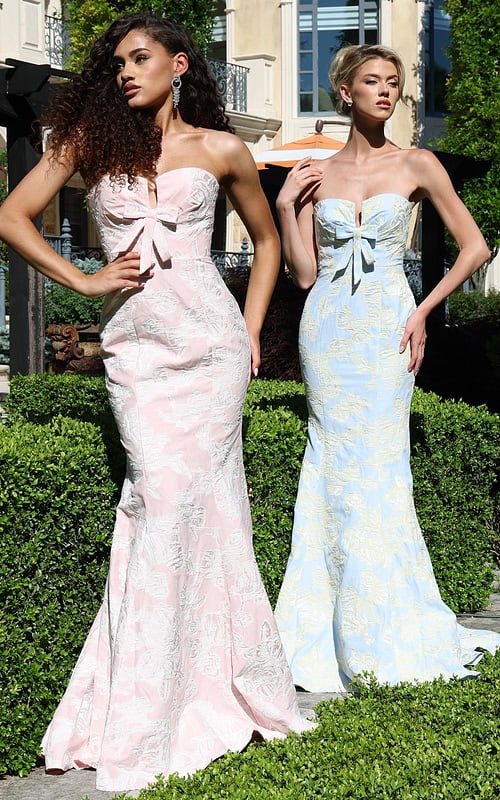
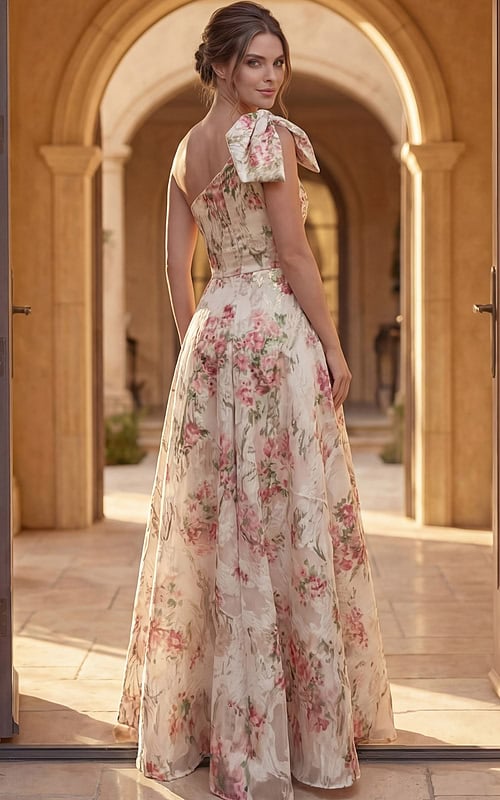
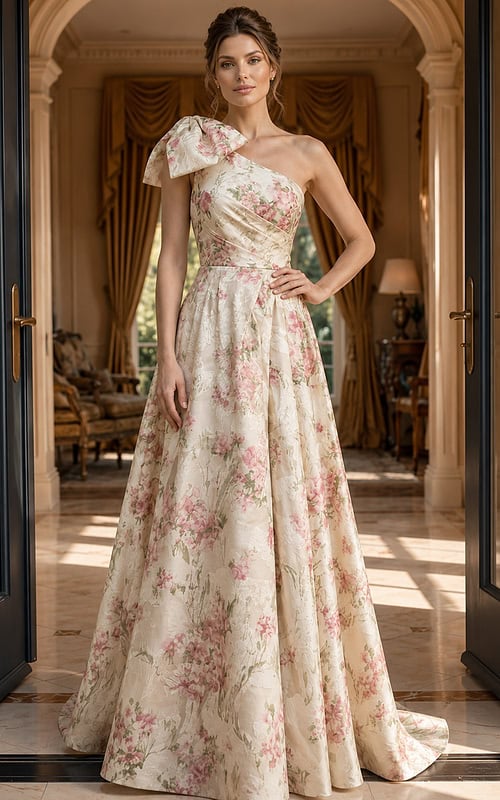
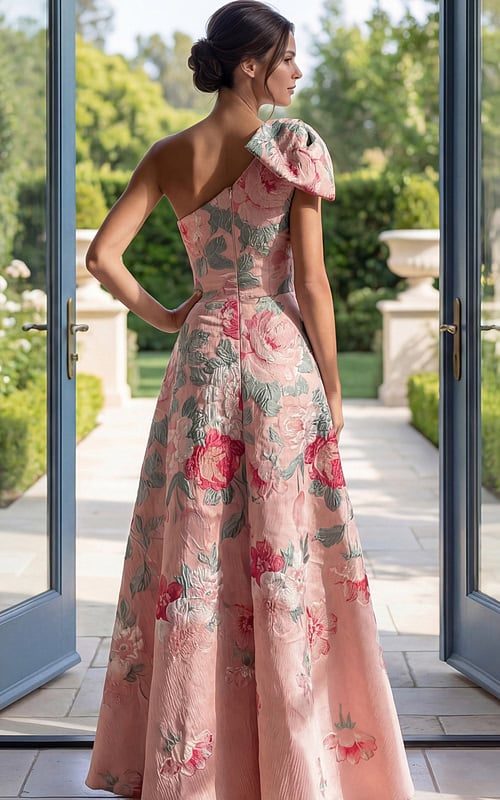
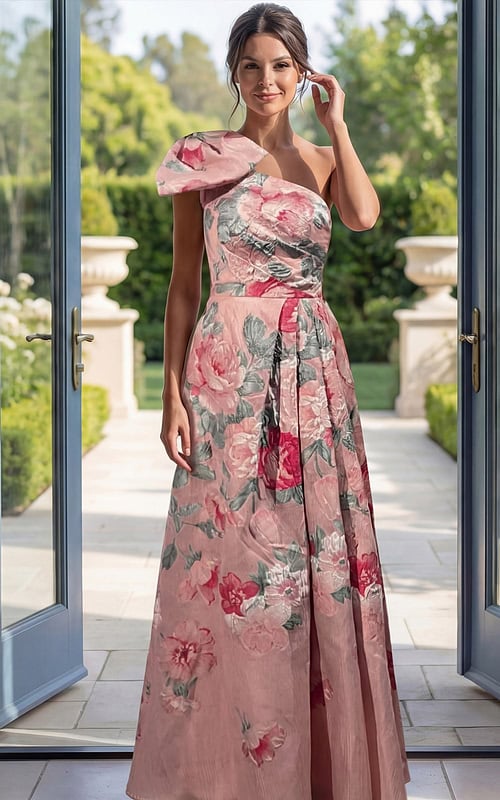
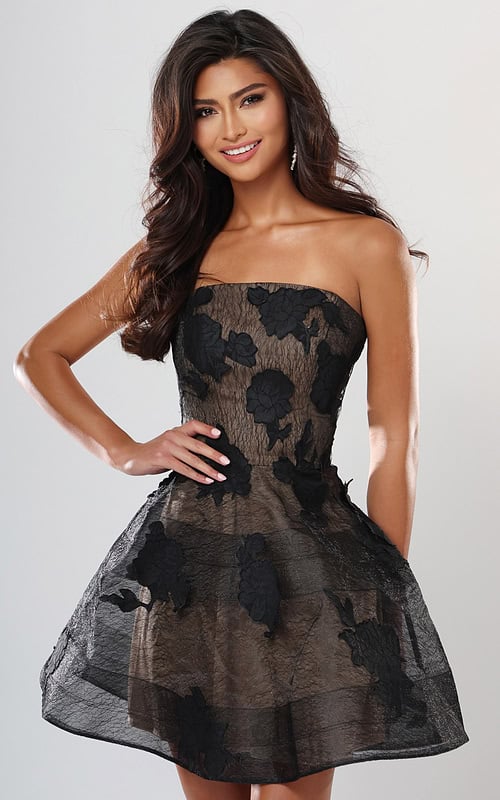
For black-tie and formal celebrations, floral wedding guest gowns benefit from greater length, richer fabric, or more defined structure. long wedding guest dresses in jacquard, brocade, satin, embroidered tulle, or embellished mesh can carry botanical detail while still reading as eveningwear. Dark grounds, metallic florals, dimensional appliqué, and controlled shine also shift the mood away from daytime dressing and toward a more formal finish.
Choose the Print Scale, Color, and Floral Detail
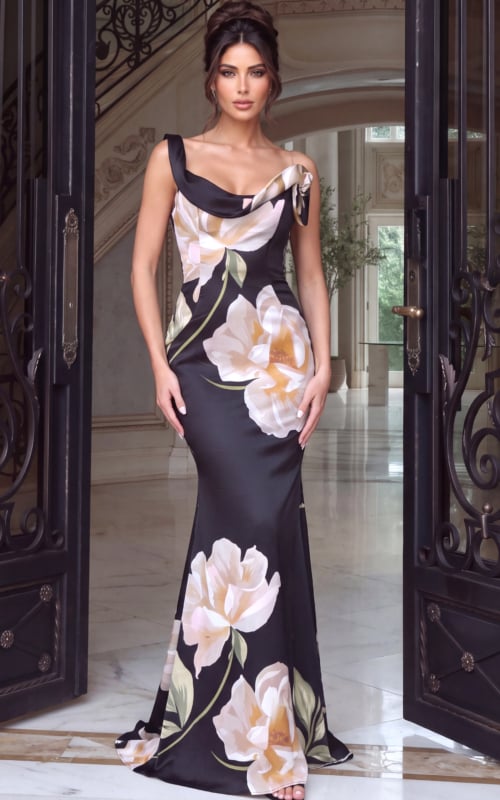
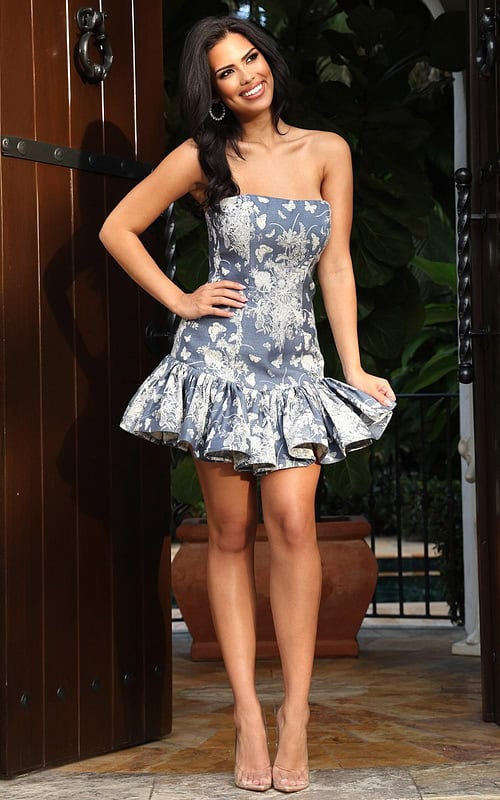
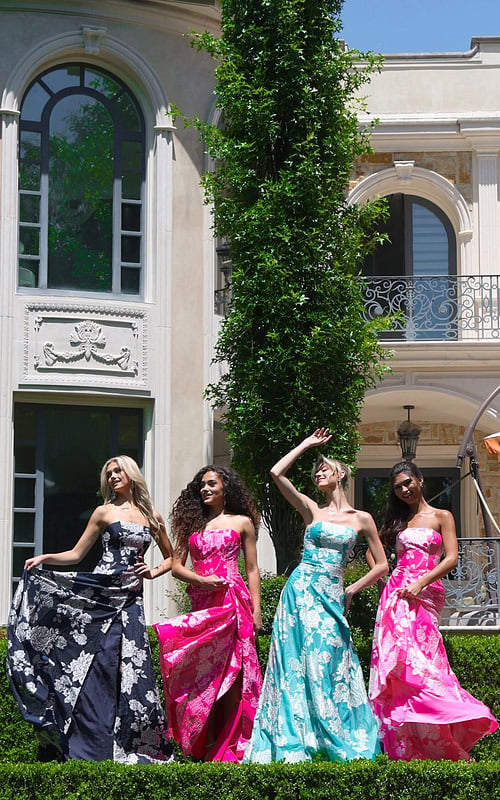
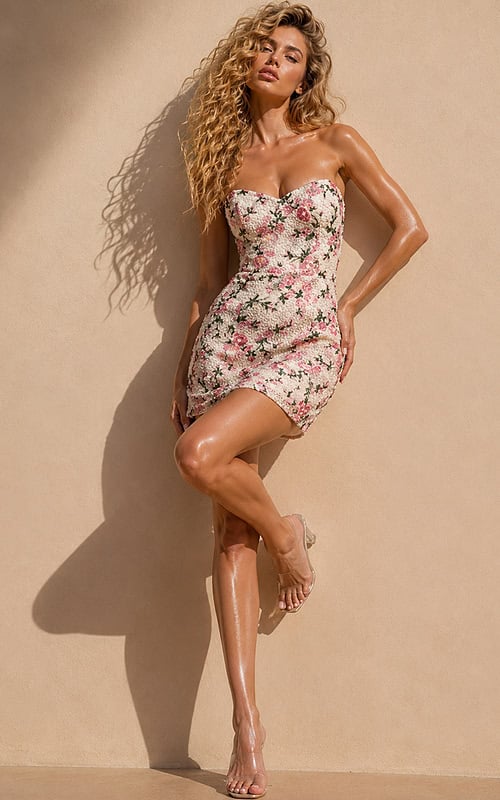
Print scale changes the visual balance of a dress. Small scattered florals tend to read softer, while oversized botanical motifs create a stronger graphic effect. Placement matters too. A floral pattern concentrated through the bodice can draw attention upward, while motifs that open through the skirt emphasize movement and proportion. Three-dimensional flowers, tonal embroidery, sequins, jacquard weaving, and floral brocade offer alternatives for guests who prefer texture over an all-over printed surface.
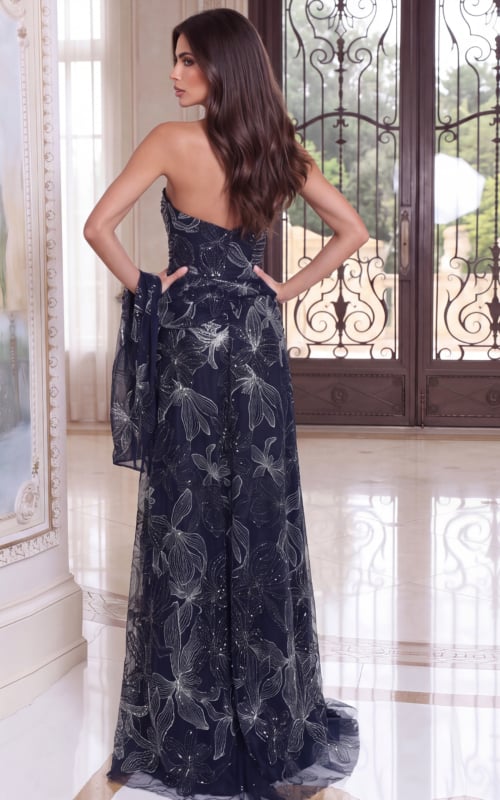
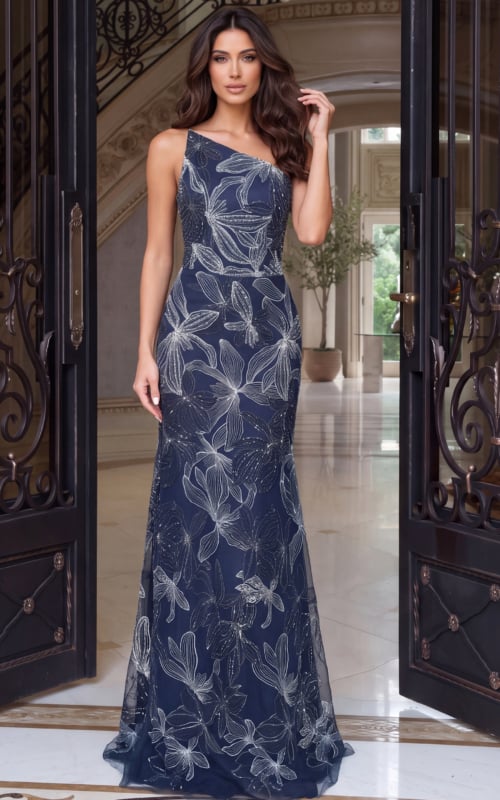
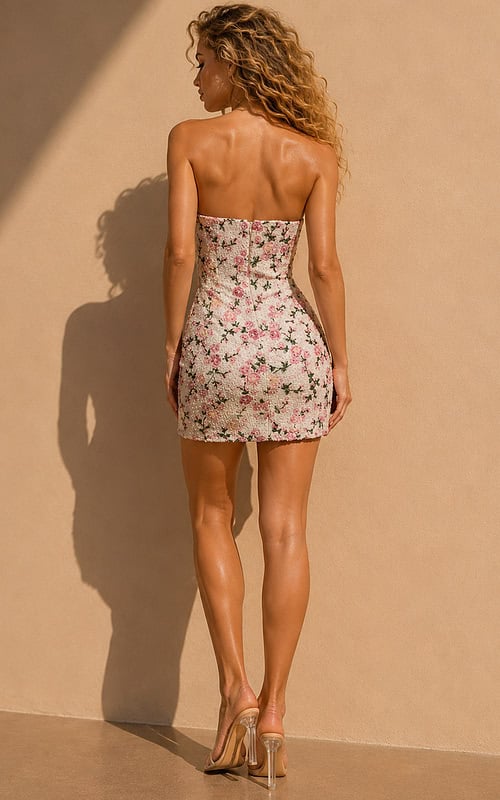
Color should work with both the season and the formality of the event. Pastel blue, lilac, blush, yellow, and green feel natural for spring and summer weddings, while navy, burgundy, plum, emerald, and black grounds suit evening or cooler-season celebrations. Dark floral wedding guest dresses for evening weddings can feel especially polished in satin, jacquard, or brocade, where the surface gives the pattern more depth. When a print has a pale background, consider how dominant that base appears from a distance and in photographs; a clearly colored ground is often the easier guest-appropriate choice.
Silhouettes That Shape the Fit
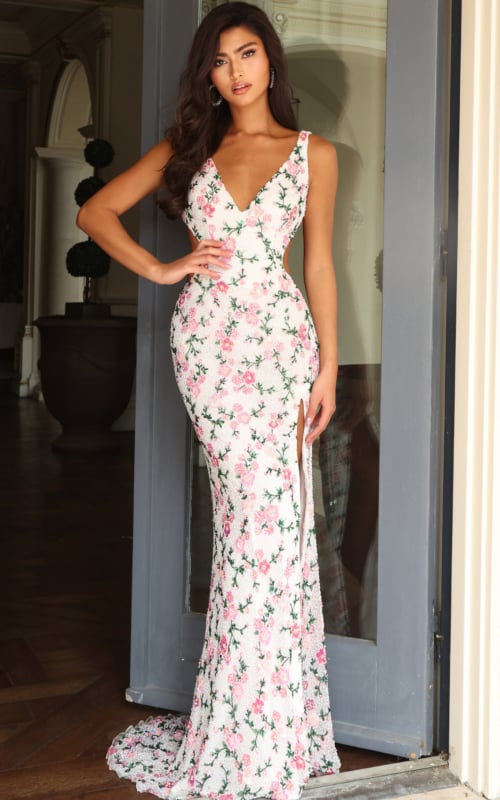
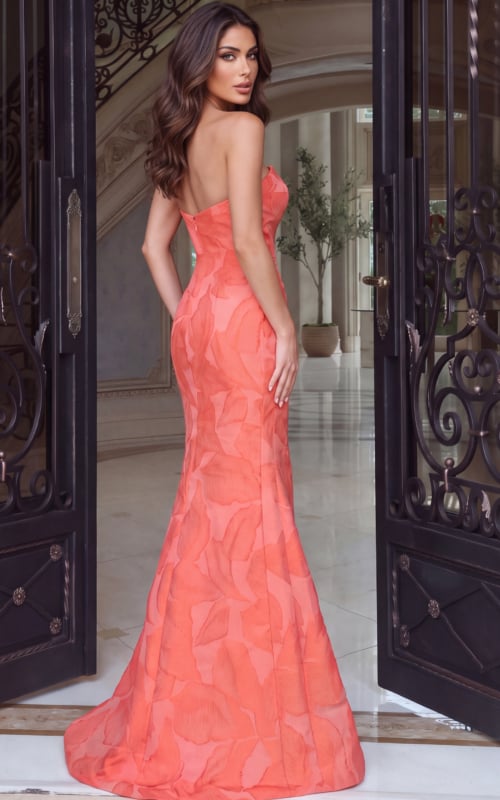
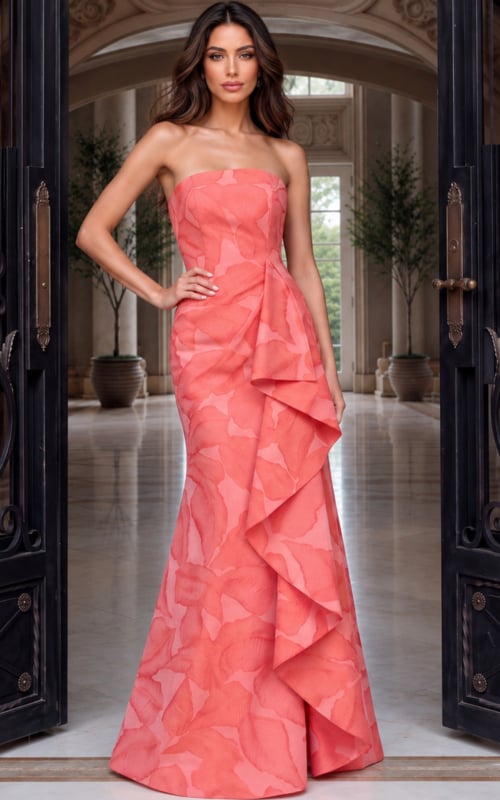
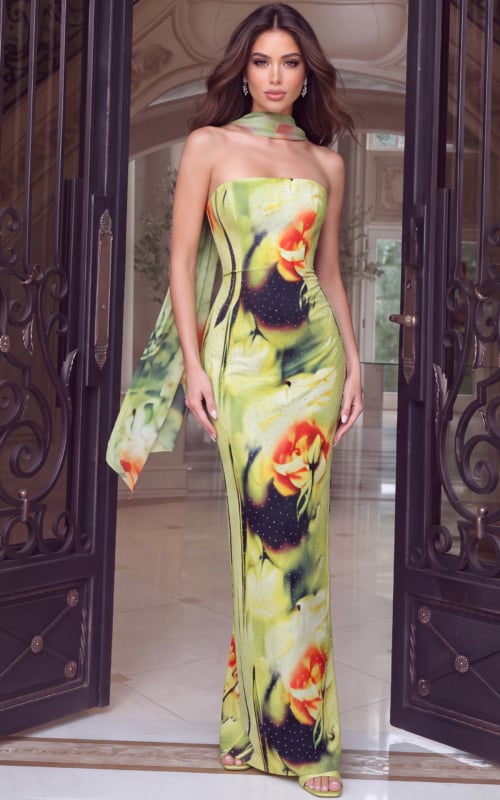
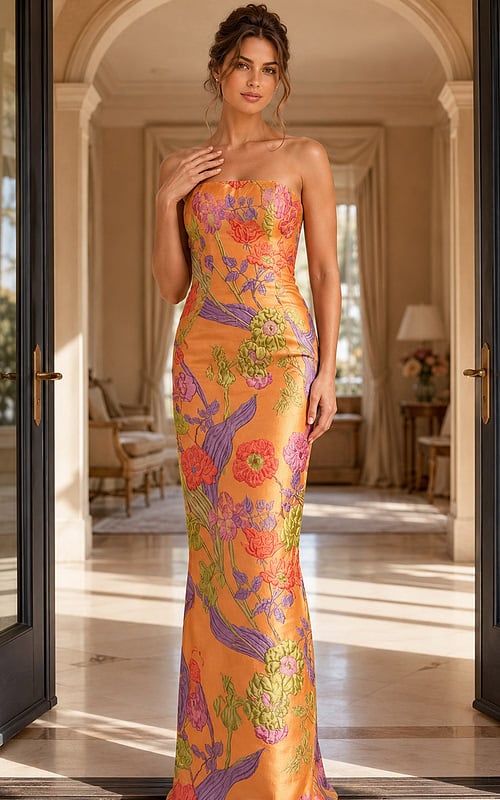
The right silhouette determines how a floral pattern sits on the body. A-line shapes define the waist and release through the skirt, allowing larger florals, jacquard motifs, or appliqué to keep their shape without pulling across the hip. A line wedding guest gowns are especially useful when you want a formal proportion with room for movement. Floral A-line wedding guest gowns can balance an expressive print with a controlled silhouette, while column and sheath dresses create a cleaner vertical line. Mermaid shapes place more emphasis on the waist and hip before opening at the hem.
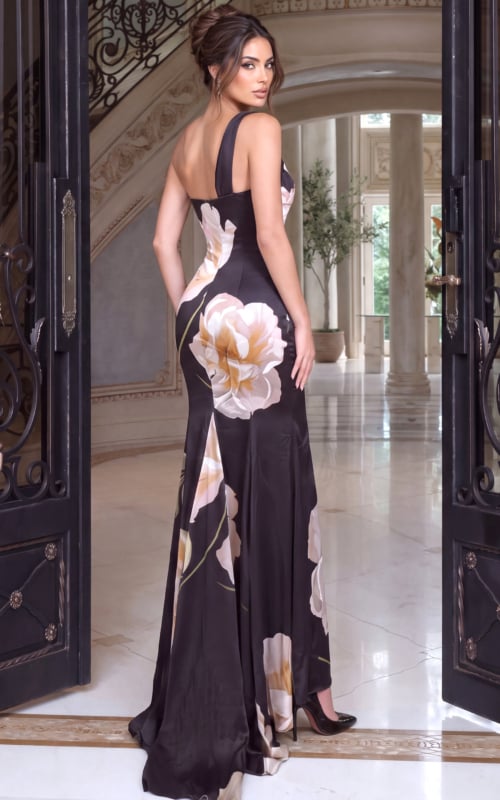
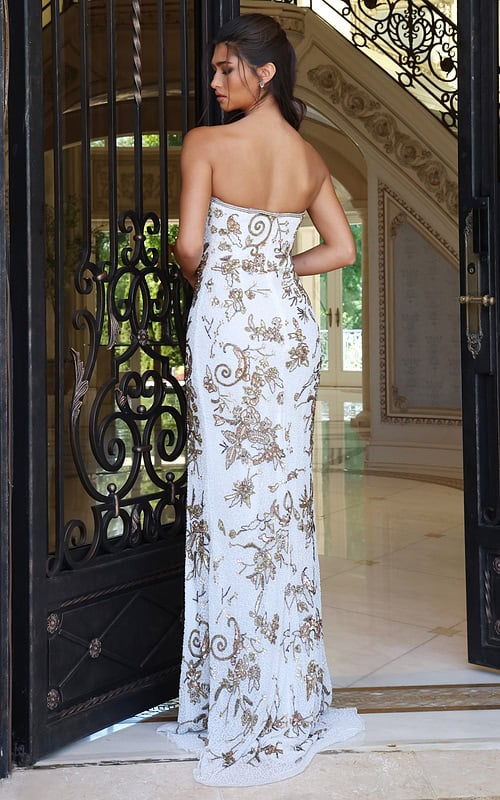
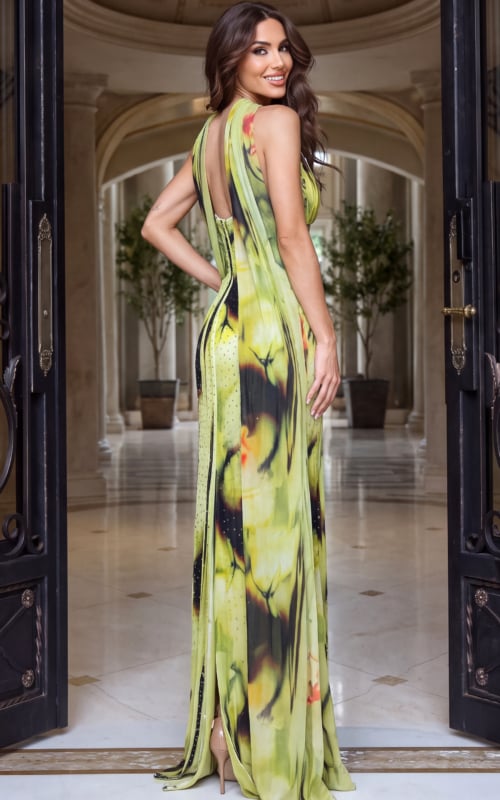
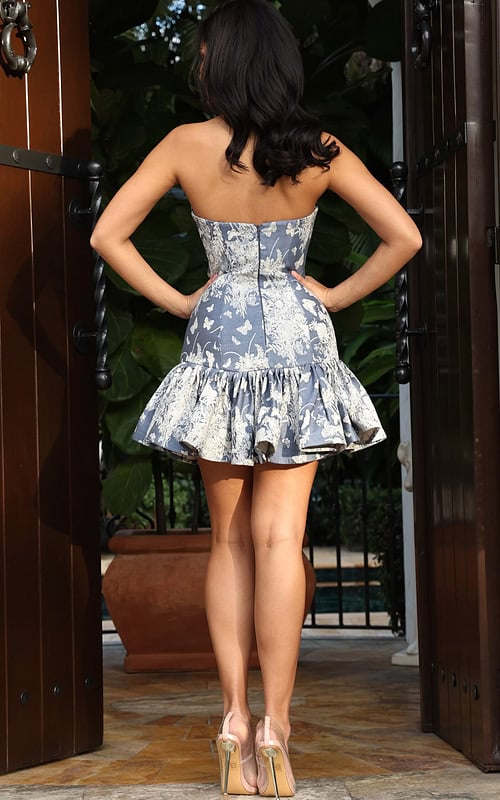
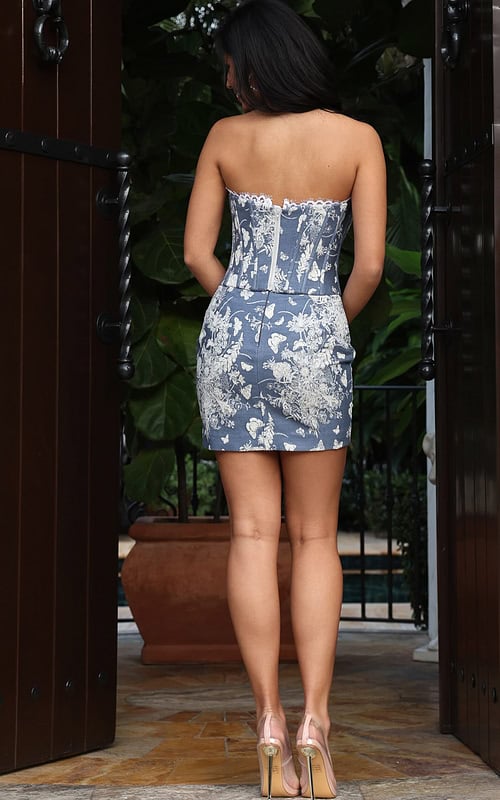
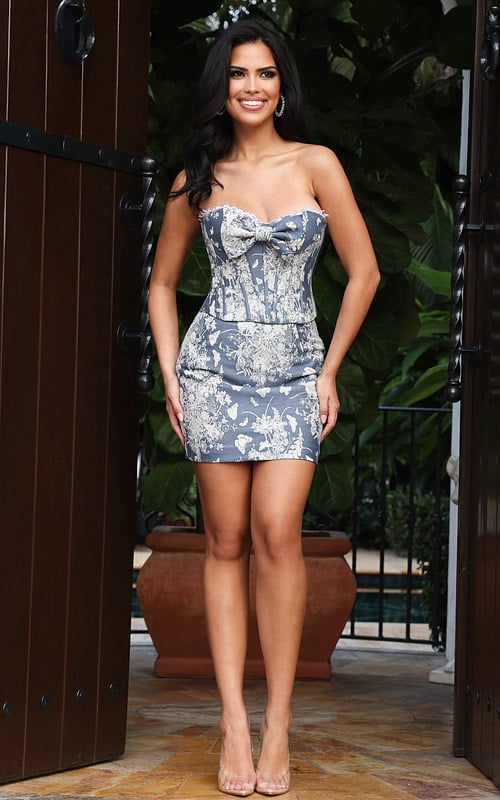
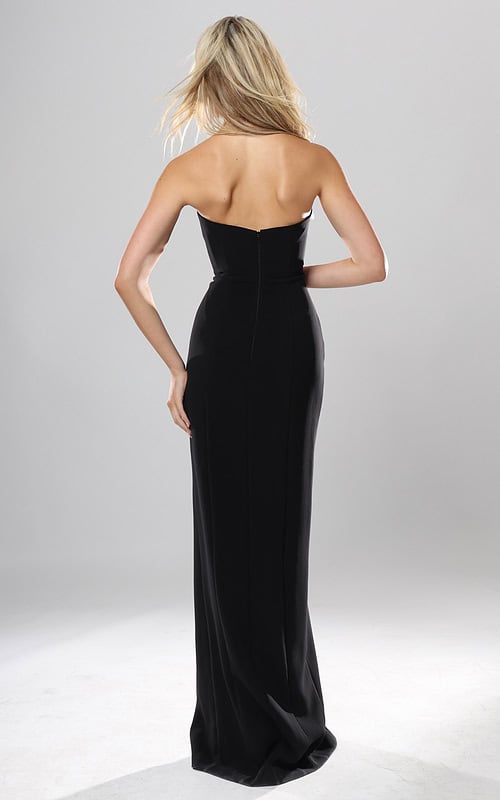
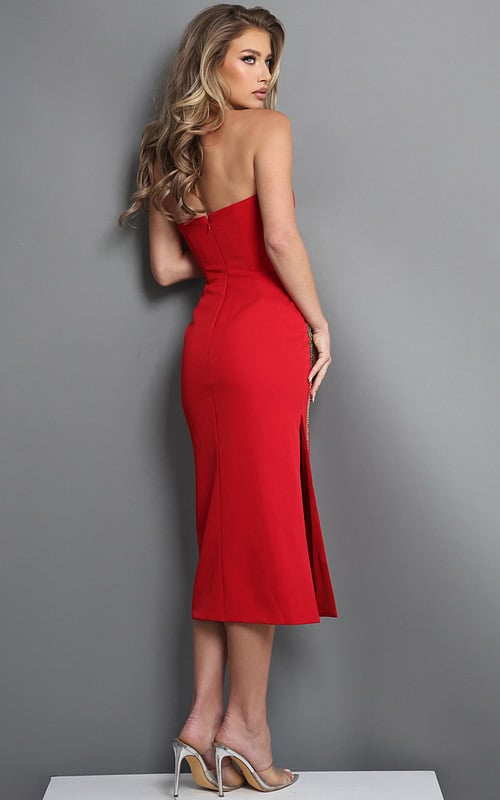
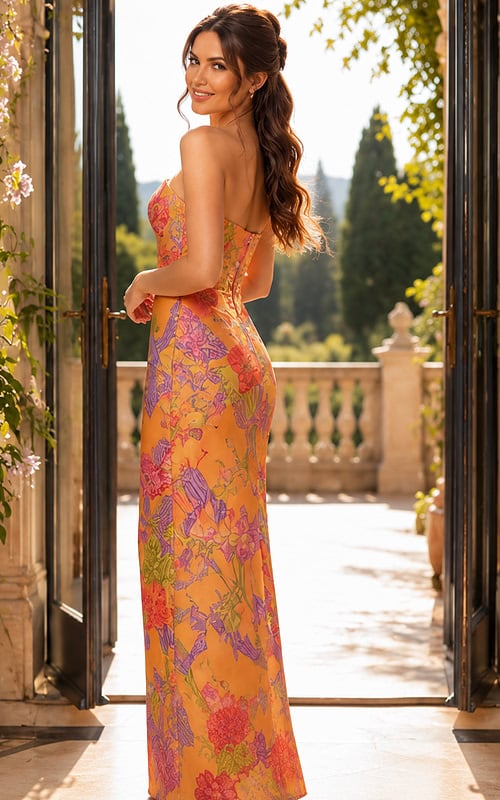
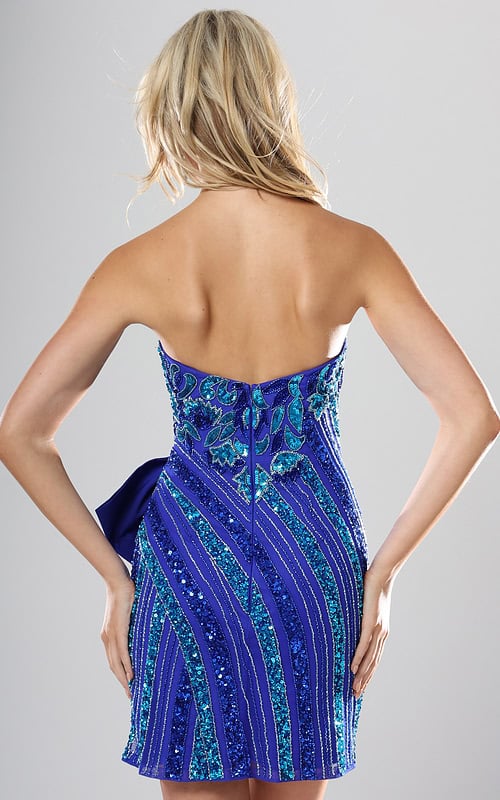
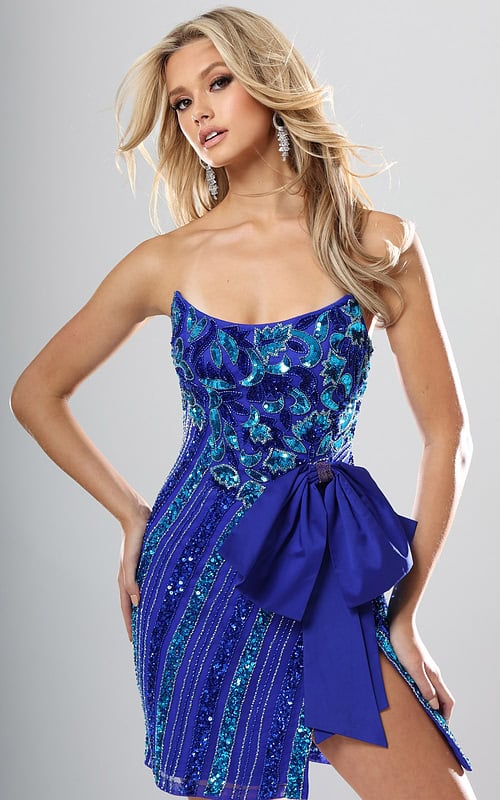
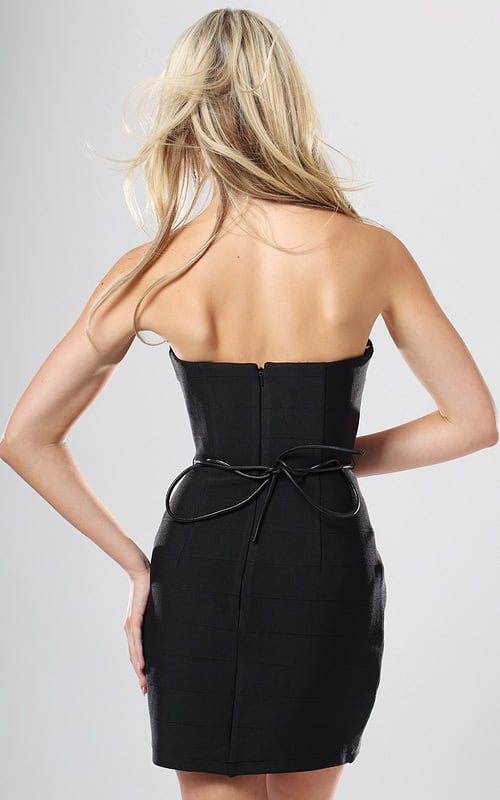
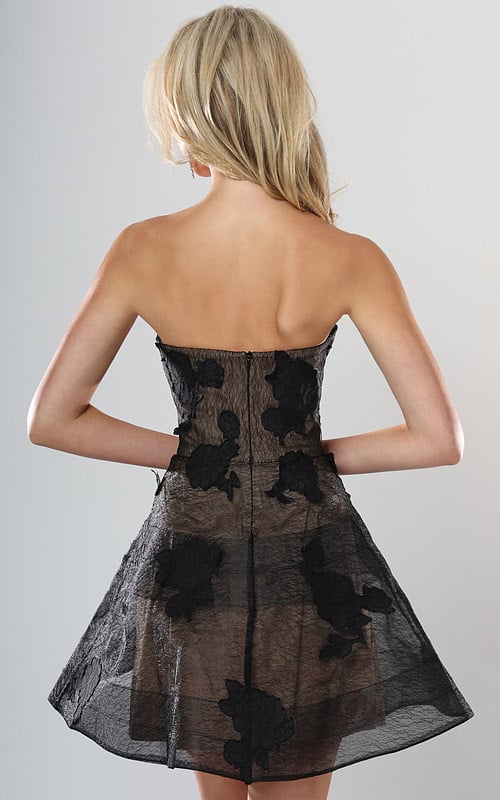
Neckline and back construction matter just as much as the skirt. Strapless, sweetheart, one-shoulder, and halter shapes can give floral fabric a more architectural frame. backless wedding guest dresses suit guests who want a sharper evening look, but the effect works best when secure straps, internal support, and stable closures keep the bodice in place. bow wedding guest outfits introduce a softer focal point, particularly when the bow is integrated into the waist, shoulder, or back rather than layered over an already complex floral pattern.
Fabrics That Change the Look and Movement
Fabric determines whether a floral wedding guest gown feels airy, sculpted, glossy, or textural. Chiffon is light and fluid, making it well suited to tiered skirts, soft A-lines, and warm-weather ceremonies. Satin gives floral prints greater color depth and a smoother surface, particularly in column, mermaid, and draped silhouettes. Jacquard and brocade create the floral within the fabric itself, producing more structure and a richer finish for formal receptions.
Embroidered tulle can support floral motifs, sequins, or dimensional appliqué while keeping visual lightness, while organza gives fuller skirts volume without the density of heavier fabric. Structured bodices are especially effective with these materials because they create contrast between a defined upper shape and a more expressive skirt. In Jovani eveningwear, that balance between surface detail and internal construction is particularly important: the bodice should hold its line, the waist should sit cleanly, and the skirt should retain enough ease for walking, sitting, and dancing.
Modern Floral Details for Wedding Guests
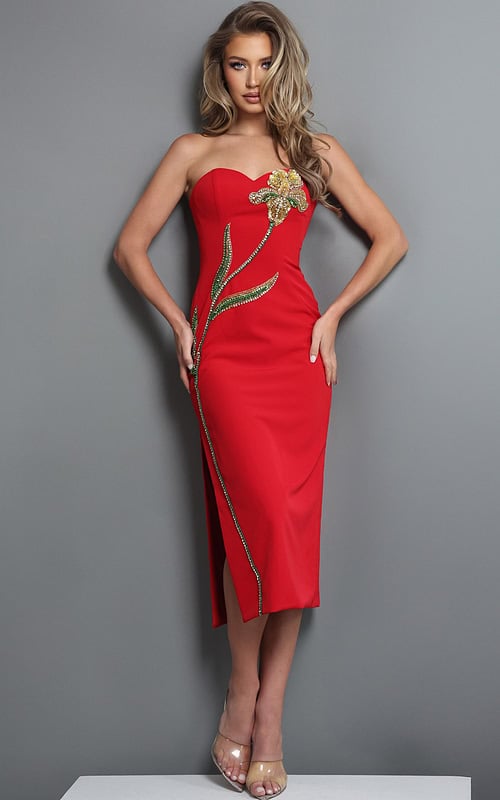
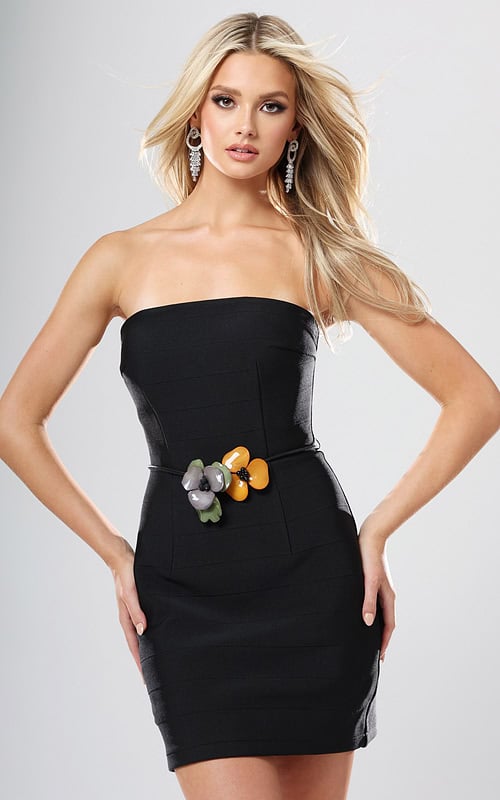
Current floral dressing is less about one prescribed print and more about how the floral element is treated. Watercolor effects, oversized botanical motifs, metallic jacquards, tonal embroidery, sculpted flowers, and three-dimensional appliqué all create different levels of impact. A formal floral wedding guest gown may use a single floral accent at the shoulder or waist, while a garden wedding guest dress can carry a softer all-over print with a fluid skirt.
Asymmetry also gives florals a more modern edge. One-shoulder necklines, angled draping, side ruffles, high-low hems, and controlled cutouts can interrupt the repetition of a print and create a clearer silhouette. For guests who prefer less pattern, embroidered tulle or floral appliqué on a solid base adds texture without covering the entire dress. The strongest designs usually allow one feature to dominate, whether that is the botanical print, sculpted bodice, metallic brocade, or dimensional flower placement.
Choose a Floral Dress with Repeat-Wear Value
A floral dress earns more space in a formal wardrobe when it can work beyond one invitation. Start with the silhouette: a balanced midi, restrained A-line, or clean floor-length gown can return for engagement parties, formal dinners, galas, and other celebrations with different accessories. Fabrics such as satin, chiffon, jacquard, brocade, and crepe also tend to give the dress more styling range than pieces built around a very specific seasonal theme.
Then consider the print itself. Mid-scale florals, darker grounds, tonal patterns, metallic botanical motifs, and designs that combine several colors offer more styling flexibility because shoes, bags, and jewelry can pick up different shades each time. A floral wedding guest dress should also pass the practical test: it should sit comfortably, allow natural movement, and hold its shape through several hours of wear. With Jovani, fit, fabric quality, silhouette, and construction should do as much of the work as the floral surface itself.