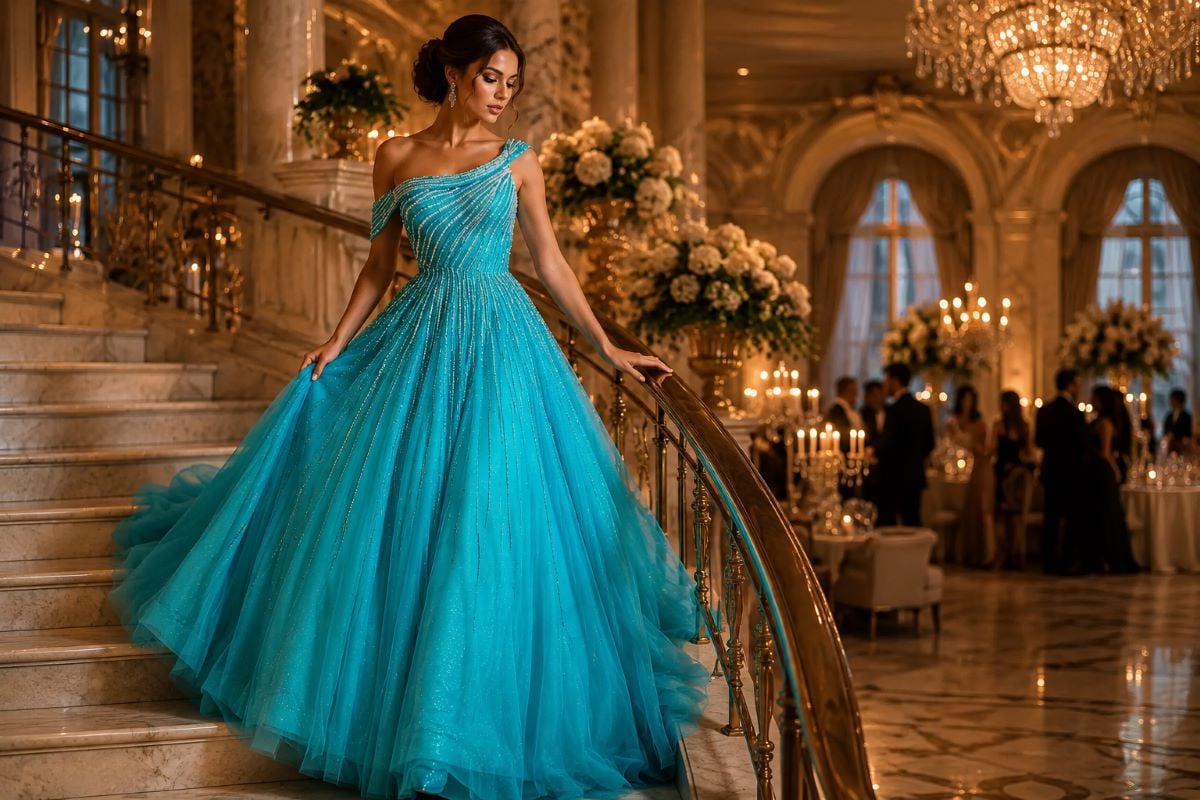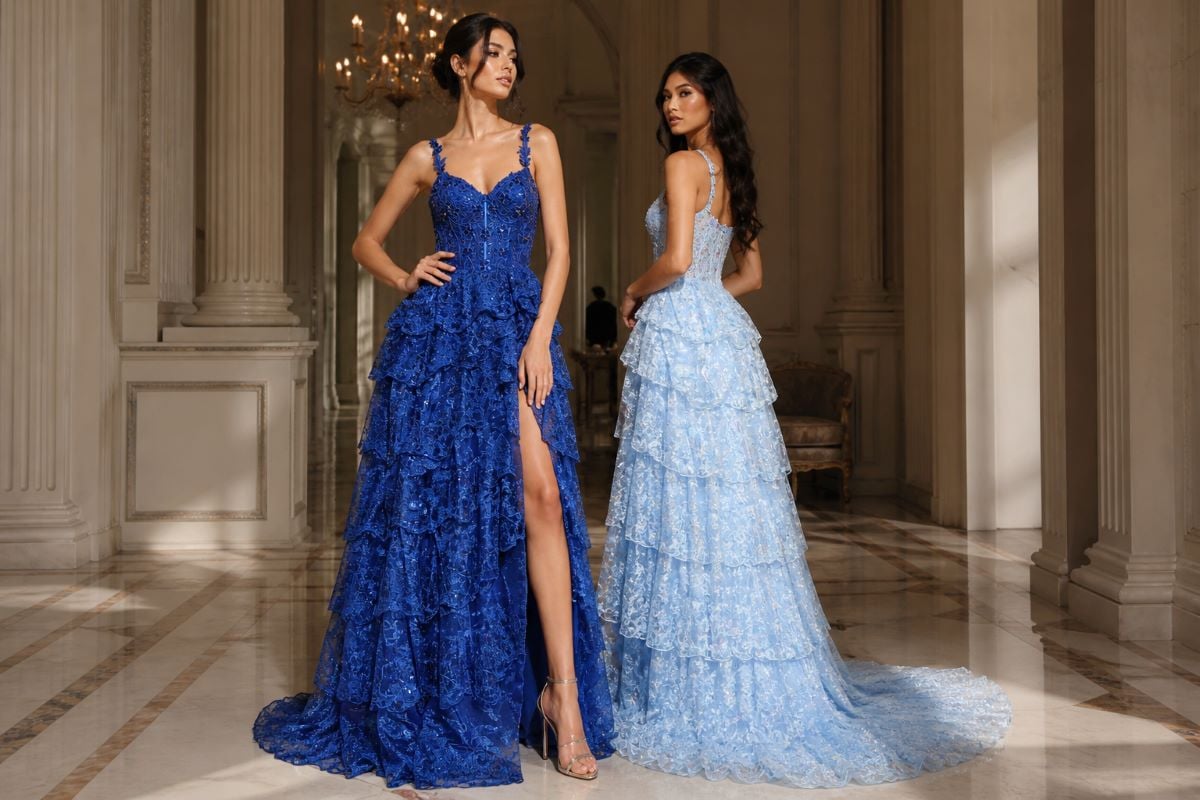

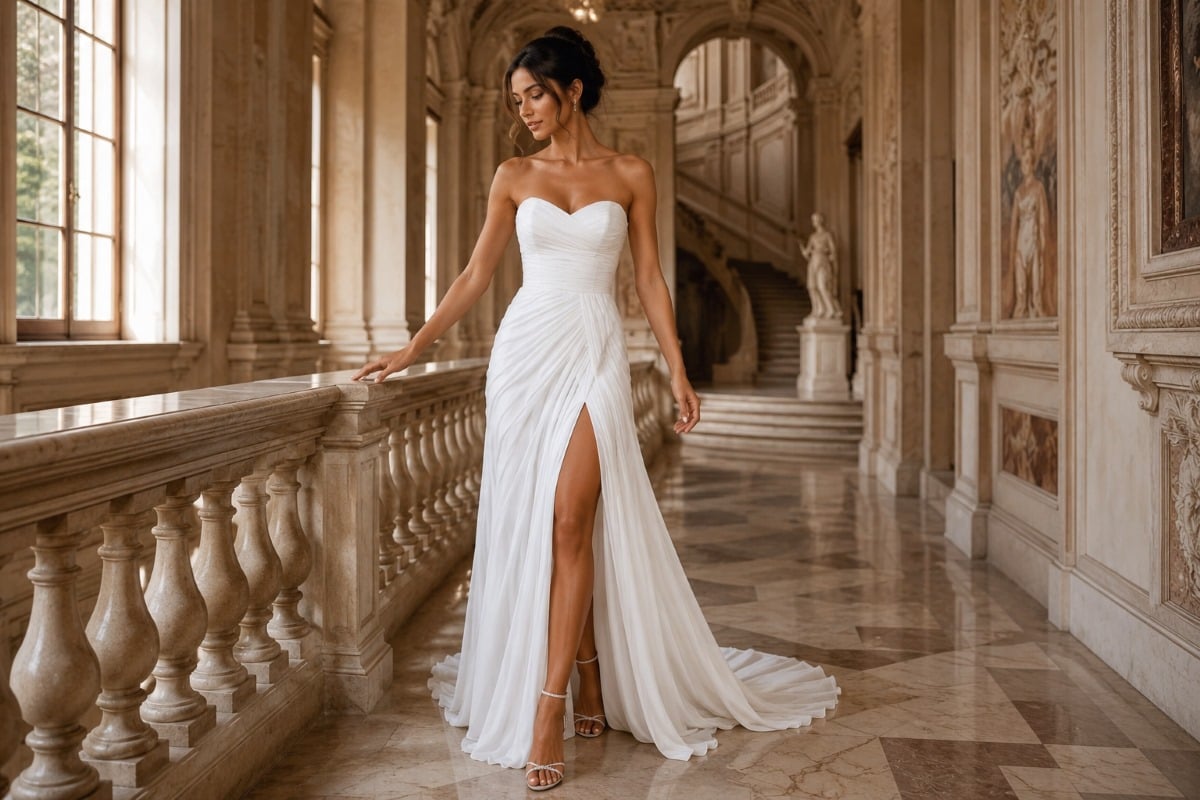
There is a reason the A-line remains the most chosen silhouette in bridal fashion. With a fitted bodice that flares gently from the natural waist into the shape of an uppercase A, it elongates the torso, defines the waist, and skims smoothly over the hips and thighs, which flatters nearly every figure. It reads as elegant without being overly formal, moves comfortably, and adapts to almost any wedding from a garden ceremony to a cathedral. This guide walks through how to choose an A-line wedding dress, from why it flatters to fabrics, necklines, and styling, so you can find the version of this versatile shape that feels like you.
The A-line is often the shape a bride tries first and the one she keeps coming back to, precisely because it rarely fights her figure. Where other silhouettes ask the bride to suit them, the A-line tends to suit the bride, which is why consultants so often start a search there.
Choosing an A-line is, in a sense, choosing the safest reliably flattering shape in bridal, but that does not mean every A-line is the same. The fabric, the neckline, and the details change its character completely, from soft and romantic to clean and modern. The considerations below cover what actually matters when you are narrowing down from the broad world of A-line gowns to the one that suits your vision.
Why the A-line flatters so reliably
The A-line works for a simple structural reason. Its fitted bodice highlights the smallest part of the waist, and the skirt flares gradually from there, skimming over the hips and thighs rather than clinging to them. This creates a balanced, graceful line that suits almost every body type, which is why it is so consistently recommended and so widely loved. It defines the figure without demanding the precise fit of a mermaid or the volume of a ball gown.
This broad flattery makes the A-line a reassuring choice, especially for a bride who is unsure what suits her. The shape elongates the torso and creates an hourglass impression on a range of figures, from pear to straight to curvier, by defining the waist and skimming the lower body. Because it skims rather than clings, it offers comfort and ease alongside its flattering line, and the full collection of A-line wedding dresses shows how widely the silhouette ranges while keeping that reliable flattery.
Fabric changes the whole character
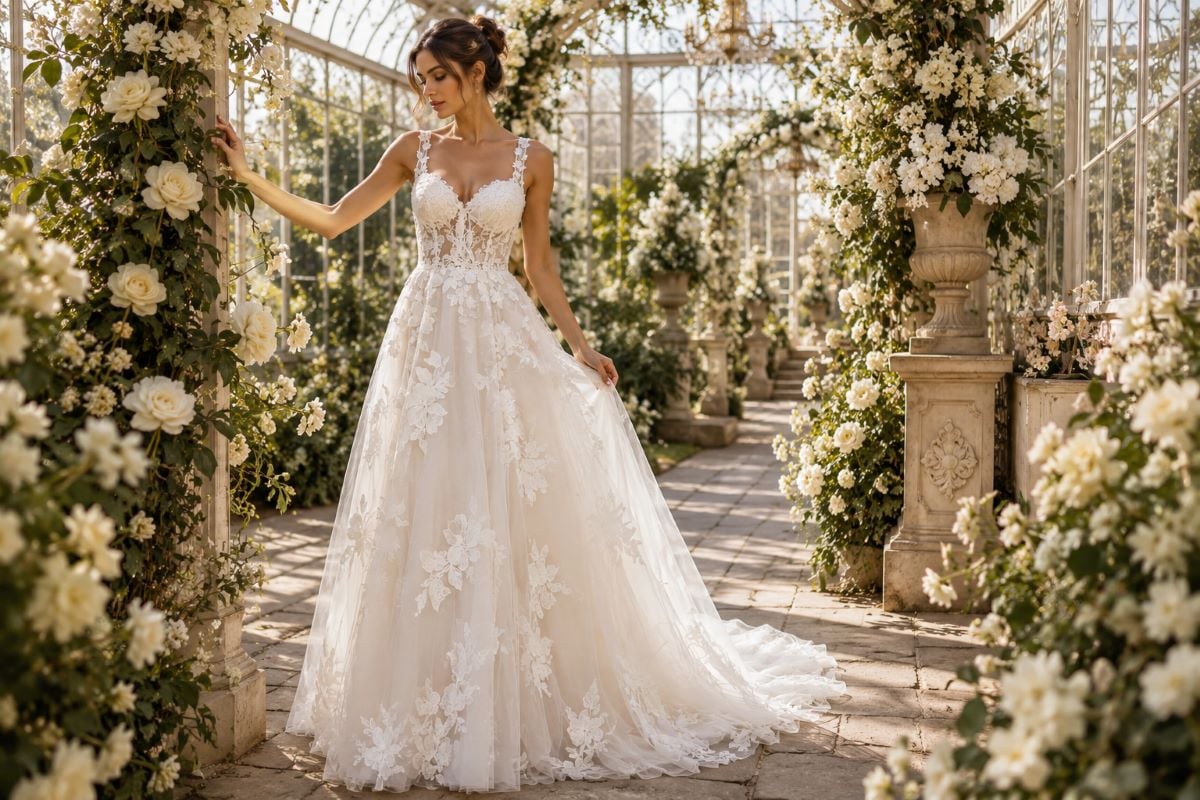
The same A-line shape reads completely differently depending on the fabric, which is where much of the variety in A-line gowns comes from. Soft tulle creates a romantic, whimsical A-line with a light, ethereal skirt that suits a garden or fairytale-leaning wedding. Structured Mikado or satin creates a clean, architectural A-line with a smooth, modern line that reads as polished and contemporary. The fabric sets the tone before any other detail.
Lace brings romance and texture to an A-line, with the gentle flare giving an all-over lace pattern room to breathe, creating one of the most classic bridal looks. The range of lace wedding dresses shows how lace suits the A-line’s flattering shape. Chiffon and lightweight fabrics create a soft, flowing A-line ideal for a warm-weather or destination wedding. Choosing the fabric is really choosing the mood of the gown, since it determines whether the A-line reads as whimsical, modern, or romantic.
Necklines that suit an A-line
The A-line pairs with nearly every neckline, which is part of its versatility, and the choice shapes the upper-body look. A sweetheart neckline frames the bust softly and reads as classic and romantic. A V-neck elongates the upper body and adds a vertical line. An off-the-shoulder or bateau neckline frames the shoulders gracefully and reads as elegant. A high or illusion neckline adds coverage and a modern or modest quality.
Because the A-line’s silhouette is balanced and forgiving, it gives you freedom to choose a neckline based purely on what flatters your upper body and suits your taste, rather than on what the silhouette demands. This flexibility is part of why the shape works for so many brides, since you can pair it with a daring plunging neckline for drama or a covered neckline for modesty, and the silhouette supports either. To see how necklines and silhouettes combine across bridal styles, our guide to popular wedding dress silhouettes lays the options out together.
Formal or relaxed, the A-line adapts
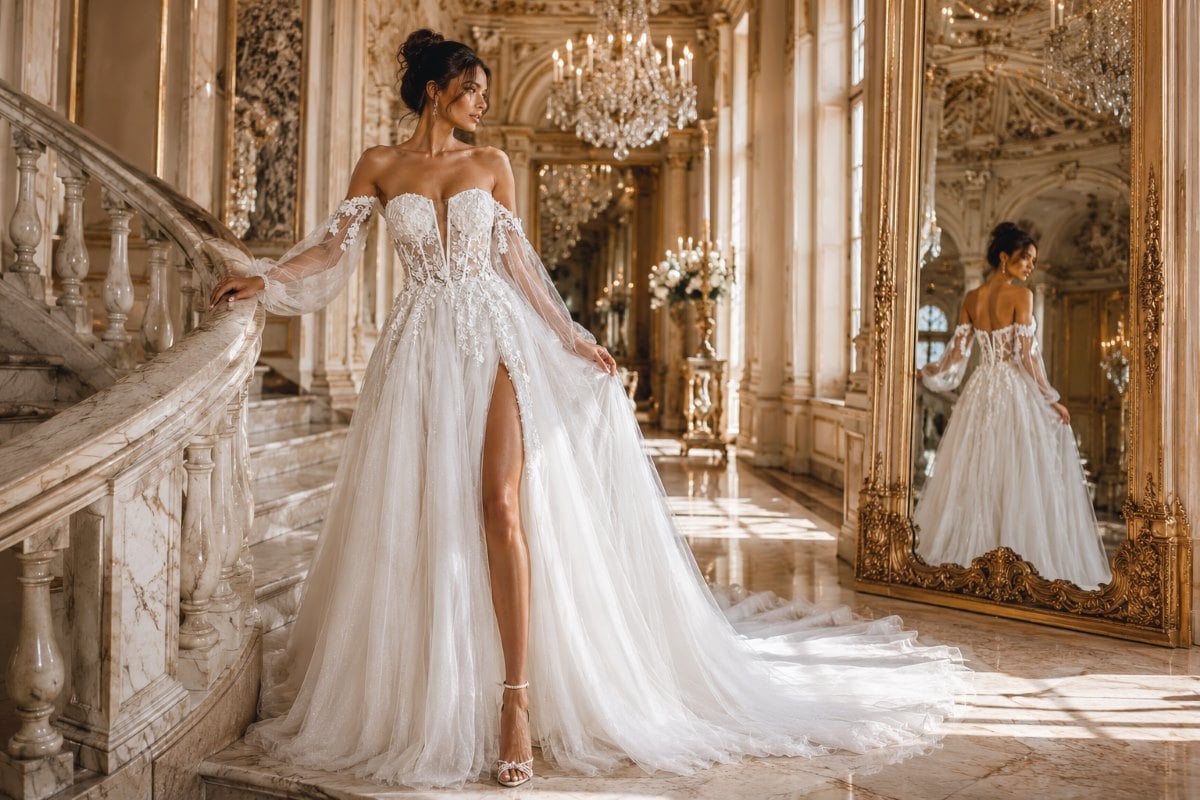
One of the A-line’s strengths is how easily it shifts between levels of formality, which makes it suitable for almost any wedding. In a structured fabric with a longer train and refined detail, an A-line reads as formal and suits a cathedral or ballroom celebration. In a soft fabric with a shorter or simpler skirt, it reads as relaxed and suits a garden, beach, or daytime wedding. The same fundamental shape works across the spectrum.
This adaptability means the A-line suits a bride who has not settled on a highly formal or a relaxed wedding, since the silhouette can lean either way depending on the fabric and details. It also makes the A-line a strong choice for a destination or outdoor wedding, where a lighter, less restrictive silhouette is ideal, while still working beautifully for a grand formal celebration. Matching the fabric and details to your wedding’s formality lets the A-line read exactly as dressy or relaxed as the occasion calls for, and our wedding dress shopping tips cover how the wedding’s details shape the right choice.
Comfort, movement, and the practical side
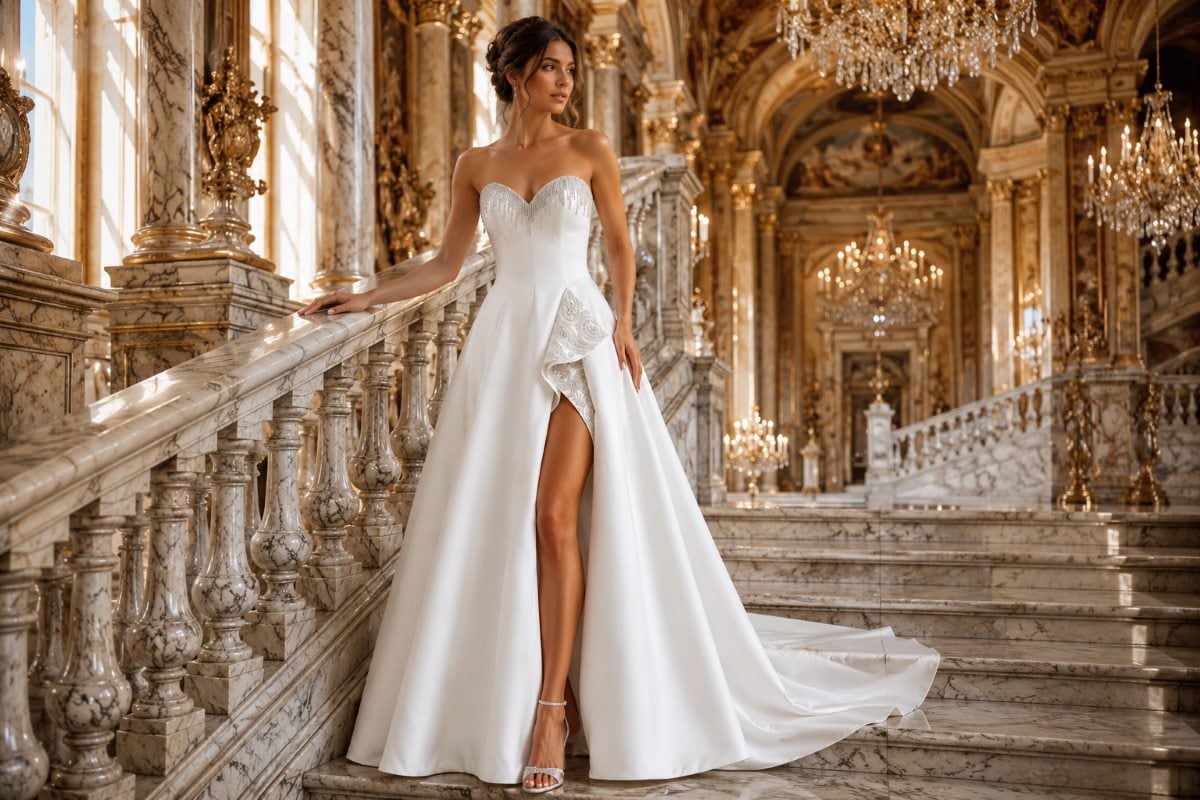
The A-line is one of the more comfortable bridal silhouettes, which matters across a long wedding day. Because the skirt skims rather than clings and flares away from the body below the waist, it allows easy movement for walking, sitting, and dancing, without the shorter steps a mermaid requires or the management a voluminous ball gown demands. This makes the A-line a practical choice for a bride who wants to move freely through her day.
The defined waist and flared skirt also mean the A-line photographs beautifully from every angle and suits the full range of a wedding day, the ceremony, the photos, the dinner, and the dancing, without becoming cumbersome. A bride in an A-line can sit comfortably for dinner, move easily through a crowded reception, and dance without fighting the skirt. This combination of flattery, versatility, and genuine comfort is much of why the silhouette remains a perennial favorite across bridal fashion.
Part of the A-line’s lasting appeal is how forgiving it is of the unexpected on a wedding day. Because the skirt skims rather than clings, it accommodates the small realities of the day, a large meal, hours of wear, the shift from ceremony to celebration, without the gown feeling tight or unforgiving. A bride does not have to hold herself a certain way or worry about every line, which frees her to be present rather than self-conscious. For many brides, that ease is exactly what they want from a wedding gown, and it is much of why the A-line remains the most chosen shape year after year.
Modest appeal and coverage
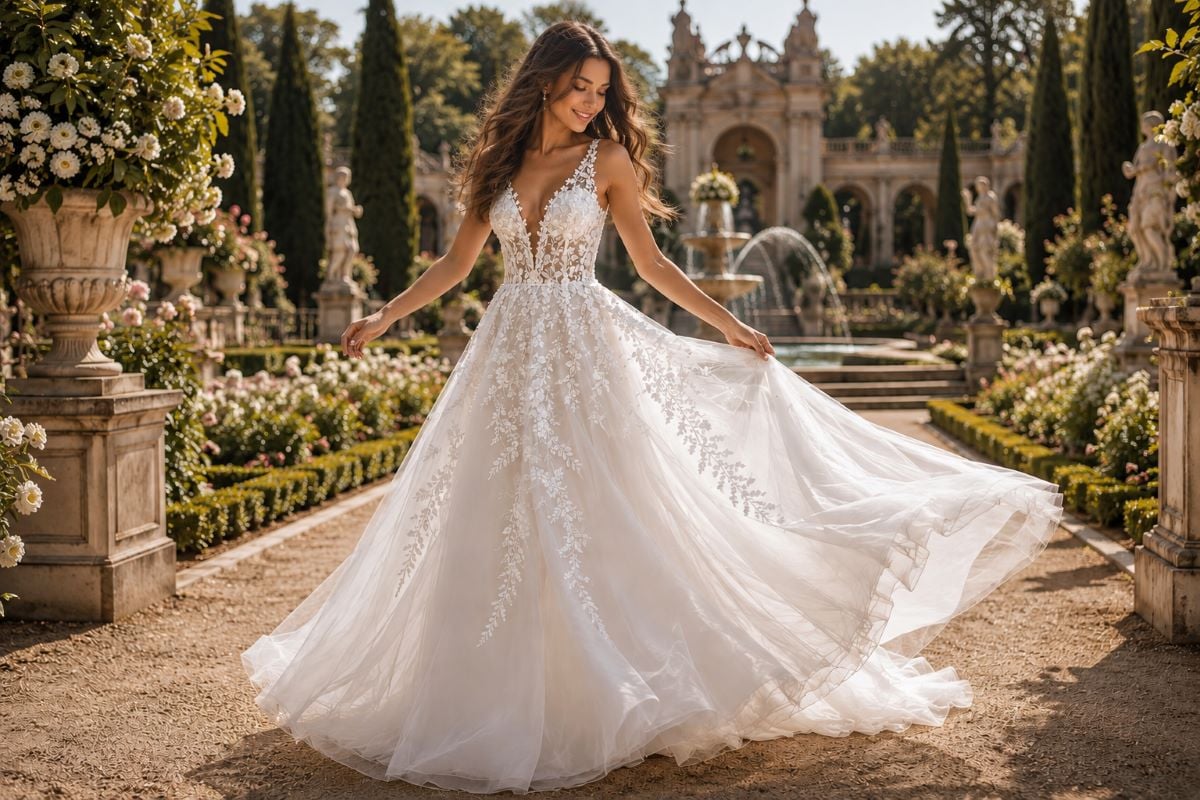
The A-line lends itself naturally to a modest look, which is part of its broad appeal. Because the silhouette is already balanced and forgiving, it pairs easily with a higher neckline, sleeves, and more coverage while remaining flattering and elegant. An A-line with long lace sleeves and a covered neckline reads as romantic and modest at once, suiting a religious ceremony or a bride who prefers coverage.
This makes the A-line a reliable choice for a modest bride, since the shape does not depend on revealing the figure to flatter it. The defined waist and skimming skirt flatter regardless of how much coverage the neckline and sleeves provide, so modesty and elegance work together rather than as a trade-off. For a bride who wants both a flattering silhouette and comfortable coverage, the A-line delivers both naturally, which is part of why it suits such a wide range of brides and weddings.
A-line compared to other silhouettes
Understanding how the A-line compares to other shapes helps confirm whether it is right for you. Against a ball gown, the A-line is less voluminous and more comfortable, offering a flattering flare without the dramatic, princess-like volume of a full skirt. If you want maximum drama and a grand entrance, a ball gown delivers that, and the range of ball gown wedding dresses shows how the fuller silhouette reads.
Against a mermaid, the A-line is more forgiving and easier to move in, skimming the body rather than tracing it closely. If you want to showcase your curves with a body-conscious shape, a mermaid does that, and the range of mermaid wedding gowns shows the sculpted alternative. The A-line sits comfortably between these extremes, which is part of why it suits so many brides.
For a shorter, more relaxed take on a flattering shape, the styles among short wedding dresses show how a similar balance reads at a shorter length. A shorter A-line keeps the defined waist and gentle flare while suiting a casual, daytime, or second-look moment, which makes the silhouette adaptable even in length.
Styling an A-line gown
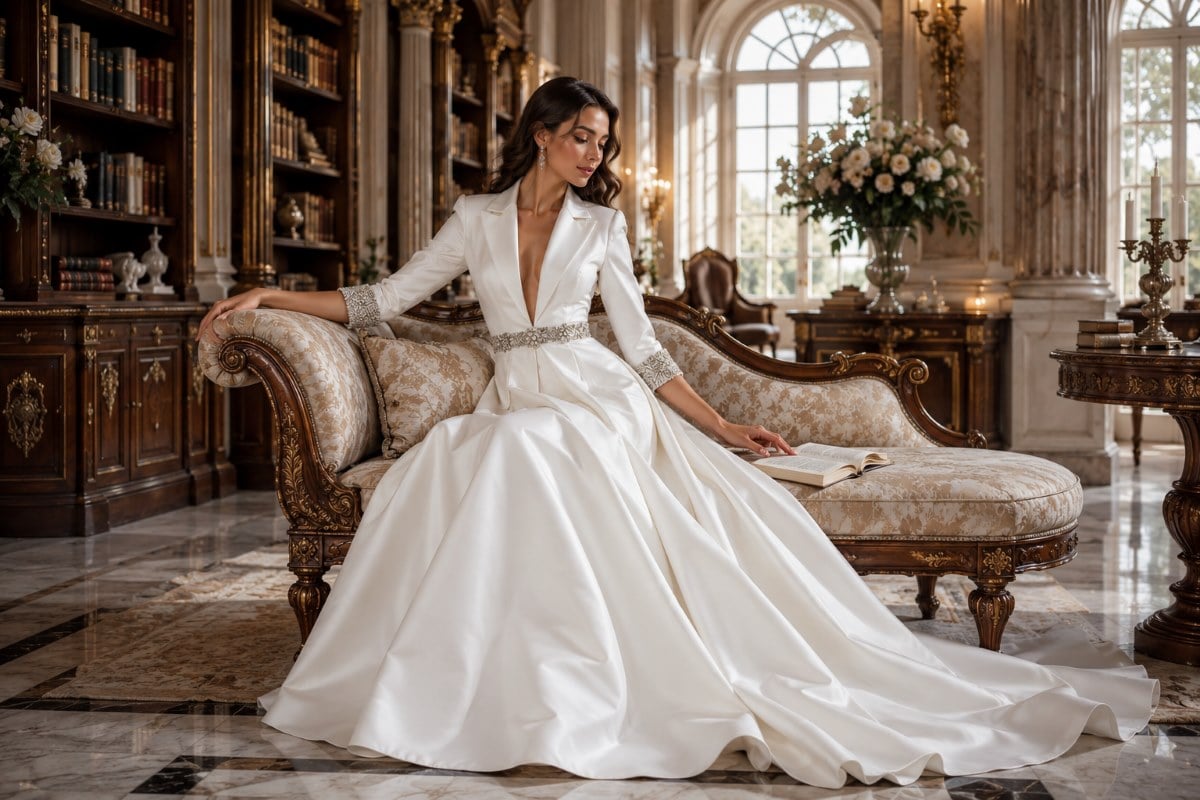
Because the A-line is a balanced, classic silhouette, it gives you freedom in styling, which can lean romantic, modern, or traditional depending on the gown. The neckline guides the jewelry, with a bare neckline inviting a pendant and a detailed or covered one pairing better with earrings. A heavily detailed A-line, whether lace or beaded, is best styled simply, while a clean A-line in a smooth fabric leaves room for bolder accessories.
The veil and hair should harmonize with the gown’s character, with a romantic A-line suiting soft waves and a lace-edged veil, and a modern A-line suiting a sleek style and a simple veil. The principle is to let the gown’s mood lead and choose accessories that complete it. Because the A-line is so versatile, the styling is where much of the personality comes through, so it is worth choosing accessories that reflect the look you want, from understated to romantic.
A note on quality
Even a simple A-line depends on construction, because the defined waist and clean flare rely on a well-built bodice and quality fabric to read as elegant rather than ordinary. Jovani has designed formalwear since 1983, working from a studio in the New York garment district under design director Julie DuRocher, and the brand builds its gowns with steel boning, smooth linings, and quality fabrics that hold the A-line’s shape and let the silhouette read as refined. For a bride choosing an A-line, that attention to how the bodice is structured and the fabric falls is what keeps even a classic shape looking polished and intentional.
Frequently asked questions
Why is the A-line the most popular wedding dress silhouette?
The A-line flatters nearly every figure because its fitted bodice highlights the waist and its skirt flares gradually, skimming over the hips and thighs rather than clinging. This creates a balanced, graceful line that suits a wide range of body types. It also reads as elegant without being overly formal, moves comfortably, and adapts to almost any wedding. That combination of broad flattery, versatility, and comfort is why the A-line remains a perennial favorite in bridal fashion.
What body types does an A-line wedding dress suit?
The A-line suits nearly every body type, which is part of its appeal. It creates an hourglass impression on pear, straight, and curvier figures alike by defining the waist and skimming the lower body. For a pear shape, it skims the hips gracefully. For a straight figure, the defined waist and flare create the appearance of curves. For a curvier bride, it flatters while offering comfort. This broad flattery makes it a reassuring choice, especially for a bride unsure what suits her, since it is one of the few silhouettes that works without demanding a particular figure to begin with.
Is an A-line wedding dress formal or casual?
It can be either, which is one of its strengths. In a structured fabric with a longer train and refined detail, an A-line reads as formal and suits a cathedral or ballroom. In a soft fabric with a simpler skirt, it reads as relaxed and suits a garden, beach, or daytime wedding. The same fundamental shape adapts across the spectrum, so matching the fabric and details to your wedding’s formality lets the A-line read exactly as dressy or relaxed as the occasion calls for.
What is the difference between an A-line and a ball gown?
Both have fitted bodices and flared skirts, but they differ in volume. An A-line flares gradually from the waist into a moderate, graceful skirt that skims the body, reading as flattering and comfortable. A ball gown has a much fuller, more dramatic skirt that creates a princess-like volume. If you want a grand, dramatic entrance, a ball gown delivers that. If you want a flattering flare with more comfort and ease of movement, the A-line is the better choice.
Is an A-line good for a modest wedding dress?
Yes, the A-line lends itself naturally to a modest look. Because the silhouette is already balanced and forgiving, it pairs easily with a higher neckline, sleeves, and more coverage while remaining flattering. An A-line with long lace sleeves and a covered neckline reads as romantic and modest at once. The shape does not depend on revealing the figure to flatter it, so modesty and elegance work together, making the A-line a reliable choice for a modest bride. This is part of why it is such a common choice for religious ceremonies, where coverage requirements and a flattering line both matter.
Is an A-line comfortable to wear all day?
Very, which is part of why it is so popular. Because the skirt skims rather than clings and flares away from the body below the waist, it allows easy movement for walking, sitting, and dancing, without the shorter steps a mermaid requires or the management a ball gown demands. A bride in an A-line can sit comfortably for dinner, move through a crowded reception, and dance without fighting the skirt, which makes it a practical choice for a long wedding day. For an outdoor or destination wedding in particular, that ease of movement over grass, sand, or uneven ground is a real advantage.
Finding your dress
An A-line wedding dress offers the most reliably flattering shape in bridal fashion, defining the waist and skimming the body in a line that suits nearly every figure while adapting to almost any wedding. With a fabric that sets the mood, a neckline that flatters your upper body, and details matched to your wedding’s formality, the A-line becomes a graceful, comfortable, and versatile choice. When you are ready to find the right one, explore the collection of wedding gowns and visit an authorized Jovani retailer to try A-line styles in person. Trying the shape on in different fabrics and necklines is the surest way to see how versatile it really is, since the same silhouette can feel romantic, modern, or relaxed depending on the details you choose.