
How a Corset Wedding Dress Works: Boning, Lacing and Fit
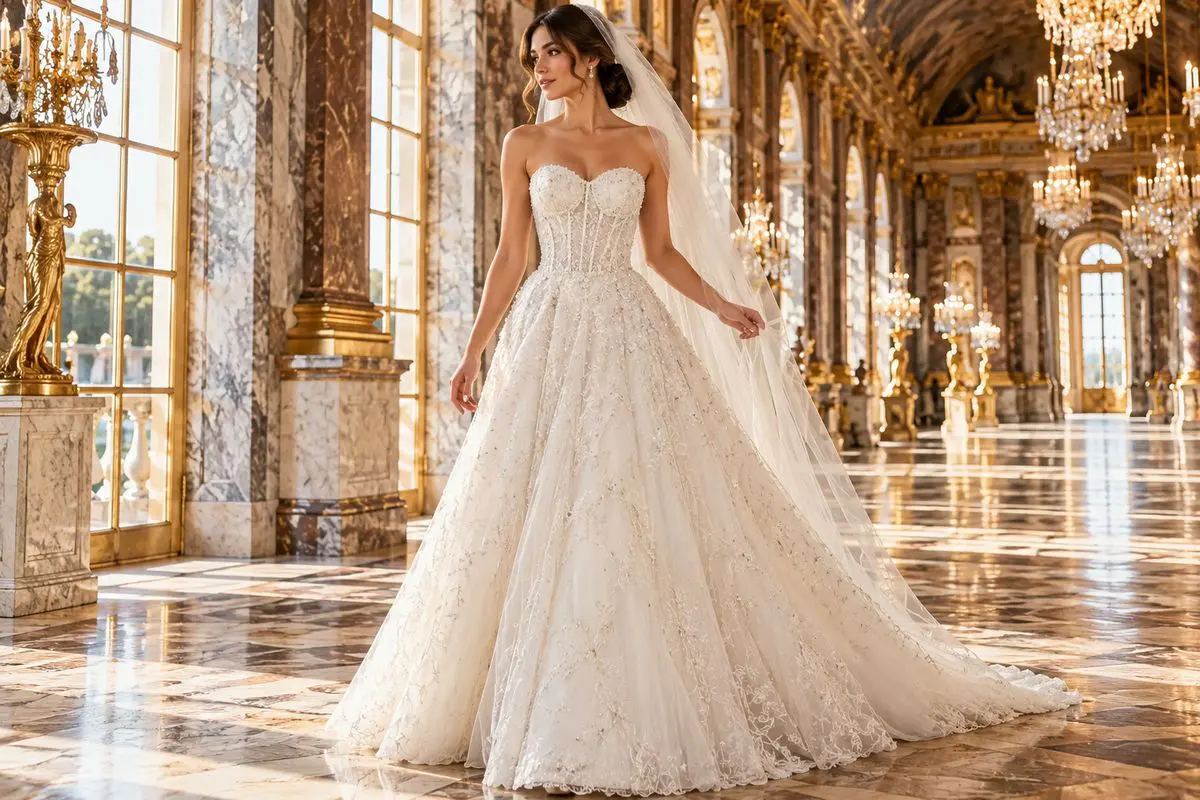
A corset wedding dress works by shaping the torso with fitted panels and internal reinforcement. Boning helps the bodice keep its shape, while closures secure the fit. Some gowns also use cups and an internal waist stay. Together, these elements can stabilize the dress without requiring painful tightening.
The word corset does not guarantee one construction method. Compare actual Wedding Dresses by examining the inside of the bodice and asking which parts provide support.
How Does a Corset Wedding Dress Work?
A wedding dress corset creates a close, stable fit around the torso rather than relying on the neckline alone. The fabric panels follow the body, reinforcement resists folding, and a closure keeps the fitted sections aligned. What matters is the combined construction, not visible seams by themselves.
Some wedding gowns display decorative corset seams but contain little internal reinforcement. Others hide a structured foundation beneath smooth fabric. Jovani’s Wedding Dresses 101 introduces bridal silhouettes; here, the focus is how the upper gown supports itself.
What Boning and Shaped Panels Actually Do
Boning consists of narrow supports placed inside channels or seams. It helps the bodice stay upright and limits unwanted creasing. The amount, flexibility, and placement vary, so a firm appearance cannot prove that one gown provides greater support.
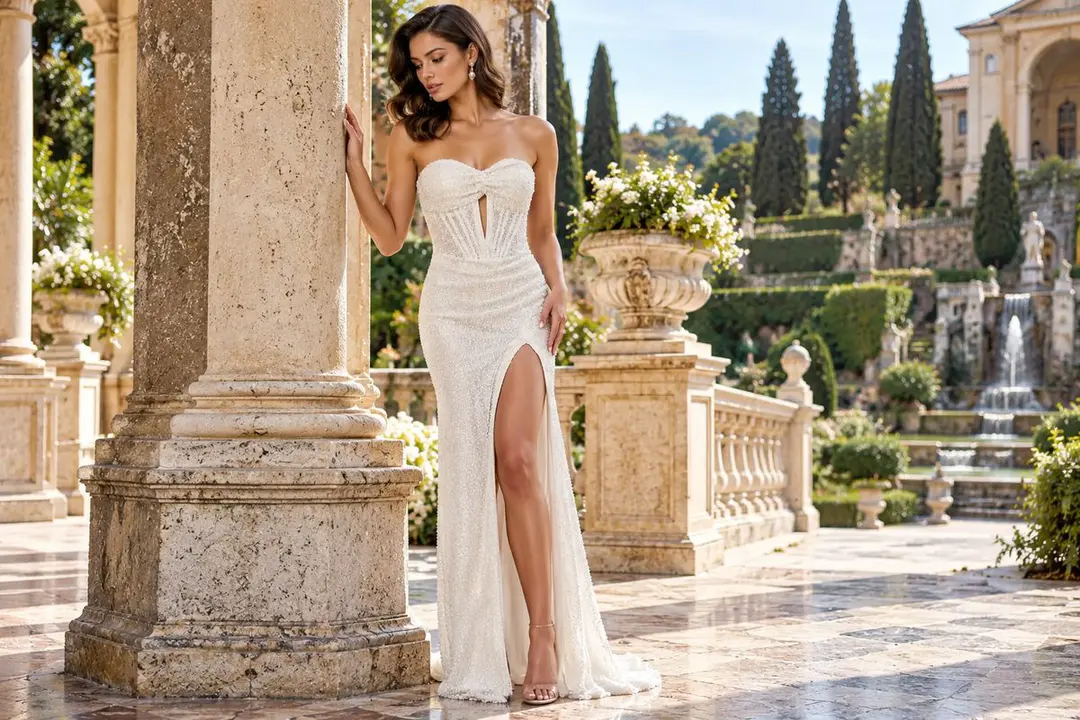
Boning supports the fabric, not an incorrect size
Boning works with carefully shaped panels to follow the ribs and waist. It should resist collapsing without pressing sharply into the body. If the bones push into the bust or hips, ask the fitter to inspect their position and the bodice length.
This matters especially for Strapless Wedding Dresses, because the bodice cannot depend on shoulder straps for added stability. A lace-up appearance alone cannot tell you how much internal reinforcement the gown contains.
Outer seams and inner channels are not the same
Princess seams shape fabric over the bust and waist, while boning channels hold structural pieces. A seam can be visible without containing a bone. Ask the retailer to show the interior, especially when sheer fabric exposes the outer corset lines.
How Cups and a Waist Stay Add Support
Cups shape the bust, while a waist stay can help secure the gown at the waist. Neither component appears in every corset wedding dress. Correct placement matters more than the presence of either feature.
Cups need the right shape and position
A built-in cup should follow the bust without leaving a hollow space or pushing tissue above the neckline. A cup that looks smooth on a hanger may fit differently on the body. Compare lined and sheer bodices in Lace Wedding Dresses during an actual appointment.
A waist stay anchors some gown designs
A waist stay is a separate internal band fitted around the waist in some dresses. It can help stabilize the bodice and manage some of the skirt’s downward pull. The band should sit securely without digging into the ribs or preventing comfortable breathing.
A gown can still be supportive without a waist stay. For a broader explanation of seams, reinforcement, and lining, see Jovani’s wedding dress construction guide. The corset’s performance depends on how those elements fit together.
What Does Lacing Adjust and What Can It Not Fix?
Lacing changes tension across a closure, usually at the back of the bodice. It can fine-tune the fit within the garment’s intended range. It cannot correct misplaced cups, an unsuitable torso length, or a major mismatch in size.
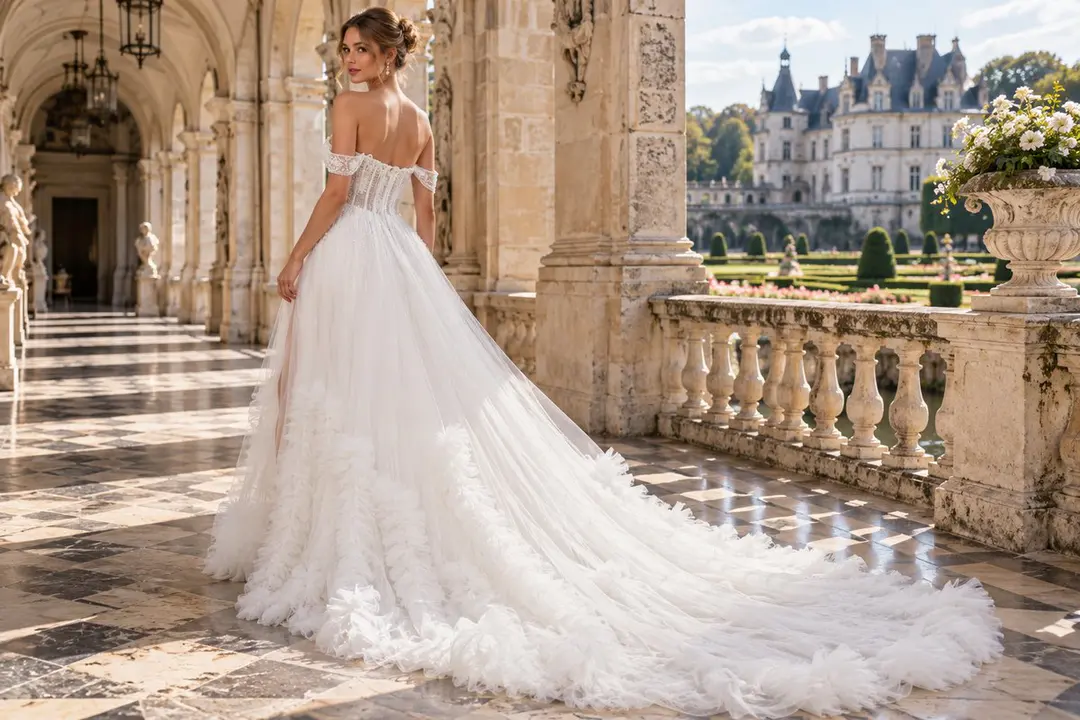
Lace-up backs and zipper backs behave differently
A lace-up closure permits gradual adjustment across its eyelets or loops. A zipper fastens at a set position, sometimes over a separate internal support layer. Either closure may appear on a corset-inspired bridal gown. Check the actual back rather than assuming corset means laces.
For example, Jovani style JB41159 lists a sheer corset back with a zipper, plus an embellished bodice. The design appears within Beaded Wedding Dresses. Its published details show why a corset look does not prove a lace-up closure.
Even tension matters more than maximum tightness
Ask the fitter to fasten the gown as intended, without forcing the waist smaller. Uneven lacing may create twisting or pressure points. You should still breathe normally and move your arms, especially when the dress includes structured cups or a fitted upper edge.
How Can You Test Corset Fit at a Bridal Appointment?
Test a corset wedding dress with every closure fastened and the undergarments you plan to wear. A supportive bodice should hold its intended position through ordinary movement. Focus on whether the structure stays aligned, not how firmly someone can tighten it.
- Sit and stand to check whether the boning presses into your waist or ribs.
- Take several steps and turn to see whether the bodice twists independently of the skirt.
- Raise your arms and breathe fully while checking the neckline and cup edges.
- Look from the side and back for gaps, strained closures, or a waist stay that rolls.
- Ask the alterations specialist whether any pressure point comes from size, cup shape, or torso length.
Compare the same checks across gowns, rather than deciding from a single photograph. Jovani’s wedding dress anatomy guide explains the different sections of a gown. The purpose here is to understand the corset’s specific fit and function.
Compare Real Jovani Corset Designs Without Guessing at Hidden Details
Jovani product pages can help you identify visible differences before a fitting. Style JB42766 has a strapless sweetheart neckline, lace detailing, an A-line silhouette, and a closed back. Style JB43119 lists a strapless sequin corset with a sheath silhouette and a sheer open back.
Style JB42771 pairs a corset silhouette with an open back, V-neck, lace, and a fitted skirt. This demonstrates that corset styling is not limited to strapless gowns. Compare the range of silhouettes in A-line Wedding Dresses alongside more fitted designs.
Published product specifications describe visible design features, not every internal component. Ask whether a specific sample has cups, boning, or a separate waist stay. Do not infer those features from the word corset in a product title.
Alterations and Common Fit Problems
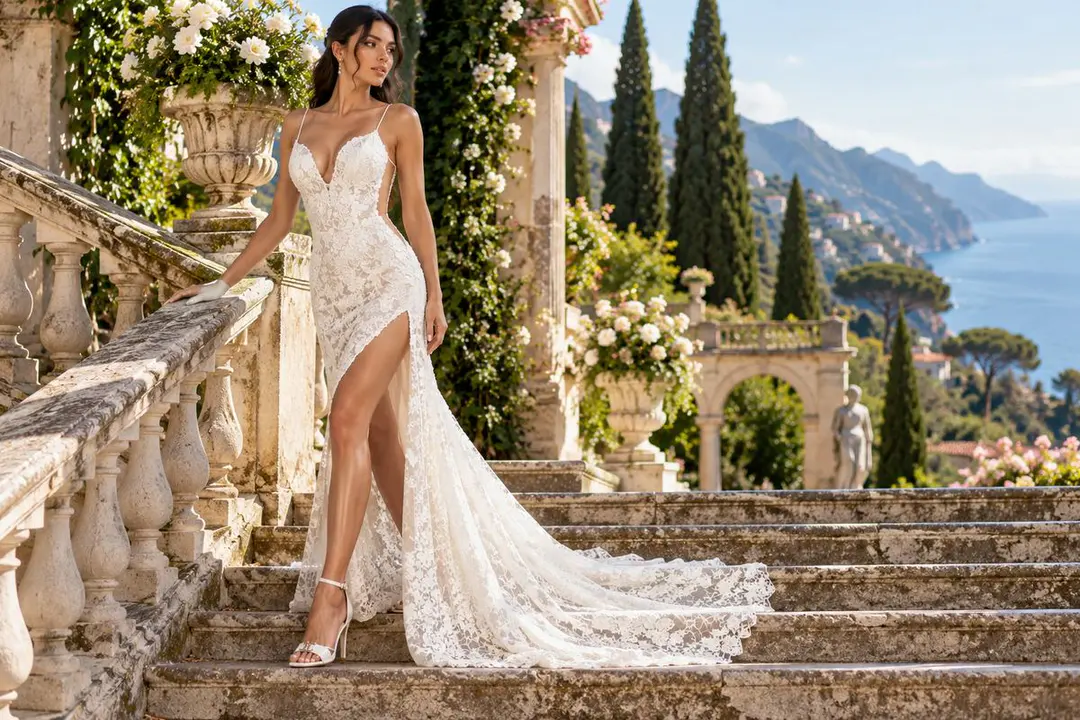
A skilled bridal alterations specialist may adjust the waist, cups, or closure, depending on the exact gown. Moving boning or rebuilding a sheer bodice can be more involved than adjusting a simple seam. Ask what changes are feasible before committing to a dress that needs extensive reconstruction.
If the entire bodice shifts, check the torso fit and closure first. If only the cup edge gaps, the bust shape may be the issue. Sharp pressure from one bone calls for a structural inspection rather than more tightening.
For a fitting that considers these details, use Jovani’s Find a Store page to locate an authorized retailer and discuss the gown’s support with the bridal team.
Frequently Asked Questions
Does a corset wedding dress have to lace up at the back?
No. A corset wedding dress may use a zipper, lacing, or another closure. The label describes its shaping approach, but the fastening system depends on the specific gown. Check the back and internal layers during a fitting.
Can a corset wedding dress work without built-in cups?
Yes. Some corset gowns use shaped panels and other support instead of attached cups. The right choice depends on the garment and your preferred undergarments. Test bust stability with the gown properly fastened.
Is a waist stay included in every corset bridal gown?
No. A waist stay is an optional internal band, not a universal feature. Ask the retailer to show where it sits if the chosen gown includes one. A good fit remains necessary either way.
Should a wedding dress corset feel tight while sitting?
Choose firm support without painful pressure or restricted breathing. Some resistance from a structured bodice is normal, but stabbing boning or pinching is not a fit goal. Ask an alterations specialist to inspect the problem before ordering.