
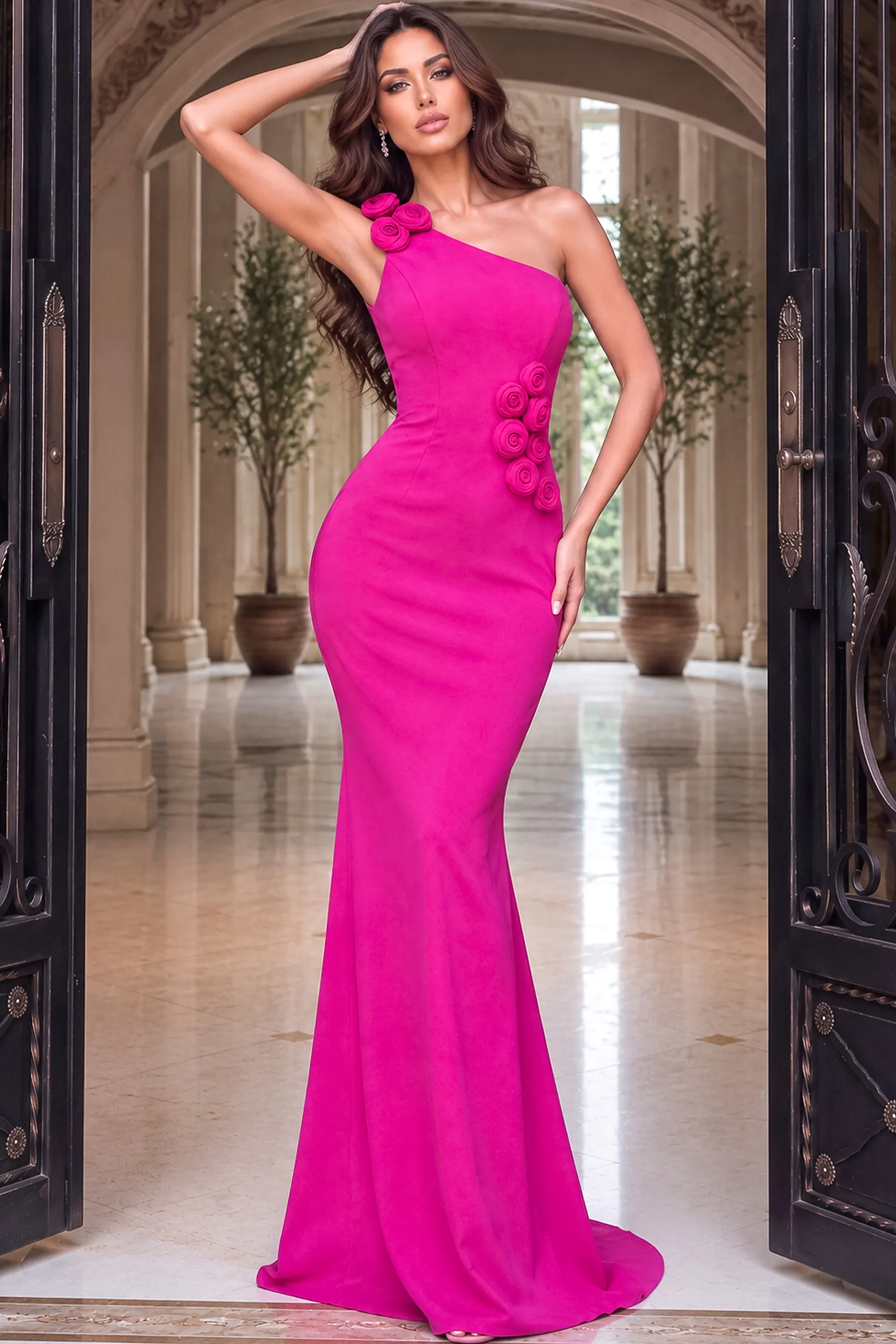
6 Colors
Crepe Wedding Guest Dresses
Crepe wedding guest dresses offer a polished option for weddings where clean lines and a refined finish matter. The fabric’s matte surface keeps the focus on silhouette, fit, and construction. A crepe wedding guest dress can feel sleek in a fitted column, softer in an A-line shape, or more defined with an asymmetric neckline, draped waist, or sculpted bodice. Stretch crepe adds ease to close-fitting styles, while denser weights give long skirts and structured shapes more control. Jovani uses precise seam placement, supportive bodices, and balanced proportions to keep the fabric smooth and comfortable from ceremony to reception.
Products
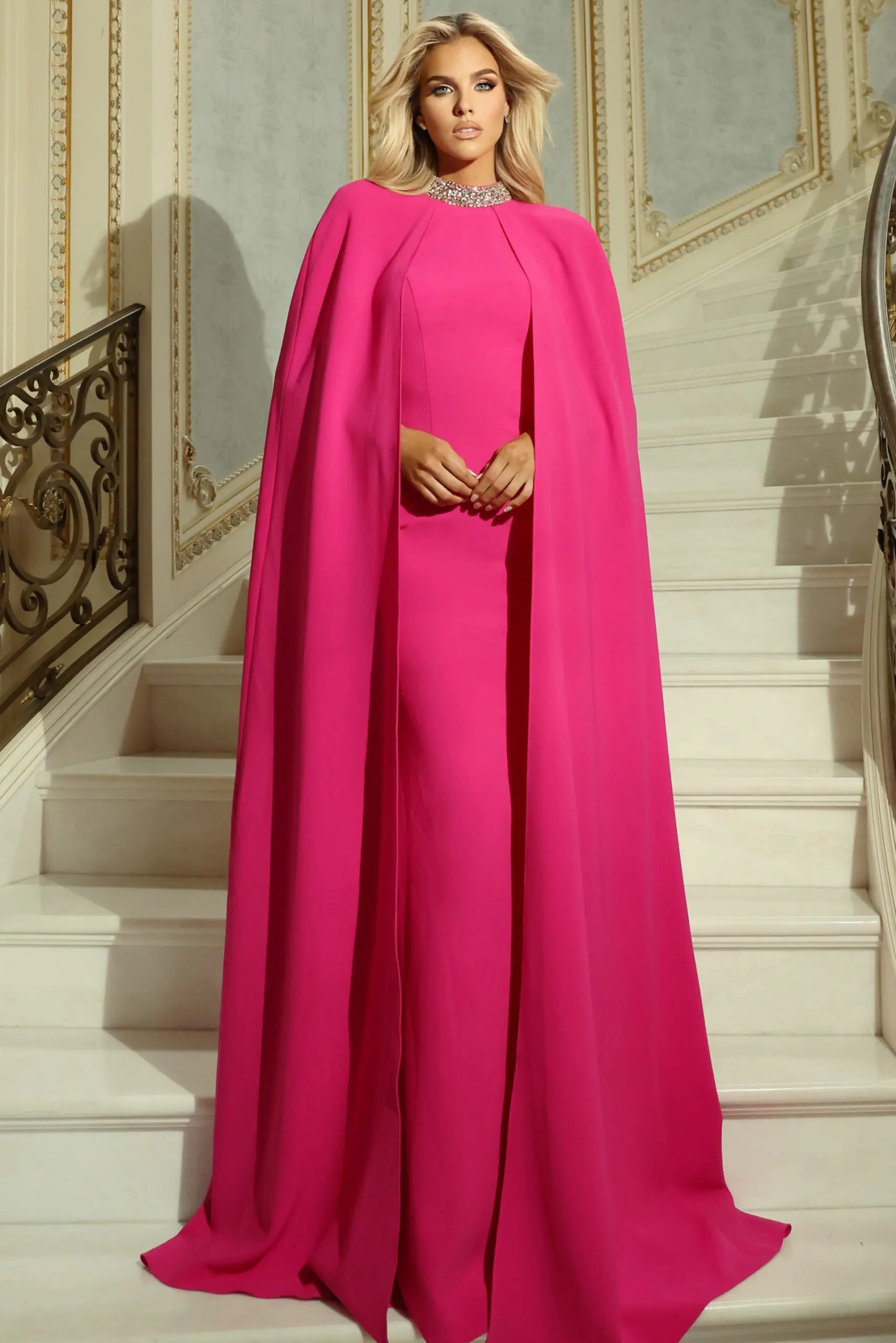
3 Colors
High Neck Cape Gown With Embellished Collar 46736
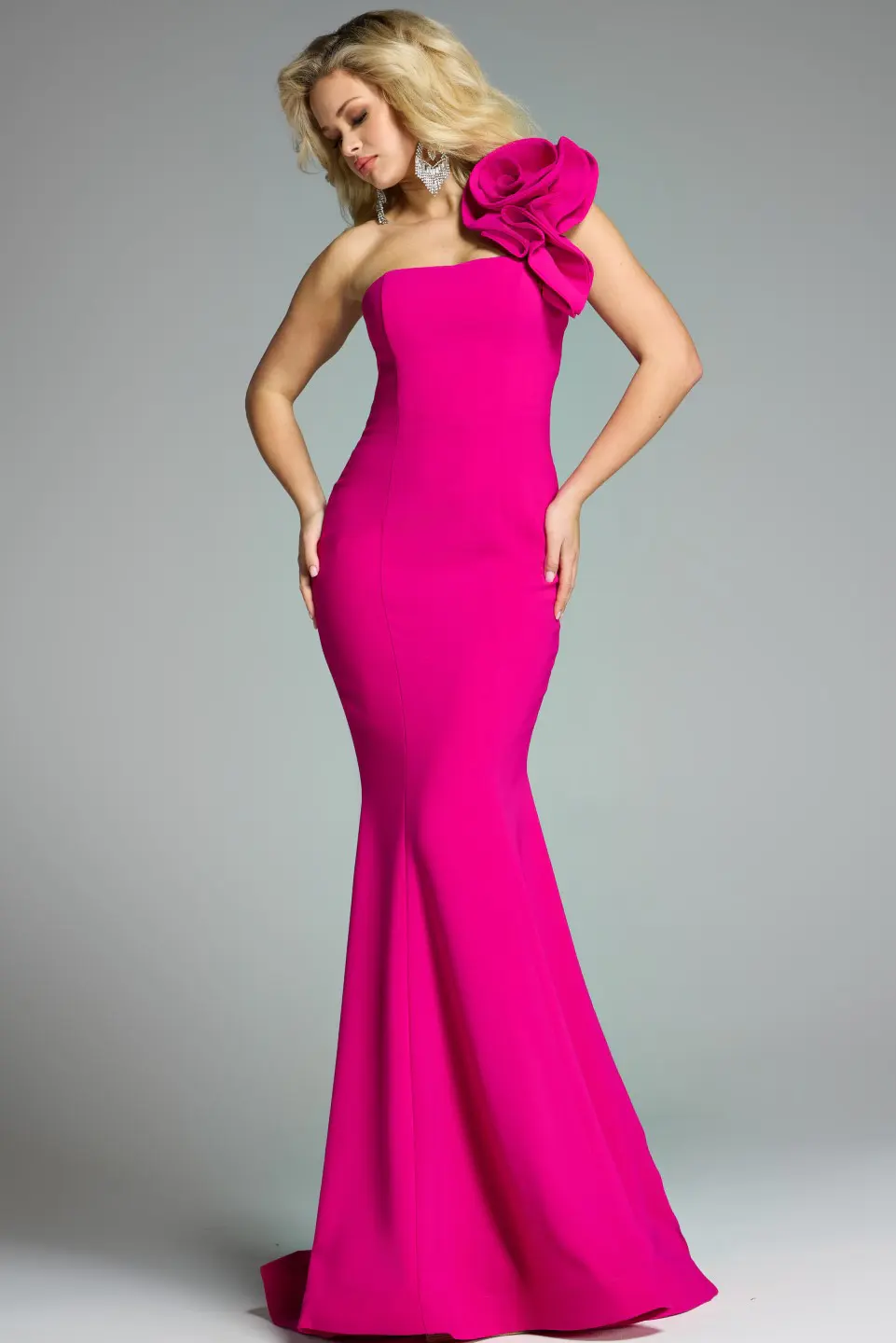
4 Colors
One-Shoulder Mermaid Gown with Floral Accent 44711
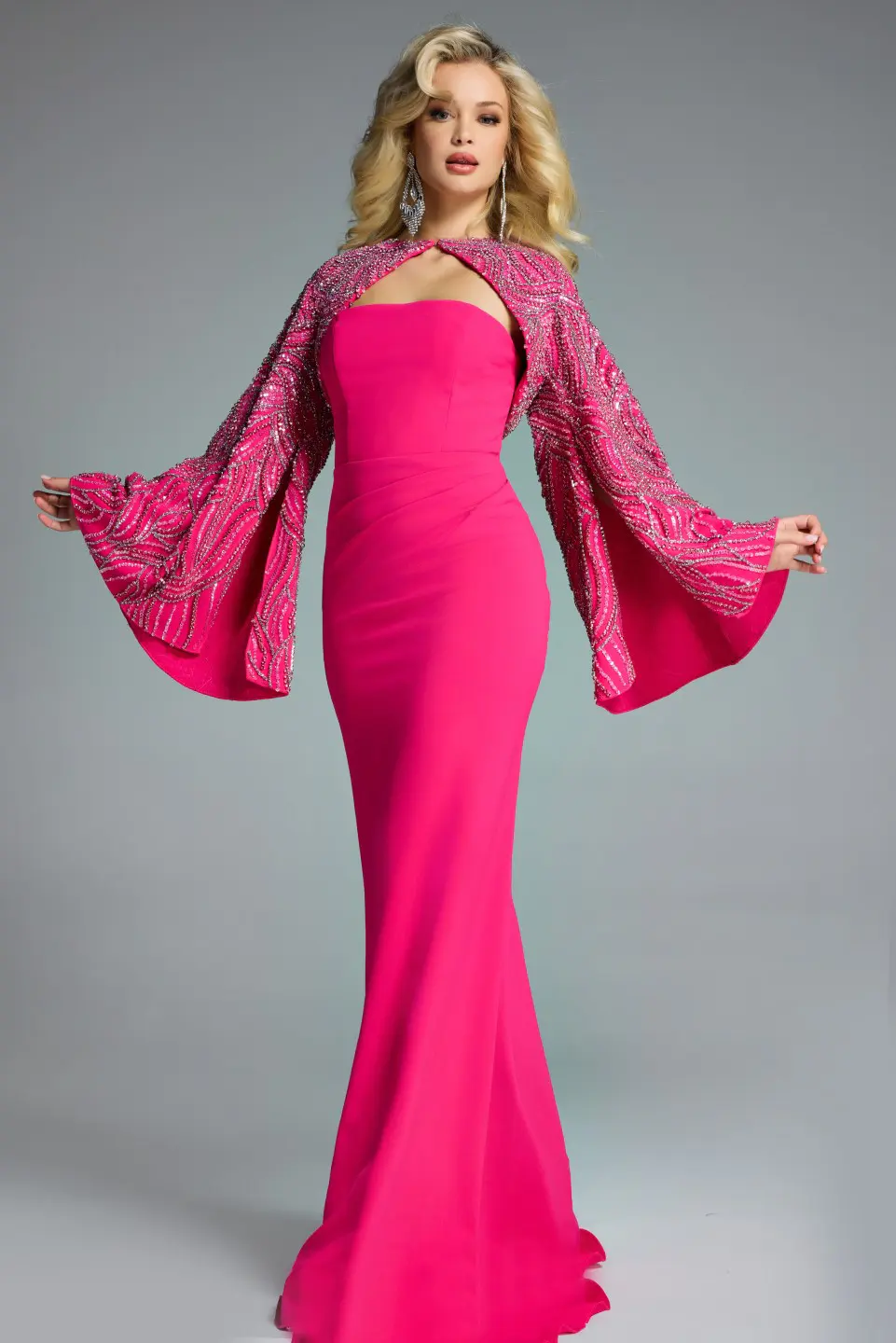
4 Colors
Strapless Column Gown with Beaded Cape 44254
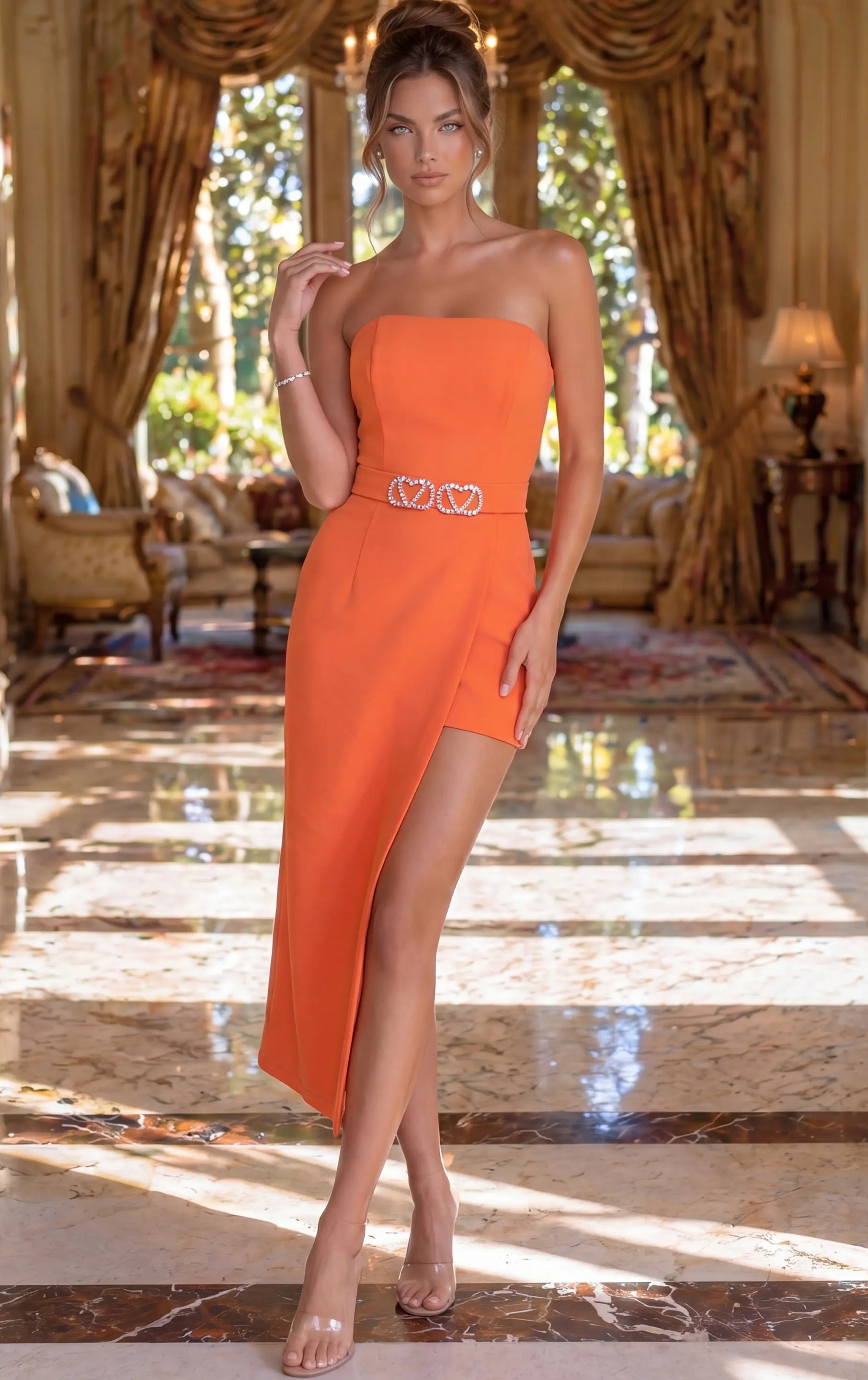
5 Colors
Strapless Orange Asymmetrical High Low Dress 48662
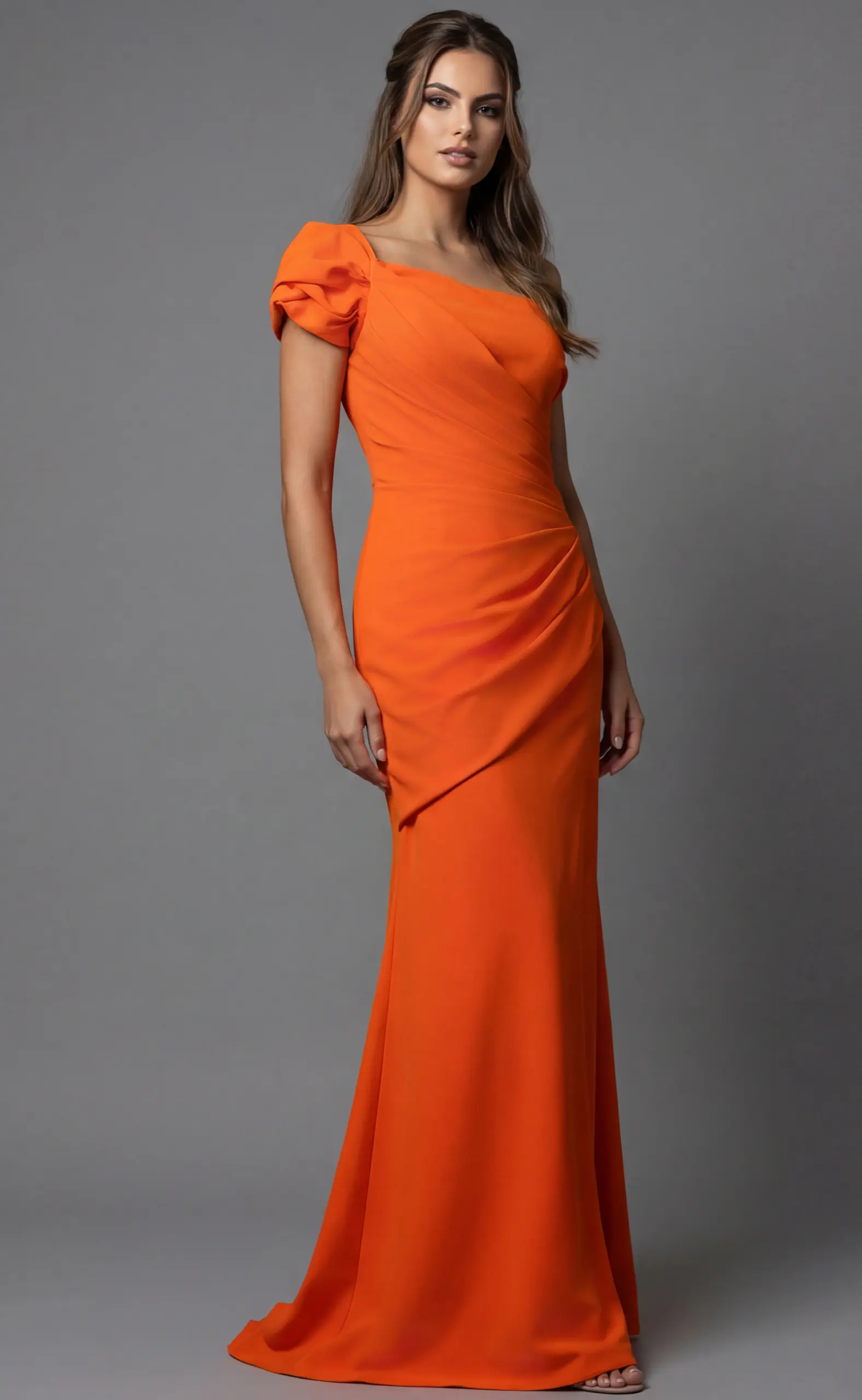
1 Colors
One Shoulder Draped Evening Gown With Soft Pleating 09961
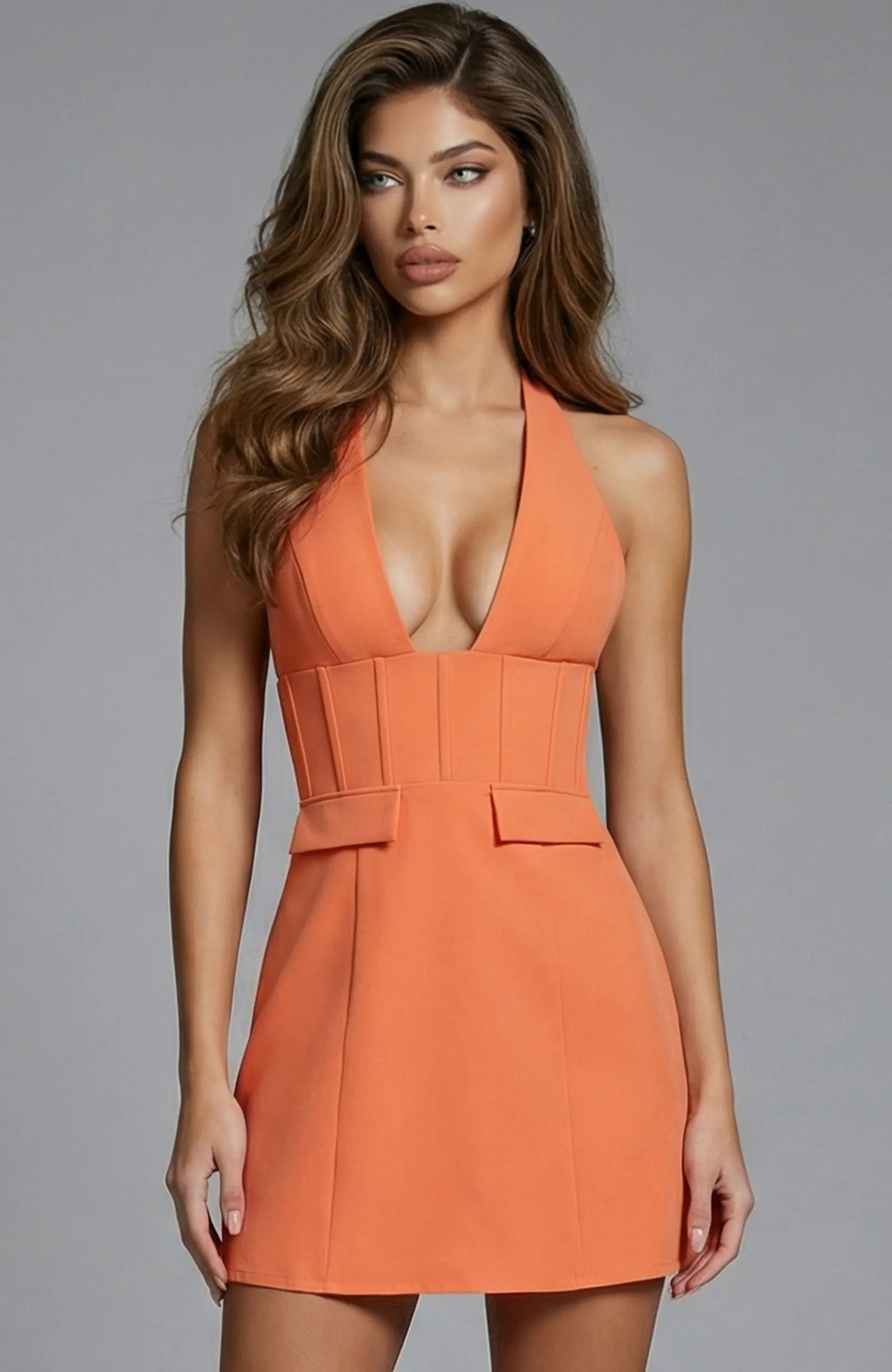
3 Colors
Halter Neck Corset Mini Dress With Structured Bodice 45957
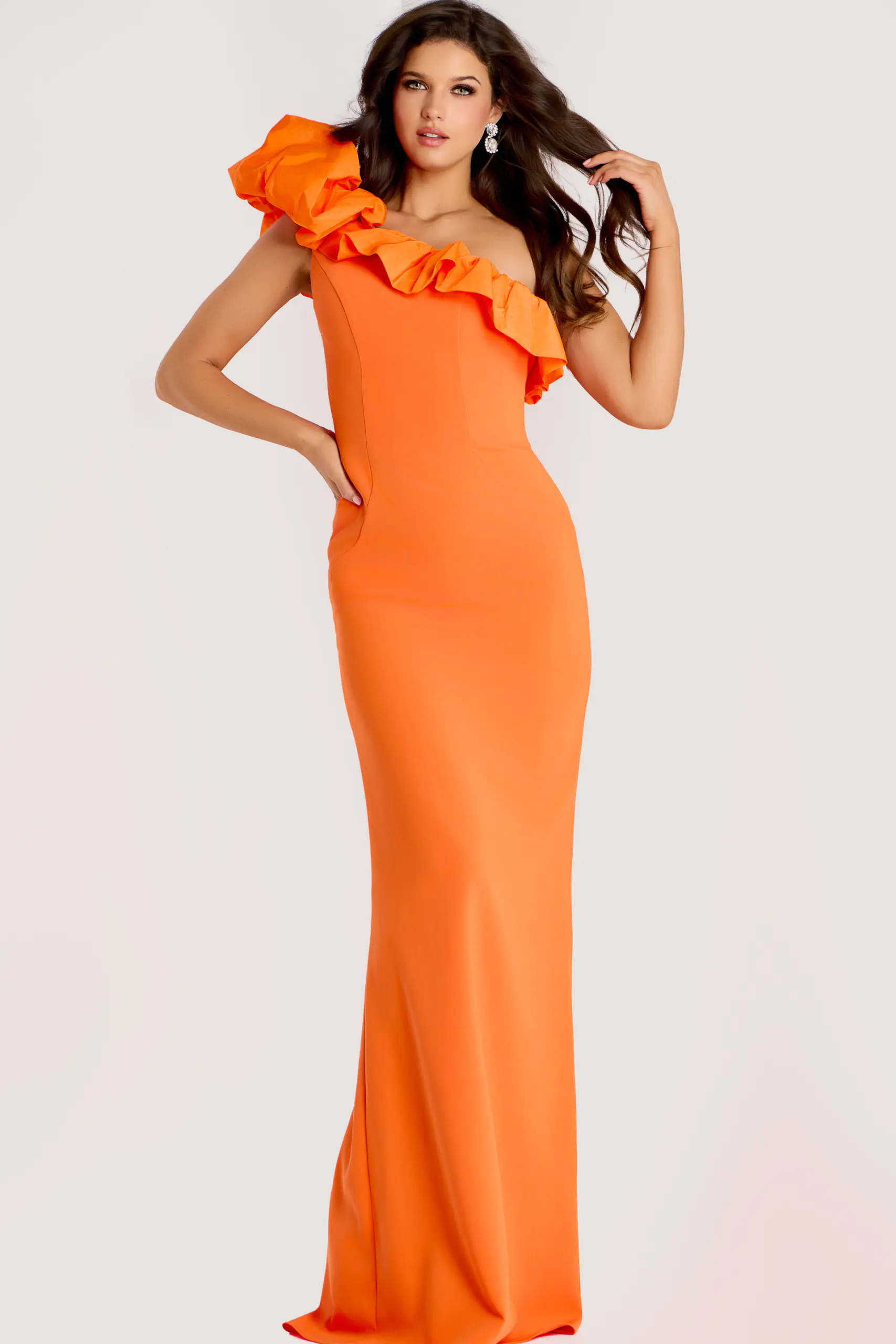
3 Colors
One Shoulder Ruffle Gown In Orange Satin 44157
2 Colors
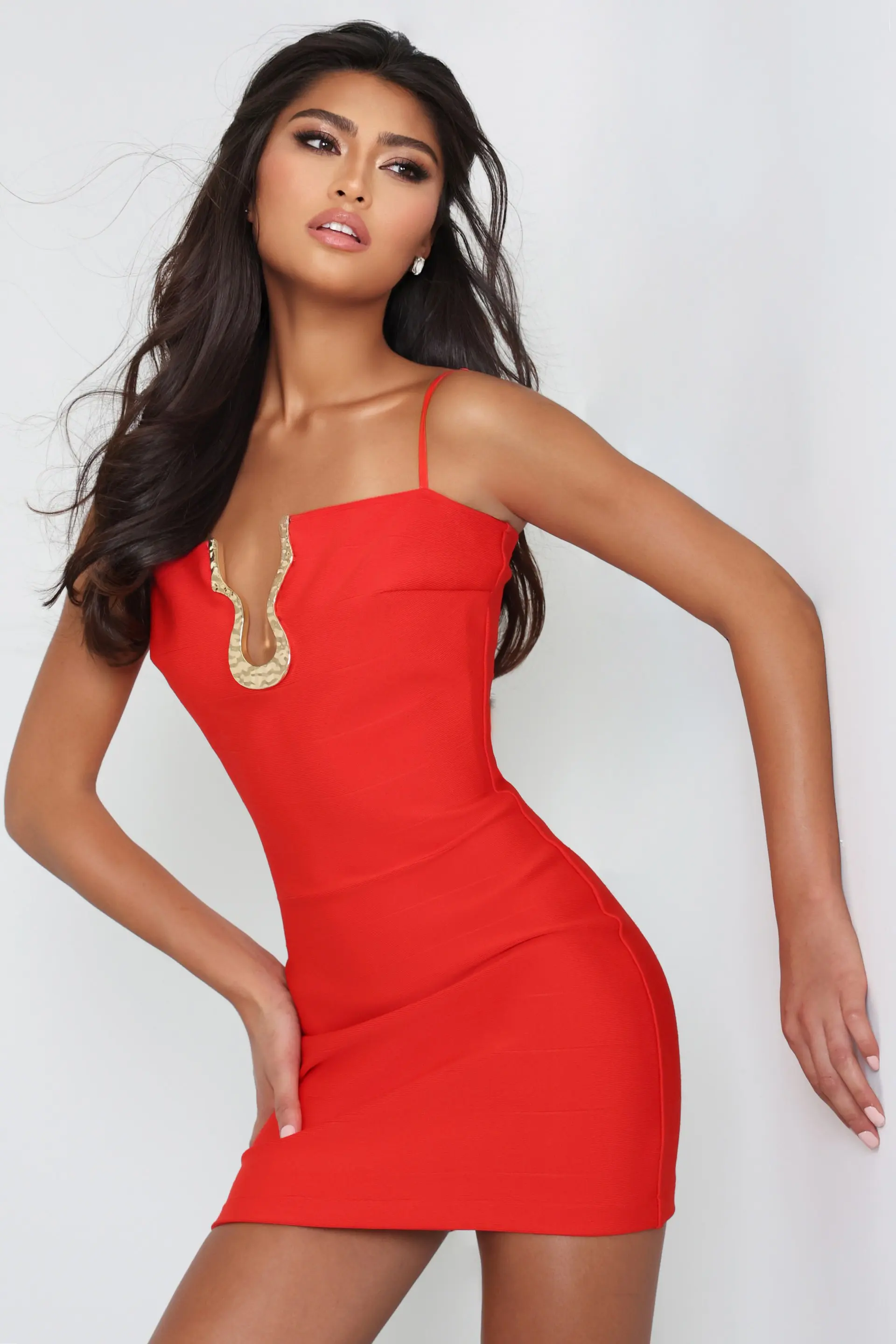
Red Embellished Notch Mini Dress 53435
2 Colors
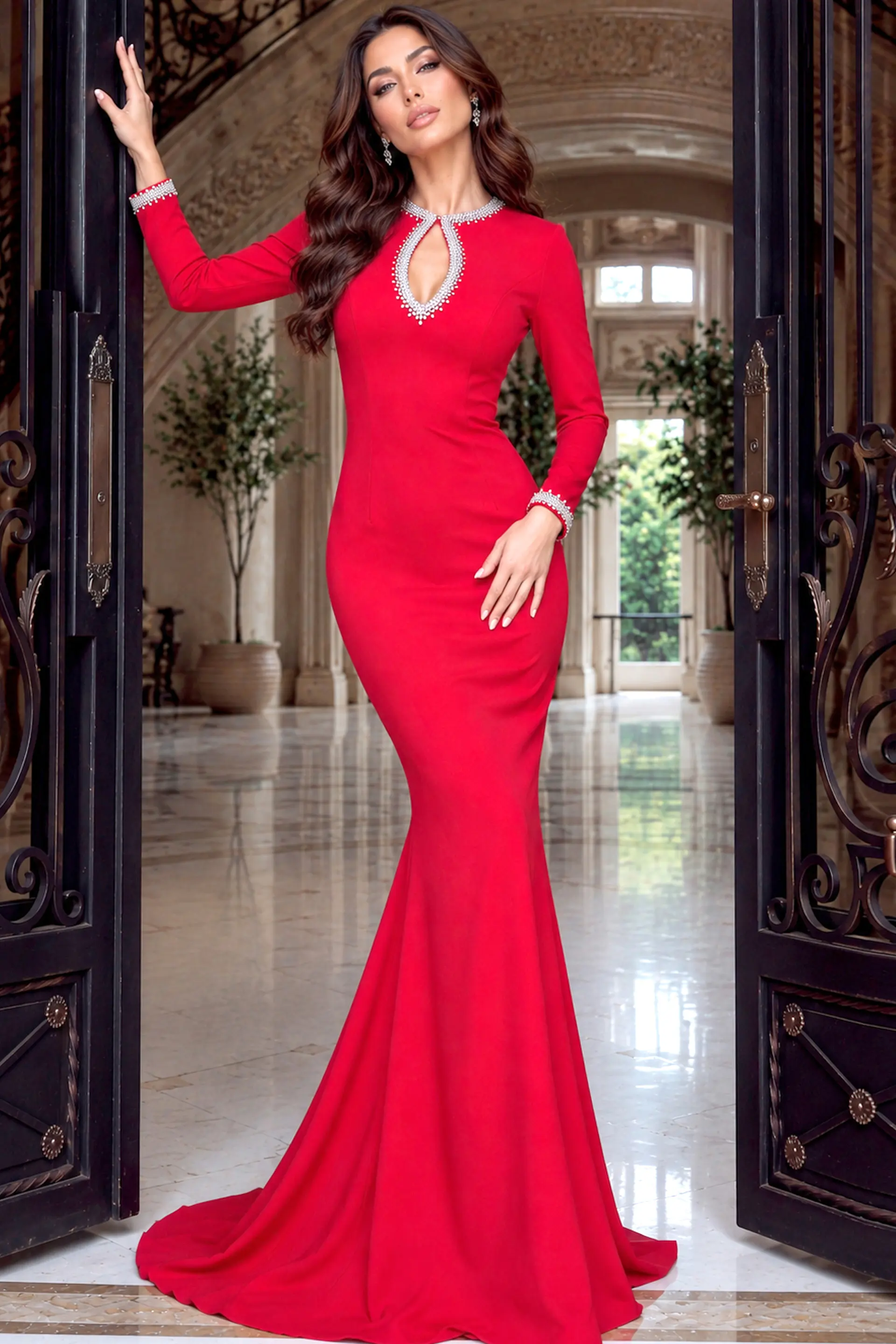
Long Sleeve Crystal Keyhole Crepe Mermaid Gown 53933

5 Colors
Bodycon Mini Dress with Structured Seams 48165
1 Colors
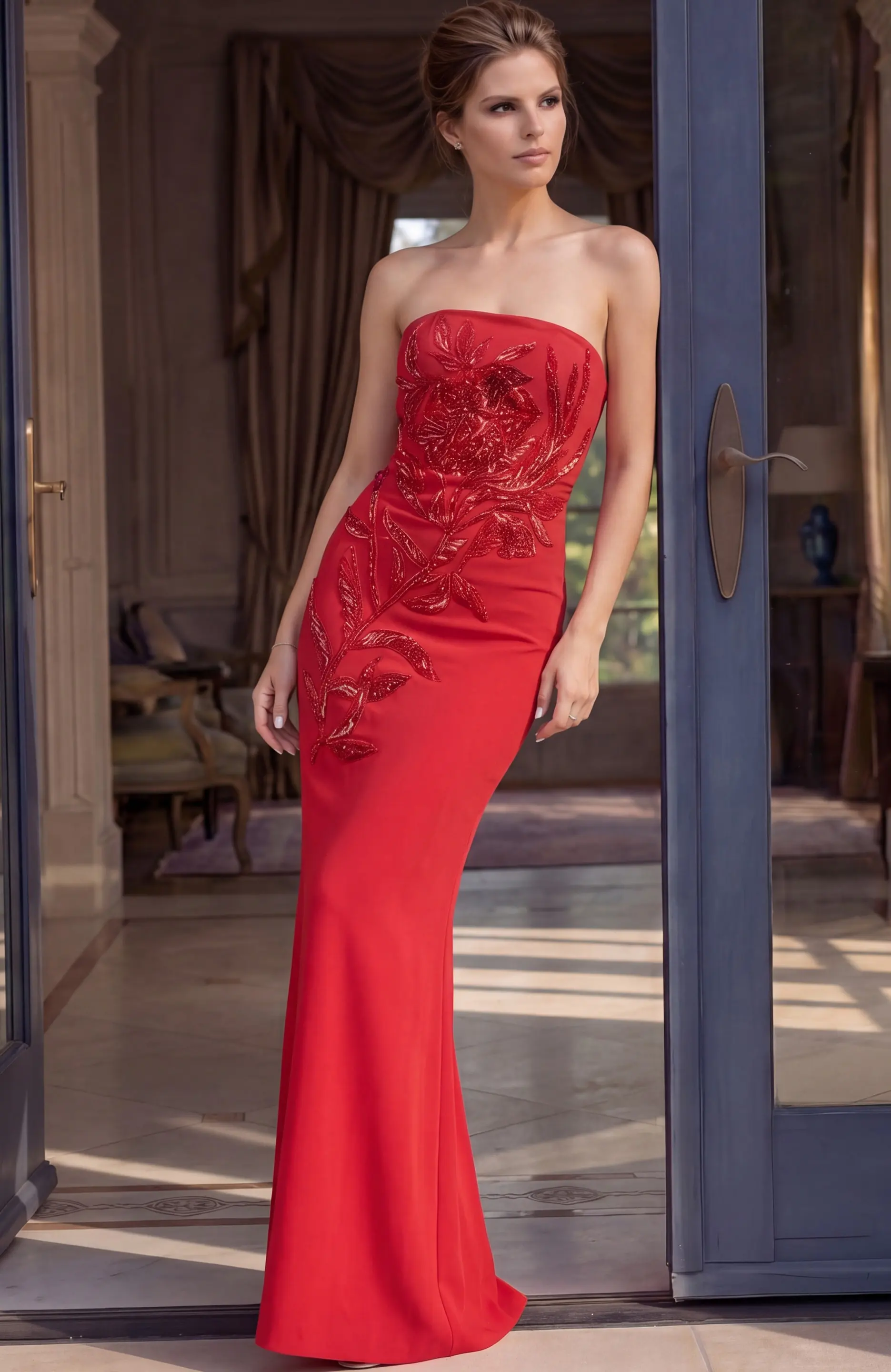
Floral Beaded Strapless Sheath Gown 48602
5 Colors
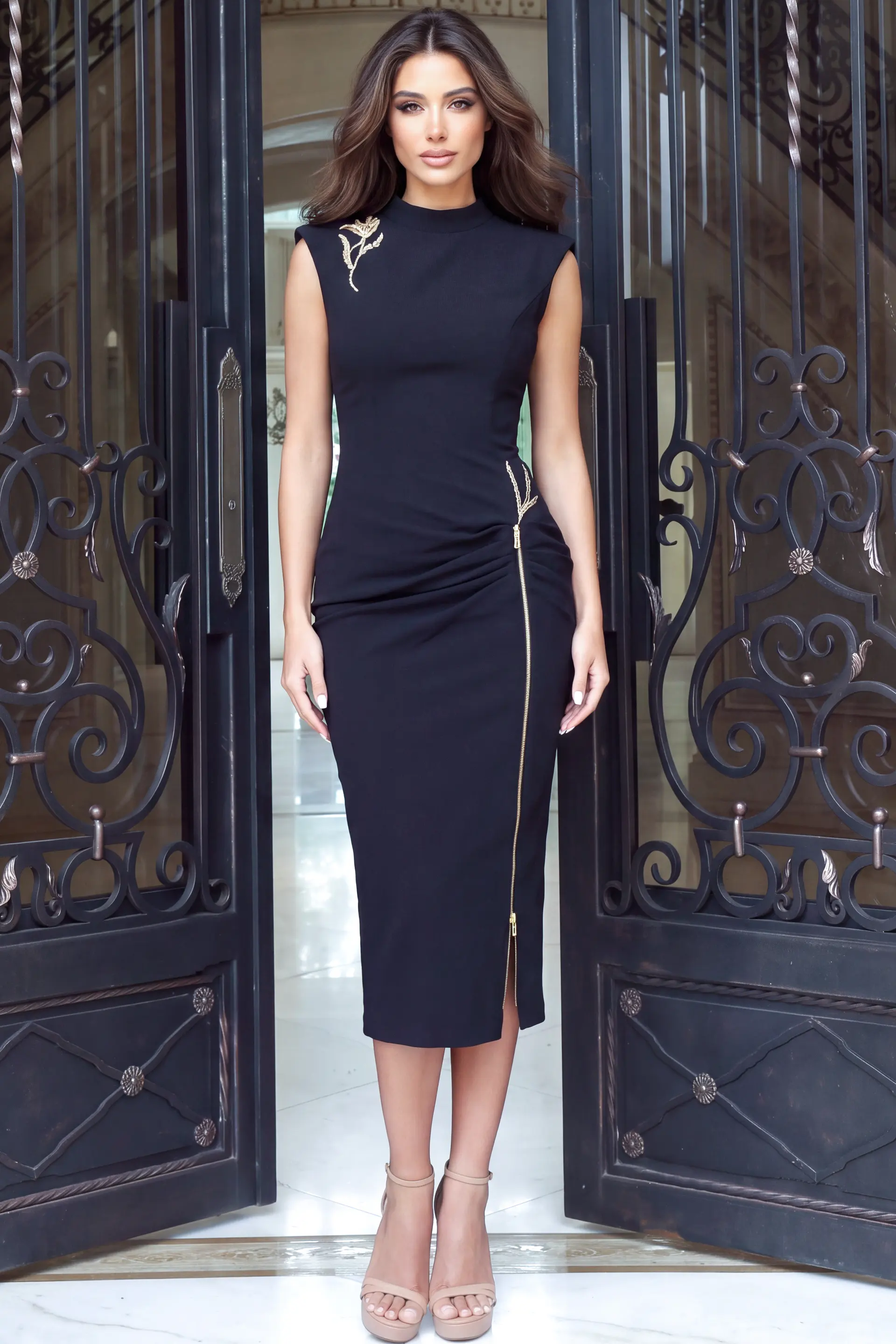
Black Midi Sheath Dress with Side Zipper 53730
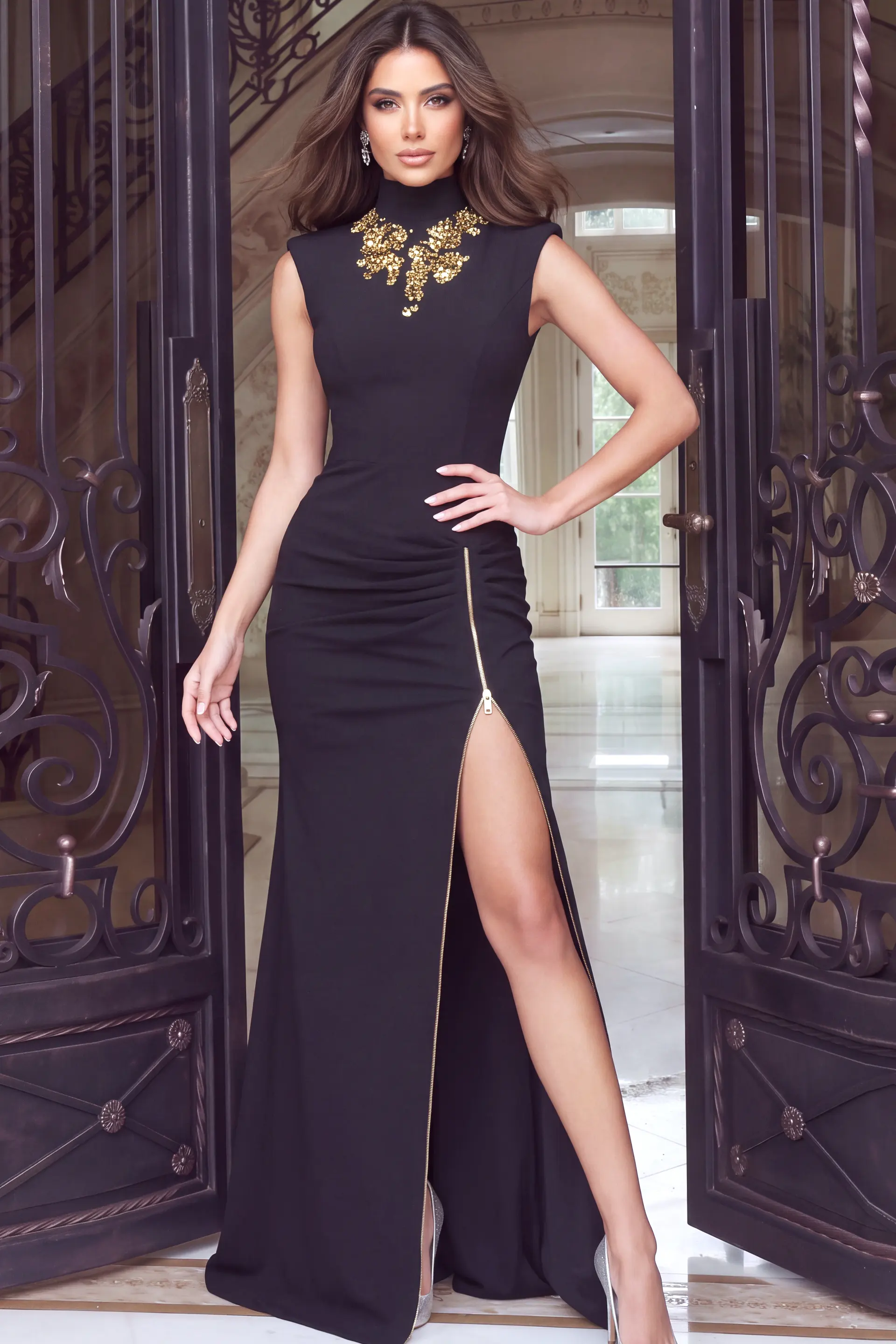
4 Colors
Cap Sleeve Mermaid Gown with Zip Front Slit 53729
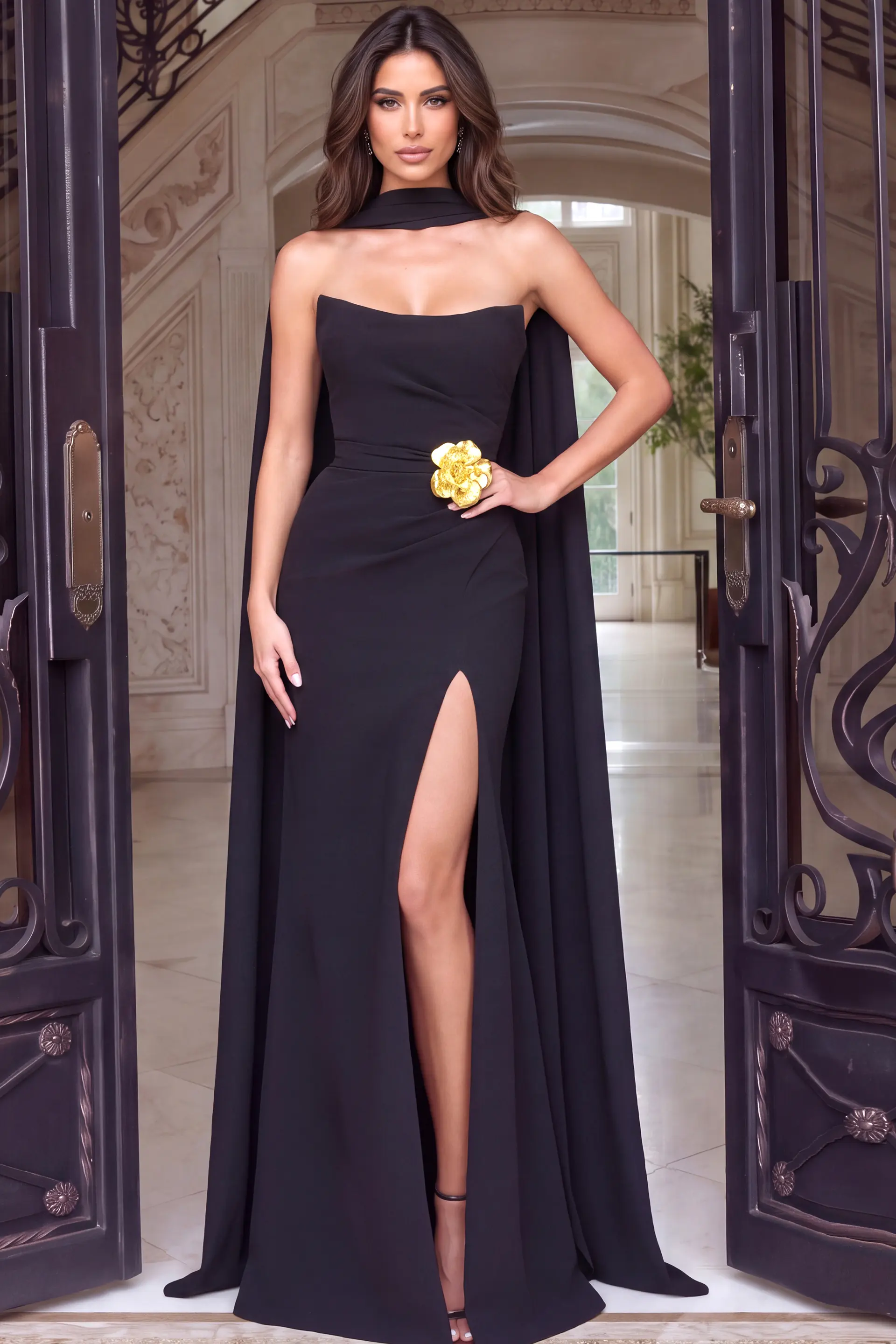
3 Colors
Strapless Crepe Gown with Rosette Belt 53517
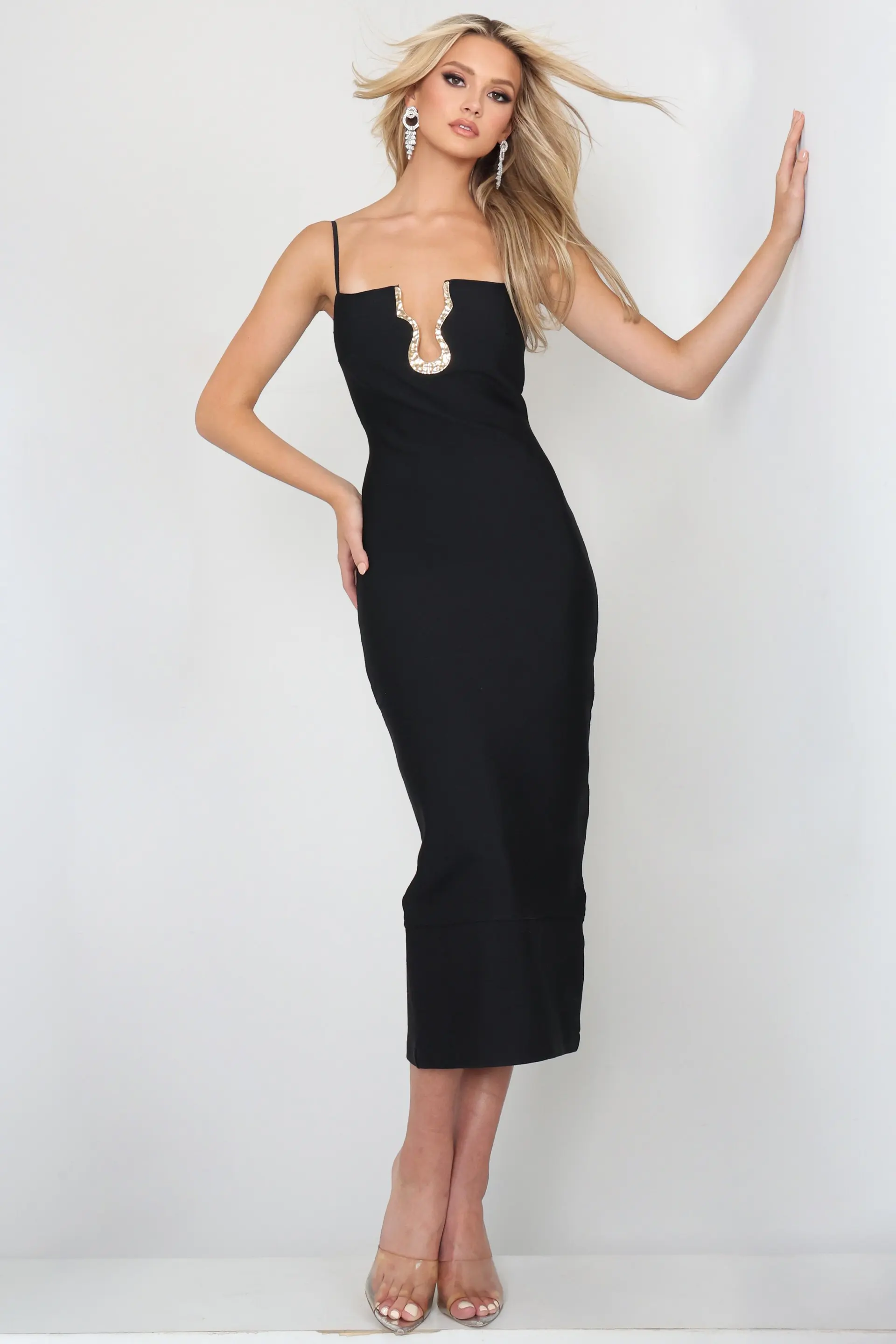
2 Colors
Bodycon Midi Dress with Gold Rhinestone Trim 53436
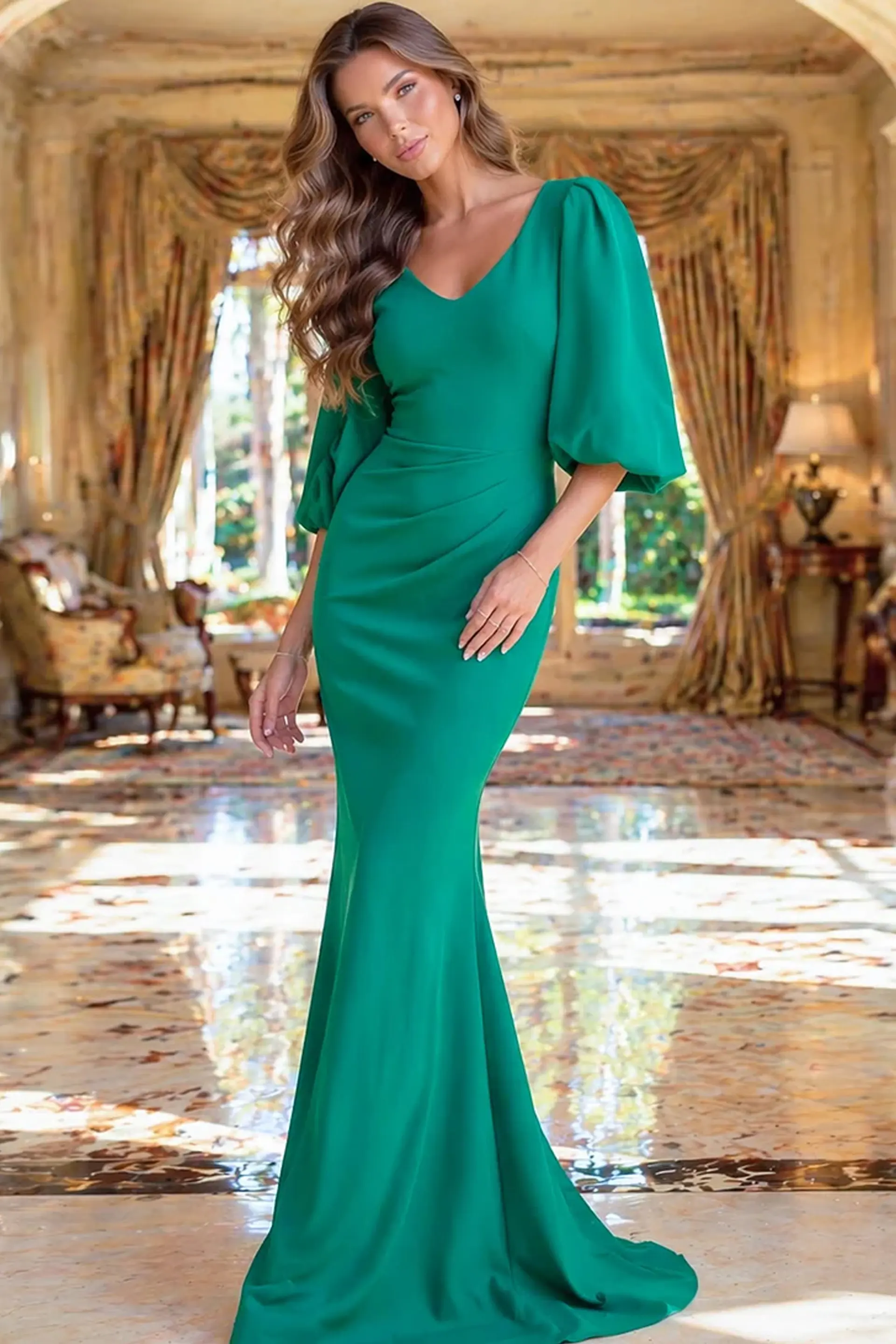
7 Colors
Long Sleeve Evening Gown with Puff Sleeves 43052
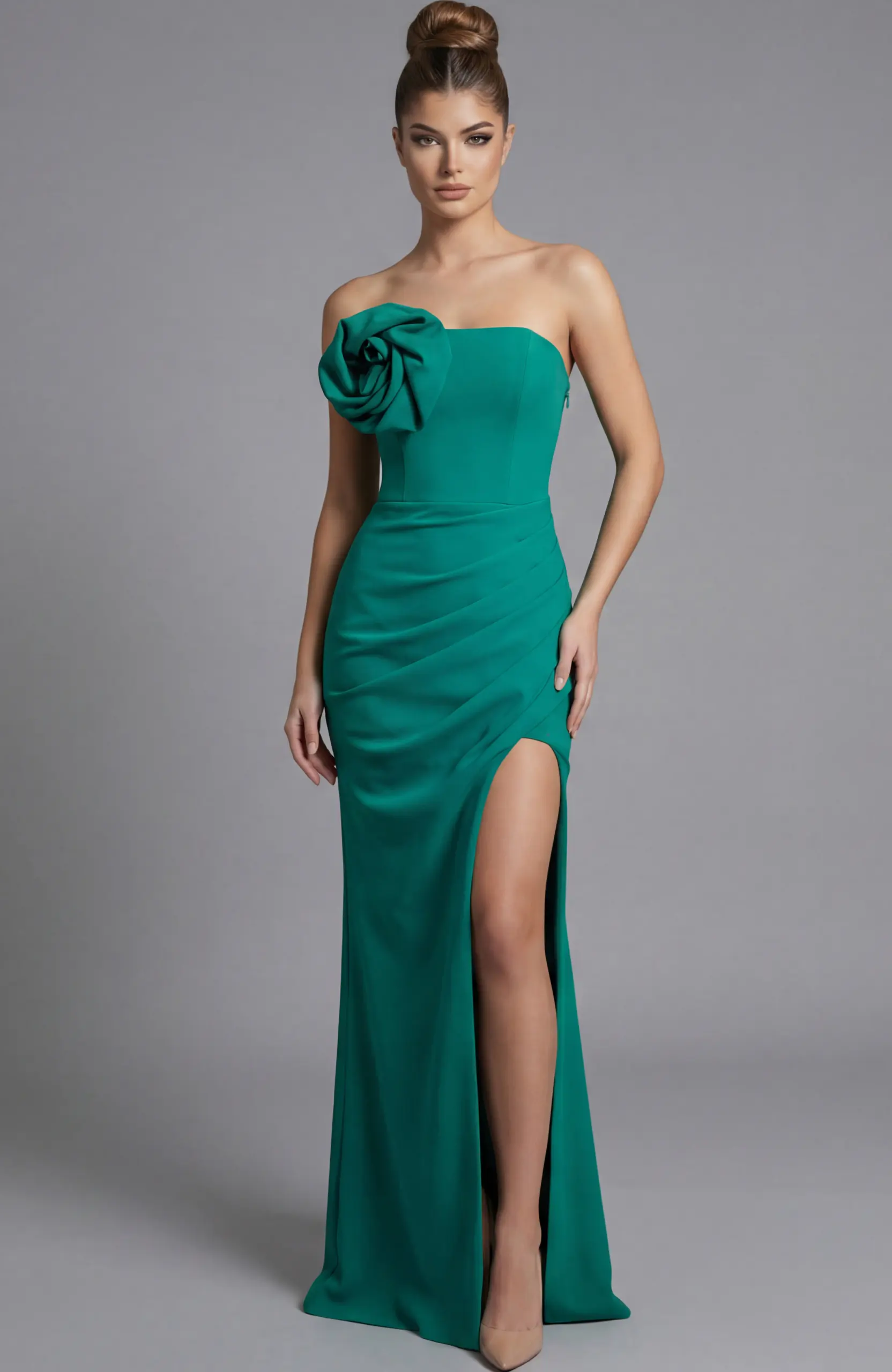
5 Colors
Strapless Fitted Evening Gown With Rosette Detail 49505f
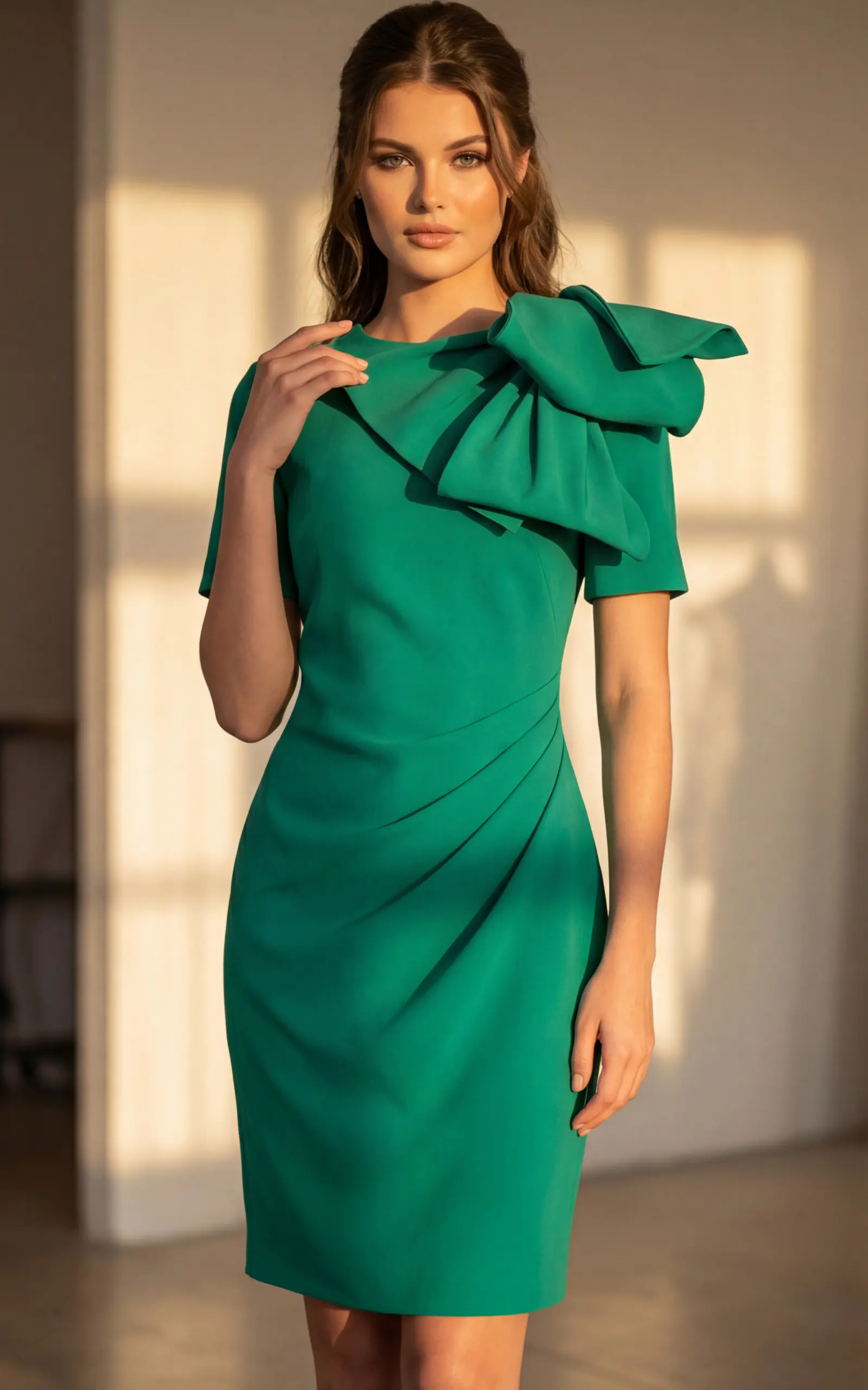
6 Colors
Bow Shoulder Short Sleeve Fitted Cocktail Dress 48943

5 Colors
Fitted Crepe Dress With Ruffled Sleeves 47835
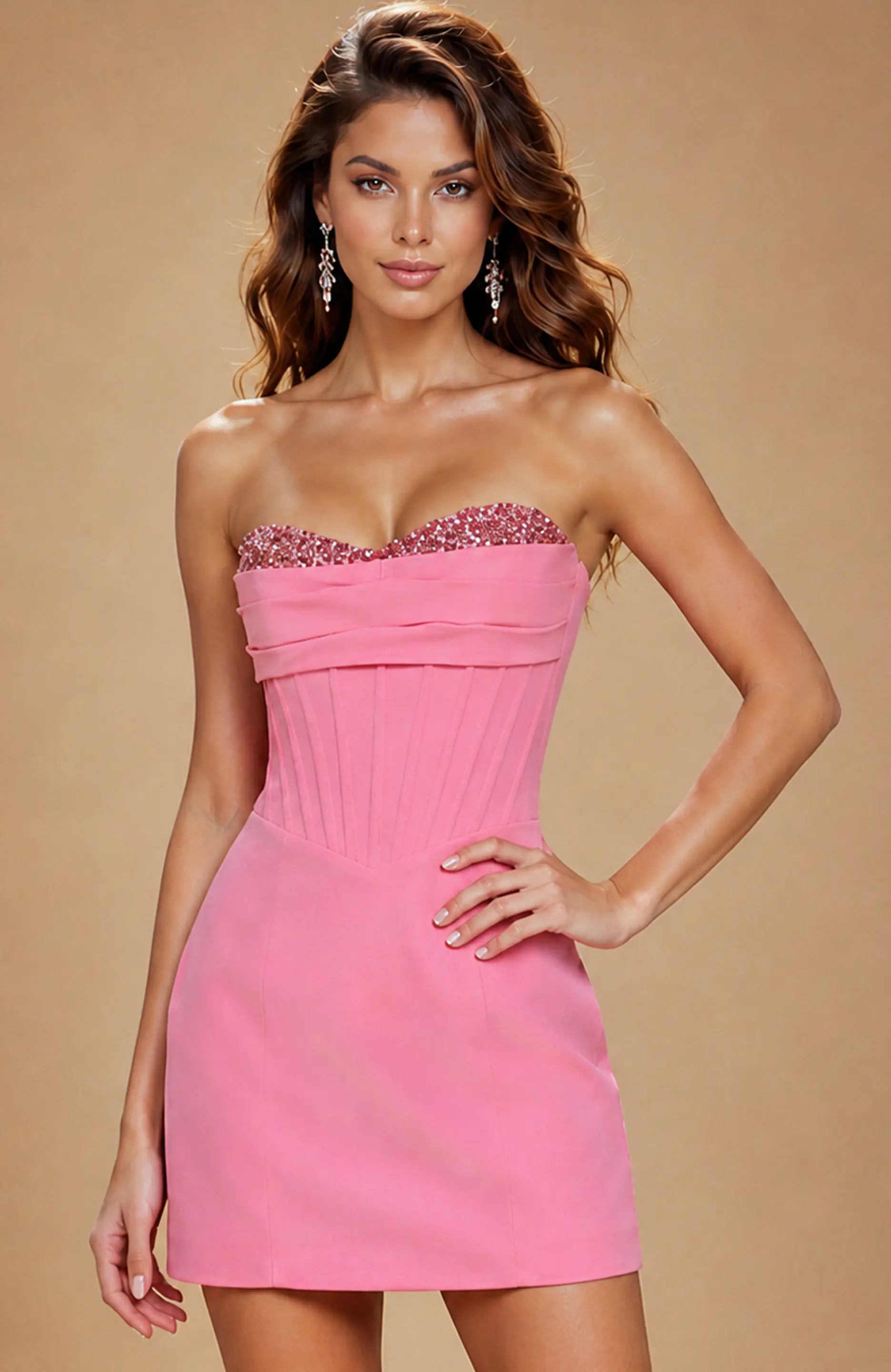
3 Colors
Pink Beaded Corset Mini Dress 52662
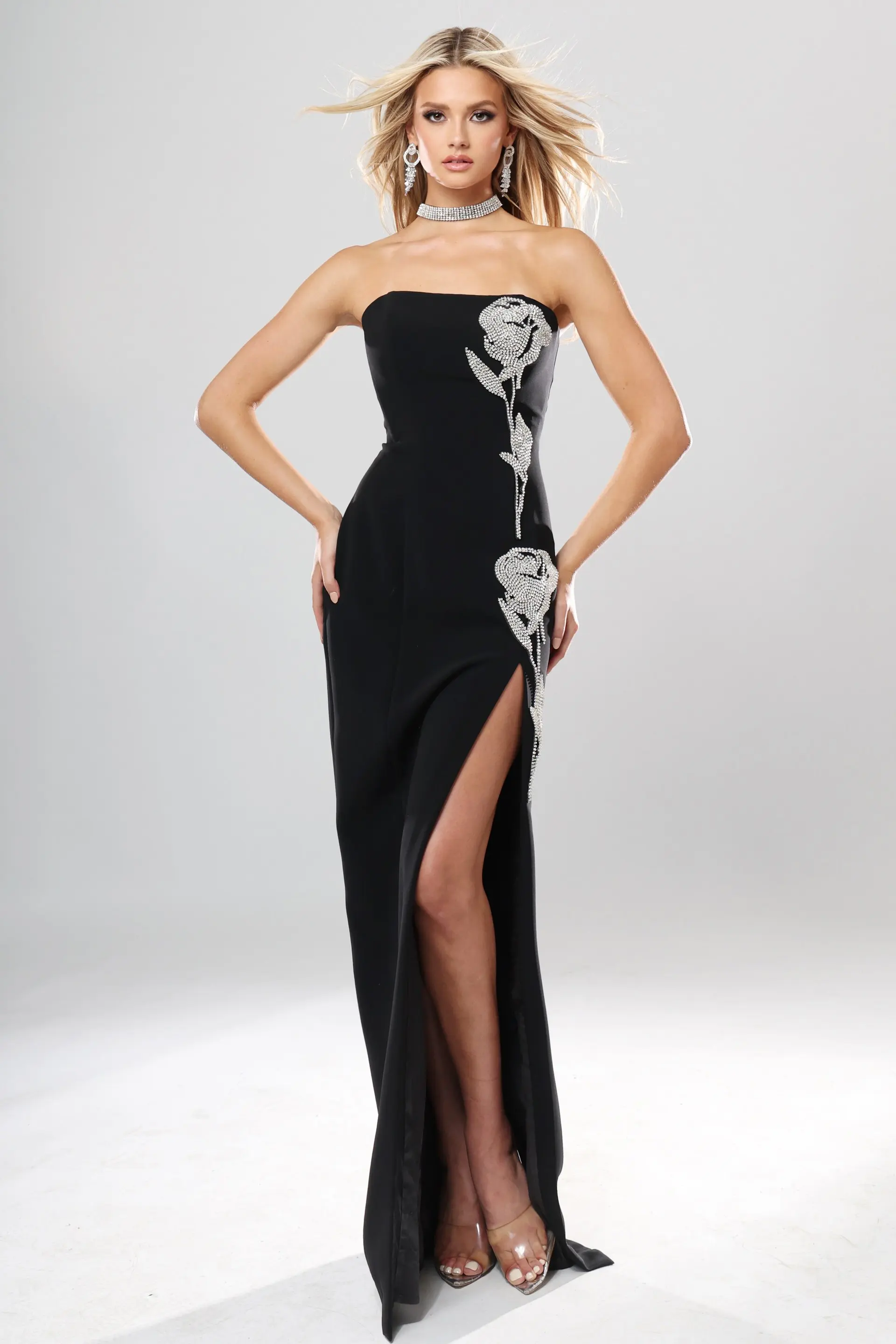
5 Colors
Strapless Rhinestone Rose High-Slit Gown 53108
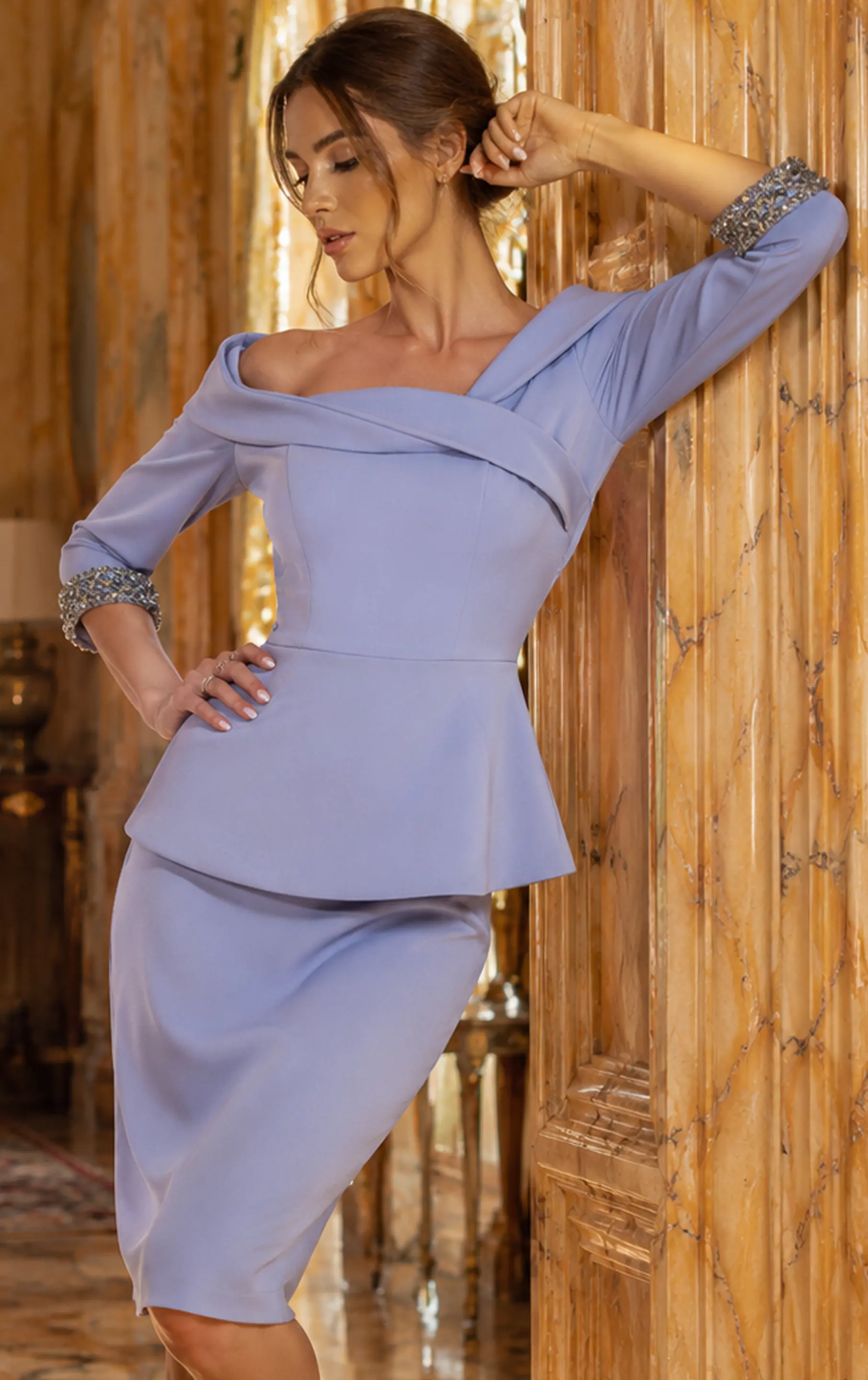
6 Colors
Off Shoulder Peplum Knee Length Dress 52429
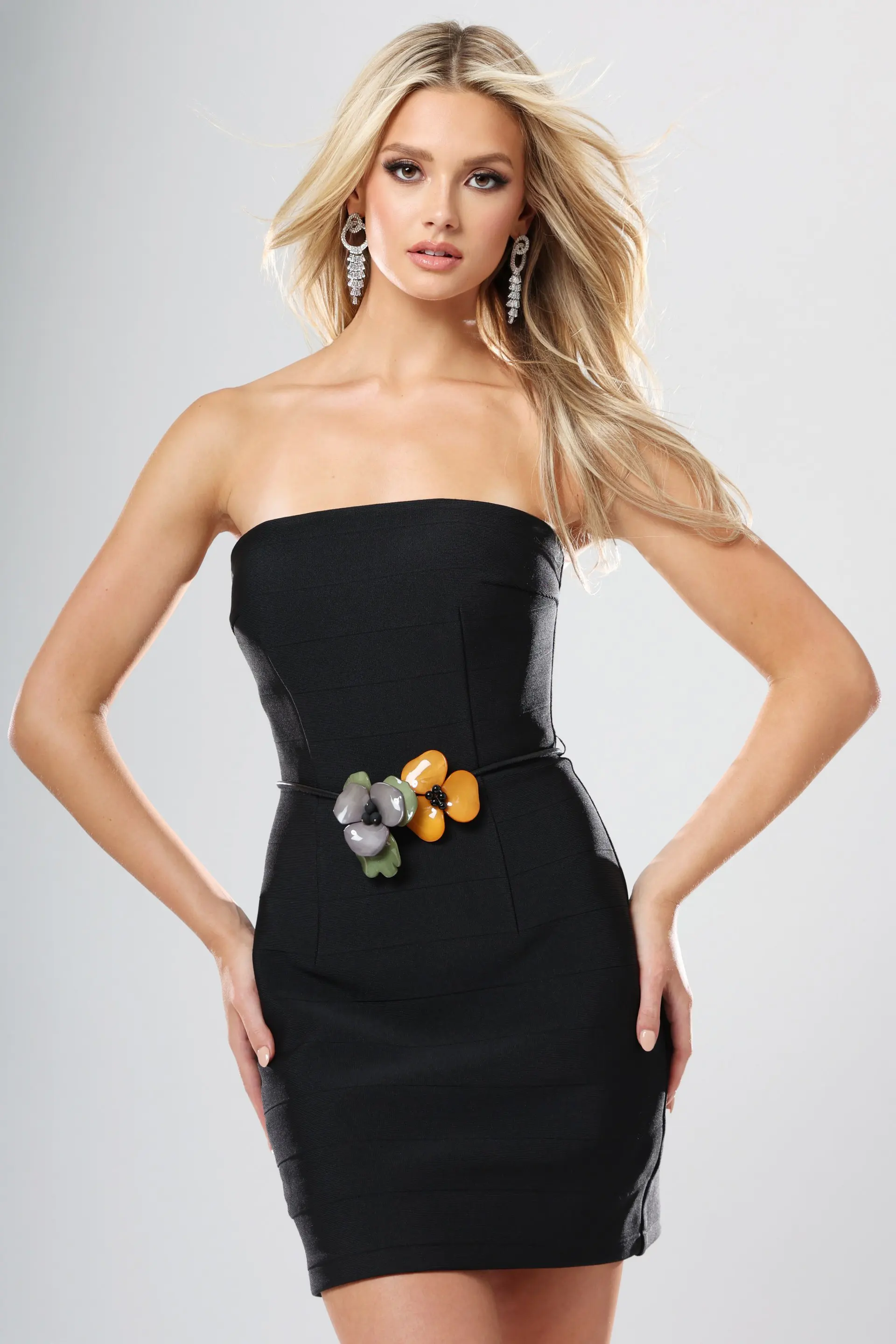
1 Colors
Little Black Mini Dress with Floral Waist Accent 53781
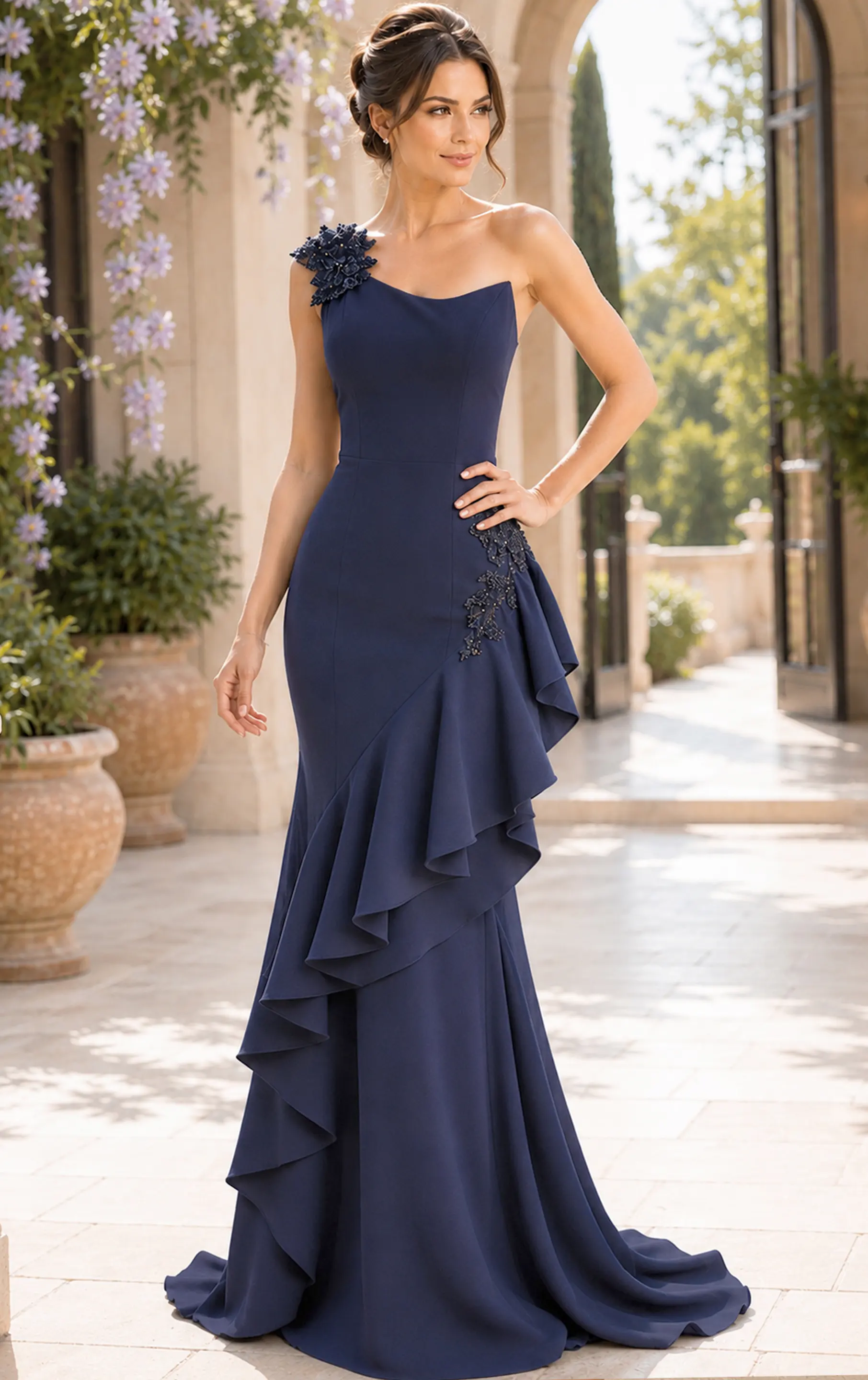
4 Colors
One Shoulder Formal Gown With Layered Ruffle Skirt 48982
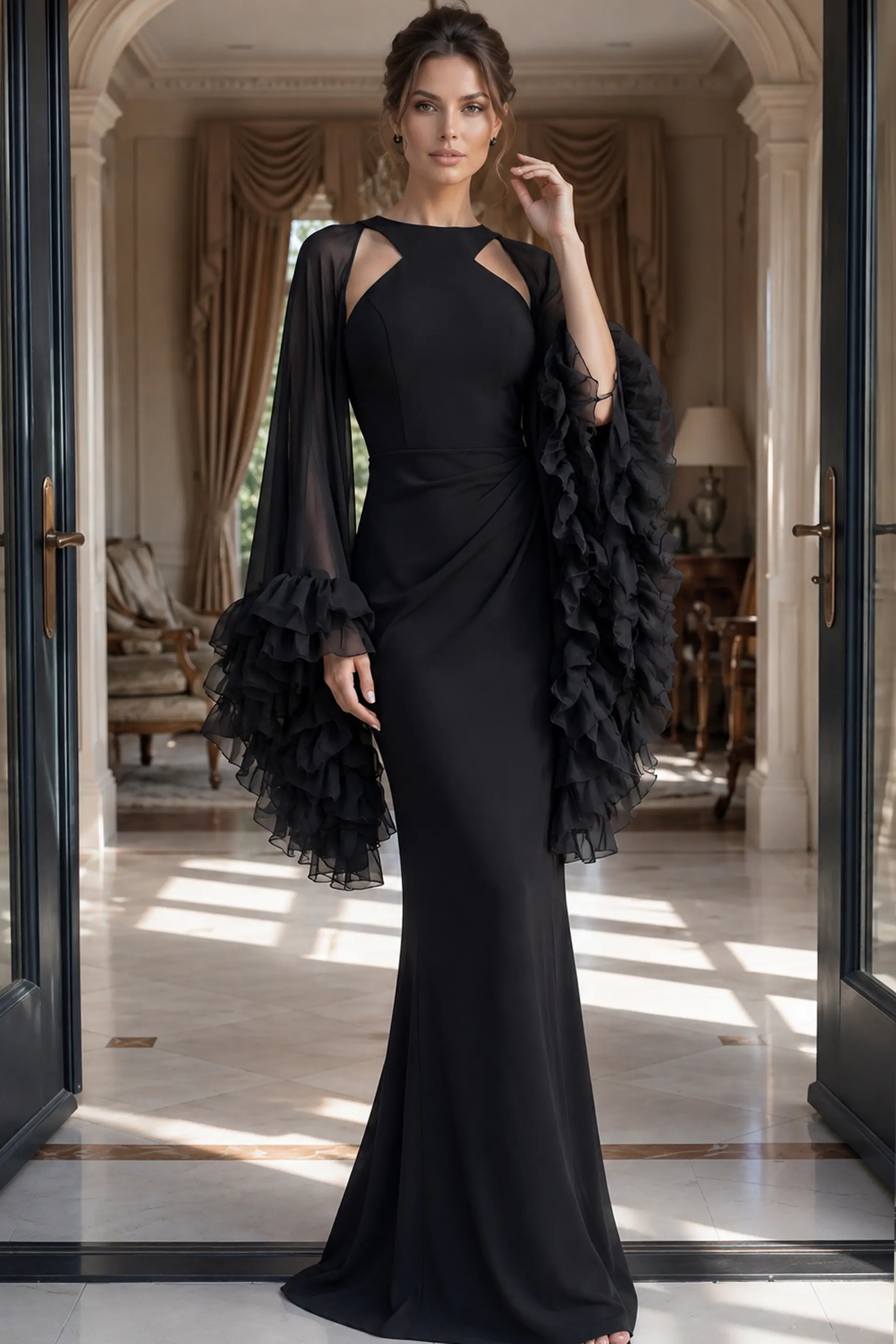
1 Colors
Cutout Cape Sleeve Gown With Ruffle Cuffs 49448
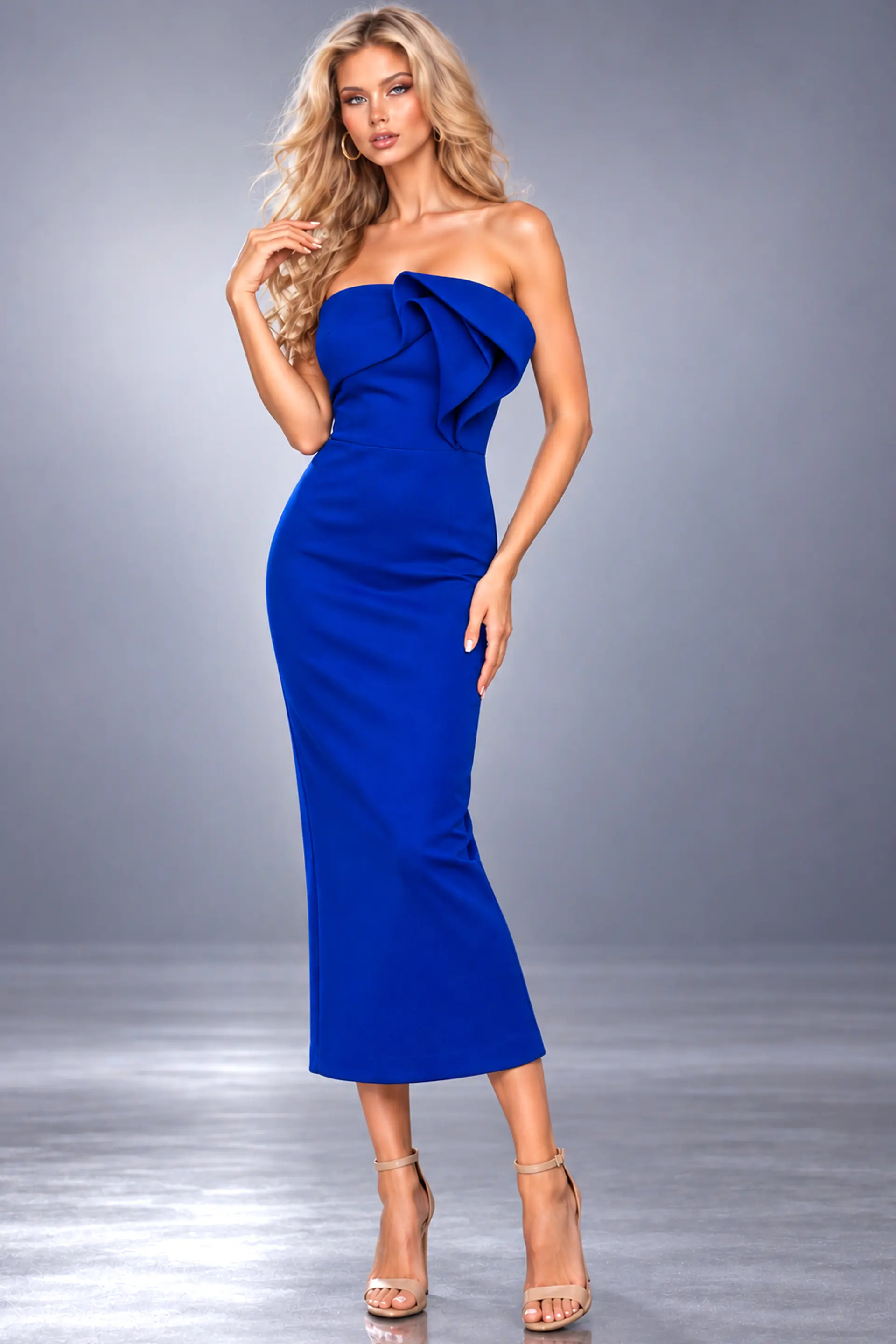
4 Colors
Strapless Fitted Bodice Midi Dress 49435
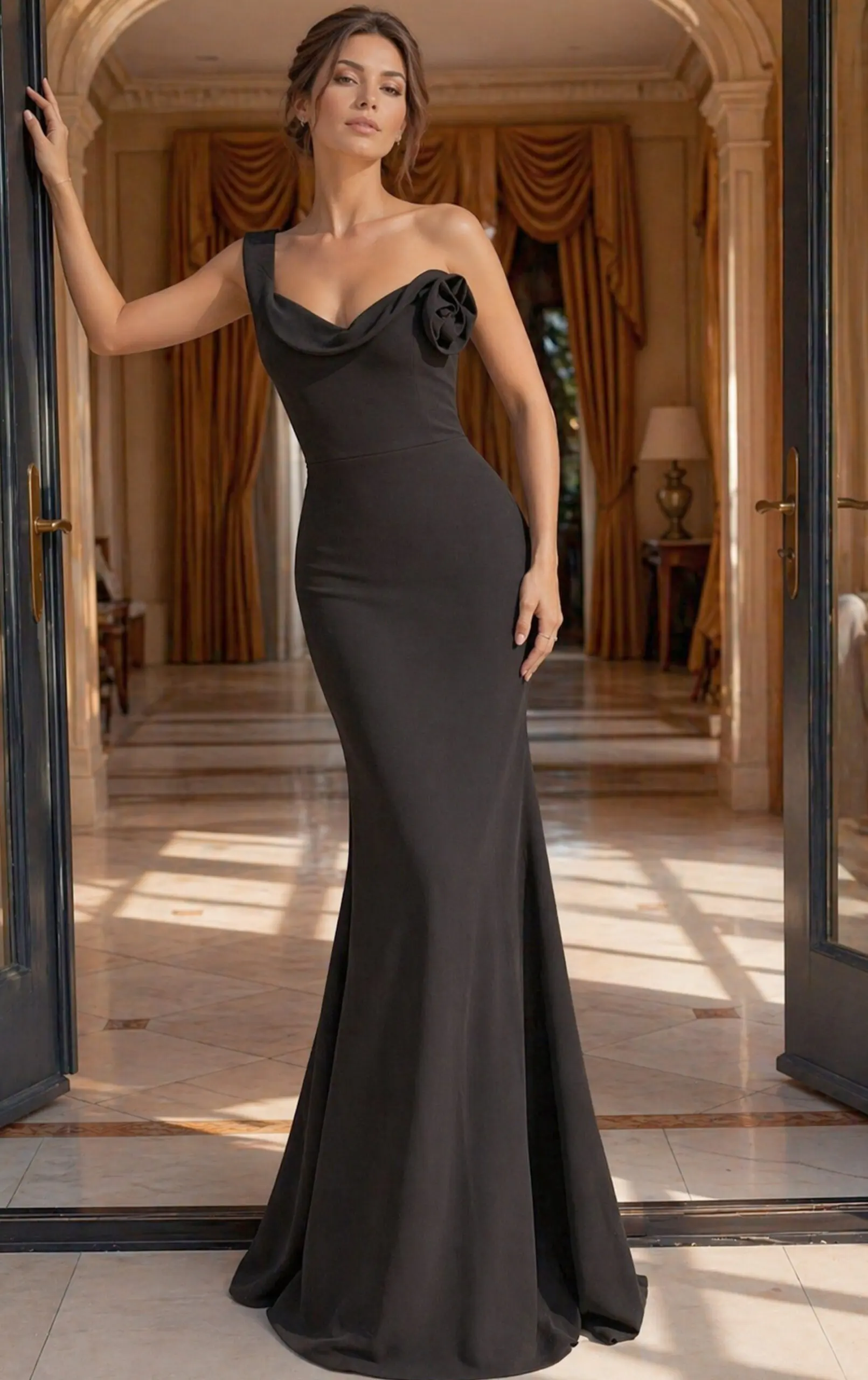
5 Colors
Mermaid Gown With Draped Rosette Neckline 45977
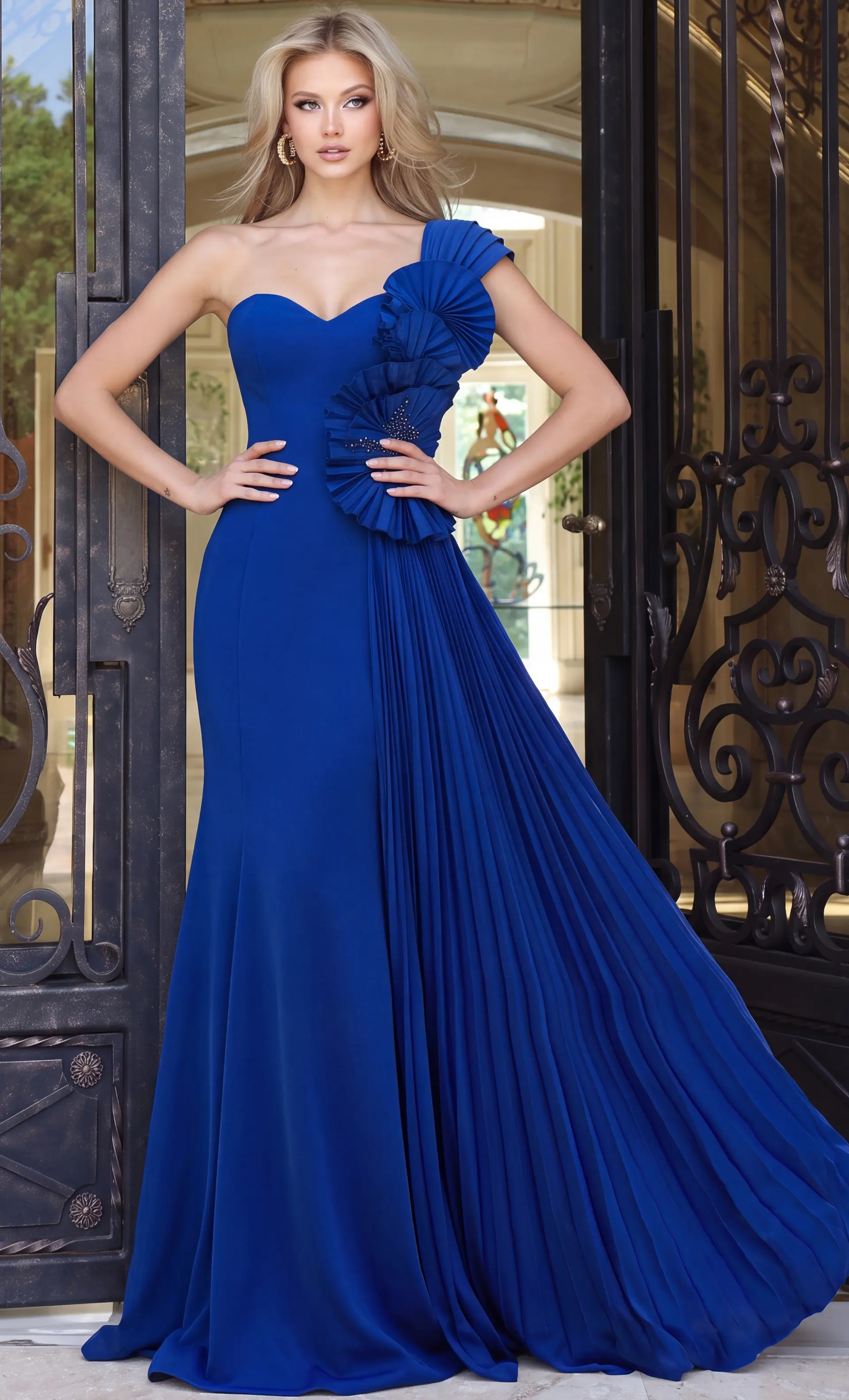
3 Colors
One Shoulder Pleated Gown with Floral Ruffle Detail 47202
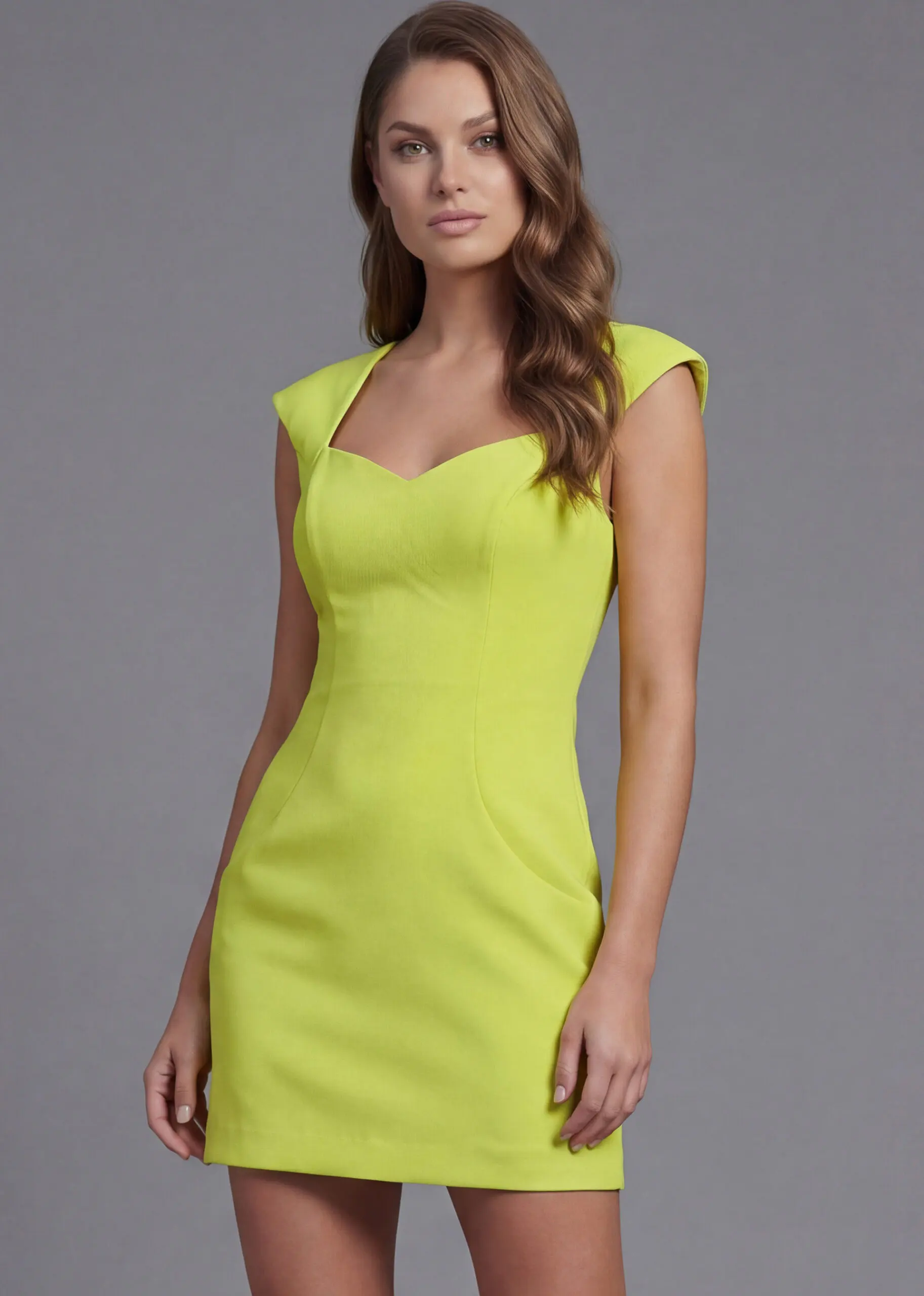
1 Colors
Cap Sleeve Mini Dress with Sculpted Sweetheart Neckline 46615
3 Colors
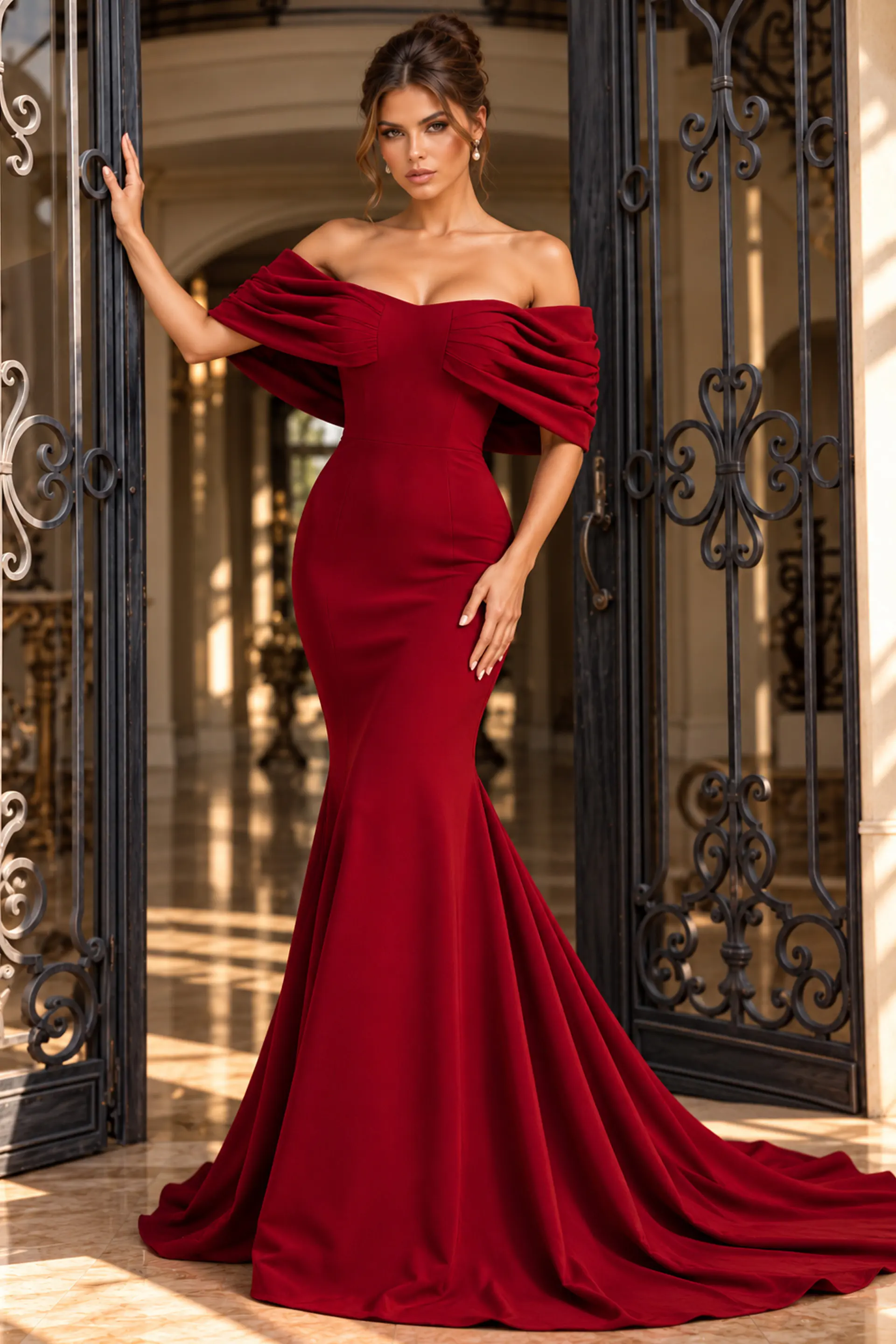
Black Off Shoulder Mermaid Dress 47657
2 Colors
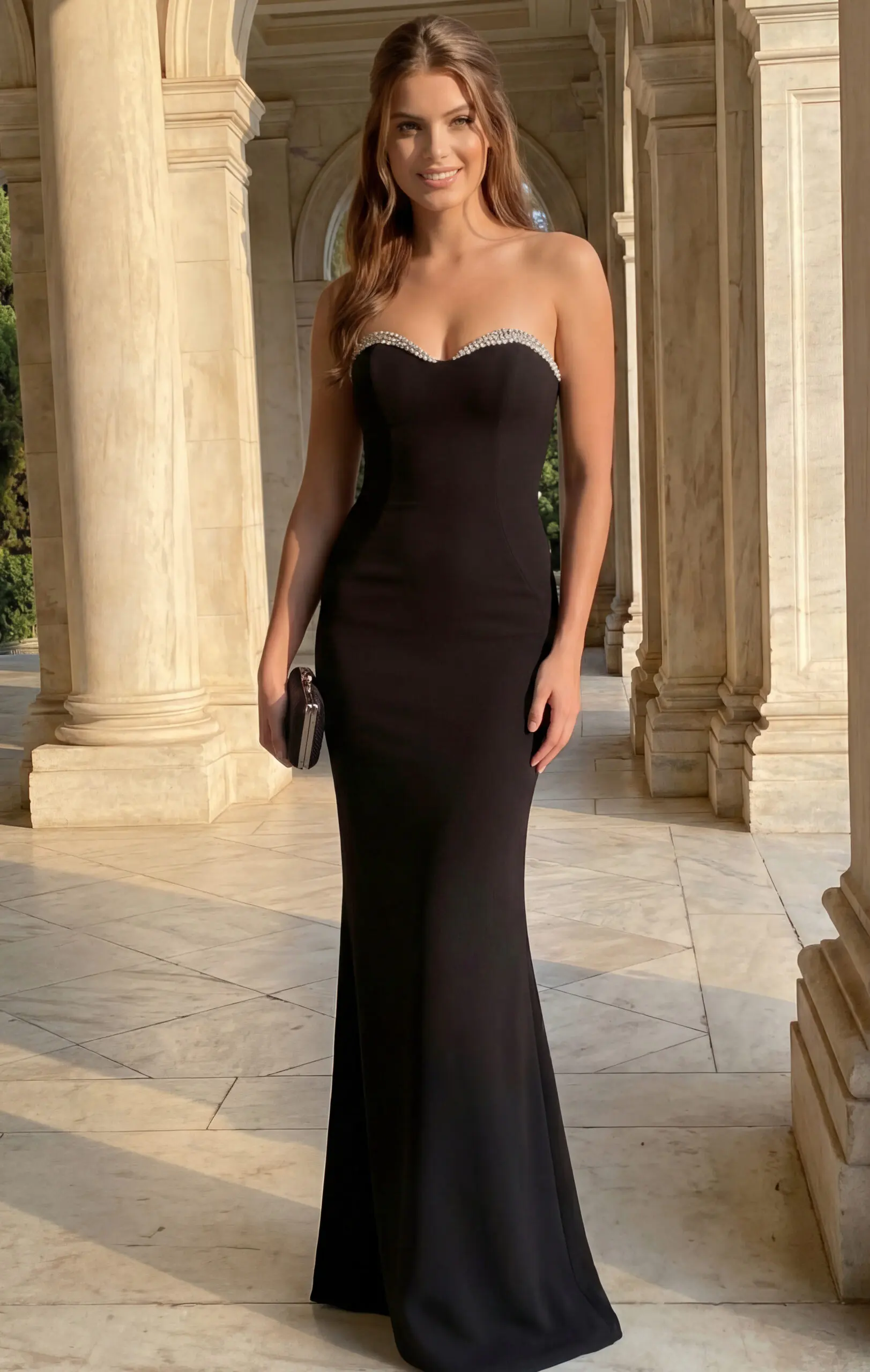
Strapless Fitted Gown With Beaded Neckline 45925
2 Colors
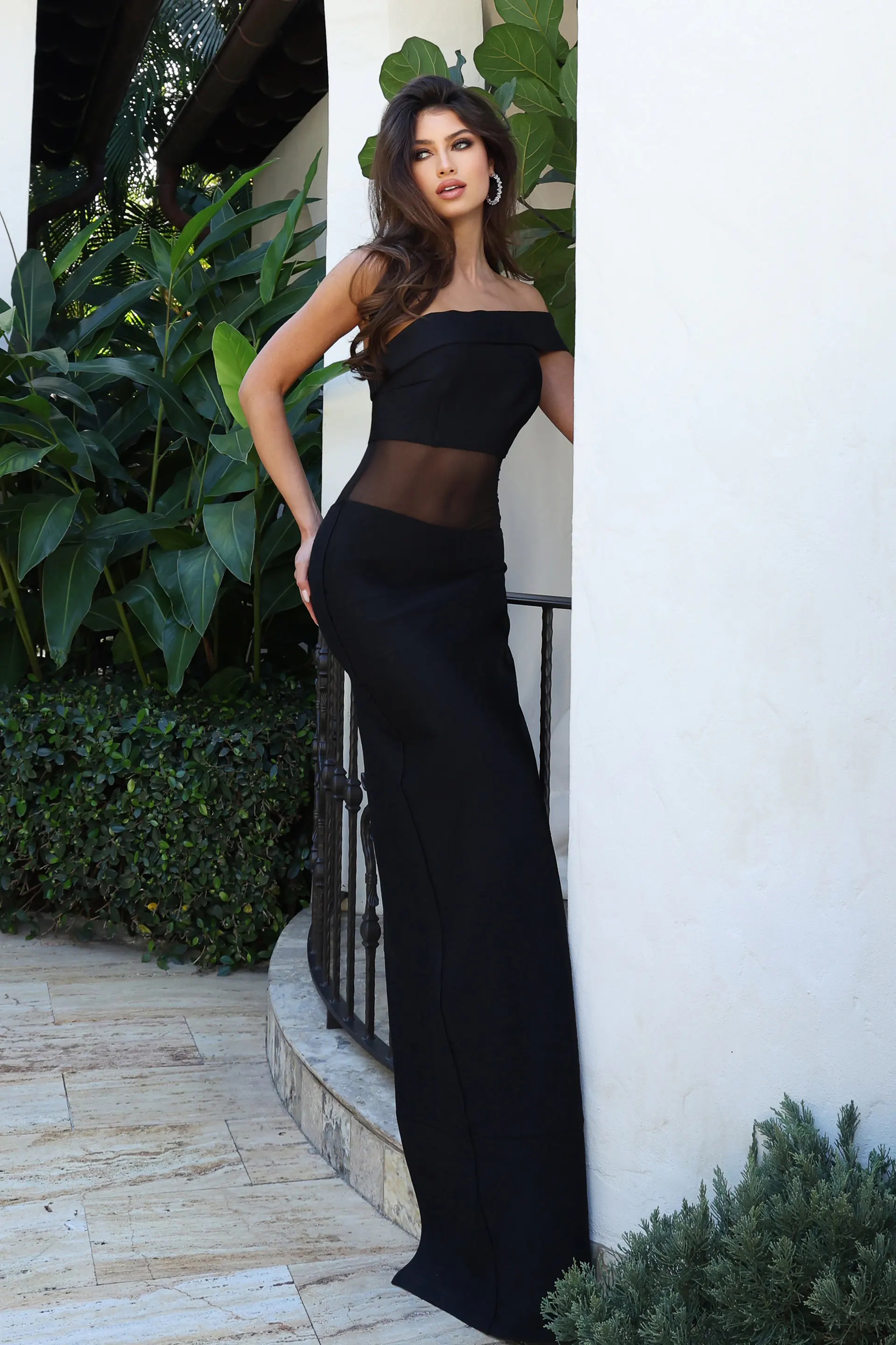
Black Off Shoulder Sheer Waist Evening Gown 51666
4 Colors
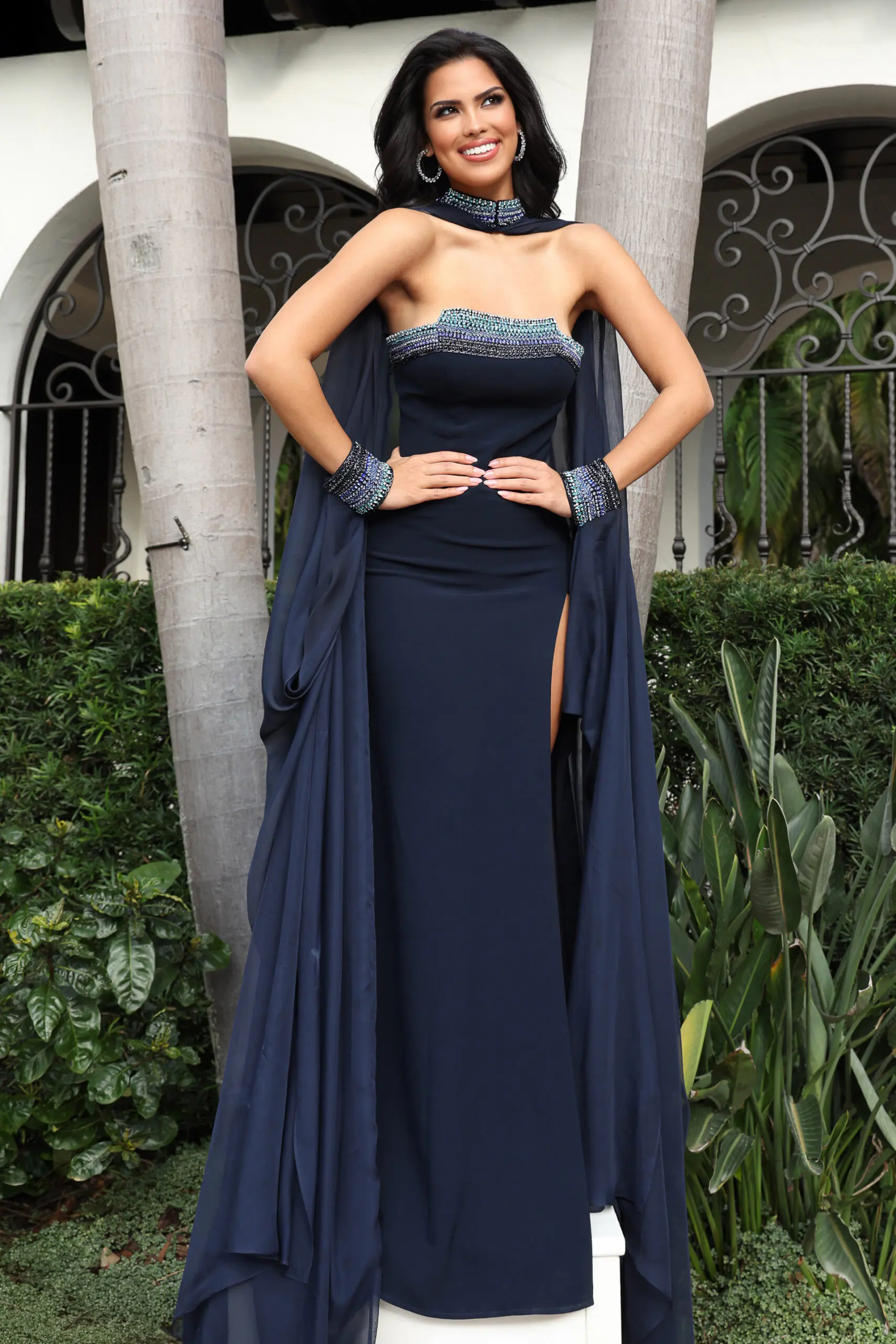
Strapless Beaded Trim Gown With Sheer Cape 48990
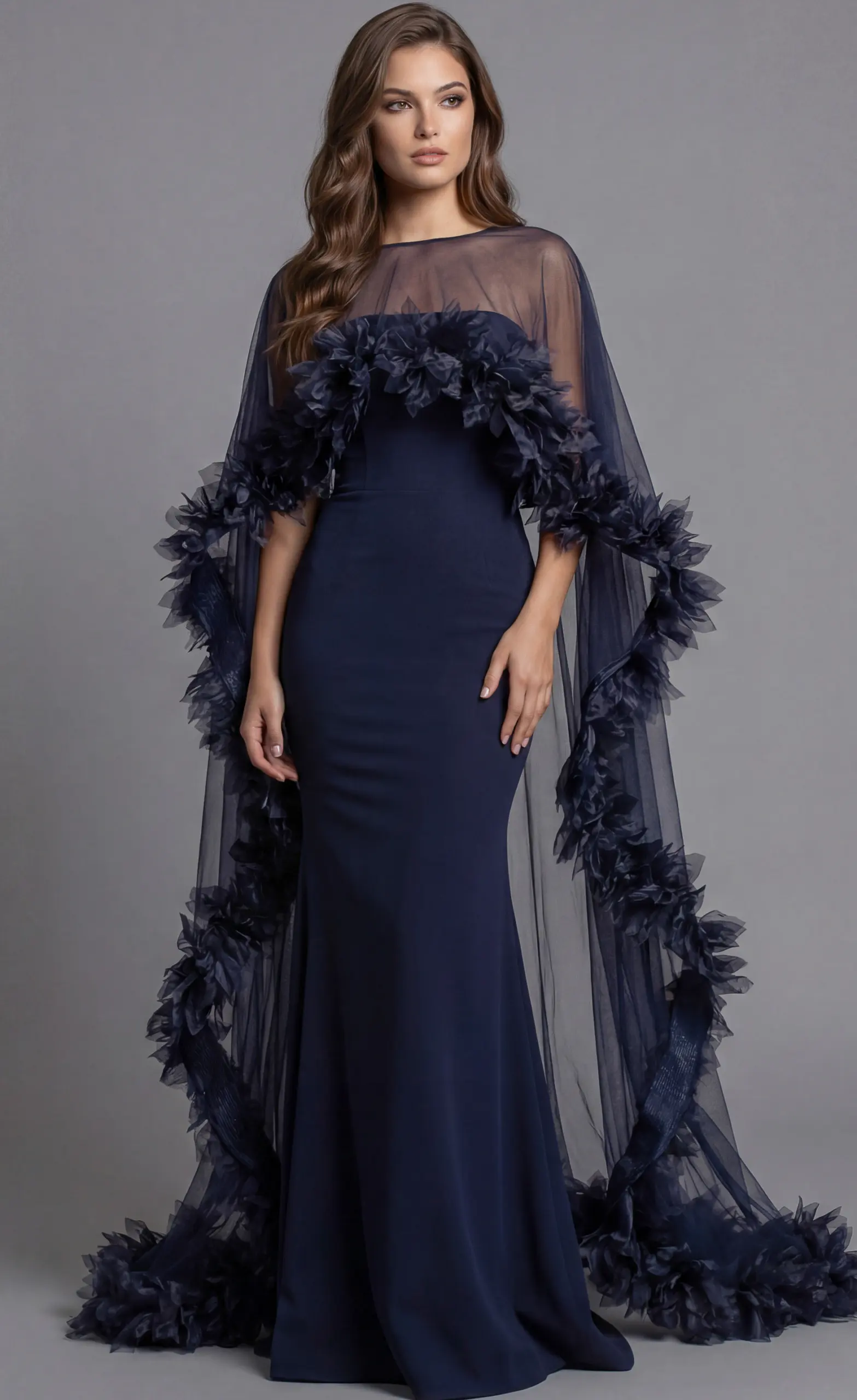
1 Colors
Fitted Gown with Sheer Floral Tulle Cape 44321
3 Colors
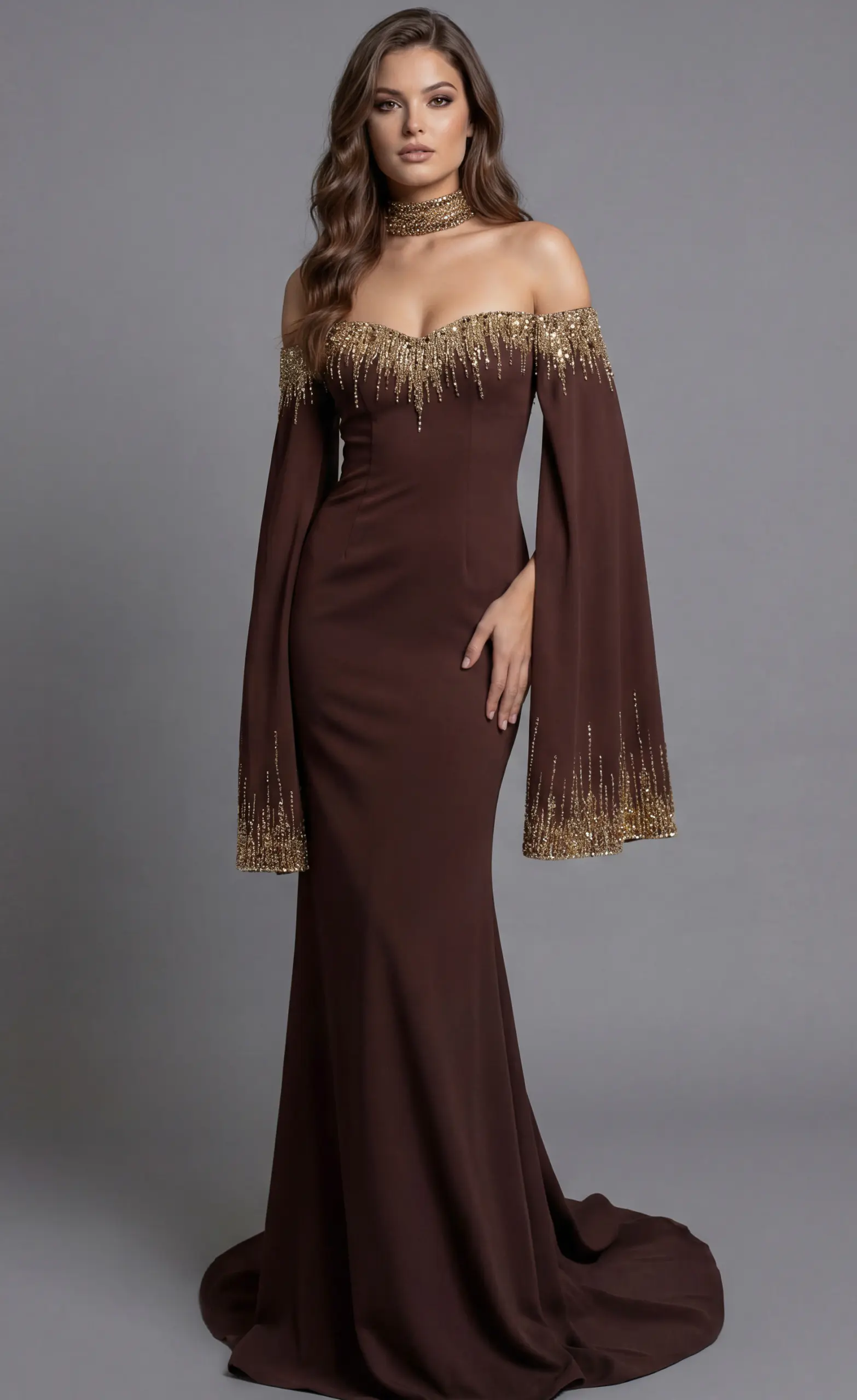
Off Shoulder Mermaid Gown with Bell Sleeves and Choker 45535
Trending Now
About This Category
Crepe Wedding Guest Dresses by Silhouette and Fit
Crepe wedding guest dresses work best when the cut makes use of the fabric’s controlled drape. A column silhouette creates a long, clean line, while a mermaid shape follows the body before opening through the lower skirt. A-line dresses offer more ease through the hip and can feel especially balanced for daytime ceremonies or outdoor receptions. Rather than choosing by length alone, look at how the dress is shaped through the bodice, waist, and skirt.
If you are comparing wedding guest gowns across different fabrics and wedding dress codes, crepe is a strong option when you want definition without a glossy surface. Princess seams can shape the torso, diagonal draping can soften the waist, and a well-placed slit can make a narrow skirt easier to move in. In crepe wedding guest gowns, these details create shape while keeping the overall design clean.
How Crepe Weight and Stretch Affect the Fit
Crepe can feel fluid and relatively light or dense, structured, and stretchy, and that difference changes how a dress sits on the body. Heavier weights tend to hold a straighter line and give fitted designs more control. Stretch crepe allows closer silhouettes to move more comfortably, but recovery matters too: after sitting, the fabric should settle back into shape rather than stay pulled through the hip or waist.
A fitted crepe wedding guest gown should also be judged by its lining and seam finish. Zippers should lie flat, waist seams should stay level, and ruching should follow the shape of the dress rather than bunch around one area. These details are easy to overlook on a hanger but become much more noticeable once the dress is worn for several hours.
For shoppers comparing fabric character, satin wedding guest dresses have a more reflective surface, while crepe keeps the finish quieter and puts more emphasis on tailoring, color, and proportion. The better choice depends on the wedding setting, the silhouette, and how much structure or movement you want.
Match the Length and Neckline to the Wedding
Crepe wedding guest dresses can work across different wedding dress codes when the proportions suit the invitation. Floor-length columns and mermaid silhouettes fit naturally into black-tie and formal weddings, while midi lengths can work well for daytime ceremonies, city weddings, and less formal receptions. A shorter hem can also feel appropriate when the construction remains polished and the design is not overly casual.
For guests considering a mini or above-the-knee silhouette, short wedding guest dresses offer a useful comparison in proportion. The fabric can give shorter shapes a more tailored appearance, especially when the waist is defined and the hem holds a clean line.
Neckline matters just as much as length. One-shoulder and asymmetric designs add shape without requiring heavy decoration. V-necks create a longer line through the upper body, while square and straight necklines place more emphasis on bodice construction. strapless wedding guest outfits are useful to compare when support is the main concern; boning, secure lining, and a stable neckline matter more than extra detail.
Details That Work Well with Crepe
Crepe gives design details a clear outline. Draped waists, folded necklines, sculptural bows, asymmetric pleats, peplum accents, and controlled ruffles can add dimension without making the dress feel busy. Because the surface is relatively restrained, the eye tends to stay on the cut and proportion.
Crepe wedding guest dresses also suit focused embellishment. Beading at the neckline can frame the face, crystal accents at the waist can reinforce shape, and a floral appliqué can create one clear focal point. A one-shoulder column with a side drape, for example, may need very little additional decoration because the silhouette already carries the design.
Guests who want more texture can compare beaded wedding guest gowns before deciding how much embellishment fits the wedding setting. On this fabric, detail usually works best when it supports the shape rather than covering the dress from neckline to hem.
Choose Color and Weight for the Season and Venue
Crepe takes saturated color well because its surface does not add much shine. Navy, burgundy, emerald, plum, chocolate, and black can suit evening wedding receptions and cooler months, while cobalt, coral, rose, soft green, and clear blue can feel lighter for spring and summer weddings. The most useful color choice still depends on the setting, time of day, and any guidance on the invitation.
Crepe wedding guest dresses can also move between seasons through changes in weight and coverage. For warm-weather weddings, sleeveless or one-shoulder designs, open necklines, slits, and skirts with enough room to move can feel more comfortable. For cooler weddings, long sleeves, cape details, or a denser crepe can give the dress a more substantial feel.
Venue should influence the silhouette as well. A fitted floor-length style can suit a hotel or formal wedding reception, while a midi or softer A-line may be easier for a vineyard, garden, or daytime ceremony.
What to Check Before Choosing a Crepe Dress
A good crepe wedding guest dress should look composed while moving as well as while standing still. Check where the waist sits, whether the skirt falls cleanly over the hip, and whether the neckline stays in place when you sit or raise your arms. With stretch crepe, look for flexibility without sagging. With a denser construction, make sure the fabric stays smooth rather than pulling around the zipper, waist, or seams.
Construction is especially visible on a fabric with a clean surface. Supportive bodices, balanced shaping, secure necklines, smooth lining, and well-positioned seams help the dress keep its intended line from the ceremony through the reception. Jovani’s focus on fit and construction is relevant here because small differences in support and seam placement can noticeably change how a crepe dress sits on the body.
The final choice should match the wedding dress code, feel comfortable through several hours of wear, and move naturally when you walk, sit, and dance.