
Mermaid vs Trumpet vs Fit-and-Flare Wedding Dresses: A Bridal Fitting Guide
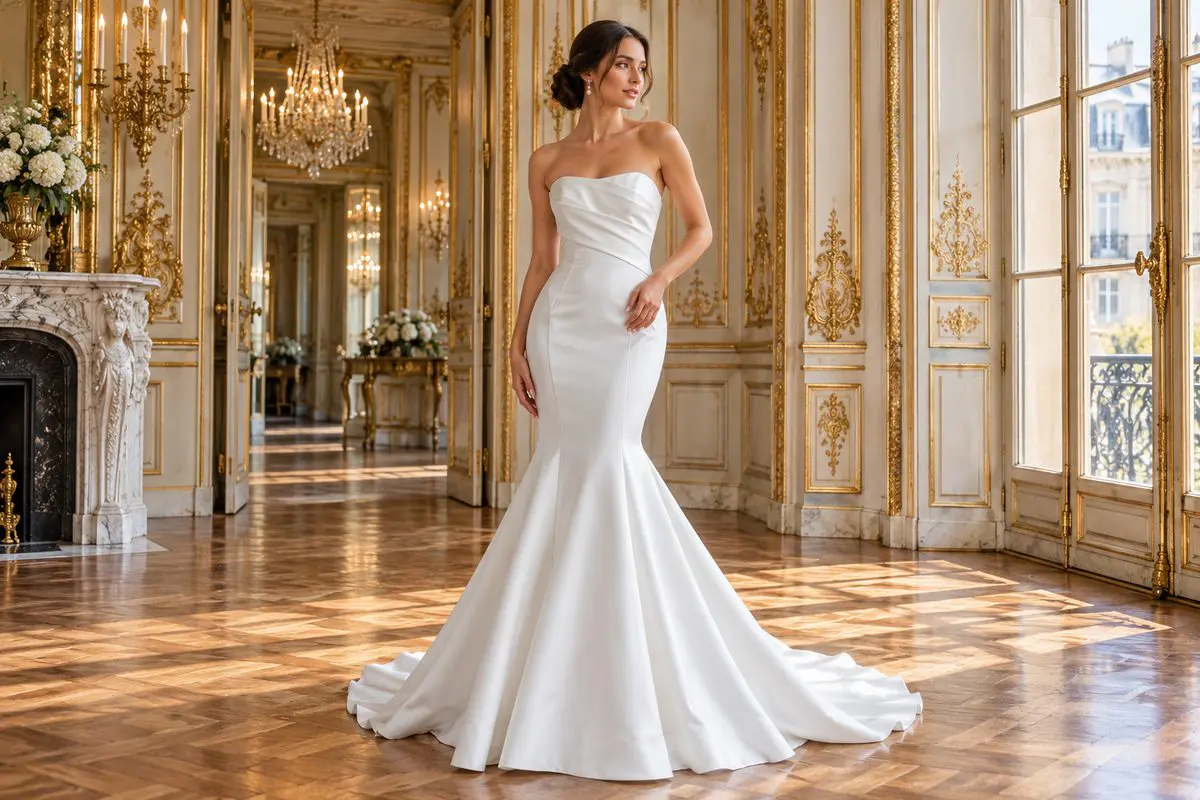
A mermaid vs trumpet vs fit and flare wedding dress comparison becomes useful when you actually try the gowns on. Check where each skirt releases, then walk, sit, and turn before choosing. Bridal labels vary between designers, so movement and fit matter more than the name on the tag.
Start with Jovani’s Wedding Dresses to compare bridal shapes, then use the same fitting tests for every gown you try.
Where Does Each Bridal Skirt Begin to Open?
Mermaid gowns generally stay fitted to around the knee, while trumpet skirts begin widening farther up the thigh. Fit-and-flare is a broader term. Some designs release just below the hips, while other retailers use it for both narrower silhouettes. Look at the actual garment instead of relying on terminology.
At your appointment, ask the stylist to identify the first point where the skirt allows more room. Check that point from the side while standing normally. A sample clipped at the back can distort how the shape sits.
Jovani’s Mermaid Wedding Dresses collection provides real examples of lower-release skirts. Compare the point of release rather than judging only the fullness at the hem.
Which Silhouette Passes Your Movement Test?
A useful bridal fitting reproduces the movements you will make during the ceremony and reception. Test each gown without pulling up the skirt to compensate. Keep the same shoes and undergarments throughout the comparison.
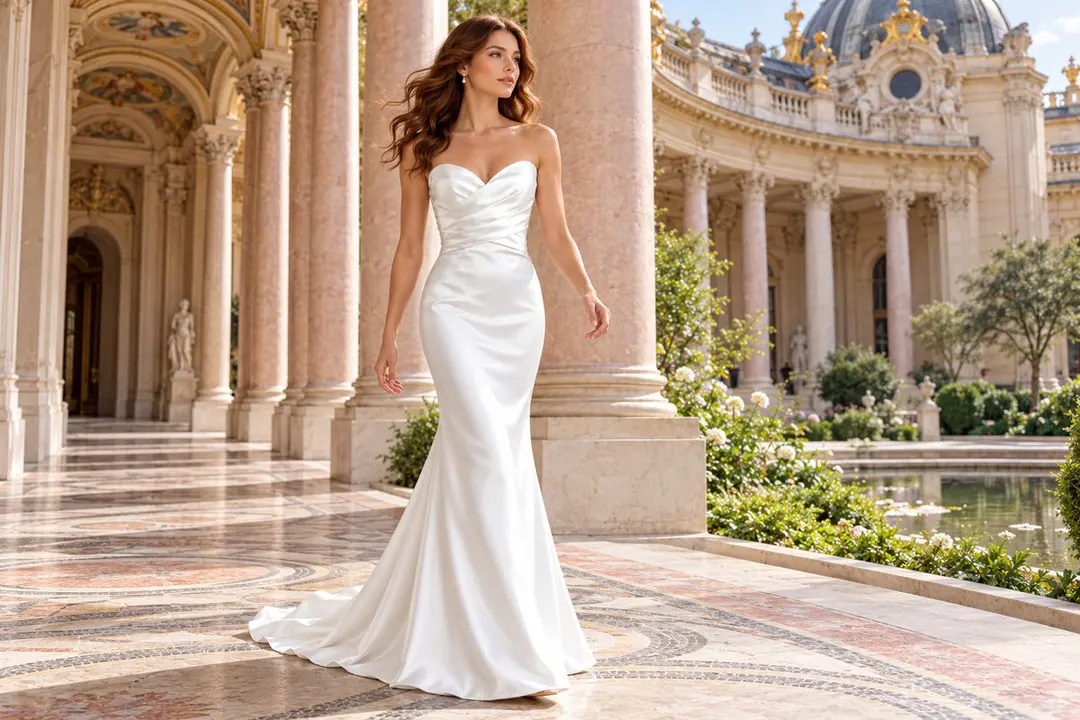
Walking and Turning
Walk several normal strides, turn, and return to the mirror. Notice whether the skirt catches between your knees or forces smaller steps. A lower mermaid flare can feel more restrictive, but fabric stretch, lining, and skirt construction also influence movement.
Sitting and Climbing Steps
Sit fully in a chair rather than perching on the edge. Then try a safe, shallow step with the stylist nearby. Check for pulling across the thighs and whether you can lift your knee comfortably. Do not interpret temporary sample-size tightness as a permanent construction feature.
For further context on fitted proportions, Jovani’s Fitted Wedding Dresses collection includes sheath and sculpted bridal styles with different levels of skirt restriction.
How Can You Tell Whether the Fit Is Correct?
Correct fit should support the bodice without forcing the hips or thighs into a smaller outline. A dress that looks smooth when still may twist, ride upward, or strain at its seams when you move. Check the side and back, not just the front-facing mirror.
Look for Stable Seams and Lining
Watch for strong diagonal pulling, a rotating center-back seam, or lining that bunches independently of the outer skirt. Ask the stylist which issues come from the sample size and which reflect the pattern. Temporary clips are not a substitute for assessing the correct size.
Check Bodice Support Separately
Raise your arms slightly and turn your shoulders. The neckline should stay secure without constant readjustment. A structured bodice may fit differently from the skirt, so note the two areas separately before discussing alterations.
Jovani’s Wedding Dresses 101 introduces the broader choices of bridal shape and structure. Keep this appointment focused on what you feel and observe in the fitted gowns.
What Should You Ask Before Altering the Flare?
Ask which changes are practical before buying a gown that only works when heavily clipped. Taking in a waist or adjusting a hem differs from moving a flare line or rebuilding shaped panels. Seam allowances, lace placement, lining, and train design can limit alteration options.
Bring the shoes you expect to wear for the wedding. Heel height changes the apparent skirt length and can alter how a long hem moves. Ask the alterations specialist to evaluate both the ceremony length and any planned bustle.
Jovani’s wedding dress alterations guide explains fitting appointments and changes to hems, bodices, and trains in greater detail.
How Do You Choose Between Two Gowns That Both Fit?
Choose based on the movement you need and the silhouette you prefer. A structured mermaid may suit a bride comfortable with a narrower stride. A trumpet can create a fitted hip line with a higher release. A softer fit-and-flare may give additional ease, although exact designs vary.
For comparison, look at Jovani’s A-line Wedding Dresses to see a clearly different waist-level release. That contrast helps identify whether your preference is truly for a fitted skirt.
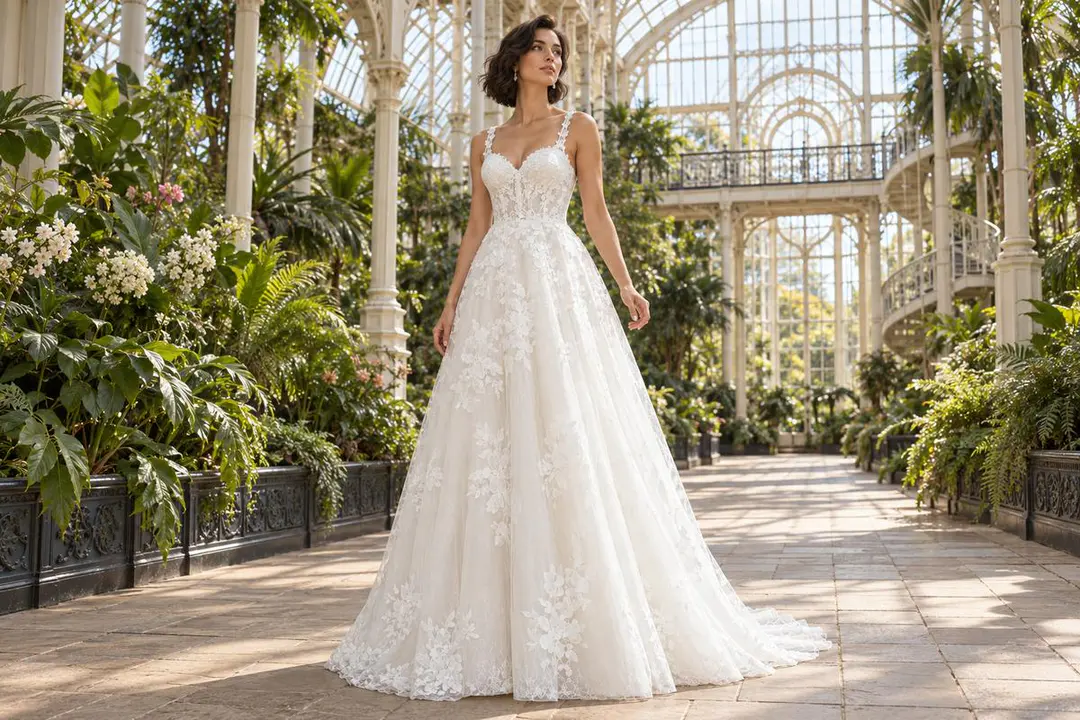
Plan for Your Wedding Venue and Reception
A fitted bridal gown should work in the spaces where you will wear it. Practice a short walk on a comparable surface and consider narrow aisles, stairs, seating, and the distance between ceremony and reception. A sweeping train adds another practical variable, even when the skirt itself fits well.
For a reception focused on dancing, Jovani’s Wedding Reception Dresses include alternative silhouettes and lengths. A second look is a personal preference, not a requirement for enjoying a fitted ceremony gown.
Use a Repeatable Bridal Appointment Checklist
Compare gowns under similar conditions rather than making decisions from photographs alone. Ask someone accompanying you to record your observations, not just which design they like most.
- Locate the flare point on your body, not just on the hanger.
- Walk forward, turn, sit, and take a safe step.
- Check the fit and the lining from the front, side, and back.
- Ask which changes are feasible and which would require major reconstruction.
- Repeat the test wearing your intended shoes and foundations.
The strongest mermaid vs trumpet vs fit and flare wedding dress choice is the gown that meets your priorities in both appearance and movement. Visit an authorized Jovani retailer to try the silhouettes and discuss fit with a bridal specialist.
Frequently Asked Questions
Is a trumpet wedding dress easier to walk in than a mermaid?
Often, yes. A trumpet typically releases higher on the leg, which may allow a longer stride. Actual ease also depends on fabric, lining, and fit.
Can a seamstress raise the flare on a mermaid dress?
Ask for a gown-specific assessment before purchasing. Moving the flare can require redesigning panels, seams, and decorative placement rather than a simple hem adjustment.
Should a wedding dress feel tight when sitting?
No. A close-fitting gown can feel snug, but you should be able to sit fully without painful pressure, significant seam strain, or severe restriction.
Are fit-and-flare wedding dresses always less restrictive?
No. Fit-and-flare is used broadly, and a closely fitted version may behave like a trumpet or mermaid. Test the actual skirt during your appointment.