
Wedding Guest Dress Cuts and Details: How to Choose
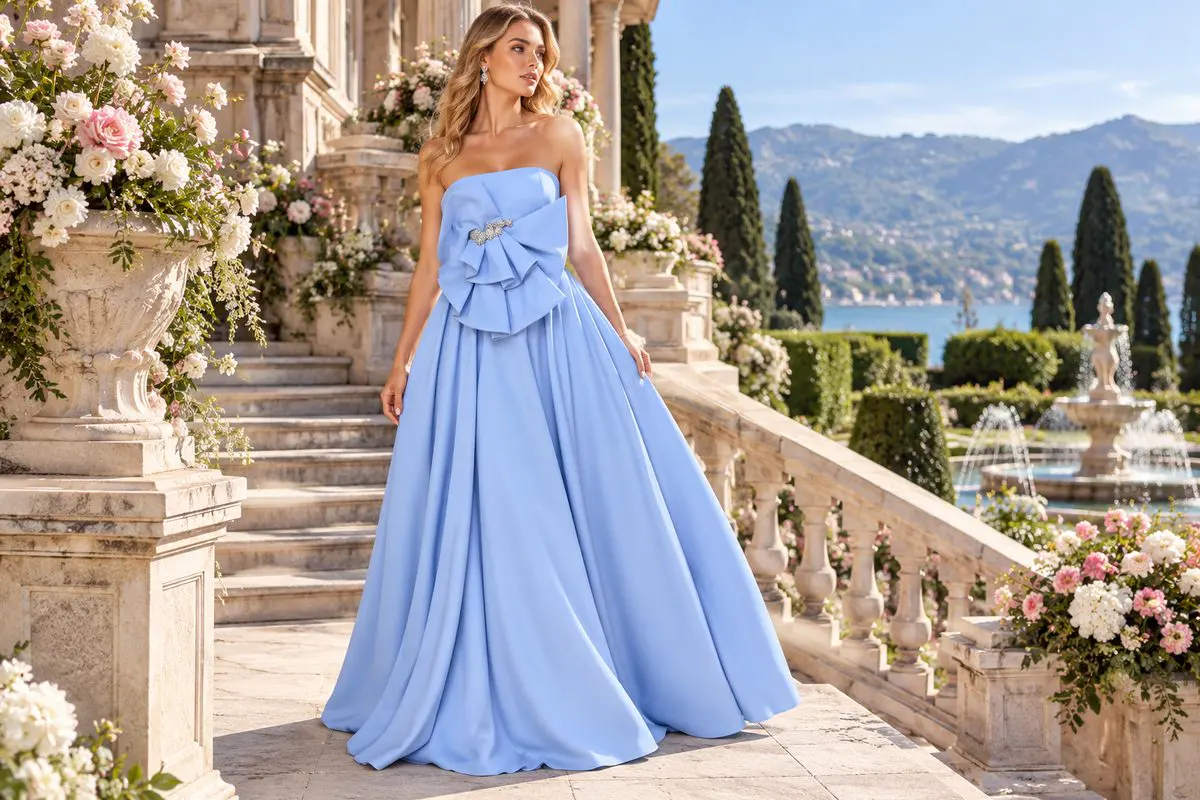
Wedding guest dress cuts affect more than appearance. The shape of the skirt, neckline, sleeves, and placement of details change how a dress fits and moves. Start with the invitation, then compare each design feature in the fitting room. A beautiful cut should also let you sit, walk, and celebrate comfortably.
Which Wedding Guest Dress Cuts Work Best?
A-line, sheath, fit-and-flare, and softly draped cuts all work for wedding guests when the fabric and length match the event. An A-line opens gradually below the waist, while a sheath follows a straighter path from hip to hem. A fit-and-flare follows the torso before expanding into the skirt.
A-line and gently draped silhouettes
An A-line skirt gives room around the hips and makes walking or sitting easier than a tightly fitted skirt. Draped shapes can soften the waistline without adding much volume. Check that the waist seam sits where intended, rather than rising when you lift your arms.
Sheath and fit-and-flare silhouettes
A sheath makes a neat vertical outline and often suits streamlined formal styling. Fit-and-flare dresses create more definition through the torso and movement lower down. Neither is automatically more flattering. Compare hip tension and stride length, especially when the skirt narrows before it widens.
How Should You Choose the Hem Length?
Choose the hem length from the invitation first, then test the outfit with the shoes you intend to wear. Floor-length gowns often suit black-tie settings. Tea-length and midi cuts frequently work for cocktail, semi-formal, and daytime celebrations.
Floor-length gowns and the practical hem test
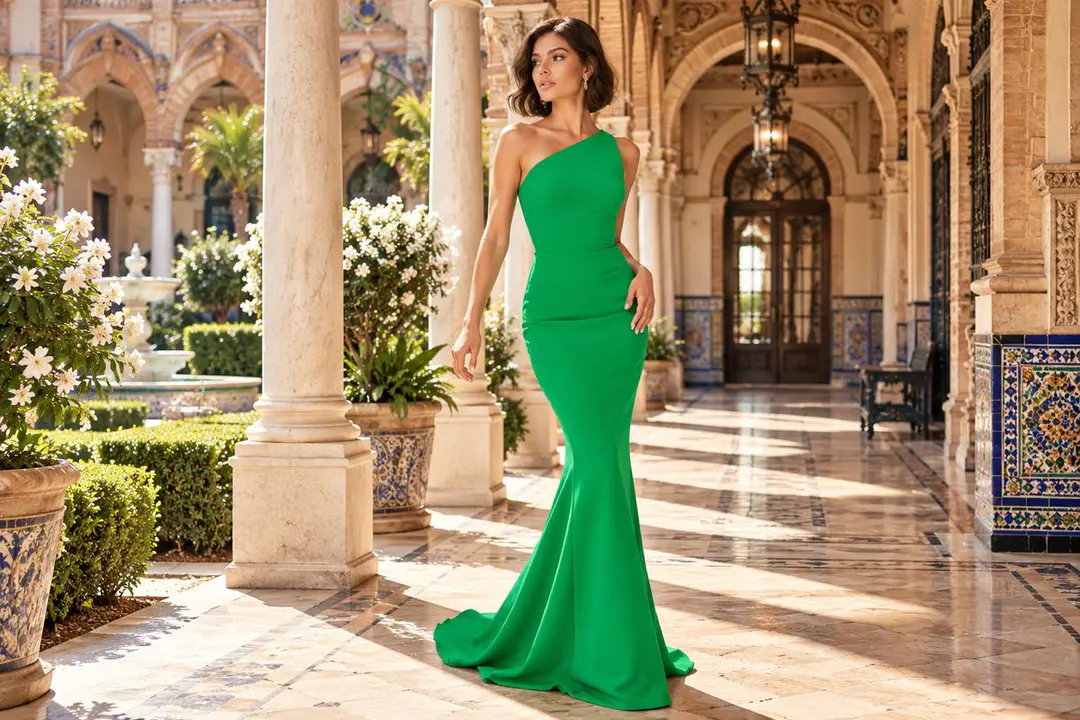
A floor length gown for wedding guest attire should skim the ground without trapping the front hem under your shoes. Walk across the fitting room and take a step upward. The current Wedding Guest Dresses collection includes floor-length styles in fitted, column, and mermaid cuts, so length alone does not define how easily each gown moves.
Tea-length and midi dresses
Short Wedding Guest Dresses range from cocktail minis to shorter formal options. A tea length wedding guest dress traditionally ends around the lower calf, although retail descriptions vary. A midi may fall anywhere between below the knee and lower calf. For tea length dresses for wedding guest occasions, check where the hem meets the widest part of your calf and how it looks with your shoes.
How Necklines and Shoulders Change the Overall Cut
Necklines change the visual line of the upper body and the practical support a guest needs. Start with how securely the dress sits before judging the shape. Jovani offers v neck wedding guest dresses in both shorter and floor-length designs, making neckline and hem two separate decisions.
V-neck, high-neck, and square neck
A V-neck creates an open center line, while a high neckline provides more upper-chest coverage. A square neckline frames the collarbone with straighter edges. Look for gaping at the chest, pressure at the neck, or straps that drift as you turn.
Off-shoulder, one-shoulder, and sleeveless cuts
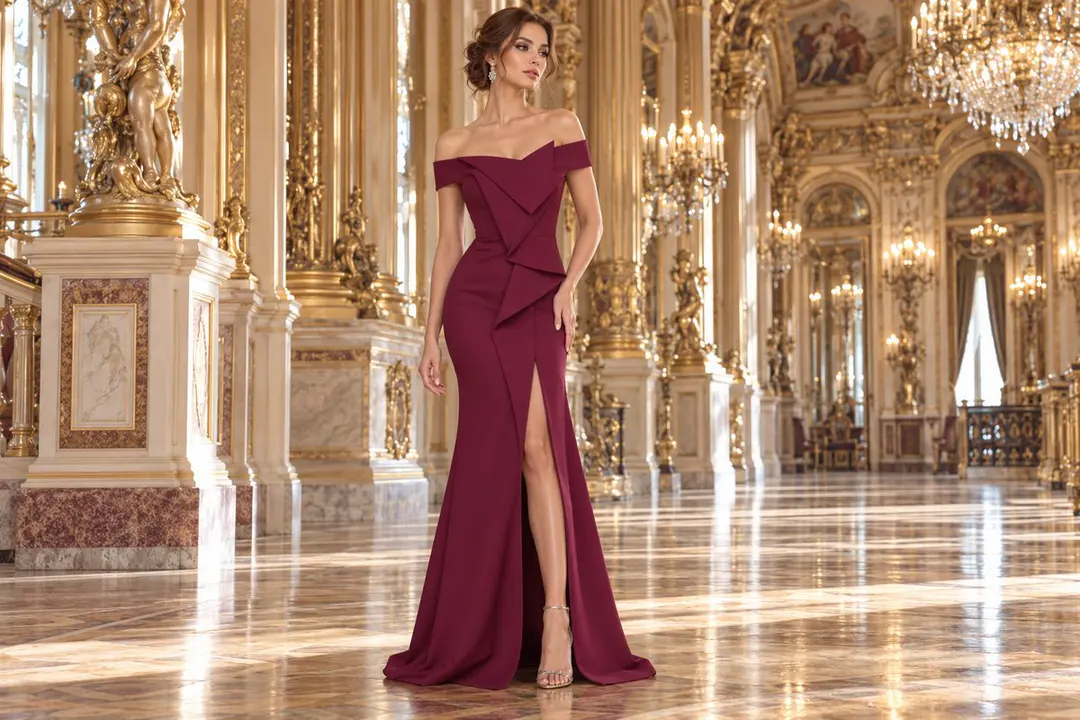
Off Shoulder Wedding Guest Dresses expose the collarbone but need secure sleeve placement. One-shoulder designs create an asymmetric line and can make bra selection more specific. If you prefer an open armhole without exposed shoulders, a sleeveless wedding guest dress may be easier to layer for the ceremony.
Dress Details Worth Checking Before You Buy
Ruching, pleating, slits, cutouts, and back closures can make two dresses with the same silhouette feel completely different. Look at where details sit on your body and what they do during movement, not only how they look in a still photograph.
Ruching, pleating, and decorative features
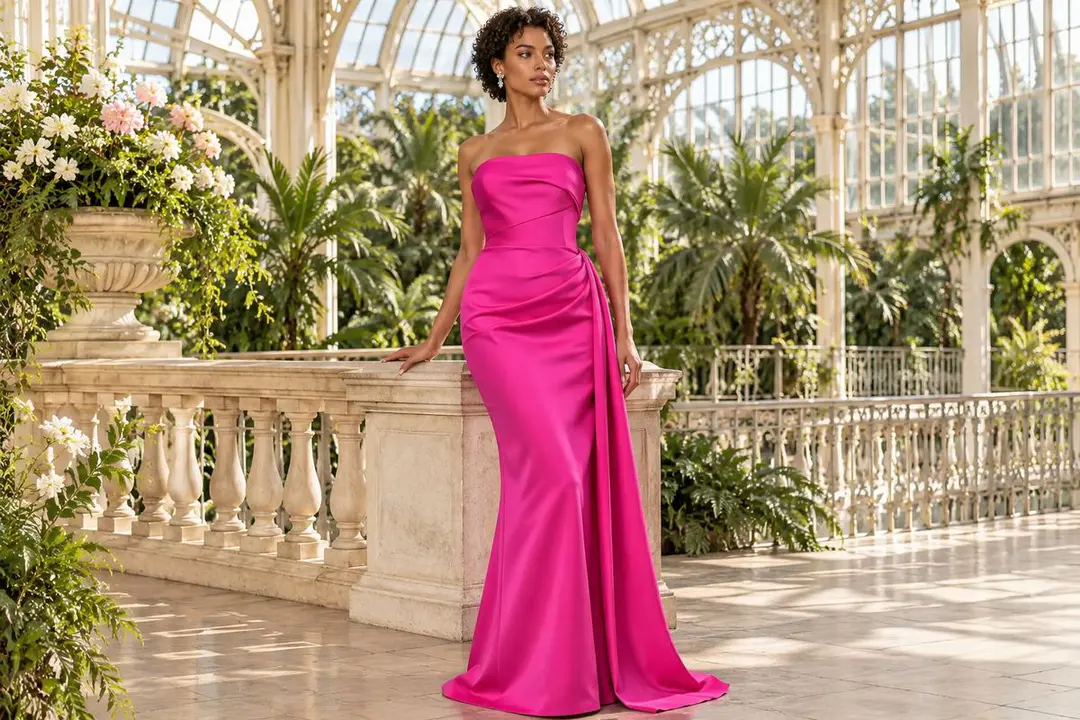
Ruching gathers fabric across a defined area and can soften visible folds. Pleats give structure or swing, depending on the textile. In Jovani’s Satin Wedding Guest Dresses collection, fitted and flowing shapes appear alongside varied necklines. Compare lining and seam tension because a smooth satin surface reveals pulling quickly.
Slits, cutouts, and back closures
A slit should open enough for steps without shifting uncomfortably when seated. Cutouts need to remain in their intended position throughout the event. Test the zipper or other back fastening while sitting and twisting gently. A secure closure matters more than an unusual detail.
Match the Cut to the Setting Without Repeating Dress Code Rules
Use the dress code to narrow the range of acceptable lengths and fabrics, then choose the cut for movement and comfort. Jovani’s wedding guest dress etiquette guide explains the broader invitation rules. Here, the decision is more specific: whether the neckline, skirt, and details behave well at the actual venue.
For a lawn ceremony, consider whether a slim floor-length hem catches on uneven ground. For dinner followed by dancing, test seated comfort before selecting a fitted skirt. A coordinated set may also work at a modern reception, but a two-piece wedding guest dress has different coverage considerations from a single fitted gown.
Fit Checks to Make Before the Event
Try the dress with your actual undergarments and shoes. Walk normally, turn, sit, reach forward, and raise your arms. Watch for a waist seam that creeps upward, a neckline that gapes, a slit that opens too far, or a skirt that restricts your step. Repeat the tests after any alterations.
Check the hem from the side as well as the front. If the outfit needs a special bra, confirm that straps or bands do not show unexpectedly. Before paying for alterations, ask what can be changed without affecting the original design.
Keep Embellishment and Proportion in Balance
Choose one dominant feature instead of combining several competing elements. A sculptural neckline can work with a quiet skirt, while heavy beading may need simpler jewelry. A fuller skirt is not automatically too formal, but its fabric, color, and amount of ornament should suit the celebration.
The same principle helps when choosing tea length wedding guest dresses for warm-weather events. A shorter, airy skirt can feel appropriate at a garden ceremony without making the design look casual. Evaluate each dress as a complete outfit rather than judging its length alone.
To compare the cut, support, and movement in person, visit an authorized Jovani retailer and try the designs with your planned footwear.
Frequently Asked Questions
Is tea length appropriate for a formal wedding?
Choose tea length for formal weddings only when the invitation and venue allow a dressy shorter hem. Floor length is generally the safer choice for black tie. A structured fabric and thoughtful accessories can make tea length look more formal, but they do not override a specific dress code.
Do A-line dresses allow more movement than fitted dresses?
Usually yes, because an A-line skirt widens below the waist and leaves more room for a stride. Fabric stretch, lining, and total skirt width still matter. Walk and sit in both cuts rather than deciding from the silhouette name alone.
Can you wear a dress with a slit to a wedding?
Yes, when the slit remains comfortable and appropriate during walking and sitting. Its opening may change as you move. Test the dress on stairs and in a chair, and follow any stated expectations about coverage.
How can you tell whether a neckline fits correctly?
Check it in at least three positions: standing, sitting, and lifting your arms. The edges should stay where intended without gaping, digging in, or requiring repeated adjustment. A neckline that only looks secure when standing still may need alteration.