
Wedding Dress Construction 101: Seams, Layers, Interfacing, Boning & Lining
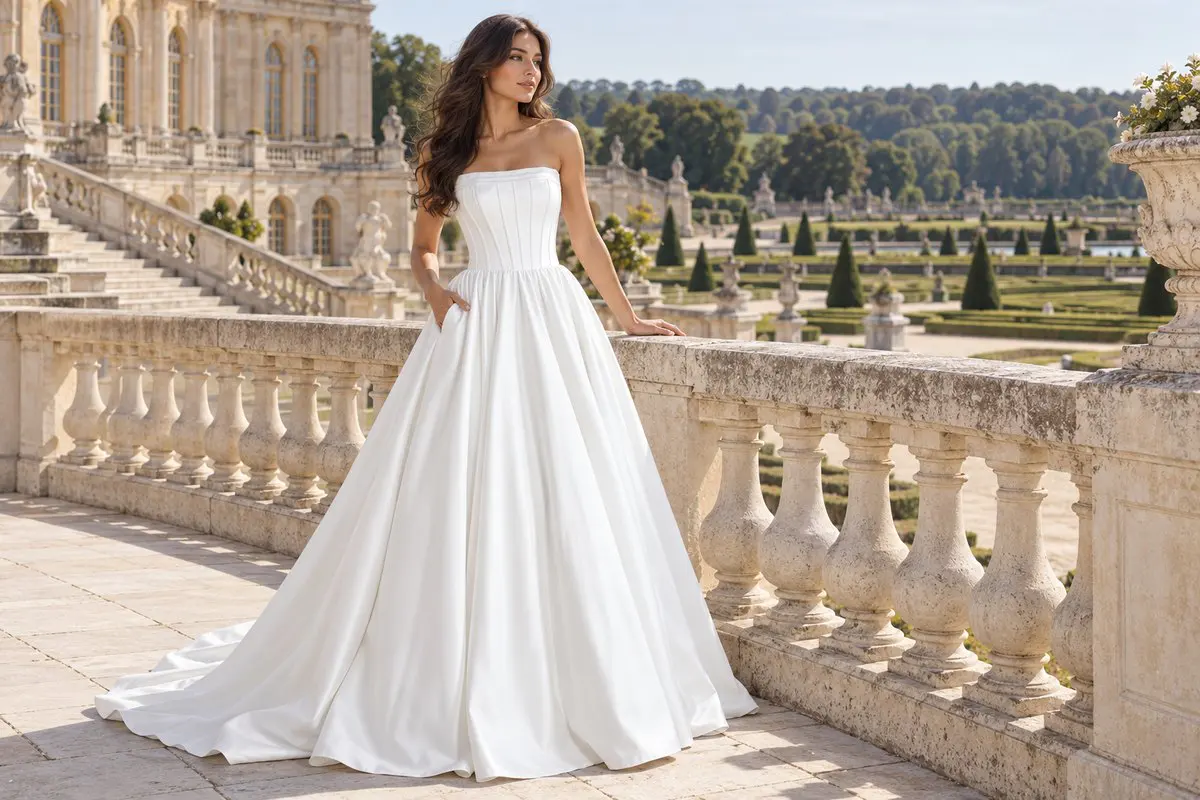
Wedding dress construction is the system of seams, supportive layers, boning, and lining that gives a bridal gown its shape and helps it move with the body. Seams contour fabric, interfacing stabilizes selected areas, boning supports a bodice, and lining finishes the inside. Comparing these details in Wedding Gowns reveals more than a photograph.
What Is Wedding Dress Construction?
Construction describes how fabric pieces and internal supports work together. A pattern determines the pieces; seams and darts shape them; reinforcement, closures, and finishing layers complete the garment. These choices affect how a neckline sits, a waist stays stable, and a skirt moves.
Not every gown needs the same internal structure. A fluid slip dress may rely on drape and balanced seams, while a ball gown may need more support. For a broader introduction to bridal styles, read Jovani's wedding dress basics. Here, the focus is how a gown is put together.
How Do Seams and Darts Shape a Bridal Gown?
Wedding dress seams join shaped fabric panels and help create a three-dimensional fit. Princess seams curve over the bust and continue toward the waist; darts remove small wedges of fullness. Both methods shape fabric without requiring a separate bulky layer.
Seam placement also changes how a silhouette behaves. In A-line Wedding Dresses, a shaped bodice meets a skirt that widens below the waist. That transition depends on the cut and internal structure.
Seams alone do not tell you how supportive a gown will feel. Jovani's wedding dress anatomy guide identifies the main parts; construction explains how those parts are joined. During a fitting, check for puckering or diagonal pulling near the bust and hips.
What Do Underlining, Interlining, and Interfacing Do?
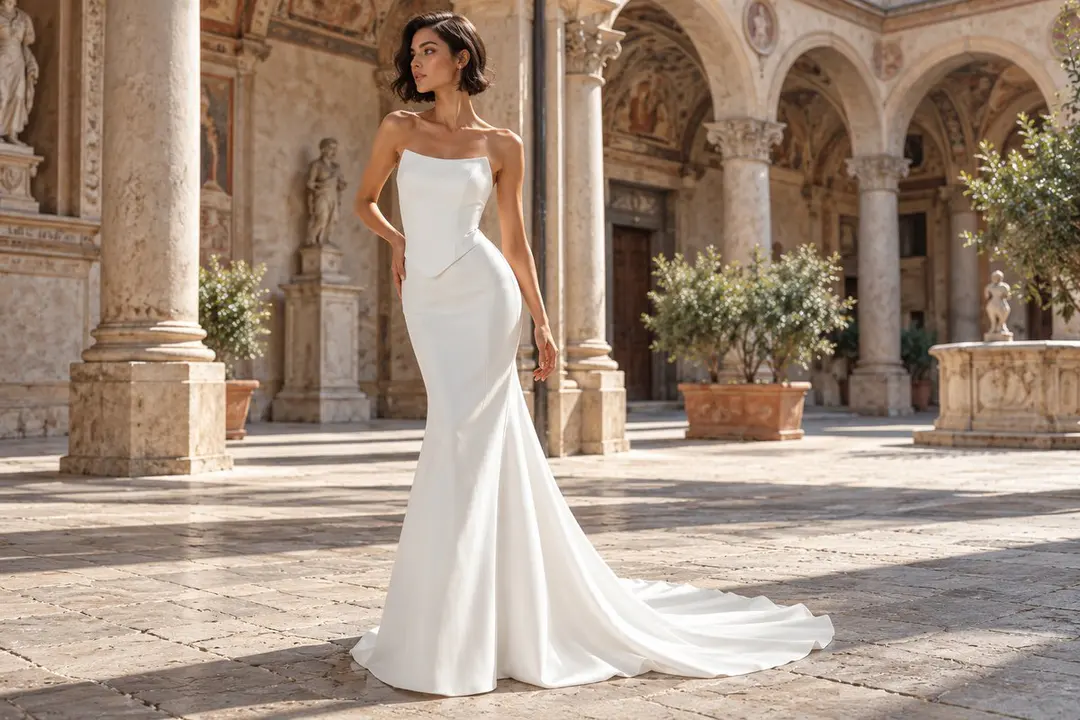
These support materials have different jobs. Underlining is attached to the outer fabric and handled as one piece. Interlining sits between the outer fabric and lining to add body or insulation. Wedding dress interfacing reinforces selected areas, such as a neckline edge or closure.
| Component | Main Purpose | What to Check |
|---|---|---|
| Underlining | Supports the outer fabric | Fabric lies smoothly over seams |
| Interlining | Adds body between layers | Gown can bend and move |
| Interfacing | Stabilizes specific edges or panels | Neckline and openings lie flat |
If you are comparing underlining vs lining, look at attachment: underlining moves with the outer fabric, while lining forms the finished interior. Interfacing may be sewn in or fused, depending on the material. Too much stiffness can make a softly draped gown buckle rather than fall naturally.
How Does Boning Work With Cups and a Waist Stay?
Wedding dress boning helps a bodice resist folding and maintain its intended vertical shape. Cups may provide bust shaping, while a waist stay, if included, can help anchor the bodice around the waist. These components work with a correct fit; none can compensate reliably for a dress that is the wrong size.
In Strapless Wedding Dresses, bodice construction is especially important because there are no shoulder straps. Try breathing deeply, turning, and raising your arms. Firm support should not mean sharp pressure at the ribs or a neckline that needs constant pulling.
What Is the Role of Wedding Dress Lining?
Wedding dress lining creates a finished inner surface and can add coverage beneath sheer fabric. It may cover the whole gown or selected sections. Lining does not replace the shaping work of seams or structural reinforcement.
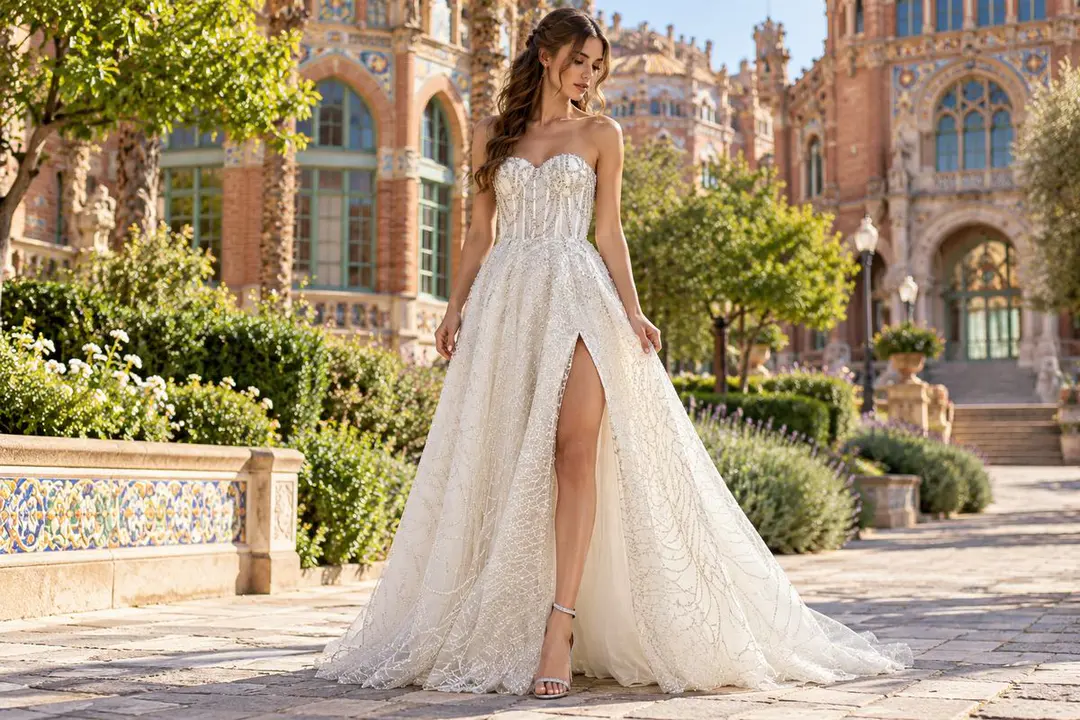
In Lace Wedding Dresses, lining color influences how clearly the lace pattern appears. Ivory and skin-tone underlayers can create noticeably different contrast. Check the gown in bright light, then sit down to see whether the lining twists or rides up.
The inside should feel comfortable against the skin. A lining that catches at a zipper or hangs below the outer hem may need attention before the wedding.
How Skirt Layers Create Shape and Movement
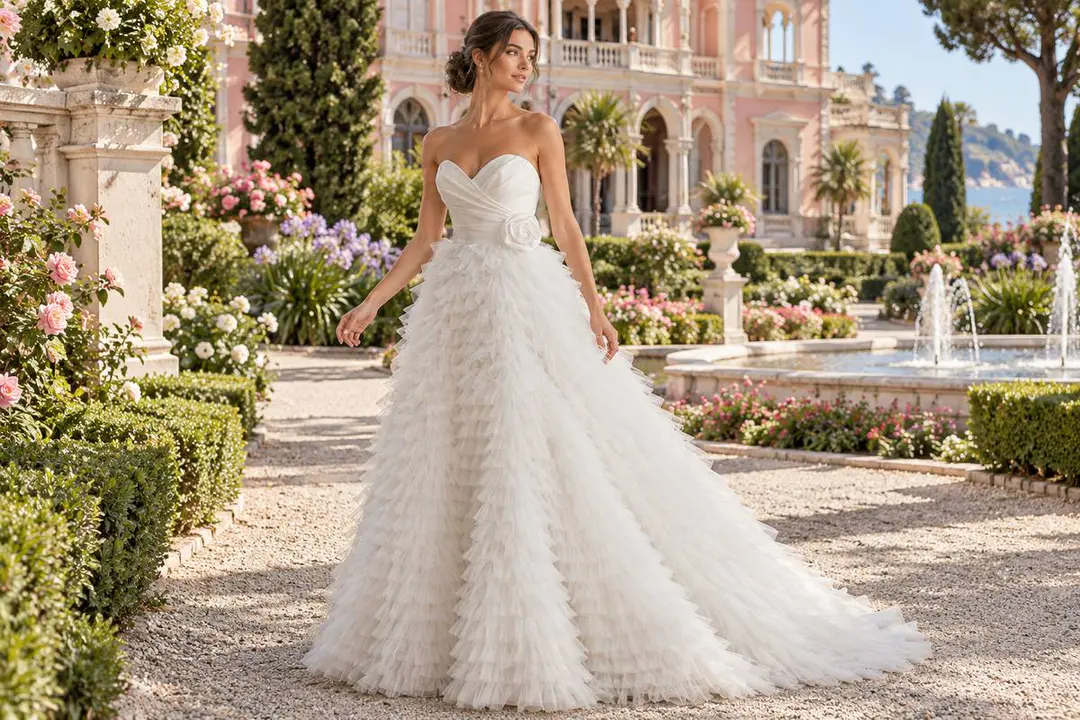
Wedding dress layers can include an outer lace or tulle overlay, shaping fabric, and an inner lining. Stiffer netting can hold a fuller skirt away from the legs, while softer layers move closer to the body. The arrangement varies by gown. More layers do not automatically mean better construction.
Lift and release a small section of the skirt. Its layers should fall back without tangling or exposing an unintended edge.
Why Closures, Seam Finishes, and Hems Matter
A zipper, hooks, buttons, or lacing must secure the fitted areas without distorting nearby fabric. Inside, finished seam allowances help control fraying, while bulky intersections should not press against the skin. The hem should preserve the skirt's intended drape and remain clear of your shoes as you walk.
Construction Differences Between Common Bridal Silhouettes
An A-line skirt releases from the waist; a fitted sheath follows the hips more closely; a ball gown may need extra underskirt support. Compare Fitted Wedding Dresses with fuller gowns to feel how seam shaping and supporting layers affect mobility. The same outer fabric can behave differently in each cut.
What to Inspect During a Bridal Fitting
With the gown fully fastened, sit, raise both arms, and take several steps. Check for a slipping neckline, pinching boning, twisting seams, or a lining that catches. Ask the fitter to show you the inside without pulling on delicate fabric. Describe discomfort as soon as you notice it.
Which Construction Details Can Be Altered?
Some seam allowances permit fit adjustments, but moving boning or reshaping a heavily layered skirt can affect the whole gown. An alterations professional should assess the actual structure before promising a change. Jovani's wedding dress alterations guide covers that next stage.
Understanding wedding dress construction helps you ask a practical question: does each hidden detail support the design without restricting movement?
Visit an authorized Jovani retailer to compare gowns in person and discuss their construction and fit before making a decision.
Frequently Asked Questions
Is a heavier wedding dress better made?
No. Fabric density, embellishment, and skirt layers affect weight, but weight alone does not establish construction quality. Check comfort, seam behavior, and how the gown moves.
Can a gown support the bust without built-in cups?
Yes. Depending on the design, secure fit, supportive fabric, straps, and internal structure may provide enough support without sewn-in cups. Try the gown with your planned undergarments.
Will boning show through a wedding dress?
Sometimes. Thin outer fabric or prominent channels can make boning visible. Check the dress in natural light and ask whether that appearance is intentional.
Should the lining be shorter than the outer skirt?
Usually, yes. Many linings finish slightly above the outer hem so they stay hidden, although special designs use different lengths. Check the hem while standing and walking.