
Stepping into the world of bridal fashion is one of the most anticipated milestones of wedding planning. Long before the invitations are sent or the venue is completely finalized, the vision of the bride walking down the aisle sets the aesthetic tone for the entire event. However, transitioning from saving inspiration photos on your phone to actually standing in front of a mirror in a bridal boutique can be an overwhelming experience. Without the right preparation, the sheer volume of choices, fabrics, and opinions can easily cloud your judgment.
This is why having a curated list of expert wedding dress shopping tips becomes your most valuable asset. The journey to finding the perfect wedding gown is not just about aesthetics; it requires a blend of emotional intuition, logistical planning, and financial boundary-setting. As a brand that has spent decades dressing women for their most significant life moments, Jovani understands the intricate balance of craftsmanship, structure, and style required to make a bride feel entirely like herself.
To ensure your journey is seamless, joyful, and utterly successful, we have compiled this comprehensive guide. From understanding manufacturing timelines to decoding boutique etiquette, here is everything you must know before you book your first bridal appointment.
The Golden Rule of Timing: The Wedding Gown Timeline
Understanding how the global bridal industry operates is crucial. Unlike purchasing luxury ready-to-wear clothing, bridal gowns are rarely bought directly off the rack. When you say “yes” to a dress, you are typically placing a custom order for a gown that will be cut and sewn specifically for you.
Why You Need Nine to Twelve Months
The ideal wedding gown timeline begins nine to twelve months before your wedding date. While this might sound surprisingly early, the logistical reality of bridal design demands it. High-quality bridal fabrics—such as intricate French laces, custom-dyed silks, and hand-beaded tulles—are often sourced internationally. Once your measurements are taken and the order is placed, it takes an average of four to six months for the designer’s atelier to construct the gown.
Following the construction and shipping phases, you must factor in an additional two to three months for bridal alterations. A wedding dress is a highly engineered garment. Achieving that flawless, poured-onto-the-body fit requires multiple fittings with a master seamstress.
What If You Have a Shorter Engagement?
If your wedding is less than six months away, do not panic, but do adjust your expectations. Many designers offer rush shipping for an additional fee. Alternatively, you can explore sample sales or purchase off-the-rack designs. When shopping on a truncated timeline, transparency with your bridal stylist is vital. Before you fall in love with a gown, your stylist needs to verify that the designer can accommodate your date to avoid unnecessary heartbreak.
Establishing and Protecting Your Bridal Budget
Before you ever try on wedding dresses, you must have a firm, realistic number in mind for your budget. Financial stress is the quickest way to ruin the magic of your shopping experience.
The Core Dress Cost vs. The Total Bridal Look
Brides frequently make the mistake of allocating their entire budget solely to the gown. In reality, the price tag on the dress is only the baseline. When calculating your finances, you must account for the complete ensemble.
First, factor in local sales taxes and potential shipping fees. Next, consider your accessories. A cathedral-length veil bordered in matching lace can be a significant investment, as can bridal jewelry, hairpieces, and luxury footwear. Finally, and most importantly, you must reserve a substantial portion of your budget (typically 15 to 20 percent of the dress cost) specifically for alterations.
The Danger of Trying on Over-Budget Gowns
One of the most steadfast wedding dress shopping tips is this: never try on a gown that sits significantly outside of your budget. It is a dangerous game that rarely ends well. If you slip into a dress that costs three times your limit, it will unfairly skew your perception of the gowns that actually fit your financial parameters. Trust the expertise of Jovani and your boutique stylist to find breathtaking designs within your established price point. A masterfully constructed gown with superior internal boning will always look incredibly expensive, regardless of the tag.
Research and Reality: Bridging the Gap
In the digital age, brides are inundated with endless imagery. While building a digital mood board is an excellent starting point, it is vital to approach your inspiration with a degree of flexibility.
Doing Your Homework
Take time to educate yourself on the vocabulary of bridal design. By understanding wedding dress basics, you empower yourself to communicate effectively with your stylist. Learn the difference between ivory, diamond white, and champagne. Familiarize yourself with different necklines—from classic sweethearts to modern square cuts—and identify what you generally gravitate toward in your daily wardrobe.
The “Hanger Appeal” Phenomenon
While research is important, you must remain open-minded during the bridal boutique experience. Bridal gowns suffer from a phenomenon known as “hanger appeal.” A dress that looks uninspiring or overly complex on a plastic hanger can completely transform when it wraps around the curves of a human body. Conversely, the dress you pinned fifty times on your inspiration board might not complement your unique proportions or the venue’s climate in the way you envisioned. Allow your stylist to pull a “wildcard” dress. Very often, the gown a bride ultimately chooses is one she never would have picked off the rack herself.
Decoding the Canvas: Wedding Dress Silhouettes
The foundation of any bridal look is its shape. Different wedding dress silhouettes highlight different aspects of the body, and understanding these structures is key to your bridal appointment preparation. Jovani’s design philosophy centers on architectural support, ensuring that regardless of the silhouette, the bride feels secure and radiant.
The Universally Flattering A-Line
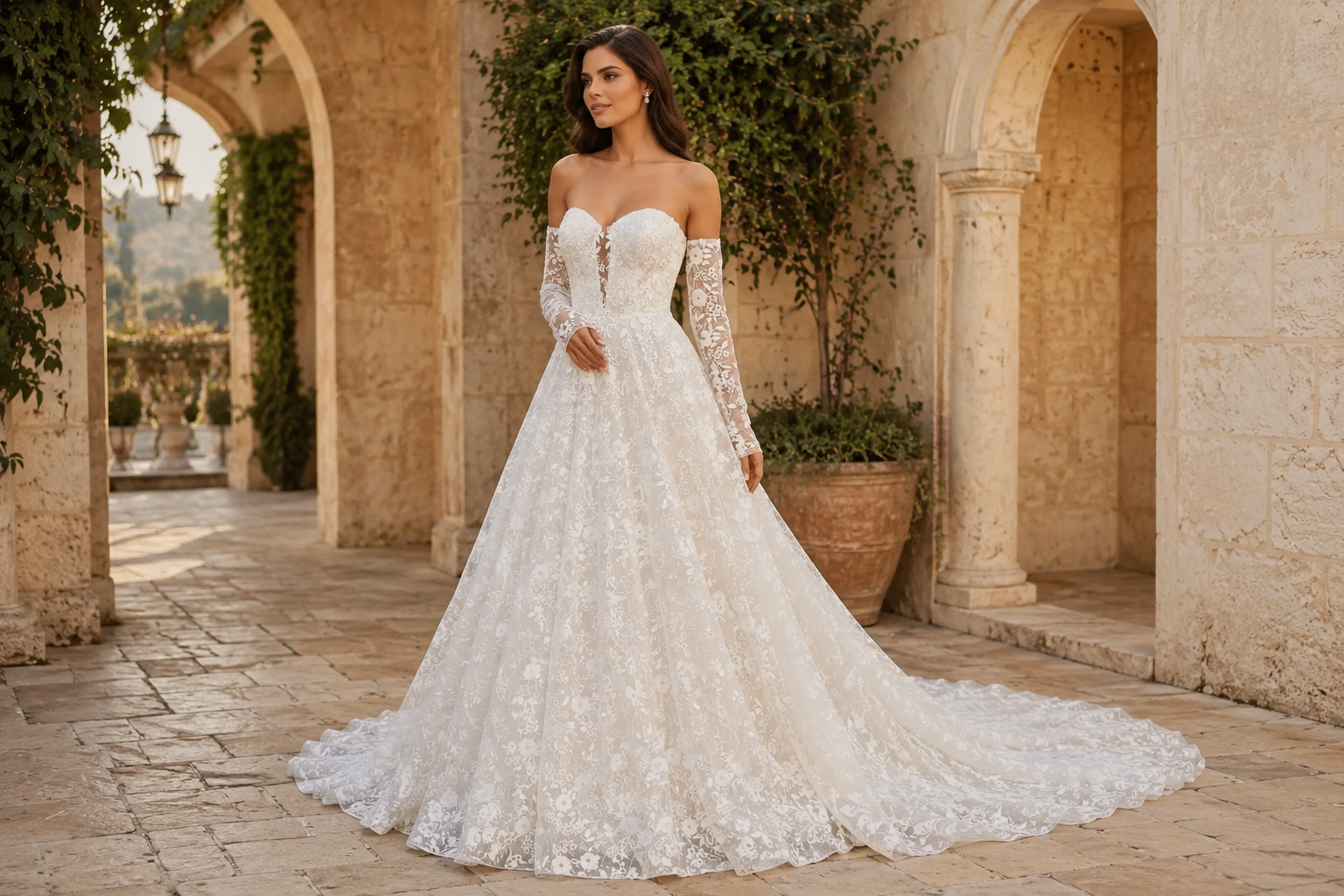
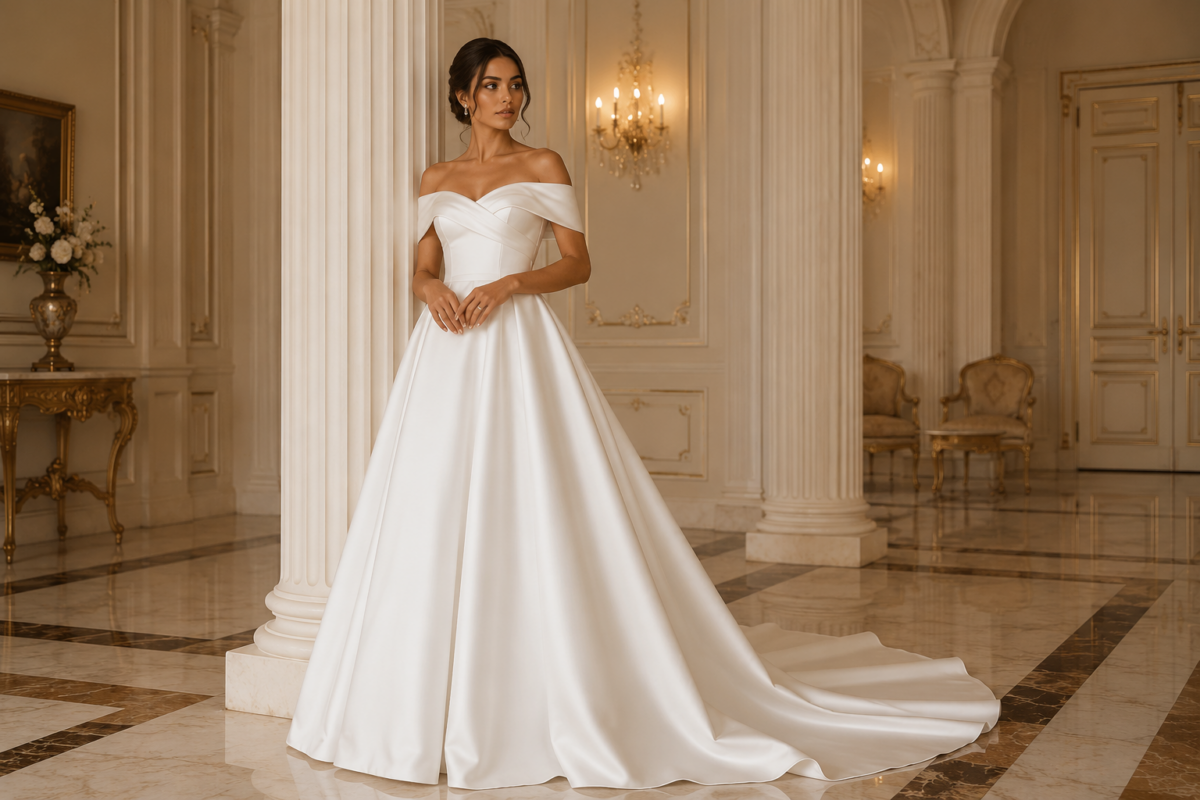
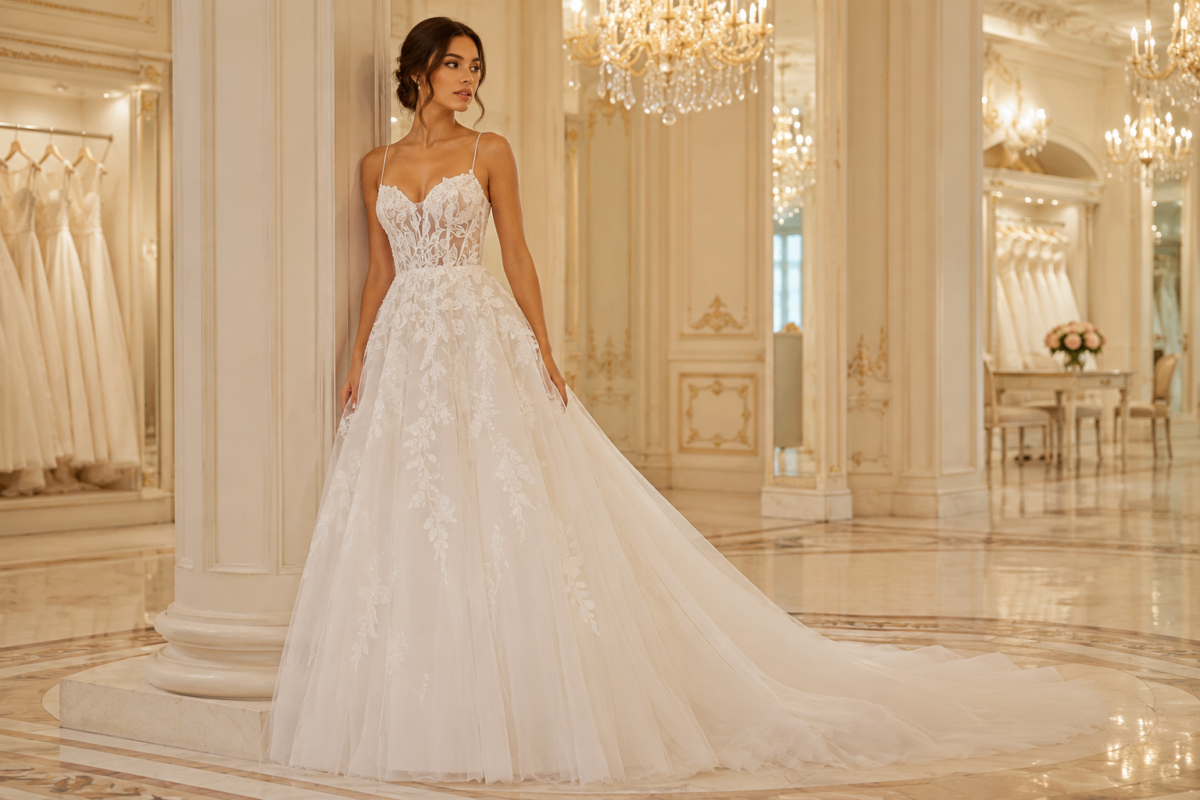
There is a reason A-line wedding dresses remain a perpetual favorite in bridal fashion. Characterized by a fitted bodice that gradually flares out from the natural waist, the A-line mimics the shape of an uppercase “A”. This silhouette is incredibly versatile. It elongates the torso, highlights the smallest part of the waist, and gracefully skims over the hips and thighs. Whether crafted from structured Mikado for a modern, architectural look, or layered in soft tulle for a whimsical garden vibe, the A-line is universally complimentary.
The Drama of the Mermaid and Trumpet
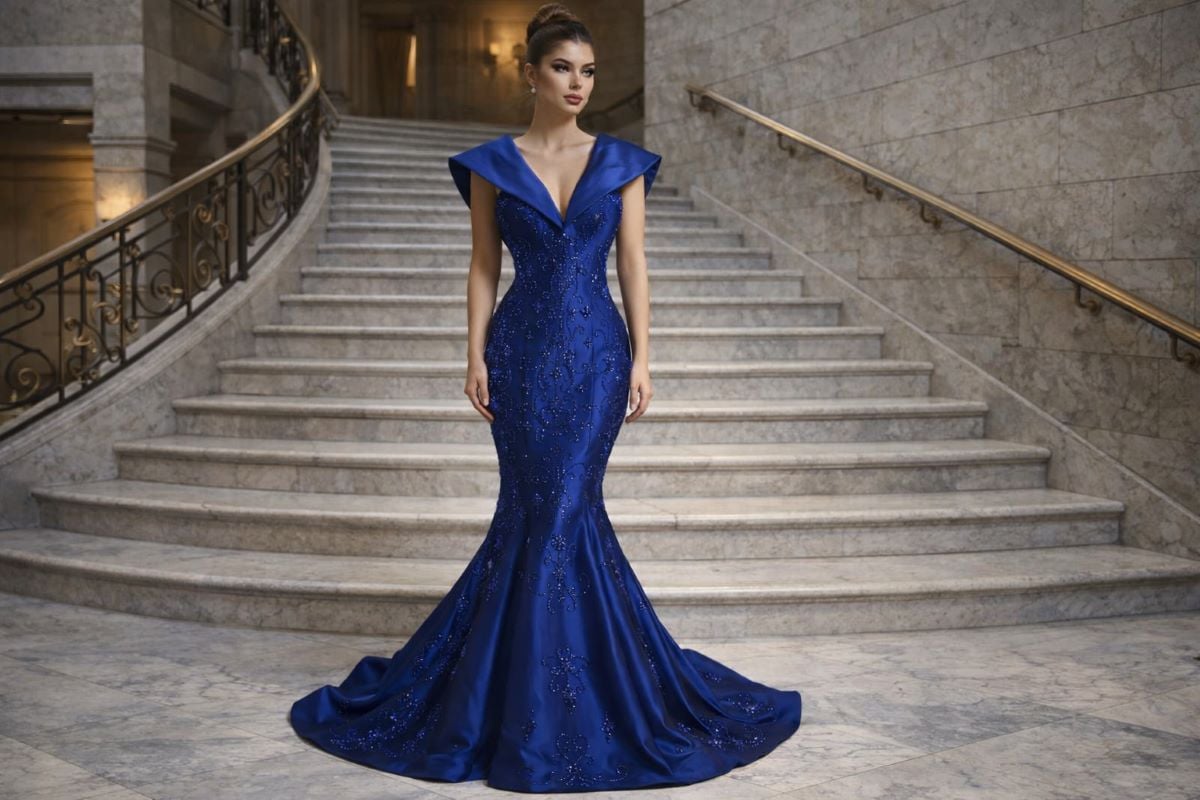
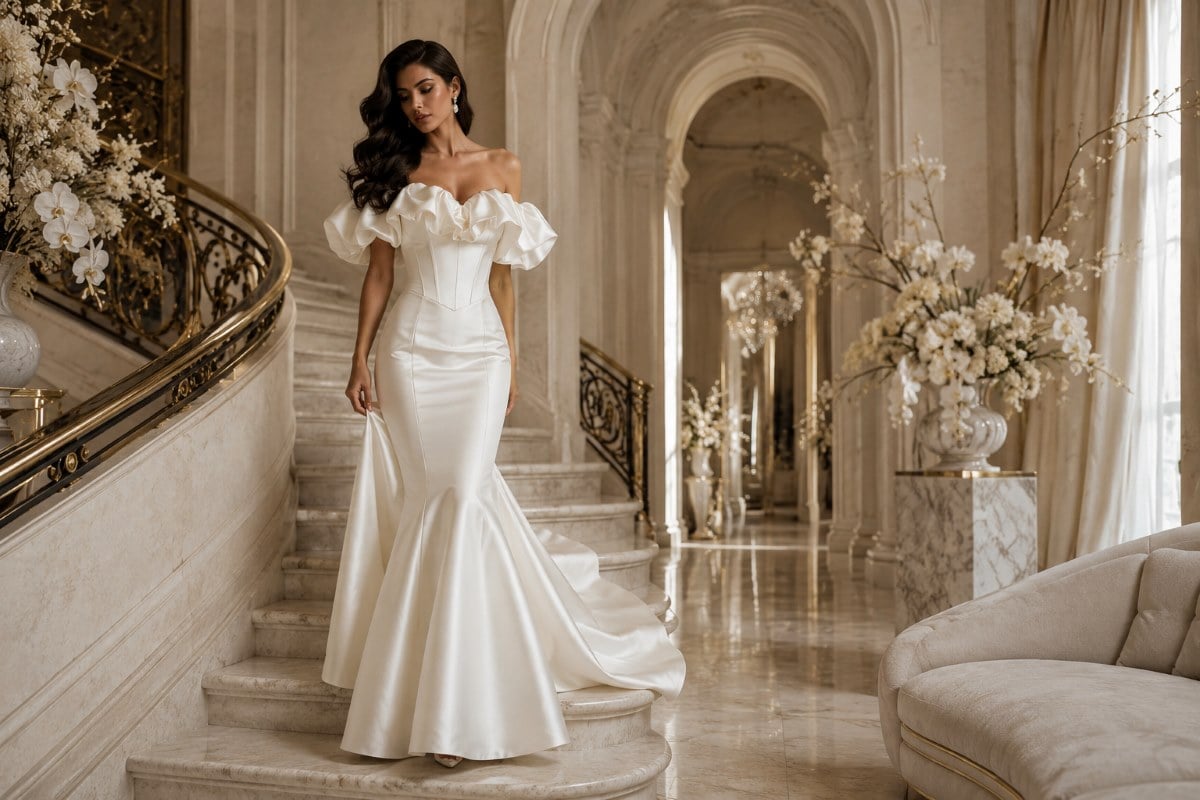
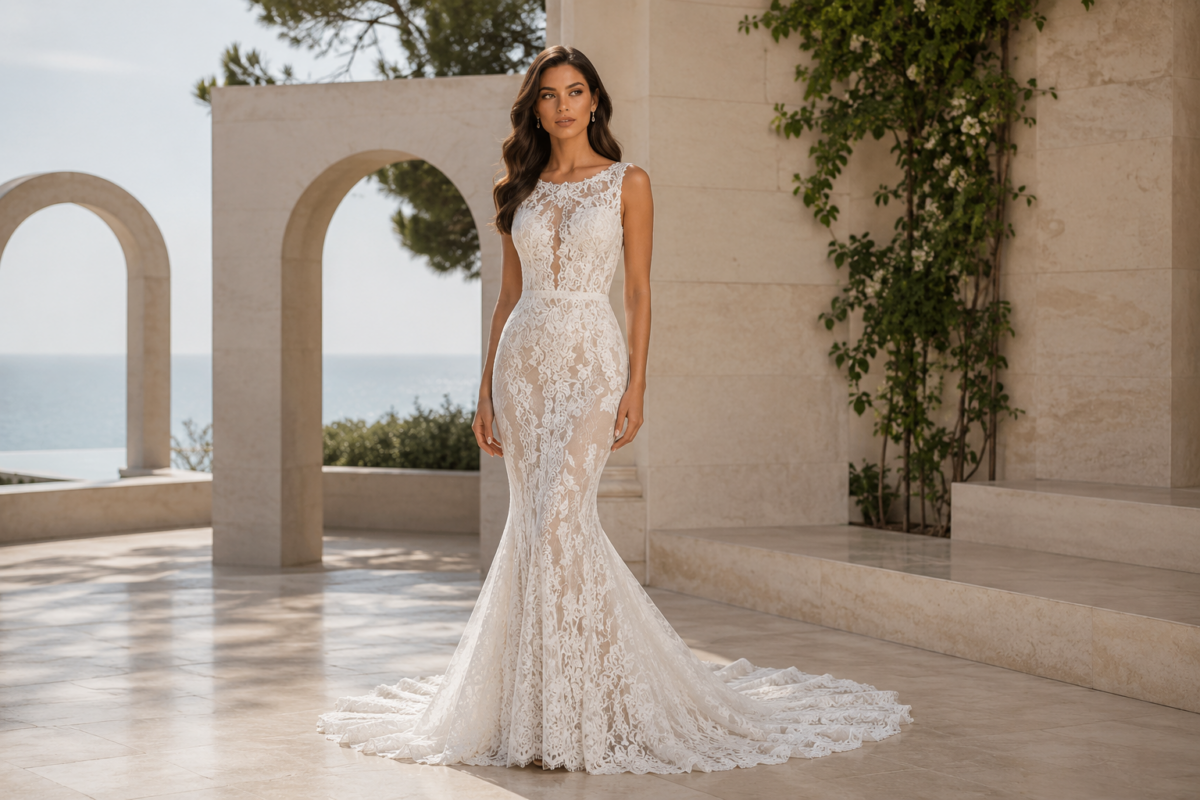
For the bride who wants to showcase her curves with unabashed glamour, form-fitting mermaid gowns are the ultimate choice. A mermaid silhouette contours tightly to the chest, waist, and hips, only flaring out dramatically at or below the knee. A trumpet gown features a slightly softer flare that begins mid-thigh, allowing for a bit more mobility. These styles demand expert tailoring and high-quality fabrics to ensure the dress smooths and supports the body perfectly.
The Regal Ballgown
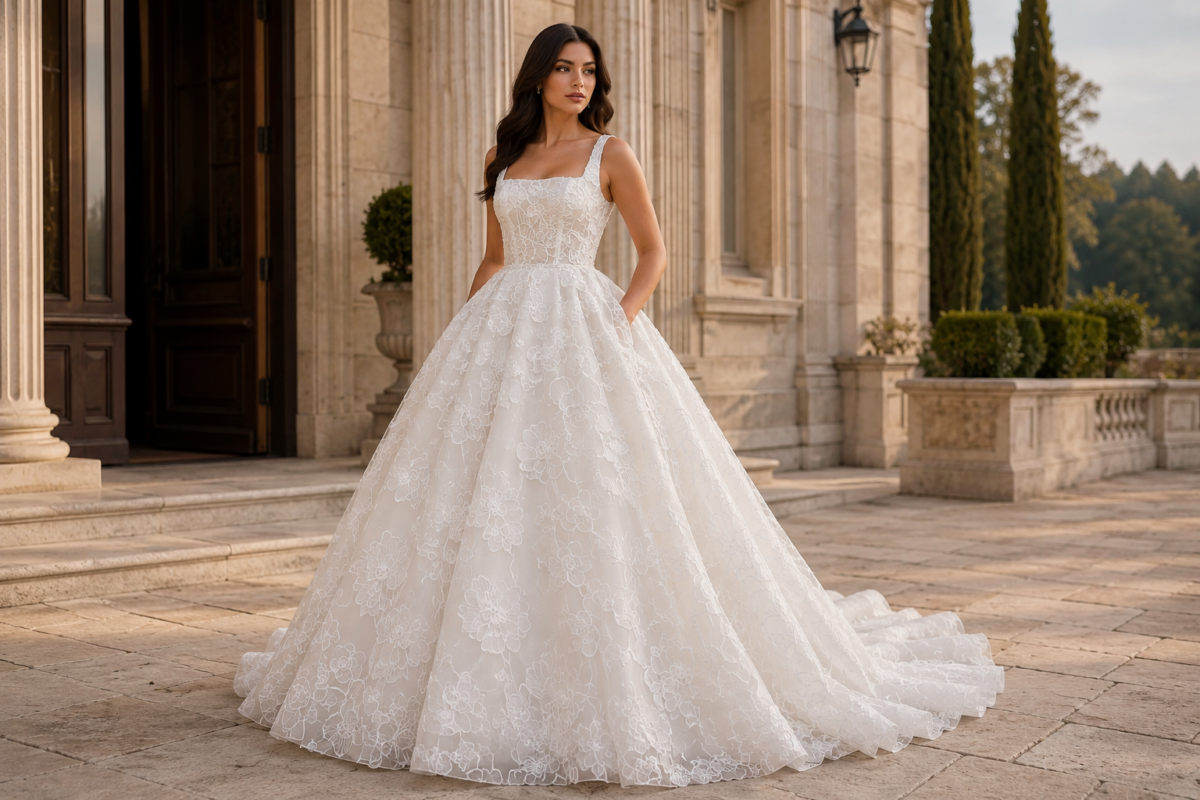
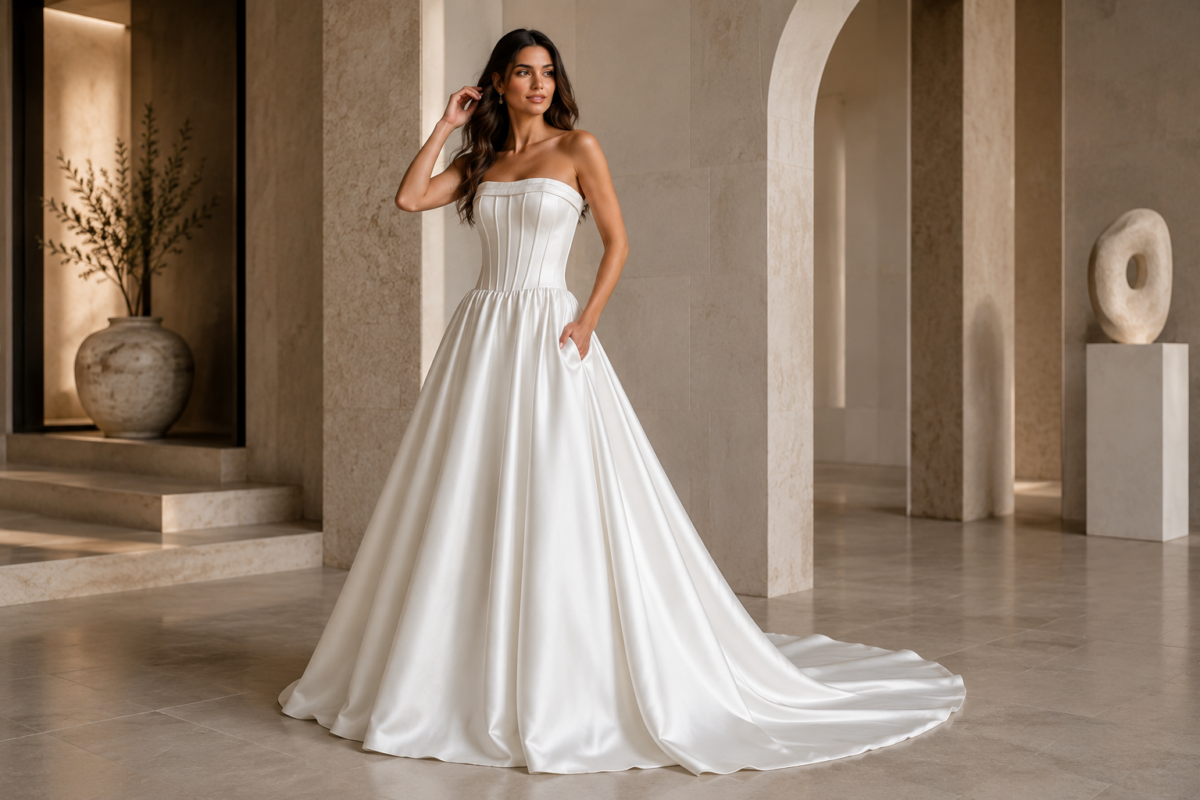
The ballgown is the most traditional and formal of all silhouettes. It features a fitted, often corset-style bodice that drops into a highly voluminous skirt supported by crinolines or petticoats. If you are hosting a black-tie wedding in a grand ballroom or an opulent estate, a ballgown provides the necessary visual weight to command the space.
The Sleek Sheath and Column
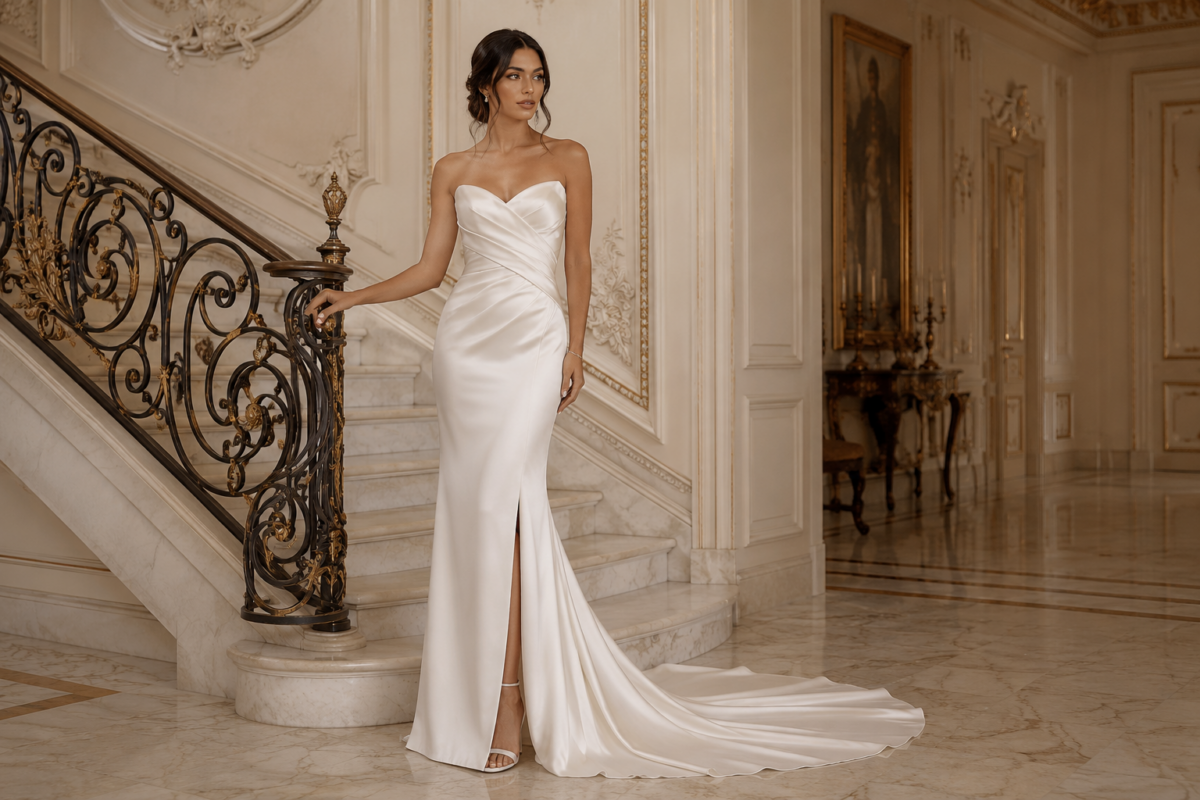
Sheath and column dresses fall straight down from the neckline to the hem, hugging the body’s natural line without clinging tightly. These silhouettes are incredibly chic, modern, and effortless. They are perfect for intimate ceremonies, destination beach weddings, or city-hall elopements. Because they lack the heavy structure of a ballgown, sheath dresses often rely on the luxurious drape of fabrics like heavy crepe or silk charmeuse.
The Soul of the Gown: Fabrics and Details
Once you have zeroed in on a silhouette, the fabric dictates the mood, formality, and comfort level of your dress. When gathering wedding dress shopping tips, fabric consideration should always be at the top of your list, especially concerning your venue and season.
Classic and Ethereal Laces
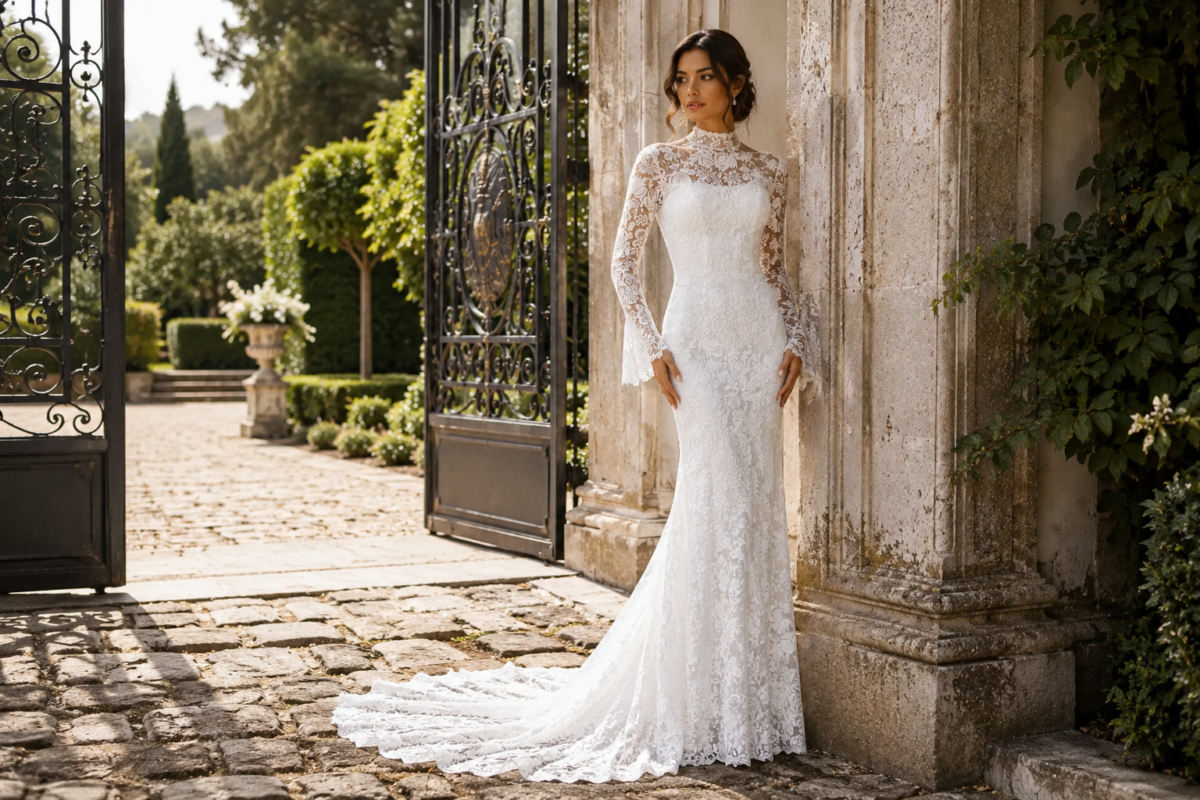
Lace is synonymous with bridal fashion, but not all lace is created equal. Lace wedding dresses can range from vintage to highly contemporary. Alençon lace, with its distinct corded outline, offers a traditional, textured look. Chantilly lace is exquisitely fine and delicate, perfect for soft, romantic overlays. Guipure lace is thicker and more geometric, offering a striking, boho-chic aesthetic. Jovani’s meticulous placement of lace appliqués ensures seamless transitions across the bodice and skirt.
Structuring with Satin and Mikado
If your style leans toward clean, architectural lines, structured fabrics are your best friend. Duchess satin is rich, heavy, and luminous. Mikado—a blended silk—is slightly stiffer, allowing designers to create dramatic, sculptural folds and crisp pleats that hold their shape flawlessly throughout a twelve-hour wedding day.
Softness and Movement: Chiffon, Tulle, and Organza
For brides desiring a dress that moves like a gentle breeze, lighter fabrics are essential. Chiffon is matte, fluid, and incredibly lightweight, making it ideal for summer and beach weddings. Tulle offers transparency and volume without the heavy weight of satin. Organza is crisp and sheer, providing the volume of tulle but with a smoother, more structured finish.
Curating Your Entourage: Who to Bring
One of the most psychologically complex aspects of bridal appointment preparation is managing your entourage. The people you bring to your appointment will profoundly impact your decision-making process.
Less is Always More
While it is tempting to invite your entire bridal party, your mother, your future mother-in-law, and your extended family, you should resist this urge. A dressing area crowded with differing opinions is a recipe for anxiety. Every person brings their own generational biases and personal style preferences. When too many voices are speaking, the bride’s own intuition gets drowned out. Keep your shopping party to two or three trusted individuals whose opinions you deeply value, and who understand that their role is to support your vision.
Highlighting Key Family Members
This shopping trip is an emotional milestone, particularly for mothers. Bringing your mother along provides grounding support and often sets the stage for her own styling journey. While the focus is on the bridal gown, the appointment frequently sparks conversations about what the bridal party will wear, helping coordinate a sophisticated look that complements the wedding perfectly.
Bridal Appointment Preparation: Setting Yourself Up for Success
You have a budget, a timeline, and an intimate entourage. Now, preparing yourself physically and mentally for the day will drastically improve your stamina.
What to Wear Underneath
When you try on wedding dresses, your undergarments matter immensely. Dark or brightly colored bras and heavily seamed underwear will show through light-colored, delicate bridal fabrics, distracting you from the true beauty of the gown. Invest in seamless, laser-cut underwear in a tone that matches your skin. Bringing your own strapless bra or supportive pasties will make you feel much more comfortable as stylists help you in and out of gowns.
Hair, Makeup, and Mindset
You do not need full bridal glam for a shopping appointment, but putting on a touch of makeup that makes you feel fresh and confident will help you visualize the final look. Style your hair in a loose version of how you might wear it on the big day. If you envision an updo, bring a claw clip to sweep your hair off your neck when trying on high-necked or backless gowns.
Furthermore, ensure you eat a solid, protein-rich meal before you go. Bridal appointments are physically demanding. You will be standing on pedestals, carrying the weight of heavy fabrics, and dealing with adrenaline. A well-nourished bride is a decisive bride.
The Bridal Boutique Experience: What Actually Happens
Stepping into the boutique can feel intimidating, but understanding the flow of the appointment will put you at ease and enhance your overall bridal boutique experience.
The Role of Your Stylist
Your bridal stylist is your advocate, confidante, and technical expert. The appointment begins with a consultation where the stylist asks about your venue, budget, and vision. Be brutally honest. If you hate a dress they pull, tell them immediately. You will not hurt their feelings; you are simply helping them narrow down the precise algorithm of your taste.
It is important to know that your stylist will be in the fitting room with you. Wedding dresses are heavy and complex; they cannot be slipped on like a t-shirt. Your stylist will physically help you step into the gowns, zip them up, and clip them to fit your frame. Leave your modesty at the door and embrace the professional nature of the process.
The Truth About Bridal Sizing
Perhaps one of the most vital wedding dress shopping tips is to completely ignore the number on the tag. Bridal sizing is notoriously archaic and runs incredibly small compared to modern street sizing. If you typically wear a size 8 in everyday clothing, you might find yourself ordering a size 12 or 14 in bridal.
This discrepancy is a standard industry practice based on European haute couture measurements from decades past. Do not let the number impact your self-esteem. The only thing that matters is how the dress looks and feels once it is tailored to your unique measurements. Jovani focuses purely on fit, proportion, and construction, ensuring the final garment celebrates your body flawlessly.
Planning for Perfection: The Reality of Bridal Alterations
Finding the dress is only half the journey. Achieving that magazine-cover fit happens entirely in the alterations stage. Every single wedding gown requires bridal alterations.
Standard Alteration Procedures
When you order your gown, the boutique will take your bust, waist, and hip measurements and order the size that accommodates your largest measurement. This means the dress will arrive fitting loosely in certain areas.
Standard alterations usually include taking in the side seams of the bodice so it sits flush against your skin. The hem will need to be shortened to hover perfectly just above your chosen wedding shoes. Finally, the seamstress will add a bustle—a system of hidden hooks or buttons that allows the long train to be pinned up securely so you can dance without tripping at the reception.
Managing Weight Fluctuations
A cardinal rule of bridal shopping is to buy the dress that fits your body today. Do not order a gown two sizes too small under the assumption that you will undergo a drastic weight loss regimen before the wedding. It is always easier for a seamstress to take a dress in than it is to let a dress out. Ordering a size down adds immense pressure to your engagement period and risks damaging the structural integrity of the gown.
Beyond the Ceremony: The Second Look Trend
In recent years, brides have increasingly prioritized comfort and uninhibited celebration for the latter half of their wedding day. If your dream ceremony gown is a heavy, dramatic ballgown, you may find it difficult to execute your choreographed first dance or mingle comfortably.
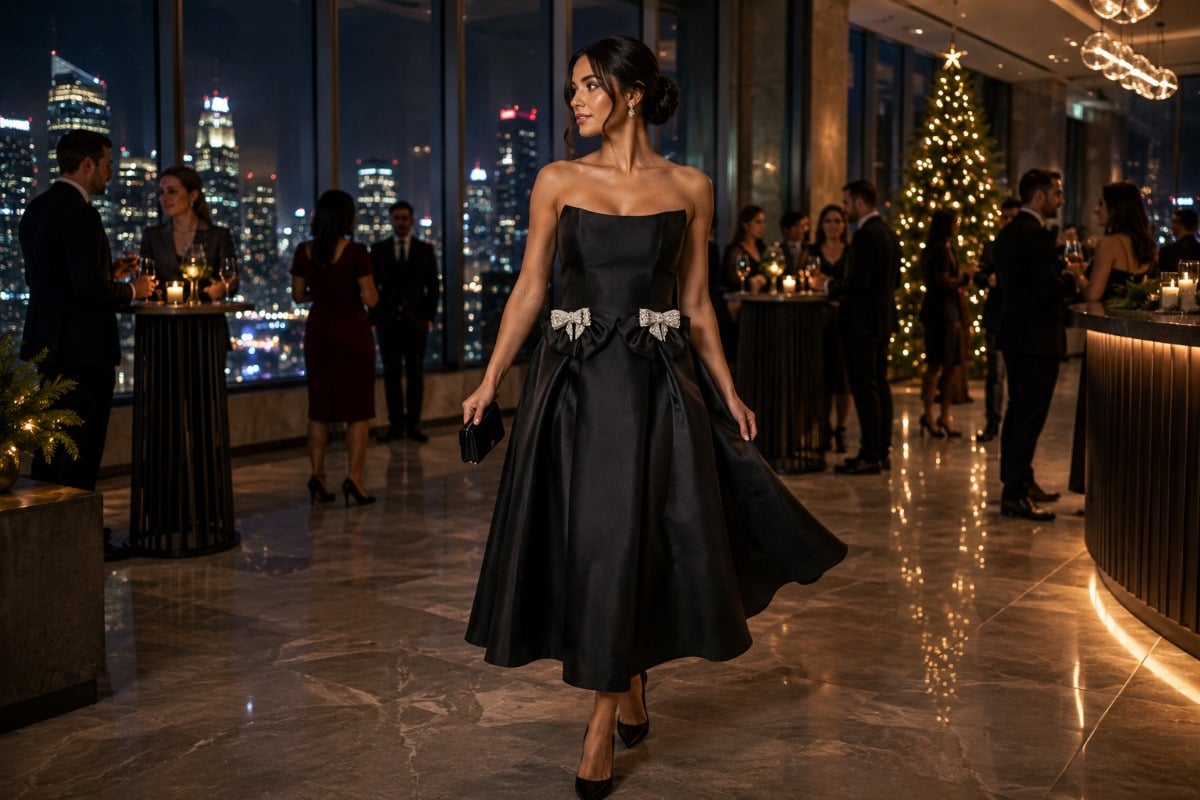
This logistical challenge has given rise to the second look. Changing into wedding reception dresses midway through the evening allows brides to experience the best of both worlds. A reception dress is typically lighter, shorter, or more streamlined. Think beaded mini dresses, sleek crepe midi slips, or elegant bridal jumpsuits. Planning for a second look allows you to commit to the high drama of your ceremony dress without worrying about its practicality at midnight.
The Emotional Climax: Knowing It Is “The One”
Hollywood has conditioned us to believe that finding the perfect wedding gown is accompanied by instant, uncontrollable weeping from both the bride and her entire entourage. While this emotional release does happen for some, it is not the standard reality for everyone.
Do not panic if you do not cry. Many brides are analytical processors. You might know it is “the dress” simply because you feel incredibly beautiful, you do not want to take it off, and you can vividly picture yourself walking down the aisle toward your partner while wearing it. Trust Jovani’s craftsmanship to elevate that feeling, providing you with a gown that is as flawlessly constructed as it is visually stunning.
Frequently Asked Questions (FAQ) About Wedding Dress Shopping
1. How many bridal boutiques should I visit in one day?
To avoid overwhelming decision fatigue, we strongly recommend visiting no more than two bridal boutiques in a single day. Trying on heavy gowns is physically exhausting, and seeing too many dresses in quick succession will cause them to blur together in your memory. Schedule a morning appointment, take a long break for lunch to discuss what you liked, and then attend one afternoon appointment.
2. Do I need to bring my exact wedding shoes to the first appointment?
No, it is not strictly necessary for your initial shopping phase. Boutiques often have pedestals that simulate the height of a heel. However, if you already know the exact heel height you plan to wear, bringing a shoe of that height can help you better visualize your posture and the gown’s proportions. You must, however, have your exact wedding shoes by the time you begin bridal alterations so the hem can be set perfectly.
3. What is a designer trunk show, and should I attend one?
A trunk show is a special boutique event where a specific bridal designer sends their entire new collection (which the boutique normally wouldn’t carry in full) to the store for a limited weekend. If you have a strong affinity for a specific brand’s aesthetic, attending their trunk show is an excellent idea. It allows you to see exclusive pieces and, often, the boutique will offer a slight discount on that designer’s gowns purchased during the event.
4. Can I customize a designer wedding dress?
This depends heavily on the designer and the boutique. Minor customizations—such as closing a plunging neckline, extending a train, or adding buttons down the back—are very common and can usually be handled by an expert seamstress during alterations. Major structural changes, like changing a mermaid silhouette into an A-line, are generally not advisable. Always ask your stylist what modifications are realistically achievable before purchasing.
5. What should I do if my entourage hates the dress I love?
This is a delicate but common situation. Remember that this is your wedding, your body, and your vision. If you feel confident, beautiful, and authentic in a gown, politely but firmly thank your entourage for their input, but remind them that you have found the dress that feels right for you. A skilled bridal stylist will often step in to mediate and redirect the focus back to the bride’s happiness.
Armed with these comprehensive wedding dress shopping tips, you are now prepared to navigate bridal boutiques with confidence, grace, and strategic insight. Remember that this process is ultimately a celebration of your personal style and your upcoming marriage. To begin exploring silhouettes that blend master craftsmanship with undeniable glamour, discover Jovani’s stunning bridal collections today.
Ready to start your journey? Explore our breathtaking selection and find your dream look by viewing our full collection of wedding gowns tailored for the modern bride.