
Is Satin a Good Fabric for a Quinceañera Dress?
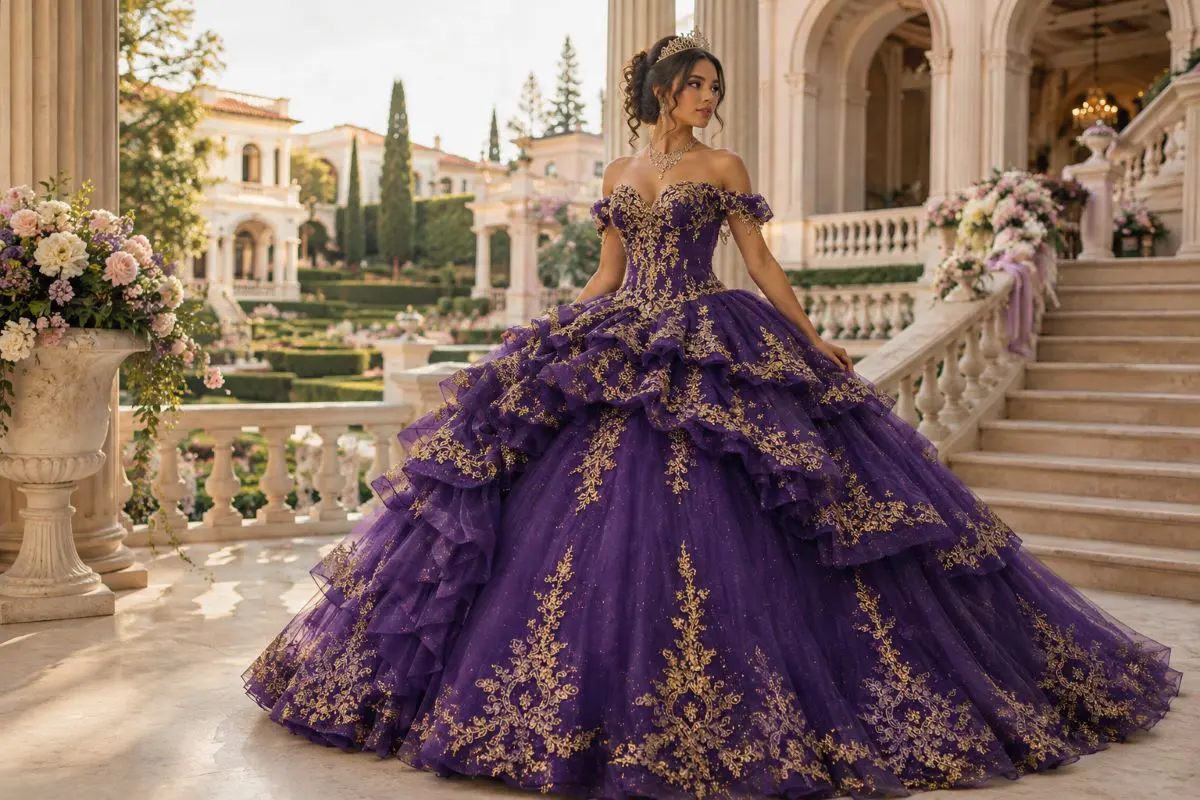
Satin can be an excellent choice for a quinceañera dress if you want a smooth surface, visible sheen, and folds that respond clearly to light. However, satin is not one single material. Its fiber, weight, stretch, lining, and construction help determine whether the gown feels fluid or structured, cool or warm, light or heavy. That distinction matters when comparing quinceanera gowns. Do not choose a gown from the word satin alone. Evaluate the complete dress: bodice support, skirt layers, understructure, movement, venue, ceremony requirements, care label, and the way the actual color looks under different lighting.
What Is Satin?
Satin describes a weave structure and the smooth, lustrous surface it produces; it does not identify one specific fiber. Satin's longer floating threads reflect light, create flexibility and drape, and can also make the surface easier to snag. Satin fabrics may be made from several fibers, including silk, polyester, and nylon, or from blends; the fiber content varies by garment.
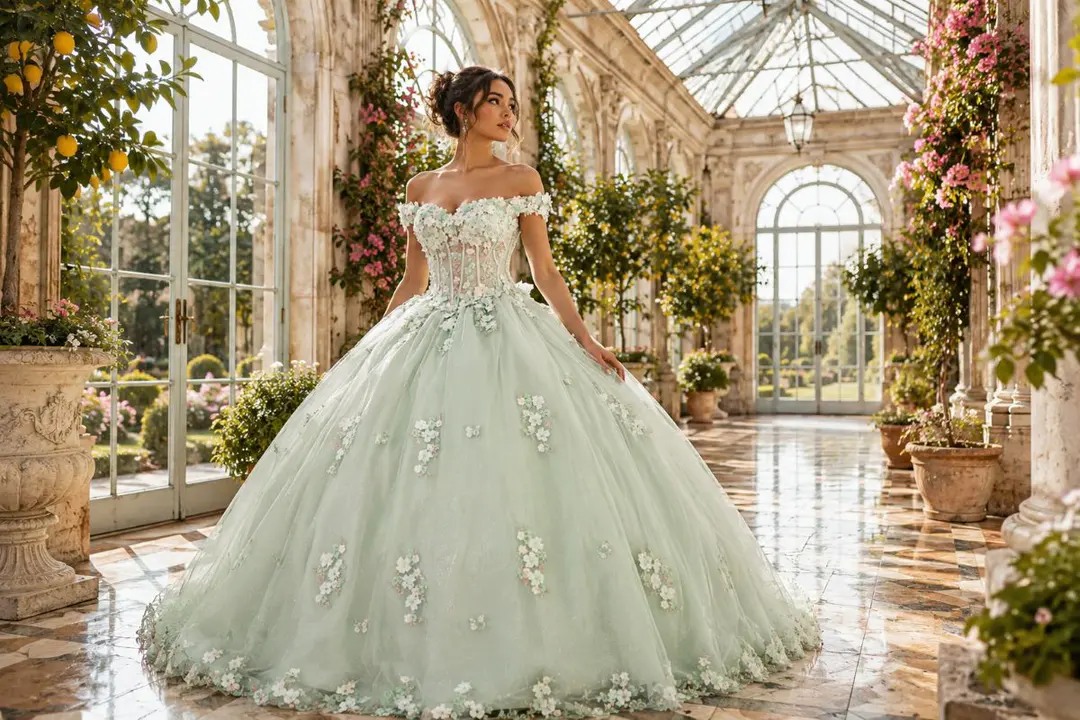
As a result, two satin gowns can perform very differently. A substantial satin can form broad, sculptural folds in a ball-gown skirt. A lighter satin or charmeuse may fall close to the body and show more movement. A stretch satin can feel different again, while a gown that combines satin with tulle, organza, lace, or embroidery may behave more like a layered construction than an all-satin dress. Before ordering, ask for the exact fiber content and care instructions, then feel the fabric in person when possible. Surface shine does not reveal weight, breathability, strength, or ease of alteration.
Is Satin Appropriate for a Quinceañera?
Yes. A quinceañera can include family, cultural, community, and religious traditions, but there is no universal rule requiring one gown fabric. Customs also vary by country, family, parish, and individual celebration.
Church guidance for the fifteenth-birthday blessing describes a ceremony that may take place within or outside Mass and may be followed by a dinner and dance. It does not prescribe satin, tulle, or another dress material. When a church ceremony is part of the day, ask the parish about neckline, shoulder, train, and accessory expectations rather than assuming a general fashion rule applies.
Satin can support a classic ball-gown silhouette or a cleaner contemporary look. If you are still deciding how traditional you want the shape to be, the comparison of a quinceañera dress and a standard ball gown is a useful starting point. The gown should still reflect the celebrant's preferences, the family's plans, and the practical demands of the day rather than a claim that one fabric is inherently more traditional or more modern.
Structured Satin, Lightweight Satin, and Mixed-Fabric Gowns
| Type of satin use | Typical visual effect | What to check in person |
|---|---|---|
| Structured or substantial satin | Broad folds, a polished surface, and a more architectural skirt | Total weight, crease behavior, petticoat or hoop requirements, and stair clearance |
| Lightweight satin or charmeuse | Softer drape and more fluid movement | Lining, seam tension, static, undergarment visibility, and whether the fabric pulls at stress points |
| Stretch satin | A closer fit with some give | Recovery after sitting, zipper stability, lining stretch, and whether the bodice relies on tightness instead of support |
| Satin combined with tulle, organza, lace, or embroidery | Contrast between shine, texture, and volume | Where layers meet, whether embellishment catches the satin, and how much the combined materials weigh |
The product description may use a broad term even when only the bodice, underskirt, sash, or visible panels are satin. Confirm which parts of the gown use which materials, especially when comfort, photography, or alterations are important. If you are aiming for a very full skirt, the explanation of why quinceañera dresses are so big covers what actually creates that volume underneath the satin.
Satin vs. Tulle and Organza
No fabric is automatically better for a quinceañera. Each creates a different surface and structure, and the finished construction matters more than a simple ranking.
| Feature | Satin | Tulle | Organza |
|---|---|---|---|
| Surface | Smooth with noticeable reflected light | Open net with a soft or crisp appearance depending on type | Sheer, crisp, and lightly lustrous |
| Volume | Can form broad folds; may need internal support for a very full skirt | Can build volume through stiffness and multiple layers | Creates crisp, translucent volume; layer count affects opacity and fullness |
| Movement | Ranges from fluid to structured according to weight and construction | Can float, bounce, or hold shape according to stiffness and layer count | Usually keeps a clearer, crisper outline |
| Practical concerns | Long surface floats may snag; sheen can make pulling and pressure marks more visible | Layers may catch on rough surfaces or feel scratchy at exposed edges | Crisp layers may crease or feel firm depending on finish and placement |
Do not assume tulle is always cooler or satin is always warmer. Thermal comfort depends on fiber, thickness, density, lining, number of layers, fit, petticoats, bodice structure, and room conditions. A heavily layered tulle skirt can feel warmer or heavier than a simpler satin construction, while a lined, embellished satin ball gown may feel substantial. Test the whole gown.
How Satin Looks in Photos and Video
Satin's sheen creates highlights and shadows as the wearer and camera move. This can make broad folds look dimensional, but it can also make tight seams, wrinkles, pressure marks, or uneven pulling more noticeable. The effect depends on the actual fabric, color, lighting direction, flash, exposure, camera settings, and background.
Before choosing a gown, take full-length and close-up phone photos in several conditions:
- daylight near a window or outdoors in open shade;
- indoor venue-style lighting;
- with and without flash;
- short video clips while walking, turning, and dancing;
- front, side, and back views while standing and sitting.
Do not rely on the claim that every jewel tone looks richer in satin or that pale colors always glow. A reflective surface can shift dramatically with the environment. Test the exact gown or a true fabric swatch against the venue colors, court palette, and planned photography.
Fit and Support Matter More in a Reflective Fabric
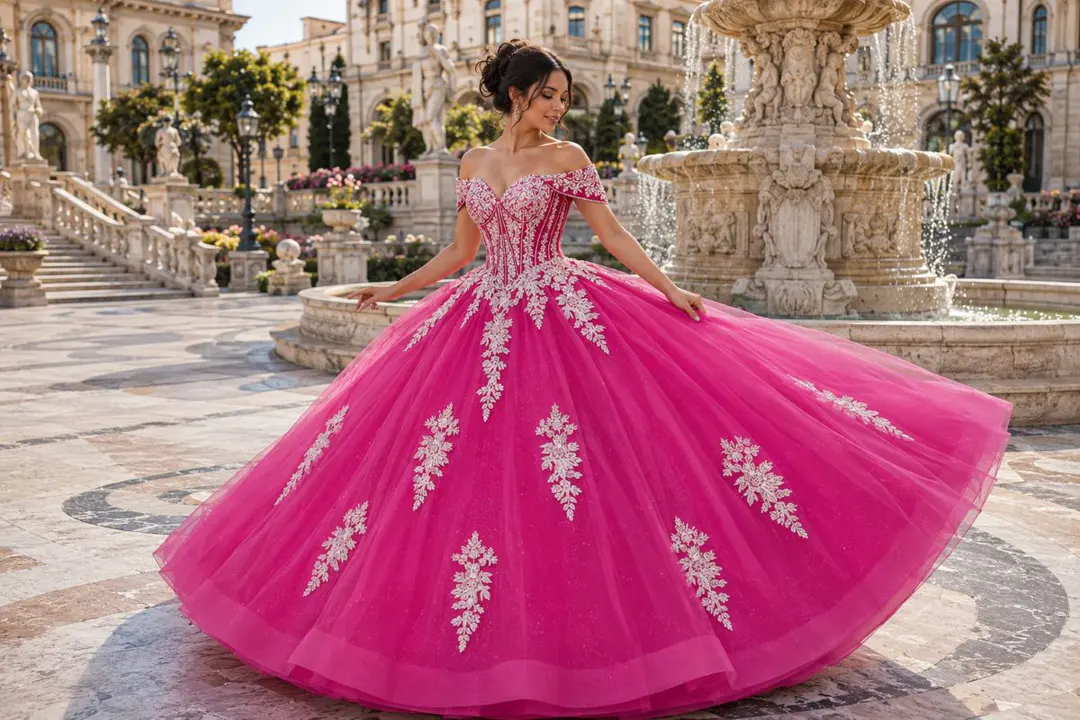
A satin gown does not have to be tight to look polished. In fact, excessive tension can create visible horizontal lines, distorted seams, or a zipper that does not lie flat. Support should come from suitable construction and fit, not from forcing the smallest possible size.
- Bodice: Check cups, boning, neckline security, underarm comfort, and whether the bodice stays in place while breathing and moving.
- Waist and zipper: Look for smooth closure, stable seams, and enough room to sit without the waistband folding or digging in.
- Lining: Confirm that it is opaque, moves with the outer layer, and does not twist or show at the hem.
- Skirt support: Ask whether the intended silhouette requires a petticoat, crinoline, hoop, or only the built-in layers. Do not add a support garment by default; it must match the skirt's construction, circumference, hem, and planned movement.
- Hem and train: Practice stairs, doorway turns, sitting, and getting into a car. Confirm the final hem in the event shoes.
Because satin shows every ridge underneath it, decide early on what goes under the skirt and bodice and bring those pieces to the fitting rather than adding them afterward.
Comfort Through the Ceremony, Photos, and Dance
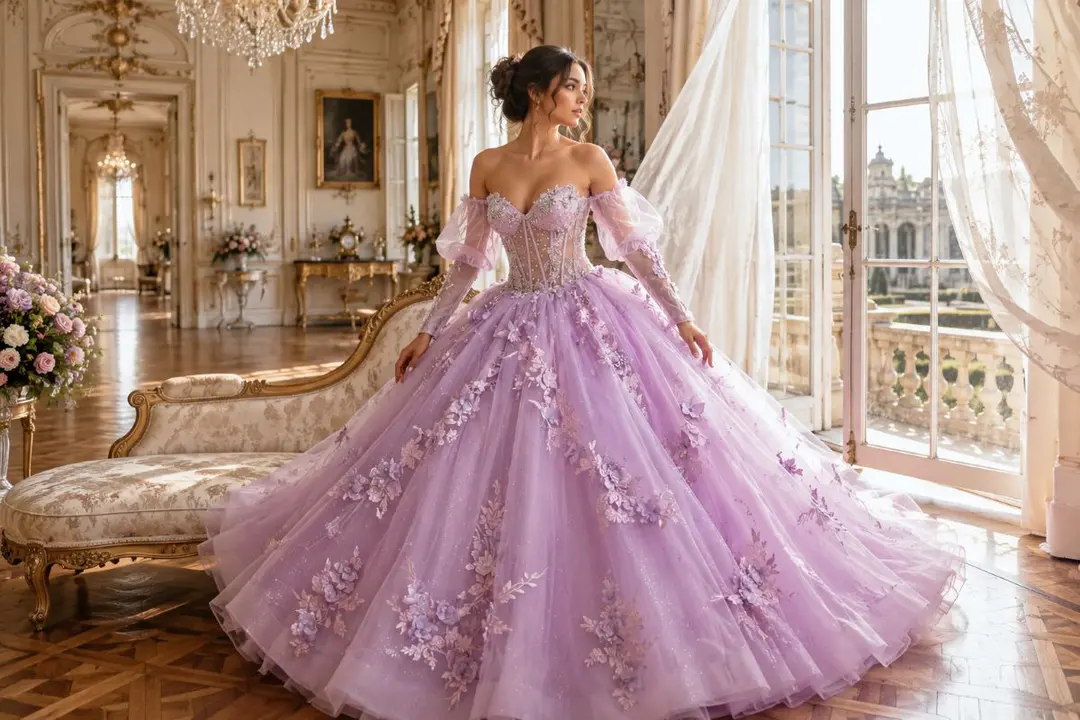
A quinceañera may involve dressing, travel, a religious or family ceremony, portraits, an entrance, formal dances, dinner, and open dancing. Comfort should be tested for the entire schedule, not for a few still minutes in front of a mirror.
During the fitting, wear the gown for at least 15 minutes when the retailer allows it. Sit, stand, raise your arms, turn, walk quickly, take several dance steps, and breathe deeply. Notice the total weight at the waist and shoulders, heat inside the bodice, rubbing at armholes, scratchy embellishment, restricted stride, and whether the skirt is manageable without constant lifting.
If the event will move between a warm outdoor location and an air-conditioned venue, plan removable layers and hydration rather than trying to predict comfort from the word satin. The fiber content, lining, understructure, and number of layers provide more useful clues.
How to Choose a Satin Color
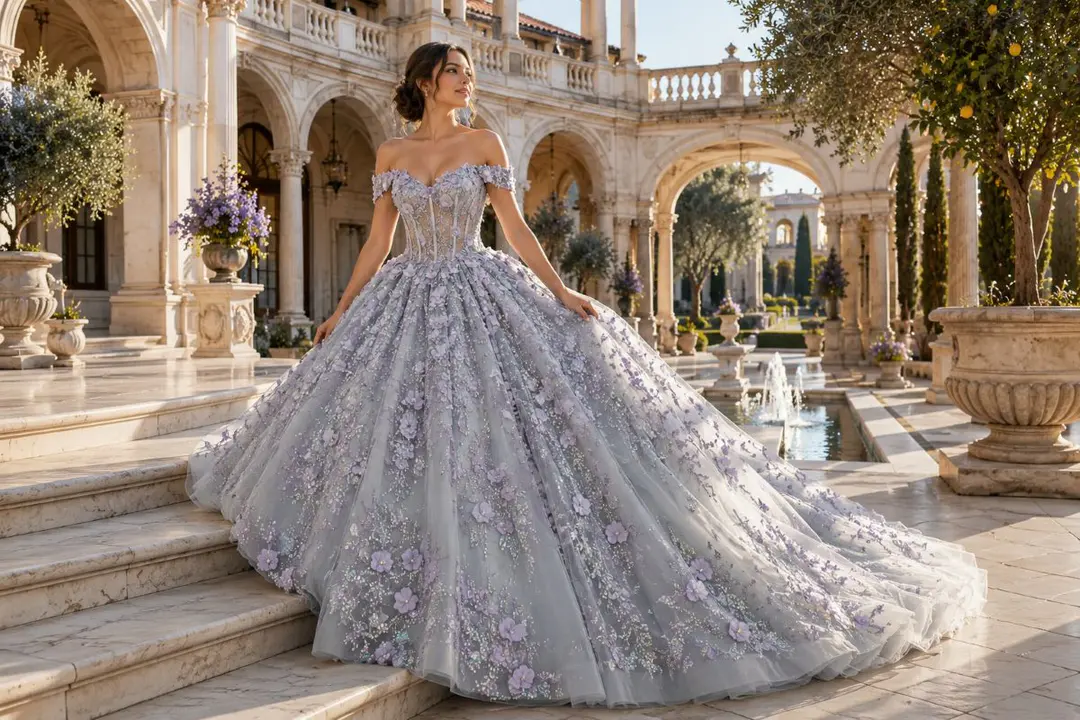
Choose color from personal meaning, family tradition, theme, skin-tone preference, availability, and the actual venue lighting. There is no universally best satin shade. The reflective surface may make a color appear lighter at one angle and darker at another, and a fuller guide to quinceañera dress colors covers the traditional and contemporary options.
Compare the exact gown in person rather than choosing from a generic color rule. Bring a court-fabric swatch, invitation color, or decor reference if coordination matters. Check that embroidery, appliques, beads, and lining remain harmonious in both daylight and artificial light.
Sizing, Ordering, and Alterations
Measure the bust, waist, and hips close to the ordering date and use the size guide published for that exact product. The step-by-step method for how to measure for a quinceañera dress explains where each measurement should be taken. When measurements span more than one size, ask an authorized retailer which area is most difficult to alter on that particular gown.
Alteration complexity depends on the design. Boned corsets, built-in cups, lace-up backs, beaded seams, appliques, embroidered hems, pockets, multiple skirt layers, and trains may require specialized work, and the overview of quinceañera dress alterations sets out what each of those usually costs in time. Confirm likely changes with a formalwear alterations professional before purchase, especially when the bodice length or waist placement seems wrong. Complete the hem only after choosing the final petticoat, hoop, and shoes.
Order and schedule fittings early enough to allow for retailer delivery estimates and more than one appointment. Avoid relying on a universal timeline because stock, production, shipping, and alteration capacity vary.
How to Care for and Store a Satin Quinceañera Dress
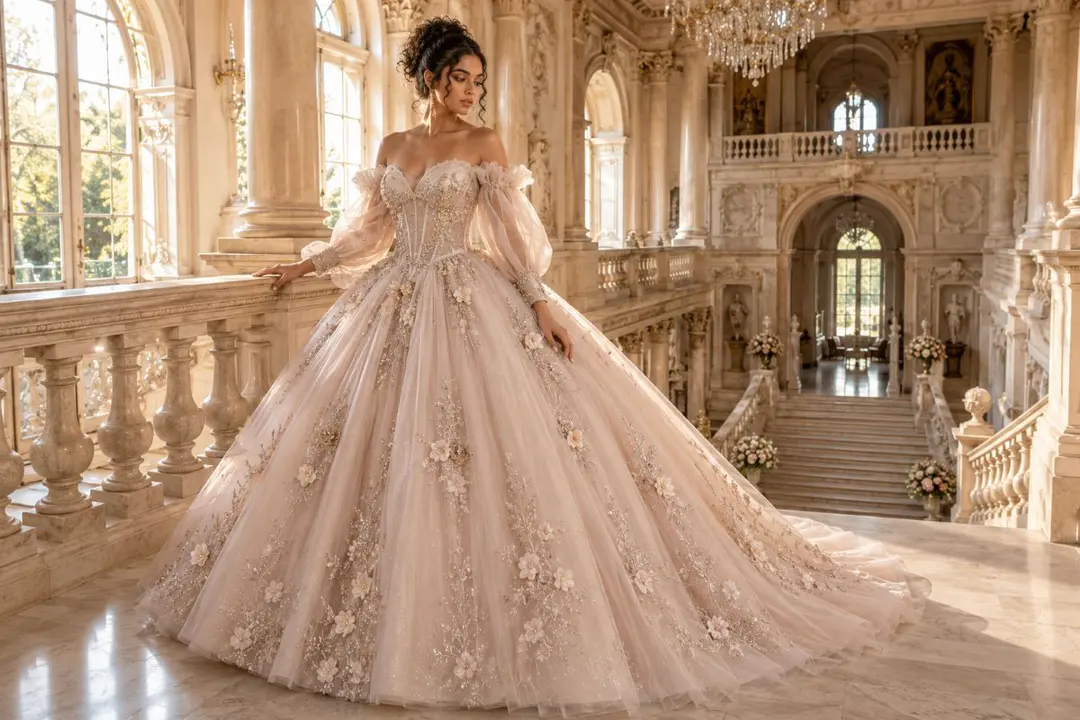
Follow the sewn-in care label for the exact gown. Manufacturers and importers are required to provide care instructions and warnings for procedures that could harm the item, which means generic advice such as "always steam satin" or "use a cool iron" is not safe for every satin gown, especially when the dress includes adhesives, beads, metallic finishes, lace, or multiple fibers.
- Keep rough jewelry, exposed hook-and-loop fasteners, sharp decor, and textured surfaces away from the satin face.
- Use clean, dry hands when handling the gown and avoid untested spot cleaners.
- Transport the dress according to retailer instructions, with the bodice and skirt supported so their weight is not concentrated on one area.
- If wrinkles develop, check the care label and ask the retailer or an experienced formalwear cleaner before applying heat or steam.
- After the event, address stains promptly through a cleaner experienced with formal gowns and the gown's particular embellishment.
Long-term storage should also match construction. Sturdy structured garments may be suitable for padded hangers, while heavy, heavily embellished, fragile, or unstable garments are safer stored flat with appropriate support. Do not leave a heavy gown hanging indefinitely from narrow straps or shoulders. The guide to preserving the gown after the event covers the additional planning questions.
Satin Quinceañera Dress Checklist
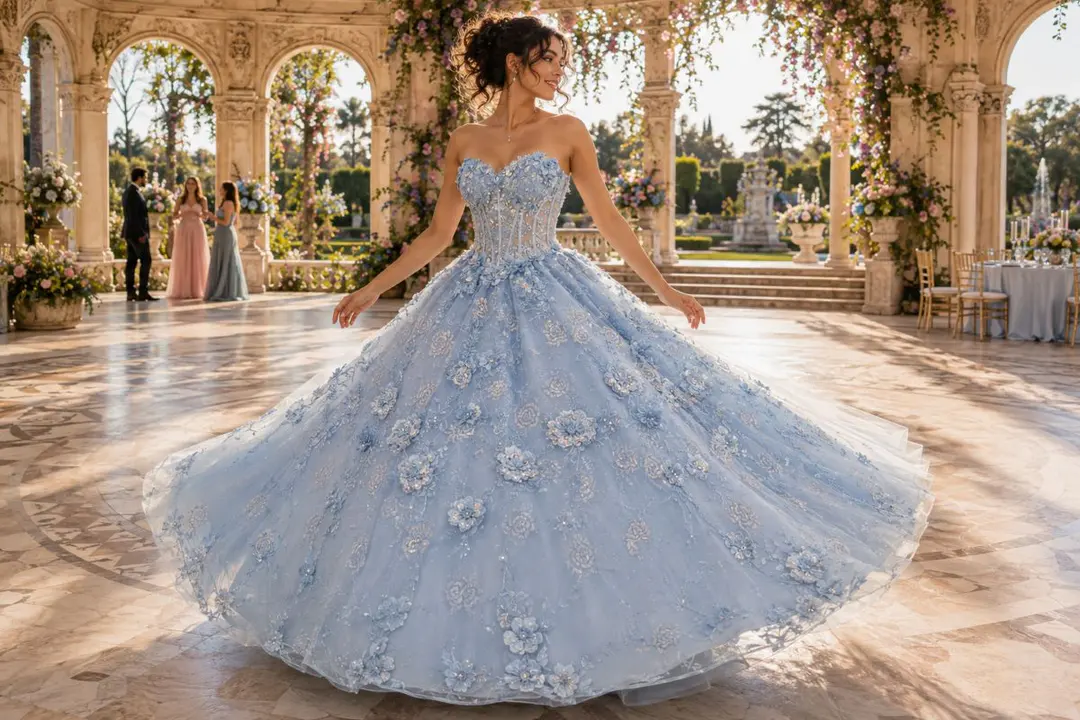
- Confirm which parts of the gown are satin and identify the fiber content.
- Check the bodice, lining, skirt support, hem, train, and total weight.
- Test walking, sitting, stairs, dancing, and transportation.
- Photograph and film the actual gown in more than one type of light.
- Confirm church, venue, and family expectations for coverage and accessories.
- Use the product-specific size guide and discuss alteration limits before ordering.
- Read the care label before using steam, an iron, water, or stain treatment.
- Plan storage according to the gown's weight, condition, and embellishment.
Satin Quinceañera Dress FAQ
Is satin traditional for a quinceañera dress?
Satin is an appropriate option, but there is no universal quinceañera rule that requires or forbids it. Traditions differ among families, regions, and faith communities. When a religious ceremony is planned, confirm local parish expectations.
Is a satin quinceañera dress too hot?
Not necessarily. Comfort depends on the satin's fiber, weight, density, lining, skirt layers, bodice structure, petticoat, fit, and venue temperature. Compare completed gowns in motion rather than ranking fabrics by name.
Does satin wrinkle easily?
Some satin fabrics show creases or pressure marks more clearly because their sheen reflects light, but wrinkle behavior varies by fiber, weight, finish, and construction. Test the gown after sitting and follow its care label for treatment.
Is satin or tulle better for a quinceañera?
Neither is universally better. Satin offers a smooth, reflective surface and can range from fluid to structured. Tulle creates volume through net layers and can range from soft to crisp. Try both with the intended understructure and choose the look and movement you prefer.
Do satin gowns photograph well?
They can photograph beautifully, but the result depends on fit, folds, lighting, flash, exposure, background, and color. Take test photos and video of the exact gown instead of judging from studio images alone.
Can I steam a satin quinceañera dress?
Only when the care label or the gown's manufacturer or retailer confirms that the complete garment can be steamed safely. Heat and moisture may affect some fibers, finishes, adhesives, beads, or layered components.
A satin quinceañera dress is strongest when its shine is supported by the right construction, fit, and care plan. Compare more than one weight and silhouette, test the gown through the movements of the day, and view it under real lighting. An authorized Jovani retailer can help confirm fabric details, sizing, availability, petticoat needs, and alteration options before you commit.