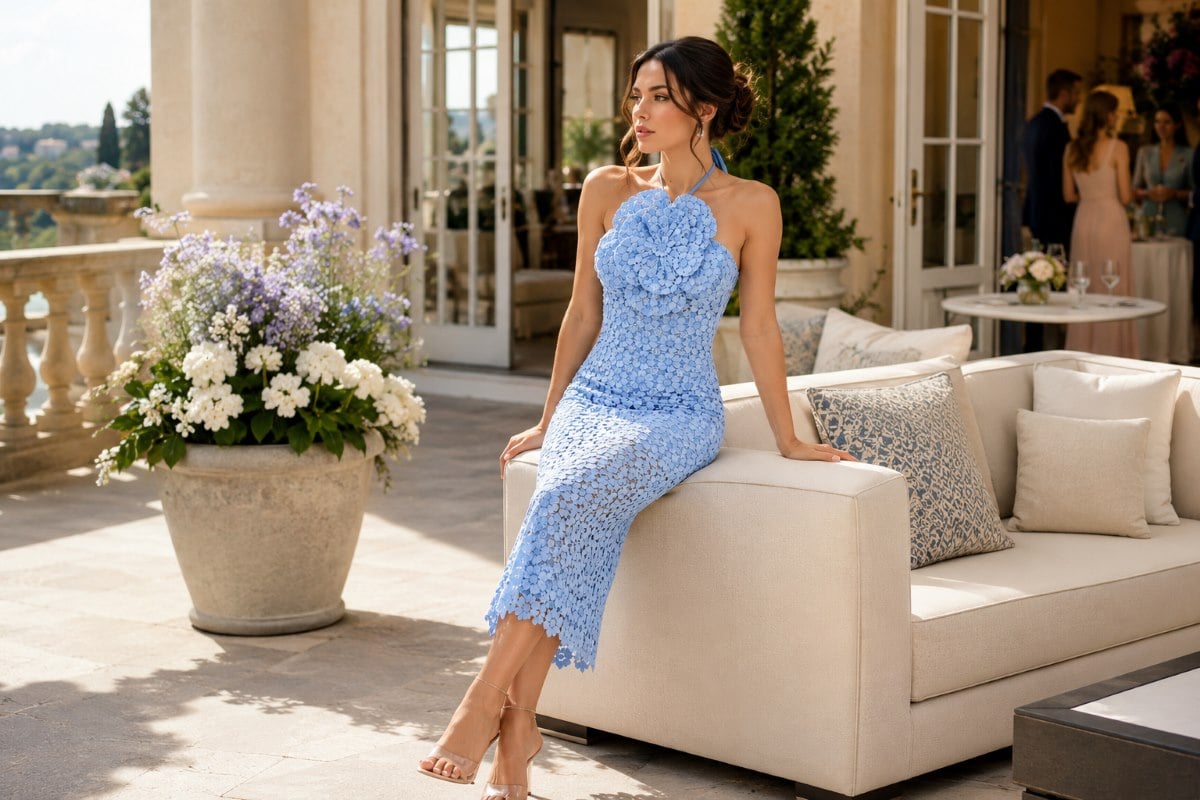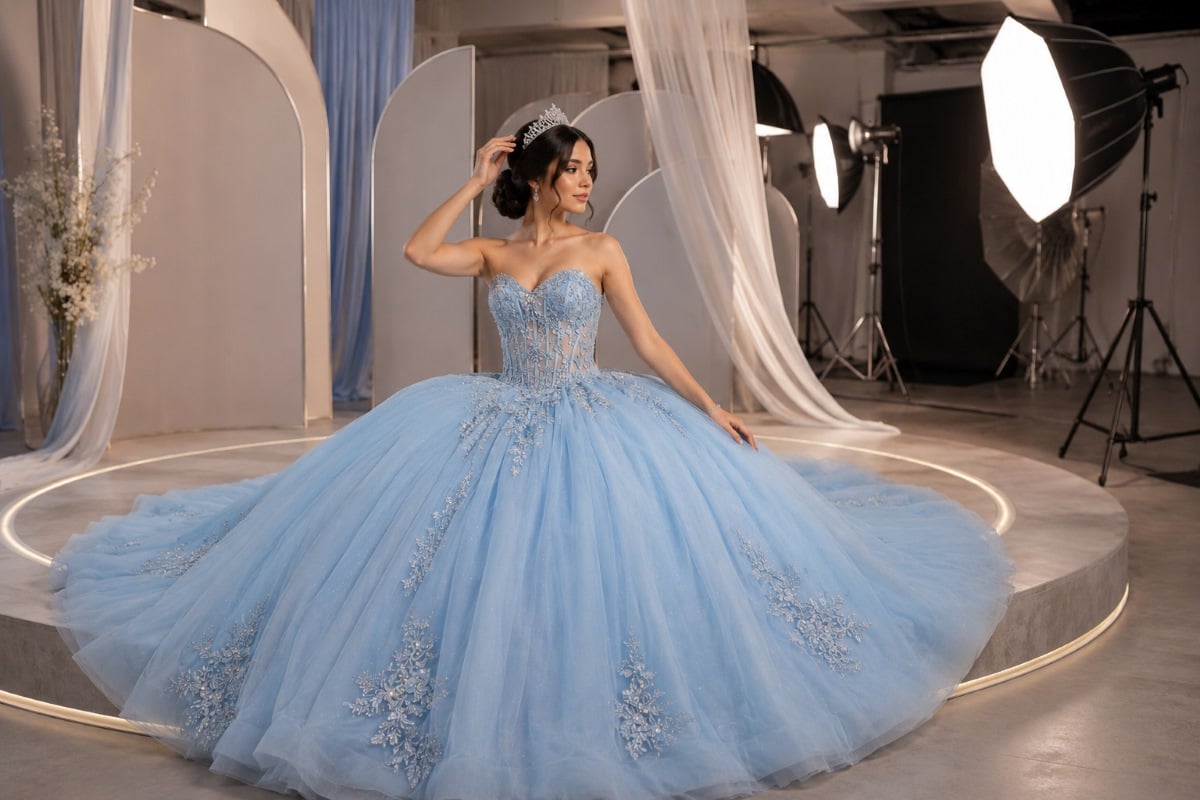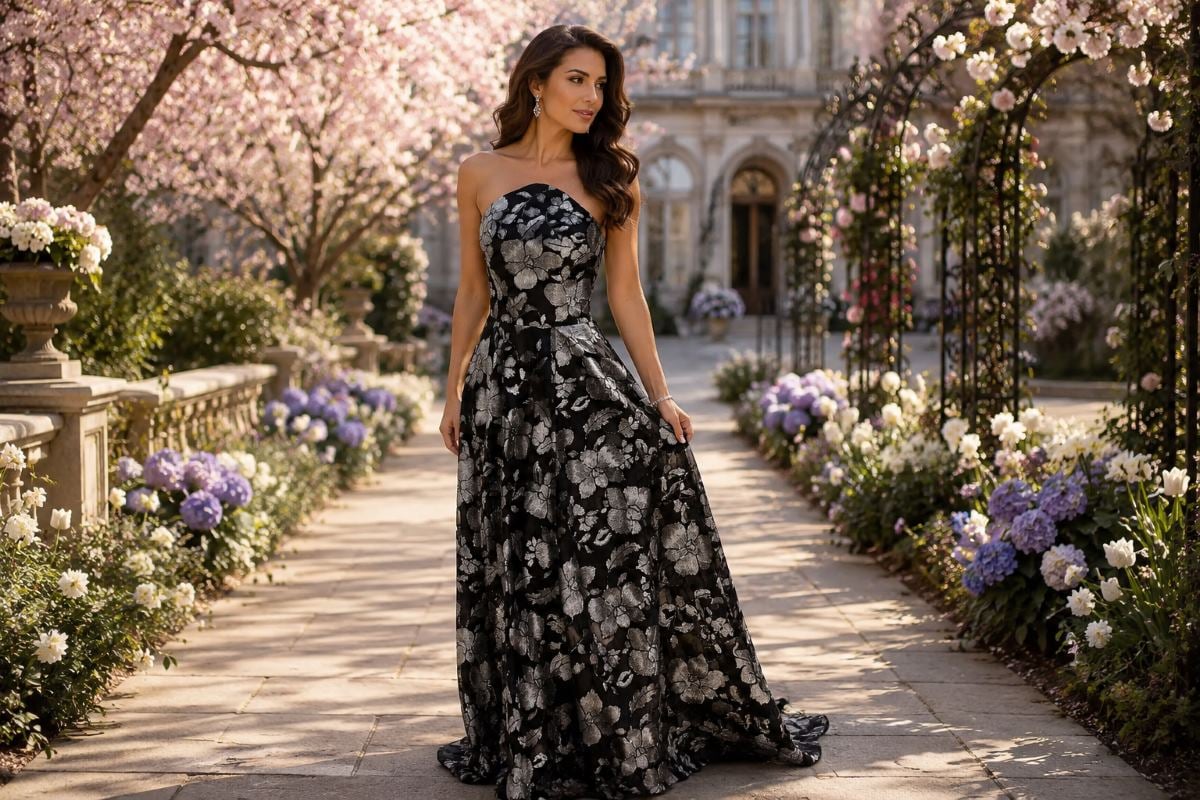

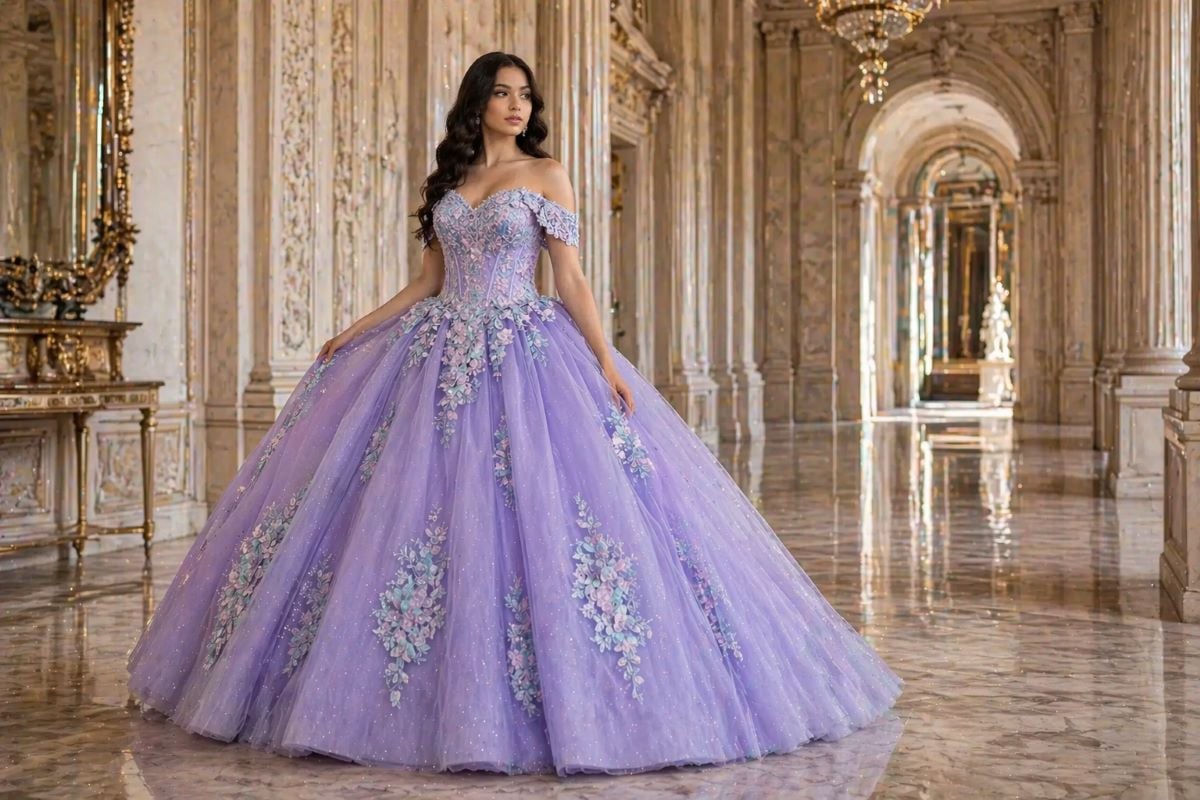
A Quinceañera is far more than just a fifteenth birthday party; it is a momentous cultural milestone that signifies a young woman’s beautiful transition into adulthood. At the very heart of this vibrant celebration is the gown. Finding the dream dress is an unforgettable, emotional moment for both the birthday girl and her family. However, bringing that vision to life in a way that looks truly custom requires one crucial final step: professional quinceanera dress alterations. Even the most exquisitely designed gown requires precision tailoring to drape flawlessly across the body, ensuring the wearer feels as confident, comfortable, and radiant as she looks.
When you invest in high-end eveningwear, you are investing in premium fabrics, intricate beadwork, and masterful construction. However, standard sizing is simply a starting point. Achieving that bespoke, red-carpet finish is an art form of its own. Navigating the world of sweet 15 dress alterations can occasionally feel overwhelming, but understanding the timeline, the associated costs, and the fitting process will make the journey entirely stress-free and exciting.
Why Professional Alterations Matter
It is a common misconception that a luxury gown should fit perfectly right off the hanger. In reality, the world’s finest quinceanera gowns are specifically constructed with future alterations in mind. Designers purposefully leave necessary seam allowances and utilize strategic structural elements so that a skilled seamstress can sculpt the garment to a client’s unique proportions.
Before the tailoring process even begins, it is vital to take accurate body measurements and figure out the exact size that aligns with the designer’s sizing chart. Ordering the correct base size minimizes the structural changes needed later. Still, no two bodies share the exact same torso length, shoulder slope, or natural waistline. When you understand the anatomy of an evening dress, you begin to see how layers of tulle, boning, crinoline, and specialized linings must all work in harmony. A professional tailor does not simply sew fabric; they re-engineer these internal components so the dress moves seamlessly with you throughout the celebration.
Choosing the Right Seamstress
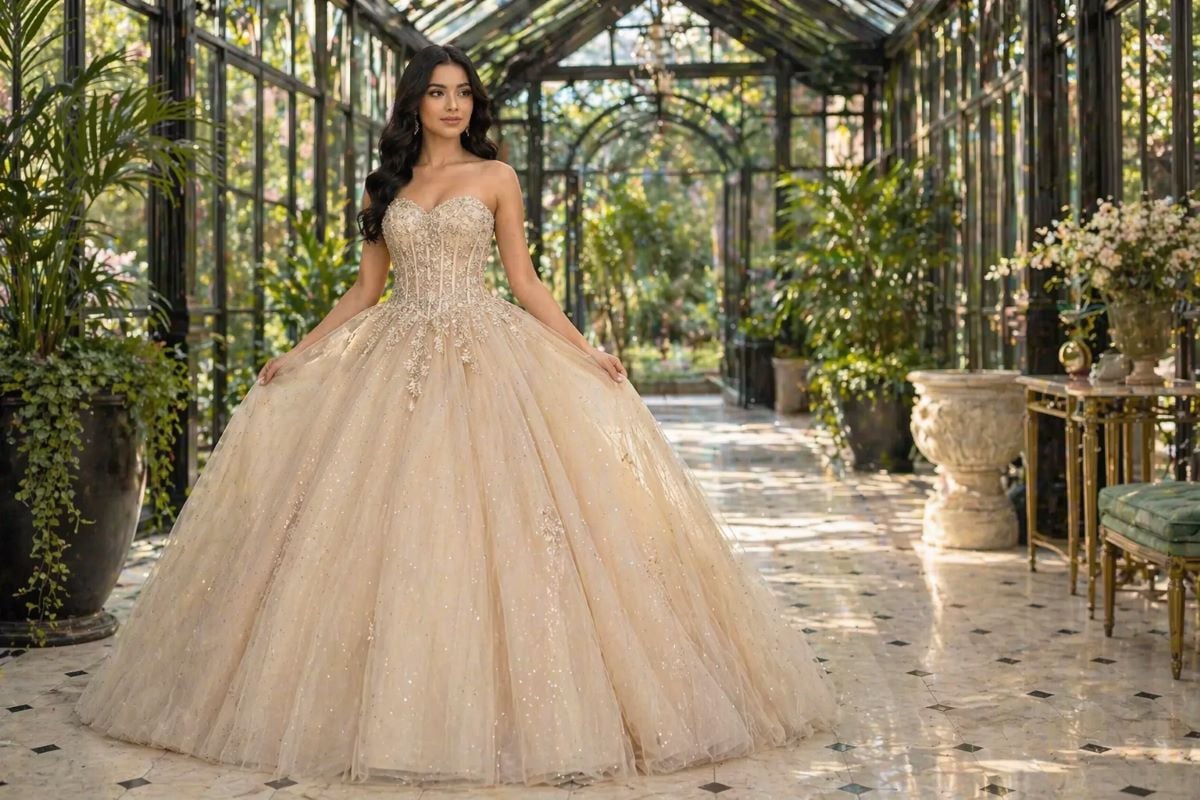
Not all tailors possess the same skill set. Taking a heavily beaded, multi-layered formal gown to a standard dry-cleaning tailor is a risk. For quinceañera gown tailoring, you must seek out a seamstress who specializes in bridal or high-end eveningwear.
These professionals understand how to handle delicate appliqués, reconstruct boning, and work with complex invisible zippers. When interviewing potential tailors, ask to see examples of their previous work on voluminous gowns. A true expert will know how to adjust a bodice without distorting the original pattern of the beadwork or lace. Trusting an expert ensures that the integrity and luxury of the original design are fully protected.
The Quince Dress Fitting Process
The journey to the perfect fit usually involves a series of carefully scheduled appointments. The first quince dress fitting is generally the longest and most comprehensive. During this initial consultation, the seamstress will pin the gown extensively to show you exactly how the modified silhouette will look. This is the moment to communicate your comfort levels clearly—whether you need the straps tightened for better shoulder support or the waist taken in to highlight your figure.
Because Quinceañeras so often wear grand, sweeping ball gowns, adjusting the hemline is almost always a requirement. It is imperative that the dress grazes the floor perfectly, allowing for graceful walking, turning, and dancing without the risk of tripping over excess fabric. To achieve this, the seamstress will typically pin the front hem so it hovers just above the floor, while keeping the back appropriately long, preserving the drama of the train if the dress features one.
Common Sweet 15 Dress Alterations
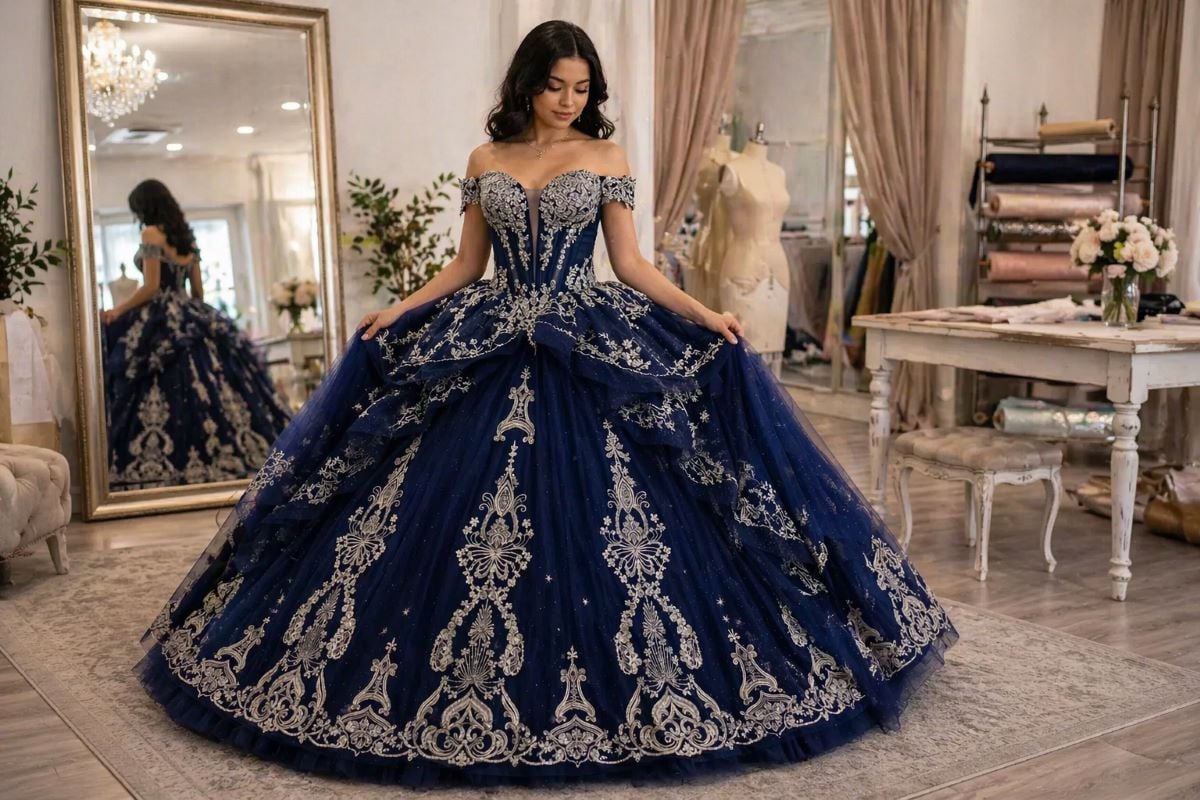
Altering a quinceanera dress is a highly specialized skill due to the sheer volume and structural complexity of the garments. While every girl’s body is unique, certain adjustments are nearly universal in the world of formalwear tailoring.
Bodice and Bust Adjustments
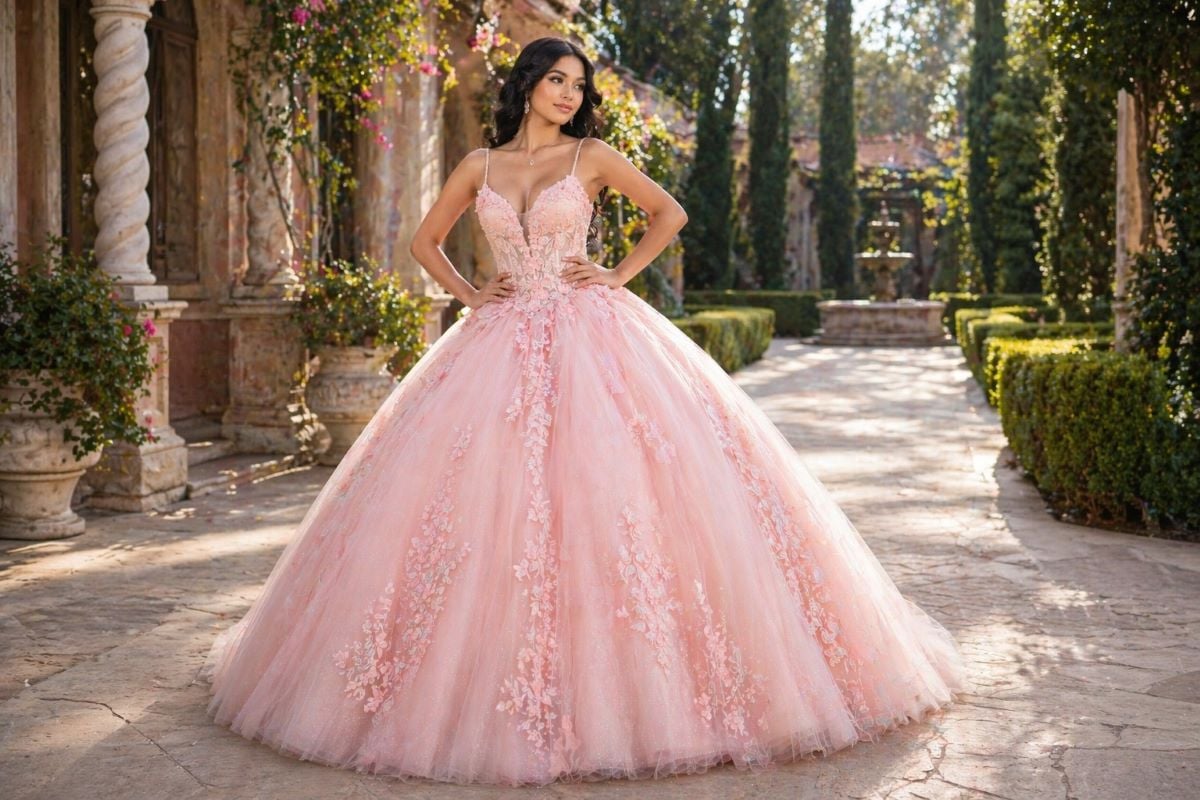
Adjusting the bodice is perhaps the most critical alteration for both comfort and aesthetics. Premium gowns are renowned for their impeccable structure, often featuring intricate corset bodices that provide beautiful shape and support. Taking in or letting out a structured bodice requires carefully removing and replacing appliqués, crystals, or lace to ensure the design remains visually uninterrupted. This level of customized tailoring applies to all body types, ensuring that whether a gown is a standard size or falls within the measurements of our plus size prom dresses, the final silhouette is always perfectly contoured.
Hemming Complex Skirts
Hemming a quinceañera dress is rarely a simple cut-and-sew job. These skirts often feature five to ten layers of material, including satin linings, netting, and delicate tulle. Furthermore, many high-end dresses utilize horsehair braid trims on the hem to give the skirt its bouncy, rippling effect. A skilled seamstress must remove this trim, cut the fabric to the correct length, and painstakingly reattach the horsehair braid to maintain the dress’s architectural volume.
Adding a Bustle
Another frequent adjustment is the addition of a bustle. Because traditional gowns feature expansive skirts and long trains, a bustle allows the train to be elegantly hooked or buttoned up after the grand entrance and formal photos. This keeps the delicate fabric off the floor, granting the wearer the total freedom to enjoy her father-daughter dance and the evening’s festivities without constraint.
Quinceañera Gown Tailoring Timeline
Timing is everything when it comes to formal wear. Leaving your formal dress alterations to the last minute is a recipe for unnecessary stress. Ideally, the process should begin about eight to ten weeks before the event date. This generous window allows your tailor to work meticulously without rushing the delicate hand-sewing processes required for luxury fabrics.
A standard timeline involves three distinct appointments:
- The Initial Consultation (8-10 Weeks Out): The major pinning, strategizing, and measurement taking occur here.
- The Second Fitting (3-4 Weeks Out): By this point, the major structural changes have been made. The tailor will check the hem length with your shoes and ensure the bodice fits snugly.
- The Final Fitting (1-2 Weeks Out): This is a final review to ensure every detail is immaculate and that the dress is pressed, steamed, and entirely ready to be worn.
Quinceanera Dress Alterations Cost
One of the most common questions families have revolves around budgeting for the final look. It is highly recommended to view the quinceanera dress alterations cost as an inherent part of the overall wardrobe budget, rather than an unexpected add-on at the end. Because of the elaborate nature of these gowns, the tailoring process requires significantly more labor and time than everyday clothing.
The total cost will fluctuate based on the complexity of the gown, the region you live in, and the extent of the changes required. Hemming a skirt made of multiple layers of tulle and a satin lining is a time-consuming process. Similarly, if the seamstress needs to meticulously remove hand-sewn crystals from the side seams, take the fabric in, and then re-sew the crystals by hand to hide the seam, the labor costs will naturally reflect that artistry. On average, families should expect to allocate a few hundred dollars for professional tailoring. Quality tailoring is an investment that ensures the designer’s original, luxurious vision is preserved while adapting perfectly to the wearer.
Preparing for Your Fittings
To make the absolute most of your sweet 15 dress alterations, preparation is key. A seamstress can only tailor the gown accurately if you are wearing exactly what you plan to wear on the day of the event.
You must bring your exact event shoes to every single fitting. Even a half-inch difference in heel height can completely alter how the hem falls and behaves when you walk. Furthermore, you should bring the exact undergarments or shapewear you intend to use. If your dress requires a hoop skirt or a specific petticoat to achieve its signature bell shape, that must also be worn during the pinning process. The volume of the underskirt directly impacts where the hemline will sit on the floor. Similar to preparing for fittings for elaborate sweet sixteen dresses, having all your foundational pieces present from day one guarantees there are no surprises on the day of your celebration.
Quinceañera Gown Tailoring FAQs
1. How many sizes can a dress safely be taken in or let out?
As a general rule of thumb in formal tailoring, a dress can safely be taken in up to two full sizes without compromising the structural integrity of the design or distorting the neckline. Letting a dress out is much more restrictive; it depends entirely on the amount of extra fabric (seam allowance) the designer left inside the inner seams. Usually, a dress can only be let out by about one inch or one size. It is always safer to order a dress that fits your largest measurement and tailor it down.
2. What happens if I lose or gain weight after my first quince dress fitting?
Slight weight fluctuations are normal for teenagers, which is exactly why the final fitting is scheduled just a week or two before the event. If your weight changes significantly between the first and second fitting, inform your seamstress immediately so they can adjust their pinning strategy. A professional tailor will often leave the final side seam closures open until the very end of the process to easily accommodate minor bodily changes.
3. Why does altering a quinceanera dress take so much time?
The timeframe is a direct reflection of the skilled labor involved. Altering these types of gowns often means dealing with delicate lace appliqués, heavy beadwork, and intricate linings. A master seamstress must take the dress apart layer by layer and carefully rebuild it so that the alterations remain completely invisible to the naked eye. You are paying for their time and expertise in protecting the luxury quality of the garment.
4. Can a seamstress change the design of the dress entirely?
While minor aesthetic customizations—such as adding off-the-shoulder straps, raising a plunging neckline slightly for modesty, or adding a lace-up corset back—are very common, completely redesigning the silhouette is not recommended. Premium gowns are architecturally designed to support their specific, original shape. Altering the fundamental structure can negatively affect how the dress wears and moves. It is always best to purchase a gown that closely matches your ultimate vision from the start.
When you start with a beautifully crafted, high-quality gown, the tailoring process becomes the finishing touch that transforms a gorgeous designer dress into a masterpiece made exclusively for you.
To discover a breathtaking variety of styles crafted for your unforgettable milestone, explore our complete collection of exquisite gowns at your nearest authorized retailer.