
Finding the perfect gown for a major life milestone is an emotional and highly anticipated journey. For many young women, the dream of wearing a breathtaking, floor-sweeping dress begins years before the actual event. The planning process is filled with mood boards, venue considerations, and visions of intricate lace and sparkling details. However, as families begin to navigate the world of high-end formalwear, the specific terminology used within the fashion industry can quickly blur together, leaving shoppers wondering about the precise distinctions between seemingly similar formal styles.
One of the most frequent styling discussions we encounter in our design studios centers on the nuanced differences of a quinceanera dress vs ball gown. At first glance, the confusion is entirely understandable. Both styles share an incredibly wide profile, a majestic presence, and an undeniable ability to command a room. Both require significant yards of fabric and are reserved for the most formal of occasions. Yet, understanding their unique structural characteristics, historical influences, and cultural contexts ensures you select a design that flawlessly matches both the practical needs of the occasion and your personal vision.
To make an informed decision, it is essential to look far beyond the surface level of fabric type and color palette. The true difference lies heavily in the intent of the garment, the level of youthful extravagance, the architectural underpinnings, and the traditional elements meticulously woven into its construction. Let us explore the fascinating design elements, structural secrets, and styling philosophies that set these two iconic styles apart.
Defining the Core Silhouettes
While they may appear similar to the untrained eye, the foundational intent behind a traditional quince dress and a standard ball gown represents two different approaches to formal fashion.
The Classic Ball Gown: A Legacy of Elegance
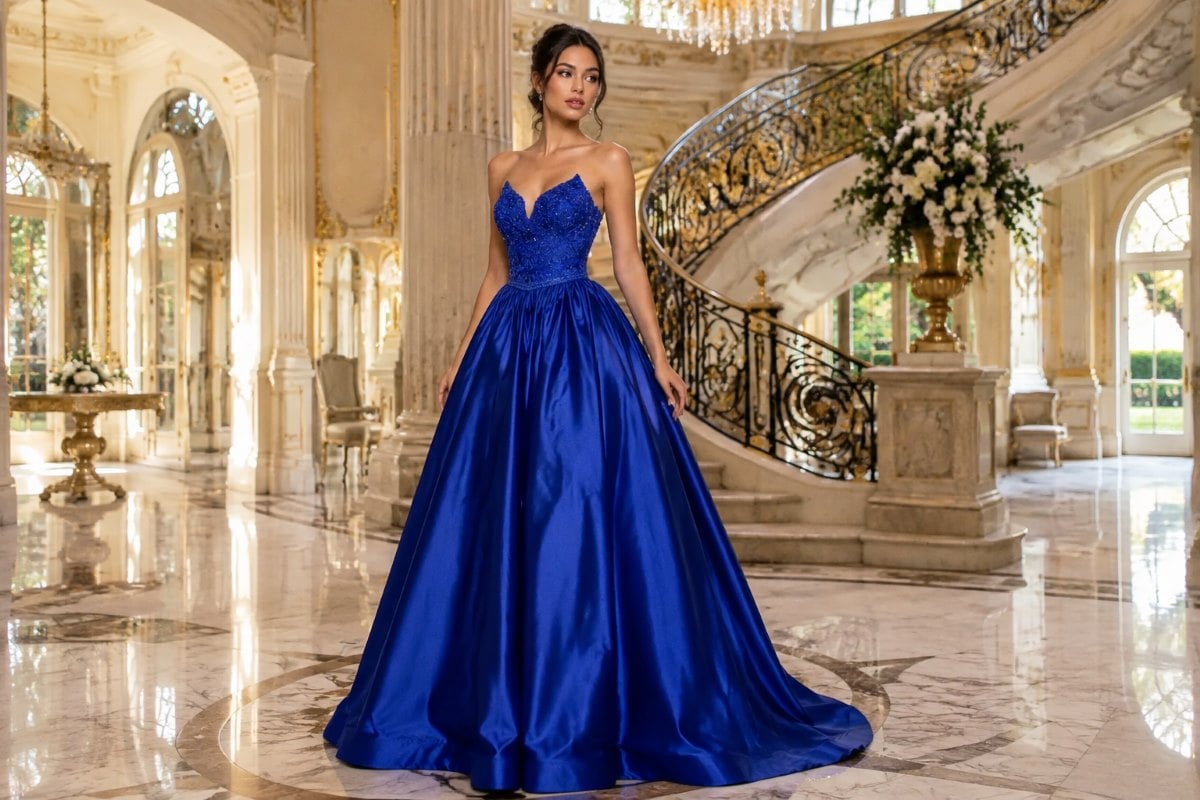
The classic ball gown silhouette is one of the most historical and revered shapes in luxury fashion. Its roots can be traced back through centuries of royal courts and high-society gatherings. Defined by a fitted, supportive bodice that flares sharply at the natural waistline into a magnificently full skirt, this cut creates a stunning hourglass illusion on virtually any body type.
Adult ball gowns typically rely on the natural, heavy drape of premium fabrics rather than stiff cages to create a sophisticated fullness. Designers often utilize rich, stiff silk mikado, smooth liquid satin, textured floral brocade, or dozens of layers of soft, lightweight tulle to achieve this look. The volume here is elegant, controlled, and distinctly fluid. When a woman walks in a traditional ball gown, the fabric sweeps the floor with a graceful glide. It is perfectly suited for mature events where the wearer needs to project authority and timeless beauty while moving effortlessly through a sophisticated room.
The Quinceañera Dress: Cultural Grandeur
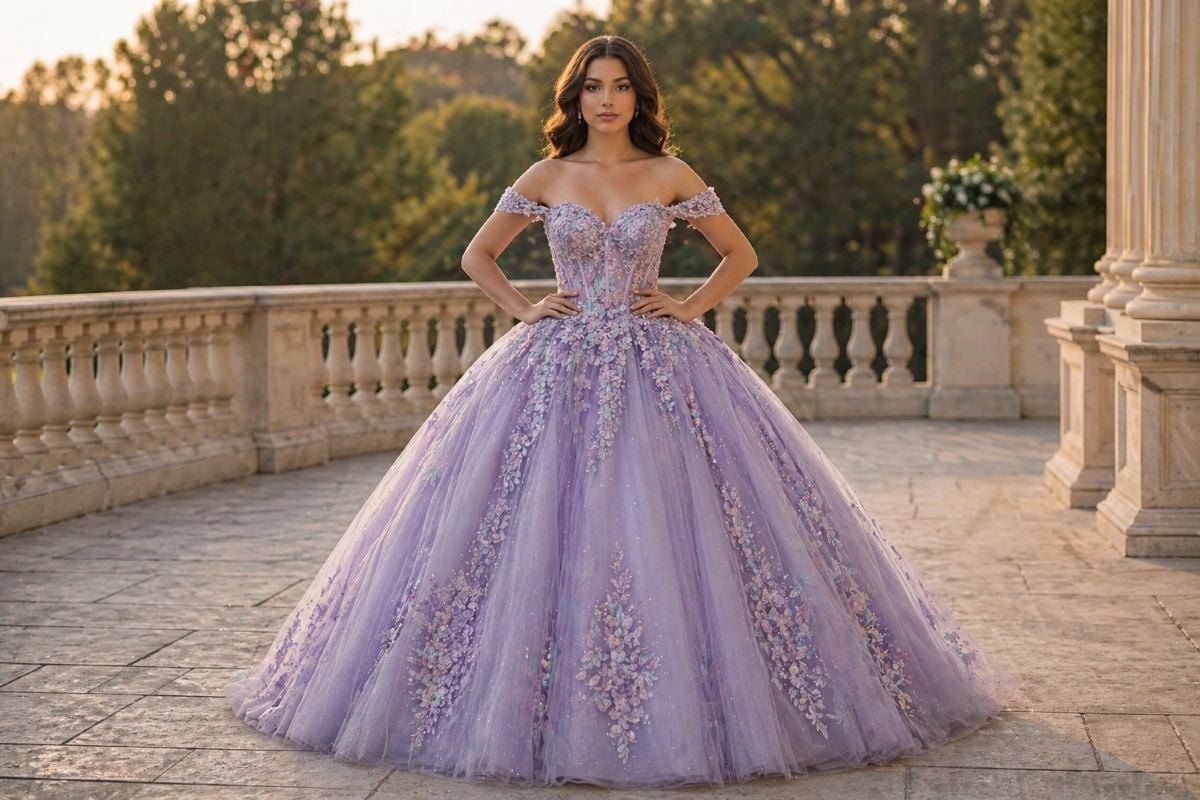
In brilliant contrast to the understated elegance of an adult gala, a sweet 15 celebration demands an entirely different level of theatricality and unapologetic maximalism. When a young woman and her family begin their search by browsing traditional quinceañera gowns, they are looking for more than just beautiful fashion; they are seeking a specific cultural touchstone. This garment is a symbolic centerpiece representing a girl’s transition into young adulthood.
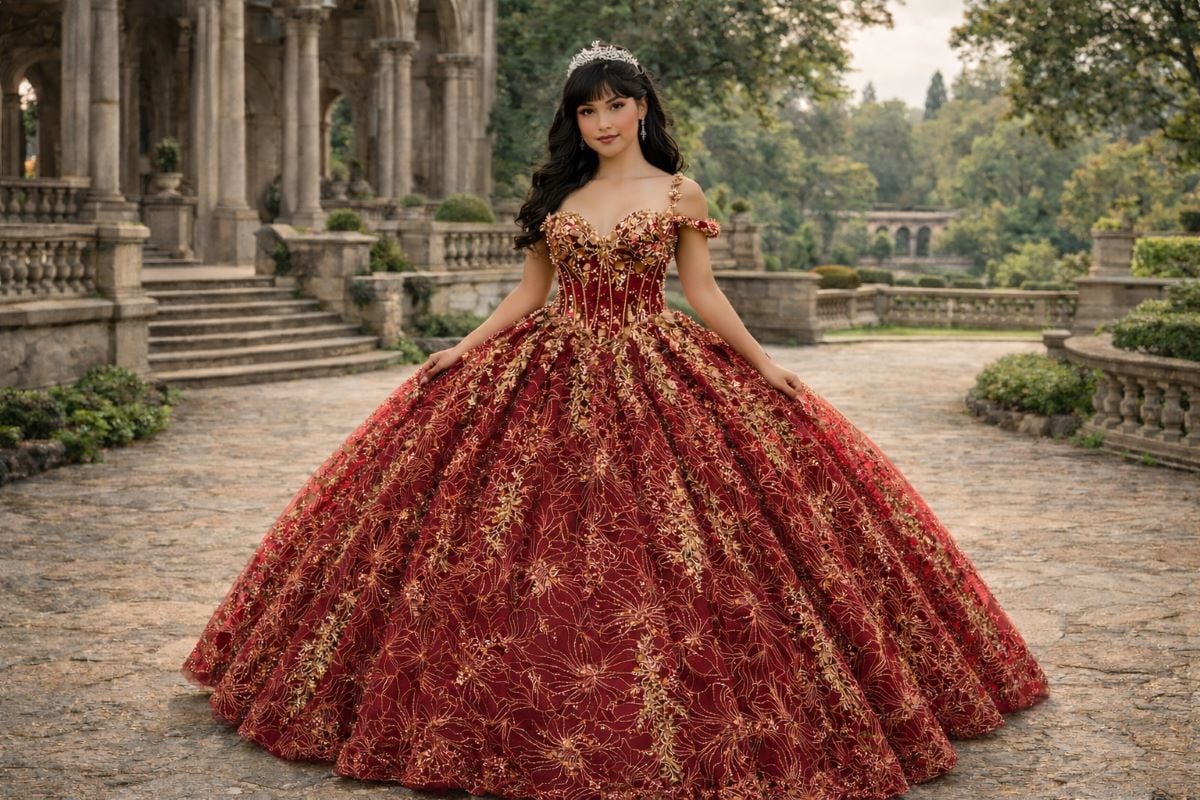
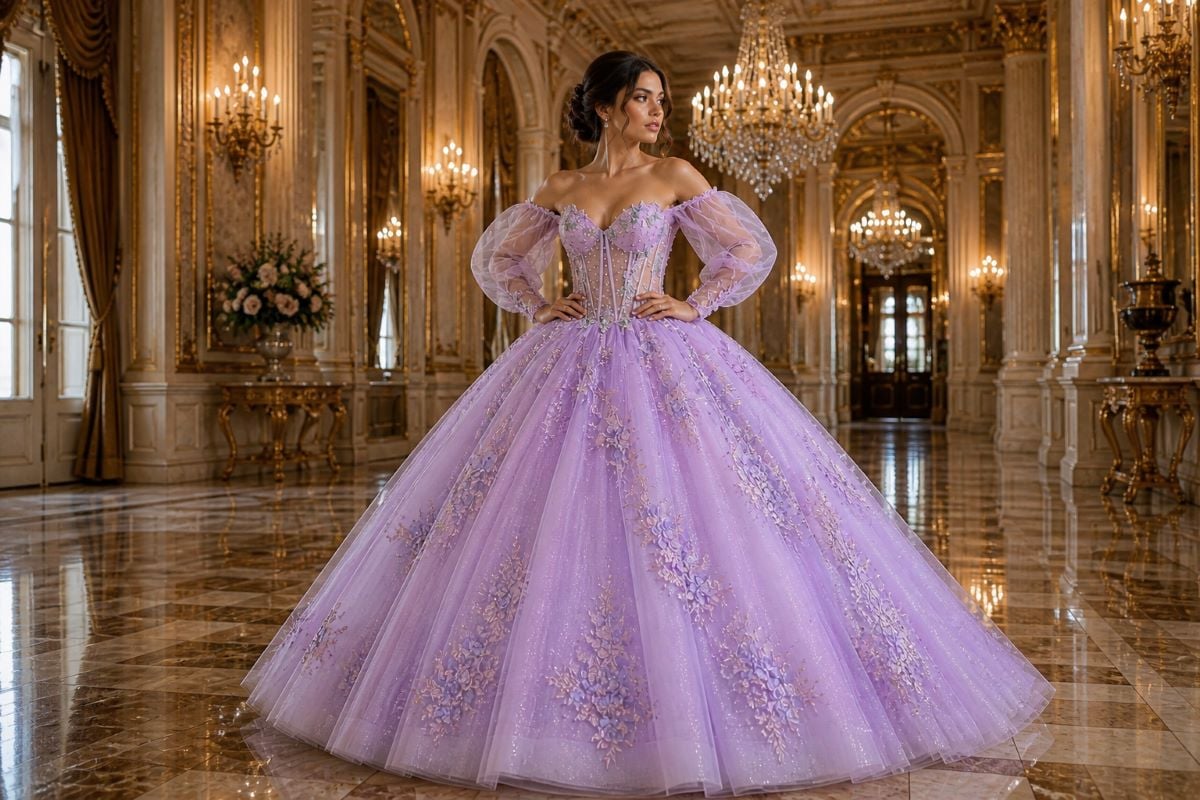
To achieve this fairy-tale aesthetic, sweet 15 dresses feature exceptionally voluminous skirts supported by heavy structural undergarments. While a standard evening gown flows naturally, a quince dress proudly stands out. These gowns are designed to be worn over wide, tiered hoop skirts and stiff, multi-layered crinoline petticoats. This rigid structural foundation creates a distinct, flawless bell shape that remains striking and fully expanded even when the wearer is standing perfectly still for extensive formal photographs. The hoop skirt also serves a practical purpose: it keeps the massive weight of the heavy fabrics pushed away from the young woman’s legs, allowing her to step and glide through her complex dance routines without tripping over yards of tulle.
Adapting Volume for Modern Occasions
Not every formal event requires the maximum volume of a traditional sweet 15 gown. As trends evolve, designers have found innovative ways to adapt these massive proportions for a variety of youthful celebrations.
Prom Adaptations and Puffy Designs
Because teenagers often desire this highly dramatic, princess-like aesthetic for major high school dances, designers frequently adapt these massive proportions into ball gown prom dresses. Translating this aesthetic to a prom setting, however, requires structural modifications. High school gymnasiums and packed hotel ballrooms create a significantly different environment than a sprawling banquet hall. To accommodate a crowded space, prom variations usually dial back the extreme width of the wire hoops, prioritizing mobility and comfort for a long night of socializing.
For young women who love the theatricality of a massive skirt but want to avoid the wire hoop structure entirely, modern designers have introduced puffy prom outfits. By utilizing expertly tiered ruffles, stiff horsehair braid sewn into the hemlines, and dense layers of tightly pleated tulle, these gowns offer a bouncy, youthful fullness that perfectly mimics the quince silhouette without the historical rigidity.
The A-Line Alternative
If the sheer width of a full skirt feels overwhelming to manage, or if the chosen venue is a smaller space with narrow walkways, there are stunning alternatives that do not sacrifice formality. Many young women achieve a beautiful aesthetic by exploring A-line prom dresses.
The A-line shape offers a fitted bodice that gently flares out toward the hem, providing the deeply romantic feel of a traditional ball gown but with significantly less fabric and a much lighter overall weight. This makes the A-line an incredibly popular, comfortable crossover choice for both proms and modern sweet 15 parties where the wearer prioritizes effortless dancing over architectural drama.
Key Architectural Distinctions
Beyond the skirt, the true identity of these gowns is revealed in the intricate details of their bodices and the style of their embellishments.
Bodice Construction and Corsetry
The bodice design dictates the overall vibe of the garment. While a standard adult ball gown might feature a plunging V-neckline, a sleek halter, or an asymmetric one-shoulder cut, youthful milestone gowns lean into more traditional, supportive architectures.
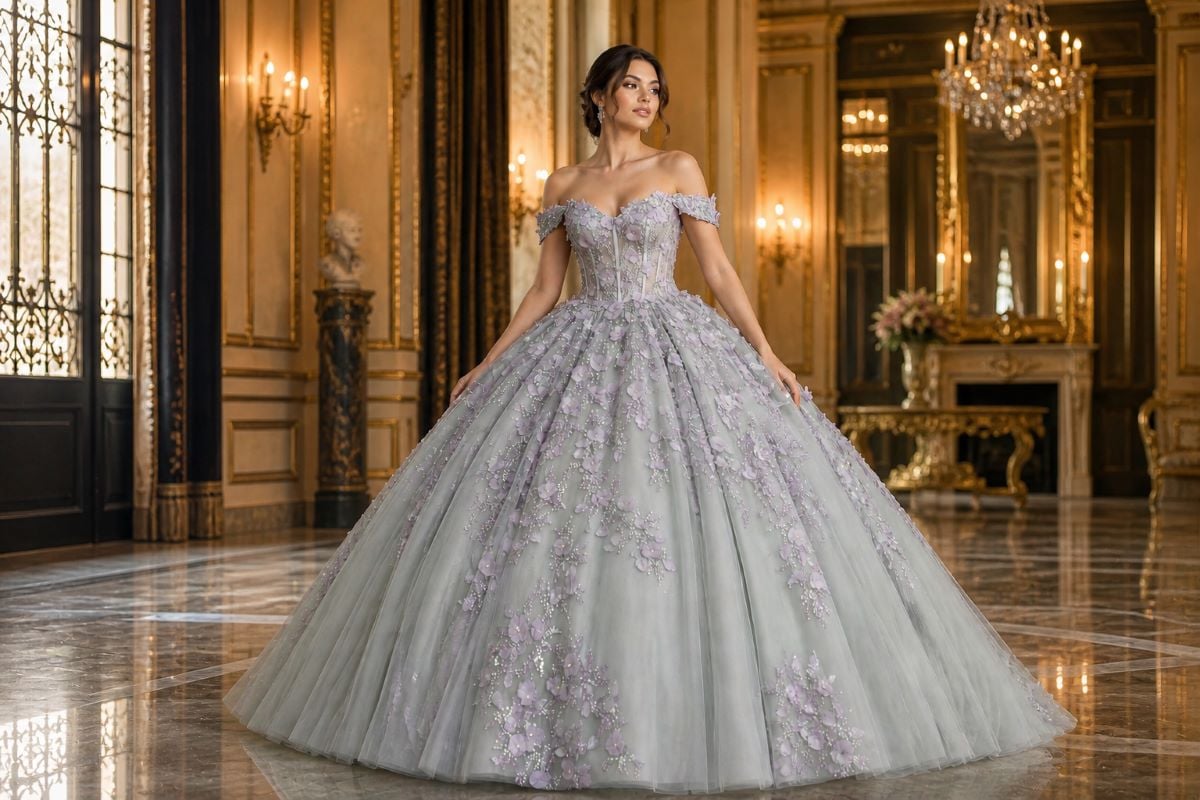
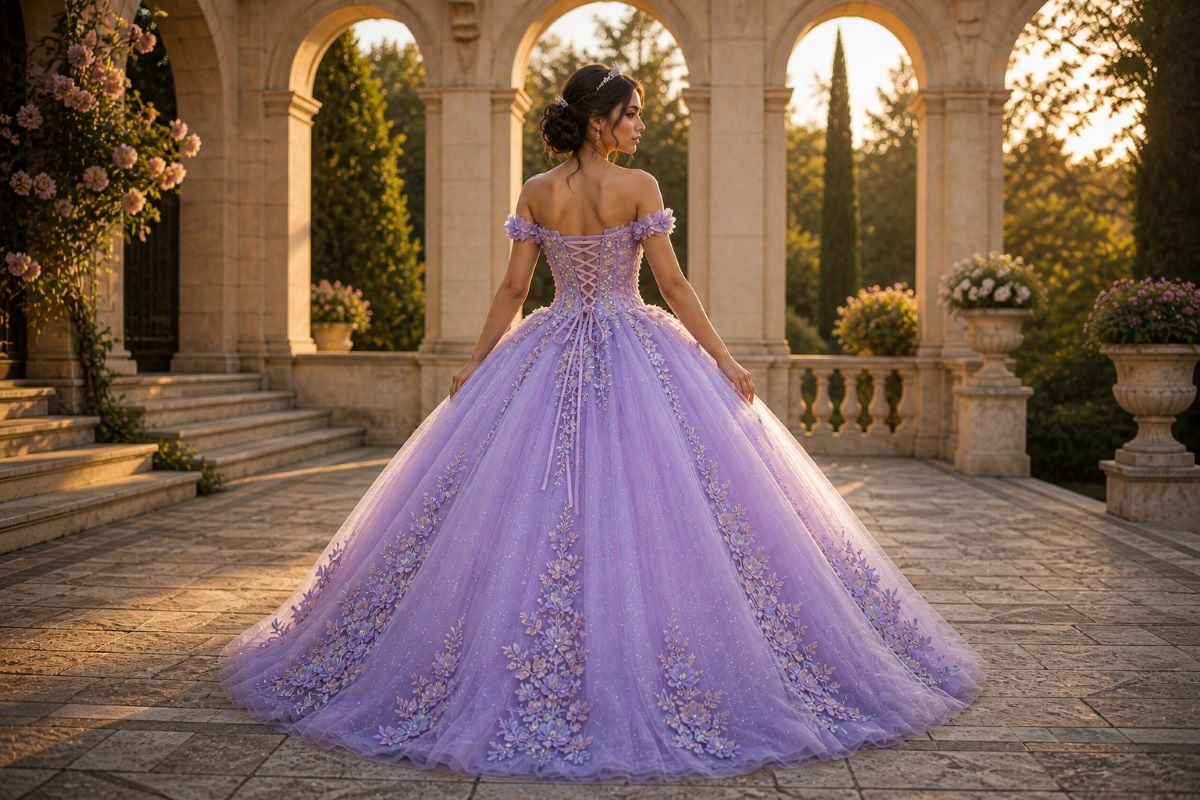
We frequently see young clients gravitate toward aesthetics heavily inspired by corset prom dresses. The corset bodice is practically a requirement in traditional quince fashion. With their adjustable lace-up backs, internal boning, and flattering basque waists (which dip into a deep V-shape at the front center), corsets provide a flawlessly custom fit. This sharply tailored, elongated bodice beautifully balances the massive proportions of the skirt below. It acts as a structural anchor, ensuring the dress stays securely in place despite the heavy weight of the voluminous fabric attached to it. Adult ball gowns, conversely, often prioritize soft tailoring, hidden zipper closures, or natural empire waists over heavy traditional corsetry.
Embellishments and Beadwork
When analyzing a quinceanera dress vs ball gown regarding embellishments, the distinction becomes a matter of scale and age appropriateness. Sweet 15 celebrations are rooted in youth, vibrancy, and joy. Therefore, decorations on these gowns tend to be bold and highly visible. It is customary to find oversized 3D floral appliqués, yards of sparkling glitter tulle, and heavy rhinestone work designed specifically to catch the harsh spotlight from every angle.
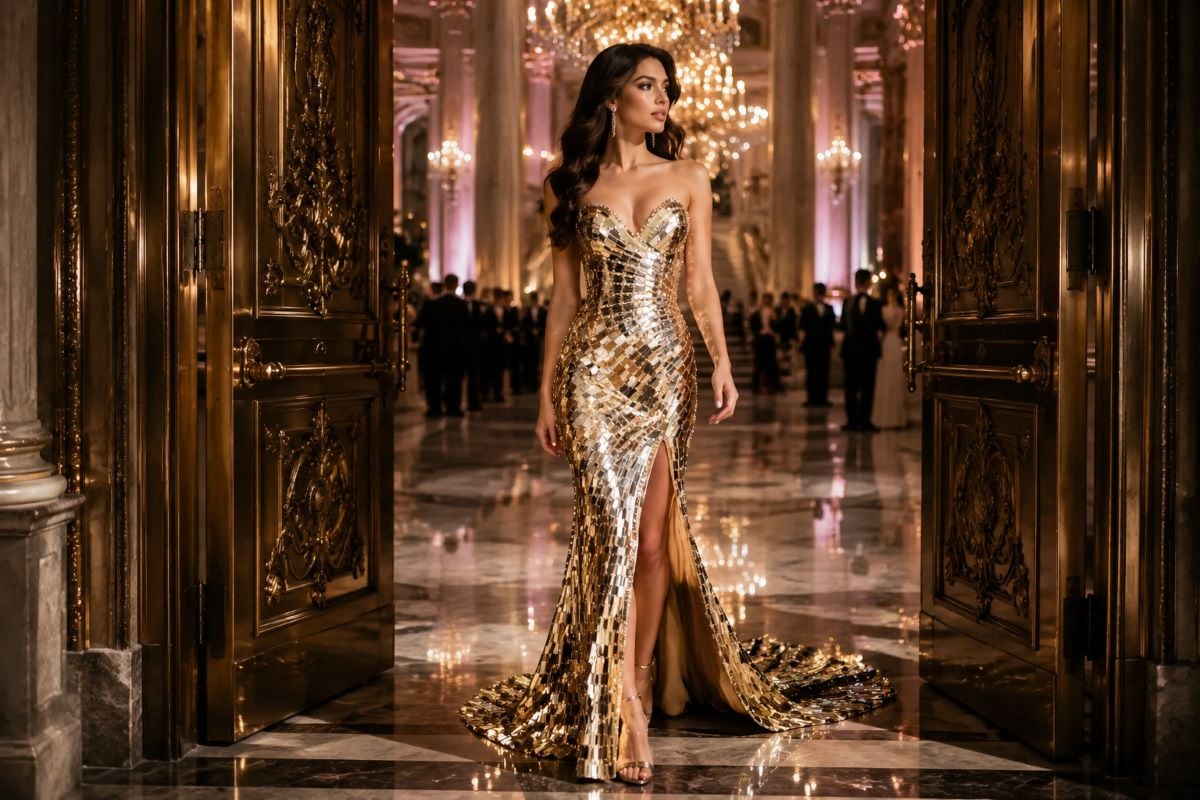
The broader category of ball gowns designed for adult formalwear or standard prom events often takes a slightly more curated approach to luxury. A teenager attending a formal dance might opt for beaded prom dresses where the sparkle is strategically concentrated in geometric, Art Deco-inspired patterns or subtle, tonal sequins that match the underlying fabric perfectly. While a quince dress screams fairy-tale magic, standard ball gowns lean toward a sleek, red-carpet sophistication.
Ultimately, the choice between these two distinct styles comes down to the specific nature of the event. By understanding the distinct nuances of garment construction, you can navigate the collections with confidence and find a piece that speaks flawlessly to your unique moment.
FAQs: Quinceanera Dress vs Ball Gown
1. Can a standard ball gown be worn for a quinceañera?
Absolutely. While tradition dictates a massive skirt, many modern teenagers choose standard ball gowns for their sweet 15 celebrations if they prefer a slightly less voluminous skirt or a more understated, elegant design. To make a standard gown feel more traditional for the ceremony, many simply add a custom hoop skirt or an extra stiff crinoline petticoat underneath to temporarily provide that classic, bell-shaped flare.
2. Do all quinceañera gowns require a hoop skirt?
While traditional styles heavily rely on wire hoop skirts to achieve their iconic volume and keep heavy fabrics away from the legs during complex dances, they are not strictly mandatory. Contemporary dresses are often constructed with dozens of dense layers of ruffled tulle, horsehair braid hems, or stiffened netting that provide natural fullness without wire hoops.
3. What is the main difference in fabric choices between the two styles?
Because of the massive scale of a sweet 15 dress, quinceañera styles frequently utilize airy, light-catching fabrics engineered to create volume without adding unmanageable weight, such as sparkle tulle and organza. Adult ball gowns, which rely on drape rather than stiff width, favor heavier, structured textiles that fall elegantly, including duchess satin, silk mikado, and rich velvet.
4. How does the bodice differ between a quince dress and a standard formal gown?
Quince dresses predominantly feature highly structured corset bodices, almost always incorporating a lace-up back and a dropped basque waistline to comfortably support the immense weight of the skirt. Standard formal gowns may occasionally feature corsetry, but they frequently utilize softer tailoring, hidden zipper closures, or illusion mesh cuts that prioritize modern fashion trends over heavy structure.
5. Can a quinceanera dress be altered to wear to a future prom?
Yes, though it requires a skilled seamstress. Making a sweet 15 gown appropriate for a standard prom often involves deconstructing the volume by removing the hoop skirt or taking out layers of heavy crinoline. However, due to the heavy beadwork typically found on quince gowns, many teens prefer to preserve their dress as a keepsake and select a separate gown specifically designed for their senior prom.
Discover the exceptional craftsmanship, perfect tailoring, and breathtaking silhouettes that define our formalwear by exploring the full Jovani collections today.