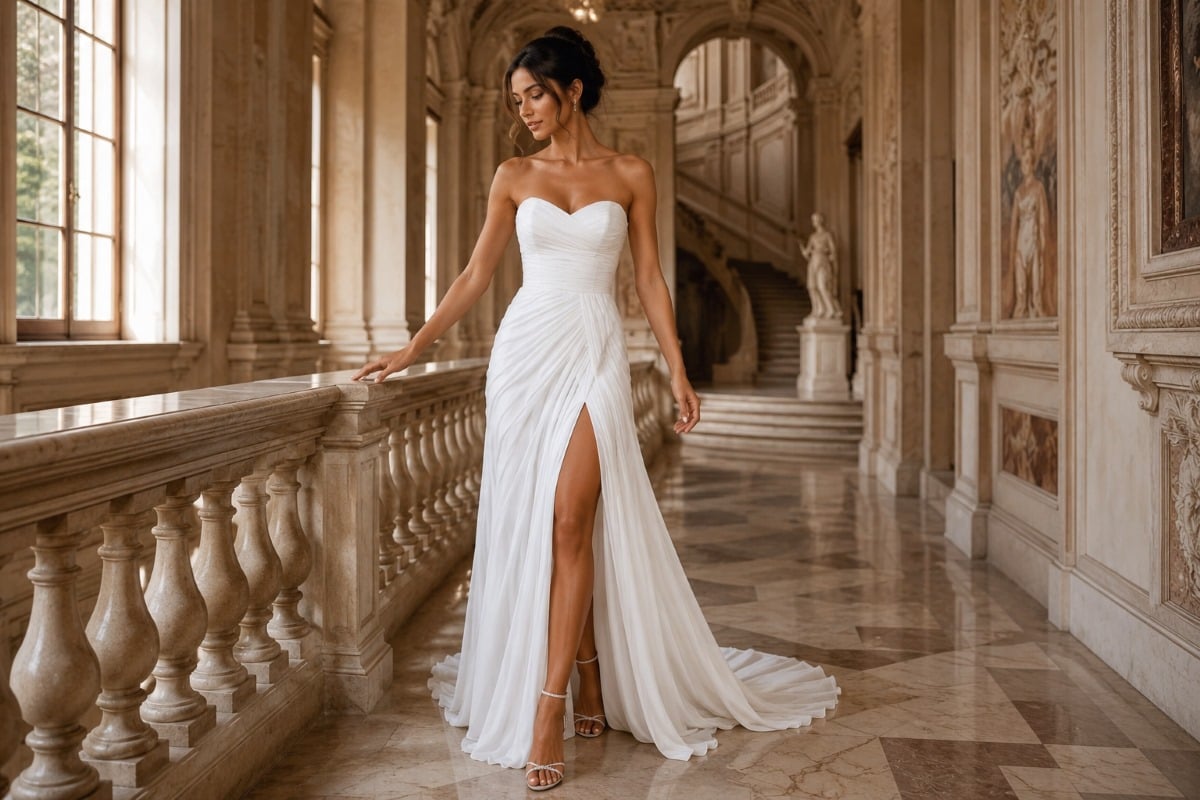

Can you wear white to a quinceanera? No. White belongs to the birthday girl the way it belongs to a bride at a wedding: her gown is traditionally white to mark the step from girlhood into womanhood, and a guest in white reads as competing for that spotlight no matter how it was intended. There is also a second color most guests never hear about that deserves the same caution. This guide gives the full ruling, the edge cases people actually ask about, and the colors that win instead.
Why White Is Hers Alone
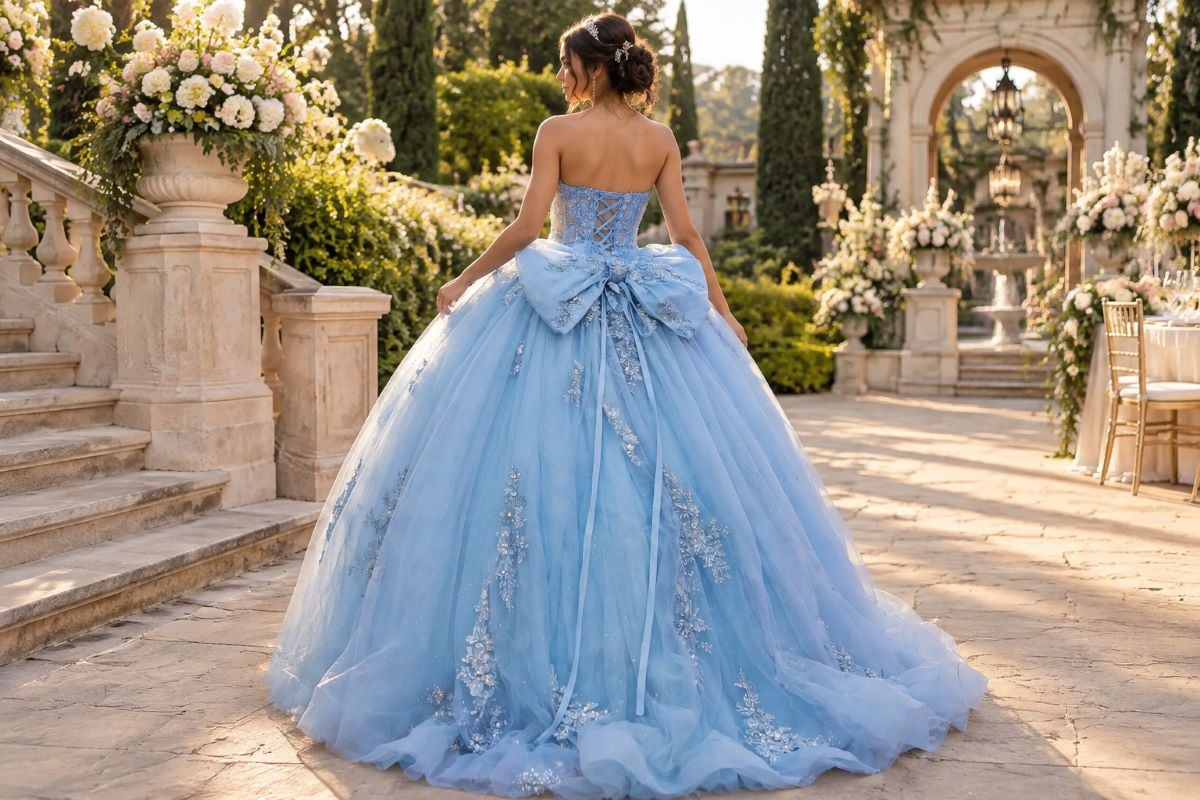
A quinceanera is a coming-of-age ceremony, and the white gown is its central symbol: purity, transition, and the once-in-a-lifetime nature of the day, which is why the celebration is often compared to a wedding in scale and in etiquette. The comparison carries the rule with it. Just as no wedding guest wears white, no quinceanera guest does, and the custom is strong enough across families and regions that it functions as the one hard rule of quince guest dressing. The full story of the tradition, including how modern celebrants personalize it, lives in our guide to the traditional color for a quinceanera dress.
The Second Forbidden Color Nobody Warns You About
Most quinceaneras have an announced theme color, the shade woven through the decorations, the cake, and the court’s outfits, and arriving in that color is the mistake even careful guests make. Dress in the theme color and the photos file you with the damas, as if you were assigned a role you were not given. The fix costs one text message: ask whoever invited you what the theme color is, then simply avoid it. Between white and the theme shade, those are the only two colors off the table, which leaves the entire rest of the spectrum open.
Can You Wear White to a Quinceanera If Her Dress Is Not White?
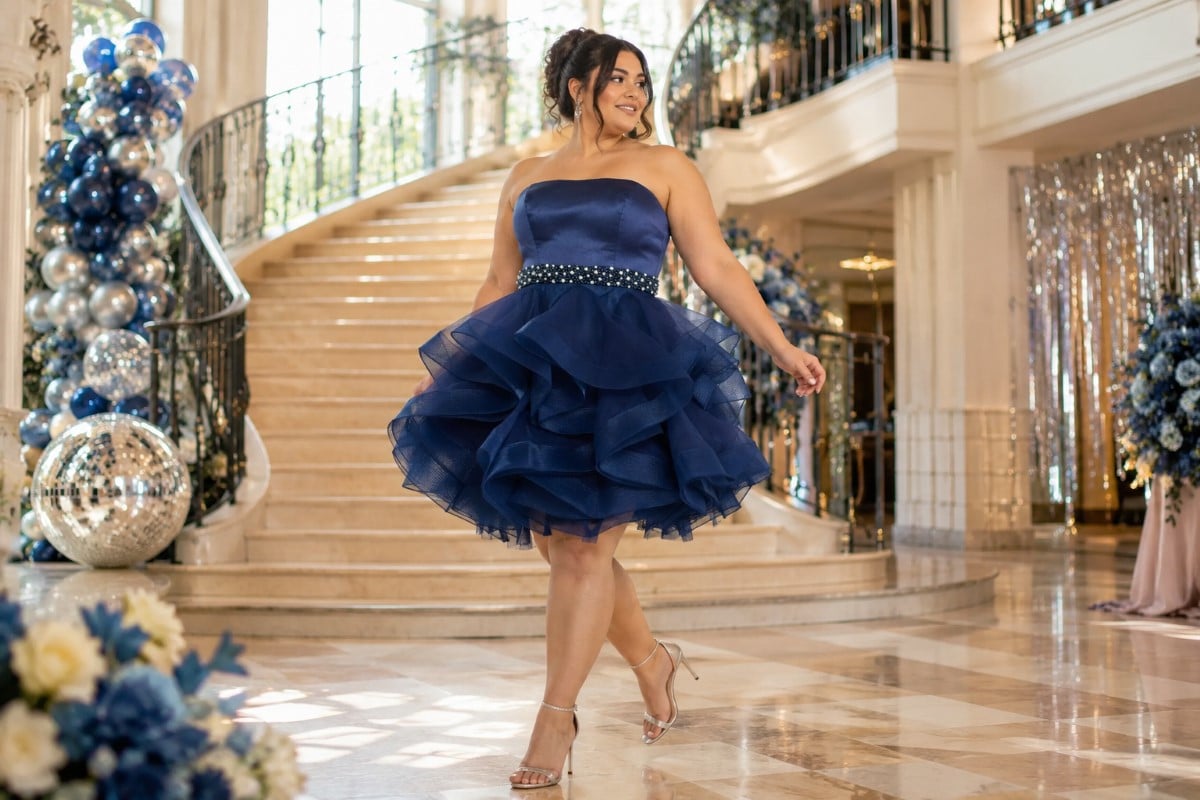
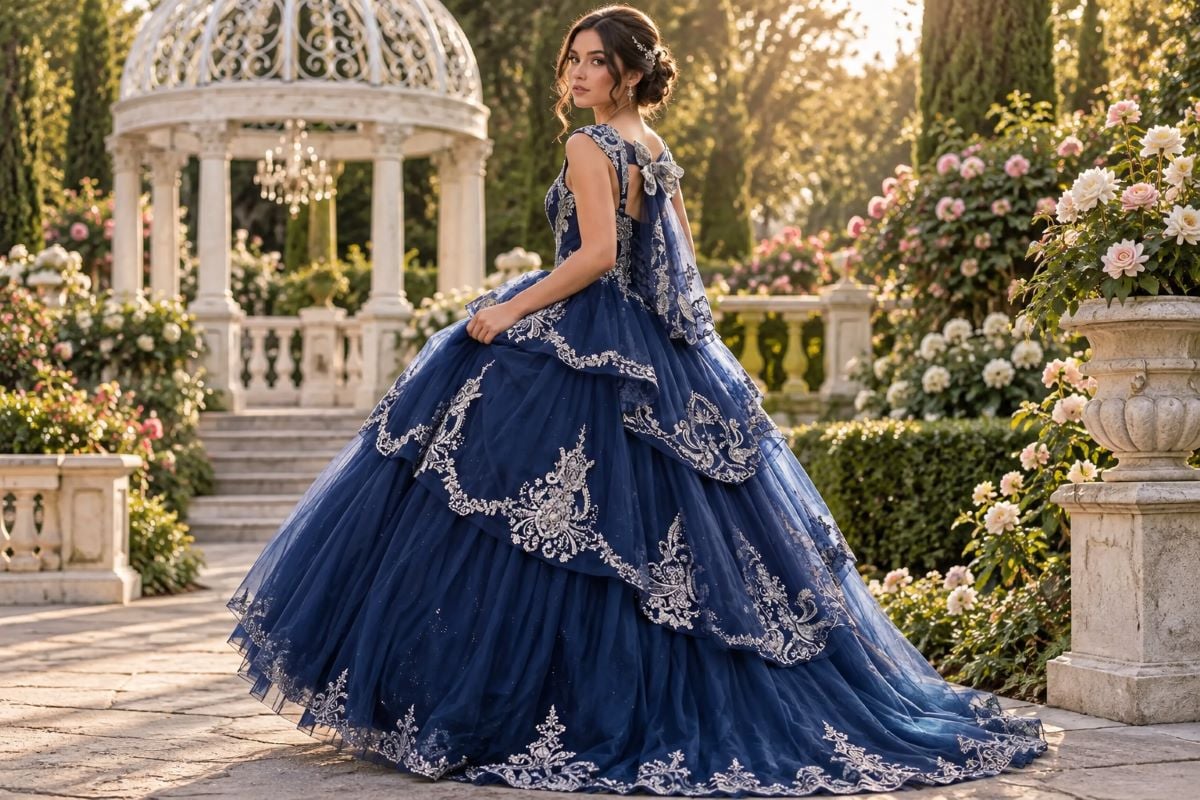
Still no, and this is the edge case worth spelling out. Plenty of modern celebrants choose blush, red, royal blue, or gold gowns instead of white, and guests reasonably wonder whether that releases white back into the room. It does not: white remains the ceremony’s symbolic color even when the honoree styles past it, and a guest in white beside her colored gown can read as wearing the dress she “should” have worn, which is a worse look than competing. When her gown is colored, her color joins the forbidden list and white stays on it. Two colors out, everything else in.
Ivory, Cream, and the Near-White Trap
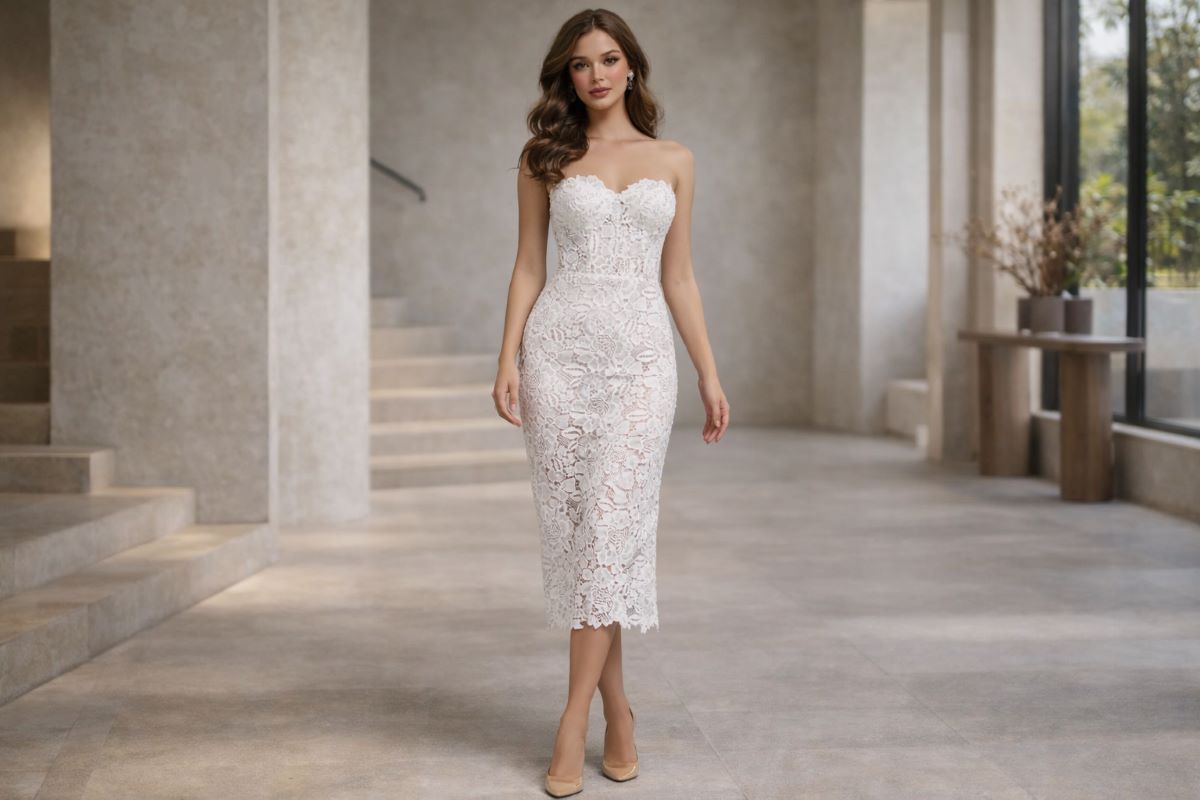
The rule covers more than the word white. Ivory, cream, champagne, and very pale gold all photograph white under reception flash, and the camera’s verdict is the one that ends up framed. If a dress needs the argument “it’s technically not white,” it fails the test; save it for an event where the guest of honor’s color is not on the line. Guests who love the light end of the spectrum can keep the brightness and drop the risk with warm golds that read unmistakably gold, exactly the lane gold short cocktail dresses occupy: festive, luminous, and never mistaken for hers.
The Court Exception, and the Guys
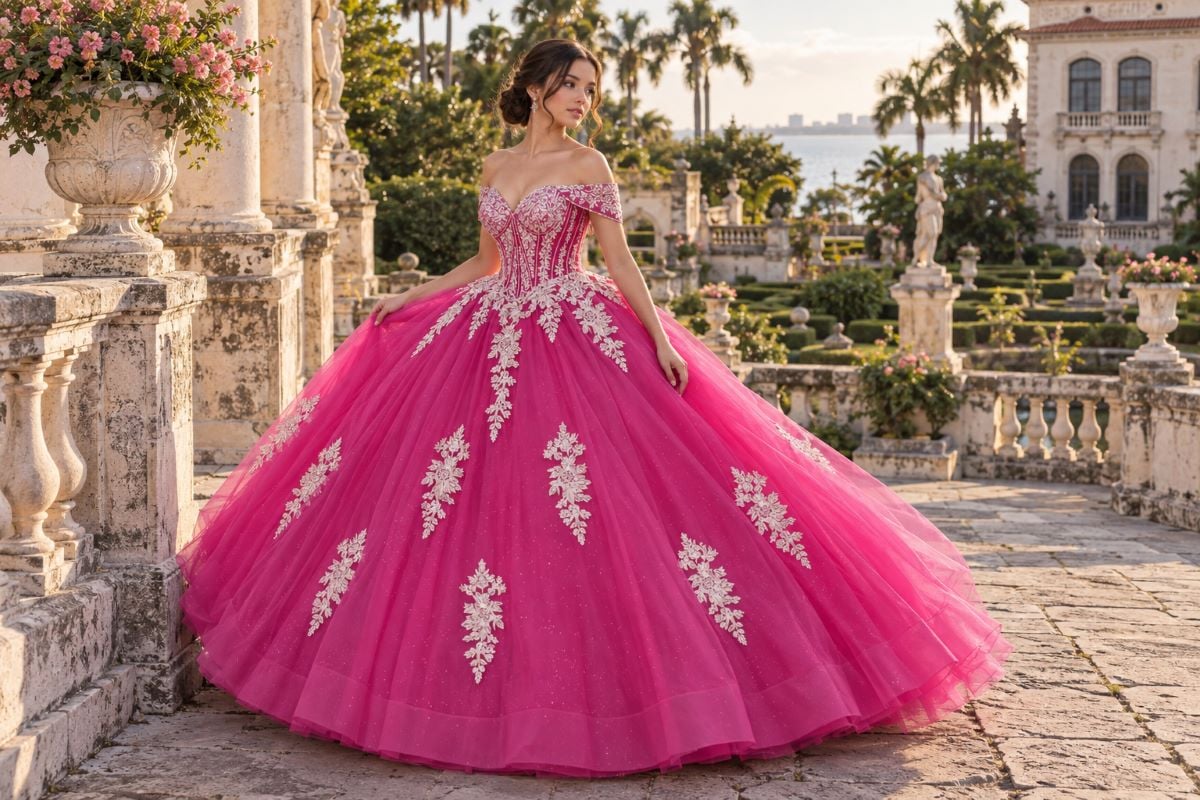
One group is exempt from all of this: the court. Damas wear whatever the quinceanera assigned, including white if that is her chosen scheme, because their outfits are part of her design rather than competition with it; if you are asked to be a dama, the answer to every color question is simply her answer. And for the men in the room, a white dress shirt under a suit is standard and always fine; the rule governs dresses and outfit-level white, not menswear basics.
What to Wear Instead: The Colors That Celebrate Her
Quinceaneras reward color the way few events do, and jewel tones are the guest’s easiest win: saturated, festive in photos, and impossible to confuse with the honoree. Deep purples carry celebration formality with ease, which makes purple evening dresses a reliable pick for evening receptions.
Emerald brings the same energy at knee length through green short cocktail dresses for the dance-heavy halls most quinces are.
Red deserves its own mention: bold, joyful, and completely legitimate at a quince as long as it is not her theme color, with red short cocktail dresses built for exactly this volume of party.
For the complete outfit playbook beyond color, our quinceanera dresses for guests guide takes over.
The Short Answer, Kept Short
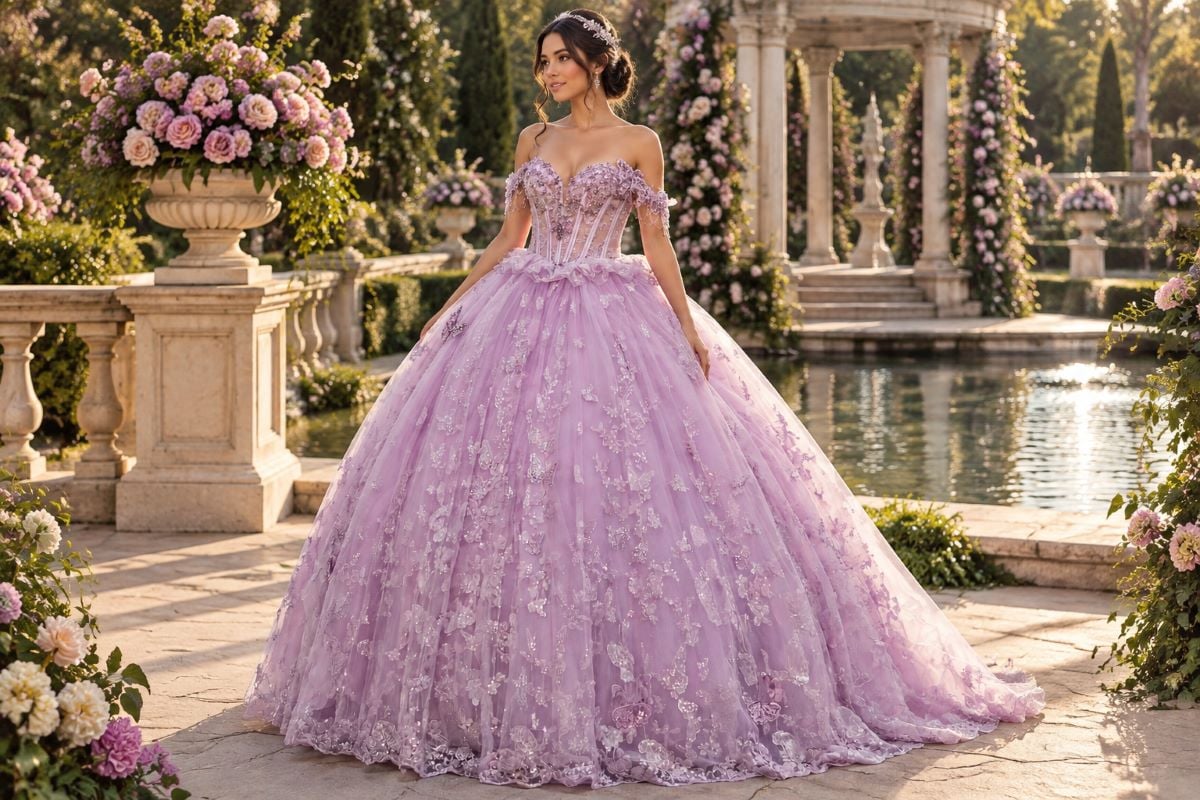
Can you wear white to a quince: no, and neither can you wear her announced theme color, and the near-whites that photograph pale sit under the same ruling. Everything else, jewel tones, black at evening parties, warm metallics, florals, is open, festive, and welcome. That is the whole of can you wear white to a quinceanera, settled in two colors. Adults sorting the broader formality question can lean on our quinceanera and sweet 16 guest attire guide.
And if the invitation on your fridge is for your own daughter’s year, the quinceanera gowns collection is where her white moment begins, in person at an authorized Jovani retailer near you.
Quinceanera Color Etiquette FAQ
Is it disrespectful to wear white to a quinceanera?
Yes, by longstanding custom: white is reserved for the birthday girl as the symbol of her coming of age, and a guest in white reads as competing with her, exactly as it would with a bride at a wedding.
What colors should you not wear to a quinceanera?
Two: white, including ivory, cream, and near-whites that photograph pale, and the quinceanera’s announced theme color, which belongs to her court. Every other color, from jewel tones to festive black at evening parties, is open.
Can you wear white to a quinceanera if you are in the court?
Yes, if it is assigned. Damas wear the colors the quinceanera chose for her court, including white when that is her scheme; court outfits are part of her design, so her assignment overrides the guest rule.
Can you wear cream or ivory to a quinceanera?
No. Cream, ivory, champagne, and very pale gold all photograph as white under reception lighting, and the camera’s version is the one that lasts. Choose a warm gold or any saturated color instead.