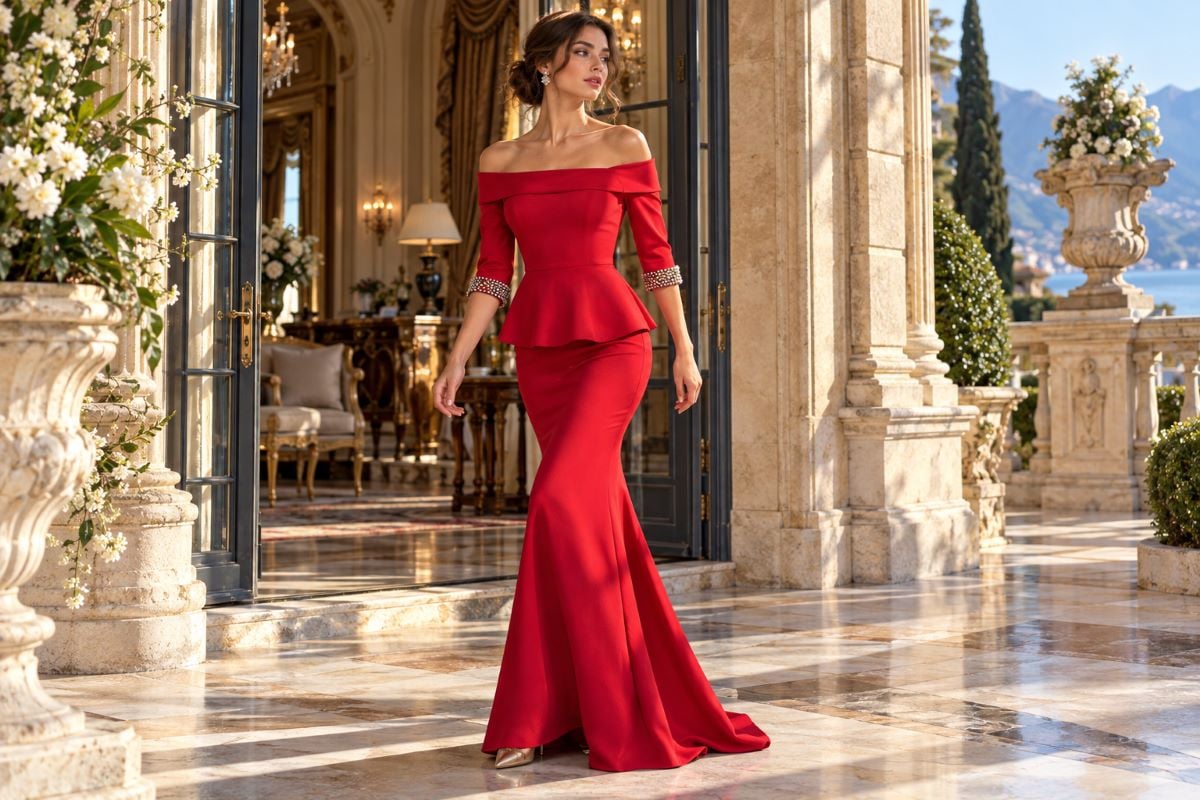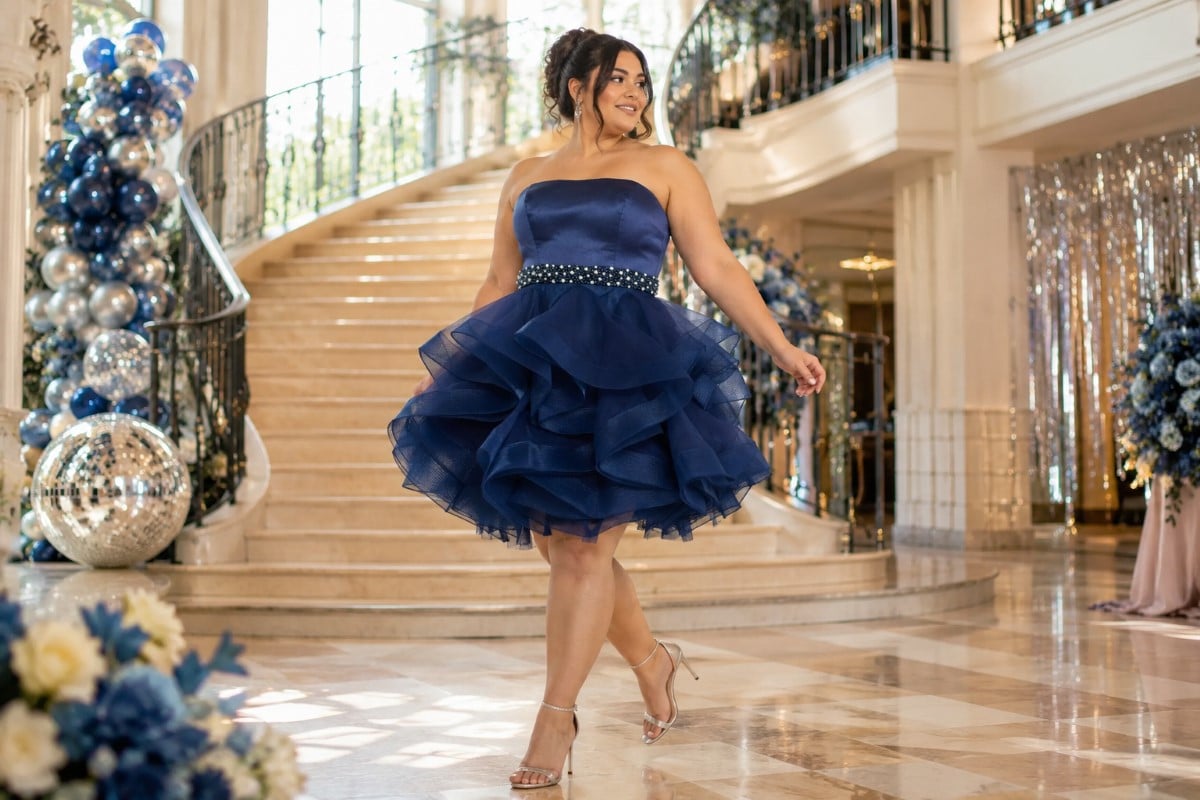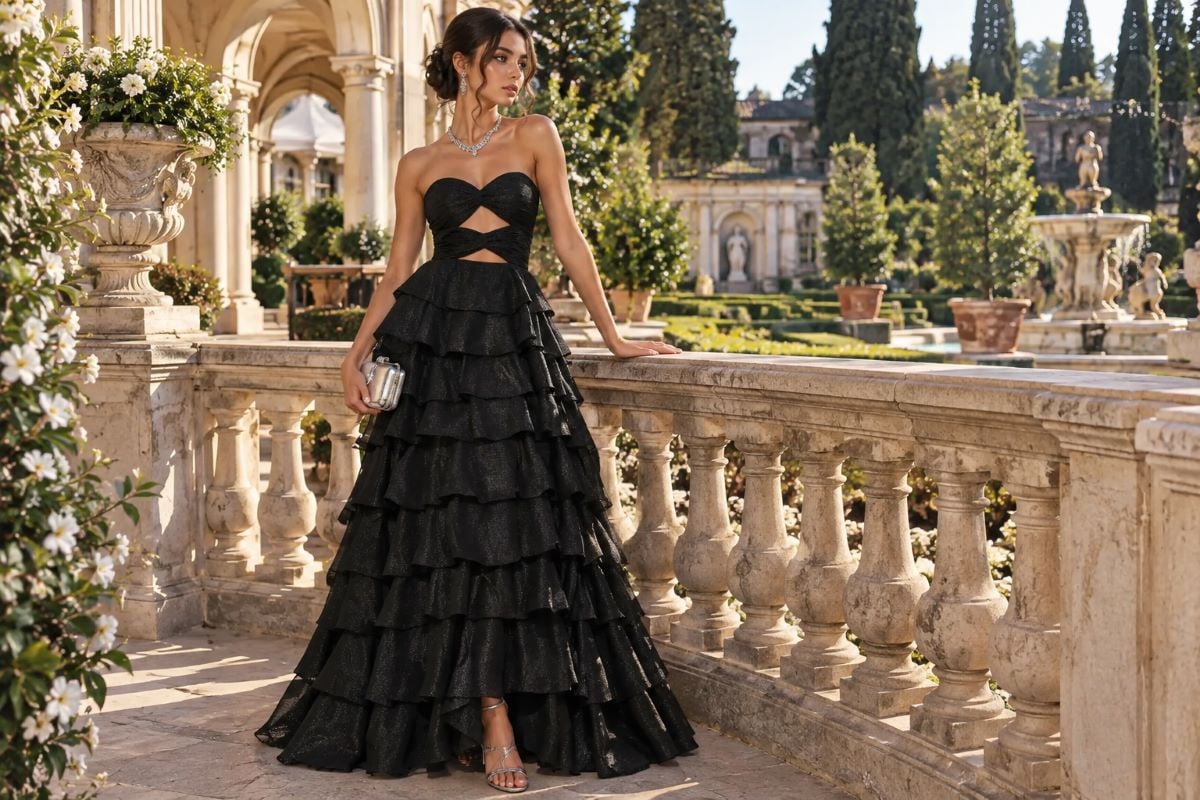

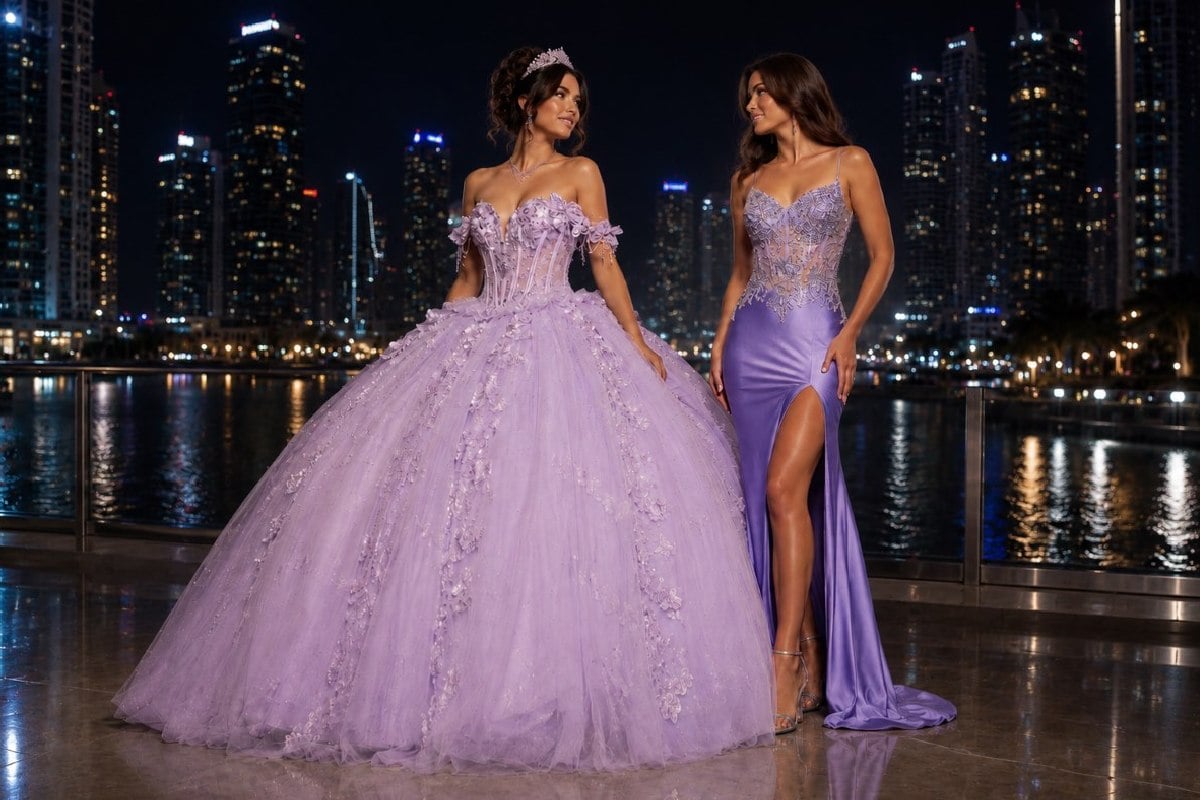
For a young woman stepping into the most transformative years of her youth, fashion is far more than just fabric stitched together. It is a profound language of identity, a highly visible marker of maturity, and a vital element of family celebration. In the span of just two or three short years, a teenager will often experience two monumental sartorial moments that look drastically different from one another. At fifteen, she is typically seen gracefully gliding across a dance floor in a massive, structured gown that commands the entire room. Yet, by the time she reaches seventeen or eighteen, that same young woman will likely gravitate toward the sleek, sophisticated, and daring allure of high-slit prom dresses that offer an entirely different kind of confidence.
As a premier design house that has spent decades dressing young women for these exact milestones, Jovani understands the deep psychological, cultural, and aesthetic shifts that drive these distinct fashion choices. We meticulously engineer the garments that mark the chapters of her youth, from the most traditional cultural ceremonies to the modern high school dance floor. To truly appreciate this fascinating style evolution and the stark contrast between these two milestone garments, we must explore a question rooted deeply in centuries of tradition: why are quinceañera dresses so big?
In this comprehensive guide, we will explore the historical significance of the traditional ball gown, the complex architectural engineering required to create those voluminous skirts, and the natural stylistic transition that leads a young woman away from a poofy silhouette toward a sleek, red-carpet-ready prom gown.
The Historical and Cultural Roots of the Volume
To understand the sheer size and physical volume of the dress, one must first understand the profound cultural weight of the occasion itself. The Quinceañera is a deeply cherished milestone celebrated widely across Latin American cultures and within Hispanic communities around the globe. It marks a girl’s transition from childhood to young womanhood on her fifteenth birthday. This is not merely a birthday party; it is a presentation to society, a religious thanksgiving, and a family legacy all wrapped into one defining evening.
Mesoamerican Coming-of-Age Ceremonies
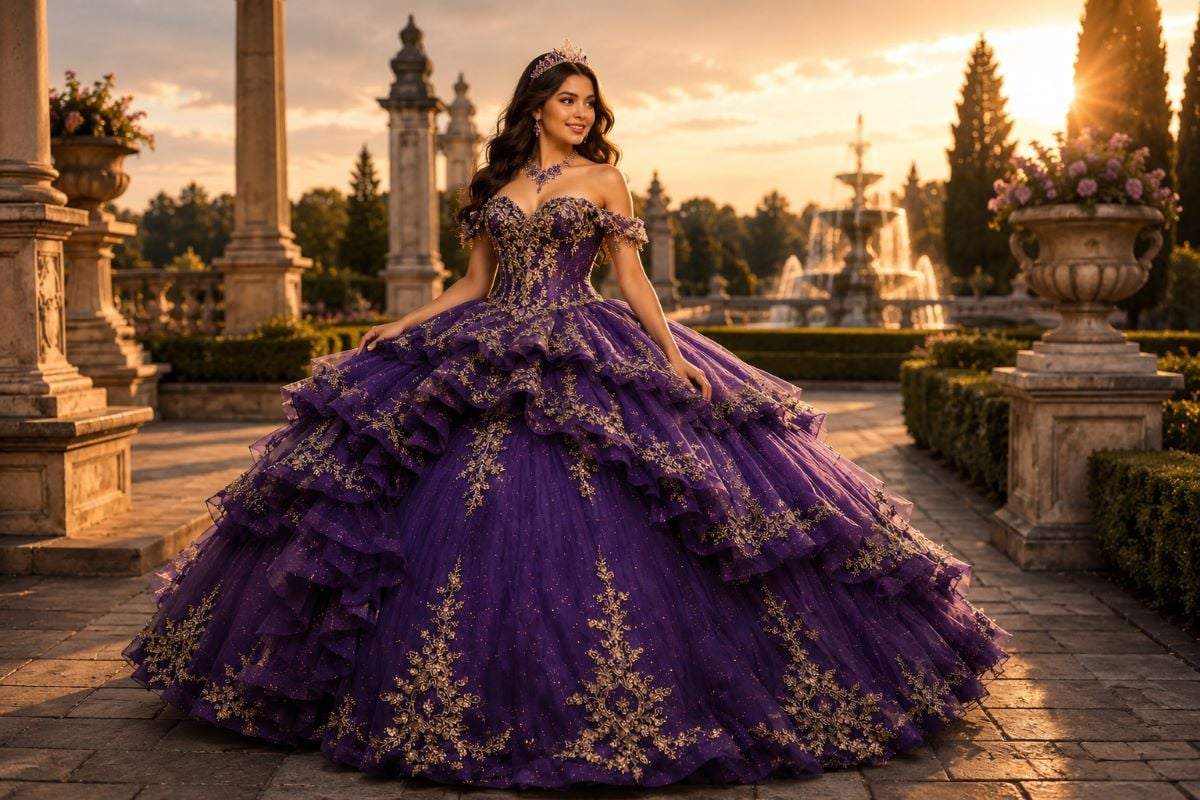
When we look into the history of these milestone gowns, the origin of the gown’s extreme volume becomes remarkably clear through the lens of shifting civilizations. The modern Quinceañera is a beautiful synthesis of indigenous Mesoamerican coming-of-age ceremonies and traditional European aristocratic customs. In ancient Aztec and Mayan cultures, reaching the age of fifteen meant a girl was officially ready to take on the responsibilities of a woman within her community. The ceremonies were sacred, marking her readiness to learn the traditions of her ancestors, prepare for marriage, and contribute meaningfully to her society.
European Court Influence on Fashion
When Spanish colonizers arrived in the Americas, they introduced European court customs, including formal waltzes, Catholic masses, and, most importantly for our topic, the opulent fashion of the European nobility. In the royal courts of 18th and 19th-century Europe, physical volume directly equated to social status. Fabric was incredibly expensive, hand-woven, and difficult to acquire. The ability to drape oneself in layers upon layers of heavy silk, stiff tulle, and intricate lace was a direct display of a family’s wealth, prestige, and honor.
When a young woman of nobility was officially presented to high society, she wore the most magnificent, space-consuming gown her family could afford. This European court aesthetic seamlessly blended with the cultural importance of the Latin American fifteenth birthday, birthing the modern tradition of the extravagant gown. Thus, when people ask why are quinceañera dresses so big, the answer is historically rooted in the ultimate demonstration of family honor, financial sacrifice, and societal arrival.
The Psychology of Silhouette: Taking Up Space
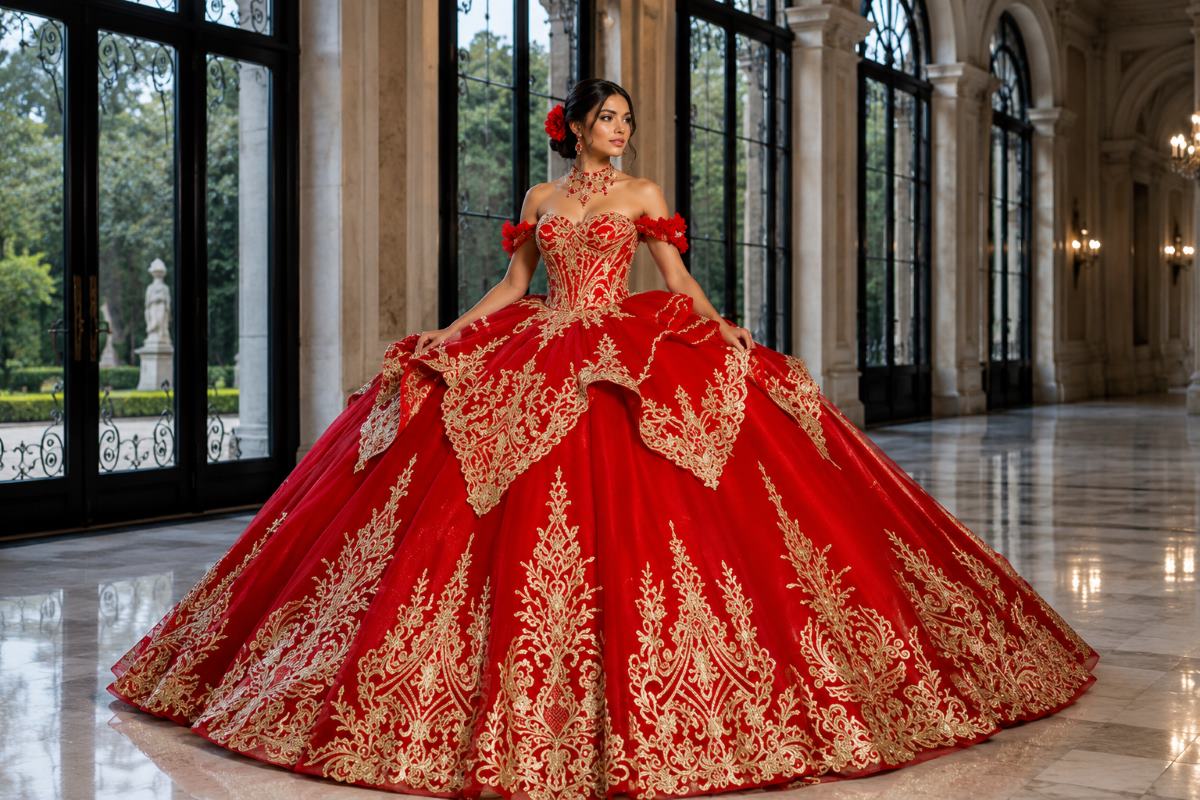
When examining why are quinceañera dresses so big, the answer also lies in a vital psychological and symbolic purpose. When families begin shopping for these milestone garments, they are often awestruck by the sheer scale of the skirts. The fabric seems to float outward, creating a beautiful, rigid bell shape that requires careful maneuvering through doorways, down church aisles, and into limousines.
The Visual Metaphor of Adulthood
A Quinceañera is, at its core, a theatrical presentation. The young woman is the undeniable center of attention in a room filled with hundreds of guests. A massive, poofy dress forces the crowd to part ways for her. It physically expands her presence in the room, ensuring that all eyes are drawn upward to her face as she enters the venue. For the first fourteen years of her life, she was a child who was often expected to blend in, to sit quietly, and to take up little space. On her fifteenth birthday, the incredible volume of the dress serves as a visual metaphor for the magnitude of her new status. She is no longer a little girl fading into the background; she is a young woman stepping fully into her own power, demanding attention, and taking up the space she rightfully deserves.
Creating a Fairytale Milestone
Furthermore, traditional quinceañera gowns are intentionally designed to be the most dramatic expression of the ball gown silhouette. This dress is meant to evoke the image of a fairytale moment that the family has often planned, anticipated, and saved for over the course of many years. The dress is large because the dream is large. It is a protective, majestic shell that carries her from the innocence of childhood into the responsibilities of adulthood. Stepping into a dress of this magnitude is a highly emotional experience, instantly transforming a teenager into the regal protagonist of her family’s history.
The Architecture of Volume: Engineering the Gown
Achieving that flawless fairytale aesthetic—and practically understanding why are quinceañera dresses so big—requires meticulous, highly complex garment engineering. At Jovani, the construction of poofy quinceañera dresses is approached with the precision of structural architecture. The ultimate goal is to create maximum outward volume while maintaining a dress that is relatively manageable, structurally balanced, and comfortable enough for the wearer to perform traditional dances, such as the emotional waltz with her father.
Modern Hoop Skirts vs. Traditional Crinolines
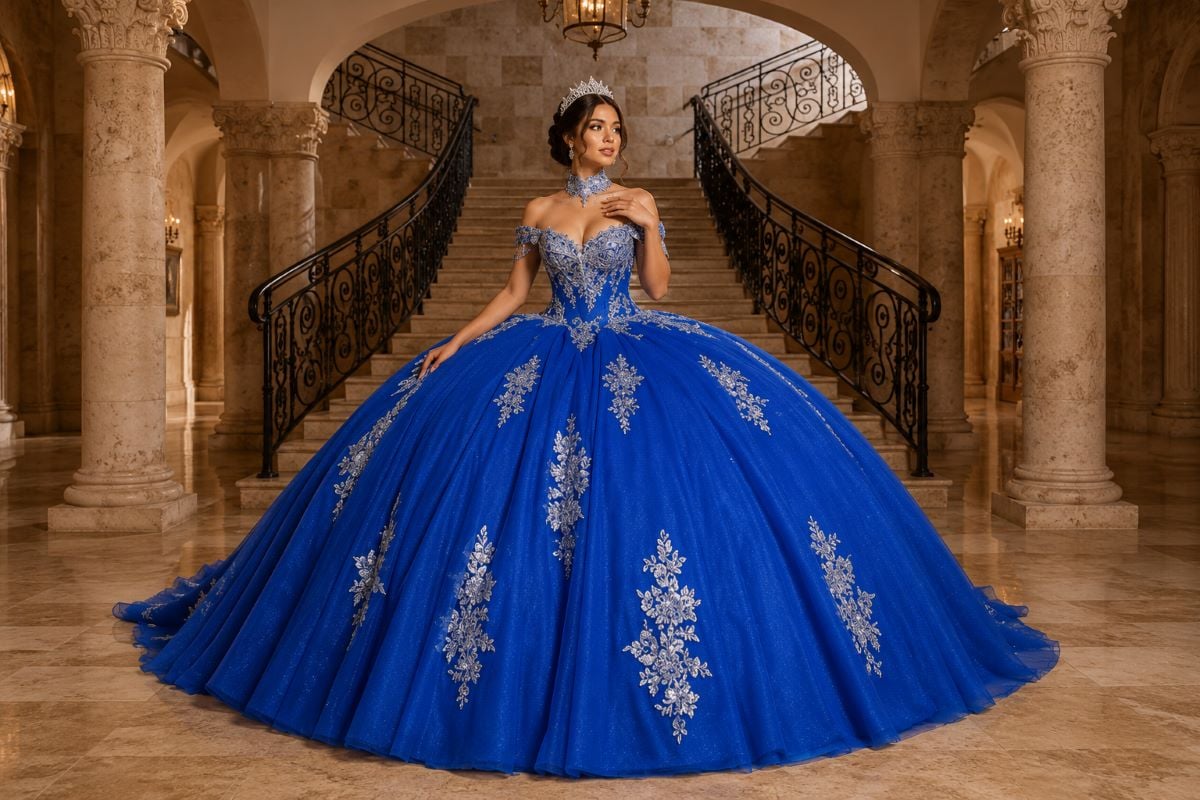
To fully grasp the mechanics of the silhouette, one must understand what goes under a quinceañera dress. The foundation of these gravity-defying skirts is the structural undergarment. Historically, this extreme volume was achieved through stiff, scratchy crinolines woven from horsehair, or by wearing half a dozen heavy layers of starched cotton petticoats. Today, modern textile engineering utilizes highly flexible hoop skirts to achieve a superior shape without the suffocating weight.
A high-quality hoop skirt features flexible, lightweight steel or heavy-duty plastic rings woven horizontally into tiers of soft fabric. This creates a hollow, structured dome that physically holds the heavy outer layers of the dress away from the wearer’s legs. This is a brilliant piece of functional design. Because the hoop pushes the fabric outward, the young woman has a large pocket of air and complete freedom of movement for her legs underneath. This prevents her from tripping over yards of heavy tulle as she walks forward.
The Role of Multi-Layered Petticoats
Over the structural hoop skirt, a multi-layered tulle petticoat is typically added. This crucial middle layer serves to soften the harsh, visible ridges of the underlying hoops. If a dress is worn over a hoop skirt without a petticoat, the rings will show through the fabric, ruining the illusion of a floating gown. The petticoat provides a cloudy, pillowy transition that gives the outer shell of the gown its seamless, floating appearance, ensuring the skirt looks like a cloud of fabric rather than a structured tent.
Fabricating the Dream: Tulle, Organza, and Beading
Once the structural foundation is perfectly set, the visible outer layers of the dress must be crafted with materials that support a grand aesthetic without adding unbearable weight to the wearer’s frame. Selecting the exact right textiles is crucial for voluminous skirts to ensure they look regal and sharp rather than heavy and drooping.
Selecting the Right Textiles for Maximum Volume
Tulle is the undisputed champion of the coming-of-age wardrobe. This fine, stiff netting can be layered dozens of times to create a cloud-like effect that feels incredibly ethereal and majestic. Because tulle is mostly composed of open air within the netting, it adds massive volume without adding debilitating weight.
Organza, a sheer fabric with a slightly crisper texture and significantly more structure than flowing chiffon, is also frequently used. Designers manipulate stiff organza to create structured cascading ruffles, wide tiered skirts, and dramatic three-dimensional floral rosettes that add incredible depth, movement, and texture to the volume. For a more traditional, royal look, heavy satin or silk mikado might be used, reflecting light beautifully and holding sharp, architectural pleats at the waistline.
The Architectural Anchor: Corsets and Bodices
The bodice of these gowns acts as the architectural anchor for the entire garment. It is typically heavily boned and highly structured, acting almost like a corset to support the immense weight of the massive skirt below. If the bodice is weak, the skirt will pull the dress downward. This tight, rigid, tailored fit on the torso sharply contrasts with the explosion of volume at the waistline, emphasizing the classic, universally flattering hourglass shape.
The bodice is then meticulously adorned with intricate, hand-sewn beadwork, crystal embellishments, and embroidered lace appliques. This ensures the top half of the dress is just as captivating as the massive skirt, drawing the eye naturally upward toward the young woman’s face and adding a touch of undeniable luxury to the photographs.
The Transition to Prom: Redefining the Formal Silhouette
The Quinceañera is, fundamentally, a family-centric event. The young woman is dressed to fulfill a shared vision held by her parents, her grandparents, and her extended community. The dress, in all its poofy, fairytale glory, reflects a protected, cherished stage of youth. But adolescence moves incredibly quickly. Fast forward just two or three short years, and the teenager is now a high school upperclassman preparing for her senior prom. The psychological and emotional shift during this brief period is immense.
The Shift to Peer-to-Peer Events
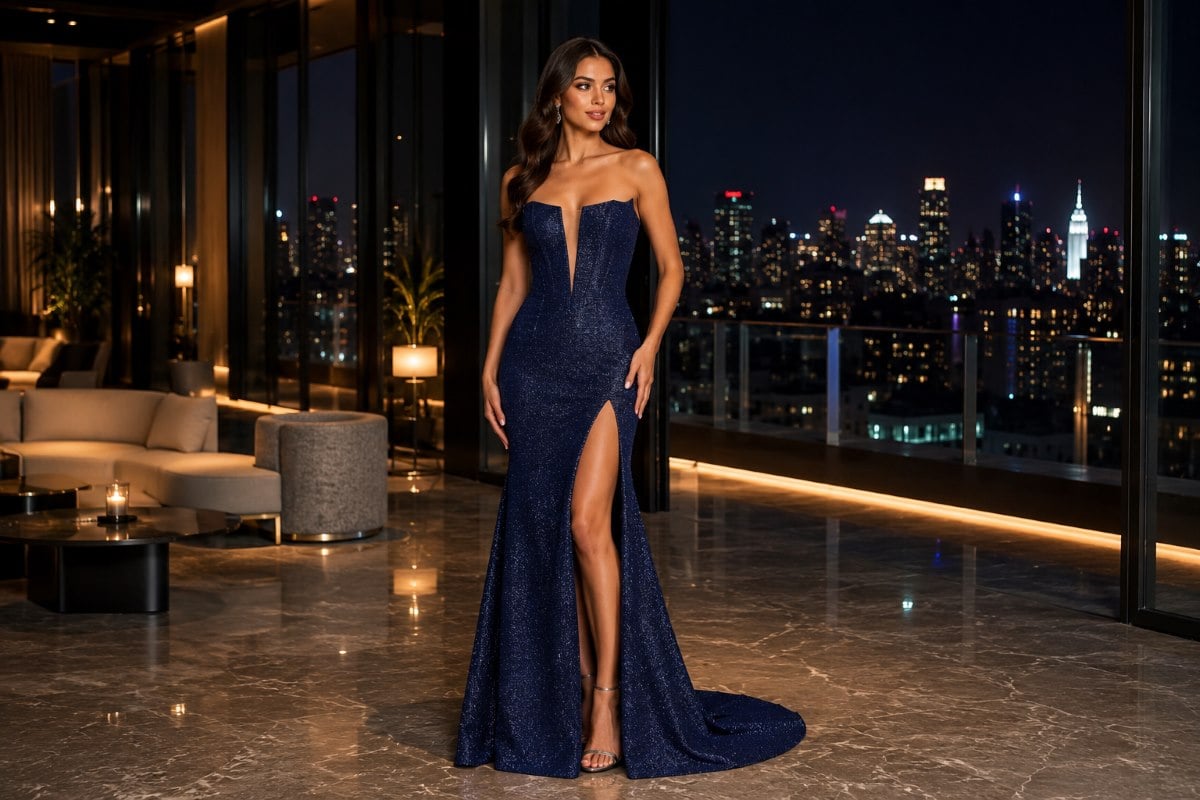
When it comes to fashion, her motivations have entirely shifted. She no longer wants to look like a princess in a family fairytale; she wants to look like a leading lady on a Hollywood red carpet. The prom is not a family presentation; it is a peer-to-peer social event. The desire to command a room with an enormous, space-consuming skirt is entirely replaced by the desire to command a room with personal style, bodily confidence, and modern sophistication. She wants a dress that reflects her impending adulthood.
The Allure of the High-Slit Prom Dress
When it is time to begin shopping for prom gowns, the criteria completely change. The structural hoops are left in the closet. The corset-like, heavily beaded bodices paired with stiff, scratchy tulle are traded for fluid, luxurious fabrics that drape naturally against the body.
This intense shift in aesthetic desire perfectly explains the meteoric rise and enduring dominance of the high-slit prom dress. The appeal of the high slit is deeply rooted in modern red-carpet culture, globally synonymous with glamour, female empowerment, and mature confidence. For a teenager attending her senior prom, this is exactly the aesthetic she wants to project. She wants to be able to sit in a limousine comfortably, walk through a restaurant without knocking over chairs, and dance freely without a five-foot radius of netting surrounding her.
Movement and Maturity: Tailoring the Perfect Slit
Comparing the precise engineering of high-slit prom dresses to traditional quince gowns highlights exactly how fundamentally different these two life events are, not just in style, but in physical movement.
Static Volume vs. Dynamic Fluidity
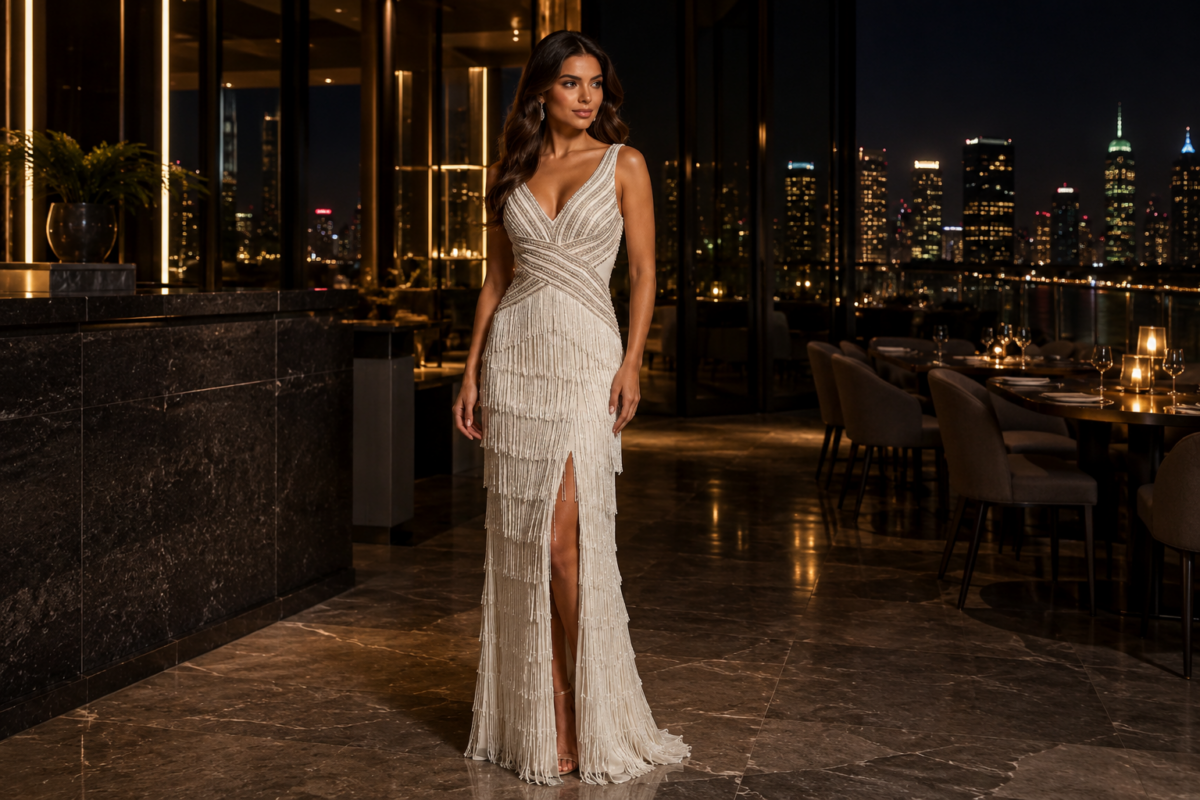
A traditional ball gown is generally static. Even when the wearer is in motion, the hoop skirt ensures the dress maintains the exact same rigid bell shape. The dress essentially wears the room. A high-slit dress, conversely, is highly dynamic. It responds instantly to the wearer’s body and the environment. If she stands still, the dress may look like a classic, elegant, closed column gown. But the moment she moves, dances, or poses for a photograph with her friends, the slit organically parts, breaking up the solid visual line of the fabric and adding an element of sophisticated allure.
This dynamic movement beautifully mirrors a specific tradition from the Quinceañera: the Changing of the Shoes. At fifteen, the young woman traditionally changes from flat shoes to high heels in the middle of the ceremony to symbolize stepping into womanhood. At eighteen, the high-slit prom dress allows her to proudly show off her sophisticated statement heels all night long, serving as a subtle nod to how far she has come since that first milestone.
Balancing Daring Details with Formal Elegance
Creating fitted formal styles with a flawless slit requires masterful tailoring. To ensure the slit falls perfectly and flatters the leg, designers must reinforce the top of the cut to prevent tearing. They must also manipulate the surrounding fabric so it drapes naturally rather than pulling awkwardly across the hips.
Jovani’s expert tailoring ensures that the structural integrity and class of the dress remain perfectly intact. We often incorporate subtle ruching, side gathers, or wrap-style bodices that naturally flow into the top of the slit. This creates a cohesive, incredibly flattering garment that highlights the natural waistline while providing appropriate coverage. Furthermore, these high-slit dresses cater to the modern teenager’s desire for genuine comfort on the dance floor, offering excellent ventilation and complete freedom of movement.
Jovani’s Legacy of Dressing Coming-of-Age Milestones
Fashion serves as a visual timeline of our lives, documenting our physical growth, our changing tastes, and our cultural roots. The transition from the extravagant, space-commanding volume of a quinceañera gown to the sleek, confident, and dynamic allure of high-slit prom dresses is a beautiful representation of growing up.
At fifteen, the massive ball gown silhouette tells a rich story of family tradition, cultural pride, and a grand presentation to society. It directly answers the question of why are quinceañera dresses so big with a resounding declaration of a young girl’s expanding presence, value, and importance in the world. Just a few short years later, the high-slit gown tells an entirely new story. It speaks to burgeoning independence, modern style, and a readiness to step out into the adult world with unhindered movement and bold confidence.
Jovani is deeply honored to be the common thread weaving between these two distinct, beautiful milestones. Whether a family is looking for the impeccable, architectural structure of hoop skirts wrapped in yards of luxury tulle, or a young woman is searching for the perfect liquid-jersey gown with a show-stopping leg slit, our commitment to superior craftsmanship, precise fit, and innovative design remains unparalleled. We do not just sew dresses; we meticulously engineer the coming-of-age garments that make young women feel exactly how they are meant to feel in the most important, unforgettable moments of their youth.
Frequently Asked Questions (FAQ)
1. Why are quinceañera dresses so big compared to other types of formal gowns?
Quinceañera gowns are intentionally voluminous to symbolize a young woman’s grand, highly anticipated transition from childhood into womanhood. The massive skirt ensures she is the undeniable focal point of the entire celebration. Historically, this extreme volume is directly derived from 18th and 19th-century European aristocratic fashion, where large, fabric-heavy dresses were the ultimate display of a family’s prestige, wealth, and readiness to be presented to high society.
2. How heavy is a traditional, poofy quinceañera dress to wear all night?
While they look incredibly heavy and physically imposing, modern design techniques make them surprisingly manageable to wear. Because the extreme volume is supported by lightweight, flexible hoop skirts and petticoats rather than just dense, solid layers of heavy fabric, the weight is distributed evenly around the waist rather than dragging on the wearer’s shoulders. However, heavily beaded corsets and exceptionally long trains will add some weight, meaning a high-end dress can range anywhere from 5 to 15 pounds depending on the specific fabrics and crystal embellishments used.
3. Do I absolutely have to wear a hoop skirt under a Quinceañera dress?
If you want the dress to achieve that iconic, perfectly round, fairytale shape, a structural hoop skirt is highly recommended and usually necessary. Without the underlying support of a hoop, the heavy outer layers of tulle, organza, and satin will naturally collapse inward against your legs. This not only makes the dress look deflated and messy, but it also makes it exceptionally difficult to walk or dance without constantly tripping over the excess fabric.
4. Can I wear a sleek, high-slit dress for my Quinceañera instead of a traditional ball gown?
While traditional quince gowns are known globally for their massive ball gown silhouettes, modern fashion rules are entirely up to the wearer and her family’s specific preferences. Some young women opt for a two-look celebration to get the best of both worlds: wearing a traditional, highly conservative poofy dress for the religious church ceremony and formal waltz, and then changing into a sleeker, high-slit or fitted party dress for the late-night dancing with their peers.
5. What makes a high-slit prom dress the most popular choice for high school seniors?
High-slit dresses offer the perfect, highly sought-after balance of formal elegance and modern, young-adult maturity. The slit provides incredible freedom of physical movement, making walking, posing for photos, and dancing much easier than in a restrictive, fully closed gown. Additionally, the style draws heavy inspiration from celebrity red-carpet fashion, allowing older teenagers to project a sophisticated, empowered, and confident aesthetic as they officially celebrate the end of their high school years.
Discover the perfect silhouette to celebrate every chapter of your youth; find your dream gown and explore the full Jovani collection today at your nearest authorized boutique.
Tradition shapes more than the silhouette. Read about the traditional colors for a quinceañera dress.