
The pageant interview dress is the most underestimated outfit in competition, and often the most important. While the evening gown commands the stage and the cameras, the crown is frequently decided behind closed doors in the interview room, where judges meet the articulate, capable person behind the glamour. The interview calls for an entirely different approach to dressing than the gown competition, one built on professionalism, polish, and personality rather than sparkle and drama. A pageant interview dress should communicate confidence, competence, and readiness for the demanding role of a titleholder, all while letting your own style come through. This guide walks through what the interview outfit needs to accomplish, the silhouettes and colors that work, how it differs from your evening gown, and how to choose a look that lets your intellect and platform take center stage. The principles apply across age divisions, from teen competitions to the Miss level, since the interview rewards professionalism and polish at every age.
Why the Interview Outfit Matters So Much
The interview is often where a pageant is genuinely won or lost, which makes the outfit far more consequential than its low profile suggests. Understanding its role helps you give it the attention it deserves.
The Crown Is Often Won in the Interview Room
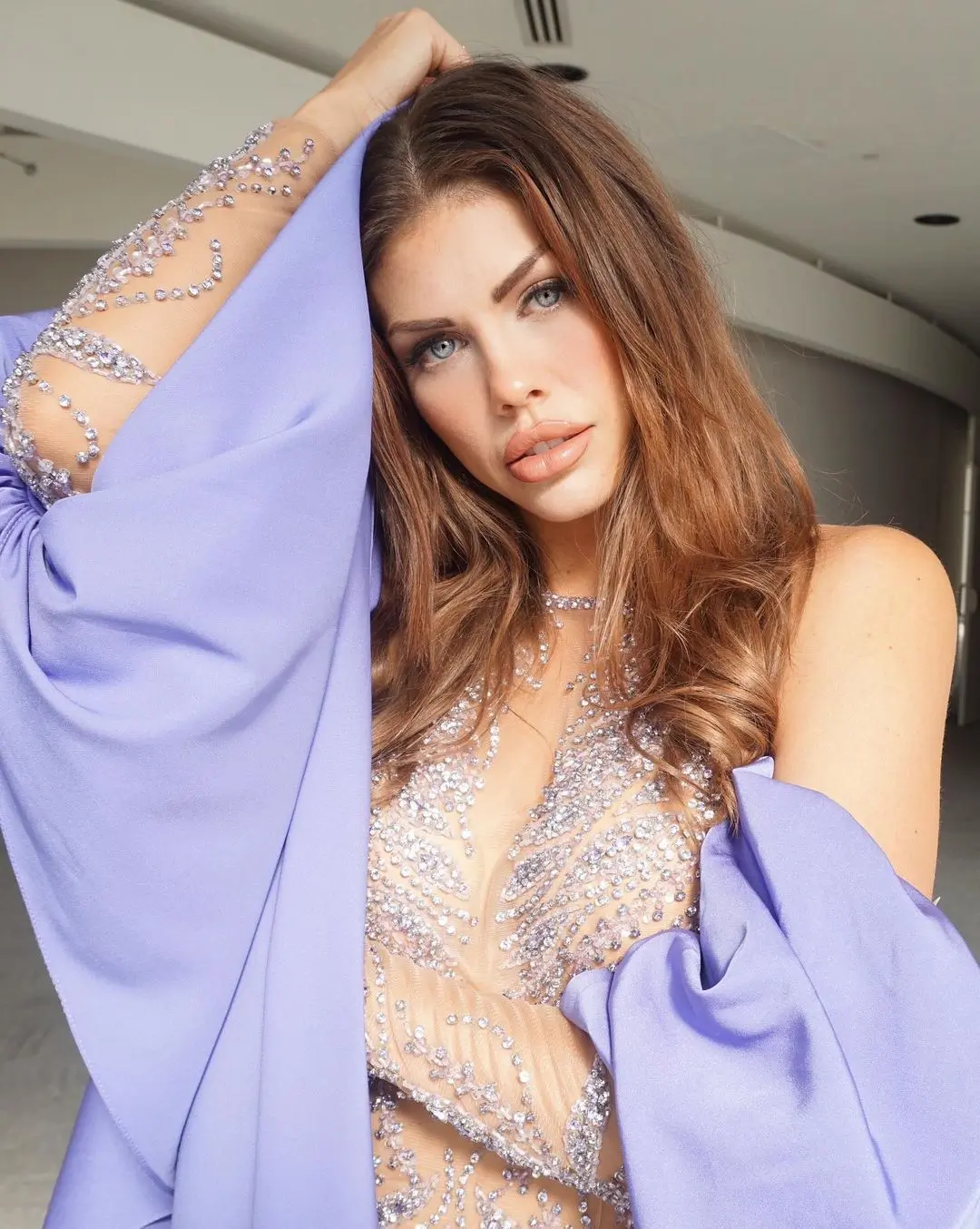
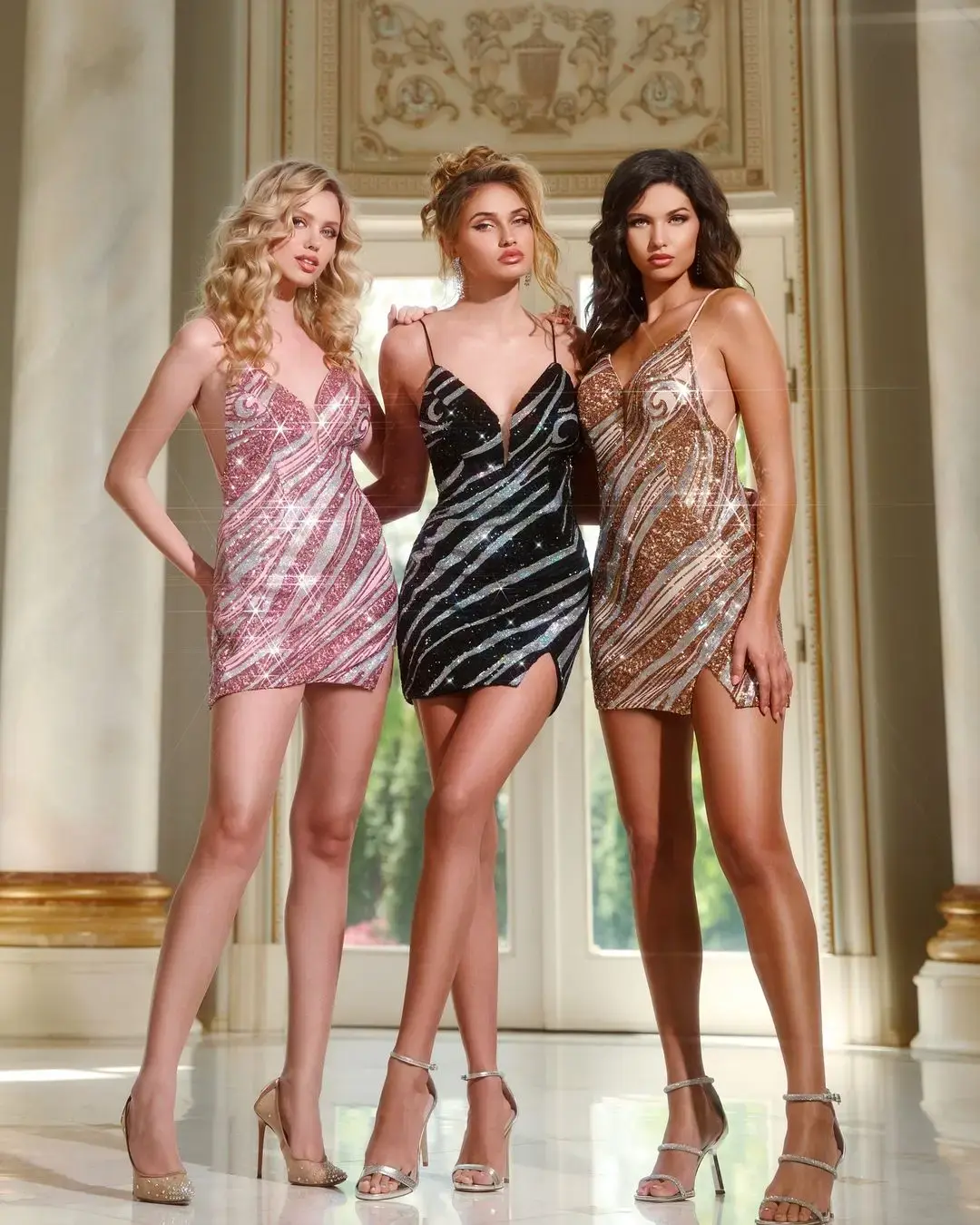
The interview portion of a pageant carries enormous weight in the final score, sometimes more than the visually spectacular evening gown segment. This is the moment judges look past the stage glamour to meet the capable, articulate ambassador they are considering crowning, evaluating poise, intelligence, and presence in a face-to-face setting. A pageant interview dress sets the tone for that conversation before you say a word, communicating that you understand the seriousness of the role and have prepared accordingly, and the range of pageant interview dresses shows the polished, professional direction this segment calls for. The judges are forming an impression of you as a potential titleholder from the moment you walk in, and a considered, professional outfit signals that you take the opportunity seriously. The right outfit projects confidence and competence, putting you in the correct frame of mind and signaling to the panel that you are ready. Because so much rides on this segment, the interview look deserves as much thought as the gown, even though it never shares the spotlight on stage in the same dramatic way.
A Different Goal Than the Gown
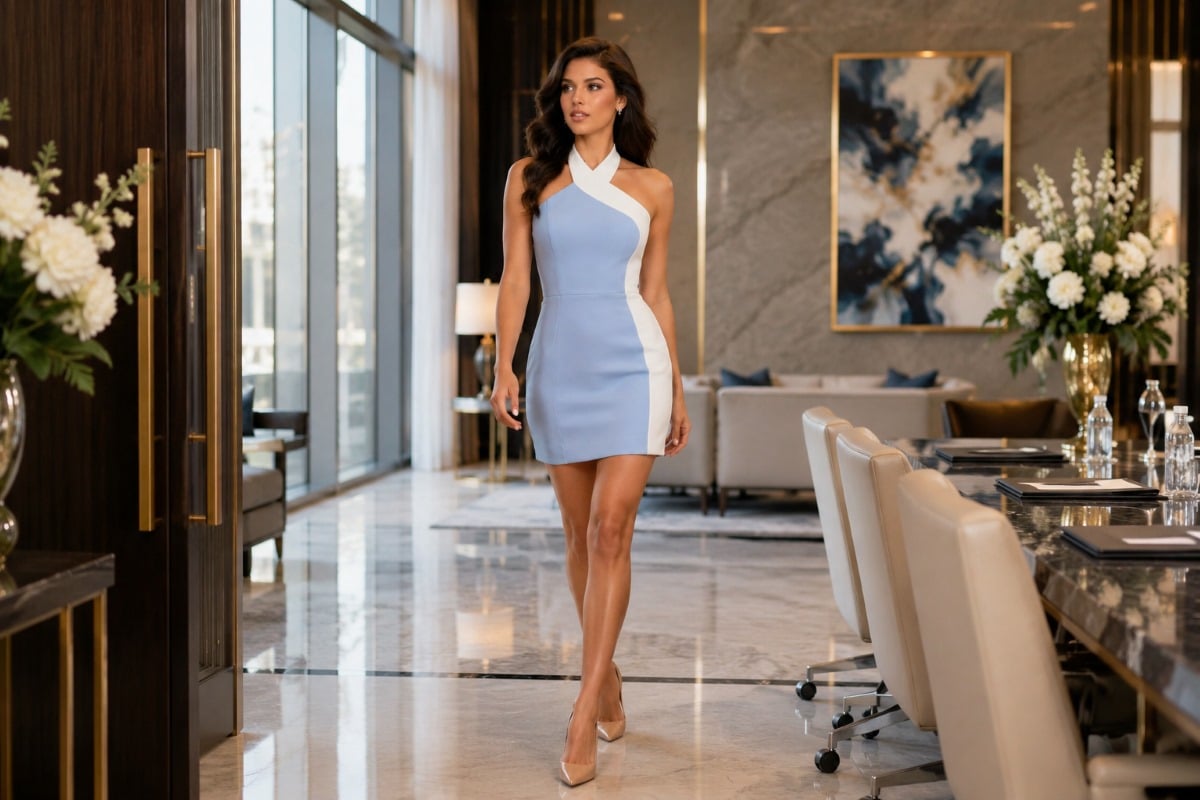
The interview outfit and the evening gown serve completely different purposes, and treating them the same is a common mistake. Where the gown is designed to dazzle from a distance under stage lights, the interview dress works up close, in a room, in conversation, where the goal is to look polished, professional, and approachable rather than glamorous. The interview look should never distract from what you are saying, instead serving as a clean, confident foundation for your intellect and platform. This means structured fits, impeccable tailoring, and a sense of respect for the panel and the organization, qualities that read very differently from the drama of a competition gown. Recognizing that the two outfits answer different questions, one about stage presence and one about professional readiness, is the first step toward choosing an interview dress that works.
Silhouettes and Styles That Work
The interview rewards polished, structured looks that convey professionalism, and several silhouettes fit the bill. The right choice balances a put-together appearance with your own comfort and confidence.
Structured Dresses and Tailored Looks
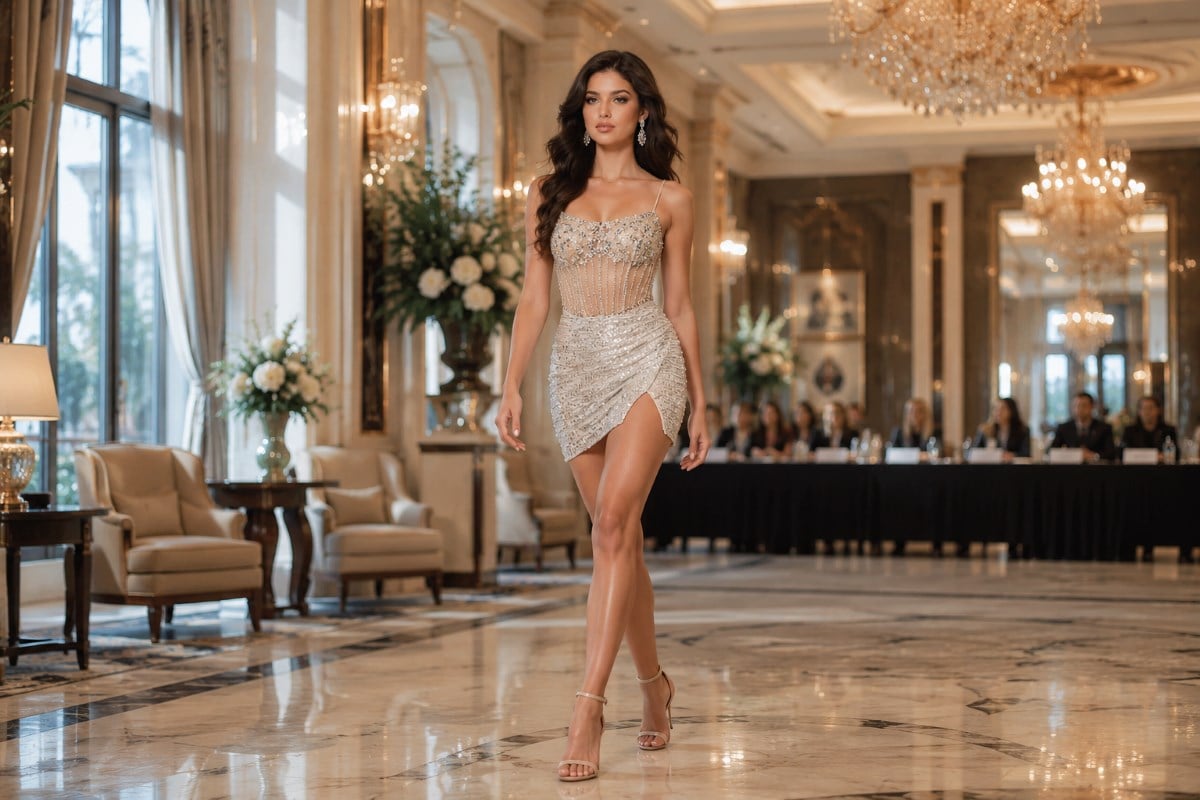
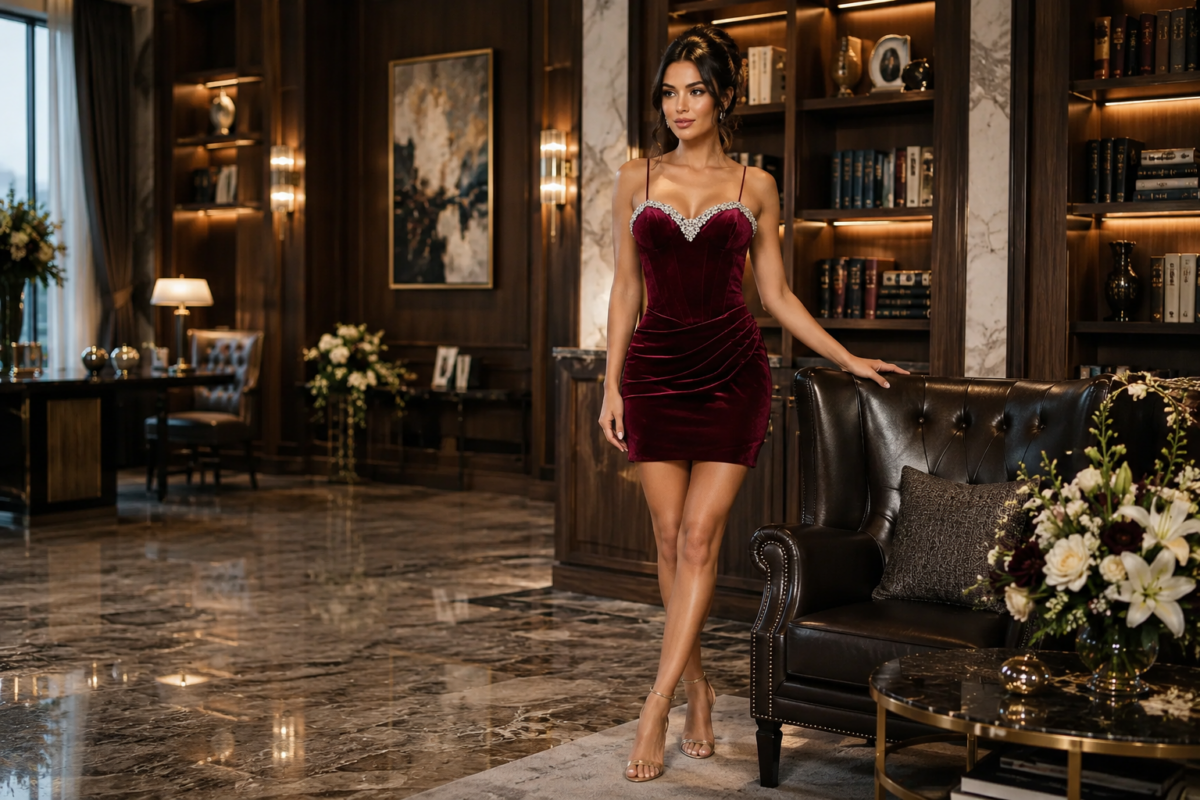
A pageant interview dress works best when it is structured, well-tailored, and polished, conveying professionalism without stiffness. A sheath or fitted cocktail-length dress in a quality fabric reads as capable and put-together, with clean lines that keep the focus on you rather than the outfit. Impeccable tailoring matters more here than embellishment, since a well-fitted dress projects competence while a poorly fitted one undermines it, which is why the range of professional styles suits this segment so well. The length should convey respect for the panel, typically landing around the knee, neither too short nor overly formal. A structured interview dress communicates that you are ready for the demanding, fast-paced work of a titleholder, which is exactly the impression the segment is designed to test.
The Tailored Jumpsuit Alternative
Beyond the traditional dress, a well-fitted jumpsuit has become an increasingly popular and powerful choice for the pageant interview. A sharp, tailored jumpsuit communicates confidence, modernity, and a readiness to take on a demanding ambassadorial role, projecting a contemporary, professional sensibility that stands out in the interview room. The key is impeccable tailoring and a clean, structured cut, since a jumpsuit reads as polished only when it fits precisely, and the range of tailored jumpsuits shows how the silhouette can feel both modern and professional. A jumpsuit suits a contestant who wants to project a strong, current image while remaining comfortable and confident throughout the conversation. Whether you choose a structured dress or a tailored jumpsuit, the goal is the same: a polished foundation that lets your intellect and personality lead the conversation.
Color, Fabric, and Personal Style
Color and fabric let you bring personality into a professional look, striking the balance the interview rewards. The right choices feel like you while staying polished and appropriate.
Choosing a Color That Reads Professional
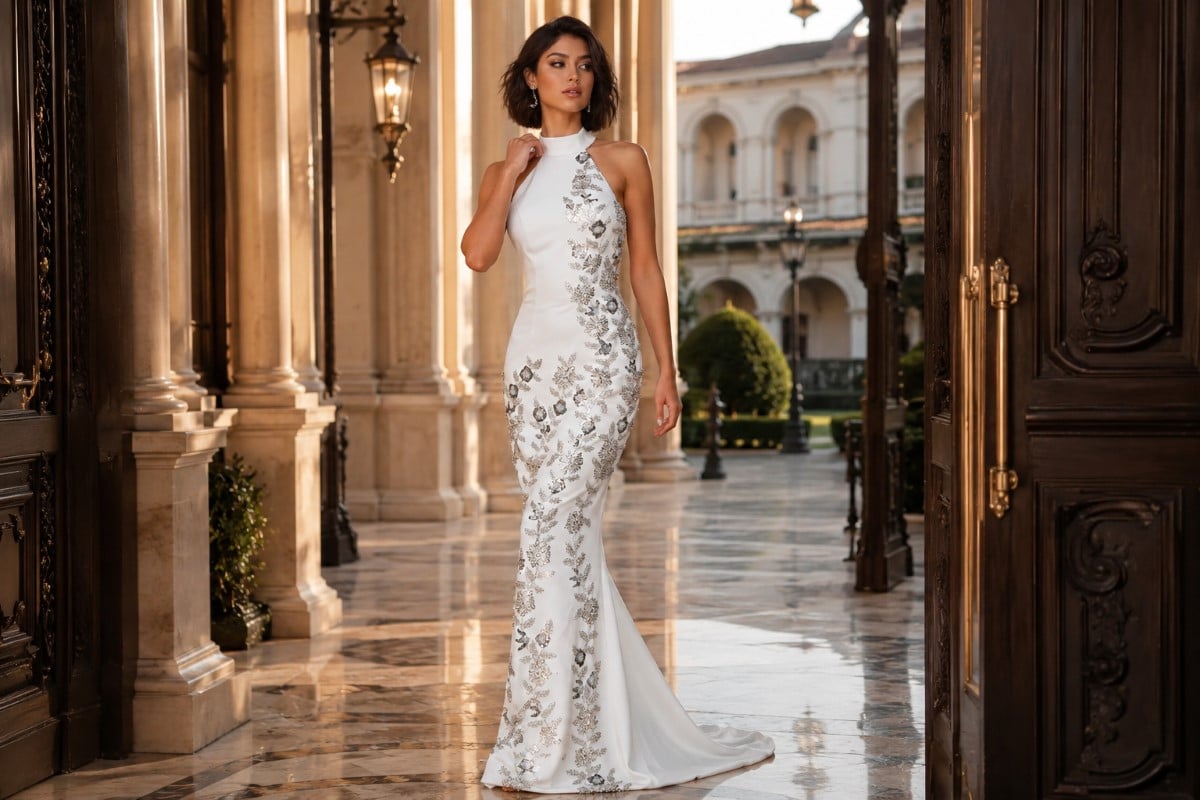
The color of a pageant interview dress should strike a balance between professionalism and personal style, expressing who you are without becoming a distraction. Classic, confident colors like jewel tones, rich neutrals, and refined brights read as professional and photograph well in the interview setting, while also flattering your coloring. A color that suits you and feels like your own personality helps you feel confident, which the panel reads immediately, and the range of contemporary gowns shows how color and clean design work together. The goal is a shade that is polished and intentional rather than loud or attention-seeking, since the outfit should support your platform rather than compete with it. Choosing a color you feel genuinely confident in, that also reads as professional and put-together, is the right approach for the interview room.
Fabric and Fit That Convey Competence
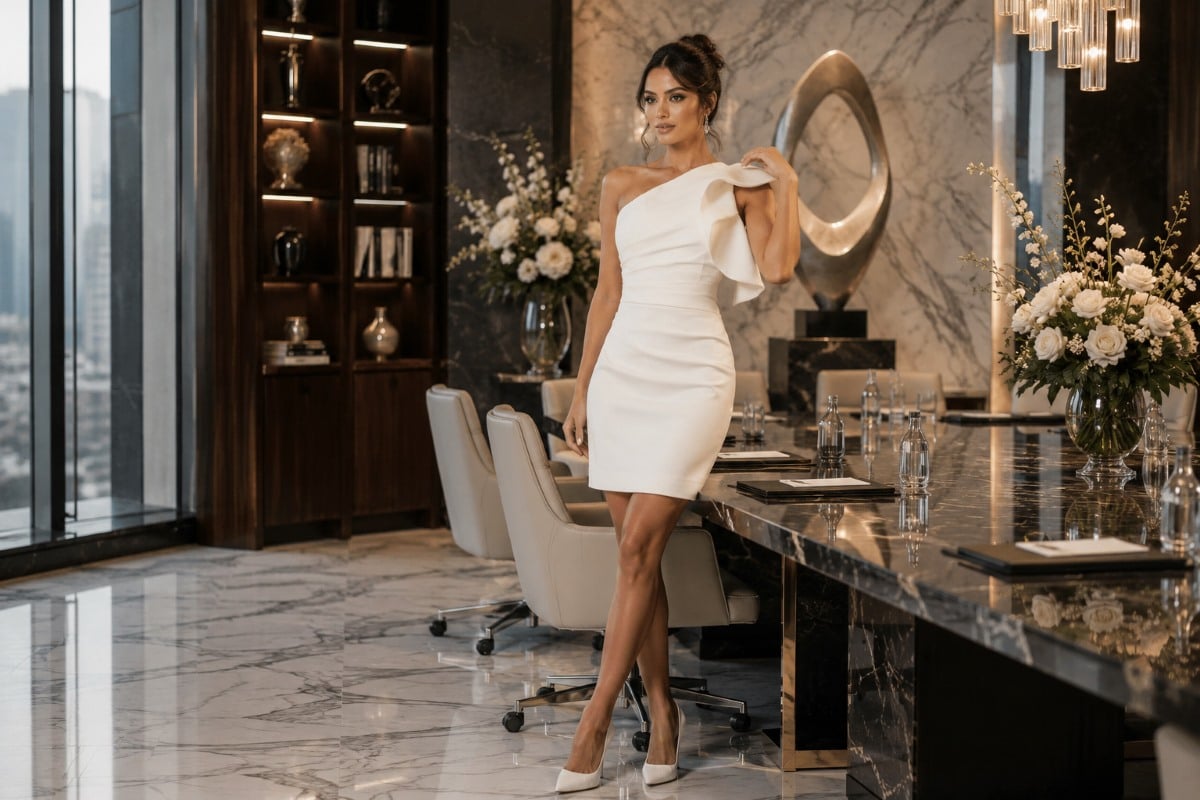
The fabric and fit of an interview dress do as much work as the color in conveying competence and polish. Quality fabrics like crepe, structured satin, and refined stretch materials hold their shape and read as refined, projecting the put-together image the segment rewards. Fit is paramount, since a dress that fits precisely communicates competence and care while one that is too loose or too tight undermines the impression, which is why professional fitting is so valuable for the interview look. Jovani builds its garments with internal structure and quality construction that come from a design heritage reaching back to 1983, ensuring a dress holds its shape through a long, demanding interview day. Choosing a quality fabric in a precise fit gives you a foundation that looks effortless and lets you focus entirely on your answers and your platform.
How the Interview Look Differs From the Gown
The interview and evening gown segments call for opposite approaches, and understanding the contrast helps you dress each correctly. They are two distinct performances within one competition.
Professional and Polished, Not Glamorous
The single biggest difference between the interview outfit and the evening gown is the level and type of formality each requires. The gown is built for drama, sparkle, and stage presence, designed to be seen from across an auditorium, while the interview dress is built for the close, professional setting of a conversation with judges. Where the gown can feature heavy beading, dramatic silhouettes, and floor-length grandeur, as explored in our guide to pageant evening gown styling, the interview look stays structured, polished, and professional. Bringing gown-level glamour into the interview room reads as a misunderstanding of the segment, just as wearing interview attire on stage would fall flat. Matching the right level of formality to each segment, professional for the interview and dramatic for the gown, is essential to performing well in both.
Coordinating Both Segments of Competition
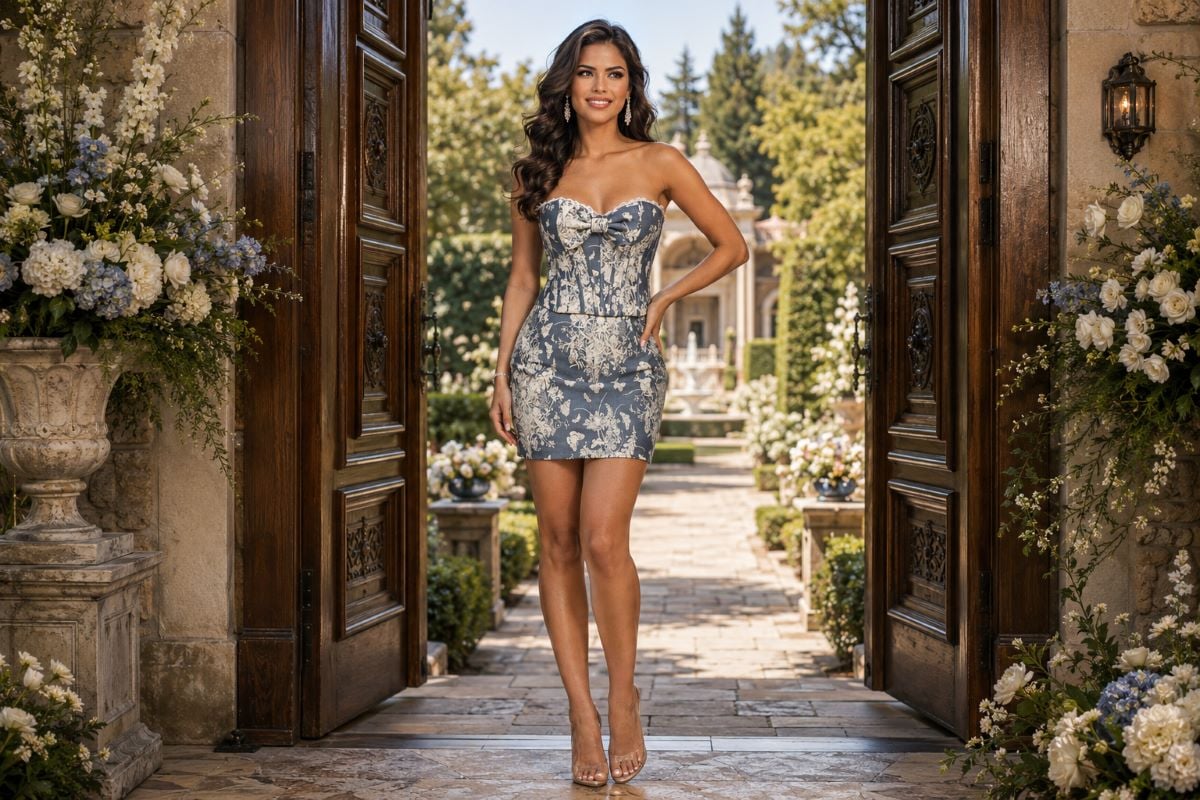
A successful pageant wardrobe treats the interview dress and the evening gown as a coordinated pair, each serving its segment while reflecting a consistent personal style. The two outfits do not need to match, but they should feel like they belong to the same confident, capable person, with the interview look establishing your professional presence and the gown showcasing your stage presence, a quality our overview of pageant stage presence explores in depth. Planning both outfits together, rather than treating the interview as an afterthought, ensures a cohesive competition wardrobe that presents you consistently from the first impression to the final walk.
Thinking of the interview dress and the gown as two halves of one wardrobe also helps you budget your time and attention so neither segment is neglected. The broader range of pageant dresses shows how the interview and gown phases fit within a complete competition wardrobe, helping you plan a cohesive look that carries you confidently from the interview room to the stage and reflects a consistent, polished sense of who you are.
Putting Together a Winning Interview Look
A polished interview look comes together through careful planning and attention to fit, with a few finishing touches completing the picture. Preparation here pays off in confidence.
Accessories and Finishing Touches
The interview outfit should be polished and complete, with accessories that support the professional impression rather than competing with it. Refined, understated jewelry like simple earrings and a delicate bracelet keeps the look refined without distraction, and a polished closed-toe or classic heel completes a put-together appearance. The interview is not the place for the dramatic accessories that suit an evening gown, since the goal is a clean, professional foundation that keeps the focus on your face and your answers. Grooming and overall polish matter as much as the dress itself, since the panel reads the complete picture you present. Keeping accessories refined and intentional, with nothing that pulls attention from the conversation, completes an interview look that communicates competence and readiness for the role you are competing for.
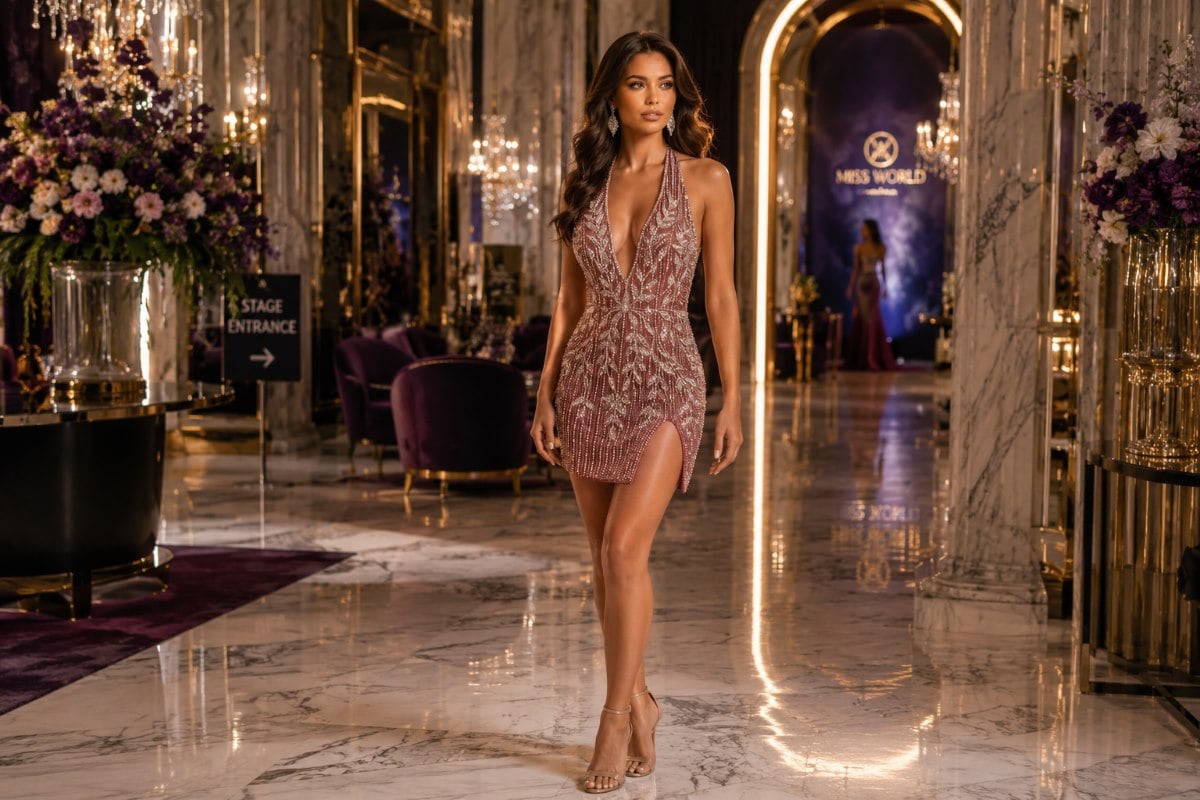
Planning, Fit, and Confidence
The final ingredient in a winning interview look is preparation, since a dress that fits precisely and feels right gives you the confidence the segment rewards. Choosing your interview outfit well ahead of competition allows time for ordering through a retailer and completing any alterations to achieve a precise, professional fit, and the latest winning pageant dress trends show where interview attire is heading this season. Practicing in the outfit, sitting, standing, and moving naturally, ensures you feel comfortable and confident rather than distracted on the day. The interview dress that serves you best is the one in which you forget about the outfit entirely and focus fully on your answers and your platform. With a polished, well-fitted look prepared in advance, you walk into the interview room ready to let your intellect and personality lead, which is exactly what the segment is designed to reveal. The dress becomes a quiet asset rather than a worry, freeing you to focus on the conversation that matters most.
Frequently Asked Questions About Pageant Interview Dresses
What do you wear to a pageant interview?
A pageant interview calls for a polished, professional, and structured look rather than a glamorous evening gown. A well-tailored sheath or cocktail-length dress in a quality fabric is the classic choice, typically landing around the knee to convey respect for the panel. A sharp, tailored jumpsuit is an increasingly popular modern alternative. The outfit should communicate confidence and competence while letting your personality come through, serving as a clean foundation for your intellect and platform rather than a distraction.
How is a pageant interview dress different from the evening gown?
The interview dress and the evening gown serve completely different purposes. The gown is built for drama and stage presence, designed to dazzle from across an auditorium with sparkle, dramatic silhouettes, and floor-length grandeur. The interview dress works up close in a conversation with judges, where the goal is to look polished, professional, and approachable rather than glamorous. The interview look stays structured and refined so it never distracts from what you are saying, while the gown is designed to command the stage. Treating the two as interchangeable is a common error, so matching the right level of formality to each segment is one of the most useful things a contestant can learn early.
What color should a pageant interview dress be?
Choose a color that reads as professional while expressing your personal style. Classic, confident colors like jewel tones, rich neutrals, and refined brights photograph well in the interview setting and flatter your coloring. The goal is a shade that is polished and intentional rather than loud or attention-seeking, since the outfit should support your platform rather than compete with it. A color you feel genuinely confident in, that also reads as put-together and professional, is the right choice for the interview room.
Can you wear a jumpsuit to a pageant interview?
Yes, a well-fitted, tailored jumpsuit has become an increasingly popular and powerful choice for the pageant interview. A sharp jumpsuit communicates confidence, modernity, and readiness for a demanding ambassadorial role, projecting a contemporary, professional image. The key is impeccable tailoring and a clean, structured cut, since a jumpsuit reads as polished only when it fits precisely. It suits a contestant who wants to project a strong, current image while remaining comfortable and confident throughout the conversation with the judges. As with a dress, the jumpsuit should be in a professional color and a clean cut, so the focus stays on your answers rather than the outfit itself.
How long should a pageant interview dress be?
A pageant interview dress typically lands around the knee, a length that conveys respect for the panel and reads as professional rather than overly formal or too casual. The interview is a close, professional setting, so a cocktail or knee-length dress strikes the right note, unlike the floor-length grandeur of the evening gown. The exact length can vary slightly with the dress and your proportions, but the goal is always a polished, professional impression that keeps the focus on your answers rather than the outfit.
Does the pageant interview really matter that much?
Yes, the interview often carries enormous weight in the final score, sometimes more than the visually spectacular evening gown segment. This is the moment judges look past the stage glamour to meet the articulate, capable ambassador they are considering crowning, evaluating poise, intelligence, and presence face to face. Because so much rides on this segment, the interview outfit deserves as much thought as the gown, even though it never shares the stage spotlight. A polished, professional look sets the tone for the conversation before you say a word, signaling to the panel that you understand the role and have prepared for it with care and intention.