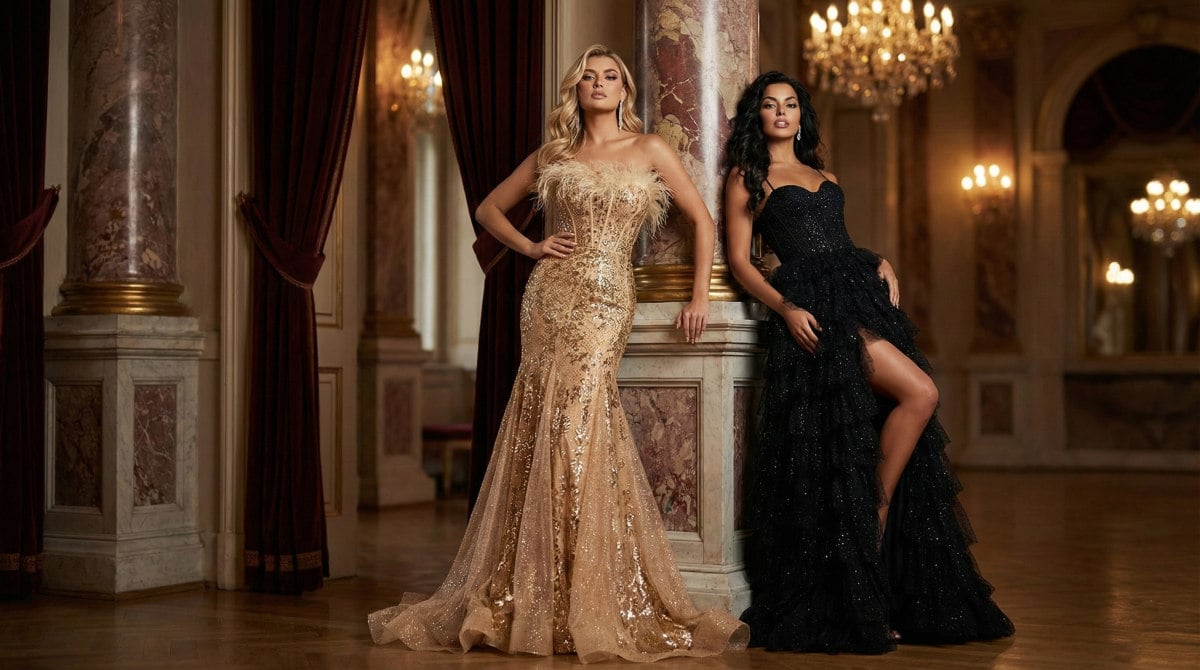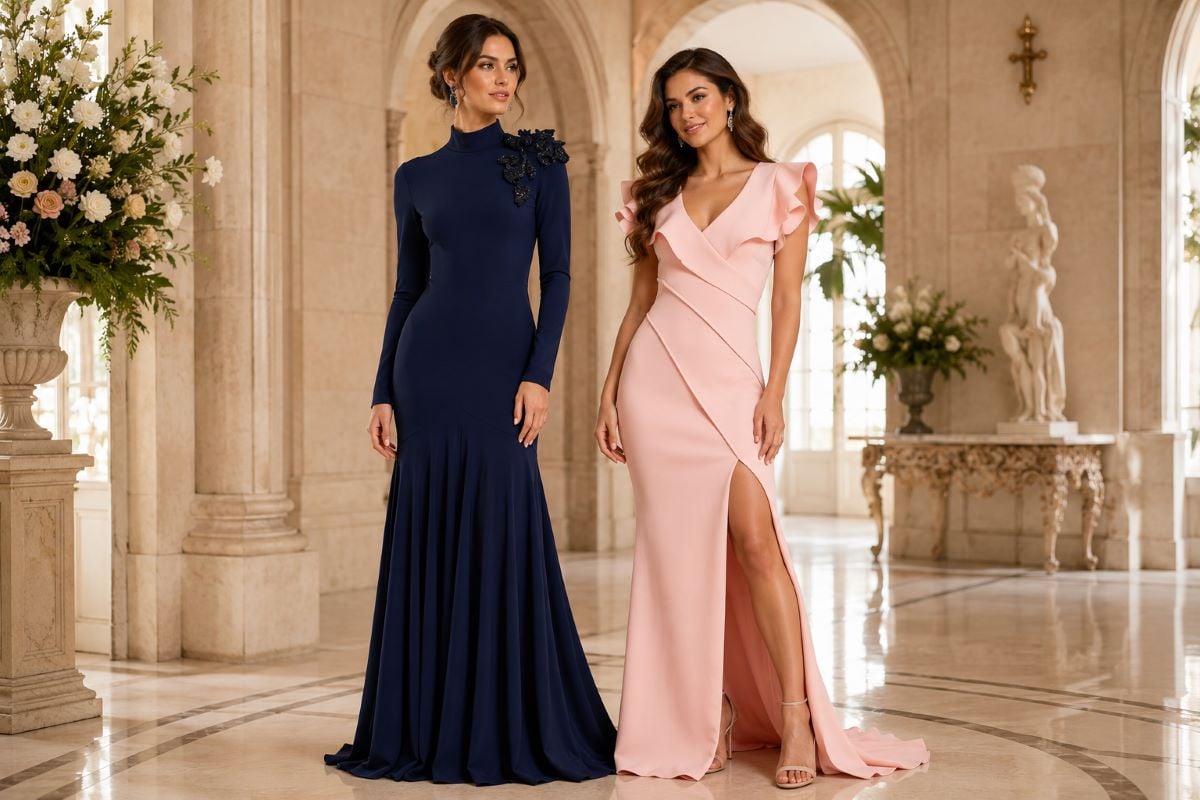

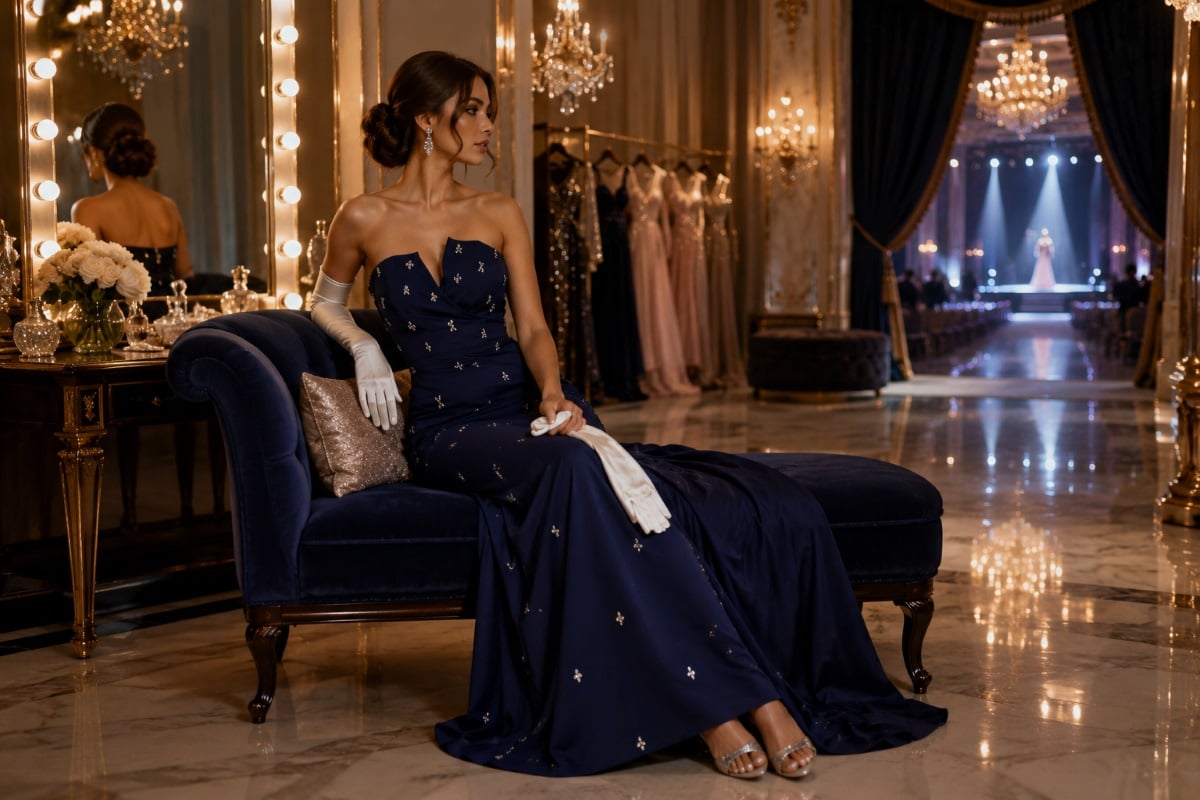
Gloves are one of the most debated accessories in pageantry. Walk into one competition and half the evening gown contestants are wearing elegant opera gloves; walk into another and not a single glove is in sight. For a contestant deciding whether gloves belong in her evening gown presentation, the lack of a clear answer is frustrating, because the wrong choice can read as either dated or underdressed depending on the room. The truth is that pageant evening gown gloves are a genuine styling decision with real rules behind them, rules about glove length, about which competition systems favor them, about how gloves interact with the gown, and about the etiquette of wearing and removing them. This guide covers all of it, so you can decide with confidence whether gloves belong in your competition look and, if so, how to wear them correctly.
Why Gloves Are Such a Divisive Pageant Choice
Gloves carry a specific history in formal wear. They were once a non-negotiable element of high formality, worn by women at the most elegant occasions, and they retain that association with old-world sophistication and classic glamour. In pageantry, that history cuts both ways. To some judges and in some systems, gloves read as the height of evening gown elegance, a polished, deliberate, classically beautiful choice. To others, and in more modern systems, gloves can read as dated or costume-like if they do not suit the gown and the contestant.
This is why gloves are divisive: they are not universally right or wrong, but highly dependent on context. The same pair of opera gloves that elevates a classic, structured gown at a traditional pageant can look out of place on a sleek, modern gown at a contemporary competition. Understanding your specific competition’s aesthetic is the first and most important step. The full range of pageant gowns spans both classic and modern aesthetics, and the gown you choose signals which direction your styling, including the glove decision, should follow.
The honest reality is that gloves are an advanced styling choice. They can absolutely elevate a presentation when chosen well, but they require more thought than simply adding an accessory. A contestant who wears gloves should do so deliberately, because they suit her gown and her competition, not because she saw someone else wearing them.
Glove Length: Understanding the Options
The single most important technical aspect of pageant gloves is length, because the length must coordinate precisely with the sleeves and neckline of the gown. Glove lengths are described by where they end on the arm.
Opera Gloves (Over the Elbow)
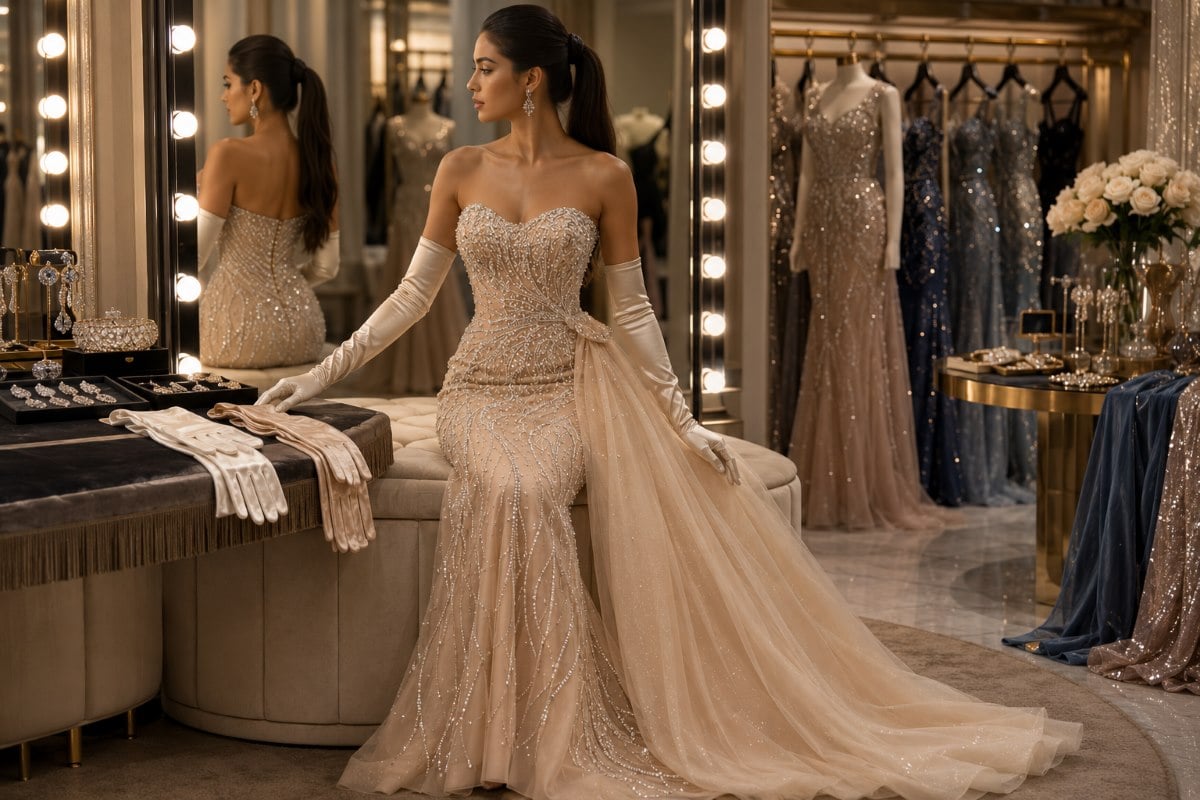
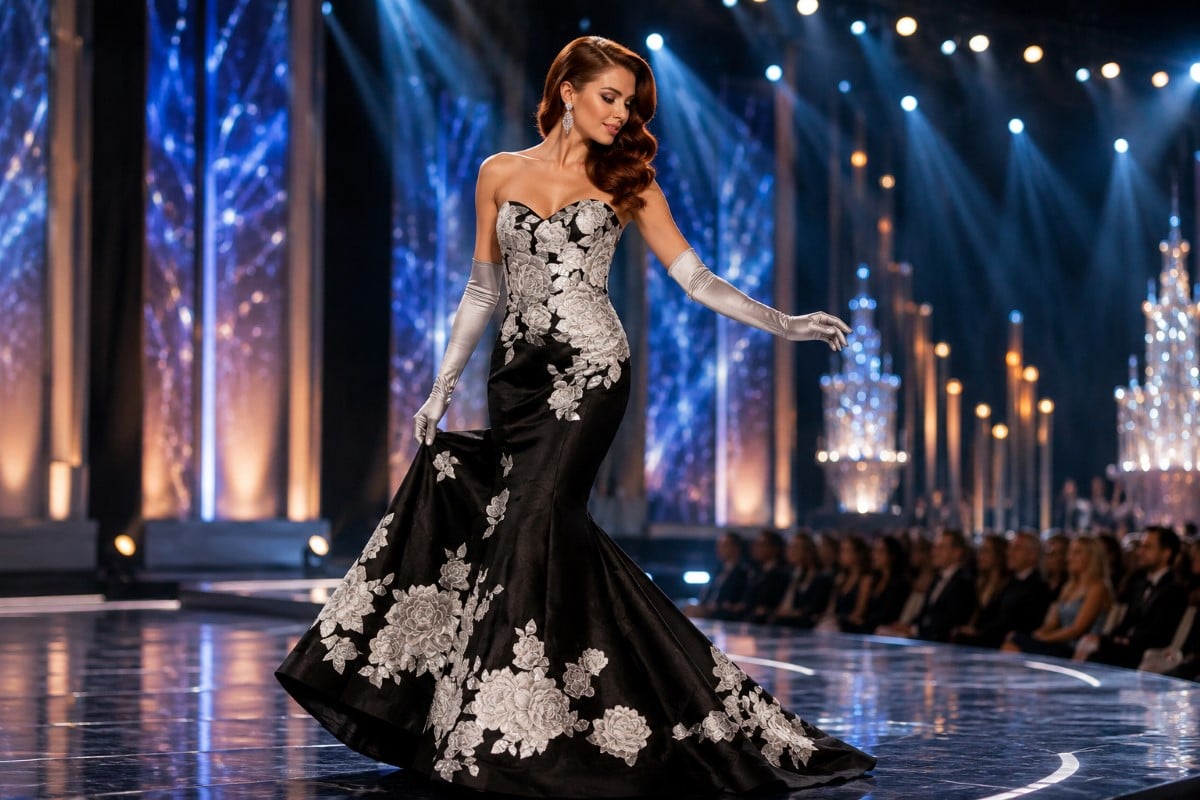
Opera-length gloves, also called full-length gloves, extend above the elbow and end at or near the bicep, the longest and most formal glove option. These are the gloves most associated with classic pageant glamour and the most dramatic choice. Opera gloves are designed to be worn with sleeveless or strapless gowns, where the bare arm shows the full length of the glove cleanly. They are the glove of choice for a contestant going for maximum classic elegance, and they pair most naturally with a structured, formal gown.

Elbow-Length Gloves
Elbow-length gloves end right at or just below the elbow, a slightly less dramatic option than full opera length while still reading as formal and elegant. They suit contestants who want the glove look without the full drama of over-the-elbow length, and they work with both sleeveless gowns and certain cap-sleeve styles.
Shorter Glove Lengths
Wrist-length and other shorter gloves exist but are rarely the right choice for an evening gown competition, where the drama and formality of a longer glove is usually what suits the occasion. Shorter gloves can read as too understated for the evening gown phase, where the goal is typically maximum elegance and stage presence. For pageant evening gown gloves specifically, the opera and elbow lengths are almost always the appropriate choices.
Matching Gloves to the Gown
The cardinal rule of pageant gloves is that the glove length and the gown’s sleeves must work together, never against each other. Getting this coordination wrong is the most common glove mistake.
The clearest principle: gloves are designed for gowns that leave the arm bare. A sleeveless, strapless, or thin-strap gown is the natural partner for opera or elbow-length gloves, because the bare arm displays the glove cleanly from hand to bicep or elbow. This is the classic, correct pairing. The styles among formal gowns in sleeveless and strapless cuts show the kind of gown that pairs beautifully with gloves, where the clean line of the bare arm sets off the glove.
The pairing to avoid is gloves with a long-sleeved or heavily detailed-sleeve gown. A gown that already has a sleeve creates a conflict with a glove, the two compete for the same visual space on the arm, and the result looks cluttered rather than elegant. If your gown has sleeves, gloves are generally the wrong choice. The exception is a very short cap sleeve, which can sometimes work with an opera glove that begins well above where the cap sleeve ends, but even this requires careful styling.
Fabric coordination matters too. The glove should complement the gown’s fabric and color, either matching closely or providing a deliberate, harmonious contrast. A bright white glove against a deep jewel-toned gown can be striking; a glove that matches the gown’s tone reads as seamless and elegant. The styles among black pageant dresses in particular create a dramatic canvas for a contrasting glove, where the contrast between glove and gown becomes part of the visual statement.
Which Competition Systems Favor Gloves
Different pageant systems and levels have different aesthetics, and the appropriateness of gloves varies significantly across them. Reading your specific competition is essential.
More traditional and classic pageant systems tend to favor or at least welcome the old-world elegance of gloves, where a classic, formal evening gown presentation is rewarded. Pageants with a strong emphasis on poise, formality, and traditional elegance are the natural home for opera gloves.
More modern and contemporary systems, particularly those that lean toward a fashion-forward, runway-influenced aesthetic, may view gloves as dated unless styled very deliberately. At these competitions, a sleek modern gown without gloves often reads as more current and competitive. Adding gloves at a contemporary competition is a risk that only pays off if the gloves are clearly an intentional, sophisticated styling choice rather than an attempt at traditional glamour.
The level of competition matters too. The honest advice is to research your specific pageant: look at photos of recent winners and top placements in the evening gown phase, and notice whether gloves appear. If past winners wore gloves, they are clearly welcome; if no one has worn gloves in years, adding them is a gamble. The broader picture of what wins in the evening gown phase is explored in this guide on winning pageant dress trends, which helps you read the aesthetic your competition rewards before making the glove decision.
The Etiquette of Wearing and Removing Gloves
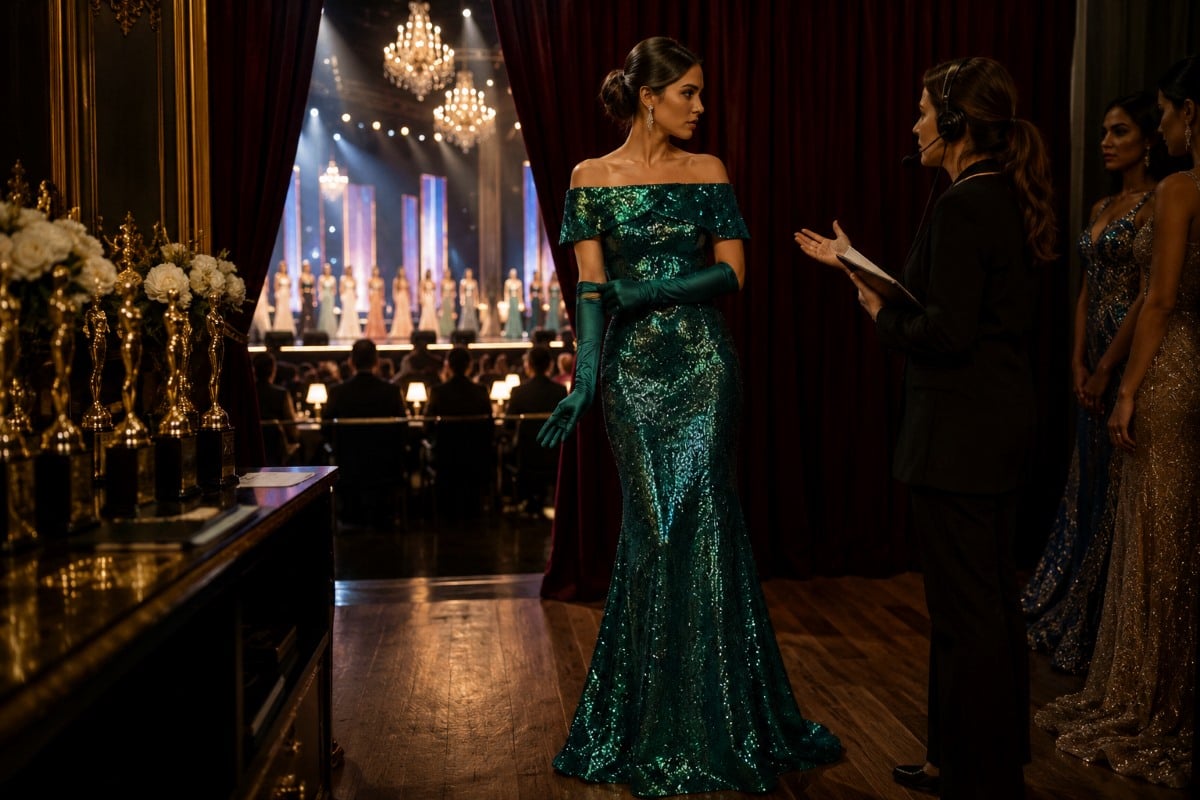
Gloves come with their own etiquette, much of it inherited from formal tradition, and a contestant who wears gloves should know the rules. Getting the etiquette right is part of what separates deliberate elegance from costume.
The most important rule: gloves are worn during the formal presentation, the walk, and the posing, but are traditionally removed for eating and for shaking hands in close, personal contexts. In the context of an evening gown competition, this means the gloves stay on for the stage presentation itself, which is where they do their work. If there is an onstage interview or a moment of close personal contact, etiquette traditionally favors a bare hand, though in practice many contestants keep gloves on throughout a brief stage appearance.
Rings are traditionally worn under gloves, not over them, with the exception of an engagement ring in some traditions. For pageant purposes, the cleaner look is generally no visible jewelry over the glove, letting the glove itself be the statement. Bracelets are worn over the glove if at all, though many contestants skip wrist jewelry entirely with gloves to keep the line clean.
If you do need to remove gloves at any point, the graceful technique is to remove them finger by finger, smoothly and without drama, rather than yanking them off. Practicing glove removal is worth doing if your competition includes any moment where gloves come off, since fumbling with gloves onstage undoes all the elegance they were meant to provide.

How Gloves Affect Your Stage Presence
Beyond the technical rules, gloves change how a contestant moves and presents onstage, and understanding this helps you decide whether they serve your particular presentation.
Gloves draw attention to the hands and arms, which means your hand movements, your walk, and your posing all become more visible and more important. A contestant with beautiful, controlled hand and arm movements can use gloves to enhance her elegance, the gloves emphasize the graceful line of a well-trained arm. A contestant who is still developing her stage movements may find that gloves draw attention to hands she would rather not emphasize.
Gloves also add a layer of formality and seriousness to a presentation. They signal that the contestant is presenting a classic, polished, deliberately elegant look. This can be a powerful statement when it suits the contestant and the competition, reinforcing a narrative of timeless sophistication. The interplay between the gown, the gloves, and the contestant’s overall presentation is what creates a cohesive evening gown look, and the broader principles of building that cohesive presentation apply whether or not gloves are part of it. For contestants also navigating the interview phase, the polished styling principles in the pageant interview dresses collection reflect the same attention to deliberate, intentional presentation that a glove decision requires.
Choosing the Right Gloves: Color, Fabric, and Finish
If you decide gloves belong in your presentation, the gloves themselves deserve as much consideration as any other element of the look. Not all gloves are equal, and the wrong pair undermines even a perfect gown pairing.
For fabric, satin and matte stretch fabrics are the most common pageant choices. A satin glove has a subtle sheen that catches stage light and reads as polished and formal, complementing a gown with its own sheen. A matte glove reads as more understated and modern, suiting a contestant who wants the glove’s elegance without added shine. Avoid novelty textures, lace overlays that compete with the gown, or anything that looks costume-like under stage lighting.
For color, the two reliable approaches are a close tonal match to the gown or a deliberate, harmonious contrast. A glove that matches the gown’s tone reads as seamless and elongating, extending the line of the gown up the arm. A contrasting glove, classic white against a dark gown, for instance, makes the glove a deliberate statement and draws the eye to the arms and hand movements. A dramatic full ball gown in particular can carry a striking glove beautifully, and the styles among ball gown evening dresses show the kind of formal silhouette where a coordinated glove completes a classic, regal presentation.
The fit of the glove matters enormously and is the detail contestants most often overlook. A glove that wrinkles, sags, or gaps at the top undoes its elegance instantly. A well-fitted glove sits smoothly along the arm without bunching, which usually means trying gloves on rather than guessing at size. The same attention to fit that a contestant gives the gown applies to the glove, and the broader principles of finishing a formal look are covered in this guide on how to accessorize an evening dress, which applies directly to coordinating gloves with the rest of the presentation.
Finally, consider how the gloves look in motion, not just standing still. Because gloves draw attention to the hands and arms, the way they move during your walk and posing is part of the effect. Practicing your presentation in the actual gloves reveals whether they enhance your movements or distract from them, and the principles in this guide on how to pose in an evening gown become especially relevant when gloves are emphasizing every line of the arm.
Making the Decision: Gloves or No Gloves
With all of this in mind, the decision comes down to a few clear questions that, answered honestly, point you toward the right choice for your competition.
Choose gloves if your competition leans classic and traditional, if your gown is sleeveless or strapless with a clean arm line, if you have well-trained, graceful hand and arm movements, and if you want to project timeless, old-world elegance. In this combination, gloves can genuinely elevate a presentation and set you apart with sophisticated, deliberate glamour.
Skip gloves if your competition leans modern and fashion-forward, if your gown has sleeves or heavy arm detailing, if you are still developing your stage movements, or if past winners in your system have not worn them. In these cases, a clean, glove-free look is more current and lower-risk, and there is no shame in the modern approach, which dominates most contemporary pageantry.
The honest bottom line is that gloves are neither required nor forbidden; they are a deliberate styling choice that pays off when it suits the contestant, the gown, and the competition, and falls flat when it does not. Research your specific pageant, be honest about your gown and your stage movements, and make the choice that genuinely serves your presentation rather than following a trend in either direction.
Frequently Asked Questions About Pageant Evening Gown Gloves
Are gloves required for pageant evening gown competition?
No, gloves are not required in any major pageant system. They are a deliberate styling choice. More traditional and classic competitions tend to welcome the old-world elegance of gloves, while more modern, fashion-forward systems often favor a clean, glove-free look. Research your specific competition by looking at recent winners before deciding.
What length glove is best for an evening gown?
Opera-length gloves, which extend above the elbow to near the bicep, are the most formal and dramatic choice and the most associated with classic pageant glamour. Elbow-length gloves are a slightly less dramatic but still elegant option. Shorter gloves are rarely right for an evening gown competition, where a longer glove suits the formality of the phase.
Can I wear gloves with a long-sleeved pageant gown?
Generally no. Gloves are designed for gowns that leave the arm bare, sleeveless, strapless, or thin-strap styles, where the bare arm displays the glove cleanly. A long-sleeved or heavily detailed-sleeve gown competes with a glove for the same visual space and looks cluttered. The natural partner for gloves is a clean, bare arm.
When do you take gloves off during a pageant?
Traditional etiquette removes gloves for eating and close personal handshakes, while keeping them on for the formal presentation, walk, and posing, which is where they do their work in an evening gown phase. If gloves must come off, remove them gracefully finger by finger rather than yanking. Many contestants keep gloves on throughout a brief stage appearance.
Do gloves look dated in modern pageants?
They can, in contemporary, fashion-forward systems, unless styled very deliberately. At modern competitions a sleek gown without gloves often reads as more current and competitive. At traditional, classic competitions, gloves read as elegant and polished. The deciding factor is your specific competition’s aesthetic, which you can read from recent winners.
Should I wear rings and bracelets with gloves?
Rings are traditionally worn under gloves, not over them, and for pageant purposes the cleaner look is generally no visible jewelry over the glove, letting the glove be the statement. Bracelets, if worn at all, go over the glove, though many contestants skip wrist jewelry entirely with gloves to keep the line clean and elegant.
Wearing Gloves With Intention
The decision around pageant evening gown gloves comes down to intention and fit: gloves elevate a presentation when they suit a classic competition, pair with a clean-armed gown, and complement a contestant with graceful movements, and they fall flat when forced onto the wrong gown or the wrong competition. Choose opera or elbow length to match a sleeveless or strapless gown, coordinate the glove’s color and fabric with the dress, research whether your specific system rewards the classic glove look, and learn the etiquette of wearing and removing them gracefully. Do that, and gloves become a deliberate, sophisticated statement that sets your evening gown presentation apart. Skip them when the modern, clean look serves you better. Jovani has spent more than forty years designing competition gowns built for the stage, in the sleeveless, strapless, and structured silhouettes that pair beautifully with classic gloves when a contestant chooses that timeless direction.