
What Couture Means in Bridal Fashion and How to Judge a Gown
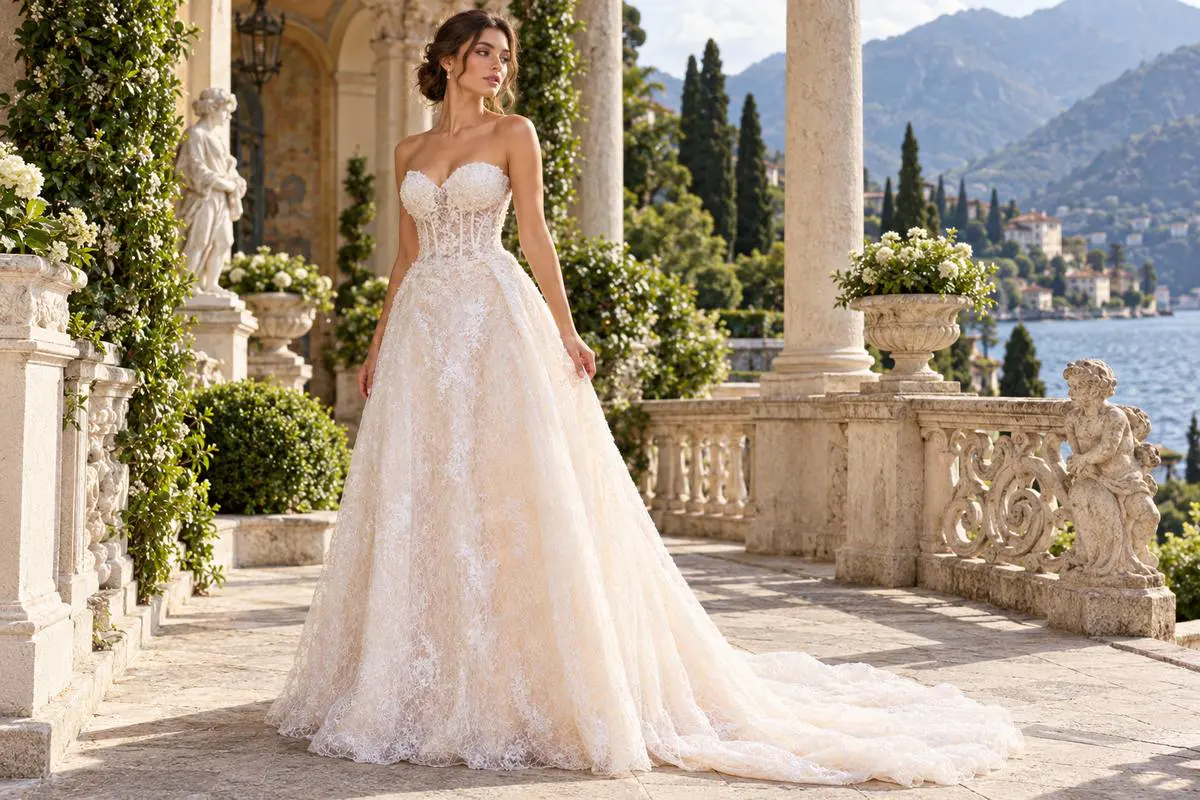
In bridal fashion, couture usually signals an emphasis on design, construction, and individualized fit, but the label alone does not guarantee a custom-made gown. The useful couture meaning bridal shoppers need is practical: ask how the dress is produced, what can be customized, and which fittings are included before paying for the name.
What Does Couture Mean for a Wedding Dress?
Couture is a French term associated with dressmaking. In bridal retail, designers may use it to describe refined construction, detailed finishing, or a premium collection. These meanings overlap but are not interchangeable. A dress labeled couture might still be produced in standard sizes and adjusted after purchase.
The phrase haute couture is more specific. In France, the designation is tied to recognized fashion houses and an established professional framework. A wedding dress advertised as couture does not automatically belong to that category. Begin with Jovani’s broader Wedding Dresses 101 for bridal styles, then use the questions in this article to examine the construction claim itself.
Couture vs. Custom vs. Ready-to-Wear Bridal Gowns
The key distinction is what the maker creates for an individual buyer. These production terms tell you more about the purchase than the price or decorative finish.
Ready-to-Wear and Made-to-Order
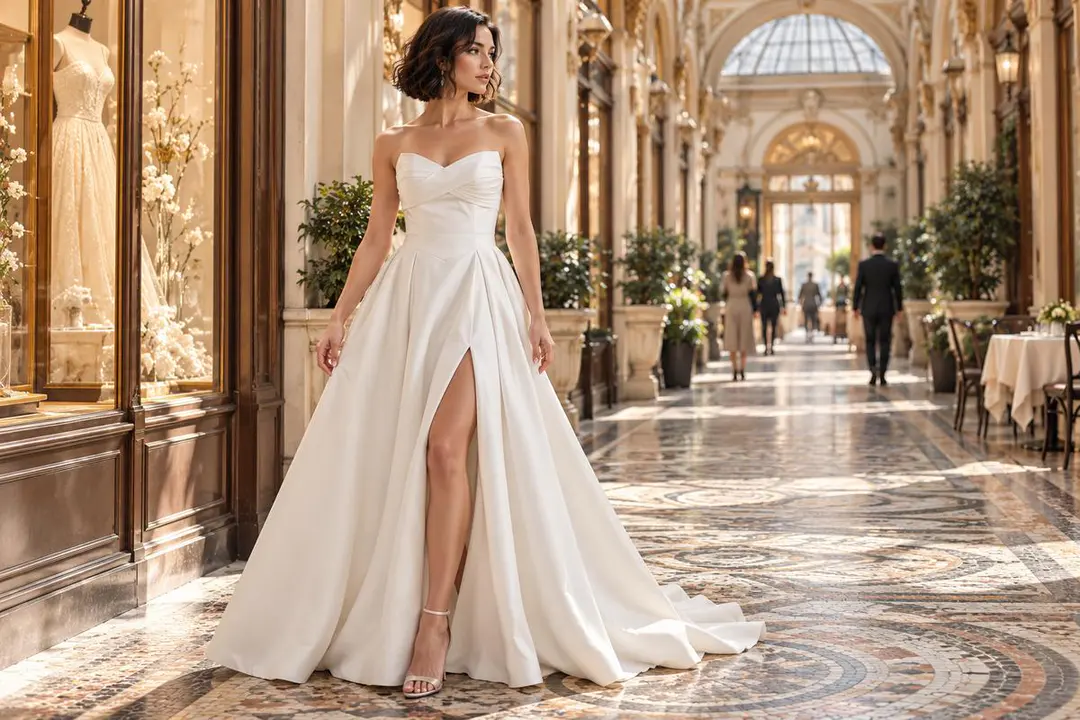
Ready-to-wear designs use an established pattern and size range. A boutique may sell an available sample or order a selected size. Made-to-order describes when the order is placed, not necessarily whether a pattern is drafted for your measurements. Many well-made Wedding Dresses follow this approach.
Custom-Made and Haute Couture
A genuinely custom bridal gown involves design or pattern decisions made for one client, with the scope defined by the designer or atelier. Bespoke work may begin with individual measurements and multiple development fittings. Haute couture is not a casual synonym for either custom alterations or expensive ready-to-wear.
Ask whether the silhouette, pattern, fabric, or decorative placement can change. A gown offered in a different size is not automatically custom, and a separately purchased alterations service does not transform a standard order into haute couture.
How Is Couture-Level Bridal Construction Recognized?
Quality construction becomes visible in the way a dress supports the body and maintains its intended line. Rather than treating embroidery or a designer label as proof, examine how the fabric, internal structure, and finishing work together.
Internal Support and Pattern Balance
Look for a bodice that sits securely without constant pulling. Boning, interfacing, lining, and seam placement may help, but every design uses them differently. The important question is whether the structure supports the actual neckline and silhouette. Jovani’s wedding dress anatomy guide explains those individual parts; this article focuses on what their combined performance tells a buyer.
Compare a structured bodice across A-line Wedding Dresses to see how waist placement and skirt volume change the demands on the upper gown. Good construction should feel stable while you breathe, sit, and turn rather than merely look smooth on a mannequin.
Handwork, Lace and Finishing
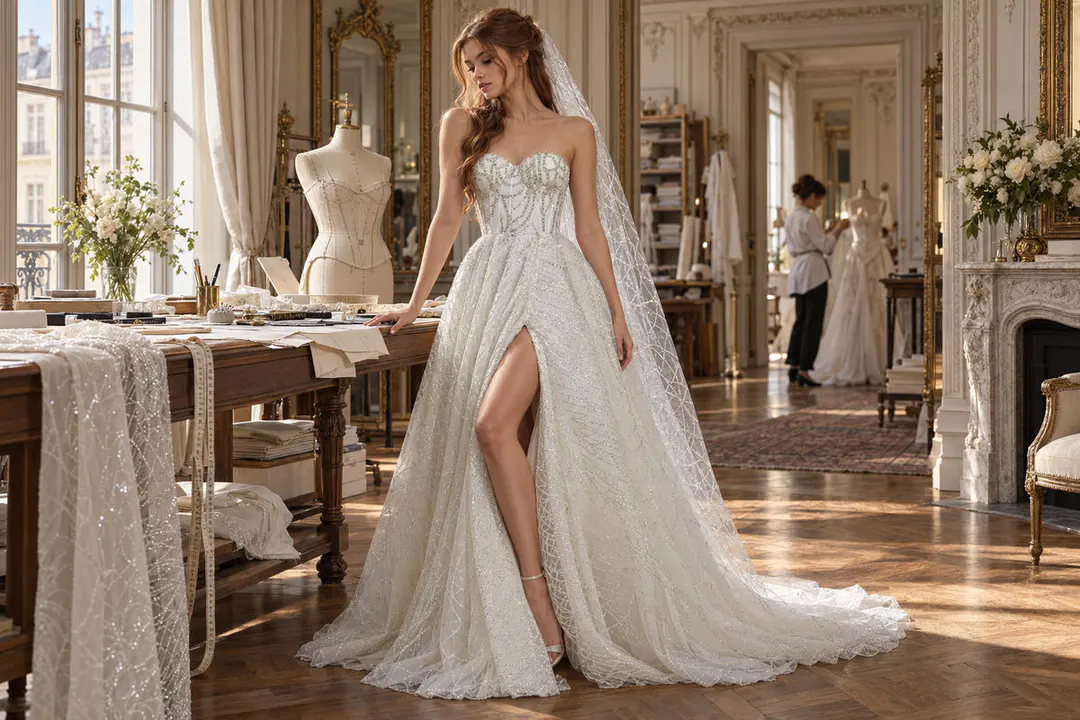
Embroidery, appliqué, and beadwork can require specialized labor, but visible ornament is not a reliable certificate of couture status. Inspect loose threads, uneven attachments, scratchy interior seams, and areas where decorations pull against the fabric. Ask the retailer which details are hand-applied rather than assuming every bead is sewn individually.
When comparing Lace Wedding Dresses, pay attention to whether patterns align at seams and how the lining affects transparency. A carefully considered lace layout can matter more to the final appearance than the number of decorative elements.
Does Couture Guarantee a Better Bridal Fit?
No. Couture branding does not guarantee a better fit, and even an individually made gown needs clear fitting expectations. Comfort and movement depend on the chosen shape, construction, measurements, and the work completed before the wedding.
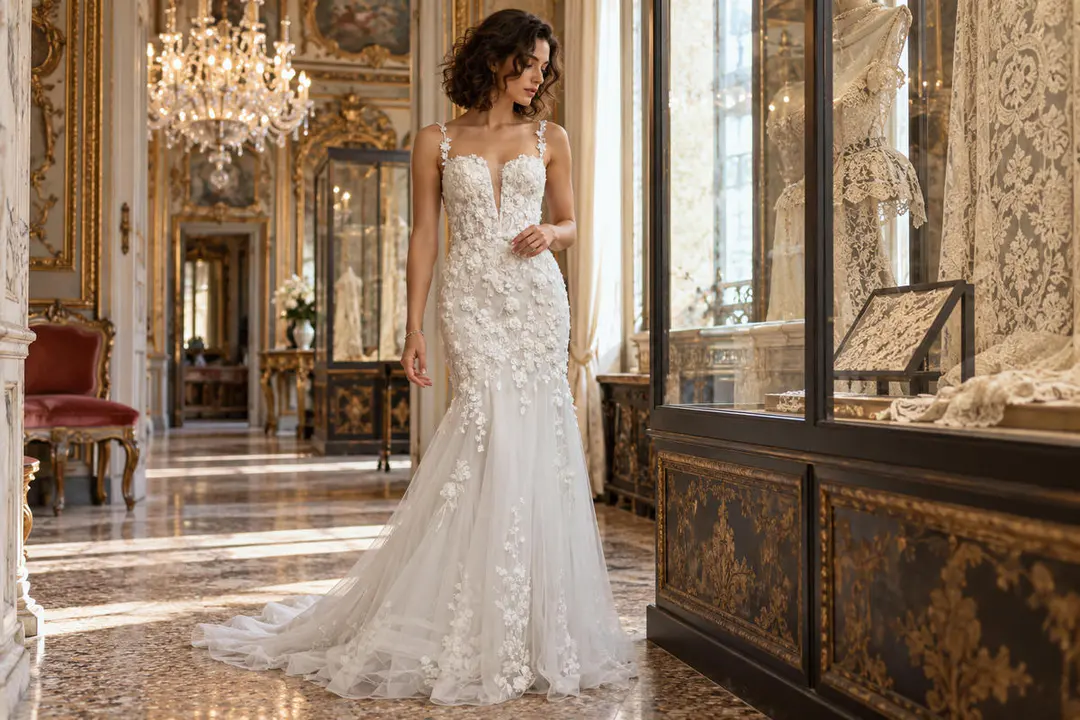
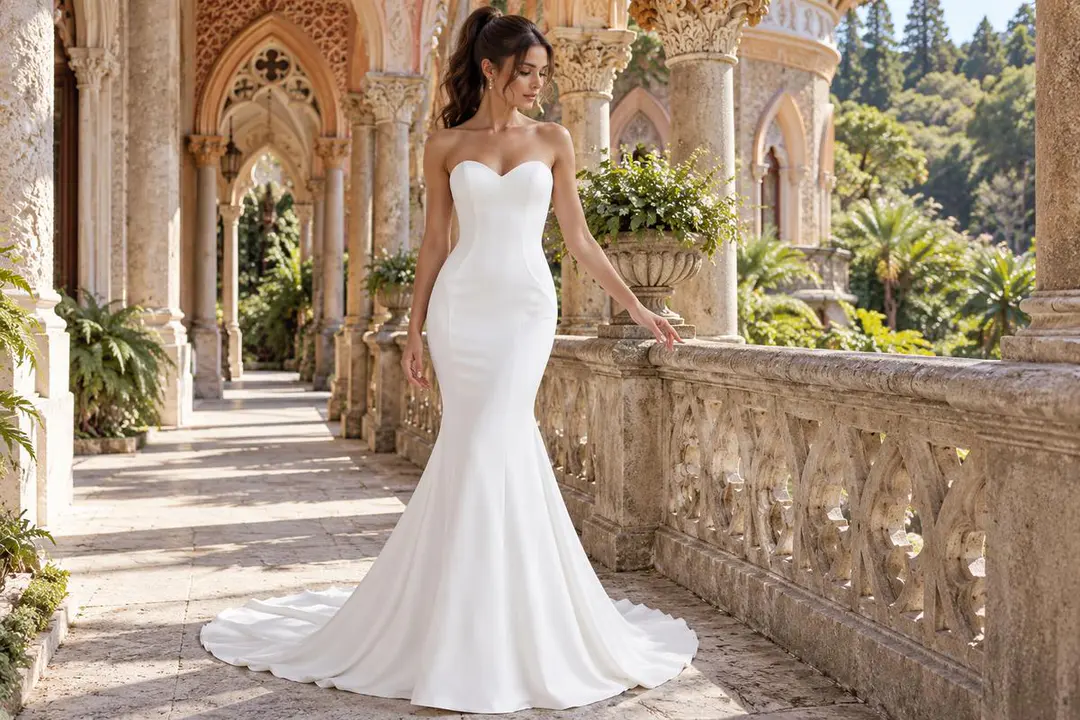
For fitted Mermaid Wedding Dresses, test sitting and stepping rather than judging only the front view. Ask where the gown can be adjusted, whether any seams have workable allowances, and how changes could affect beading or lace motifs. These questions are especially important when a design fits closely through the hips.
Clarify What the Appointment Includes
Before ordering, confirm who takes measurements, how many fittings are included, who performs alterations, and what happens if the gown arrives outside the expected fit. Request clear deadlines for measurements and revisions. Bridal boutiques and designers differ, so rely on the actual service terms rather than assumptions about a couture label.
Decide Which Changes Are Realistic
Changing a hem may be straightforward, while altering a heavily decorated bodice or reshaping an internal corset can be complex. Some changes are limited by construction or fabric availability. The wedding dress alterations guide covers the tailoring process; use it after confirming which services your own retailer provides.
What Should You Ask Before Paying a Couture Premium?
Ask for specific answers about the process, not an abstract description of luxury. A higher price may reflect materials, production scale, design development, workmanship, or service, but the mix varies by designer and gown.
• Is the gown a standard design, made-to-order, or developed specifically for me?
• Which materials and construction details distinguish this style?
• Can the neckline, fit, length, or embellishment be changed before production?
• How many fittings are included, and who handles alterations afterward?
• What are the written delivery, cancellation, and change policies?
Compare what you are actually receiving with a well-made designer dress. The Couture Dresses collection illustrates how the term can appear in formalwear merchandising, but a collection name does not establish that a particular bridal gown is legally recognized haute couture.
Choose the Process That Fits Your Wedding
A custom design can make sense when you want a feature that existing gowns cannot provide or need close collaboration with a dressmaker. A strong ready-to-wear design may be more practical when you find the silhouette you want and have a straightforward tailoring path. Neither choice needs to be defended as more authentic.
Plan around your ceremony, movement, budget, and available fitting schedule. If a claim sounds impressive but the retailer cannot explain what changes in production or service, treat it as descriptive marketing until the details are clarified.
To compare real bridal styles and discuss available fitting services, visit an authorized Jovani retailer before placing your order.
Frequently Asked Questions
Is a couture wedding dress always handmade?
No. A bridal gown described as couture may combine hand finishing with machine construction. Ask the designer or retailer which techniques are actually used on the specific dress.
Is bridal couture the same as haute couture?
No. Bridal couture is a broad commercial description, while haute couture refers to a more specific professional designation associated with recognized French fashion houses.
Can a ready-to-wear wedding dress look like couture?
Yes. A carefully fitted ready-to-wear gown can offer precise lines, thoughtful fabric choices, and detailed finishing. The purchase and production process still differs from a genuinely custom commission.
Is couture worth the extra cost for a wedding?
Choose it only when the stated construction, customization, or fitting service provides value you can identify. Compare the full price, timelines, alteration terms, and comfort before deciding