
Receiving a wedding invitation brings a lot of excitement, but it often introduces a familiar sartorial dilemma: deciding exactly what to wear. Whether the celebration is a lavish ballroom affair or a breezy beachside ceremony, understanding proper wedding guest dress etiquette is essential. The right outfit not only ensures you look elegant and feel confident, but it also demonstrates deep respect for the couple on one of the most important days of their lives.
With decades of expertise in crafting world-class eveningwear, Jovani is here to help you navigate the nuances of formal styling. Figuring out what to wear to a wedding does not have to be a stressful experience. By breaking down dress codes, seasonal requirements, and universal style rules, you can effortlessly find a look that flatters your silhouette while perfectly matching the tone of the event.
Decoding Dress Codes: What to Wear to a Wedding
The most critical clue to your wardrobe choices lies on the invitation itself. Dress codes are established to set the mood for the evening, and following them is the cornerstone of proper wedding guest dress etiquette. Here is a comprehensive breakdown of the most common dress codes and how to approach them with confidence.
Black Tie Wedding Expectations
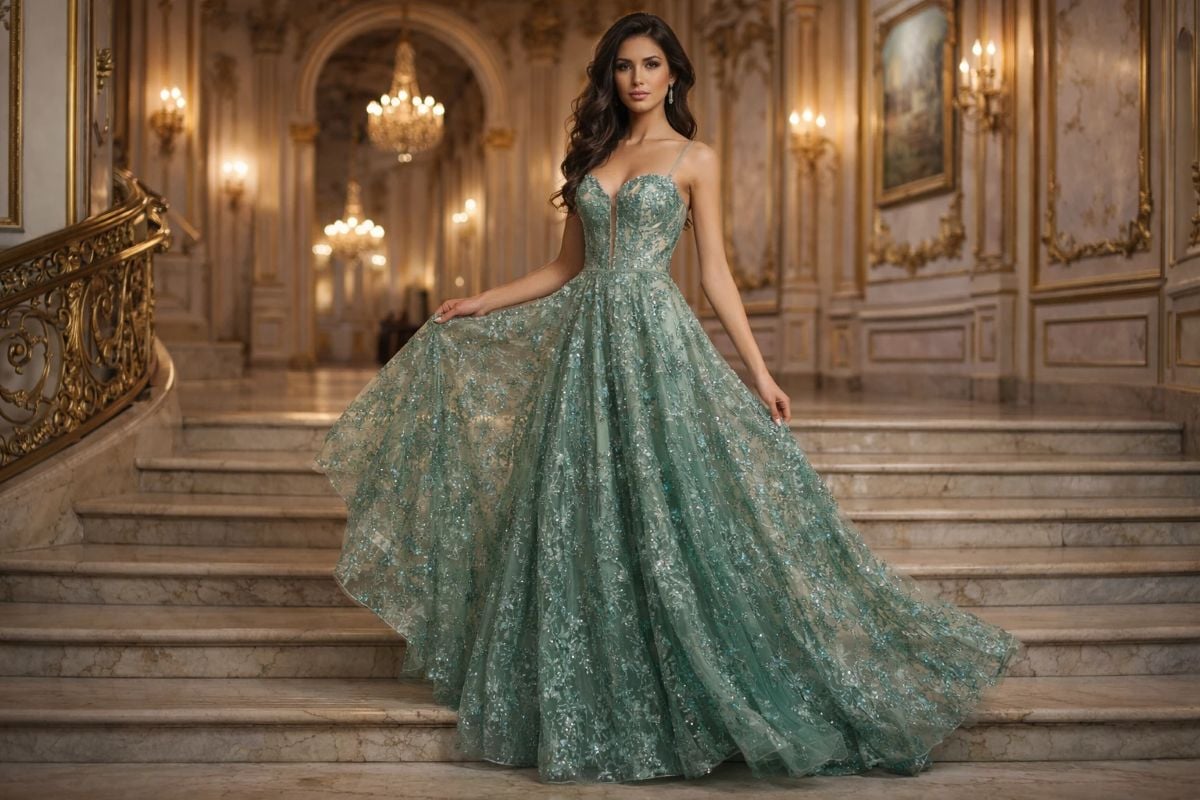
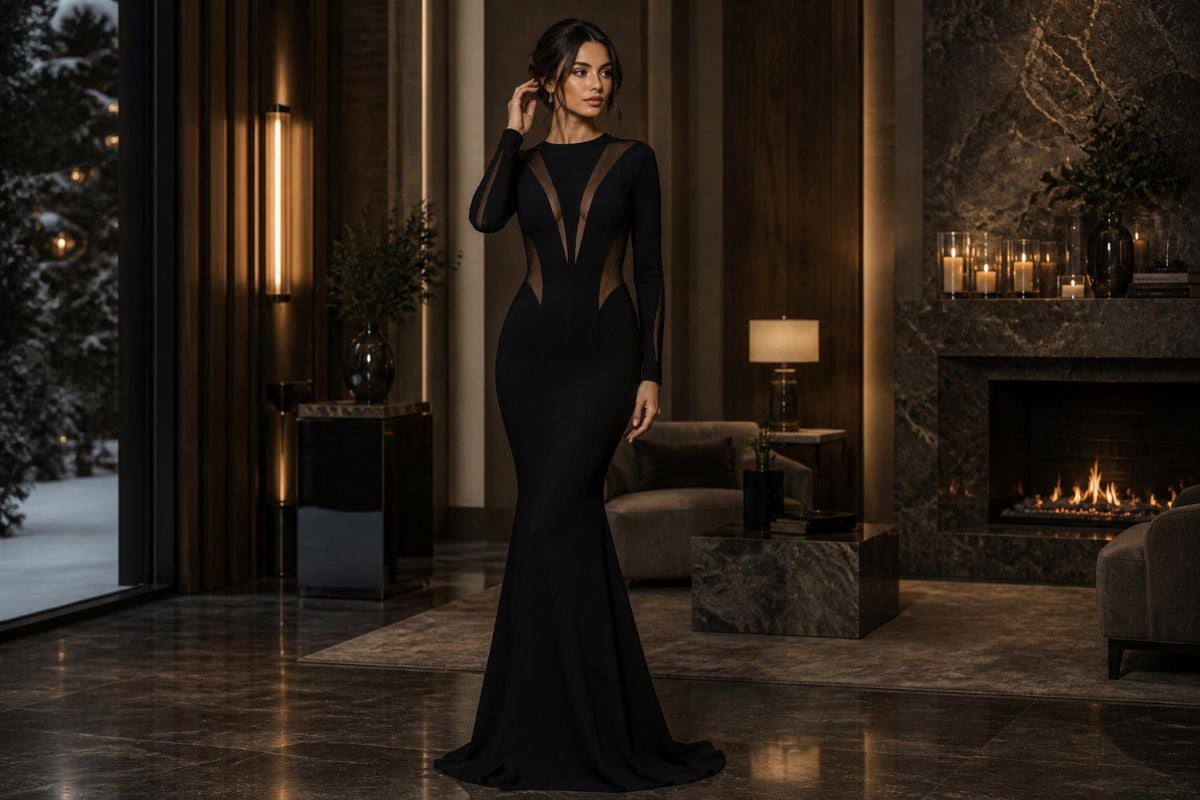
When an invitation specifies “Black Tie,” it is a direct call for high-end glamour and absolute formality. Black tie wedding expectations dictate that women should wear floor-length evening gowns. This is not the appropriate setting for casual fabrics or elevated daywear. Instead, the focus should be placed on luxurious materials, impeccable tailoring, and sophisticated silhouettes.
For these prestigious events, choosing black tie outfits crafted with rich fabrics like silk, satin, or crepe ensures you meet the strict standards of the evening. Dark, jewel-toned colors and elegant metallics are highly favored. It is important to remember that formal wedding guest outfits for black tie events should lean toward timeless elegance rather than overly trendy or revealing designs.
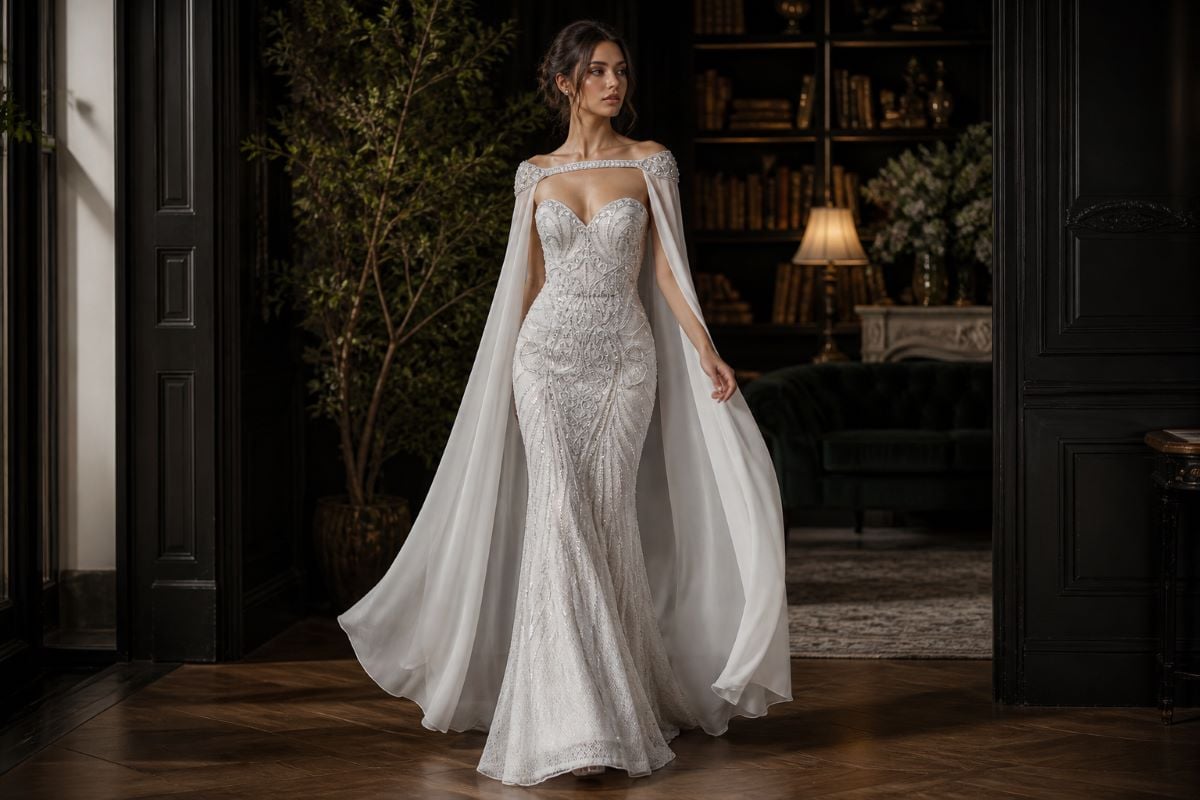
Formal or Black Tie Optional
“Formal” or “Black Tie Optional” gives you a slight degree of flexibility while still maintaining a highly elevated aesthetic. While a floor-length gown remains the most foolproof and highly recommended choice, an exceptionally tailored, high-quality ankle-length dress can also be perfectly appropriate. Formal wedding guest outfits should still feel luxurious and distinctive in this category. If you opt for a dress that does not sweep the floor, ensure the craftsmanship, intricate beading, or fabric structure elevates the look enough to stand alongside full-length gowns.
Semi-Formal and Cocktail Attire
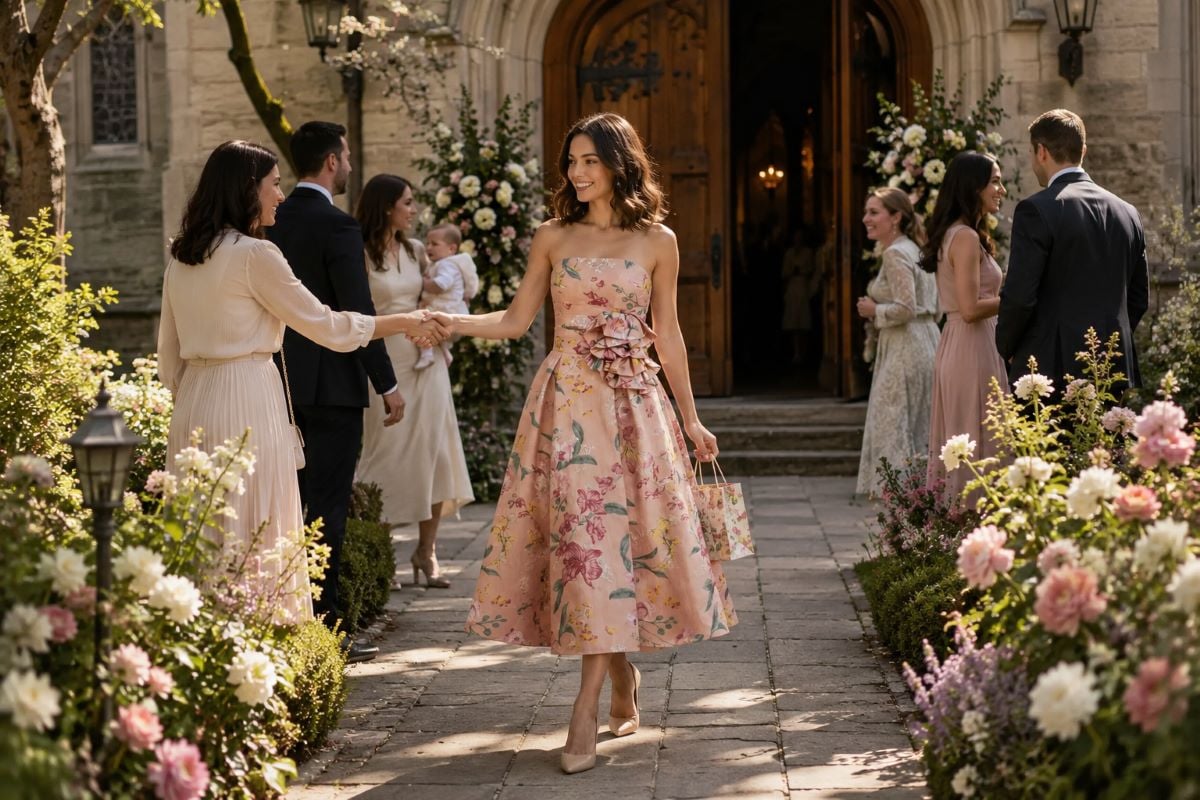
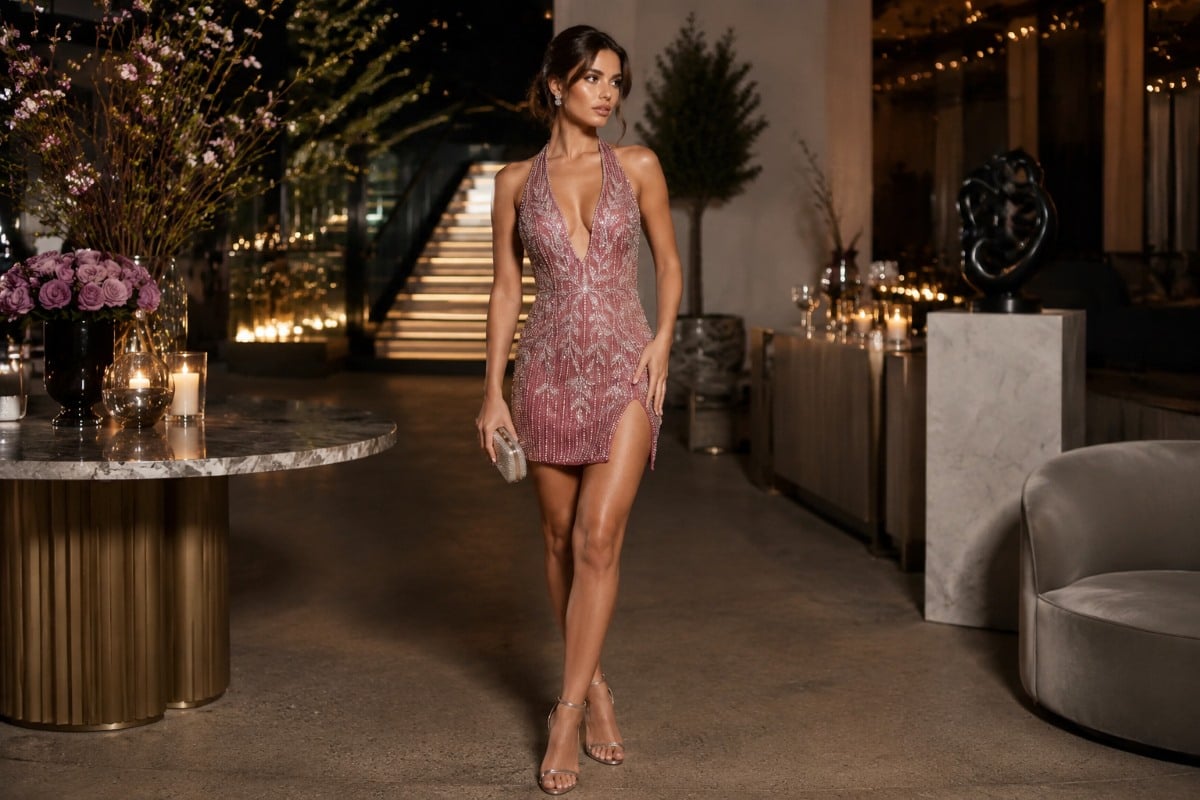
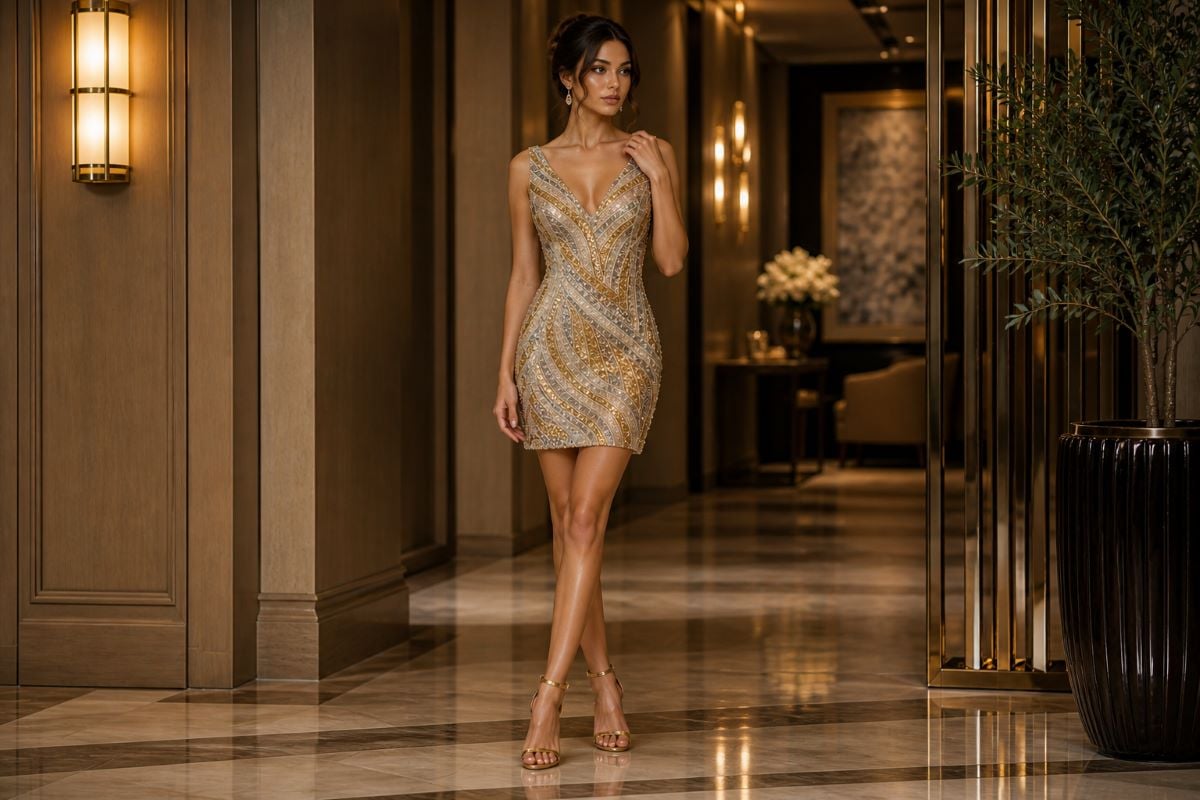
Cocktail attire is one of the most common wedding dress codes, effectively bridging the gap between daytime elegance and evening formality. For these occasions, cocktail gowns are beautifully acceptable, provided they are not excessively casual. The ideal length hits just above the knee or falls to a sophisticated midi length.
If you prefer a silhouette that offers a bit more coverage while remaining incredibly chic, midi evening dresses are a flawless choice. The midi length provides a refined, polished look that translates effortlessly from afternoon ceremonies to evening receptions. Pair your semi-formal look with tasteful heels and statement jewelry to complete the ensemble.
Casual Wedding Guest Guidelines
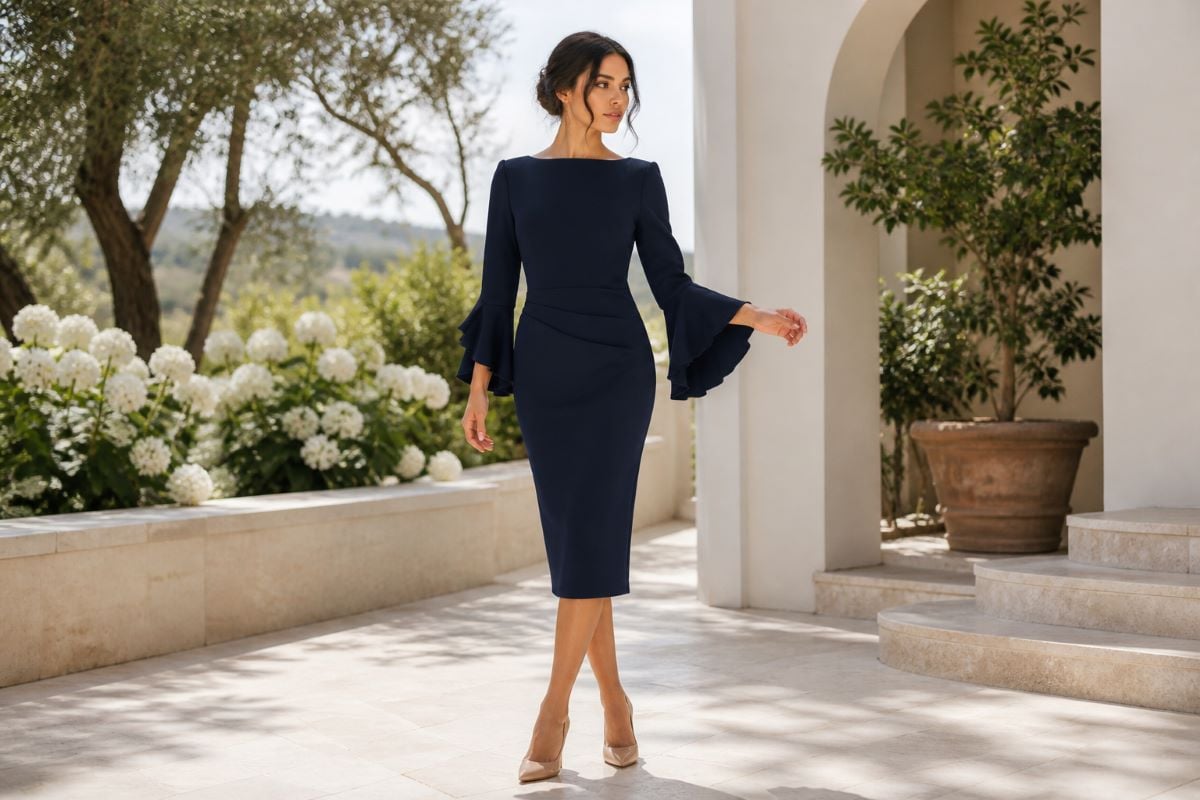
A “Casual” dress code can sometimes be the most confusing, as it never implies jeans, shorts, or everyday t-shirts when it comes to nuptials. Casual wedding guest guidelines generally mean a polished, relaxed look suitable for a daytime, outdoor, or backyard celebration. Think elevated sundresses, tailored jumpsuits, or a beautiful maxi dress made from breathable, lightweight fabrics. Even in a relaxed setting, it is vital to remember that you are attending a monumental life event, so your attire should still reflect a definitive sense of occasion.
The Golden Rules of Wedding Guest Attire
Regardless of the specific dress code printed on the invitation, there are a few non-negotiable wedding guest attire rules that apply universally to every ceremony and reception.
Never Wear White
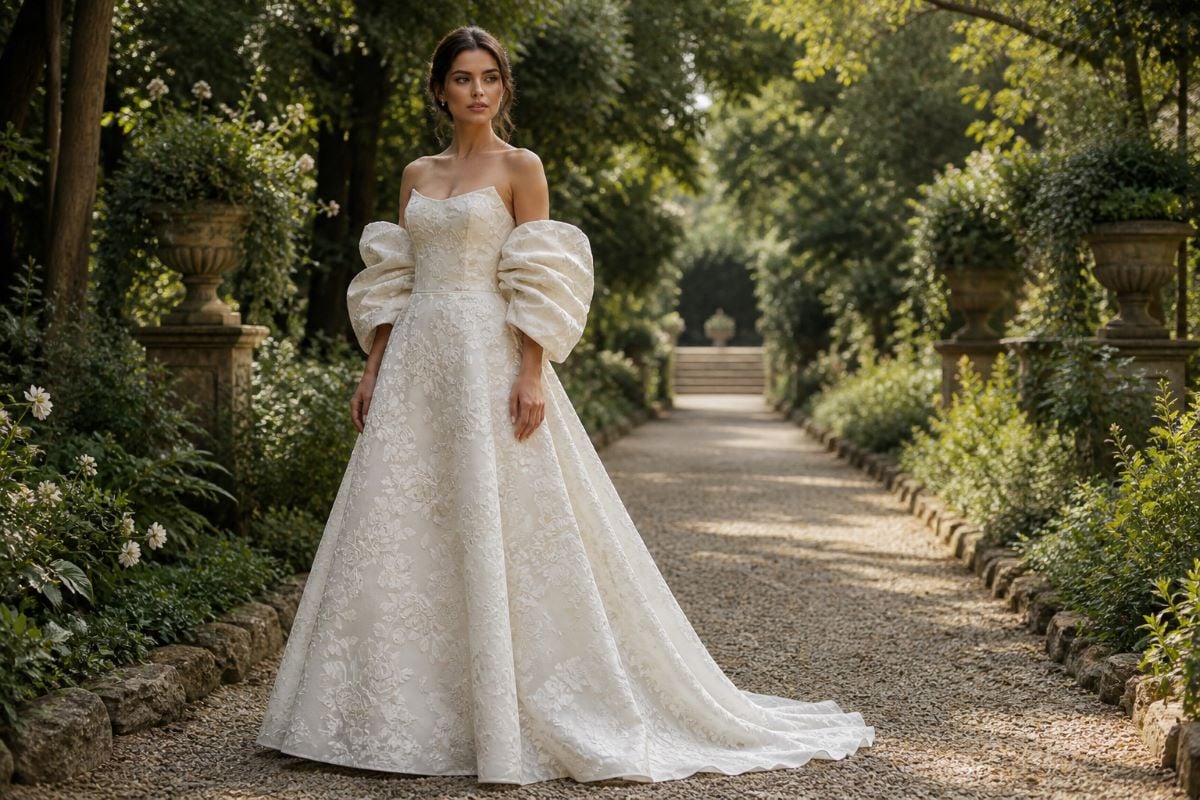
This is the most famous rule of wedding guest dress etiquette, and it remains absolutely true today. You must avoid white, ivory, champagne, and very pale silver. Unless the couple has explicitly requested an all-white guest dress code, these shades are strictly reserved for the bride.
Do Not Upstage the Bride
While a wedding is a wonderful excuse to dress up and look stunning, it is not your personal red carpet moment. Avoid outfits that are excessively flashy, overly sheer, or neon-bright. Instead, lean into understated formal wear that showcases impeccable fit and elegant design without actively competing for attention. True style is always noticeable without being distracting.
Consider the Venue’s Modesty Requirements
If the ceremony is taking place in a traditional house of worship, proper wedding guest attire rules often require covering your shoulders and avoiding plunging necklines. You can easily adapt a sleeveless or strapless gown by bringing a sophisticated shawl, a tailored blazer, or an elegant wrap for the ceremony, which you can easily remove later for the reception.
Mastering Seasonal Wedding Attire
The time of year dramatically impacts what to wear to a wedding. Seasonal wedding attire requires you to skillfully balance the aesthetic of the season with both practicality and comfort.
Spring and Summer Weddings
Warm-weather weddings often take place outdoors in gardens, vineyards, or alongside the beach. For spring celebrations, embrace lighter color palettes, delicate pastels, and botanical prints. Wearing elegant floral formal gowns is a beautiful way to reflect the blooming scenery while maintaining a formal edge. In the heat of summer, prioritize breathable fabrics like chiffon, organza, and tulle to ensure you remain comfortable throughout the festivities.
Fall and Winter Weddings
As the temperature drops, seasonal wedding attire naturally shifts toward richer textures and deeper, moodier hues. Emerald greens, burgundy, deep navy, and metallic tones are stunning choices for autumn and winter nuptials. When navigating cold-weather formal wear, luxurious velvet designs are an exceptional option. Velvet not only provides crucial warmth for drafty venues, but it also photographs beautifully and exudes a natural, regal elegance that perfectly fits formal winter wedding expectations.
Choosing the Perfect Silhouette with Jovani
Finding the ideal dress is all about harmonizing the event’s dress code with what makes you feel your absolute best. Jovani’s expansive collections offer an array of cuts, from structured A-lines that flatter every figure to sleek, form-fitting silhouettes designed for a modern edge.
When you follow proper wedding guest dress etiquette, you show up as the best version of yourself, ready to celebrate the happy couple. Whether you are looking for a show-stopping floor-length gown for a black-tie gala or exploring versatile special event dresses for a modern, contemporary venue, Jovani provides the master craftsmanship and design expertise to ensure you are perfectly dressed for the occasion.
About Wedding Guest Dress Etiquette FAQs
1. Can I wear black to a wedding?
Yes, wearing black to a wedding is entirely acceptable and very chic, particularly for evening receptions and formal events. In the past, black was sometimes associated with mourning, but modern wedding guest attire rules fully embrace black as a staple of elegant formal wear. Just be sure to accessorize appropriately with jewelry or a colorful clutch to keep the look festive.
2. What should I do if the invitation does not specify a dress code?
If the dress code is omitted entirely, you should use the venue, the time of day, and the season as your context clues. Evening weddings in grand venues almost always imply formal wedding guest outfits, while afternoon weddings in a botanical garden suggest semi-formal attire. When in doubt, it is always better to be slightly overdressed than underdressed. A midi-length cocktail dress is usually the safest middle ground.
3. Is it okay to wear a pantsuit or jumpsuit instead of a dress?
Absolutely. Tailored jumpsuits and elegant pantsuits have become incredibly popular alternatives to traditional wedding guest gowns. As long as the fabric and tailoring align with the overall formality of the event—such as choosing a silk, crepe, or embellished jumpsuit for a formal wedding—it is a stylish, comfortable, and highly appropriate choice.
4. Are open-toe shoes appropriate for formal weddings?
Open-toe heels and elegant strappy sandals are perfectly acceptable for most formal and black-tie optional events, provided they are made of high-quality materials like satin, metallic leather, or feature elegant embellishments. However, for the strictest white-tie affairs, closed-toe pumps are traditionally preferred.