
Wedding Dress Lining: Opacity, Comfort, Color and Shape
Wedding dress lining is the inner fabric that helps control coverage, skin comfort, and the way a bridal gown looks. Its placement and color can change sheer lace, while its weight affects movement. Examine the lining during a fitting, not just the visible fabric.
What Does Wedding Dress Lining Actually Do?
A lining finishes the inside of a gown and may cover seam allowances or textured fabric. It can reduce transparency and friction, but it does not replace boning or a properly fitted bodice. Jovani's wedding dress basics provides the broader bridal context.
When comparing bridal gown styles, ask which areas are lined and whether the lining is attached to the shell or hangs separately. Those details reveal more than the word "lined" in a description. A smooth interior should feel secure without trapping or pulling.
Full, Partial and Sheer Lining: Where Coverage Changes
Full lining covers a larger interior area, while partial lining leaves selected sections lighter or intentionally sheer. Neither approach is automatically better. The right choice depends on the design and the coverage you want.
Fully Lined Bodices and Skirts
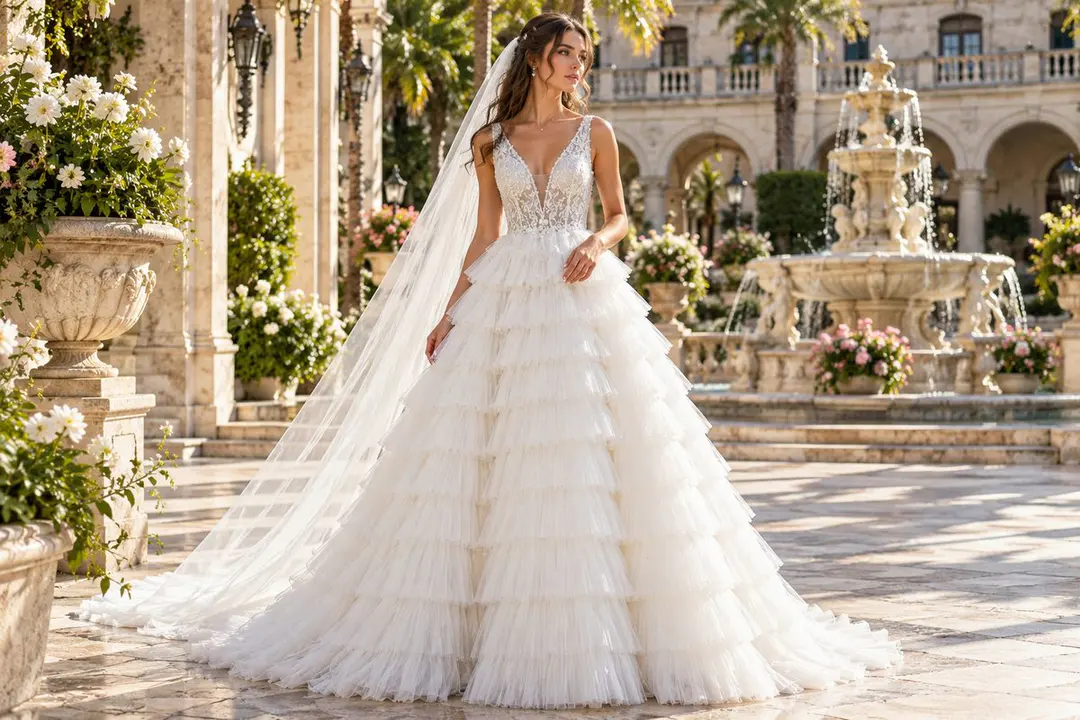
A lined bodice can reduce transparency beneath lace and conceal some interior seams. A lined skirt can keep lightweight fabric from revealing more than intended in direct light. Among A-line bridal gowns, check how the inner skirt falls beneath the wider outer layers.
Coverage still depends on the weave and color of both layers. Put a hand behind the fabric under strong light, then repeat while wearing the gown. A double layer does not automatically make every pale material opaque.
Partly Lined Bodices and Illusion Panels
Partial lining makes coverage a design decision rather than an all-or-nothing feature. An opaque skirt may sit below a sheer corset, or lined cups may appear within transparent lace. Compare lace bridal styles from the front and side to see where coverage begins and ends.
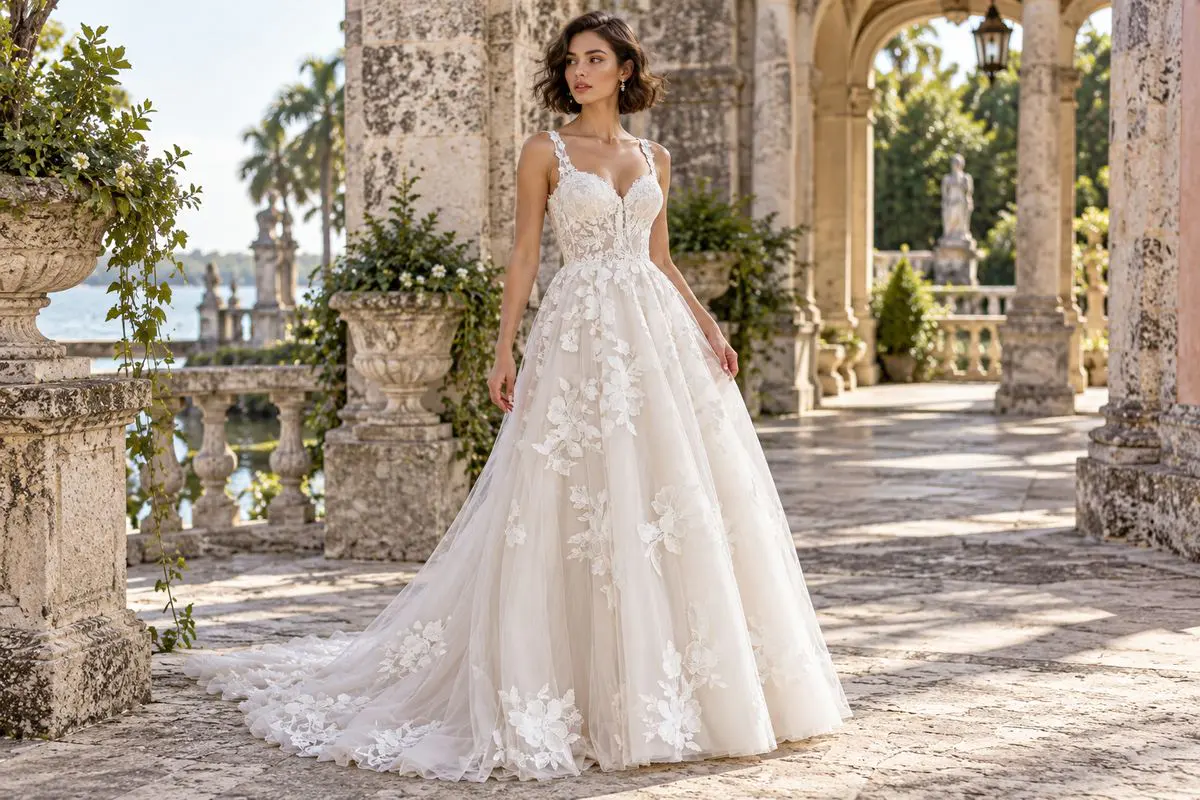
Jovani style JB99062 lists champagne ivory lace appliqué on tulle, a sheer illusion bodice, and a layered A-line skirt. Those verified details make it useful for discussing transparency. Its product page does not specify the lining fabric, so confirm that with the retailer.
How Does Lining Color Change a Wedding Dress?
Lining color changes contrast, perceived warmth, and how clearly lace motifs stand out. Ivory beneath ivory lace usually creates a more unified surface. Champagne, sand, or skin-tone foundations can reveal stronger pattern contrast depending on the outer textile.
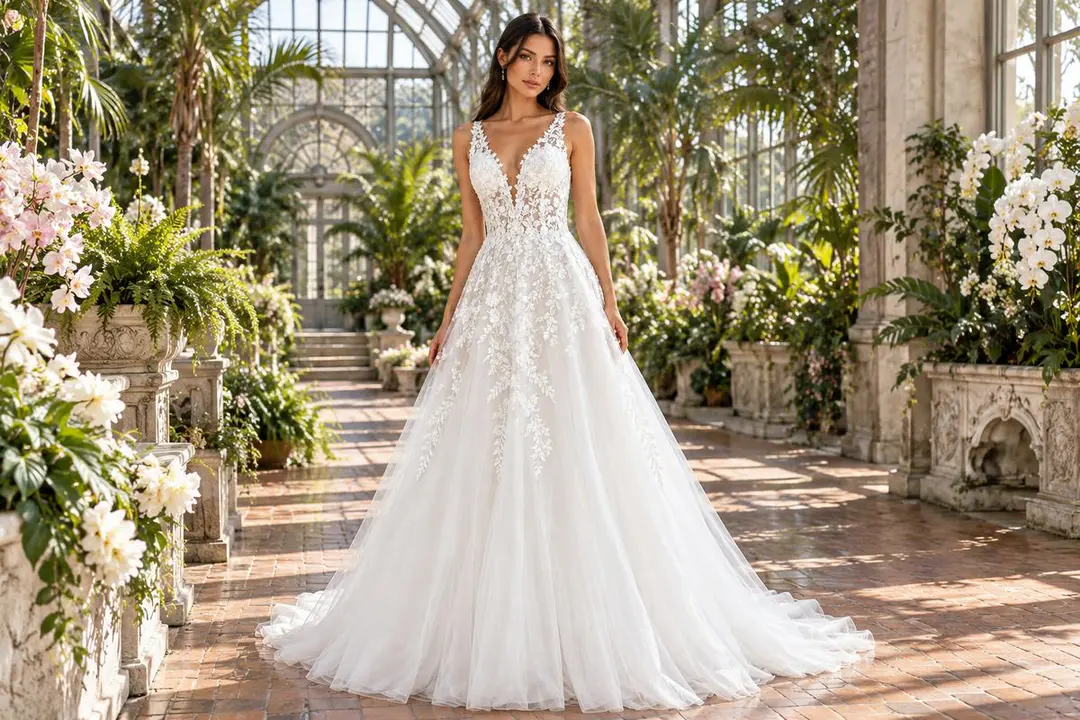
Jovani style JB43318 lists an ivory and sand color combination, tulle with beading, sheer panels, and a tiered skirt. These details show why a color label alone cannot explain the finished effect. The guide to bridal lace covers lace patterns in greater depth.
Check the gown against your skin in daylight and under the venue's likely lighting. Ask to see the lining edge where a sheer section meets an opaque one. The transition should look intentional from more than one angle.
Lining Comfort: Texture, Heat, Stretch and Static
Comfort depends on the lining surface, fiber, fit, and number of layers. A smooth fabric can prevent lace or seam allowances from rubbing against skin. A dense or poorly matched lining can feel warmer or restrict movement even beneath a light outer fabric.
Skin Feel and Temperature
Turn the gown carefully to inspect the inside of the bust, waist, and underarms. Notice exposed edges, stiff seams, and any scratchy finish. Try close-fitting wedding dresses while seated because pressure and friction often appear only when fabric touches the body closely.
Do not assume that silk, polyester, or another fiber guarantees comfort. Weave, finish, ventilation, and construction matter too. Ask the boutique what the actual lining contains if the product description does not say.
Stretch and Cling
A fitted outer fabric and a nonstretch lining may resist movement differently. Check for tension across the hips when taking a full step or sitting. If the skirt clings, ask whether static, fabric friction, or fit is causing the problem.
Does the Lining Affect Shape and Movement?
Yes. Lining adds a layer that may influence drape and how freely the shell slides over the body. It should work with the dress, not create folds, twisting, or a visible ridge. For seams and support layers, see Jovani's wedding dress construction guide.
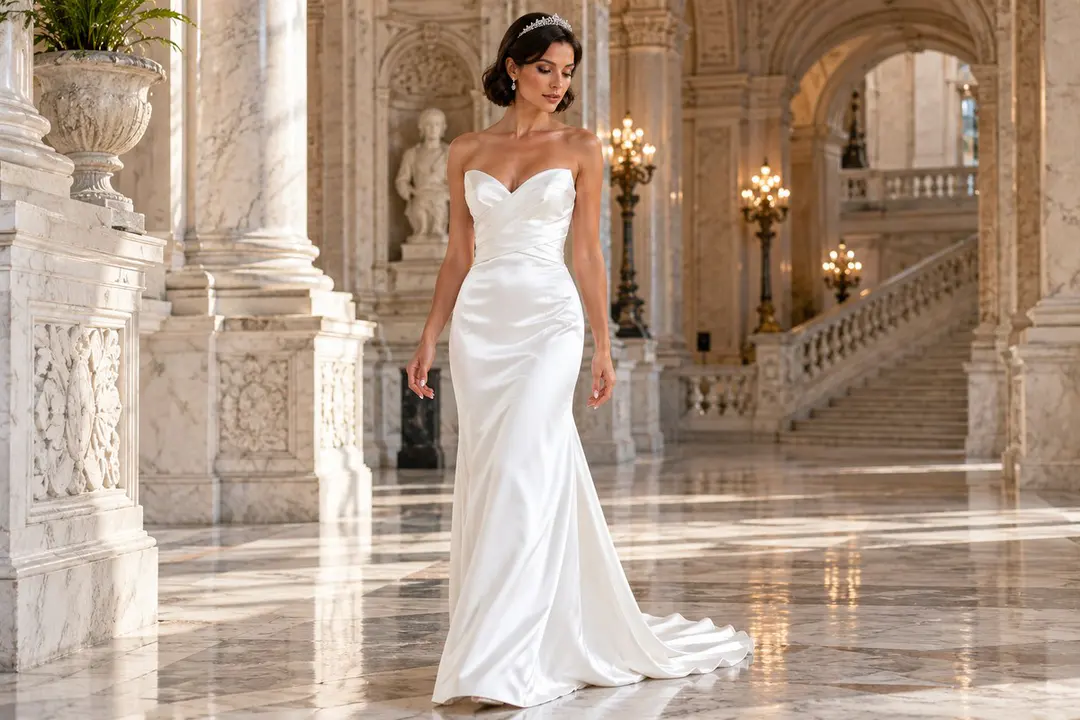
Jovani style JB45837 lists an ivory satin sheath with a draped bodice and smooth skirt. It offers a useful reference for checking whether inner and outer layers fall together. Jovani does not publish its lining composition on that product page.
A lining that twists toward one side can distort a fitted silhouette. On a fuller gown, lift and release the layers gently, then watch whether they settle independently. A lining should also remain hidden at the outer hem unless the design calls for contrast.
How to Check Wedding Dress Lining During a Fitting
Test the finished gown with the underwear and shoes you plan to wear. Ask the stylist to show you the lining boundaries without pulling on delicate details. Then make these practical checks.
- Stand in strong light and check the bodice, skirt, and side seams for unexpected transparency.
- Walk, sit, turn, and raise your arms. Notice lining that rides up, twists, or rubs.
- Check the front and back hems. The inner layer should not appear accidentally below the outer edge.
- Photograph the gown in daylight and indoor light, with permission from the retailer.
For strapless bridal designs, verify neckline security separately from lining comfort. A smooth interior does not prove that a bodice has enough structural support. Test both issues while moving naturally.
When Should You Ask About Lining Alterations?
Ask an alterations professional before changing lining length, opacity, or attachment. Adding coverage may alter the color contrast or movement of lace and tulle. Removing a layer can expose seam allowances or change how fabric rests against the body.
When comparing wedding dress lining, prioritize the coverage and feel of the actual gown over fabric labels. If a change seems necessary, get an assessment before ordering. Visit an authorized Jovani retailer to examine real bridal styles and discuss fitting options.
Frequently Asked Questions
Do all wedding dresses have a lining?
No. Some gowns have full lining, others use partial lining, and some incorporate intentionally sheer areas. Inspect the actual style rather than assuming every bridal gown is finished identically.
Is a lining the same thing as an underskirt?
No. Lining finishes the inside and can add coverage, while an underskirt may create volume or keep fabric away from the legs. A gown may include both components.
Can you add a lining to a sheer wedding dress?
Sometimes. An alterations specialist must check the garment construction before adding coverage. An added layer can affect color, fit, embroidery placement, and how the outer fabric falls.
Should wedding dress lining extend to the outer hem?
Usually not. Many inner linings finish above the outer hem to remain hidden and avoid catching under shoes. The correct length depends on the design, especially near a train.