
How to Plan Your Quinceanera Gown Schedule: Ordering, Fittings, and Beyond
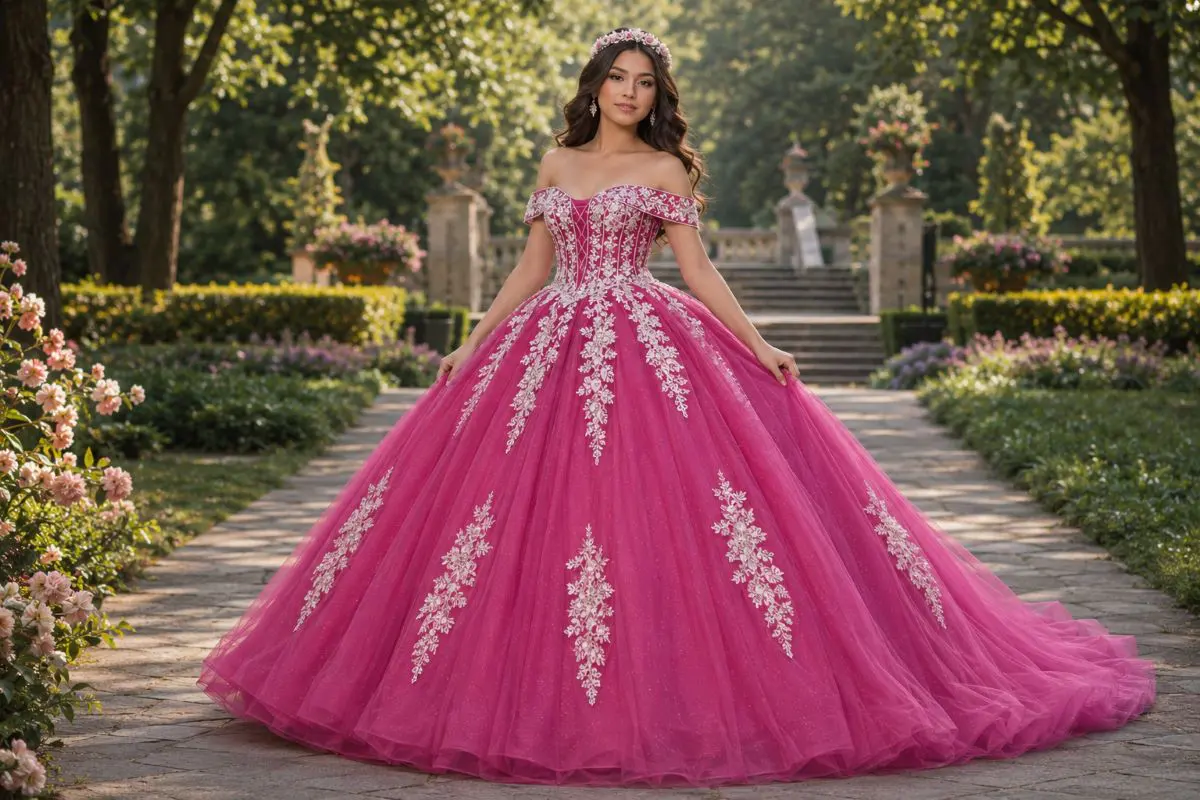
The Fiesta de Quince Años is a beautiful, deeply rooted milestone that marks a young girl’s transition into young womanhood. For the birthday girl and her family, the centerpiece of this celebration is undoubtedly the gown. This spectacular dress is not simply an outfit; it is a symbol of grace, heritage, and the beginning of a new chapter in life. Because of its cultural and personal significance, choosing and perfecting the gown should never be a last-minute rush. Achieving that flawless, red-carpet-worthy look requires a meticulous approach to timing, fabric selection, and construction. Understanding and sticking to a detailed Quinceanera dress timeline ensures that the dress is designed, ordered, sized, and tailored to perfection without the unwanted stress of rushed shipping or frantic, last-minute alterations.
Phase One: Research, Silhouette Selection, and Style Inspiration (12 to 9 Months Out)
The journey to finding the perfect gown begins nearly a year before the event. This early window is the ideal time to explore options, establish budgets, and define the aesthetic theme of the celebration. By starting early, you give yourself the luxury of exploration without the pressure of an impending deadline. At the inception of your Quinceanera dress timeline, it is critical to balance your personal style desires with the practical realities of event production and custom tailoring.
Exploring the Silhouette and Style
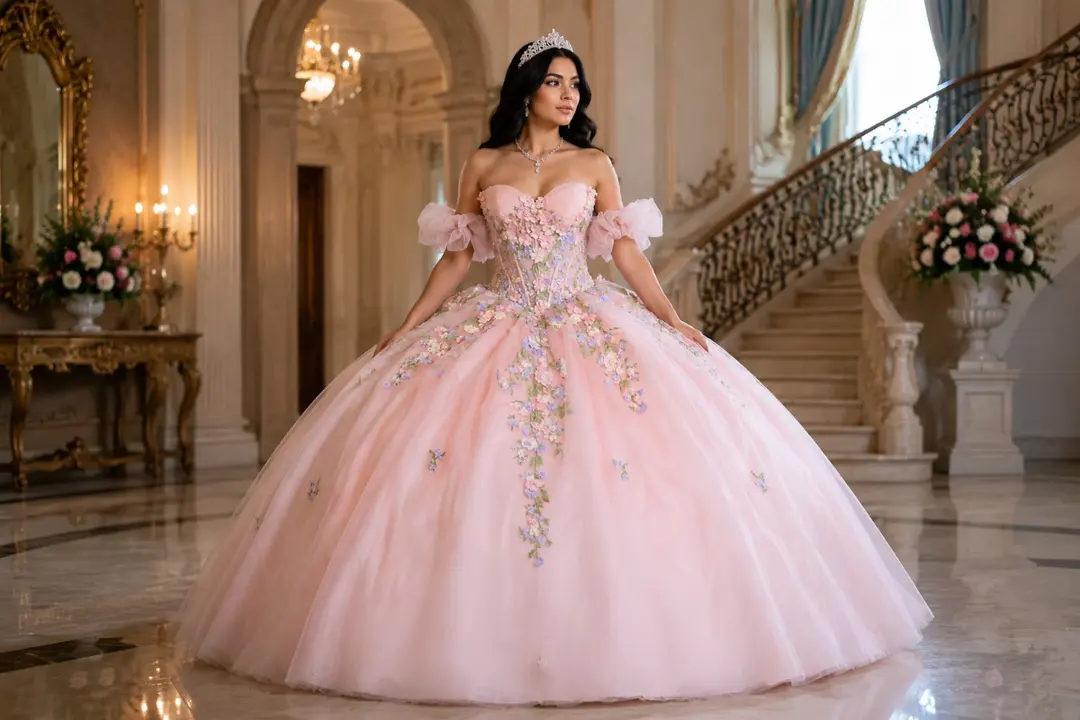
Before stepping foot into an authorized boutique, it is important to understand the structural differences between formal gowns. Many girls find themselves choosing between a classic ball gown and a traditional Quinceanera gown. While they share similarities, the historical design, volume, and structured bodice of a true Quinceanera gown set it apart. Reading about the nuance of a quinceanera dress vs ball gown can help you determine whether you want the exaggerated, royal volume of a traditional skirt or a slightly more streamlined, modern silhouette.
During this research phase, gather inspiration from high-fashion collections and red-carpet designs. Look at how different fabrics move and reflect light. Some girls prefer the rich, majestic sheen of heavy satin, while others dream of the airy, cloud-like layers of soft tulle. If you are leaning toward a timeless look, studying a classic ball gown style can give you a solid foundation in appreciation of structured corsetry, voluminous box pleats, and traditional formal silhouettes that have defined luxury formalwear for generations.
The choice of fabric also dictates the structural behavior of the gown during key moments of the celebration. For example, a heavy satin skirt creates crisp, structural folds that look striking in formal portraits, while layers of gossamer tulle or organza capture light beautifully during the traditional waltz, presenting a weightless, floating effect. Exploring these fabric mechanics early prevents a disconnect between how you picture yourself moving and how the dress actually behaves on the dance floor.
Establishing the Budget and Theme
A Quinceanera is a major production, often involving a court of honor, choreographed dances, and elaborate venue styling. The gown must align with the overall theme of the party, whether that is a royal Parisian masquerade, an enchanted forest, or a glittering winter wonderland. Early in your preparations, have an open family discussion about the financial parameters of the celebration. It is essential to understand the overall cost of a quinceanera gown before you fall in love with a specific design.
Remember that the initial price of the dress is just one component; you must also budget for professional alterations, specialized undergarments, and matching accessories such as the tiara, scepter, and jewelry. When budgeting, it is wise to allocate a contingency fund of roughly fifteen percent of the dress cost to cover unexpected tailoring needs or specialty accessories that complete the ensemble.
Honoring Cultural Heritage
For many families, the dress must carry the weight of tradition. Colors, embellishments, and modesty levels often reflect cultural customs. If you are looking to balance modern fashion trends with deep-rooted heritage, consulting a traditional quinceanera dress guide can be incredibly helpful. This ensures that the chosen garment respects the expectations of religious ceremonies, such as the Mass of Thanksgiving, while still allowing the birthday girl's unique personality and modern style preferences to shine through beautifully.
For instance, some parishes enforce strict guidelines regarding exposed shoulders or deep necklines during the religious ceremony. To honor these traditions gracefully without compromising on your dream design, consider pairing a strapless or sweetheart bodice with a matching, heavily embellished bolero jacket or a delicate sheer cape. This allows for a respectful, modest look during the mass that can be easily transformed into a strapless, party-ready gown for the reception.
Phase Two: Professional Measurements, Selection, and Secure Ordering (9 to 6 Months Out)
Once the vision is clear and the budget is set, the transition from inspiration to action begins. This phase is critical because high-end formalwear is not mass-produced on an assembly line. Creating a gown of premium caliber, with intricate hand-beading, structured internal boning, and multiple layers of delicate fabric, requires time and expert craftsmanship. Maintaining progress on your Quinceanera dress timeline during these middle months safeguards your peace of mind and keeps the entire planning experience joyful.
Navigating the Order Schedule
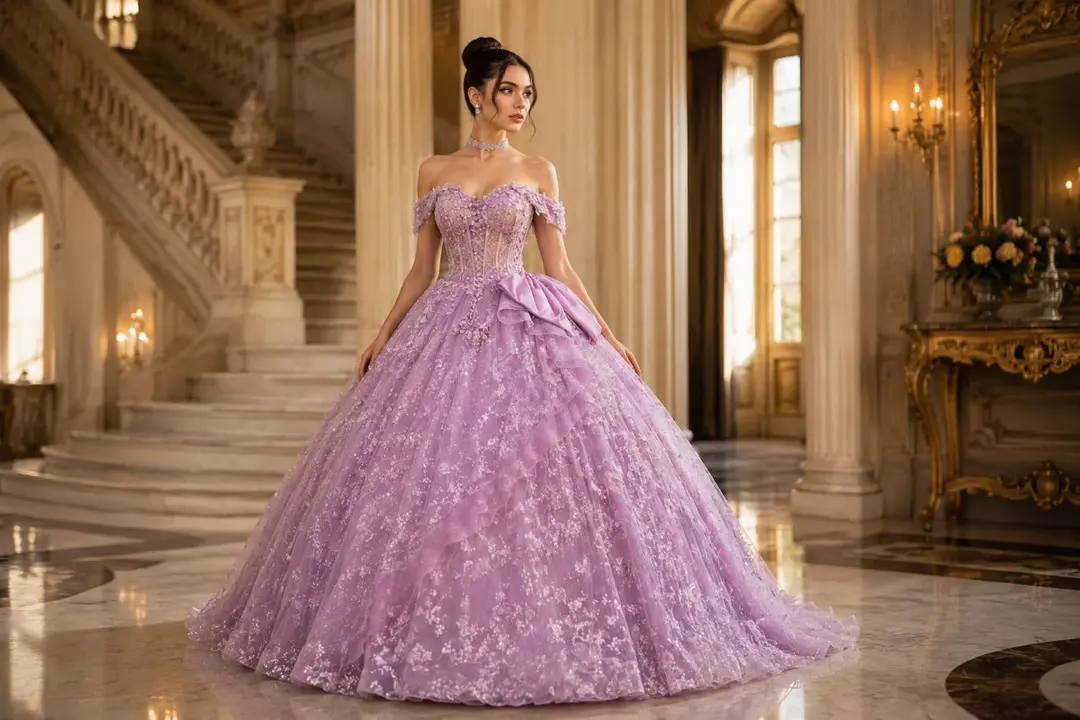
To ensure your dress is ready long before your event date, you must adhere to a strict ordering schedule. Ideally, you should place your order between six and nine months before the celebration. Why is this timeline so generous? Premium designer labels distribute their gowns exclusively through authorized specialty boutiques. If the specific style, color, or size you desire is not currently in stock at your local retailer, it must be crafted at the atelier or shipped from a secure designer warehouse. Ordering early protects you against manufacturing delays, international shipping hold-ups, and fabric sourcing shortages, giving you total peace of mind.
Furthermore, boutique ordering cycles often align with seasonal releases. Placing your order early in this window guarantees that the designer can secure the exact dye lots for your fabrics. Minor variations in color can occur between different fabric production runs; ordering your gown and any matching accessories or court of honor coordinates at the same time ensures absolute color consistency across the entire formalwear party.
The Art of Accurate Sizing
High-fashion gowns do not align with standard everyday dress sizes. A girl who wears a size 4 in casual streetwear might require a size 8 in a structured formal gown. Because of this, professional measurements are non-negotiable. When you are preparing to order, you must know how to measure for a quinceanera dress accurately.
Specialty boutiques have experienced stylists who will take three primary measurements: the full bust, the natural waist, and the fullest part of the hips.
- Bust: Measured across the fullest part of the chest, keeping the measuring tape parallel to the floor. This measurement should be taken while wearing a non-padded bra to get the most accurate baseline.
- Waist: Measured at the narrowest part of the torso, typically an inch above the belly button. It is crucial not to pull the tape too tight or hold your breath, as the bodice must allow for comfortable breathing, eating, and dancing.
- Hips: Although the skirt of a traditional gown is highly flared, measuring the hips is still important to ensure the internal structure and waistline sit comfortably on the frame.
Correctly measuring for a gown prevents the costly mistake of ordering a size that cannot be altered to fit. It is always safer to order a gown that matches the largest measurement and have a tailor take it in, rather than ordering a size too small and hoping there is enough seam allowance to let it out.
Purchasing from Authorized Boutiques
When you are ready to make your selection, always work through authorized retail partners. Jovani does not sell directly to consumers online, a deliberate choice made to preserve the integrity, luxury experience, and personalized care that every young woman deserves when choosing her gown. Buying authentic gowns through trusted local boutiques ensures you receive a genuine designer garment constructed from premium materials, free from the structural flaws and poor fabric quality common in cheap, online counterfeits.
Working with an authorized brick-and-mortar retailer also grants you access to professional instore stylists. These experts understand how different designers' size charts run, how specific styles accommodate different body shapes, and which customization options are available. They act as your direct liaison with the design house, managing all shipping logistics and performing a thorough quality inspection the moment the gown arrives.
Phase Three: Fitting Preparation and Custom Alterations (3 to 2 Months Out)
When your gown arrives at the boutique, the exciting process of customization begins. No gown, no matter how exquisite, fits perfectly straight off the hanger. The secret to that breathtaking, custom-made appearance lies entirely within professional tailoring. If your Quinceanera dress timeline falls behind due to unexpected life events or shipping delays, do not panic; starting your alterations phase at least two to three months out provides a very safe buffer for intricate work.
The Alterations Process
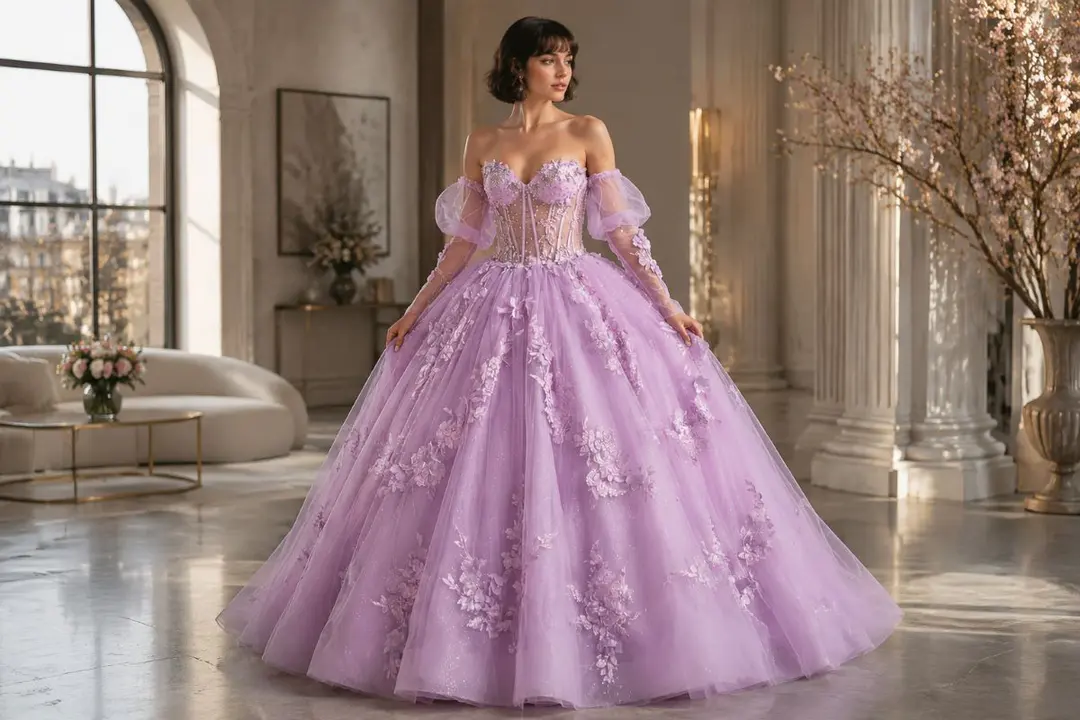
At this stage, families often ask: how long do alterations take for a luxury ball gown? Typically, the professional tailoring process requires six to eight weeks, broken down into two or three separate fitting sessions. The first fitting is where the major structural adjustments are pinned, the second fitting assesses the accuracy of those changes, and the final fitting ensures that every detail is flawless before the gown leaves the shop.
During quinceanera dress alterations, a master tailor will refine the bust, adjust the waistline, secure the internal boning, and hem the voluminous skirt. This process takes time because of the complexity of the garment. Hemming a gown with layers of crinoline, horsehair braid, and lace applique requires carefully removing the detailing, shortening each layer individually, and reapplying the lace by hand so that the original design remains perfectly intact.
The complexity of structured bodices means that altering a luxury gown is a highly skilled art. A master tailor must balance the tension of the internal corsetry so that the gown remains securely in place throughout twelve hours of wear, without digging into the skin or causing discomfort. This structural equilibrium is achieved gradually, which is why attempting to compress this process into fewer than six weeks often leads to a compromised fit.
Undergarments and Shoe Selection
To get the most accurate fit during your tailoring appointments, you must bring the exact items you plan to wear on the day of the event. The most critical items are the specialized undergarments for the quince gown. The silhouette relies heavily on structured support, which often includes a heavy-duty petticoat, a multi-hoop skirt, and a supportive, strapless bustier or corset.
The hoop skirt creates the dramatic bell shape, keeping the heavy fabric away from the legs so the birthday girl can walk easily. If you alter the hem of the dress without wearing your specific petticoat and hoop skirt, the gown will be the wrong length when you put them on later.
Similarly, you must bring your event shoes to every single fitting. Whether you are wearing high heels, platform wedges, or elegant custom sneakers, even a half-inch difference in heel height can cause the hem to drag on the floor or sit awkwardly high, ruining the graceful, floating illusion of the skirt.
If you plan to perform the traditional shoe change ceremony transitioning from flat slippers to high heels during the reception it is imperative to communicate this to your tailor at the first fitting. They can design a hemline that accommodates both heel heights safely, preventing you from tripping over the front of your skirt once the flatter shoes are introduced.
Phase Four: Final Fittings, Steaming, and Storage (1 Month to Week-of)
As the date of the celebration approaches, the focus shifts from structural changes to finishing touches and preservation. Reaching the final stages of the Quinceanera dress timeline shifts the focus from structural modifications to styling verification, minor detail checking, and safe storage preparation. This final month of the event calendar ensures that the gown is pristine, comfortable, and ready for its grand debut.
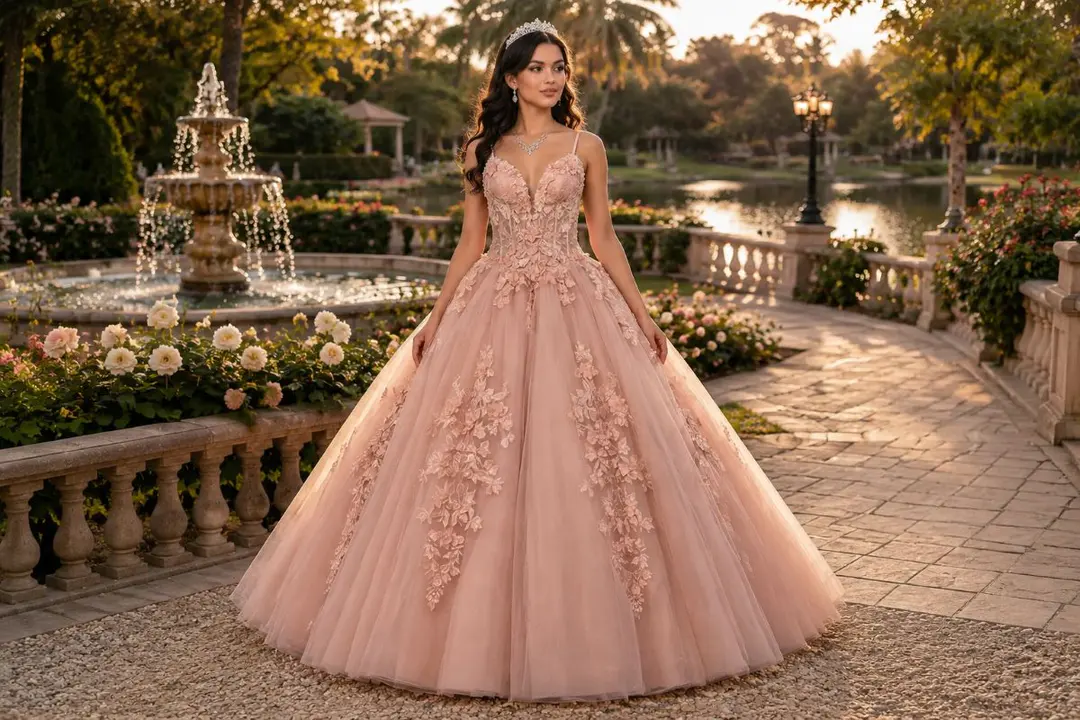
The Final Fitting Session
Approximately three to four weeks before the event, you will attend your final fitting. This is your opportunity to test-drive the dress in a controlled environment.
- Walk and Move: Walk around the tailoring studio. Ensure that you do not trip over the front hem and that the skirt glides smoothly over the floor.
- Sit Comfortably: Traditional gowns are heavy and structured. Practice sitting down in a chair to ensure the corset does not pinch your ribs or dig into your hips.
- Raise Your Arms: If your gown has off-the-shoulder straps, delicate cap sleeves, or long lace sleeves, practice waving and raising your arms. A professional tailor can adjust the elasticity or attachment points of the sleeves to ensure you can participate in the traditional waltz and surprise dance without restriction.
- Bustle Check: If your dress has a cathedral or royal train, ensure the tailor has installed a secure, hidden bustle system (using discreet buttons, loops, or ties) so that the train can be lifted off the floor easily for the reception.
During this final session, invite your mother, a close relative, or your main coordinator to accompany you. The tailor will demonstrate how to lace up the corset back correctly, how to secure the internal waistband support, and how to operate the bustle system. Having your designated assistant practice these steps under the watchful eye of the professional tailor ensures a seamless dressing experience on the morning of the celebration.
Wrinkle Prevention and Steaming
Once the fit is approved, the gown must be professionally steamed to remove any wrinkles accumulated during shipping and tailoring. Never attempt to iron a luxury gown at home; the high direct heat can melt delicate tulle, scorch satin, or damage intricate metallic embroidery. Authorized boutiques use specialized industrial steamers that gently relax the fibers of the fabric without risking damage.
If you must transport the dress to another city before the event, wait to have the final steaming done at your destination, or ensure you have access to a high-quality hand steamer and professional instruction on how to handle the specific fabrics of your gown safely.
Secure Transport and Home Storage
Transporting a voluminous gown requires care. The boutique will place the gown in a heavy-duty, breathable garment bag. When driving home, lay the back seats of your vehicle flat and lay the dress down carefully to avoid crushing the structured bodice.
At home, store the gown in a climate-controlled room away from direct sunlight, dampness, pets, and strong cooking odors. Keep it hanging from the secure interior hanger straps provided, rather than the delicate shoulder straps, to prevent the fabric from stretching out of shape under its own weight. Avoid plastic garment bags for long-term storage, as they can trap ambient moisture and cause delicate fabrics to develop mildew or undergo chemical discoloration.
The Complete Quinceanera Dress Timeline Checklist
To help you visualize this entire journey, we have compiled the ultimate chronological Quinceanera dress timeline guide. Refer to this simplified timeline throughout your preparation journey to ensure no step is overlooked.
| Timeline | Action Steps | Key Focus Area |
|---|---|---|
| 12–9 Months Out | Research silhouettes, read style guides, set a firm budget, and establish the party theme. | Inspiration & Budget |
| 9–6 Months Out | Visit authorized boutiques, take professional measurements, and place the secure order. | Sizing & Ordering |
| 3–2 Months Out | Schedule your first fitting, purchase your event shoes and specialty undergarments. | Structural Alterations |
| 1 Month Out | Attend the final fitting, practice walking and sitting, and ensure the bustle is secure. | Fit Verification |
| 2 Weeks Out | Have the gown professionally steamed and transport it home in a breathable garment bag. | Steaming & Prep |
| The Big Day | Step into the gown bodice-first, tie the corset securely, and enjoy your unforgettable celebration. | Perfect Execution |
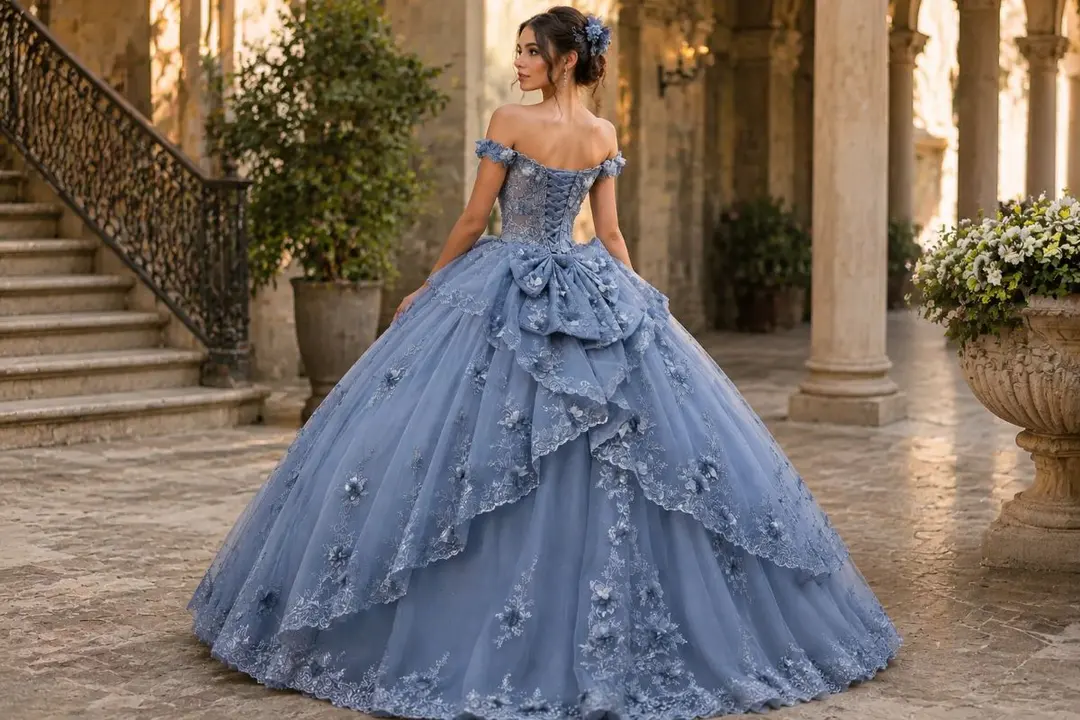 Complete Guide to Quinceanera Gown Preparation
1. Why does a Quinceanera dress need to be ordered so far in advance?
Unlike casual dresses, luxury formal gowns are crafted with high levels of manual detail, including hand-sewn beadwork, layered embroidery, and custom-structured corsetry. Boutique formalwear operates on a made-to-order basis. Ordering nine months in advance protects you against production queues, shipping delays, customs inspections, and leaves a safe, stress-free window for custom tailoring.
2. What should I do if my daughter experiences a growth spurt after the dress is ordered?
It is very common for teenagers to grow or experience body changes in the six to nine months between placing the order and the actual event. This is why professional tailors recommend ordering a gown based on the largest current measurement. Taking a dress in to make it smaller is a standard, highly secure tailoring process. Letting a dress out is much more difficult, as it depends on the fabric allowance hidden inside the seams. If a growth spurt occurs, the master tailor will use the first fitting session at the three-month mark to adjust the side seams or convert a zipper back into an adjustable corset lace-up back to accommodate the new measurements seamlessly.
3. How many fitting sessions are typically required for a Quinceanera gown?
Most girls require two to three professional fittings. The first session, scheduled two months before the event, focuses on major structural changes like adjusting the bust, waist, and establishing the hemline. The second session verifies those changes and tests the movement of the gown. A third, brief final fitting is conducted right before the dress leaves the shop to ensure everything is absolutely perfect.
4. Can I alter a Quinceanera dress hem if I plan to wear different heels?
You must decide on your heel height before your very first fitting and wear those exact shoes to every tailoring session. The hemline of a voluminous ball gown is incredibly precise. If you switch from a three-inch heel to flat sneakers after the hem has been cut and sewn, the skirt will drag on the ground, causing you to trip and potentially damaging the delicate fabric of the skirt. If you plan to wear heels for the entrance and flats for the dance, tell your tailor during the first fitting so they can find a safe, middle-ground hemline.
5. What is the safest way to store the gown at home before the event?
Keep the gown inside a premium, breathable fabric garment bag. Avoid cheap plastic bags, which trap moisture and can cause mildew or fabric discoloration over time. Hang the dress in a cool, dark, dry closet or an unused bedroom. Never store it in a damp basement, an uninsulated attic, or near a window where UV light can fade the fabric. Ensure the weight of the gown is supported by the heavy-duty hanging loops sewn into the interior of the waistband, rather than the delicate shoulder straps or sleeves.
To begin exploring stunning, high-fashion silhouettes that offer the ultimate blend of modern luxury and timeless grace, we invite you to view our complete collection of authentic Jovani quinceanera gowns at an authorized retail boutique near you.
Quinceañera Dress Timeline FAQs
How far in advance should I order my quinceañera dress?
Order your dress at least six months before your quinceañera. Designer gowns can take weeks to arrive, and you will want time for alterations.
How long do quinceañera dress alterations take?
Alterations usually take two to six weeks depending on the changes. Book your first fitting as soon as the dress arrives.
When should I have my final fitting?
Schedule the final fitting about one to two weeks before the celebration, so the fit is perfect but there is still time for last-minute tweaks.
What if I am short on time?
If your event is close, look for in-stock or ready-to-ship styles and ask about rush options, then prioritize a quick first fitting.