
Turning fifteen is a monumental chapter in a young woman’s life, bridging the gap between childhood and adulthood with elegance, cultural pride, and deep familial significance. At the heart of this celebration is the gown. A traditional quinceanera dress is more than just beautiful fabric; it is a profound symbol of heritage, grace, and coming-of-age formality. Navigating the world of quinceanera gowns requires an understanding of what makes these classic designs so enduringly popular across generations. From expansive skirts that command the dance floor to structured bodices that frame the silhouette beautifully, every element carries historical weight. As a design house with a deep understanding of luxury formalwear, Jovani approaches these cultural touchstones with a reverence for history and a commitment to unparalleled craftsmanship, ensuring that every young woman feels authentic to her roots while looking flawlessly styled on her special day.
The Deep Cultural Roots of the Gown
To truly appreciate the classic sweet 15 dresses, one must understand the rich history behind them. The quinceanera tradition is a beautiful amalgamation of indigenous Mesoamerican coming-of-age rituals and Spanish Catholic traditions. Historically, the dress served as a young woman’s first adult garment, marking her formal presentation to society. It was a visual declaration that she was ready to take on adult responsibilities, uphold family values, and embrace her faith.
Every element of the traditional quinceanera dress carries symbolic meaning. The immense volume of the skirt represents the grandeur of transitioning into womanhood, while the intricate details reflect the care and investment of her family (often involving “padrinos” or sponsors who help fund the gown). Wearing a traditional garment connects a young woman to her ancestors, allowing her to step into the future while proudly wearing the history of her culture.
Defining the Traditional Silhouette
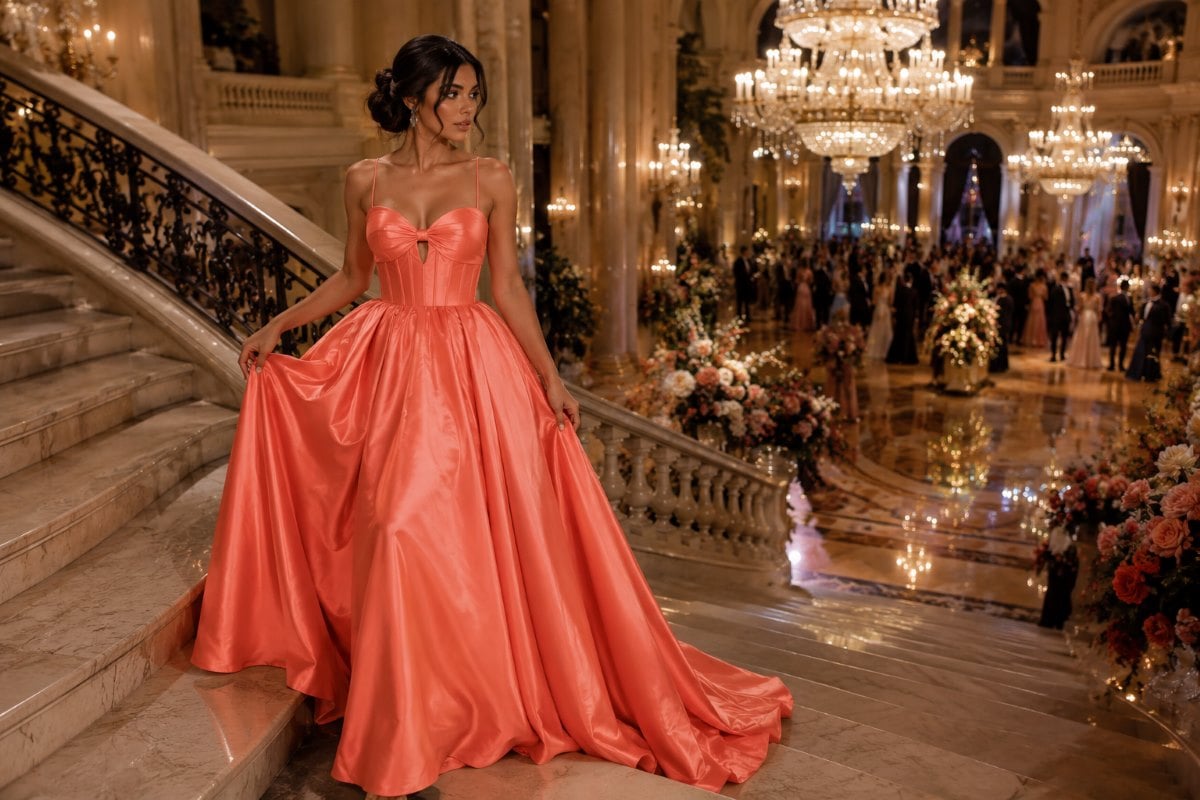
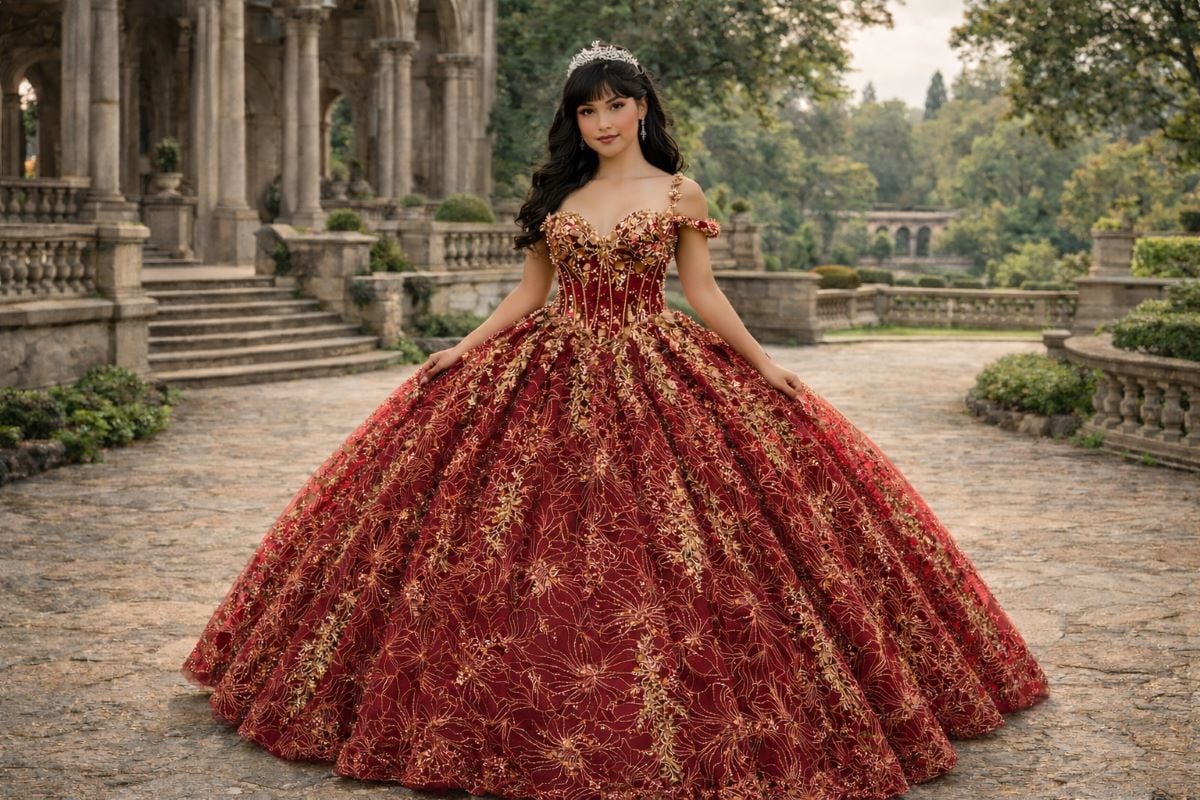
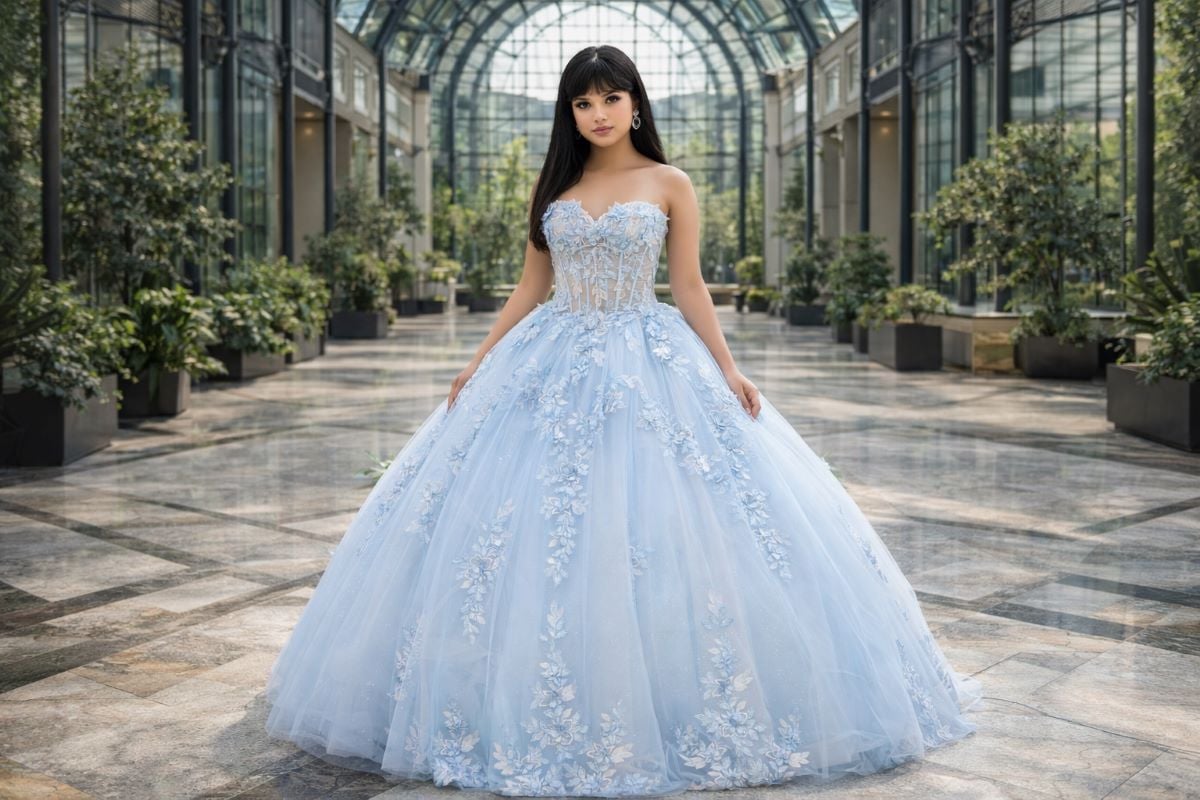
When envisioning the classic look for this cultural milestone, the silhouette is undeniably the most defining feature. The traditional quinceanera dress is characterized by its dramatic, breathtaking volume. Historically, these garments were designed to reflect royalty and utmost formality, which is why ball gowns remain the quintessential choice. The sweeping skirts create a stunning visual impact during the customary waltz, embodying the grandeur that the occasion demands.
While contemporary variations certainly exist, those seeking true puffy quinceanera dresses often lean toward generous layers of structured tulle, rich organza, or heavy satin. To achieve that iconic bell shape, traditional gowns are almost always paired with a structured petticoat or crinoline underneath. This unseen layer is what holds the magnificent shape flawlessly throughout the evening.
Equally important to the sweeping skirt is the architecture of the bodice. Traditional quinceanera ball gowns typically feature structured tops that provide a regal, highly tailored fit. The integration of corset designs into this aesthetic is a time-honored technique. A well-constructed corset offers both vital structural support and a refined silhouette, perfectly balancing the immense volume of the lower half. Jovani’s approach involves meticulous interior boning and premium fabric layering. This dedicated attention to construction ensures that the garment feels as magnificent as it looks, providing the wearer with comfort and confidence.
Classic Colors and Meanings
Color plays a profound role in the visual storytelling of a quinceanera. While modern celebrations embrace a wide spectrum of bold, trend-driven shades, the foundation of this tradition is built upon a very specific historical palette.
- Stark White: Originally, white was the definitive standard, chosen to symbolize purity, grace, and the young woman’s transition into a new phase of maturity. This color remains a powerful nod to the religious and formal roots of the ceremony.
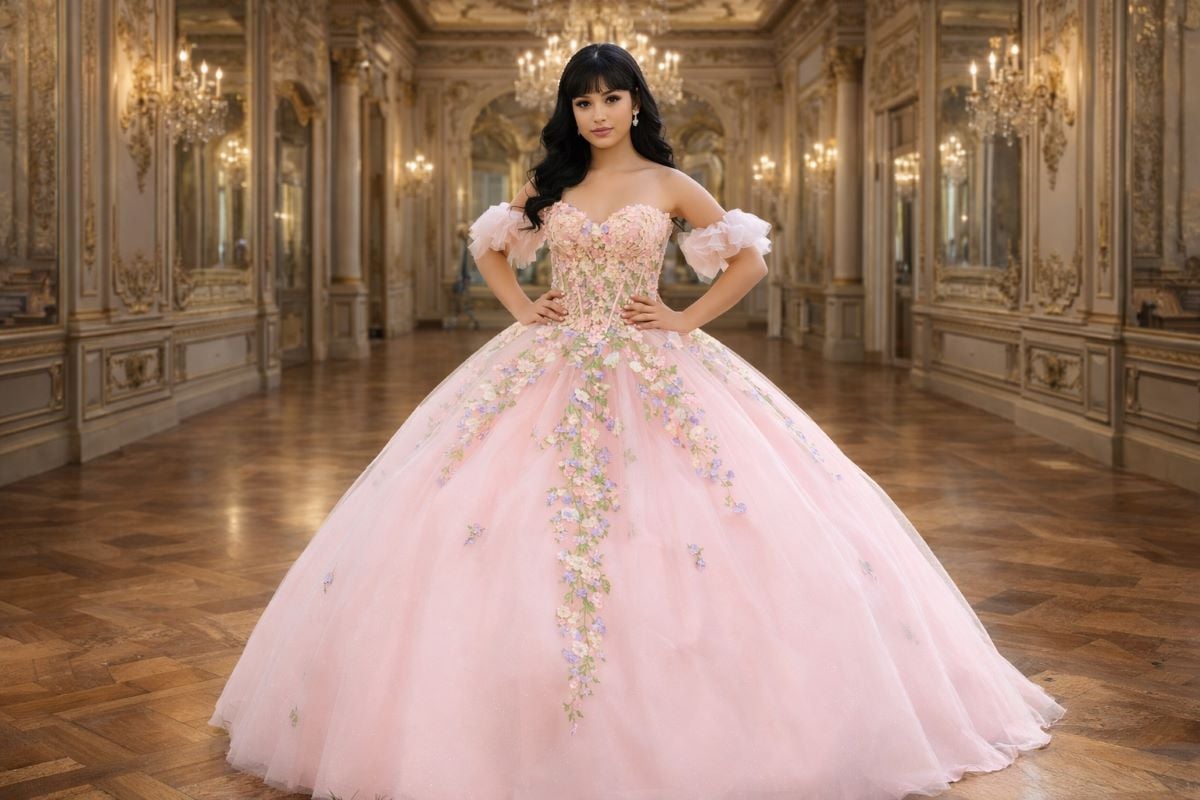
- Pastel Pink: Alongside white, pink has long been recognized as the most iconic hue for traditional quinceanera dresses. Soft blush tones and vibrant rose shades represent youth, joy, and the fleeting sweetness of adolescence. Choosing a pink gown honors decades of cultural history while allowing the celebrant to radiate youthful elegance.
- Bold Regional Colors: Beyond these softer hues, there is a rich history of regional influence, particularly seen in traditional Mexican quinceanera dresses. These specific designs often incorporate bolder colors like deep reds, emerald greens, and vibrant golds. A beautiful example of this cultural depth is found in Charro quinceanera dresses. These gowns pay homage to Mexican equestrian traditions, often featuring striking contrasting colors, heavy fabrics, and elaborate metallic stitching.
Vintage Fabrics and Intricate Details
The texture and detailing of a gown are what elevate it from a simple formal garment to a wearable masterpiece of cultural expression. For those drawn to vintage quinceanera dresses, the selection of fabric is paramount. Traditional gowns heavily rely on opulent textiles that command attention and hold heavy embellishments beautifully without losing their structural integrity over the course of the event.
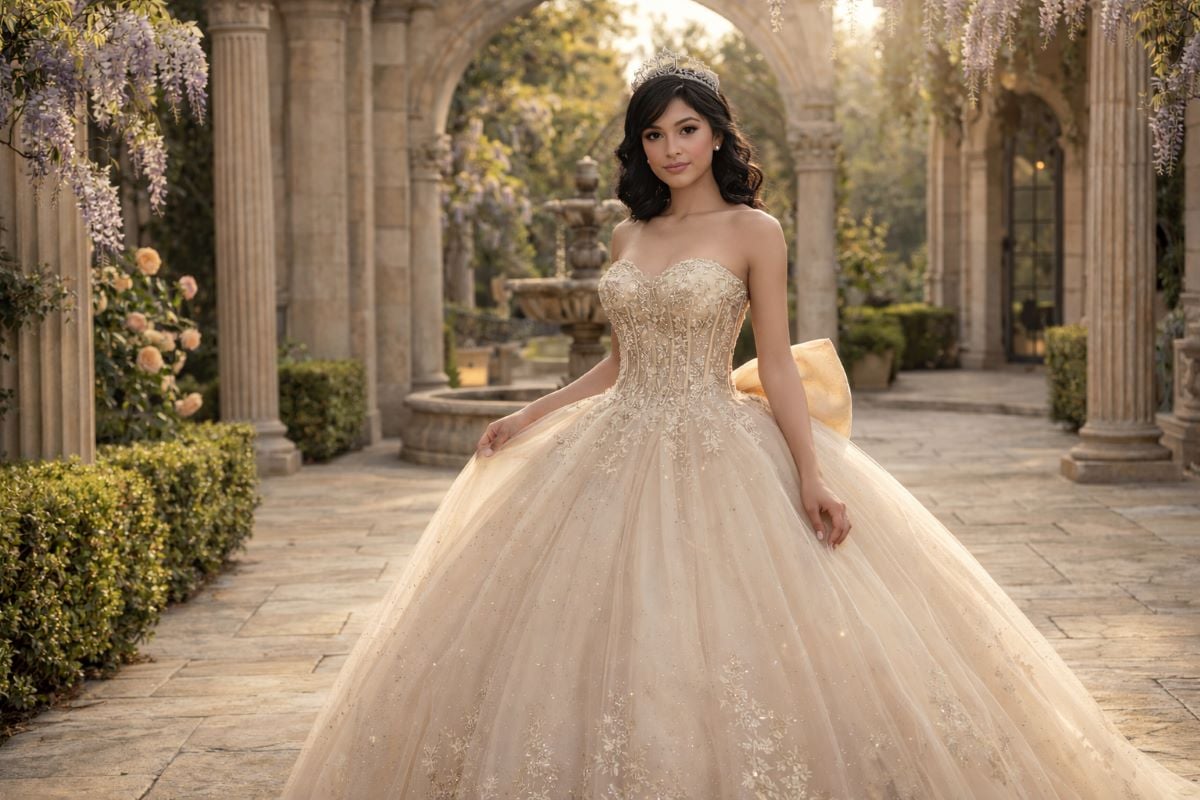
Embroidery serves as a cornerstone of classic design. Elaborate, hand-placed floral motifs or metallic threading are frequently seen adorning the bodice and cascading gracefully down the skirt. These embroidered quinceanera dresses often reflect generational artistry, creating a garment that feels like a treasured family heirloom. Additionally, the incorporation of intricate lace designs adds a layer of timeless romance. Lace appliques, whether subtle or entirely covering the bodice and sleeves, soften the structure of the gown and provide a delicate, feminine touch.
Necklines also contribute significantly to the traditional aesthetic. While sweetheart and high-neck options are incredibly popular, off-shoulder silhouettes hold a special place in classic formal fashion. This neckline offers a regal, princess-like quality that frames the face and shoulders elegantly.
Perfecting the Fit for Every Body Type
A common misconception is that a voluminous ball gown overwhelms certain body types. In reality, traditional quinceanera dresses are universally flattering when crafted with precision. The key lies in the structural integrity of the bodice and the exact placement of the waistline.
For young women with a pear-shaped figure, the classic ball gown is ideal, as the voluminous skirt gracefully flows over the lower body while the corset highlights a defined waist. For those with a broader bust or apple shape, a gown with a supportive sweetheart neckline and firm boning provides excellent structural support, drawing the eye upward. Jovani’s masterful tailoring ensures that every dress is designed not just to sit on the body, but to mold to it, allowing every girl to feel like royalty regardless of her shape.
Accessorizing the Traditional Gown
A traditional quinceanera dress is rarely worn on its own; it is part of a larger ensemble of highly symbolic accessories. The most prominent is the Corona (Tiara). Placed on her head by her parents, the tiara signifies that she is a princess before God and her family.
Other traditional accompaniments include a religious medal or cross necklace, signifying faith, and matching formal gloves, which add a layer of vintage, aristocratic elegance to the overall look. When selecting these accessories, it is crucial to ensure they complement rather than compete with the gown. For instance, heavily embroidered quinceanera dresses pair best with simpler, elegant jewelry, whereas a classic, unadorned satin ball gown provides the perfect canvas for a dramatic, sparkling tiara.
Modesty for Religious Ceremonies
A central and deeply significant component of many traditional celebrations is the Thanksgiving Mass (Misa de Acción de Gracias) held at a Catholic church. This sacred environment often requires a thoughtful approach to attire, prioritizing respect and solemnity. When selecting a traditional quinceanera dress, families must consider how the gown will transition seamlessly from the quiet reverence of the altar to the joyous energy of the reception.
Many classic gowns are designed specifically with this transition in mind, incorporating elegant solutions for the church service. Embracing modest styles does not mean sacrificing beauty, volume, or grandeur. In fact, features such as illusion sleeves, high lace necklines, or matching bolero jackets are deeply rooted in the sartorial history of the event. These elements provide the necessary coverage for the religious mass while adding an air of sophisticated grace. Jovani excels in creating designs that honor these requirements flawlessly, offering coordinating capes, removable long sleeves, and higher necklines that look entirely intentional rather than like an afterthought.
The Shopping and Fitting Timeline
Because traditional quinceanera ball gowns require intricate construction and layers of premium fabric, the shopping process must begin much earlier than a standard formal event. It is highly recommended to start visiting authorized boutiques 9 to 12 months before the event.
This extended timeline is vital for several reasons. First, ordering a designer gown takes time, as each piece is crafted with meticulous attention to detail. Second, the structural nature of corset bodices and massive skirts demands precision alterations. A traditional dress may require multiple fittings to ensure the hem is perfect for the traditional waltz (preventing any tripping over the voluminous tulle) and that the bodice supports the wearer comfortably for a full 12-hour celebration.
Traditional Dress FAQs
1. What makes a traditional quinceanera dress different from a standard formal gown?
Traditional quinceanera dresses are specifically conceptualized for a monumental coming-of-age ceremony. They typically feature significantly more volume in the skirt, robust structural boning in the bodice to support that weight, and ornate, culturally significant embellishments like Charro embroidery or classic lace detailing. They are crafted to be the singular focal point of a grand event.
2. What are the most traditional colors for a quinceanera?
Historically, stark white and light pastel pink are the most classic choices. White symbolizes purity, while pink represents the fleeting sweetness of youth. However, traditional Mexican styles also frequently utilize deep reds and vivid blues accompanied by metallic gold or silver embroidery to reflect rich regional heritage.
3. How do I manage such a heavy dress during the Baile Sorpresa (Surprise Dance)?
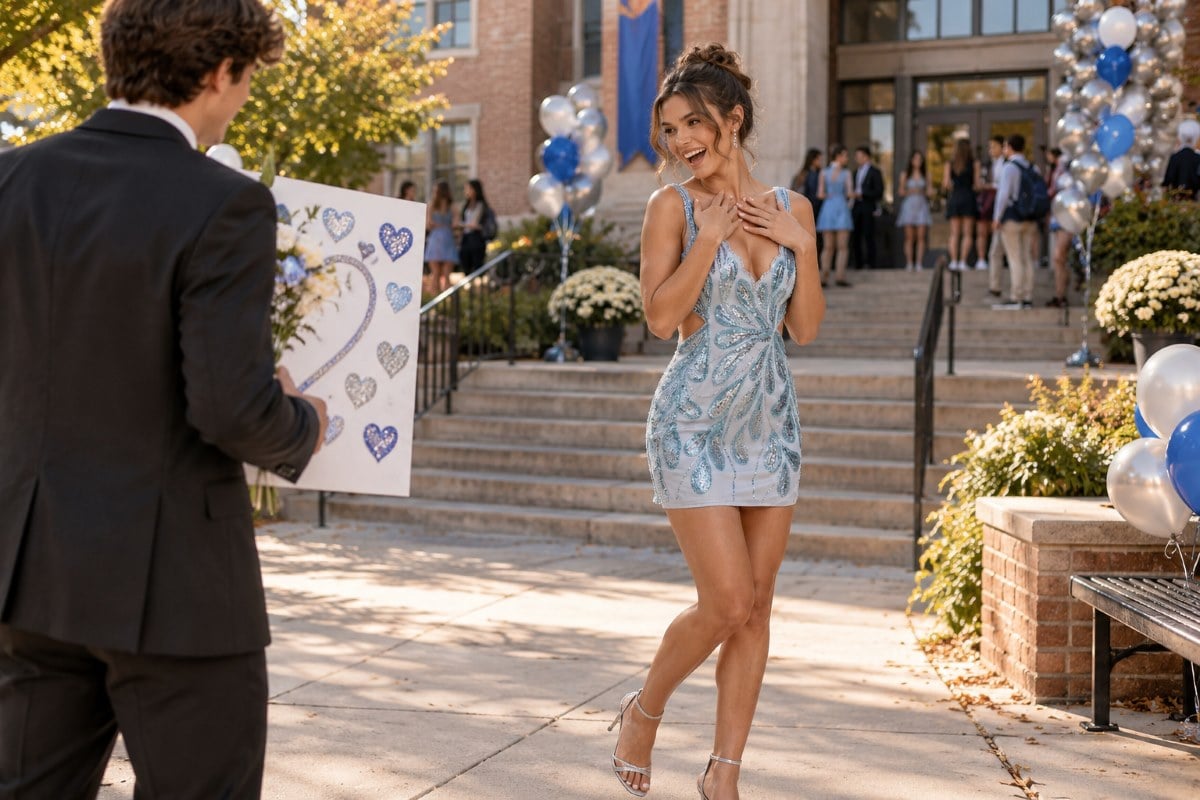
While the traditional waltz is performed in the full ball gown, many modern quinceaneras opt to change into a lighter, shorter dress for the choreographed surprise dance. However, for those who wish to stay in their traditional gown, a properly tailored fit and a well-adjusted crinoline are essential to allow for movement.
4. Can a traditional quinceanera dress also feature modern design elements?
Absolutely. The defining factors of classic sweet 15 dresses are the voluminous silhouette and the high-quality craftsmanship. By choosing a gown with a timeless ball gown shape and a structured corset bodice, you capture the traditional essence perfectly. Modernity can then be introduced through contemporary fabric textures or subtle, modern shifts in the neckline.