

The moment your daughter says yes to her soulmate, a beautiful journey begins for the entire family. Amidst the flurry of venue tours and floral arrangements, a significant fashion question inevitably arises: what color should the mother of the bride wear? This isn’t just about picking a dress; it’s about choosing a shade that honors the occasion, complements the wedding aesthetic, and makes you feel exceptionally confident as you welcome guests and stand by your daughter’s side.
What color does the bride’s mother wear? There is no single traditional shade. Navy, silver, champagne, emerald, plum, and soft neutrals are all standard choices, and the right one depends on the bride’s palette, the season, and your own complexion. The only firm rules are to avoid white and anything close to it, avoid the exact shade the bridesmaids are wearing, and confirm your choice with the bride before you buy.
Start with the Bride’s Color Palette
Before you start looking at fabrics or silhouettes, the first answer must come from the bride herself. This is a foundational part of mother of the bride color etiquette. While it is your moment too, the bride likely has a specific visual story in mind.
Ask her for a swatched palette or a mood board. Does she envision a soft, romantic atmosphere with pastels? Or is she planning a high-contrast, black-tie gala? Knowing her vision narrows the field before you spend a single afternoon shopping. A practical habit that saves everyone time is to send her photographs of the two or three dresses you are considering, so she can react to real options rather than describe an idea. The wider rules of mother of the bride dress etiquette cover how much input to ask for and when.
It is also common courtesy to share your color choice with the mother of the groom once you have narrowed it down. This prevents any unintentional clashing and ensures the two most important women in the room look like a unified part of the family.
Coordinating with the Wedding Party
One of the trickiest parts of the decision is making sure you don’t look like a lost bridesmaid. You want to complement the bridal party without wearing the exact same shade. If the bridesmaids are in dusty rose, a deep burgundy or a sophisticated mauve keeps you connected to the palette while staying clearly distinct. This level of coordination is what makes group photographs look balanced rather than accidental.
The simplest method is to stay in the same color family but change the depth, or move to the shade sitting opposite the bridesmaids on the color wheel. Both approaches read as intentional. This table shows how that works with the palettes brides choose most often.
| If the bridesmaids wear | Consider wearing |
|---|---|
| Dusty rose or blush | Deep burgundy, mauve, or pewter |
| Sage or eucalyptus green | Soft gold, bronze, or warm plum |
| Navy or slate blue | Silver, charcoal, or muted copper |
| Terracotta or rust | Olive, deep teal, or warm taupe |
| Lavender or lilac | Eggplant, slate blue, or dove gray |
| Emerald or forest green | Gold, ivory-free champagne, or deep berry |
Many mothers also succeed with a quiet neutral. Charcoal, sand, taupe, and dove gray give the bride’s white gown room to stand out while still photographing beautifully. Neutrals do come with one condition, covered further down, so read the section on colors to avoid before you commit to a pale shade. Whichever direction you take, the full range of mother of the bride dresses is the place to see how each family of shades behaves in person.

Timeless Choices: Blue and Silver
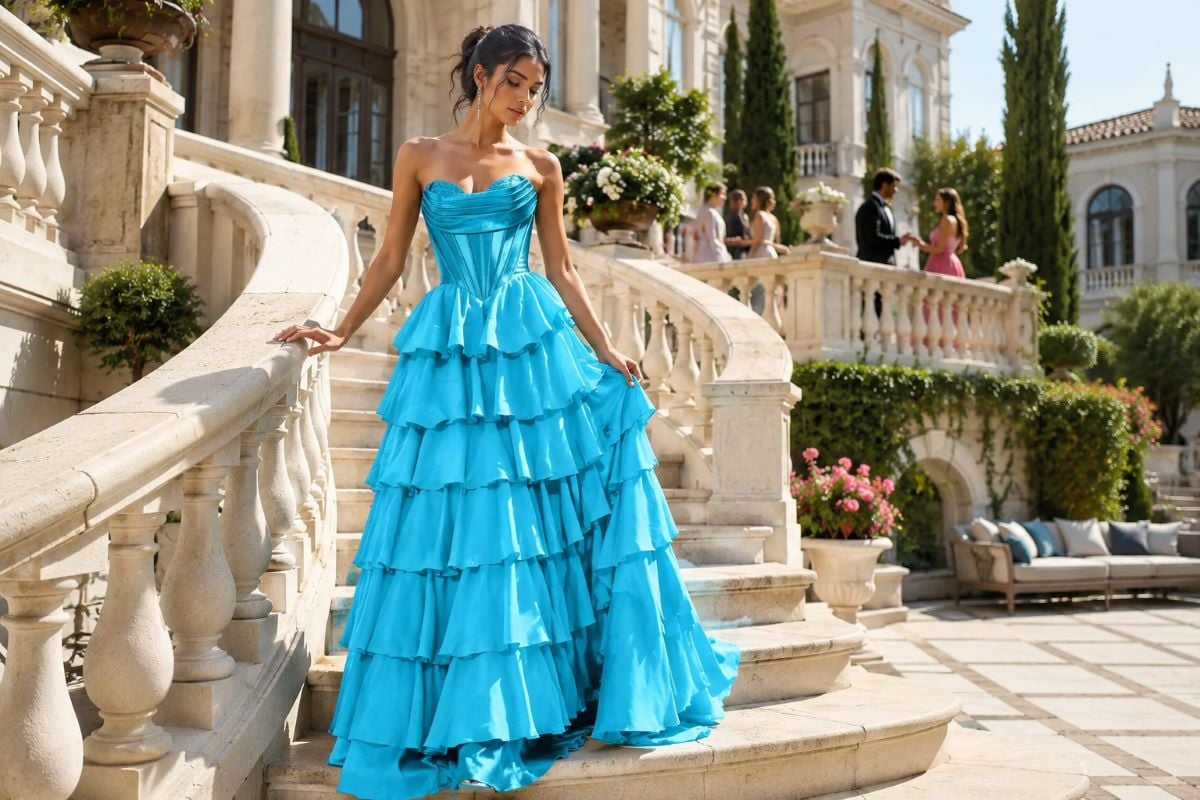
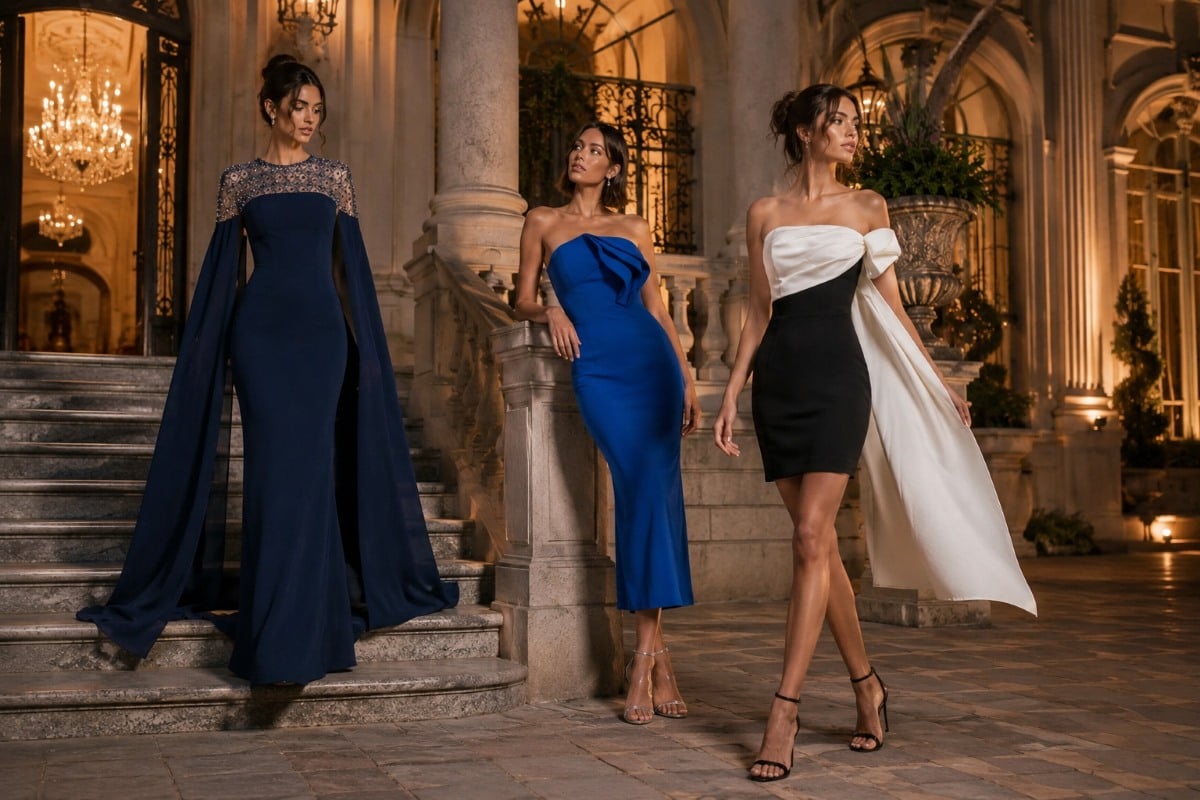
If you are still weighing options, you can almost never go wrong with the blue family. Blue is a regal, calming color that suits nearly every skin tone and venue type. From a bright royal blue for a summer wedding to a deep, authoritative navy for an evening affair, blue mother of the bride dresses are a consistent favorite for a reason. Navy in particular is one of the two shades mothers request most, alongside blush.
Similarly, silver has become a modern classic. Unlike white or ivory, which are strictly reserved for the bride, silver provides that festive, celebratory brightness that a wedding demands. Silver mother of the bride dresses act as a metallic neutral, picking up the light in a ballroom and adding a touch of Jovani glamour to your presence. Whether it is a soft dove gray or a shimmering metallic charcoal, silver is a reliable answer when you want to look radiant without being overly bold.
The Black and Red Debate
In the past, certain colors were considered taboo. Modern color etiquette for the bride’s mother has evolved significantly, and both of these now depend on the wedding rather than on tradition.
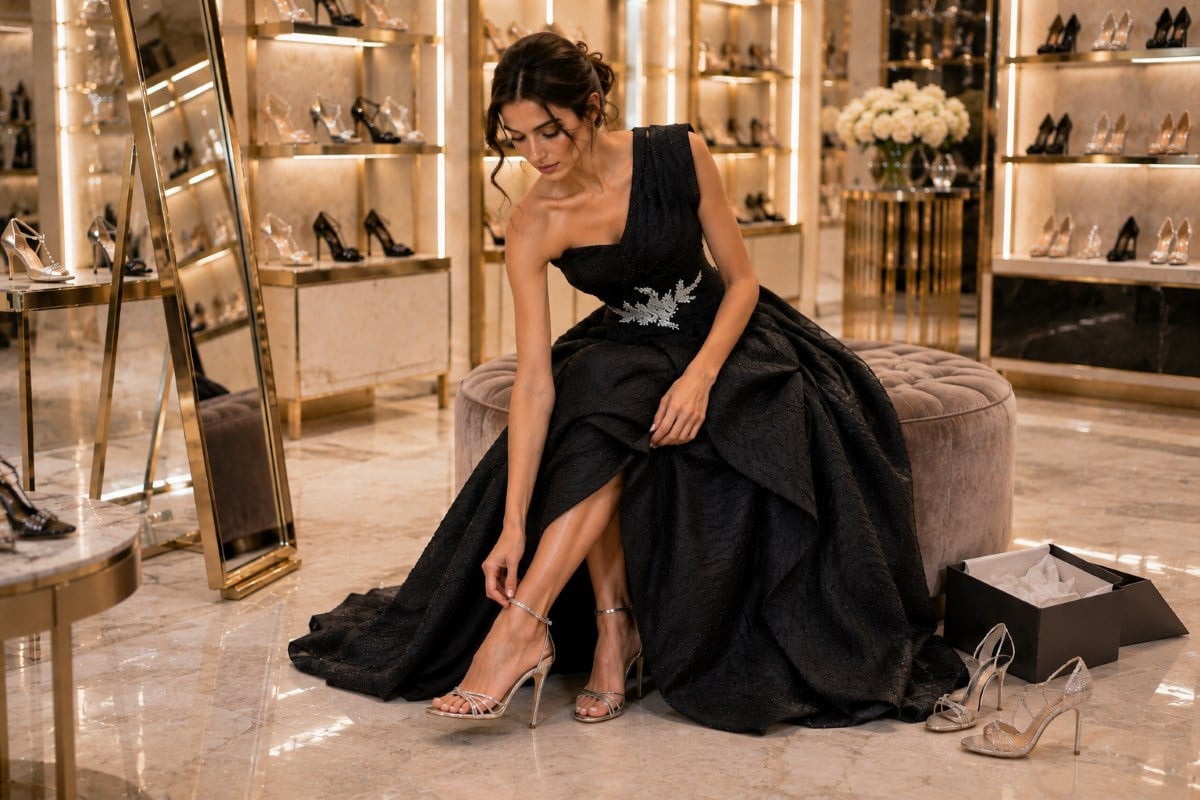
Can you wear black? For evening, winter, or urban weddings, black mother of the bride gowns are the height of sophistication. Black is slimming, timeless, and serves as the perfect canvas for hand-sewn Jovani beadwork. Just ensure the silhouette feels celebratory and formal, rather than somber.
The full answer depends on the venue, the season, and the culture of the families involved, and our dedicated guide on whether the mother of the bride can wear black works through each of those factors.
What about red? Red is a high-energy color. If you have a bold personality, a deep wine or cranberry can be breathtaking. We usually recommend staying away from fire-engine red unless the bride specifically requests it, since it can dominate the photographs and, at some weddings, carries meaning of its own. When choosing these bolder shades, always check back in with the bride to make sure the mood matches her expectations.

Colors the Mother of the Bride Should Avoid
Only a short list of shades is genuinely off limits, and white leads it. White, ivory, and cream belong to the bride, and no venue or dress code changes that. The rule extends further than most mothers expect, because very pale champagne, blush, and oyster can photograph as ivory under flash, which is the moment guests start double-taking. If you love a pale neutral, choose one with real warmth, texture, or sheen rather than anything chalky, and hold it next to a white fabric in daylight before you buy. A deeper taupe or a burnished champagne carries the same softness without the risk. Our companion guide on what the mother of the bride should not wear covers the rest of the faux pas beyond color.
The second shade to skip is the exact bridesmaid color. Matching them precisely is the fastest way to disappear into the lineup in every group photograph, which is the opposite of what the day calls for. Stay in the family, change the depth, and you keep the connection without the confusion. Fire-engine red is the third, for the reason described above, and a bride wearing a heavily patterned gown is a fourth signal to keep your own dress solid.
Culture shifts these rules more than most guides admit, since red, white, and black carry different meanings at Chinese, Indian, and traditional European weddings. Our separate breakdown of mother of the bride dress color rules handles those traditions in detail.
Coordinating with the Mother of the Groom
The two mothers are not expected to match, and matching usually looks staged rather than intentional. The goal is harmony: two shades that sit comfortably in the same photograph and both belong to the wedding palette. Traditionally the bride’s mother chooses first and shares her decision, then the groom’s mother selects something complementary.
Make that call early, before either of you has bought anything, and keep it friendly rather than formal. A single message with a photograph settles the question in minutes. If she is leaning toward a shade you both like, one of you can shift the depth instead of the color entirely. For a common example of how that conversation goes, see our guide on whether the mother of the groom can wear blue.
Seasonal Influences on Color Selection
The time of year is a major factor in this decision. Natural light changes with the seasons, and your dress should reflect that shift. For spring and summer, think light, airy, and refreshing, which means soft greens, peaches, and lavender do their best work. If you are attending an outdoor ceremony, chiffon gowns in pastel tones allow the fabric to breathe while catching the gentle sunlight, and our guide to the spring mother of the bride dress goes deeper on warm weather shades.
Fall and winter are the time for depth instead, when emerald, plum, and copper come into their own. For colder months, beaded mother of the bride styles add a layer of texture and perceived warmth that fits the mood of a cozy indoor reception.
The season often dictates the weight of the color. A pale mint might look washed out in a dark winter ballroom, while a heavy velvet navy might feel oppressive at a July garden party. Matching your shade to the environment is what separates a polished look from a merely correct one, and our guide to mother of the bride dresses for winter weddings shows how that plays out in the coldest months.
How Fabric and Skin Tone Change a Color
Even the most beautiful shade can fall flat if it doesn’t work with your complexion. Undertones decide more than the color name does. If you have cool undertones, you will shine in silver and jewel tones. If you have warm undertones, gold and earthy shades will make your skin glow. Our guide to the best dress colors for your skin tone explains how to identify your undertone in a minute using daylight and a plain white sheet of paper.
Fabric completely changes how a color is perceived. A shade that looks matte on crepe can look electric on satin. For instance, satin mother of the bride dresses have a high-shine finish that makes jewel tones look rich and expensive, while the same tone in crepe reads quieter and more restrained. Hand-sewn beading and crystals add a third layer, since they catch light independently of the base color and lift a dark gown in evening photographs.

Gold as a Mother of the Bride Color
For the mother who wants a truly regal presence, gold is the ultimate choice. It is a color that signifies celebration and milestone achievements, and it works exceptionally well for weddings with warm lighting or historic, ornate venues. Gold pairs beautifully with almost any bridal gown, from pure white to vintage cream, and it sidesteps the pale neutral problem entirely because no one mistakes it for bridal.
When to Finalize Your Color
Timing matters as much as the shade. Finalize your color two to three months before the wedding, once the bridal party palette and the dress code are confirmed and unlikely to change. Deciding earlier than that usually means redoing the decision when the bride adjusts her scheme, and deciding later leaves no room for alterations. Our guide on when the mother of the bride should buy her dress maps the full timeline around that window.
Finalizing Your Look
As you close in on a decision, remember that the right color is the one that makes you smile when you see your reflection. Whether you choose a dramatic mermaid silhouette in a bold emerald or a classic A-line in a soft neutral, the confidence you project is what truly matters. If you want a second angle on the same question, our companion piece on choosing the right shade for her dress approaches it from the dress outward rather than the palette inward.
Quality construction is also a hidden color element, because a well-fitted dress in a mediocre shade will always look better than a poorly fitted dress in a great one. Jovani builds structured bodices with steel boning and runs multiple quality inspections before a gown ships, so the dress holds its line from the walk down the aisle to the final dance.
Your Signature Moment
Ultimately, this decision sits at the intersection of tradition, the bride’s vision, and your own joy. You are a central figure in this story, and your attire should reflect that honor. When you have narrowed the palette to two or three shades, visit an authorized Jovani retailer to see them in person and under real light before you decide.
Mother of the Bride Dress Color Questions
Is there a traditional mother of the bride dress color?
No. There is no single traditional shade for the bride’s mother. Navy and blush are the two most requested, with silver, champagne, emerald, and plum close behind, but the right choice depends on the wedding palette, the season, and your complexion rather than on custom.
What colors should the mother of the bride avoid?
Avoid white, ivory, cream, and any pale neutral that could photograph as ivory under flash. Also skip the exact shade the bridesmaids are wearing, and be cautious with fire-engine red unless the bride has asked for it.
Should the mother of the bride match the bridesmaids?
Coordinate rather than match. Choose a shade in the same family at a different depth, or one that sits opposite the bridesmaid color on the color wheel. Matching them exactly makes you blend into the lineup in group photographs.
Can the mother of the bride wear black?
Yes, particularly at evening, winter, and formal city weddings, where black reads as sophisticated rather than somber. Keep the silhouette celebratory, and check with the bride first, since some families and cultures still prefer to avoid it.
Should the two mothers wear the same color?
No. They should complement each other rather than match. The bride’s mother traditionally chooses first and shares her shade, and the groom’s mother then picks something that sits comfortably beside it in photographs.
When should the mother of the bride choose her dress color?
Two to three months before the wedding, once the bridal party colors and the dress code are locked in. That leaves enough time for alterations without risking a change to the palette after you have already bought the gown.