
A wedding is a monumental milestone, not just for the couple exchanging vows, but for the parents who have guided them to this moment. As the mother of the bride, your role on this day is deeply significant. You act as a gracious host, a source of comfort, a key figure in family photographs, and a steadfast anchor for your daughter. Naturally, you want to look and feel your absolute best. However, alongside the joy of the occasion comes the inevitable question of attire, which often brings a surprising amount of anxiety. The most common source of this stress usually revolves around navigating the complex landscape of mother of the bride dress color rules.
For decades, selecting the right gown was bound by rigid traditions and unspoken guidelines. Today, the landscape of formalwear has evolved beautifully, offering more freedom, creativity, and personal expression. Yet, with this newfound freedom comes the need for a nuanced understanding of how to select a hue that honors the occasion, flatters your complexion, and aligns seamlessly with the wedding’s aesthetic. Making the right choice requires balancing personal taste with the overarching theme of the celebration.
At Jovani, we believe that understanding these color guidelines should not feel restrictive. Instead, these rules serve as a brilliant framework to help you narrow down your choices and find a gown that makes you feel spectacular. As the definitive resource for evening and formal wear, we have structured this Pillar Guide to cover every imaginable aspect of mother of the bride dress etiquette. Through expert design, premium fabrics, and an unparalleled understanding of the female silhouette, our collections are created to celebrate this milestone with you.
This comprehensive guide will explore every facet of choosing the right shade, from decoding traditional expectations to mastering the art of modern coordination. Whether you are navigating seasonal palettes, understanding the psychology behind certain hues, or learning how to match your skin’s natural undertones, this guide ensures you step into the venue radiating confidence and elegance.
Understanding Traditional Mother of the Bride Dress Etiquette
Before delving into specific color palettes, it is essential to understand how mother of the bride dress color rules intersect with traditional wedding attire etiquette. The mother of the bride sets a standard of elegance that often guides the rest of the family’s wardrobe choices, making her selection a pivotal moment in the wedding planning timeline.
The Hierarchy of Attire Selection
Historically, the mother of the bride has held a distinctive position in the sartorial planning of the wedding. Tradition dictates that she is the first mother to select her gown. This is not merely a matter of hierarchy, but a practical step in establishing the visual tone for the parents’ attire. Once you have chosen your outfit, you gracefully communicate your choice—including the color, length, and level of formality—to the mother of the groom. This collaborative approach allows her to select a dress that is harmonious with the overall aesthetic without clashing or appearing identically dressed.
When you begin your journey through our exquisite mother of the bride gowns, remember that your choice acts as a visual anchor. You are initiating a unified family aesthetic that will be captured in photographs and cherished for generations. Providing the mother of the groom with a fabric swatch or a high-quality photo of your dress can immensely help her in her own shopping journey.
Communication with the Bride
The most crucial rule of etiquette involves the bride herself. Before making any final decisions, a thoughtful conversation with your daughter is paramount. She may have a specific vision for the wedding party, a preferred color palette, or even certain shades she wishes you to avoid. Some brides prefer their mothers to wear a color that matches the groomsmen’s ties, while others want them in a neutral shade that blends into the background of photographs. Respecting her vision while finding a hue that makes you feel radiant is the true essence of wedding day elegance.
The Shopping Timeline
To adhere to proper etiquette and avoid unnecessary stress, it is recommended to begin your dress shopping six to eight months prior to the wedding day. This timeline ensures you have ample time to explore various color options, consult with the bride, and communicate your final choice to the groom’s family. It also provides a comfortable buffer for any necessary tailoring or customizations to guarantee the perfect fit.
The Foundational Steps: What Color Should the Mother of the Bride Wear?
When clients step into a boutique, the very first question they ask the stylist is often, “Exactly what color should the mother of the bride wear?” The answer is rarely a single shade. Instead, it is a spectrum of possibilities determined by a combination of foundational factors.
Analyzing the Bridal Party’s Palette
The primary step in selecting your color is analyzing the bridesmaids’ dresses. As a general rule, your gown should complement the bridal party without matching them perfectly. You want to look like an honored guest and a matriarch, rather than an extension of the bridesmaid lineup. If the bridesmaids are wearing a dusty blue, a deep navy or a soft silver would be an exquisite, complementary choice. If the bridal party is wearing multiple colors or a floral print, look for a solid color that picks up one of the more subtle tones in their dresses.
Factoring in Venue and Formality
The venue and the formality of the invitations dictate the intensity and richness of your color choices. A grand evening affair in a historic ballroom calls for deep, rich jewel tones, sophisticated metallics, or elegant black. Conversely, a morning garden wedding, a vineyard ceremony, or a breezy coastal event invites softer pastels, muted earth tones, or delicate, airy shades. Jovani designers meticulously craft gowns that cater to every conceivable venue, ensuring the color saturation always matches the event’s scale and lighting.
Theme and Decor Considerations
Beyond the bridal party, consider the overarching theme and decor of the wedding. Will the floral arrangements be heavily focused on vibrant, tropical pinks and oranges, or will they lean toward minimalist white and greenery? Selecting a dress color that harmonizes with the floral design and table settings creates a visually spectacular experience for the guests and results in flawless, cohesive wedding photography.
Mastering Skin Tones and Color Theory
A color that looks breathtaking on a hanger must also bring a healthy, radiant glow to your skin. Understanding your skin’s undertones is arguably the most important factor in finding a dress that truly flatters you.
Determining Your Undertone
Skin undertones generally fall into three categories: cool, warm, and neutral. A quick way to determine yours is to look at the veins on your wrist. If they appear blue or purple, you likely have cool undertones. If they appear green, you have warm undertones. If it is difficult to tell, you may have a neutral undertone, which means a wide variety of colors will suit you.
Best Colors for Cool Undertones
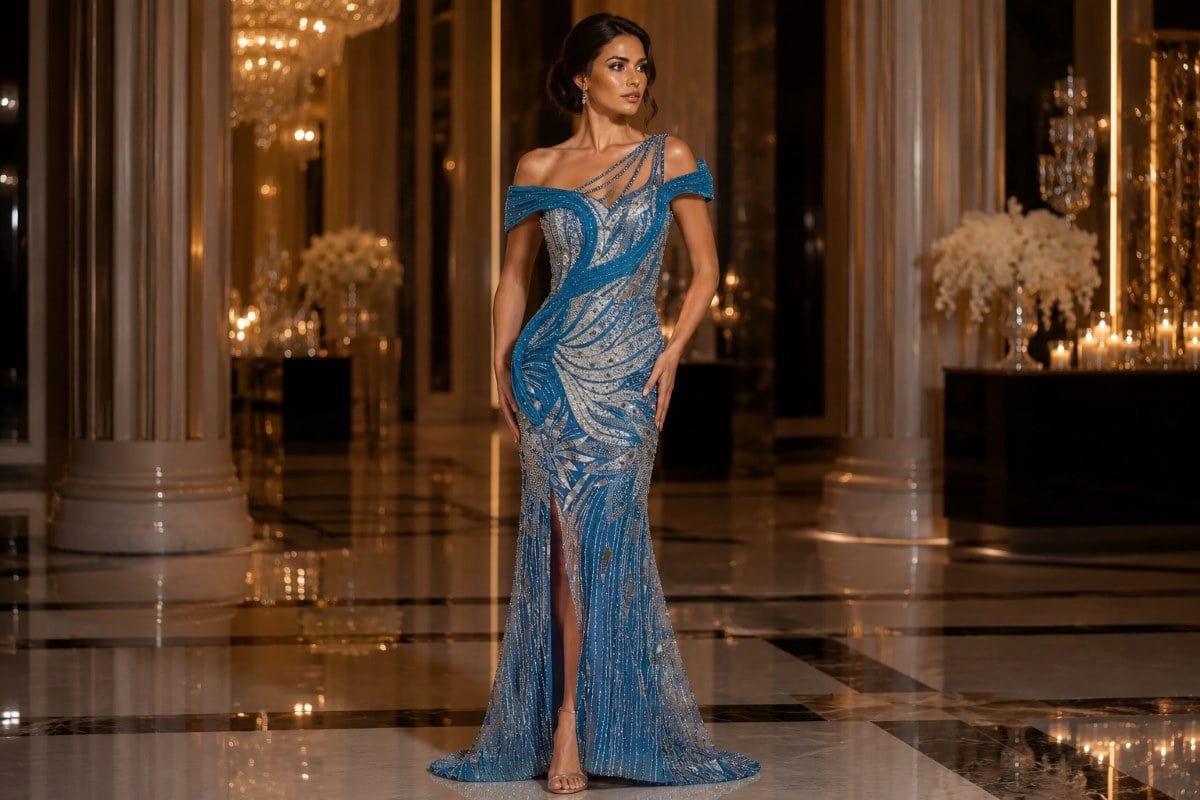
Women with cool undertones (often with fair skin that burns easily, or deep skin with blueish hints) look magnificent in colors inspired by the ocean and winter landscapes. Sapphire blue, emerald green, amethyst, icy blue, and stark magenta are incredibly flattering. When choosing metallics, cool silvers and platinum are far more complementary than yellow golds. Avoid colors with heavy yellow or orange bases, as they can wash out cool-toned skin.
Best Colors for Warm Undertones
If you have warm undertones (often featuring golden, peachy, or olive hints), your skin will glow in earthy, rich colors. Think of autumn leaves and spices: mustard yellow, burnt orange, rich coral, olive green, and warm taupe. Deep reds and burgundies are also spectacular. For metallics, yellow gold, bronze, and copper will beautifully highlight the warmth in your complexion. Icy pastels and stark jewel tones may clash with the natural golden hues of your skin.
Best Colors for Neutral Undertones
Those with neutral undertones are the chameleons of the color wheel. You can successfully pull off most colors, but you will look especially stunning in muted, sophisticated shades like dusty rose, jade green, and medium blues. You can also experiment freely with both silver and gold metallics, depending on your personal preference and the wedding’s overall aesthetic.
The Psychology of Color in Wedding Attire
Colors do more than just look beautiful; they evoke emotions and project specific energies. Understanding the psychology of color can help you choose a dress that not only looks right but feels right for the message you want to convey on this emotional day.
Blue: Trust, Stability, and Calm
It is no surprise that blue is the most popular color for the mother of the bride. Blue subconsciously projects trust, stability, loyalty, and calmness. In a day filled with high emotions and bustling activity, a mother wearing a serene navy or an elegant dusty blue acts as a grounding presence for the bride and the family.
Green: Harmony, Growth, and Renewal
Green is the color of nature, symbolizing harmony, growth, and new beginnings—a perfect sentiment for a wedding. Deep emerald greens project wealth and sophisticated elegance, making them ideal for formal evening events, while lighter sage or mint greens feel refreshing and approachable for daytime affairs.
Pink and Blush: Romance, Warmth, and Nurturing
Pink is universally associated with romance, love, and nurturing. Wearing blush or muted rose communicates a soft, maternal warmth and joy. It is a highly approachable color that softens the features and radiates a gentle, celebratory energy, making it a perennial favorite for spring and summer nuptials.
Red and Burgundy: Passion, Strength, and Confidence
While bright red can sometimes be seen as too attention-grabbing for a traditional Western wedding, deeper shades like burgundy, maroon, or wine project quiet strength, sophistication, and immense confidence. These colors are deeply passionate and look incredibly regal, especially in rich fabrics like velvet or heavy satin.
Exploring Popular Color Categories
While modern fashion allows for endless experimentation, certain color categories remain universally flattering, appropriately respectful of the occasion, and incredibly popular year after year.
Traditional and Enduring Colors
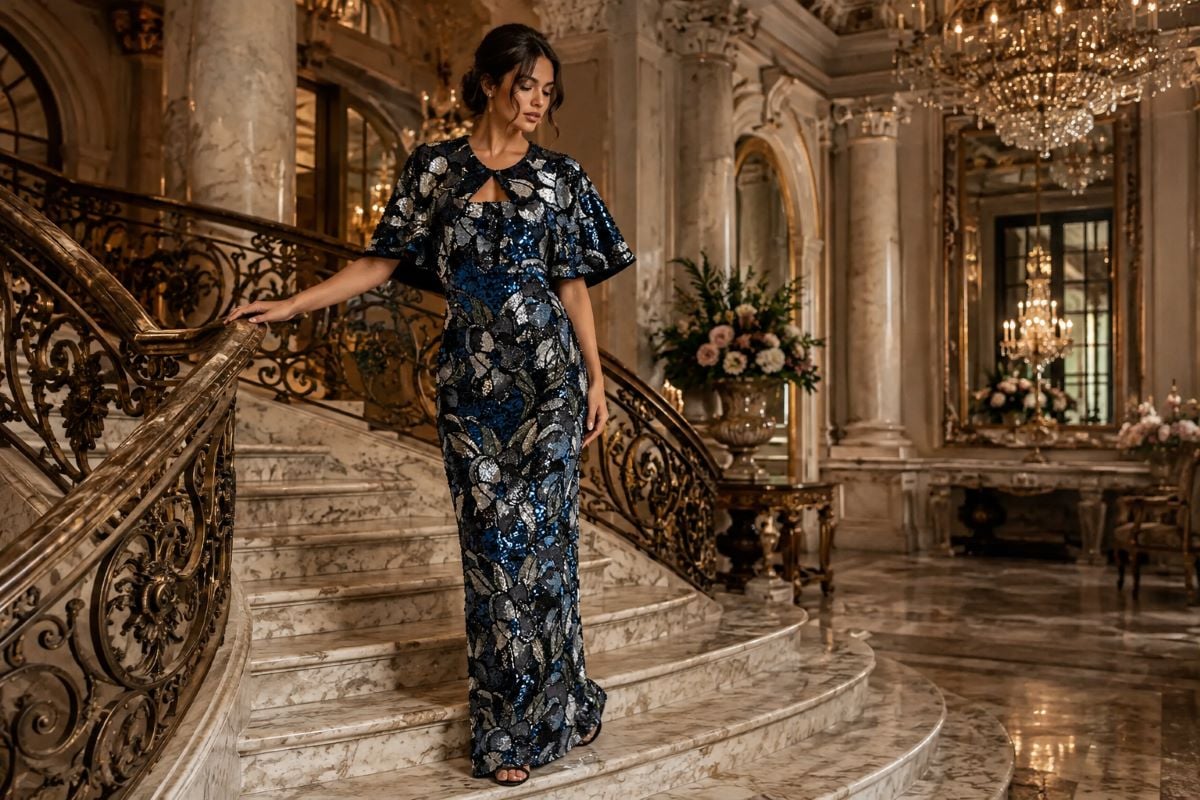
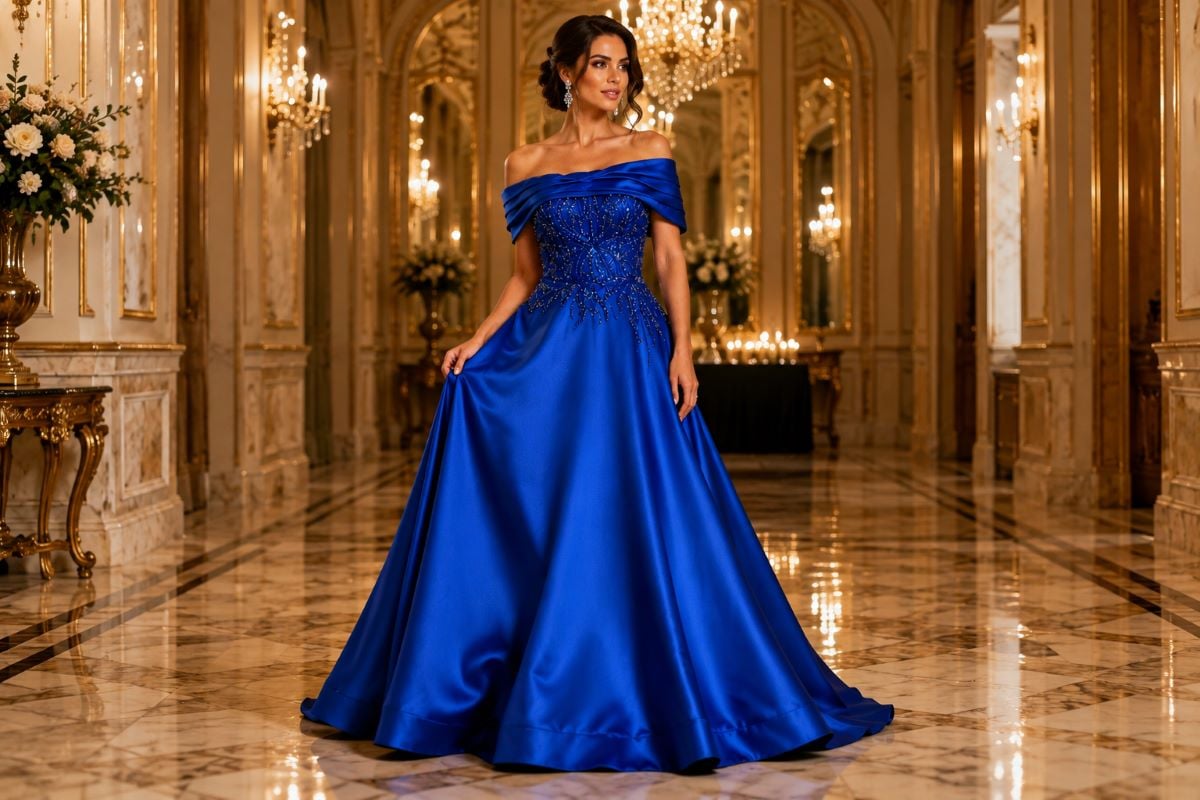
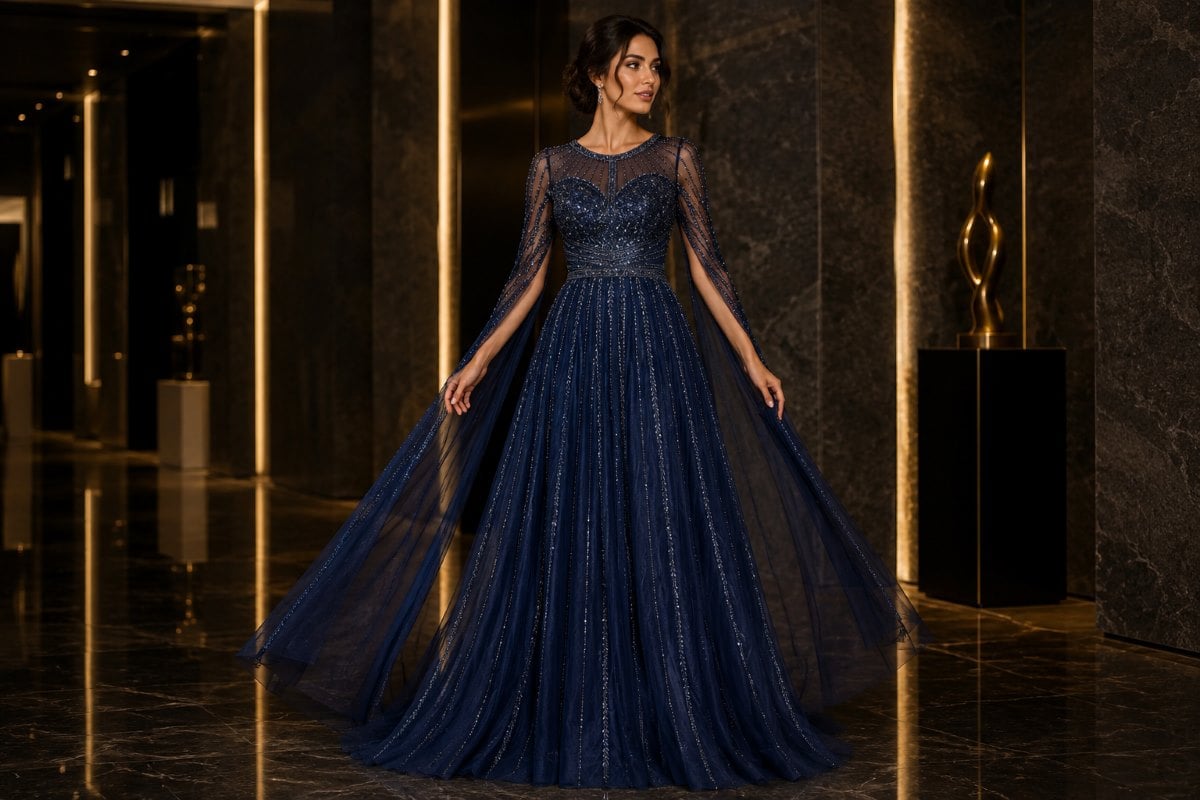
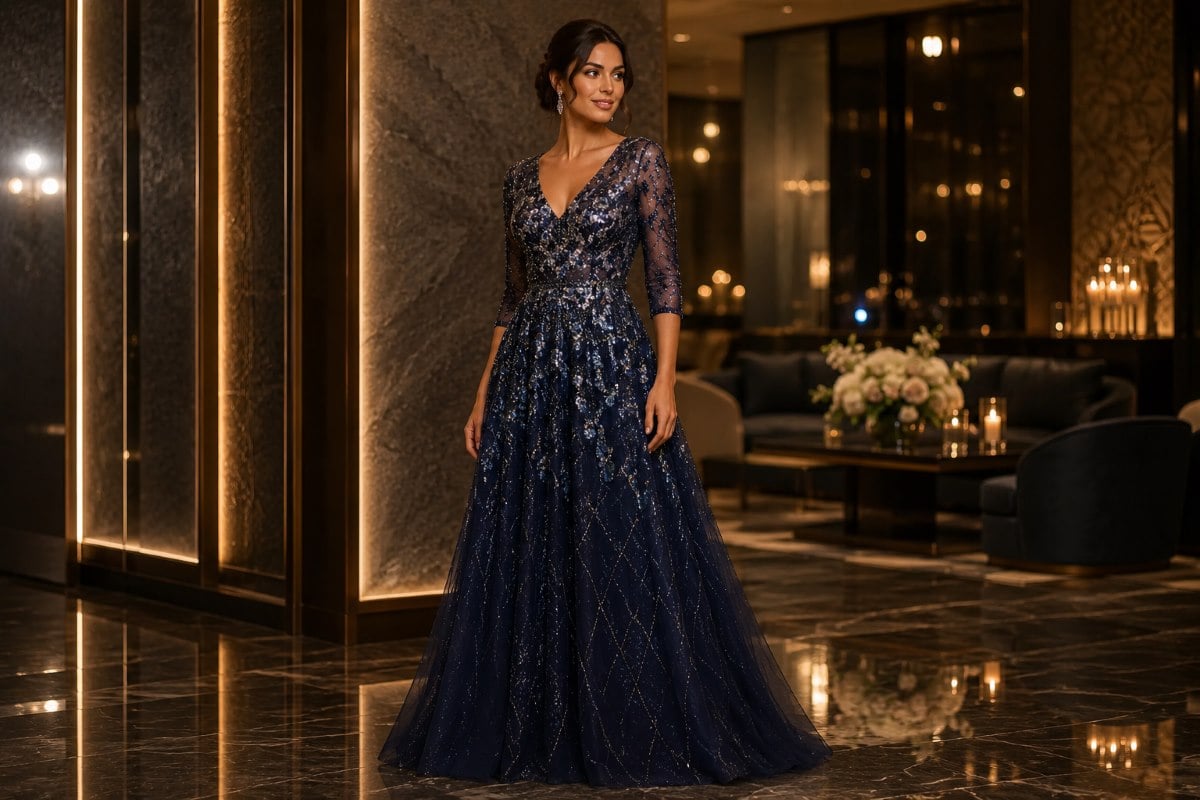
These classics have endured through decades of changing trends because they photograph exceptionally well and suit almost any venue. Navy blue is perhaps the most universally beloved color. Often considered the “new black” for weddings, it offers visually slimming and sophisticated effects with a softer, more approachable edge. Jovani’s collections frequently feature elegant blue mob options, ranging from deep midnight hues in rich velvet to lighter marine blues in flowing chiffon.
Blush pink, muted rose, plum, aubergine, and deep burgundy represent other traditional mother of the bride colors. Blush exudes warmth and femininity, while deep burgundy carries an inherent sense of regal maturity. These colors have stood the test of time and offer a fail-safe option for mothers who want a guaranteed look of elegance.
The Great Debate: Can the Mother of the Bride Wear Black?
For generations, wearing black to a wedding was considered a faux pas, often associated with mourning or disapproval. However, modern fashion has dramatically shifted, leading to the frequent question: can the mother of the bride wear black?
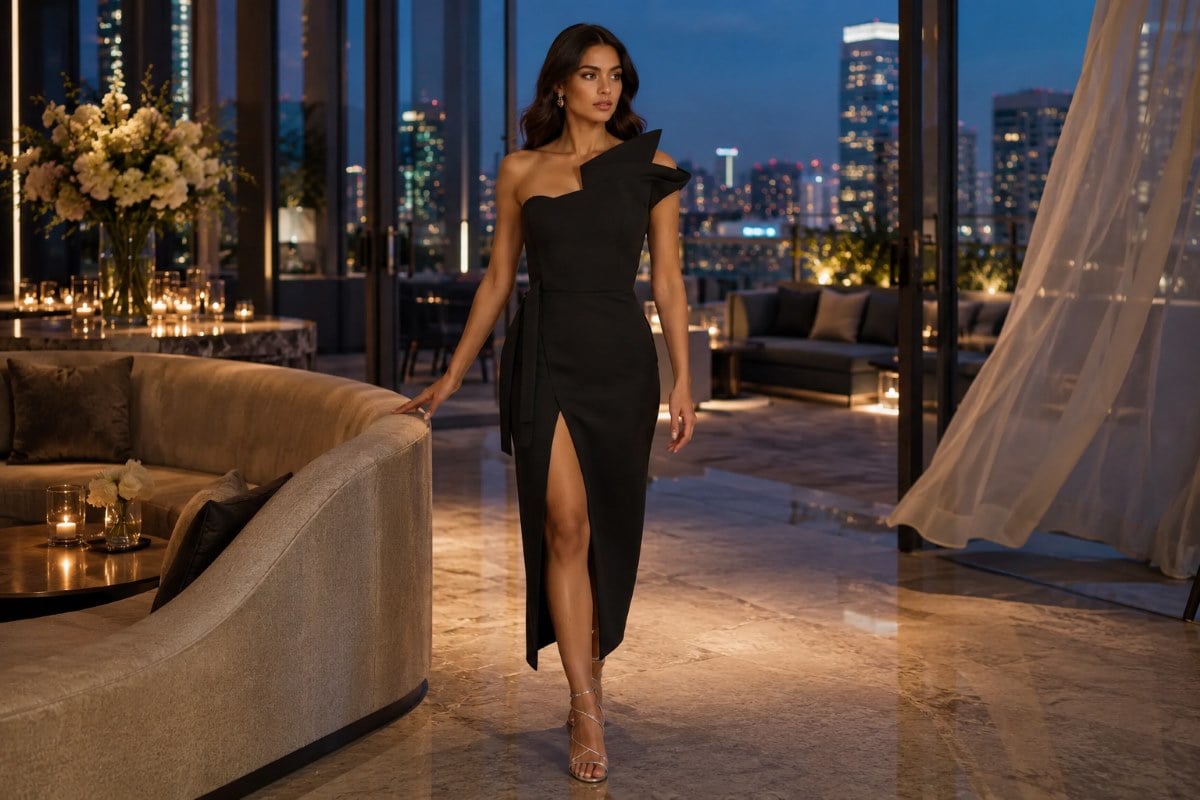
Today, the answer is a resounding yes, provided the context is appropriate. If the wedding is a formal, black-tie evening event held in an upscale venue like a luxury hotel or a museum, a black mum of the groom dress is not only acceptable but expected. It exudes chic sophistication and provides a stunning contrast to a white wedding gown in photographs. For daytime or rustic affairs, however, black may appear too harsh. Always confirm with the bride to ensure a dark hue aligns with her vision for the event.
Navigating Neutrals: White, Ivory, Champagne, and Nude
One of the most steadfast mother of the bride dress color rules is simple and non-negotiable: do not wear white. White, ivory, and any shade easily mistaken for a bridal gown are reserved exclusively for the bride. Attempting to wear these colors can be seen as an attempt to upstage the bride.
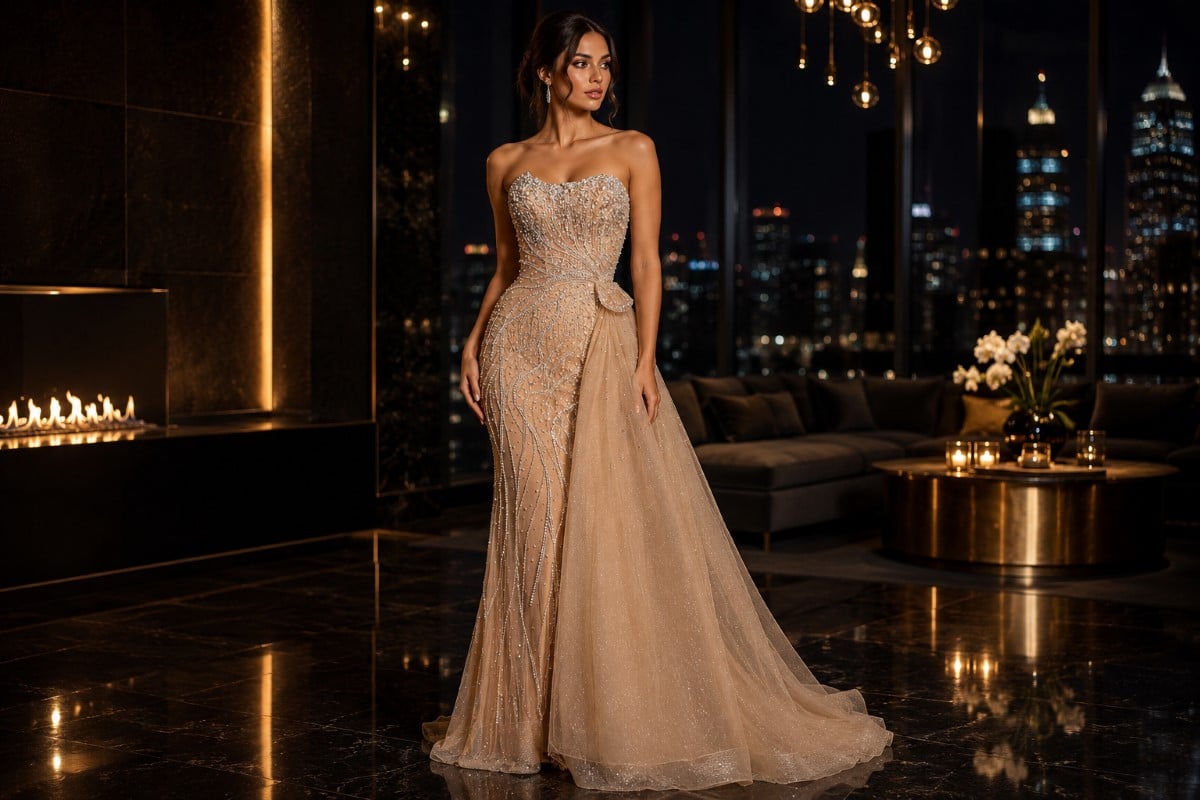
However, the broader category of warm neutrals has become incredibly popular for minimalist and modern weddings. Shades of champagne, taupe, mocha, and nude are sophisticated and understated. When styled correctly, nude mother of the groom gowns offer a sleek, contemporary look. The key is ensuring the dress does not read as “bridal.” Jovani achieves this distinction through expert tailoring, modern crepes, or intricate geometric sequins that firmly place the garment in the eveningwear category.
Metallic Hues for Evening Elegance
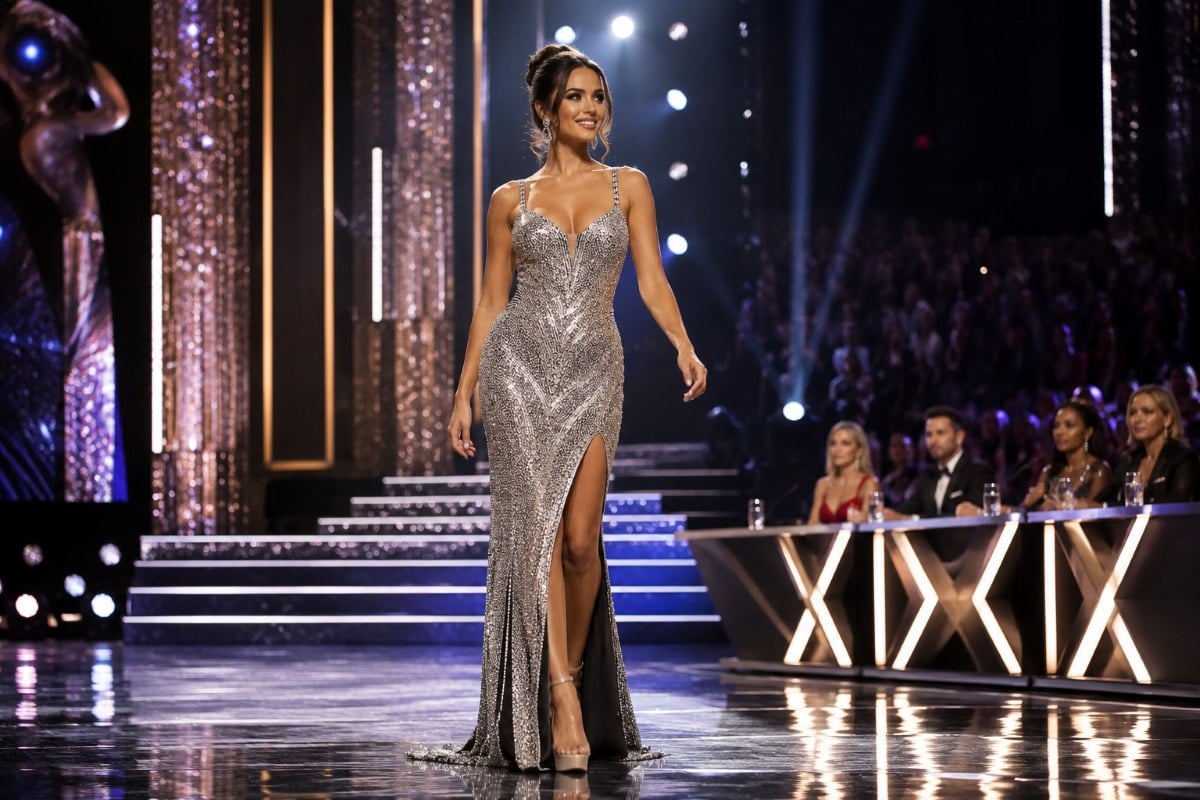
For mothers who wish to bring a touch of glamour to the celebration, metallic hues are an exceptional choice. Silver works beautifully for daytime or winter wonderland weddings, while deeper pewter and soft, matte gold exude luxury without being overly flashy. Metallics inherently feel festive and catch the light beautifully on the dance floor. Rose gold has also emerged as a highly sought-after shade, offering the luxurious warmth of gold mixed with the romantic softness of blush.
Cultural and Regional Color Traditions
In our increasingly diverse world, weddings often blend multiple cultural backgrounds. Understanding cultural color symbolism is vital to ensure your dress is both beautiful and deeply respectful.
Asian Wedding Traditions
In many Asian cultures, particularly Chinese and Indian weddings, red is the traditional color of the bride, symbolizing good luck, joy, and prosperity. Therefore, the mother of the bride should avoid wearing bright red to prevent competing with the bride. Additionally, black and stark white are often associated with mourning and funerals in these cultures and should be strictly avoided. Instead, mothers often look stunning in warm jewel tones, deep purples, elegant golds, and rich greens.
Western and European Traditions
While avoiding white is universal in Western cultures, European weddings sometimes have nuanced views on colors like black. In some traditional European communities, black is still heavily frowned upon for weddings, regardless of the formality. If you are attending a culturally traditional European wedding, it is safer to opt for a deep navy or a rich plum if you desire a dark, slimming color.
Tropical and Destination Weddings
If the wedding is taking place in a tropical destination or Latin American culture, vibrant, joyous colors are often highly encouraged. Bright corals, turquoise, and lively floral prints are celebrated. In these contexts, wearing overly dark or muted colors might feel out of sync with the celebratory, vibrant cultural atmosphere.
Advanced Styling and Coordination
Selecting the color is only the first step. Understanding how to coordinate that hue with the rest of the wedding and your chosen dress structure is what creates a truly flawless look.
The Art of Coordinating with the Bridal Party
One of the most delicate balancing acts is achieving cohesive coordination. To find complementary wedding colors for moms, stylists often recommend the “sister shade” approach. If the bridesmaids wear light sage green, the mother of the bride might opt for a deeper forest green. This tonal dressing creates a visually satisfying gradient in group photos.
Another highly sophisticated method is contrast coordination, which involves selecting a color opposite or adjacent to the bridal party colors on the color wheel. Coordinating with the bridal party extends to the groomsmen as well; if they wear navy suits, a silver or charcoal gown ties the entire family’s look together brilliantly.
How Fabric Choices Influence Color Perception
A crucial, yet often overlooked aspect of styling is how fabric fundamentally alters the perception of color. A specific shade of blue will look entirely different in heavy velvet compared to airy chiffon. Fabric dictates how light interacts with the dye.
When you desire a color to look soft and ethereal, lighter fabrics are ideal. The semi-translucent nature of chiffon allows light to pass through, giving pastels a delicate, luminous quality. Conversely, heavy fabrics like mikado, satin, or velvet absorb light or offer a subtle sheen, maximizing the impact of deep, rich jewel tones. A beaded or sequined fabric will reflect light, making the color appear more dynamic and multi-dimensional.
Selecting a Silhouette That Complements Your Chosen Hue
Color does not exist in a vacuum; it interacts directly with the cut of the garment. While darker colors have a visually slimming effect, relying solely on a dark shade is not enough; the silhouette must also support your figure.
For a universally flattering combination of shape and color, many turn to a-line mum of the bride gowns. The A-line silhouette gently flares from the natural waist, creating balanced proportions regardless of the chosen color. Whether rendered in a dramatic dark jewel tone or a soft neutral, this shape provides the perfect canvas for your hue. Sheath dresses offer a more modern, streamlined look that works exceptionally well with solid, bold colors or minimalist neutrals.
Accessorizing Based on Your Dress Color
The accessories you choose can elevate your dress color or completely undermine it. Proper color coordination extends to your jewelry, shoes, and evening bag.
Pairing Jewelry with Your Gown
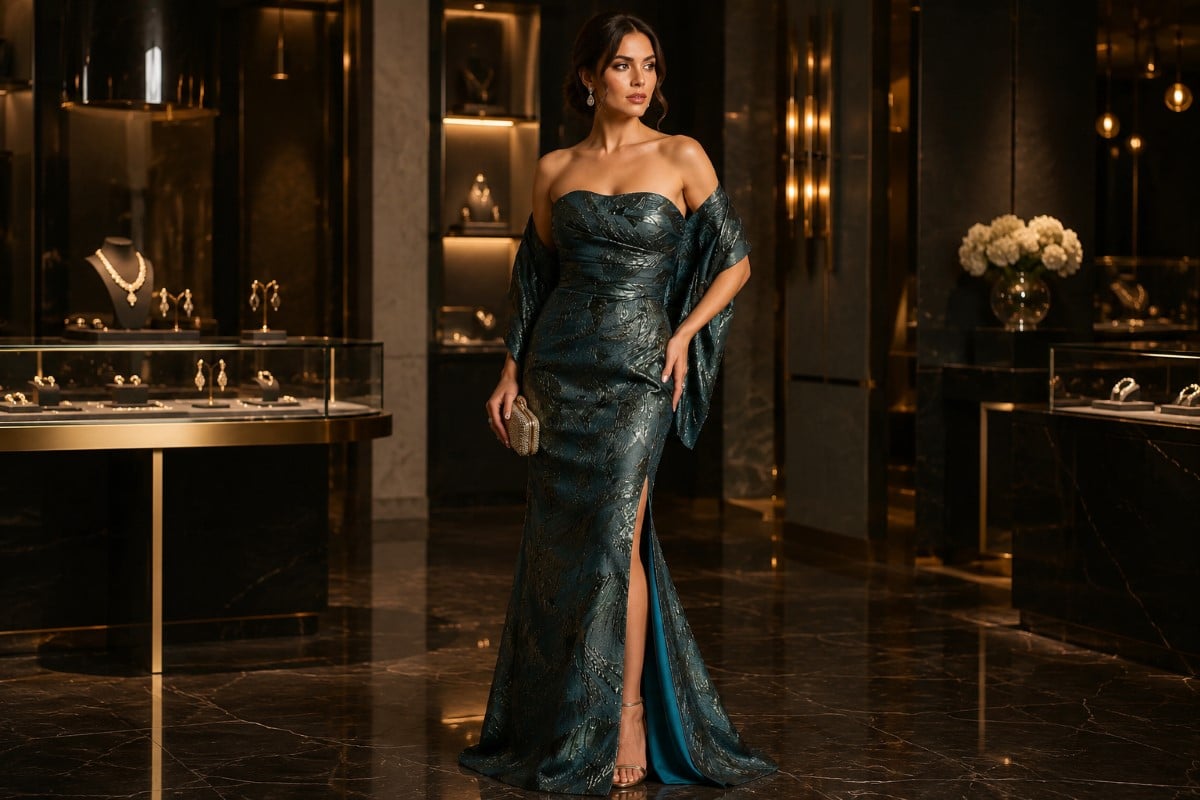
The hardware of your jewelry should harmonize with the undertones of your dress. Cool-toned dresses (blues, greens, purples, silvers) pair flawlessly with white gold, platinum, and silver jewelry. Diamonds, sapphires, and pearls look spectacular against these hues. Warm-toned dresses (reds, oranges, warm pinks, golds) are beautifully enhanced by yellow gold and rose gold jewelry. If you are wearing a neutral or a black gown, you have the flexibility to wear statement pieces in either metal, or even introduce a pop of color through a vibrant gemstone necklace.
Selecting the Right Shoes and Clutch
Matching your shoes and clutch exactly to your dress is a classic approach, but modern styling allows for more creativity. If you are wearing a solid, bold color, a metallic shoe (silver, gold, or champagne) acts as a beautiful neutral that adds a touch of glamour without competing with the dress. If your gown features heavy beading or a complex pattern, opt for a simple, minimalist shoe in a subdued tone. Conversely, if your dress is a simple, elegant crepe, a beautifully embellished shoe can add the perfect amount of visual interest.
Seasonal Color Rules for the Mother of the Bride
The time of year is one of the strongest guiding forces when applying mother of the bride dress color rules, ensuring your look feels cohesive with the environment and floral arrangements.
Spring and Summer Nuptials
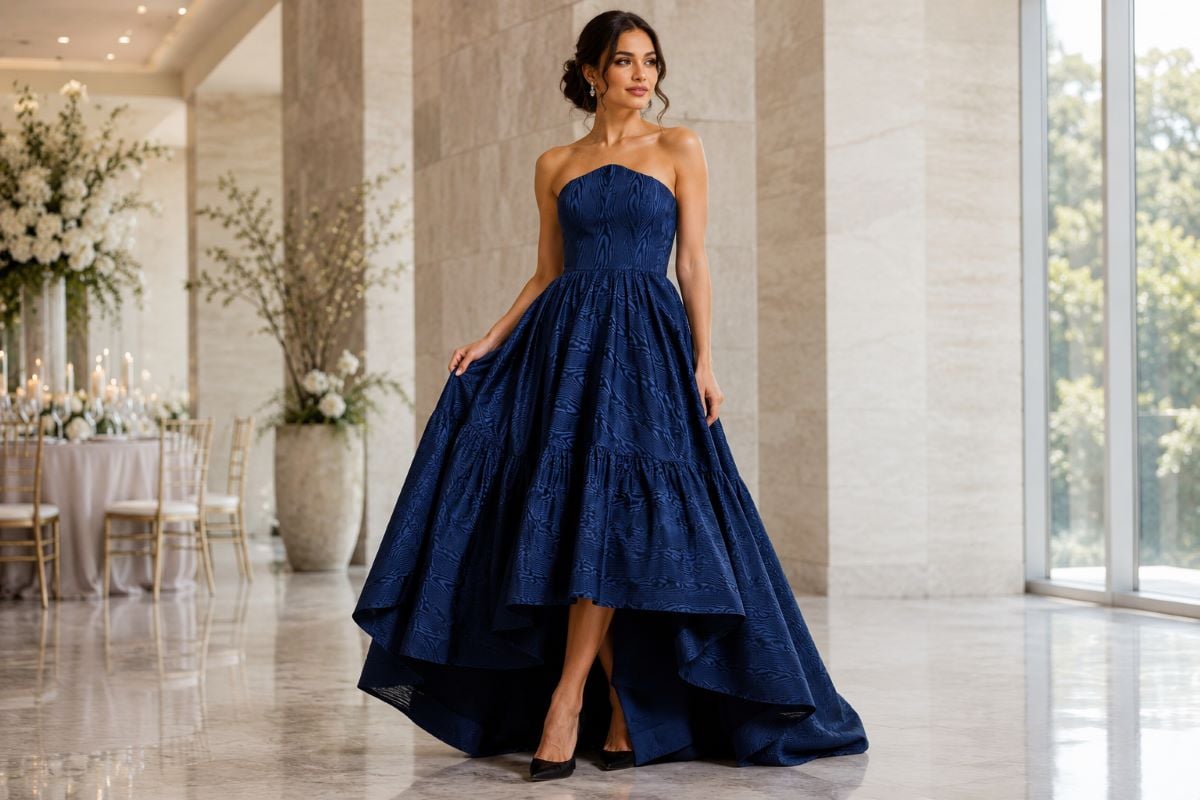
Spring is the season of renewal. Color rules for spring lean heavily into pastels and vibrant, clear colors like soft lilac, mint green, and blush pink. Summer celebrations, whether indoors or outdoors, invite brighter, more saturated hues. Coral, turquoise, and sunny yellow are striking options, while bright royal blues bridge the gap between summer vibrancy and evening formality. Breathable fabrics like chiffon or light silk are highly recommended for these warmer months to ensure comfort.
Fall and Winter Celebrations
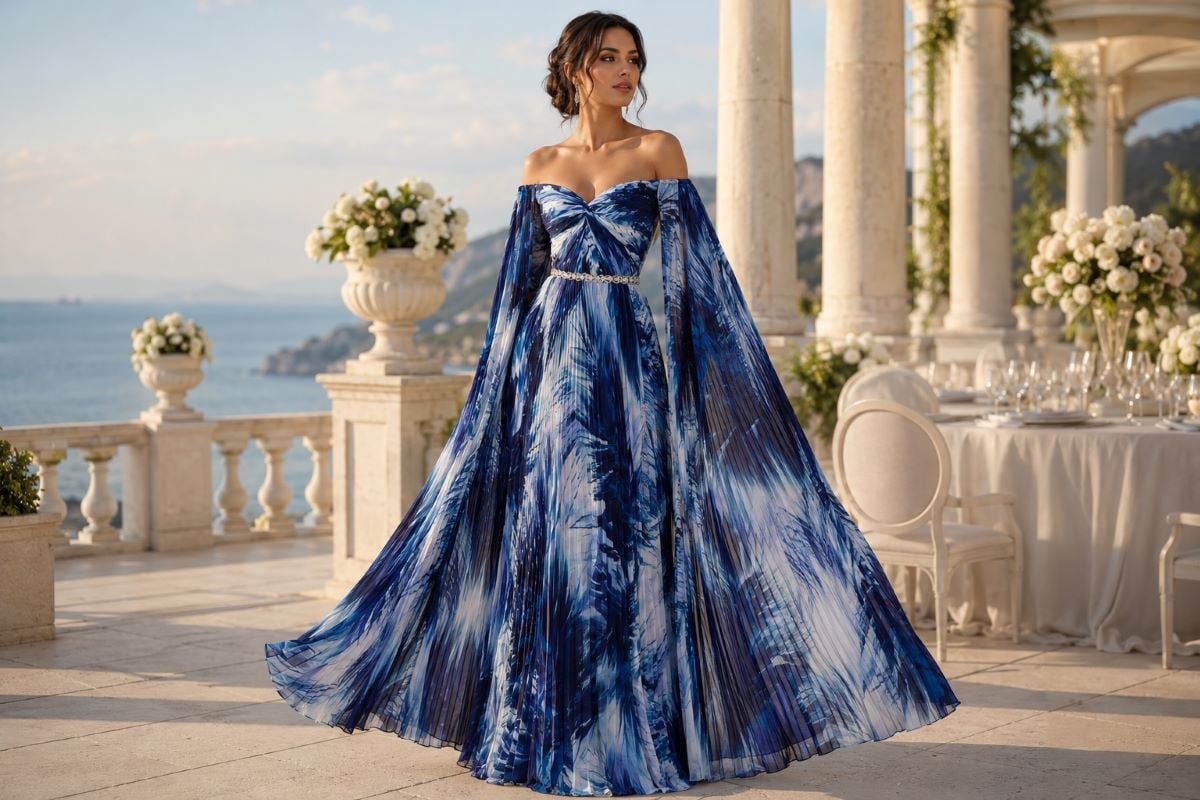
Autumn weddings are the perfect setting for rich, earthy tones. Mustard yellow, rust orange, deep burgundy, and olive green resonate beautifully with the season and look spectacular against autumn foliage. Winter weddings call for high drama and deep sophistication. This is the time for deep jewel tones like sapphire and emerald, heavy metallics, stark charcoals, and sophisticated blacks. The heavier fabrics of winter, such as velvet, brocade, and heavy satin, carry these deep colors masterfully.
Photography and Lighting: Ensuring Your Color Choice Translates
When selecting your dress, it is vital to remember how it will look in multiple lighting scenarios and in professional photographs. The way a color looks under the fluorescent lights of a fitting room is rarely how it will appear at the venue.
Natural daylight, especially the “golden hour” right before sunset, is incredibly forgiving, making almost every color look rich and warm. However, if the reception is in a dimly lit ballroom, a very dark dress might lose its details and read simply as a shadow in photographs. In these scenarios, choosing a color with a slight sheen or metallic beading reflects ambient light, ensuring you stand out. Conversely, very light pastels can wash out under harsh camera flashes unless the fabric has sufficient texture, like lace or subtle embellishment, to provide visual depth for the camera lens.
FAQs About Mother of the Bride Color Etiquette
1. Do the mother of the bride and the mother of the groom have to wear the exact same color?
No, and it is generally advised that they do not. Wearing the exact same color can look overly uniform or costume-like. Instead, the mothers should aim for complementary colors. If the mother of the bride wears navy, the mother of the groom might look stunning in silver or a complementary jewel tone like plum. Communication between both mothers is key to achieving this harmonious balance.
2. Are patterns or floral prints acceptable for the mother of the bride?
Absolutely. While solid colors are traditional, tasteful prints—especially high-end florals—are incredibly elegant for spring, summer, or garden weddings. The key is to choose a sophisticated print that does not overwhelm the eye or clash with the bridesmaids’ attire. Watercolor-inspired prints or subtle jacquard fabrics offer a highly refined way to wear patterns.
3. Can I wear a brighter, more vibrant color than the bridesmaids?
While you can wear a vibrant color, the general rule is to avoid upstaging the bridal party. If the bridesmaids are in soft, muted pastels, a highly saturated neon or stark bright dress on the mother might draw too much focus in group photographs. It is always best to match the overall intensity and tone of the wedding’s color palette.
4. How do I handle a situation where the bride’s color requests clash with my skin tone?
If the bride requests a color that you know washes you out, honest communication is essential. Suggest a compromise by finding a “sister shade.” For example, if she requests yellow and it does not flatter you, ask if a rich gold or a soft champagne might be an acceptable alternative. A skilled stylist can often find a variation of a color that satisfies both the bride’s vision and your complexion.
5. What if the bride gives me no direction at all regarding color?
If the bride insists you wear whatever you like, lean into traditional, foolproof colors based on the venue and season. Navy blue, elegant metallic silver, or a deep plum are almost always safe, sophisticated choices that will seamlessly blend with typical wedding aesthetics. When in doubt, a beautifully tailored neutral gown is always a mark of refined taste.
Finding Your Unforgettable Look
Navigating mother of the bride dress color rules is ultimately about finding the perfect intersection between the wedding’s aesthetic, traditional etiquette, and your own personal radiance. By communicating with your daughter, considering the season and venue, understanding your cultural context, and knowing which hues flatter your complexion, the process transforms from a stressful chore into a joyous exploration of style.
These rules are not meant to confine you, but to guide you toward a choice that ensures you look back on the wedding photographs with absolute delight. Whether you choose a classic navy, a romantic blush, or a sophisticated metallic, the most important color you can wear is confidence. Explore Jovani’s breathtaking collections today to discover the masterfully crafted gown that will make you feel confident, beautiful, and perfectly styled for your daughter’s unforgettable day.