
What Should the Mother of the Bride Not Wear? Mistakes to Avoid
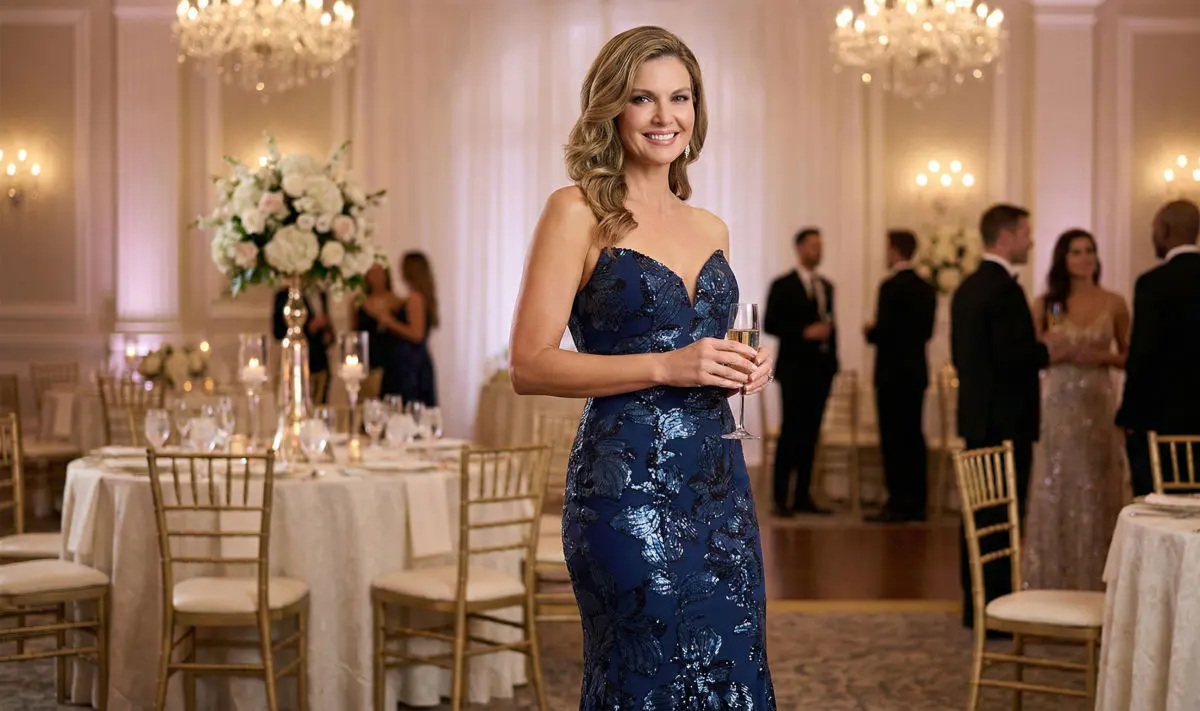
What should the mother of the bride not wear? Avoid a dress that could be mistaken for bridal attire, ignores the dress code, or feels uncomfortable through the celebration. White and ivory usually require the couple’s permission. Other choices depend on the venue, family traditions, and the bride’s preferences.
The goal is not to hide your personal style. Use these practical checks before choosing among Mother of the Bride Dresses for the ceremony and reception.
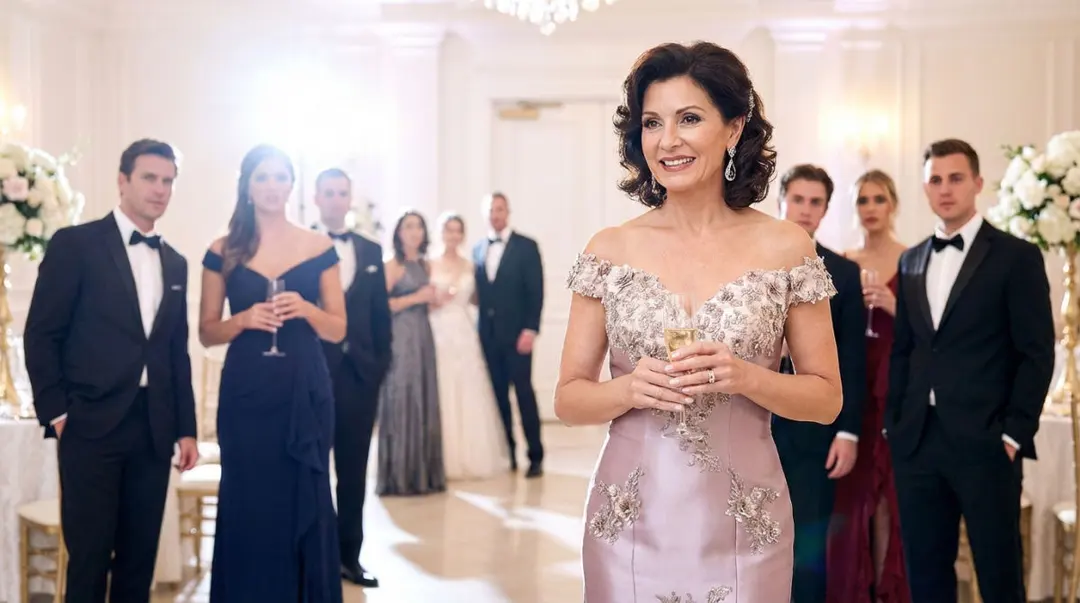
Which Colors Should the Mother of the Bride Avoid?
Avoid white, ivory, and dresses that look distinctly bridal unless the couple expressly welcomes those colors. This is a common wedding convention, not a rule for every culture or ceremony. Pale champagne, blush, or silver can also look bridal under certain lighting.
Before rejecting a light neutral, compare it with the bridal gown in daylight and in photographs. Ask the couple about their palette rather than guessing. Jovani’s mother of the bride dress color guide covers individual shades in greater depth.
Black and Red Are Not Universal Mistakes
Black often suits formal evening weddings, while red can work when it fits the celebration. Neither shade is automatically inappropriate. Religious customs, cultural meanings, and the couple’s wishes carry more weight than generic color bans.
Matching the Bridesmaids Exactly Can Cause Confusion
An identical dress color may make the bride’s mother look like part of the bridal party. Choose a complementary tone or different depth when the couple wants coordinated family photographs. Matching is fine when the wedding plan specifically calls for it.
Do Not Dress for a Different Level of Formality
A mother of the bride outfit should follow the invitation’s dress code. A casual sundress may feel out of place at black tie. A heavily embellished gown may feel excessive at a relaxed daytime ceremony. The venue also affects practical choices.
For a formal ballroom reception, compare Long Mother of the Bride Dresses with the event’s expectations. Consider skirt volume, fabric, and the need to move between tables. A full-length hem alone does not make every gown equally formal.
At a less formal garden or daytime celebration, Short Mother of the Bride Dresses may be worth considering. Look at the actual hemline and styling, not just the collection label. Avoid shoes and trains that will catch on uneven ground.
Avoid a Neckline or Sleeve That Fails the Real-Life Test
The right amount of coverage depends on the ceremony and your comfort. Strapless, off-the-shoulder, and slit gowns are not automatically improper for mothers. Problems arise when a neckline shifts or sheer panels reveal more than expected.
Jovani style 46858, for example, has an asymmetric off-shoulder neckline, sequin mesh, and a front slit. Those details call for a sitting and walking test. They should be judged against the specific ceremony, not an age-based rule.
If covered arms suit the setting, compare Long Sleeves Mother of the Bride Dresses. Jovani style 40210 features sheer long sleeves and floral lace. Its design shows why a sleeve can look covered without being fully opaque.
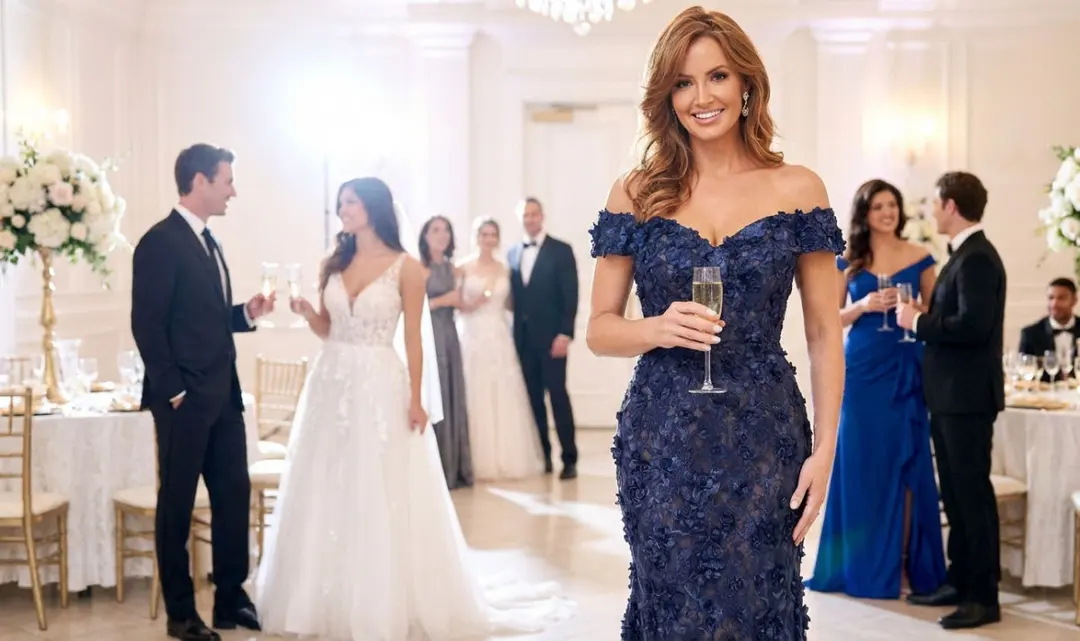
Do Not Assume the Two Mothers Must Match
The bride’s mother traditionally selects a dress first and shares the general direction with the groom’s mother. Modern families may choose another order. What matters is a brief discussion about formality, color, and length, not matching outfits.
An early conversation prevents an accidental clash and respects both women’s choices. The mother of the bride and groom dress etiquette guide explains how to coordinate without turning the process into a competition.
Skip Details That Compete With the Event
Avoid an outfit that demands constant adjustment or distracts from the ceremony. Heavy beading, oversized trains, and very bright patterns can be suitable at some formal weddings. Compare each detail with the venue and the couple’s plans.
Jovani’s Lace Mother of the Bride Dresses include several approaches to texture. Style 45345 combines black lace, sheer long sleeves, and a fitted mermaid silhouette. Its layers illustrate how decoration and coverage need separate assessment.
Look closely at fabric transparency, embellishment weight, and comfort while sitting. These checks are more useful than dismissing every printed or decorated gown. A garment can be expressive without distracting from the wedding party.
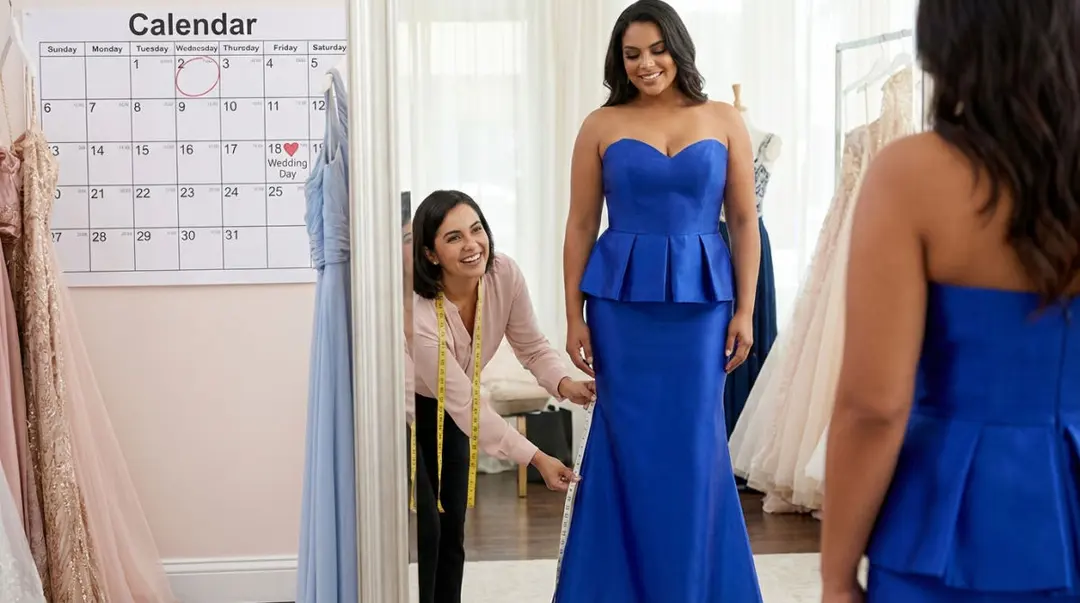
Mistakes to Catch During the Fitting
Do not buy a dress based only on a standing mirror photograph. Test how it behaves during the activities planned for the day. Use the same shoes and undergarments you expect to wear at the wedding.
Sit, stand, and climb a step. Check whether the hem, neckline, or slit shifts.
Raise both arms and embrace someone. Notice pulling across the shoulders or bust.
Walk across a hard floor and turn. Check that the skirt does not catch under your feet.
Look at the fabric in strong light. Assess sheerness, visible seams, and lining.
Ask a tailor which changes are realistic before assuming the fit can be fixed.
A flattering design still needs to feel secure during photos, dinner, and dancing. For broader choices on silhouette and event styling, see what the mother of the bride should wear.
Do Not Leave Sizing and Alterations Until the End
Avoid committing to a dress without confirming the retailer’s ordering and alteration schedule. Lead times vary by style, size, and store. Ask the authorized retailer what can arrive before the wedding and when the final fitting should occur.
Check the manufacturer’s measurements against your bust, waist, and hips. The Jovani product pages provide a size chart, but actual comfort still requires a fitting. Do not choose a smaller size hoping it will stretch into place.
Once the couple’s expectations are clear, visit an authorized Jovani retailer to compare suitable gowns and confirm fittings, availability, and alterations.
Frequently Asked Questions
Can the mother of the bride wear black?
Yes. Black is often appropriate for formal and evening weddings. Ask the couple if family or cultural preferences make another color more suitable.
Can the mother of the bride wear a sleeveless dress?
Yes. A sleeveless dress can suit many ceremonies when the neckline and overall formality fit the event. Bring a wrap if the venue requires additional coverage.
Should the mother of the bride avoid sequins?
No. Sequins can work at a formal evening celebration. Assess how reflective the fabric is and whether its embellishment matches the couple’s preferred dress code.
Does the mother of the bride have to wear a long dress?
No. A floor-length gown often suits black tie, but a polished knee-length or midi dress can suit less formal weddings. Follow the invitation and couple’s wishes.