A line homecoming dresses: Compare Shape, Fit, and Movement
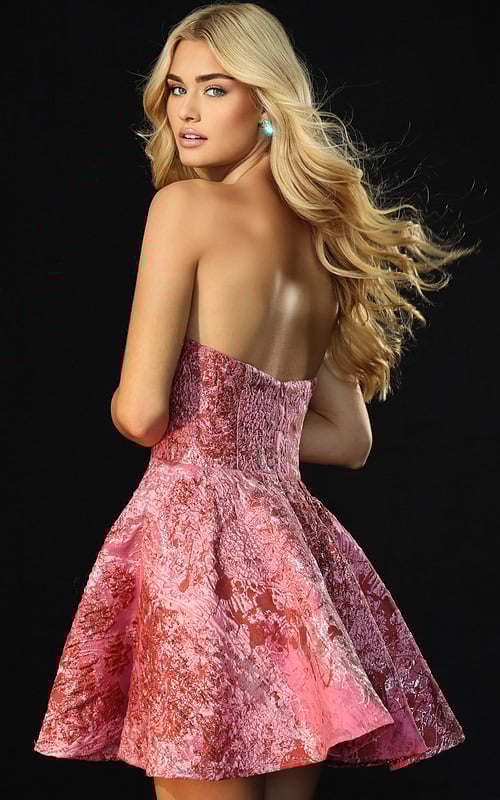
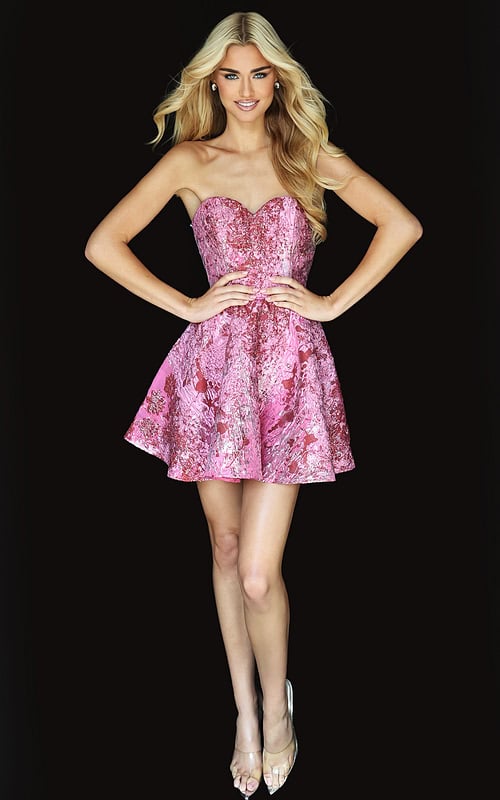
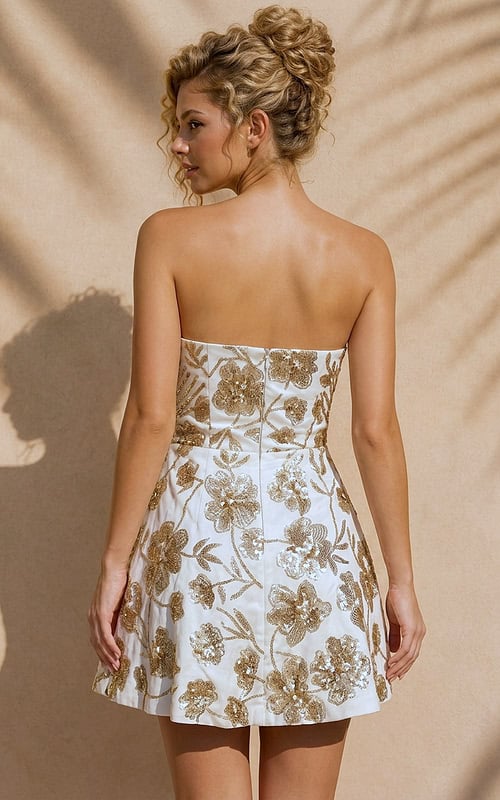
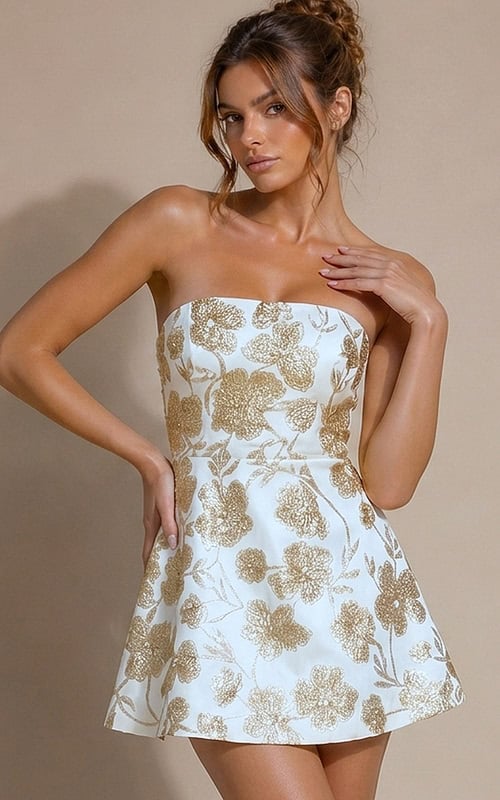
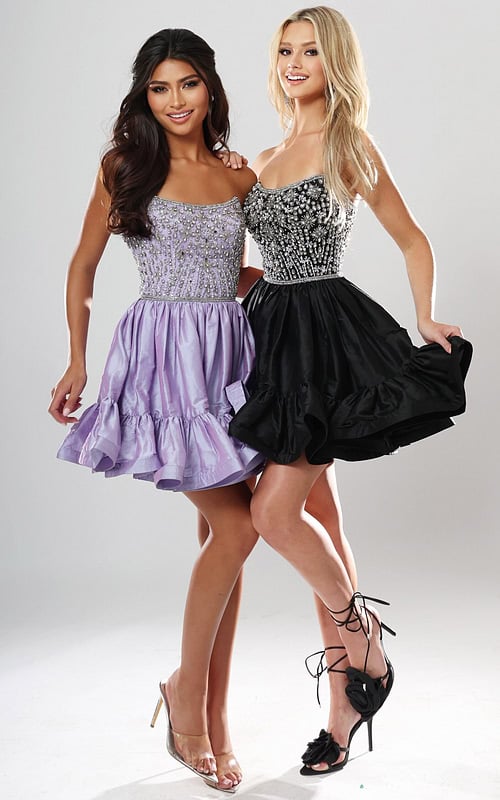
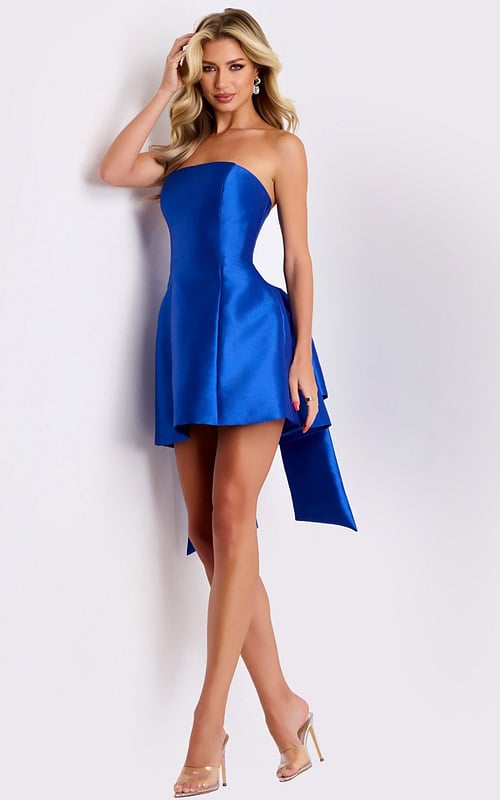
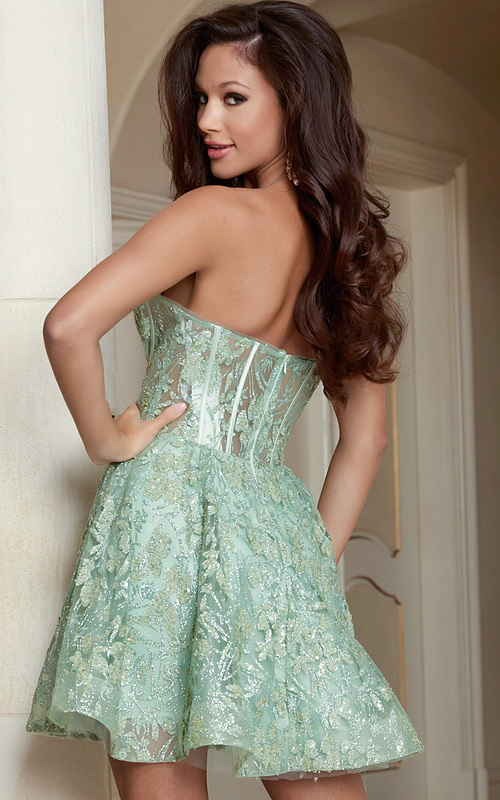
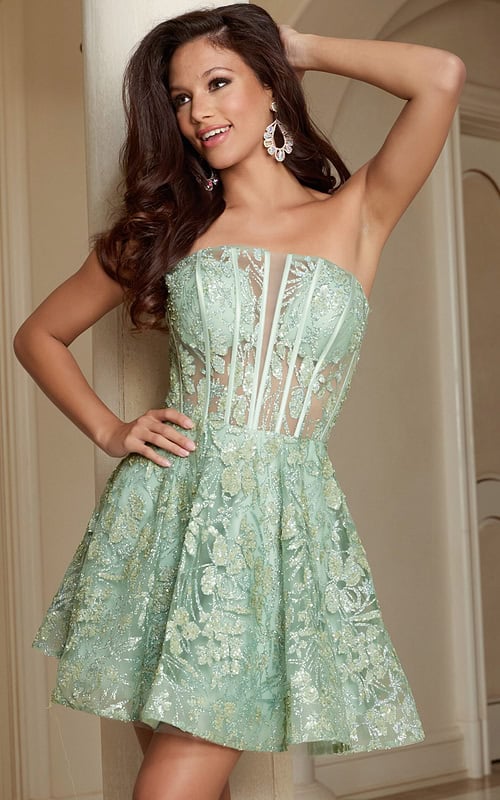
The defining feature of an A-line is the balance between a fitted upper body and a skirt that opens below the waist. Where that flare begins changes the fit. A higher release gives more ease through the hips, while a skirt that stays close to the natural waist before widening creates stronger waist definition. When comparing A line homecoming dresses, look at seam placement and skirt release rather than relying only on the silhouette label.
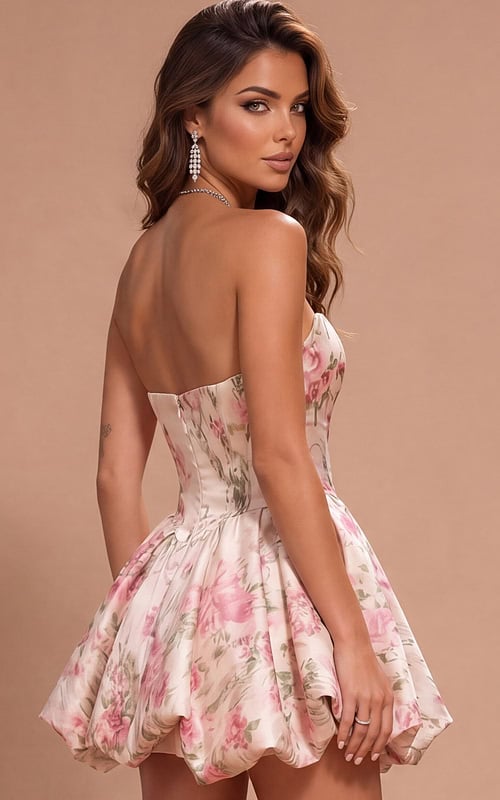
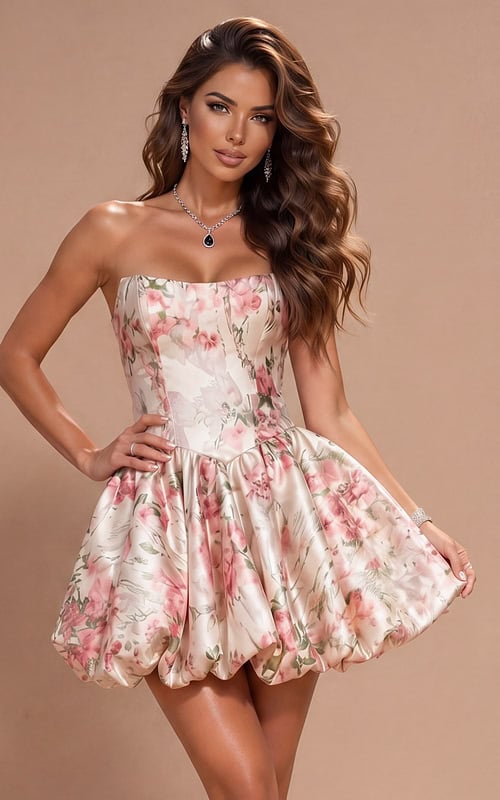
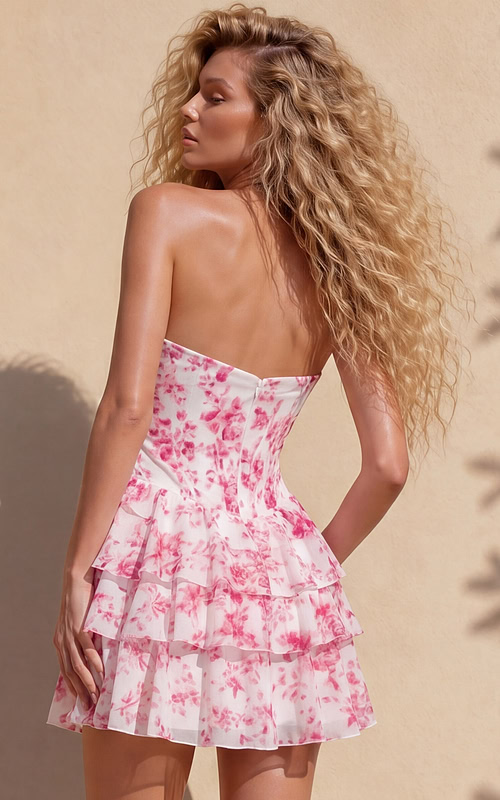
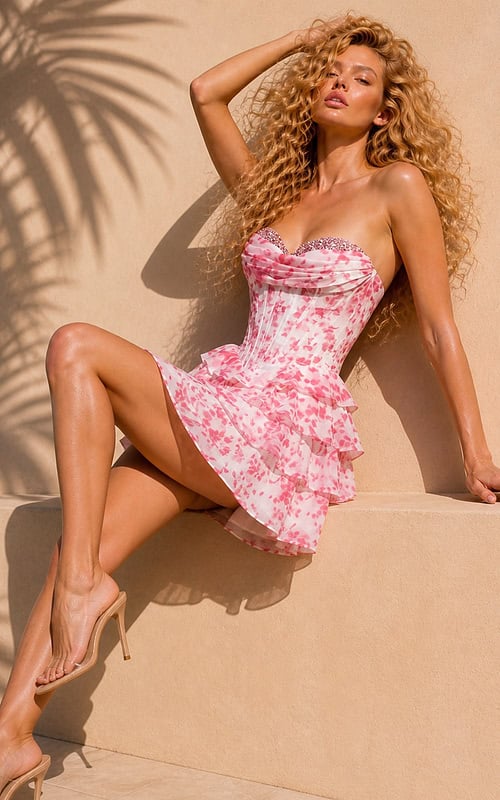
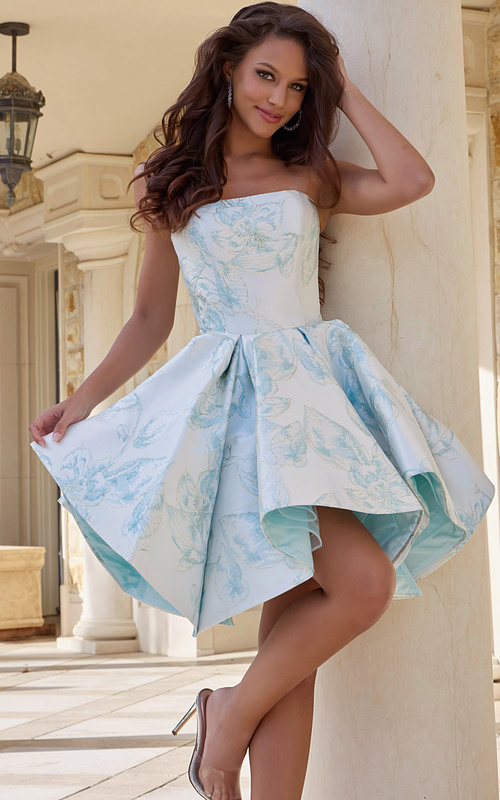
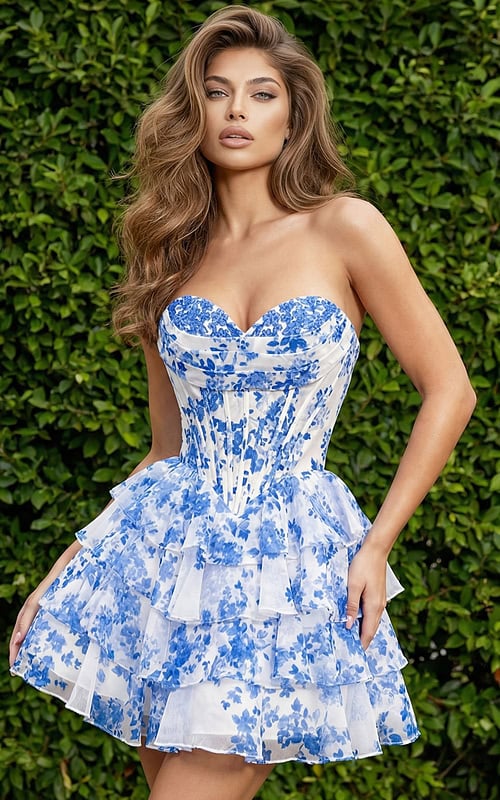
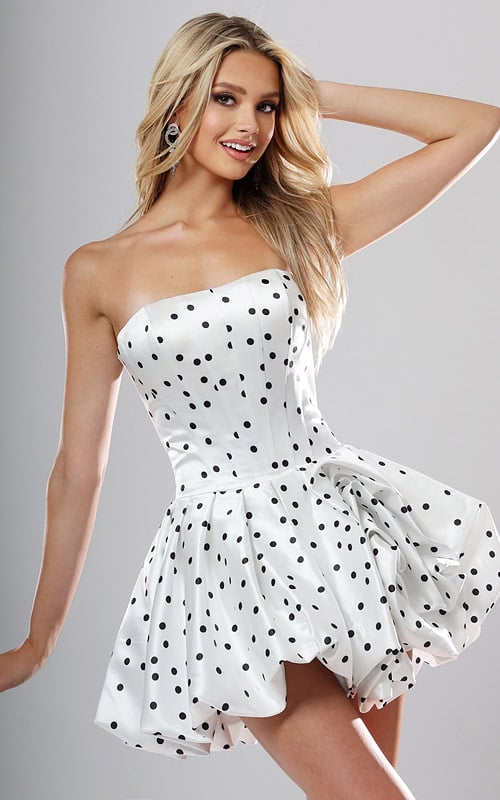
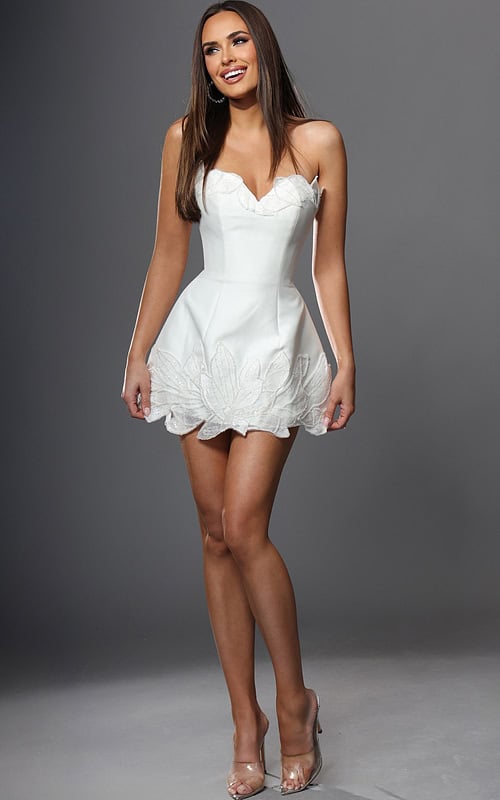
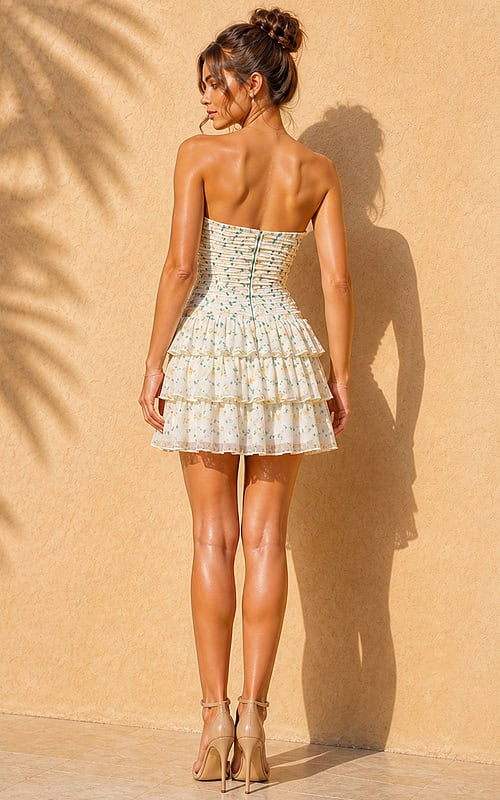
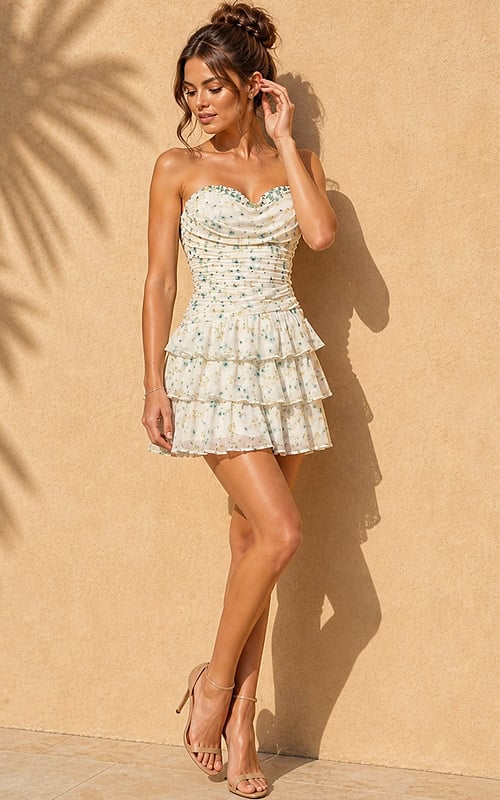
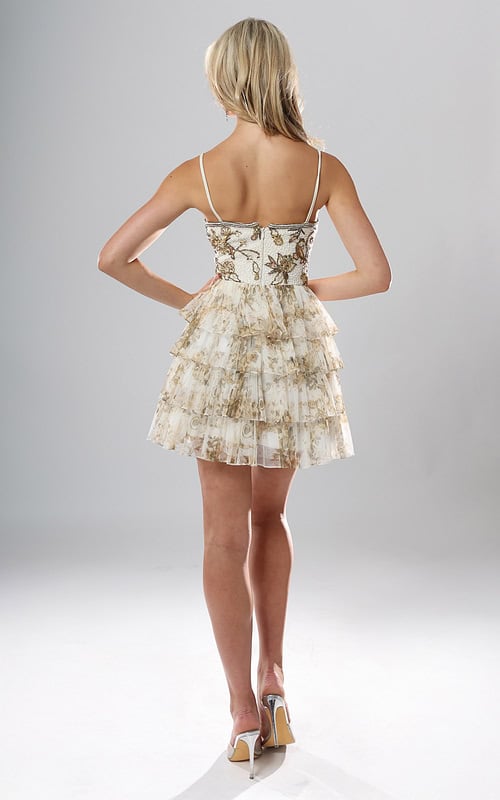
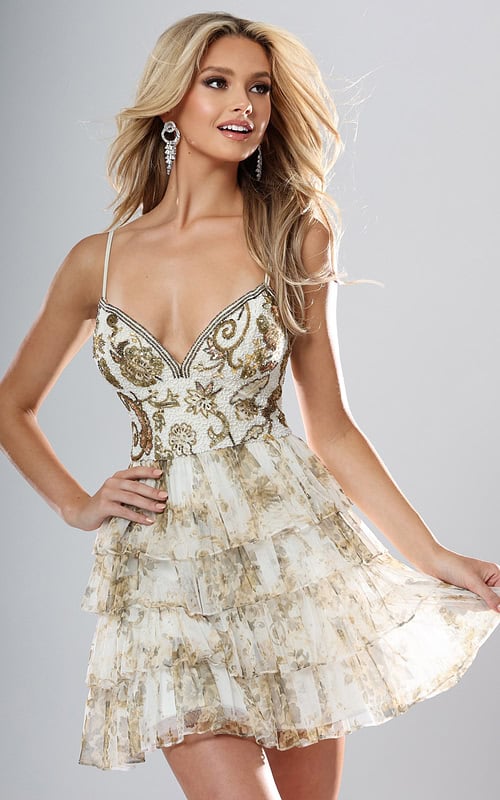
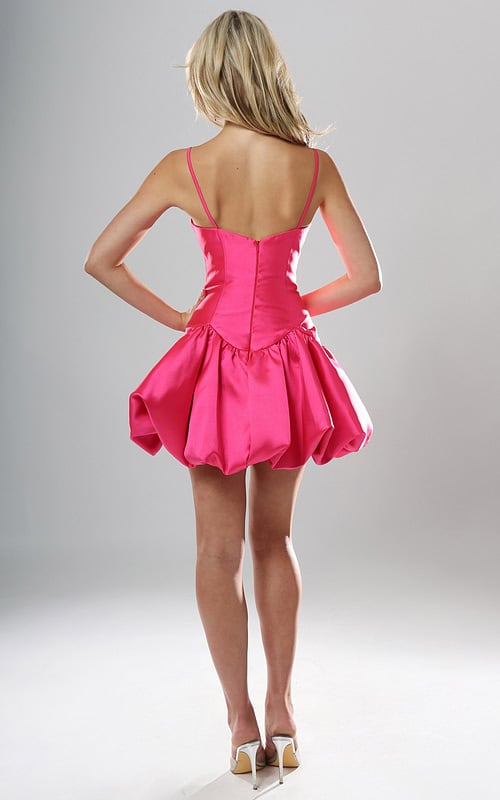
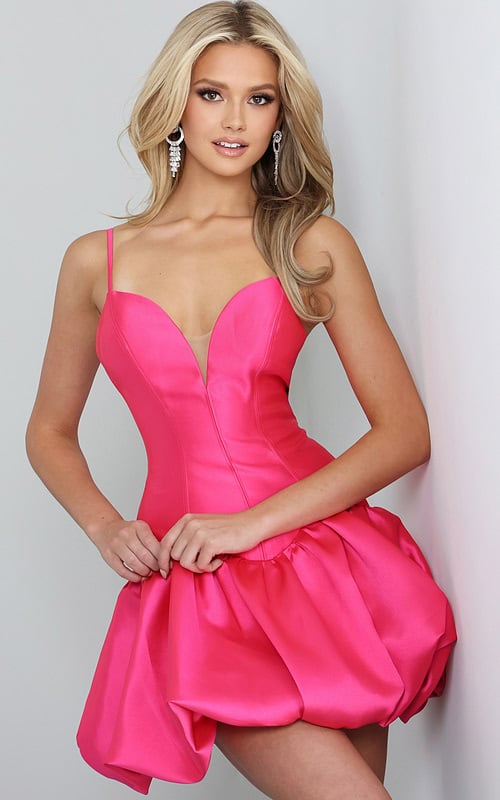
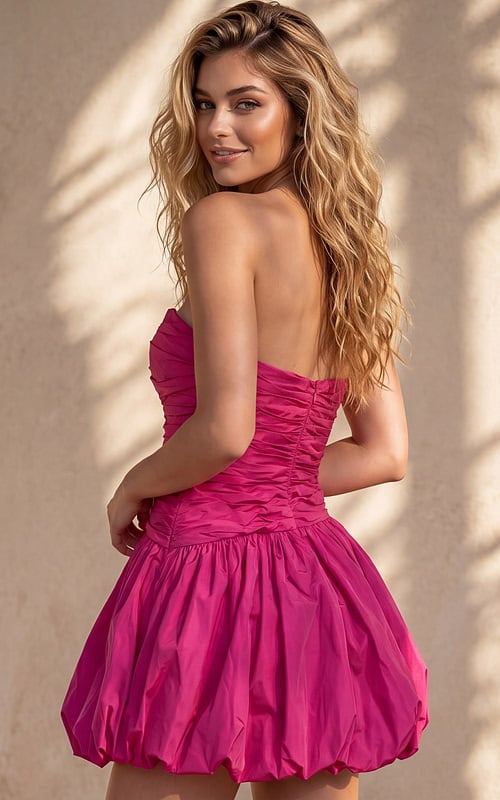
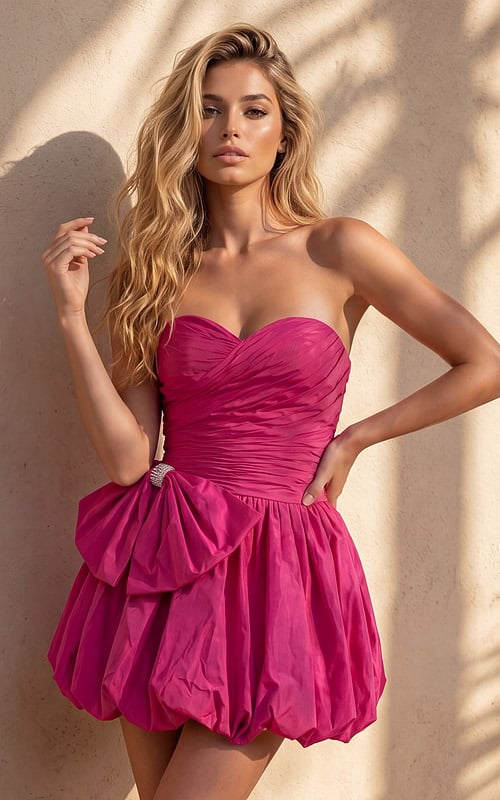
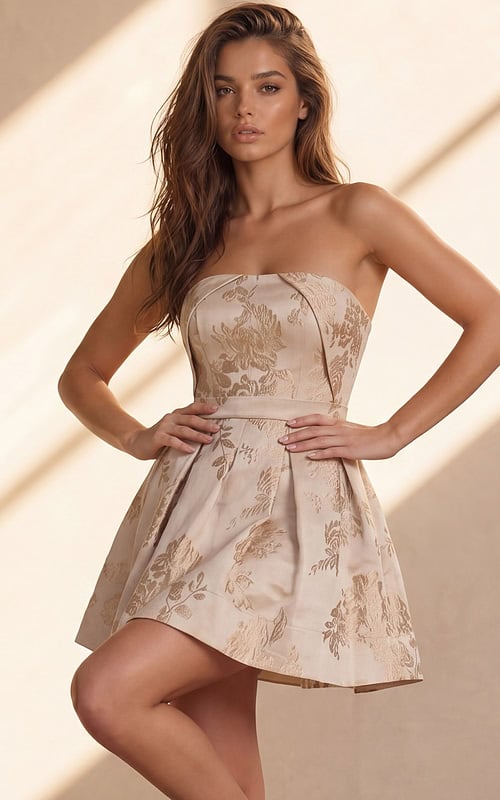
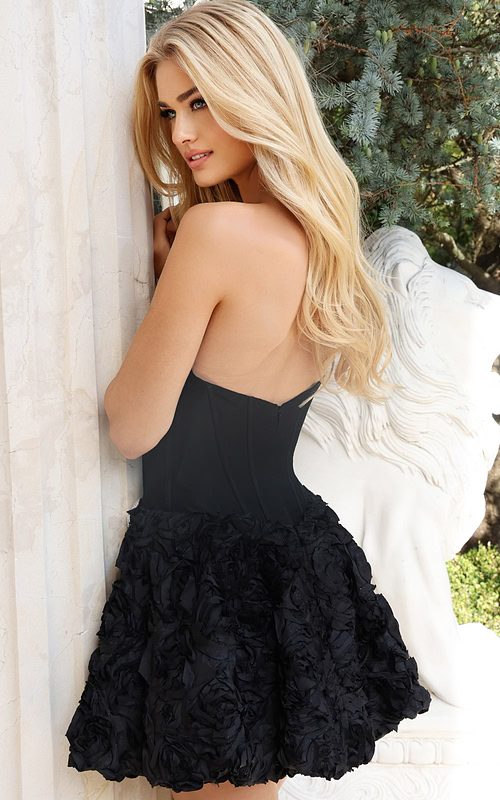
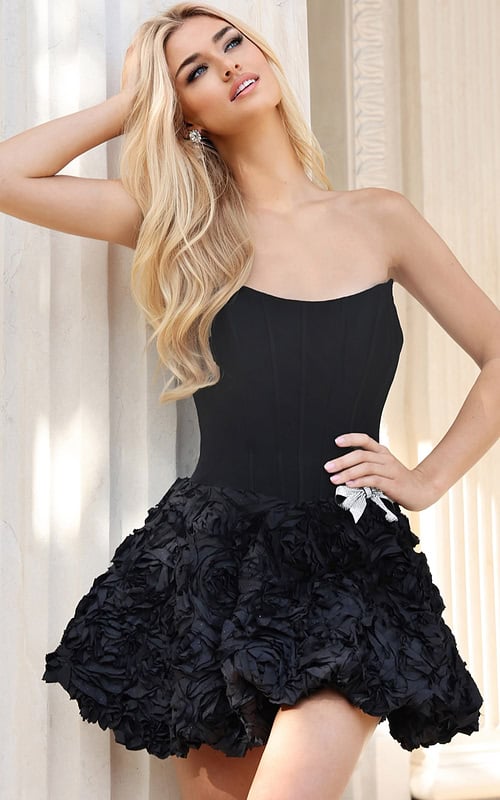
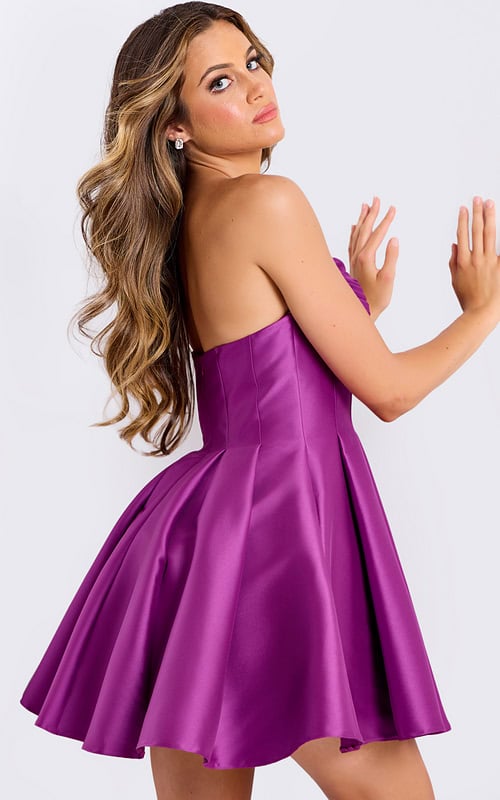
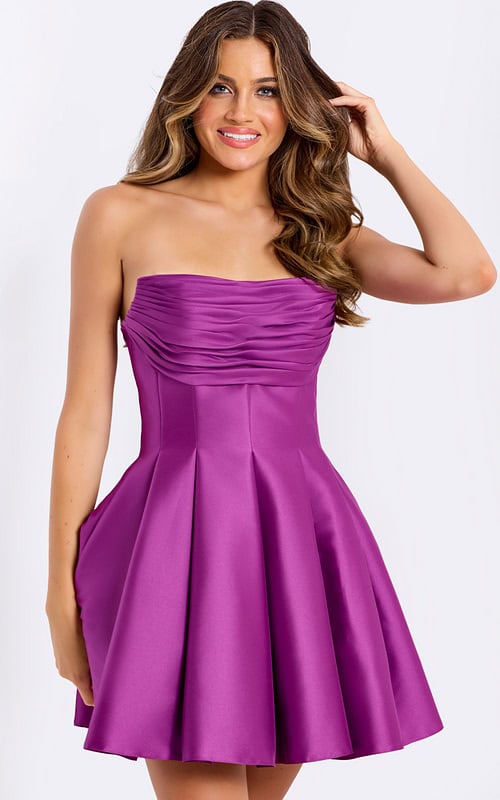
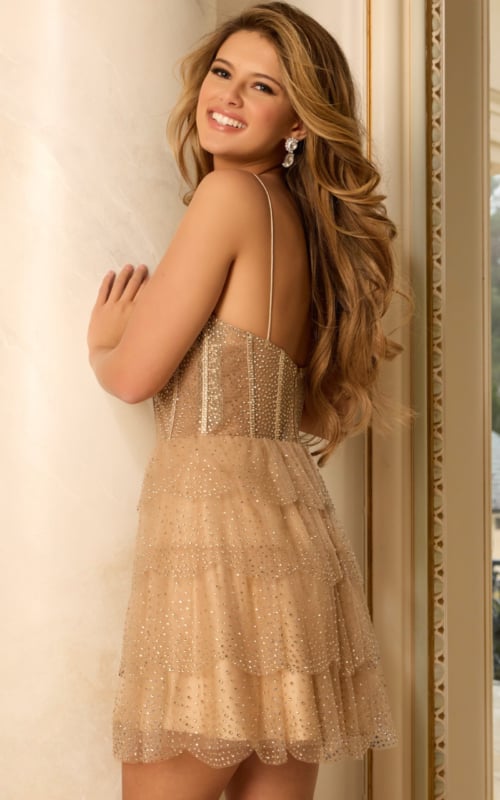
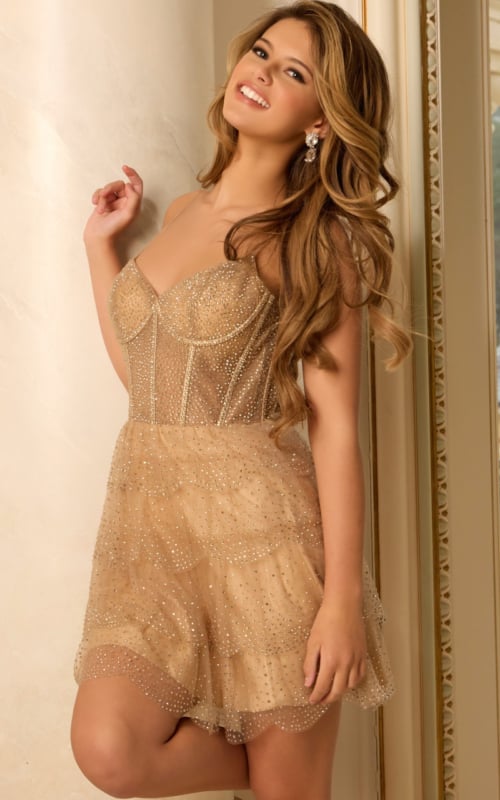
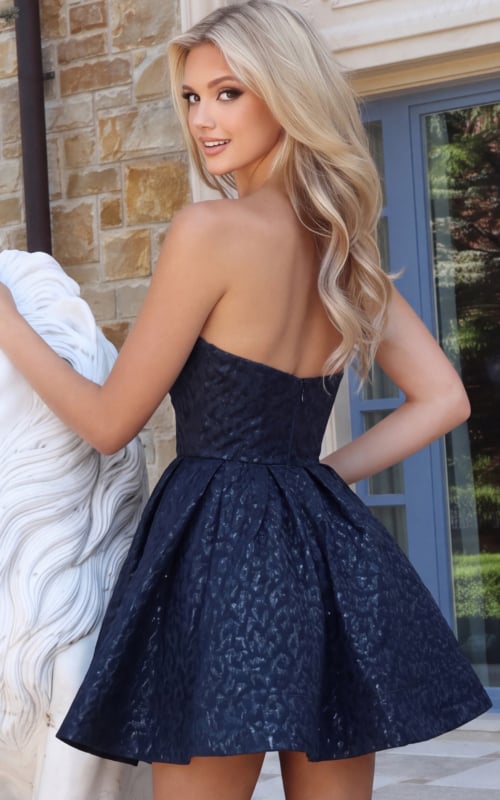
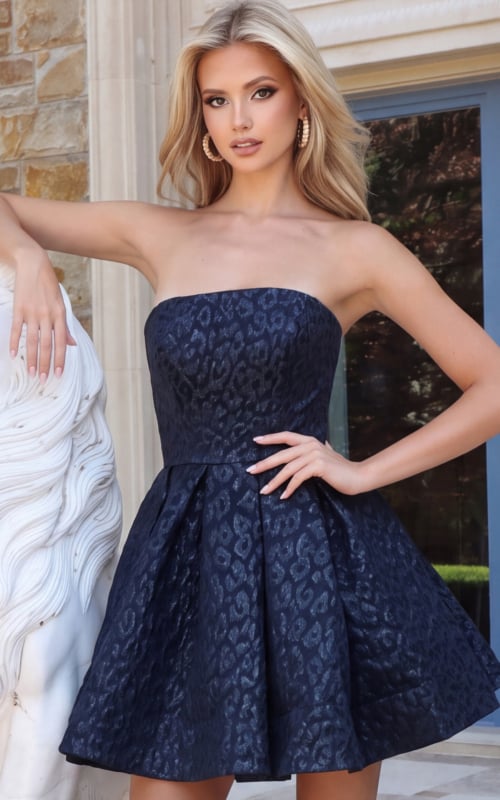
Pleats create controlled fullness, tiers add movement, bubble hems concentrate volume near the hem, and clean panels give a smoother outline. If you are still comparing silhouettes, homecoming gowns provide the broader Homecoming assortment. For a closer fit through the hips and skirt, bodycon homecoming dresses offer a more useful contrast. An A line homecoming dress should feel secure through the bodice while leaving the skirt free for walking, sitting, and dancing.
Compare Fabric by Body and Drape
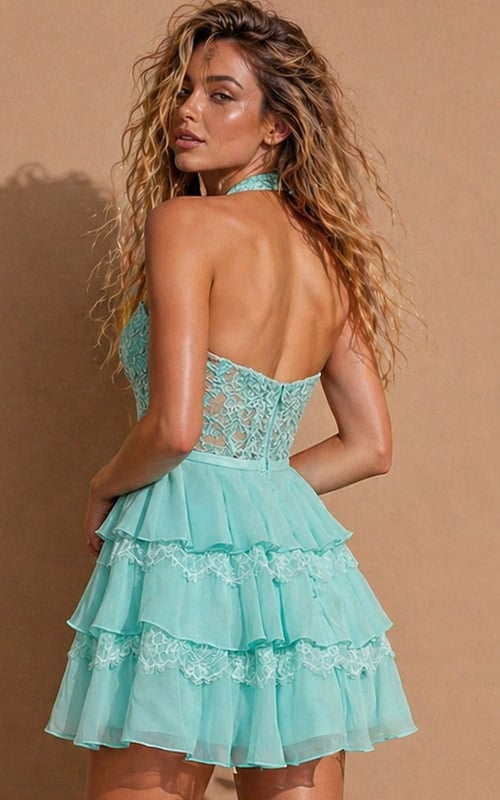
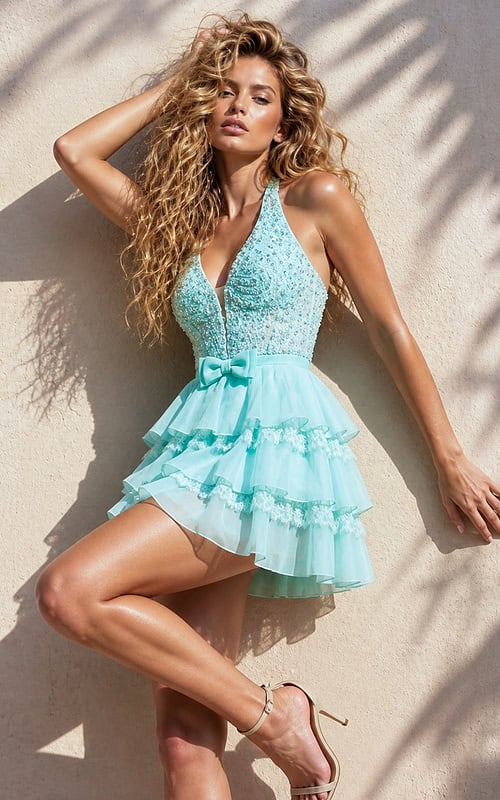
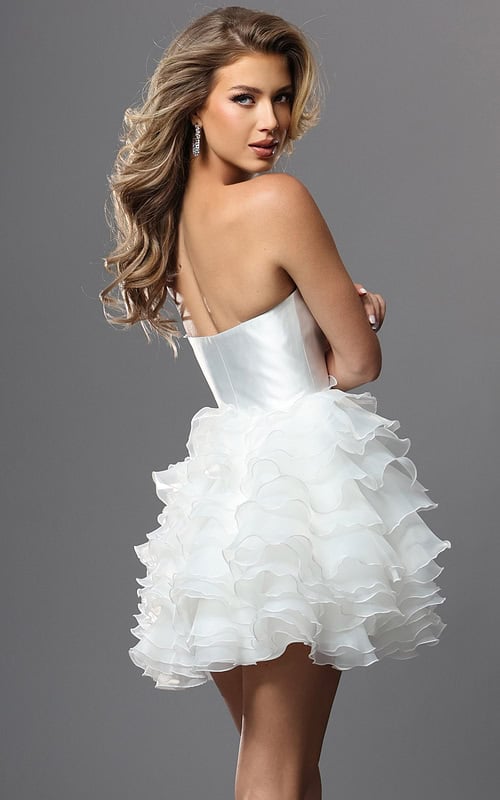
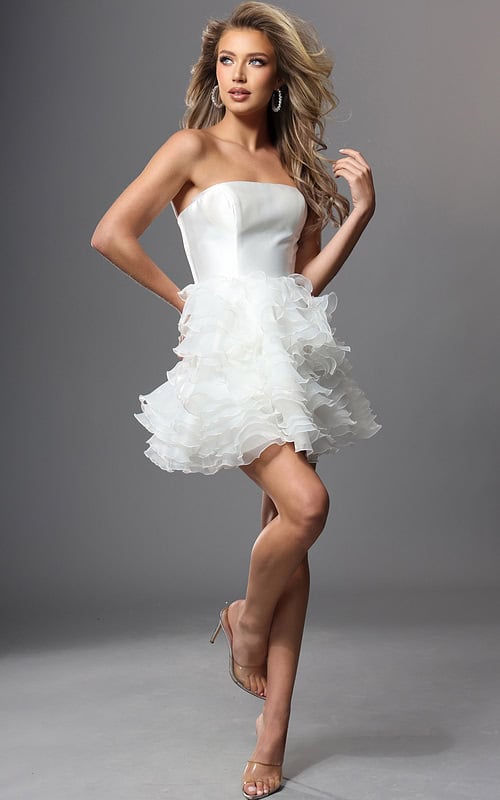
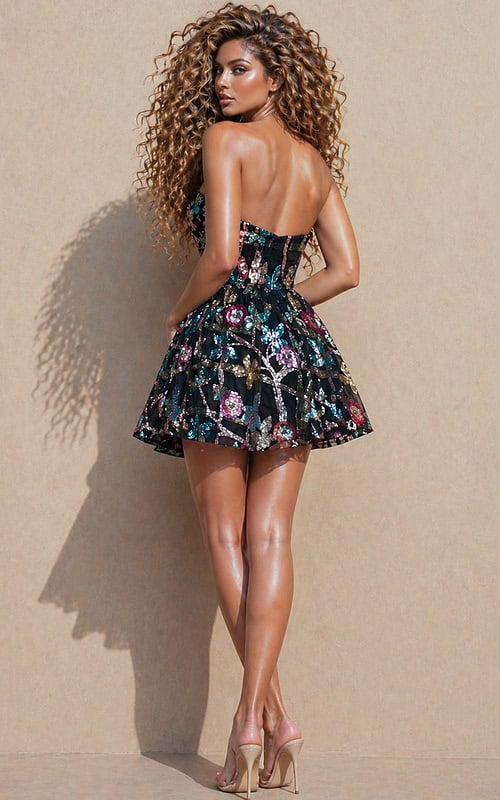
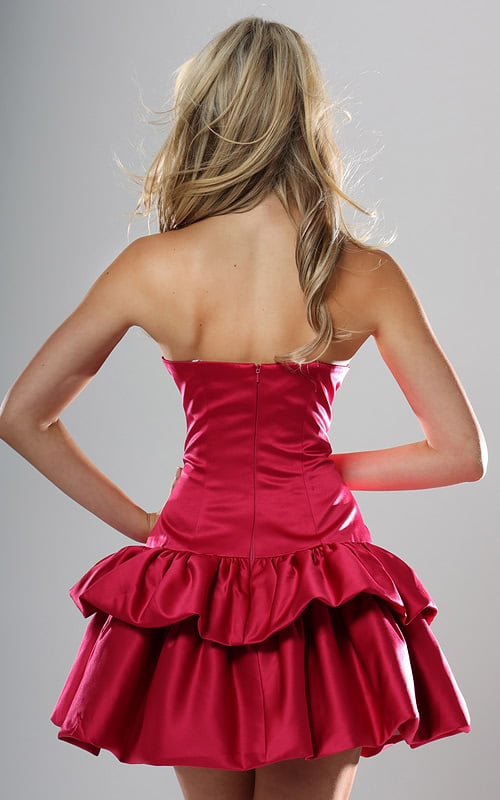
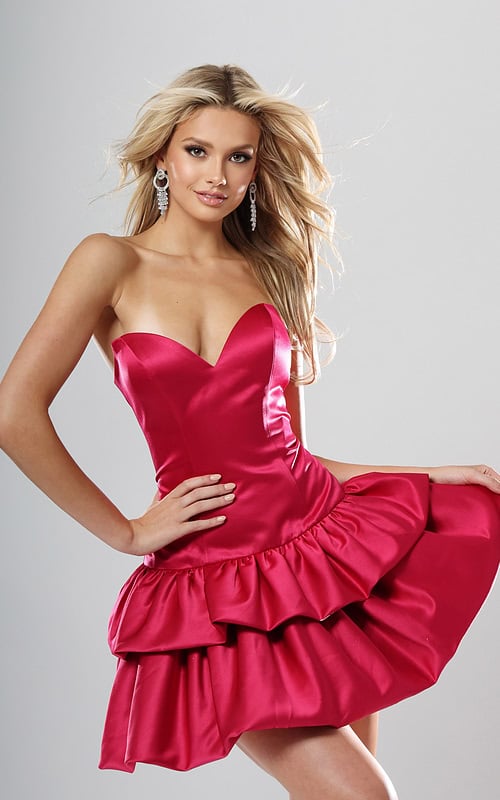
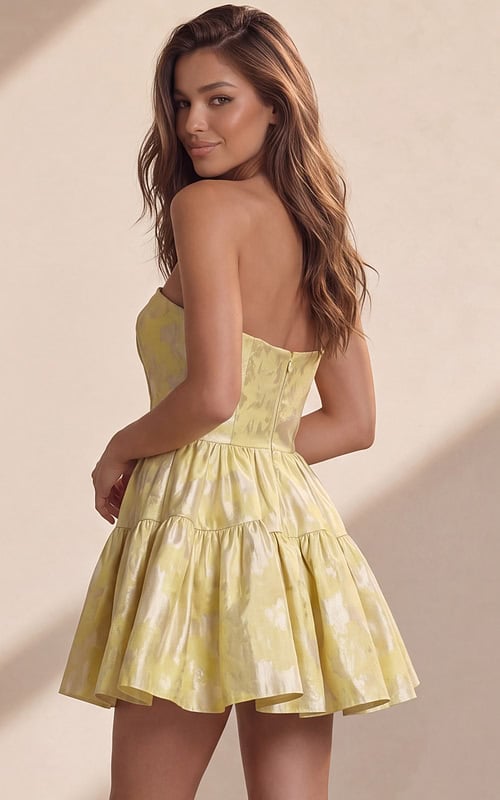
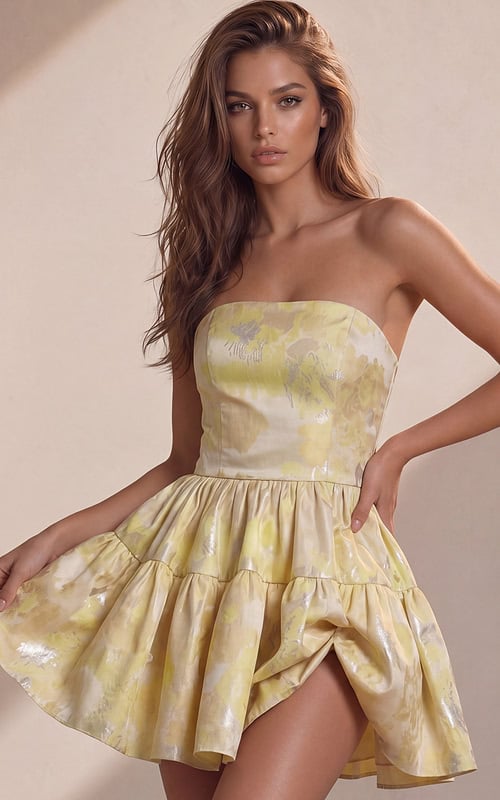
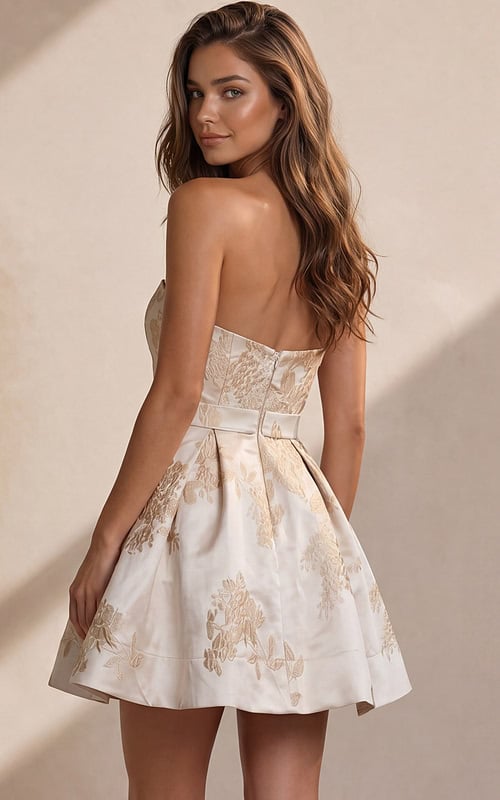
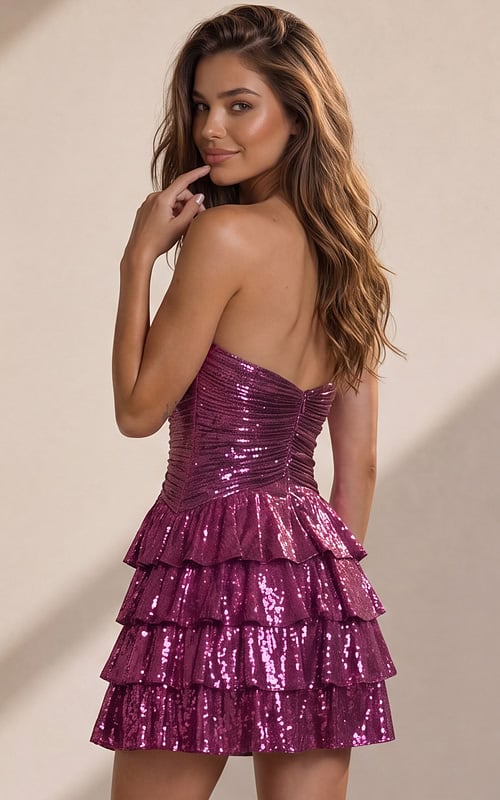
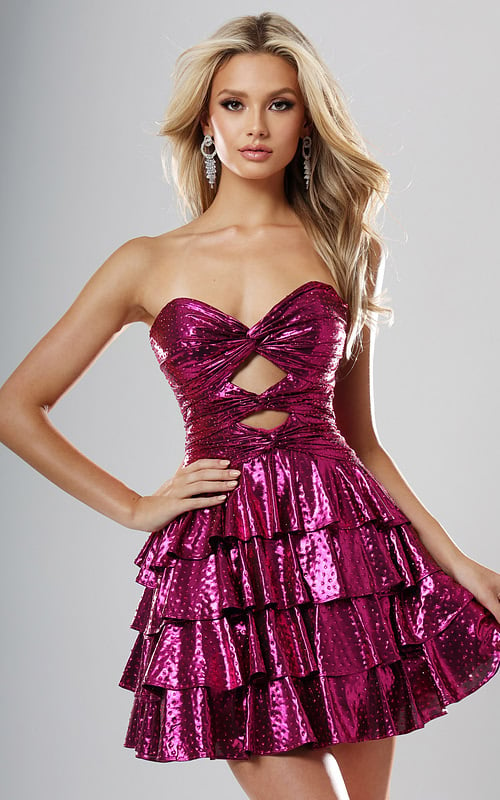
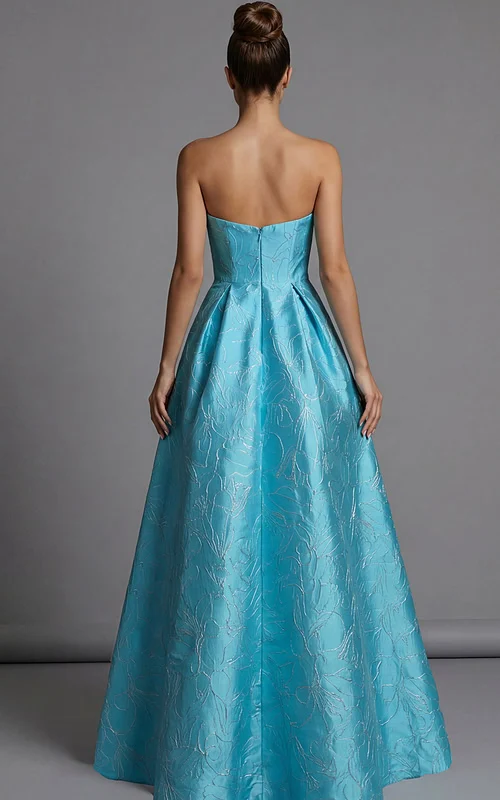
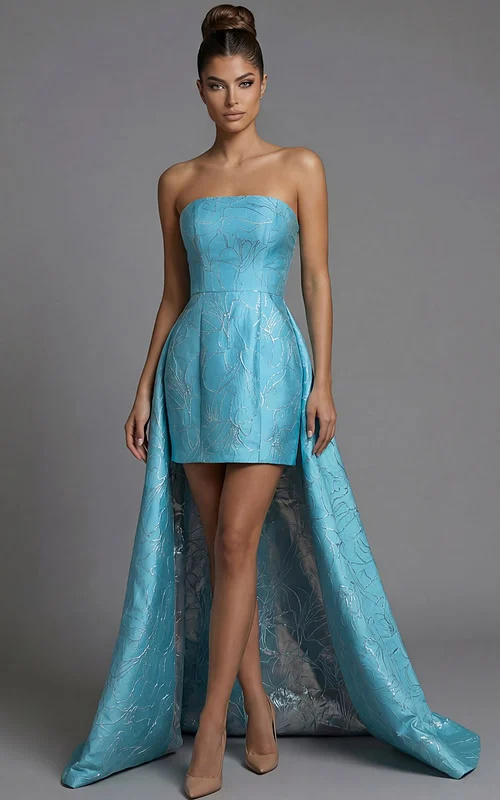
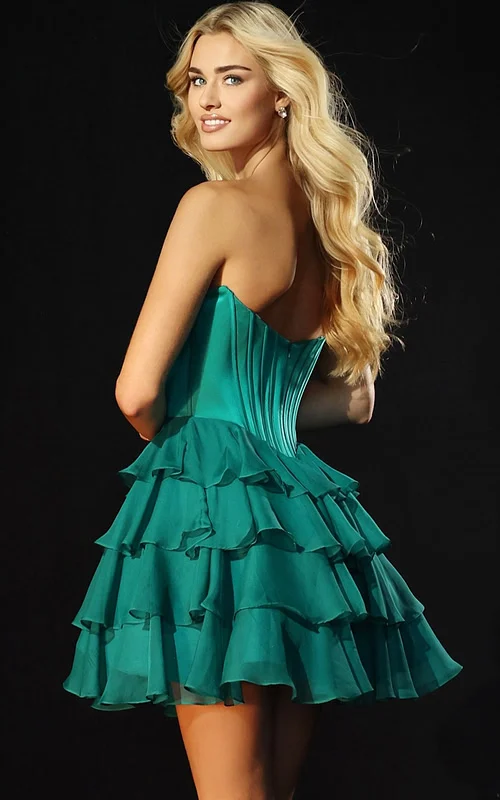
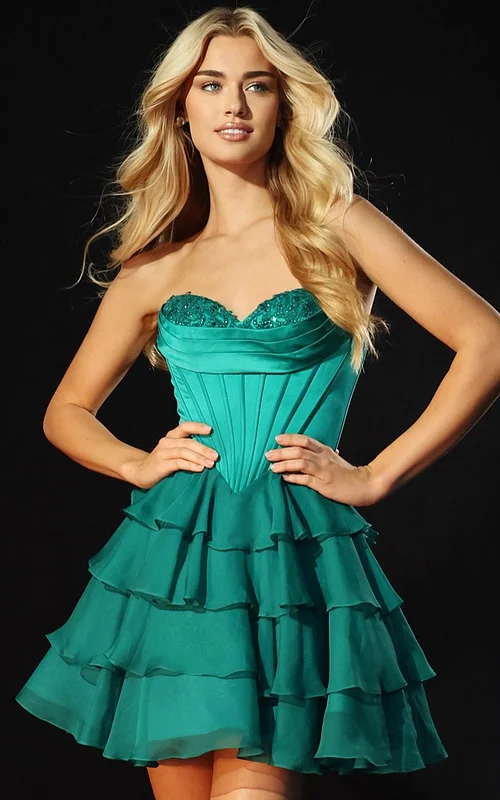
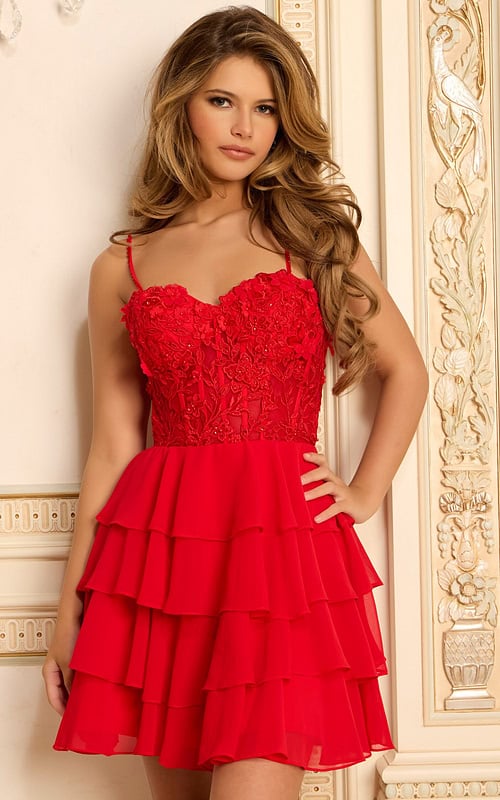
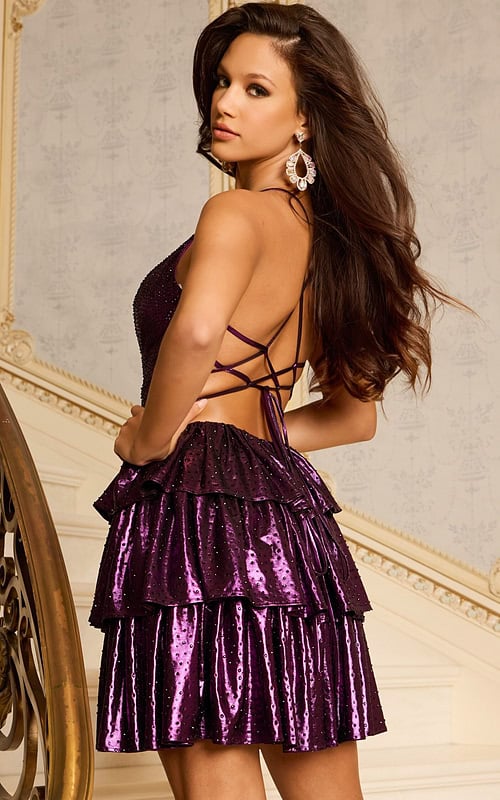
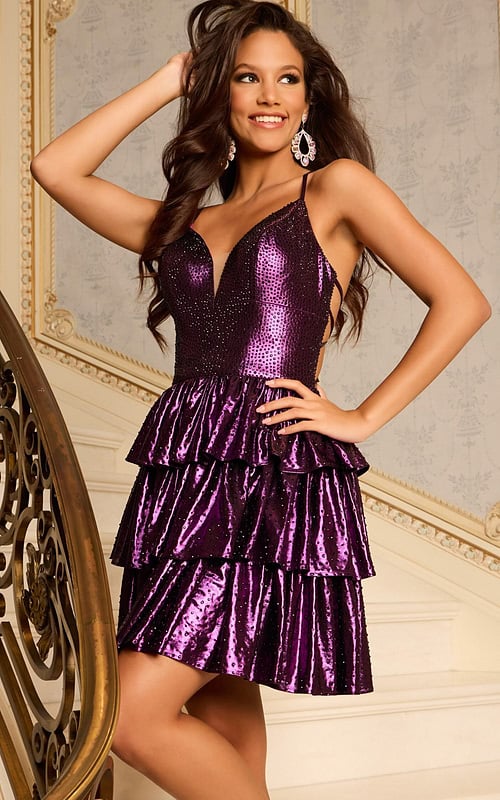
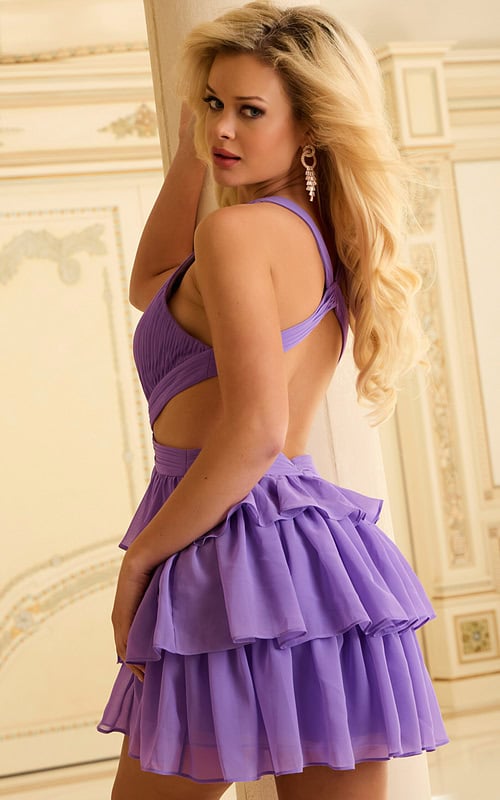
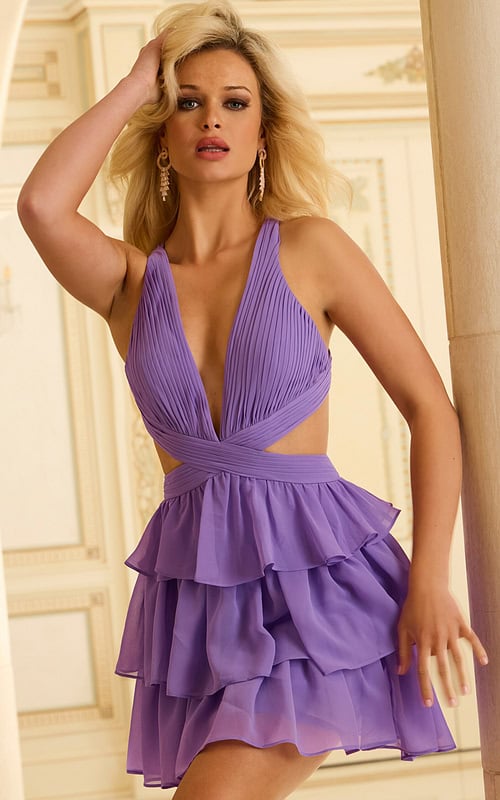
Fabric determines whether an A-line skirt holds away from the body or falls with softer movement. Satin can look fluid or structured depending on its weight. Brocade and jacquard hold pleats and fuller shapes more visibly, while lace adds surface texture without always adding the same degree of volume. Layered ruffles create movement through construction rather than fabric stiffness alone.
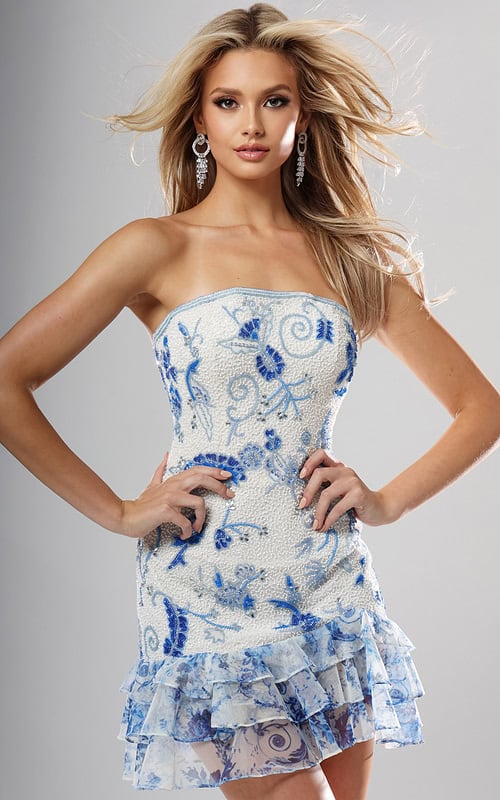
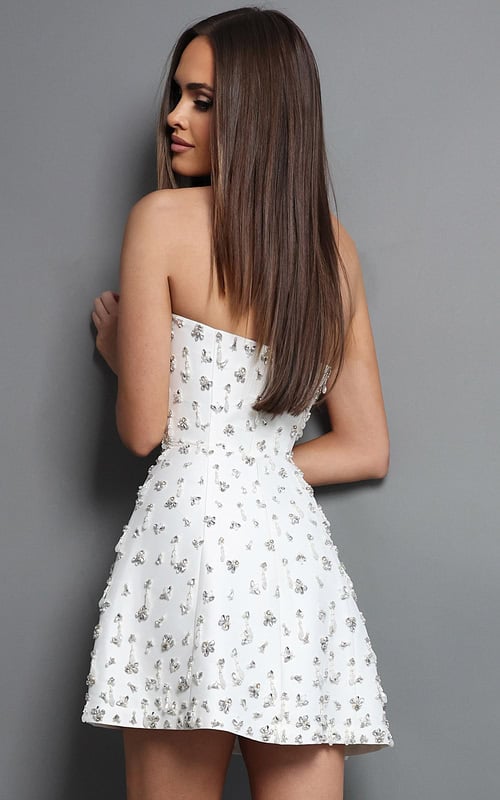
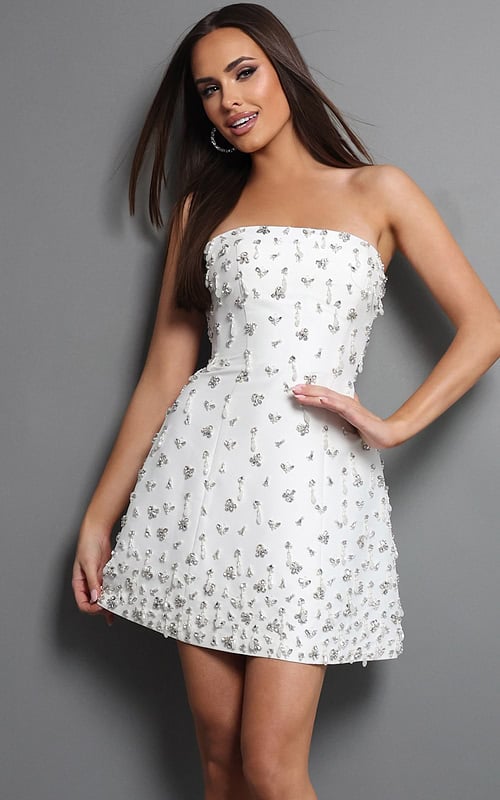
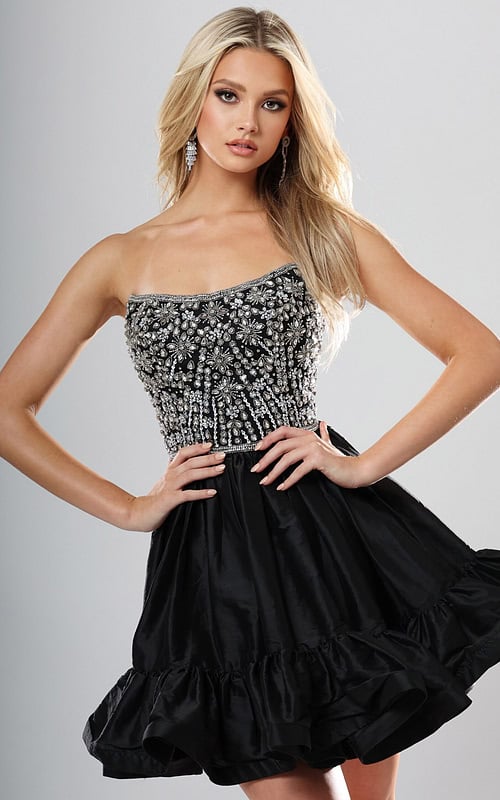
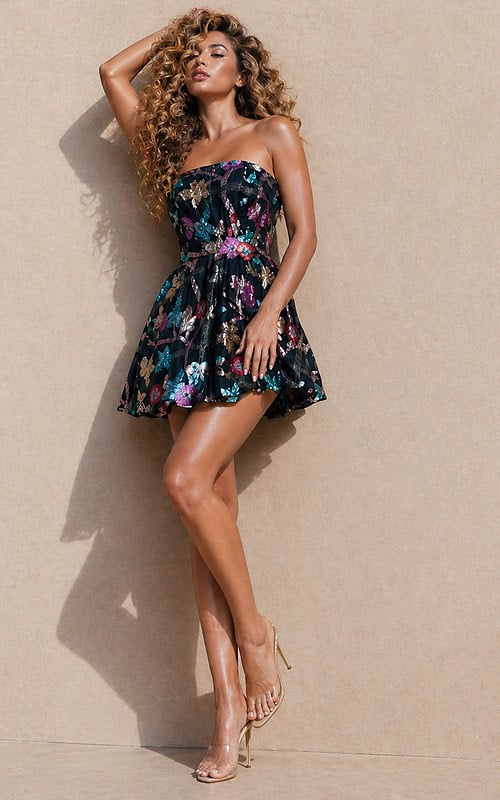
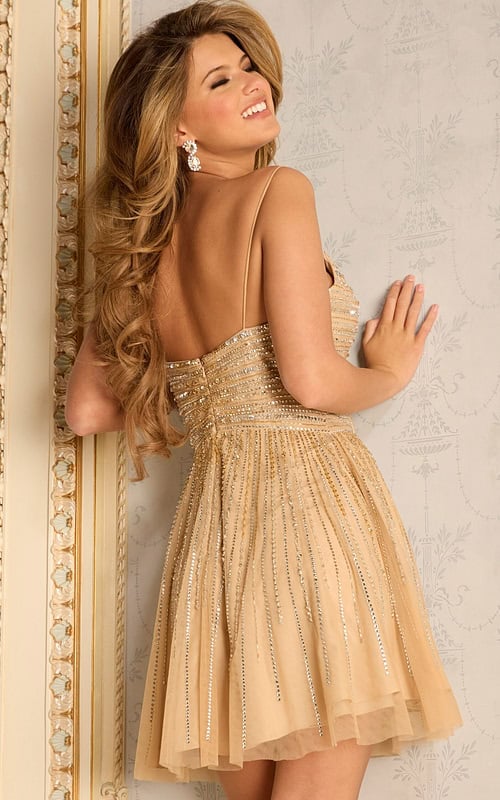
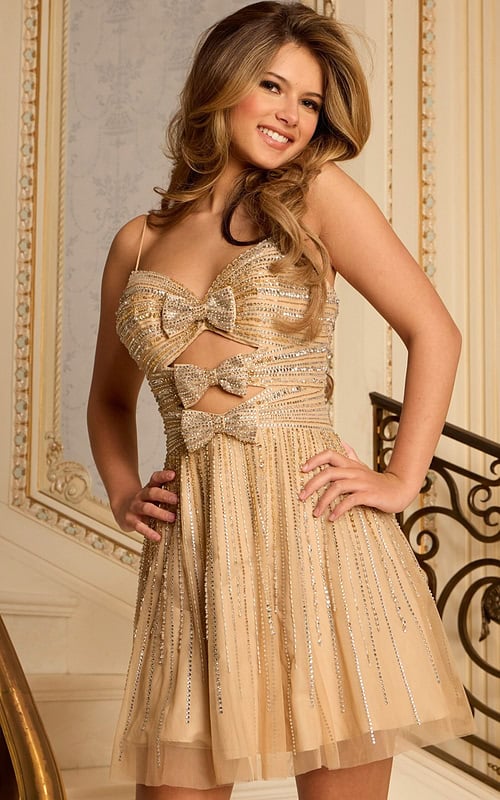
Among A line homecoming dresses, compare skirt volume before decoration. Sequins, crystals, embroidery, and beadwork add visual texture and physical weight, so a highly embellished skirt may move differently from a plain woven style. Check whether the skirt is fully lined or built with additional underlayers. Lining affects opacity, comfort, and how smoothly the outer fabric falls back into place after sitting.
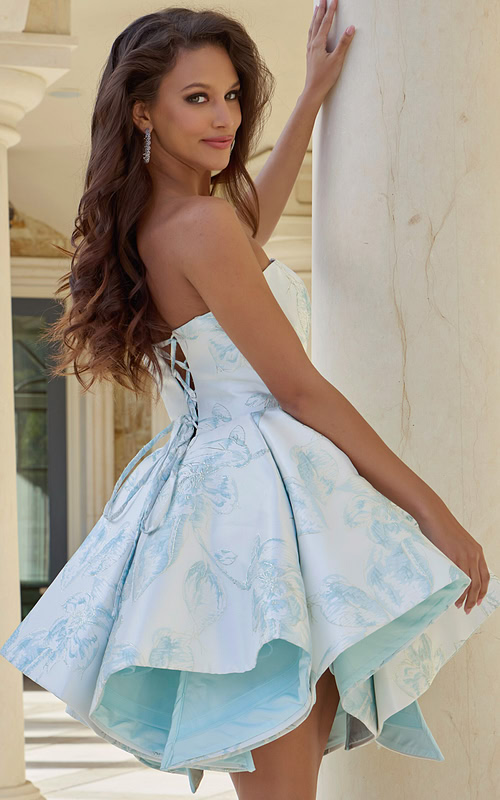
Mini lengths keep the shape compact and easy to move in. A high-low hem gives the skirt more room to show pleating and movement. If coverage is the deciding factor, modest homecoming dresses are a better comparison than choosing an A-line only by hem length.
Let Bodice Construction Guide the Fit
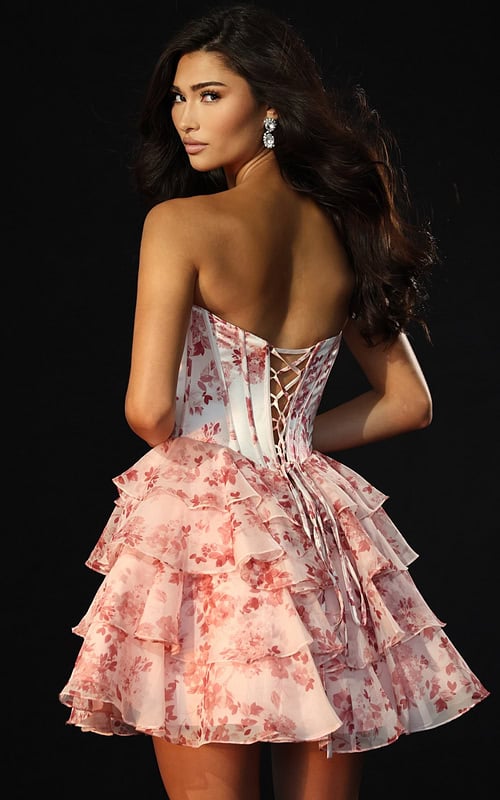
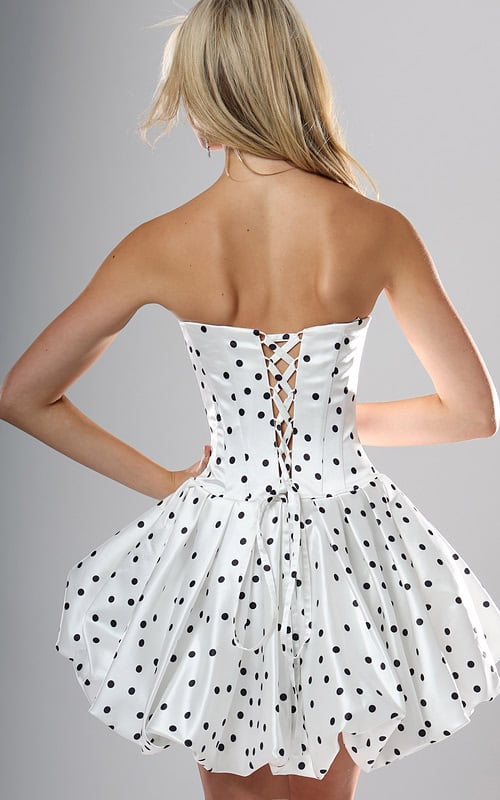
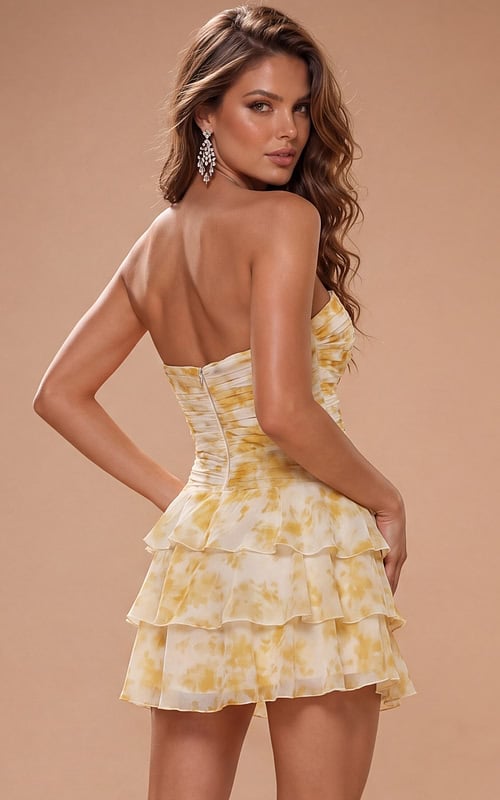
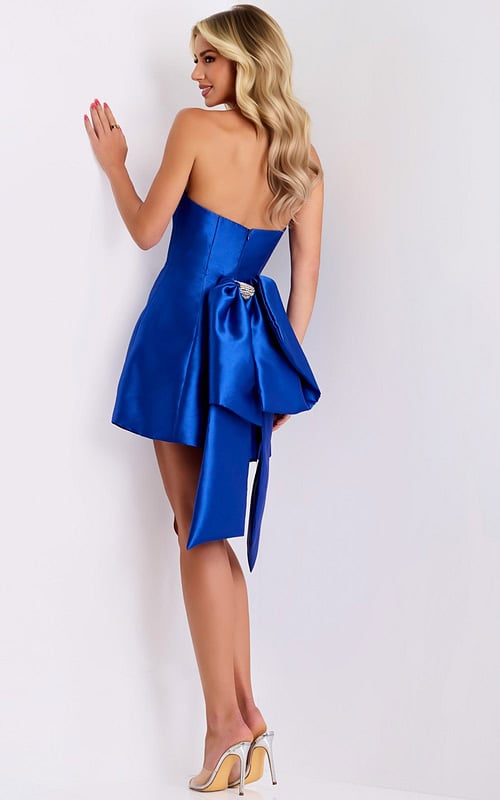
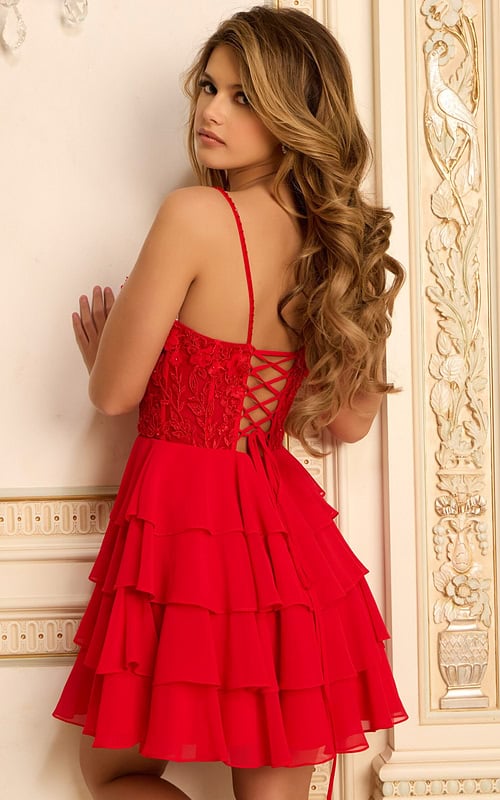
The bodice controls the waist definition and keeps the silhouette in position. Look for shaped seams, boning, padded or molded cups, supportive lining, and a closure that holds the torso securely. A strapless bodice needs enough internal structure to resist sliding. A lace-up back allows some adjustment through the waist and torso, while a fixed zipper gives less room to fine-tune the fit.
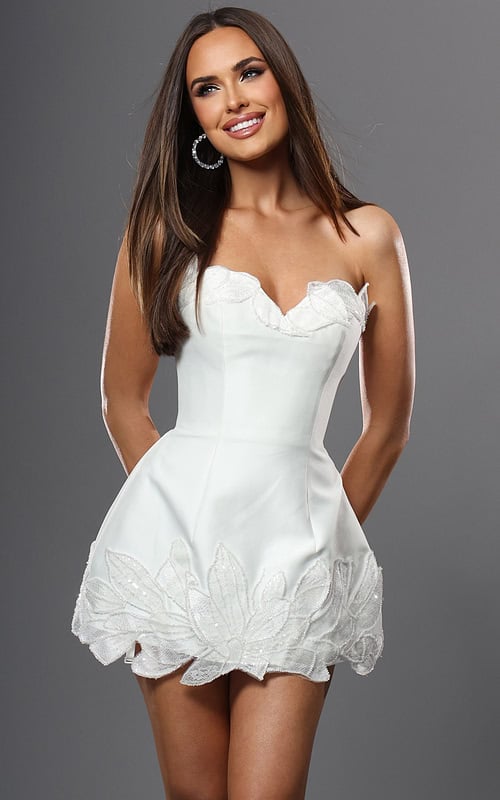
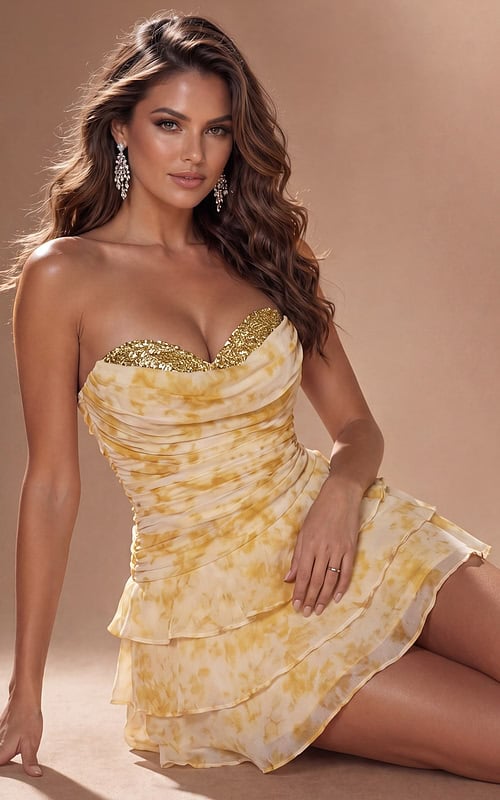
Corset construction can increase the contrast between a close bodice and a fuller skirt, especially with tiered, pleated, or bubble-hem designs. If that structure is the priority, corset homecoming gowns provide a direct comparison. Visible corset seams do not guarantee support; cup placement, boning, lining, and fabric firmness determine how securely the bodice feels. Jovani’s A-line assortment includes both visibly structured corset shapes and simpler fitted bodices, so bust, waist, and torso measurements usually matter more than hip measurement when choosing between sizes.
Choose a Neckline by Support
Neckline choice affects both proportion and support. Strapless and sweetheart shapes expose more of the shoulder line, which makes bodice grip and cup placement especially important. V-neck designs can create a longer line through the upper body, while halter or strap designs distribute support differently and may feel more secure for some shoppers.
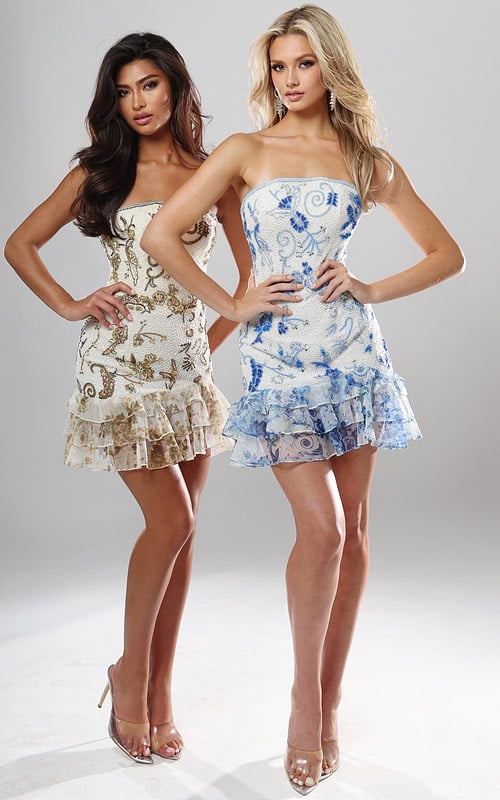
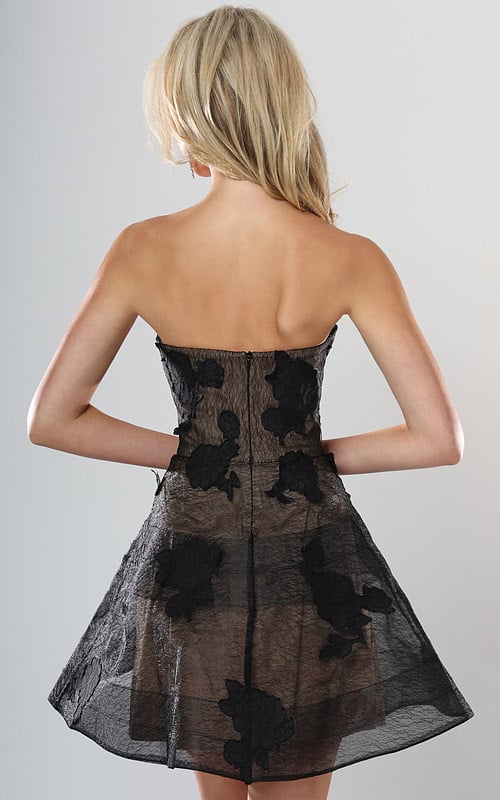
Check front and back views together. An open back, low back, or lace-up closure can change which undergarments are practical even when the front neckline looks covered. Straps set too wide or narrow for your frame can also affect how the neckline sits. For a close, uninterrupted line through the torso and hips, bodycon homecoming outfits show how much changing the skirt shape alters the overall proportion.
Compare Finish with Movement in Mind
When comparing A line homecoming dresses with similar shapes, finish can change how the skirt moves. Firm satin, brocade, or jacquard can keep a crisp skirt outline while dancing. Tiered ruffles create more motion, while sequins, crystals, and beading can add enough weight to reduce some of that swing. Compare this when two dresses share a silhouette but use different finishes.
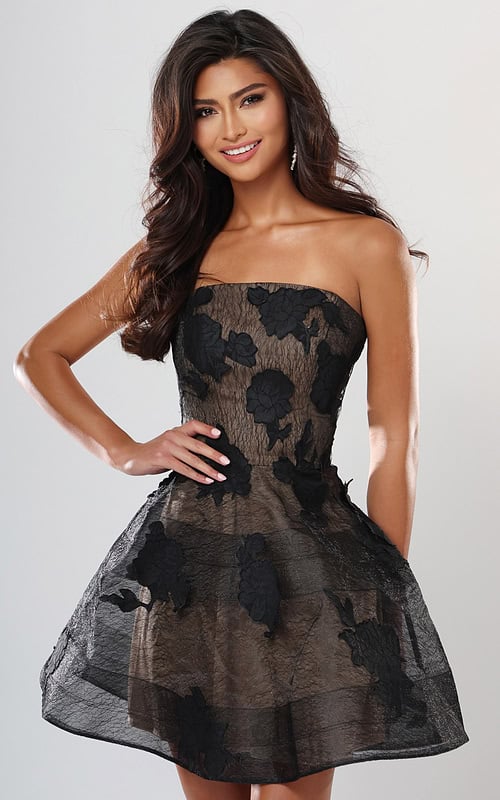
Color also changes how construction reads. Dark shades emphasize the outline and surface shine; lighter colors and floral fabrics make pleats, appliqué, and layered texture easier to see. Metallic finishes reflect more light, whether from the fabric or applied embellishment. A line homecoming gowns with heavier decoration should be checked at the armholes, waist, and skirt edge for comfortable lining. For warmer early-season dates, fewer layers may feel easier; in cooler conditions, denser fabrics can add body without requiring extra skirt volume.
Make the Final Choice by Fit
Before choosing an A line homecoming gown, compare bust, natural waist, and torso length first. Because the skirt usually gives more room through the hips, upper-body fit often determines whether the dress stays in position. If your measurements fall between sizes, consider alteration complexity: adjusting straps differs from changing a heavily boned or embellished bodice.
Then test movement. Sit, raise your arms, walk, and turn. A well-fitted skirt should fall back into shape instead of twisting around the body, and the bodice should stay secure without repeated adjustment. Check that the hem gives enough clearance for comfortable movement and that tiered or bubble skirts settle evenly after sitting. Choose the dress whose bodice stays secure, skirt moves comfortably, and fabric keeps its intended shape through the Homecoming night.