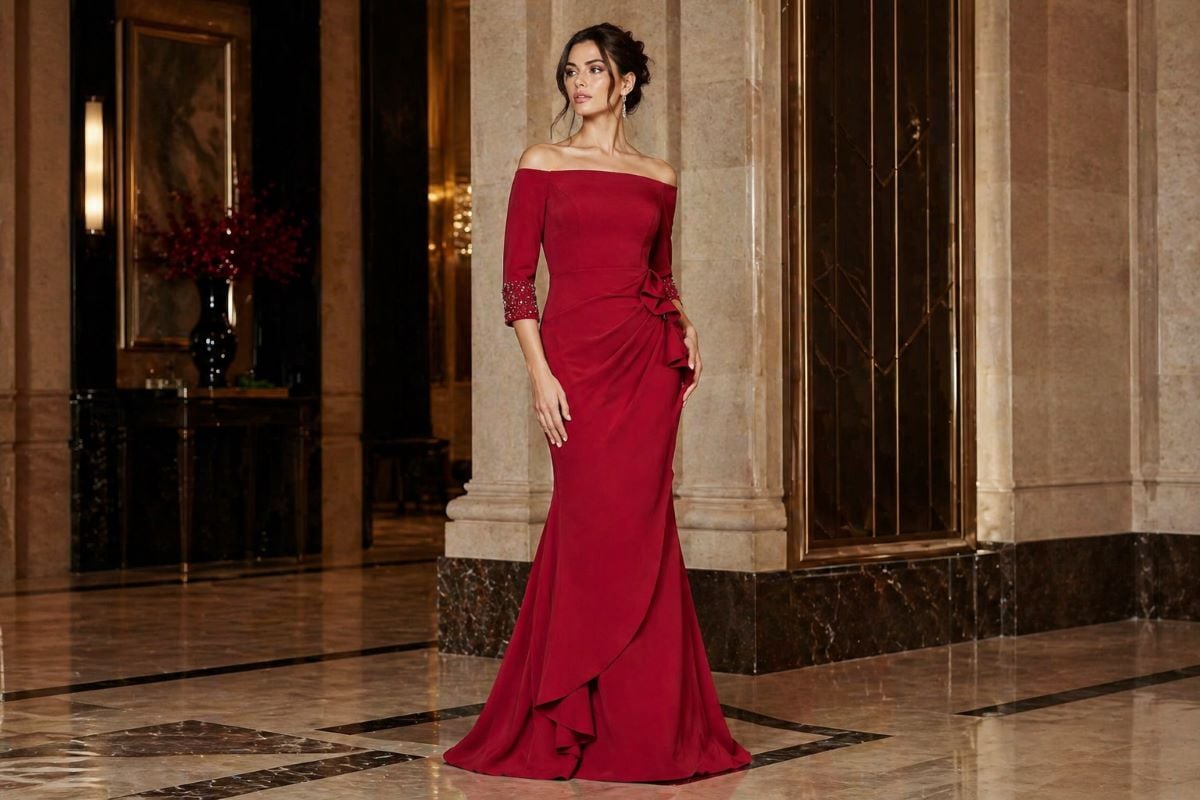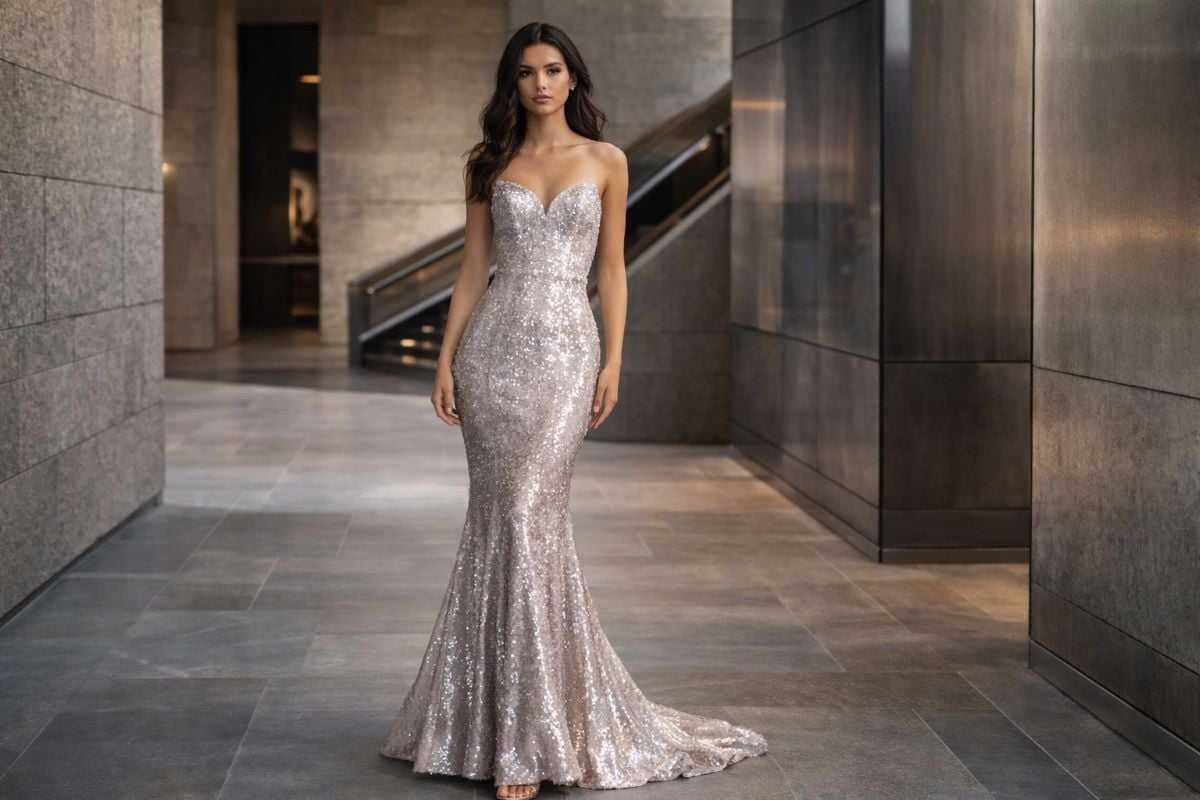

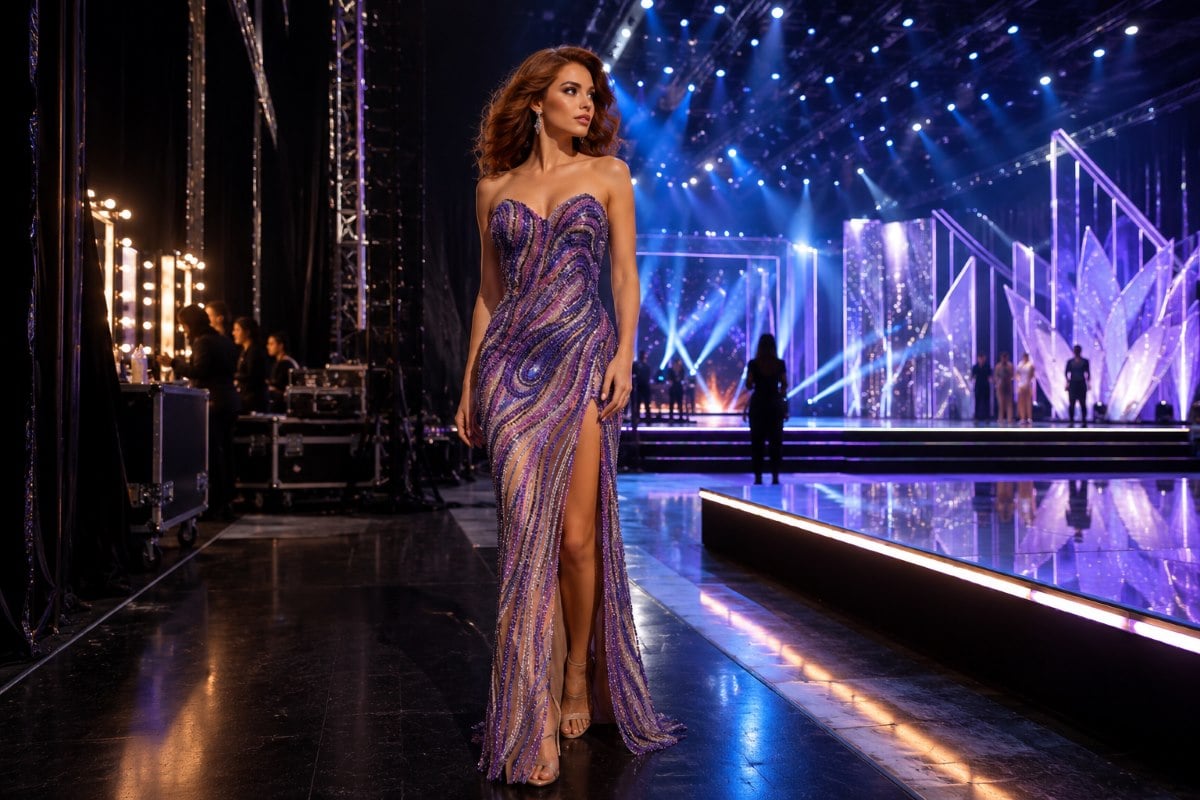
A standard dress fitting prioritizes how a garment looks when you are standing completely still for photos. However, navigating pageant gown alterations requires an entirely different engineering process. When you step onto a competition stage, your dress ceases to be just clothing; it becomes an active component of your presentation. Stage-performance tailoring prioritizes structural security, exact hem clearance, and kinetic movement under multi-directional, high-intensity lighting.
Every minor structural flaw is magnified by runway spotlights and judges seated below your eye level. The way a heavy skirt recovers after a full pivot, how the bodice maintains its precise architecture during deep breathing, and the exact friction of the hem against the stage floor all depend on the accuracy of your tailoring. Entering a fitting room with a strategic, performance-based plan ensures the garment works in tandem with your unique walking pattern.
Standard Tailoring vs. Stage-Ready Engineering
For a traditional red carpet event or charity gala, a hemline that lightly grazes the floor or a waistline with a bit of extra breathing room is perfectly acceptable. In a competition setting, these minor variables create massive distractions. A stage-ready fit requires testing the dress under the exact physical demands of the runway.
The core difference in pageant gown alterations is the focus on hidden internal architecture. While standard evening dress alterations generally focus on taking in the side seams, shortening straps, and executing a basic hem, pageant customizing frequently involves internal anchoring systems. Tailors working on competition garments recalibrate the gown’s center of gravity, adjust slit apexes for active strides, and install custom support that eliminates the need for any on-stage adjustments.
Hemming for the Stage Walk and Surface
A tripped step, a slight stumble, or a heel caught in a delicate hemline immediately disrupts the fluidity of your presentation and breaks eye contact with the judging panel. Hemming for the stage is a precise mathematical calculation based on two factors: your footwear and the venue’s stage material.

The Quarter-Inch Clearance Rule
When standing in your exact competition heels, the front hem of the dress should clear the floor by exactly 1/4 to 1/2 of an inch. This deliberate gap ensures that as your foot extends forward during a rapid runway walk, the toe of the shoe never hooks the fabric. During the pinning process, you must stand naturally with your shoulders pulled back and your eyes looking straight ahead. Looking down at the tailor drops the chest and shoulders, which can falsely alter the hem length by up to a full inch, resulting in a dress that is dangerously short when you walk upright.
Factoring in Stage Flooring and Stairs
The type of stage surface dramatically impacts how a hem behaves. If the pageant uses a runway covered in plush carpeting, your heels will sink into the floor, effectively lengthening the dress and increasing the tripping hazard. In this scenario, the tailor must pin the hem slightly higher. Conversely, if the stage features polished wood, a Marley floor, or hard acrylic, the standard 1/4-inch clearance provides the ideal balance of safety and a seamless floor-skimming aesthetic. Furthermore, if your choreography involves walking down stairs, tell your tailor. They may suggest a slightly shorter front hem or train you on how to discreetly kick the fabric forward with your toe on descent.
Securing the Bodice: Waist Stays and Foundation Garments
You cannot project confidence if you are subconsciously worried about a shifting neckline or the physical strain of pulling up a heavy bodice. Pageant gowns heavily embellished with glass beads, thick crystals, or dense layers of duchess satin carry significant physical weight. This weight continuously pulls downward during active movement.
Implementing a Waist Stay
One of the best-kept secrets in pageant gown alterations is the addition of a waist stay. This is a durable grosgrain ribbon sewn invisibly into the interior side and back seams of the bodice. It fastens tightly around your natural waist with hook-and-eye closures, completely independent of the dress’s outer zipper. The stay anchors the garment directly to the skeletal structure of your hips. By bearing the entire weight of the skirt, it prevents the bodice from dragging downward, eliminating the need to pull the dress up and allowing for unrestricted, graceful upper-body movement.
Integrating Bodysuits and Leotards
Visible shapewear or shifting undergarments deduct points immediately. Instead of wearing separate foundational pieces, request your tailor to sew a customized, dye-matched bodysuit or leotard directly into the interior waistline of the gown. This ensures that no matter how high the leg slit opens or how sharply you pivot, the foundation remains completely hidden and taut against the skin.
Upgrading Internal Boning and Cups
Standard factory boning often warps due to body heat, bends outward, or digs into the ribs when executing sharp torso twists. A skilled tailor will remove flimsy plastic boning and replace it with rigid spiral steel or dense German plastic boning, custom-cut to your exact torso length. Factory bust cups should also be removed and replaced with high-density, structure-enhancing cups matched precisely to your bust volume, ensuring a smooth, flawless silhouette across the chest under bright lighting.
Managing Embellishments and Beadwork During Alterations
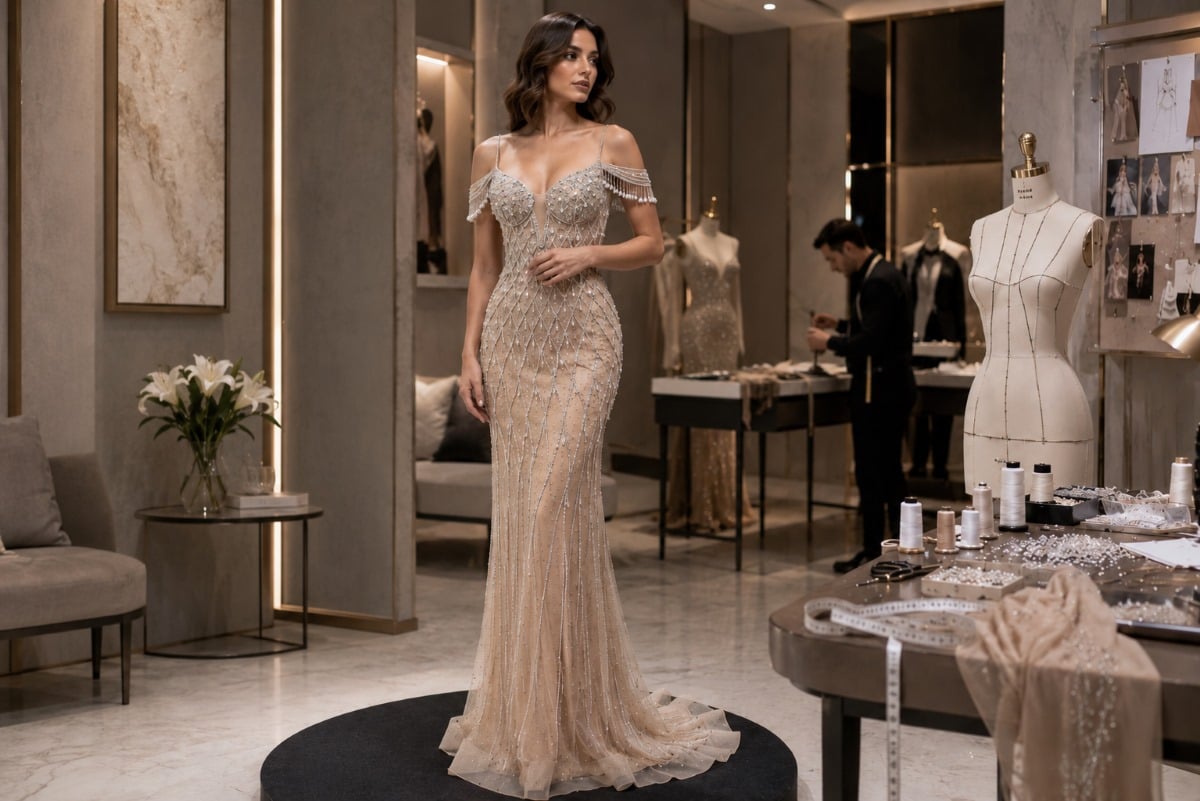
Altering a fully beaded or crystal-encrusted gown requires highly specialized labor. Taking in a dress at the side seams is not as simple as running it through a sewing machine.
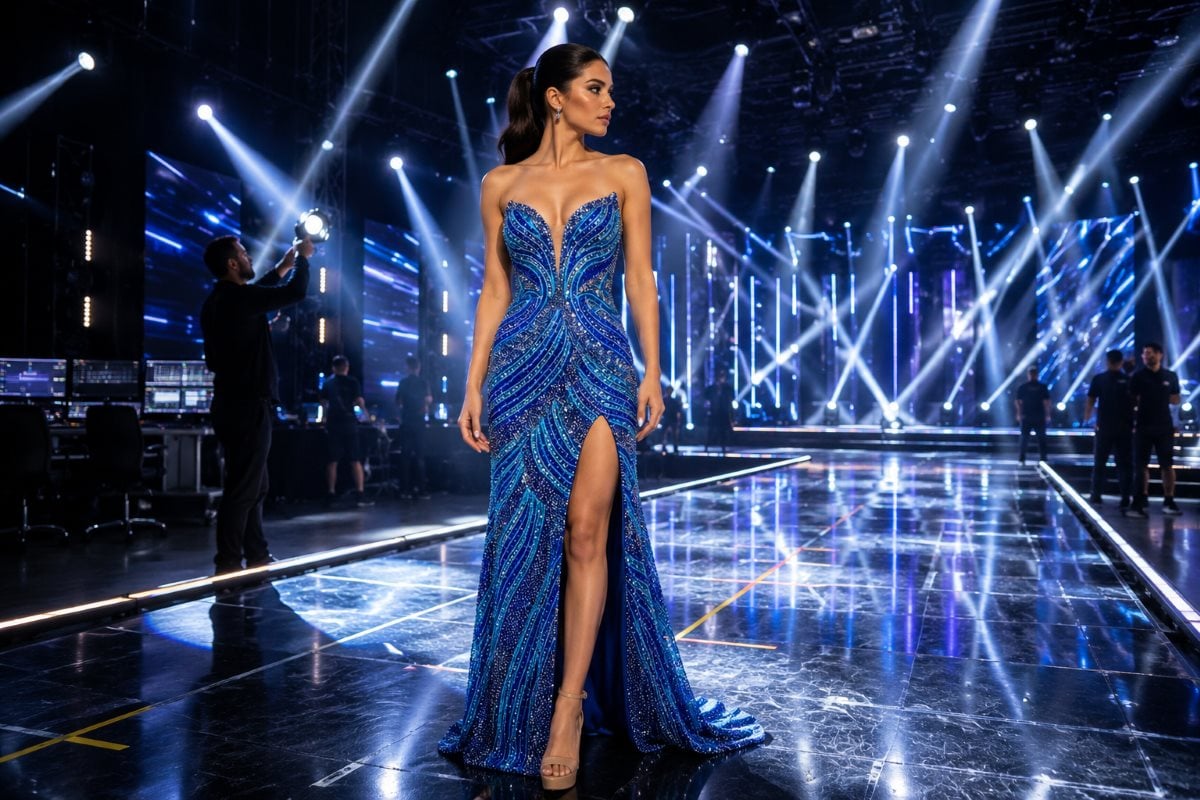
Seamless Pattern Matching
When taking in the waist or bust, an expert tailor must carefully unpick the beadwork by hand along the seam line, secure the loose threads so the rest of the pattern does not unravel, sew the new fabric seam, and finally re-bead the area by hand. This ensures the geometric or floral patterns align perfectly across the new seam. You should inspect the side seams under bright light during your final fitting to confirm no gaps or missing crystals exist where the fabric was joined.
Modifying for Backstage Quick Changes
Pageant timelines are notoriously rigid. You may only have three minutes to transition from the swimsuit or activewear phase into your evening gown. A delicate, invisible zipper that requires slow, careful coaxing is a liability backstage.
Discuss the backstage timeline with your tailor. For rapid transitions, tailors often remove fragile invisible zippers and install heavy-duty theatrical zippers that glide smoothly. They may also install reinforced hook-and-eye closures at the top of the zipper track. These closures absorb the immediate physical tension of a tight bodice, allowing your dresser to pull the zipper up without the teeth splitting.
Controlling Fabric Movement: Slits, Trains, and Stage Wind
Dynamic movement completely changes the physics of formal fabric. What looks conservative and controlled while standing in front of a mirror can become unpredictable during an aggressive runway stride or when facing a stage fan.

Pinning the Slit in Motion
Determining the height of a leg slit requires active movement in the fitting room. You should execute a full, exaggerated walking stride while the tailor observes. The slit must allow for maximum leg extension without opening far enough to reveal undergarments. Depending on the specific pageant system’s modesty rules, the tailor may need to tack the apex of the slit closed by an inch or two, or add a weighted lining to the front panel so the fabric snaps back into place instantly after the leg extends.
Weighting the Train for Pivots
When you execute a full or half pivot at the end of the runway, the train must follow your body and settle flat on the floor immediately. Tailors solve floating fabrics by sewing small, lead drapery weights into the extreme edge of the train, or by installing a wide, stiff horsehair braid along the entire inside hemline. This specific manipulation directly influences how judges score the evening gown phase, as extreme physical control of the garment demonstrates stage presence, experience, and poise.
Engineering for Stage Fans
Many large pageant productions utilize high-powered wind machines at the end of the runway to create a dramatic, blowing effect. If your gown features lightweight fabrics like chiffon or organza, a strong fan can blow the fabric completely over your head or wrap it tightly between your legs. To counter this, tailors sew a thick monofilament (fishing line) into a rolled hem. This gives the edge of the chiffon rigid structure and bounce, allowing it to catch the wind and ripple beautifully outward rather than flying upward uncontrollably.
Managing Illusion Mesh Under Stage Lighting
Theatrical lighting is notoriously unforgiving. Bright, multi-colored stage washes combined with harsh front spotlights will instantly highlight the edges of nude illusion mesh or sheer paneling, breaking the intended “illusion” effect.
Customizing this sheer fabric is a mandatory step in high-level pageant gown alterations. You must evaluate the gown’s mesh under the brightest, most direct light available, replicating stage conditions as closely as possible. The mesh must match your specific stage skin tone—which is often several shades darker than your natural tone due to competition spray tanning. If the factory mesh is too light, it creates a harsh, highly visible line across the chest, shoulders, or back. An experienced tailor can detach the crystal appliques, remove the original mesh entirely, and sew in a customized layer of tulle that blends seamlessly with your stage tan.
Additionally, fresh spray tans can create friction against illusion mesh, causing the fabric to chafe the skin or the tan to stain the visible edges of the neckline. Ask your tailor to line the extreme raw edges of the neckline and armholes with a micro-thin layer of clear silicone tape. This provides a comfortable barrier between the fabric and your skin, preventing chafing and keeping the mesh invisible.
Frequently Asked Questions About Pageant Gown Alterations
How much floor clearance should a pageant gown hem have?
A stage-ready pageant gown should clear the floor by exactly 1/4 to 1/2 of an inch when you are standing in your actual competition shoes. This specific measurement prevents the toe of the heel from catching the fabric during a fast-paced runway walk, ensuring maximum safety without making the dress look noticeably short to the judges.
What is a waist stay and why do heavily beaded gowns need them?
A waist stay is a hidden, heavy-duty ribbon sewn into the inner seams of the bodice that fastens securely around the natural waist. It anchors the dress directly to the body, bearing the heavy weight of beaded skirts and preventing the bodice from shifting or pulling downward while walking.
Can a tailor change the color of illusion mesh on a gown?
Yes. If the original illusion mesh does not match your competition stage tan, a highly skilled formalwear tailor can carefully remove the existing mesh and replace it with a darker, color-matched tulle. Alternatively, they can layer a thin colored mesh underneath the original to achieve a seamless blend under harsh stage lighting.
How do you keep a high dress slit from opening too far on stage?
To control a high slit during an active stage walk, tailors will ask you to take exaggerated strides during the fitting. They can then lower the top of the slit by tacking it securely closed, or add a subtle weighted lining to the front fabric panel so it falls back into place cleanly and immediately after the leg moves forward.
When should you start scheduling your fittings?
You should initiate your pageant gown alterations at least 8 to 10 weeks before your departure date, with the initial fitting scheduled 6 weeks prior to leaving. This timeline accommodates multiple fitting sessions, allows time to order custom mesh or specialized steel boning if necessary, and leaves ample time to practice walking in the finished garment.
Whether you are finalizing the intricate fit of your evening gown or preparing your interview dresses for the judges’ panel, prioritizing technical, stage-specific structural alterations will give you the flawless, distraction-free performance needed to capture the crown.