
The Ultimate Guide to Formal and Evening Dress Alterations
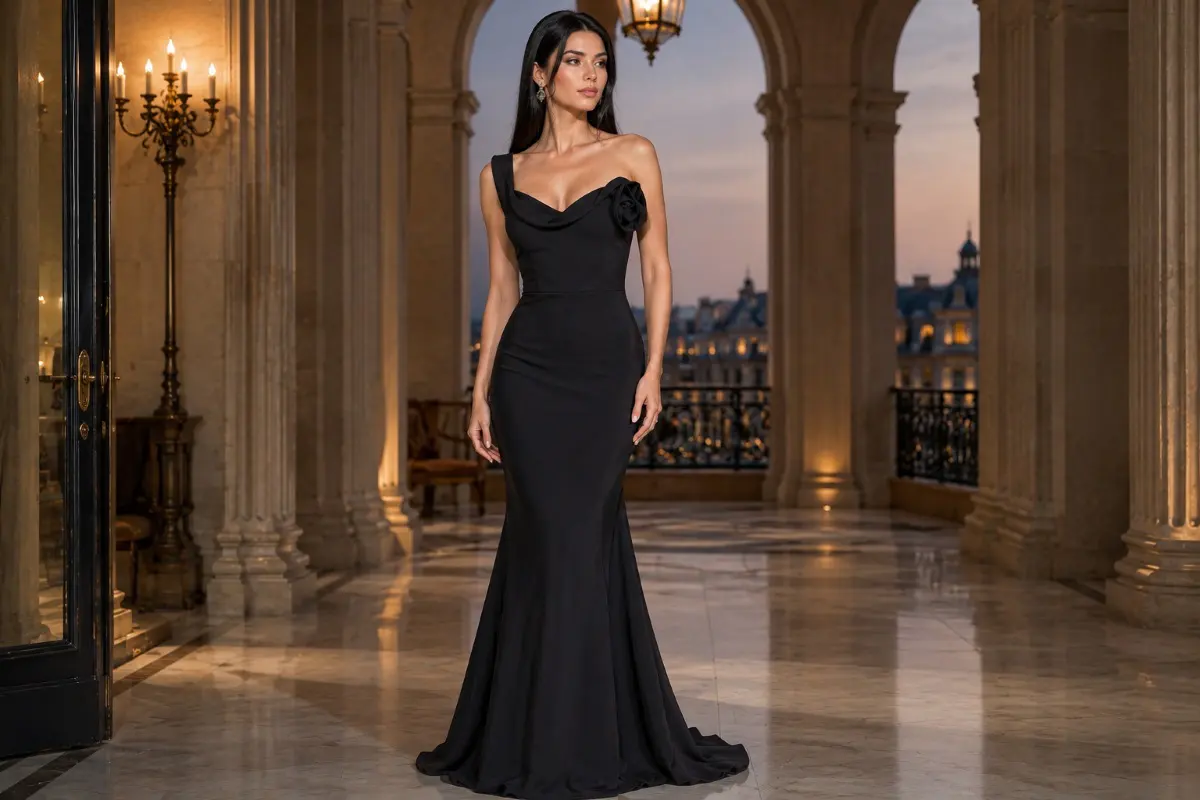
The journey to finding your dream gown is an unforgettable experience, filled with moments of anticipation, excitement, and ultimate joy when you finally see yourself in the mirror. However, stepping out of the fitting room is rarely the final step in the process. Whether you have selected a sweeping ballgown for a charity gala or a sleek mermaid silhouette for a black-tie wedding, achieving a flawless look relies heavily on the final fitting. This is where the art of evening dress alterations becomes absolutely essential.
In the world of high fashion and luxury formalwear, clothing is crafted using standardized sizing charts based on proportional averages. But the human body is beautifully unique, featuring distinct curves, proportions, and postures that no standard sizing chart can perfectly capture. Expecting a gown to fit impeccably straight off the rack is a common misconception. The secret behind every stunning red-carpet moment and every breathtaking entrance is the skilled work of a professional seamstress. This comprehensive dress alteration guide is designed to demystify the tailoring process, helping you understand exactly what to expect, how to prepare, and why investing in expert modifications is the key to unlocking your gown's true potential.
The Philosophy of the Perfect Fit
Understanding the mechanics of evening dress alterations requires a shift in perspective. Tailoring should never be viewed as a means to fix a "problem" with your body or the dress; rather, it is the sophisticated process of harmonizing the garment with your individual architecture. When a gown fits properly, it does more than just look visually appealing—it transforms how you move, breathe, and carry yourself throughout the event.
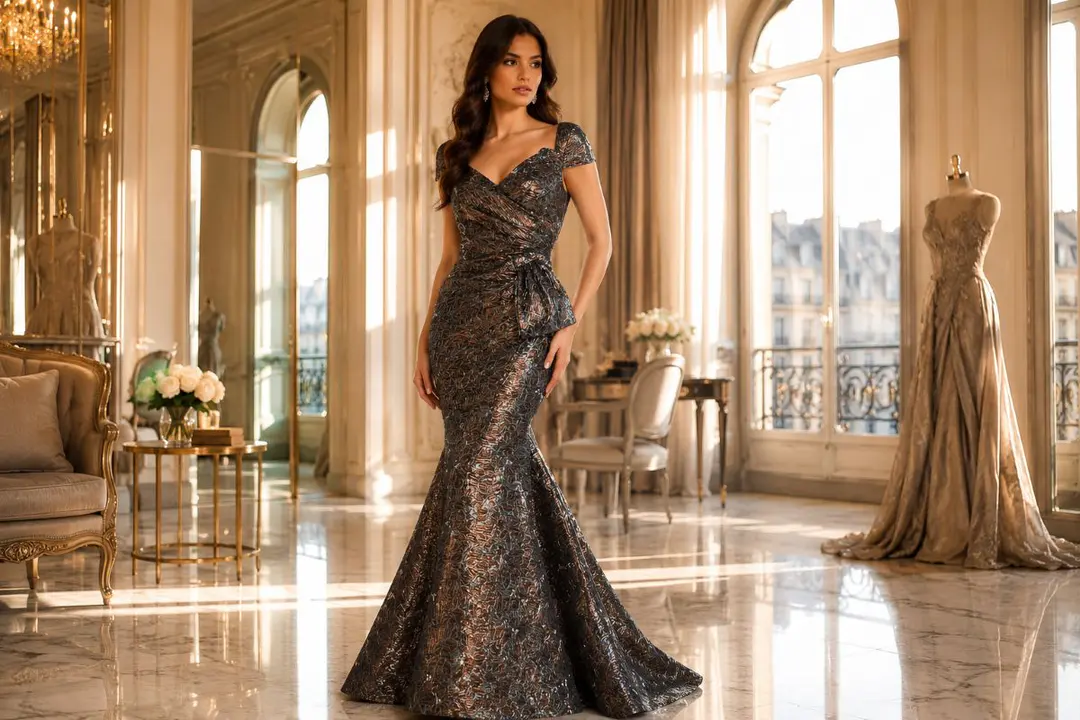
A custom fit evening gown provides essential structural support, eliminating the need to constantly adjust slipping straps, pull up a descending bodice, or worry about tripping over an excessively long skirt. When you invest in luxury formalwear, you are investing in premium fabrics, intricate embellishments, and masterful design. Professional formal dress tailoring ensures that these high-end elements drape exactly as the designer intended. When focusing on Jovani gown alterations, precision becomes even more critical. Our designs frequently incorporate complex boning, internal corsetry, delicate appliques, and illusion necklines. Preserving the structural integrity of these designs while molding them to your specific measurements is a task that requires both technical skill and an artistic eye.
Most Common Dress Alteration Procedures
To navigate your fittings with confidence, it is highly beneficial to understand the terminology and the specific adjustments that a tailor might recommend. While every body is different, certain modifications are universally standard in the world of formalwear.
Hemming a Formal Dress
Of all the evening dress alterations you might encounter, adjusting the hemline is the most universal. Very few women are the exact height that designer gowns are cut for, which is typically tailored to accommodate runway models wearing towering heels. Hemming a formal dress is rarely as simple as cutting fabric and sewing a straight line. Evening gowns often consist of multiple layers, including the outer shell, interlining, crinoline for volume, and smooth inner linings. A skilled tailor must meticulously measure and adjust each individual layer to ensure the skirt moves fluidly without bunching.
Furthermore, the style of the hem heavily influences the alteration technique. A gown finished with a stiff horsehair braid requires the tailor to carefully remove the braid, shorten the fabric, and meticulously reattach the trim to maintain the skirt's dramatic sweep. If the dress features heavy beading or lace appliques at the bottom, the seamstress must manually remove the embellishments, alter the length, and expertly reapply the details by hand so the modification remains entirely invisible.
Taking in a Gown
If a dress feels loose around the bust, waist, or hips, it will lack the sculpted, supportive look necessary for formalwear. Taking in a gown involves opening the side seams, back seams, or princess seams to remove excess fabric. The goal is to bring the silhouette closer to the body without distorting the design's original lines. For gowns with internal corsetry, this process becomes highly technical, as the tailor must adjust the boning channels to align perfectly with your ribcage and waist. This procedure ensures the dress stays anchored to your natural waistline, providing a foundation that allows you to move with complete freedom and confidence.
Letting Out a Gown
Conversely, if a dress is too tight, it can cause pulling across the fabric, restricting your movement and causing deep discomfort. Many high-quality gowns are constructed with a "seam allowance"—extra fabric folded into the interior seams specifically designed to allow the dress to be let out by one or two sizes. Letting a gown out requires releasing the original stitches and carefully pressing the fabric to remove any previous crease lines. If the seam allowance is insufficient, a master tailor might suggest inserting a discreet gusset or creating a lace-up corset back to provide the necessary room while adding a beautiful, intentional design element.
Adjusting Shoulders and Straps
Straps that slip off the shoulders are incredibly distracting, while straps that dig into the skin cause painful irritation. Adjusting the shoulders is vital for lifting the entire bodice into its proper position. When the bodice sits at the correct height, the bustline is supported, the waistline hits exactly where it should, and the overall proportion of the dress is dramatically improved.
Fabric Considerations in Tailoring
The success of any tailoring endeavor is heavily dictated by the fabric of the garment. Different textiles react uniquely to needles, thread, and tension, requiring specialized techniques.
Working with delicate materials like silk chiffon or fine tulle requires an incredibly light touch. These fabrics are prone to snagging and can show needle marks if the original seams are unpicked clumsily. Because they are often cut on the bias (diagonally across the grain of the fabric) to create a beautiful drape, altering them without distorting the hemline demands advanced expertise.
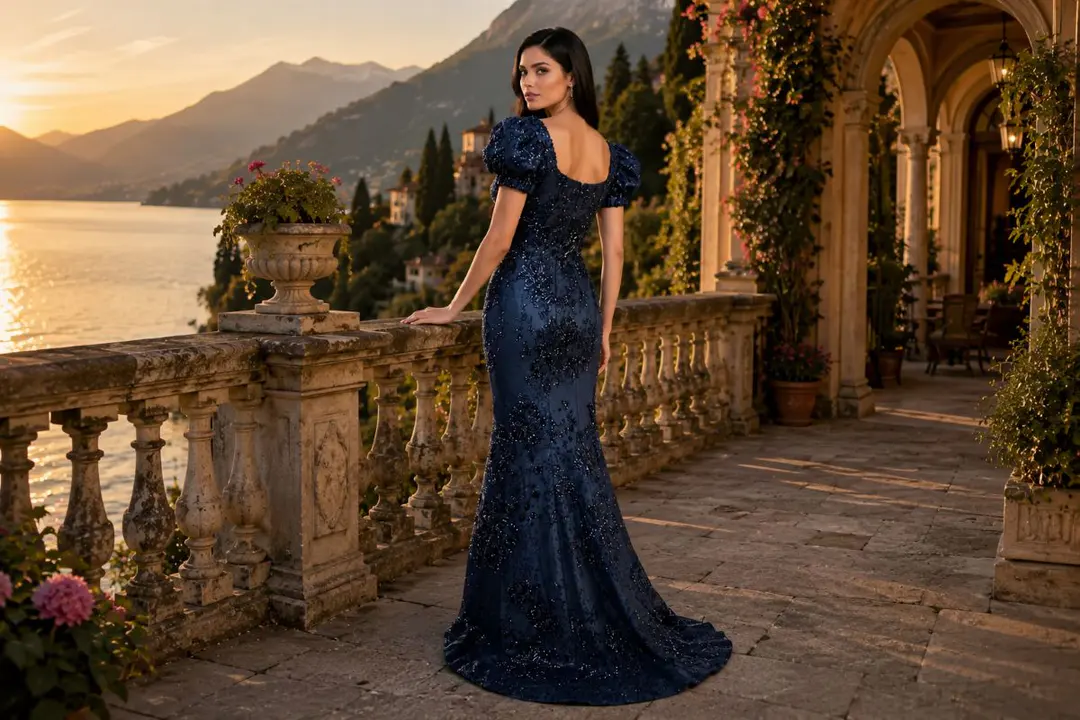
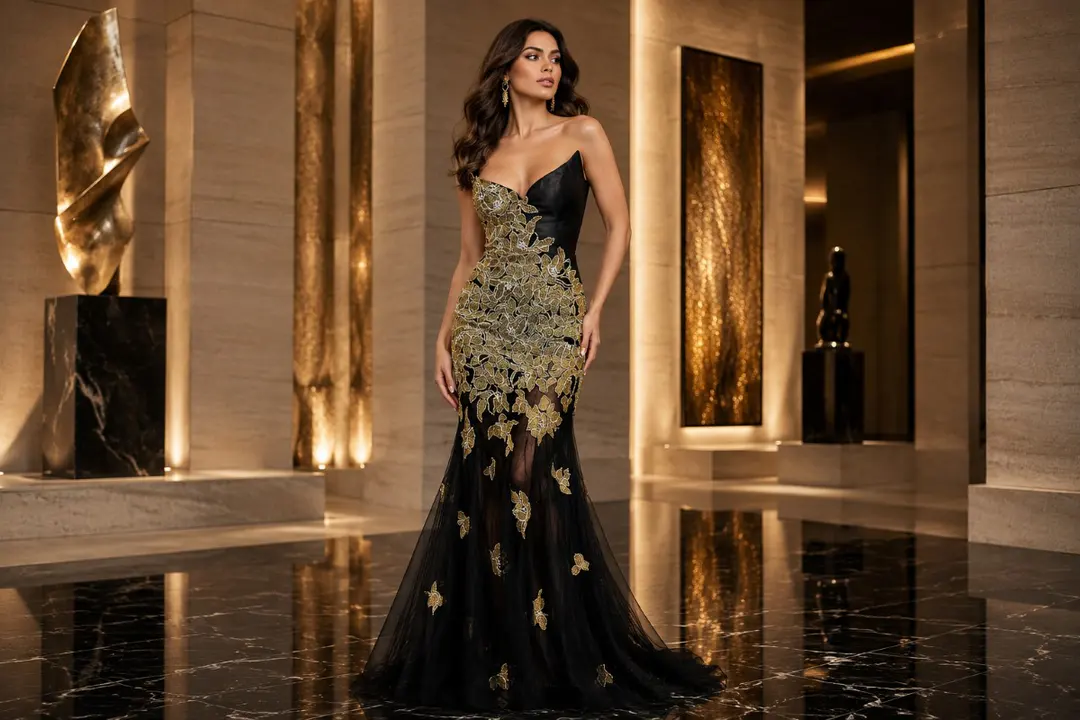
On the other end of the spectrum, heavy satins, brocades, and velvet require industrial-strength needles and careful pressing techniques to avoid crushing the fabric's pile or creating shiny iron marks. Dresses adorned with sequins, crystals, or pearl beads present the greatest challenge. The tailor must meticulously crush or remove individual beads along the alteration line before sewing, lest the needle break or the seam become thick and lumpy. Achieving the perfect Jovani fit on a heavily embellished gown is a testament to a tailor's dedication, as they will spend hours hand-sewing individual beads back into place once the structural adjustments are complete.

Altering Different Silhouettes and Styles
The architecture of your dress dictates the specific approach your tailor must take. An experienced professional understands that a one-size-fits-all approach is disastrous in luxury fashion. When you browse our breathtaking collection of formal gowns, you will notice a vast array of structural designs, each requiring a tailored alteration strategy.
For instance, ensuring a flawless fit in plus size formal wear often involves focusing heavily on the structural foundation. Tailors will prioritize bust support, ensuring the internal boning and cups are perfectly positioned to lift and secure, allowing the outer fabric to drape elegantly over the curves without pulling.
When dealing with strapless prom dresses, the alteration focus shifts entirely to the waist and ribcage. A common misconception is that a strapless dress is held up by the bust; in reality, a properly tailored strapless gown is anchored tightly to the waist and ribcage, preventing it from sliding down. The tailor will take in the bodice until it feels like a gentle, supportive hug around your torso.
Modifications for long sleeve gowns involve a delicate balance between a sleek, fitted appearance and practical mobility. The armholes (armscyes) must be cut high enough to allow you to lift your arms for dancing and embracing, while the sleeves themselves might need to be tapered to avoid looking baggy or unrefined.
For clients seeking more coverage, transforming standard designs into stunning modest evening dresses is a frequent request. A master tailor can seamlessly add illusion necklines, build elegant cap sleeves, or insert modesty panels that look like original design elements rather than obvious afterthoughts.
Finally, altering short party dresses often involves strict attention to proportion. If the hem is raised, the tailor must ensure that the waistline does not suddenly appear too low, maintaining the flirty and balanced aesthetic intended by the designer.
The Timeline: Preparing for Prom Dress Alterations
One of the most critical aspects of the tailoring process is timeline management. High-quality evening dress alterations cannot be rushed. A common mistake is waiting until the week before the event to seek out a tailor.
For typical formal dress tailoring, you should aim to have your first fitting at least four to six weeks before your event. If your gown requires complex beadwork adjustments or major structural redesigns, extending that timeline to eight weeks is highly recommended. For prom dress alterations, which occur during peak bridal and formalwear seasons in the spring, securing your tailor months in advance is essential, as the best professionals book up rapidly.
You should expect to undergo two to three fittings. The first fitting is for pinning and conceptualizing the necessary changes. The second fitting allows you to try on the dress with the temporary stitches in place, ensuring the fit is progressing correctly before the fabric is permanently cut. The final fitting is a comprehensive review to guarantee everything is flawless.
What to Bring to Your Fittings
To ensure absolute accuracy, you must bring the exact items you plan to wear on the night of your event.
- The Exact Shoes: The height of your heel fundamentally dictates the hemline. If you switch from a four-inch stiletto to a two-inch kitten heel after the dress has been hemmed, the gown will drag uncomfortably on the floor.
- The Undergarments: Whether you plan to wear a strapless bra, a corset, shapewear, or rely on sewn-in cups, you must wear them to every fitting. The structure of your undergarments directly influences how the dress falls across your body.
Financial Expectations for Tailoring
Budgeting for evening dress alterations is a vital part of the dress-shopping experience. Tailoring is a highly skilled, labor-intensive craft, and the pricing reflects the expertise required to dismantle and reconstruct a luxury garment.
The cost varies wildly depending on the complexity of the dress and your geographic location. Hemming a simple chiffon skirt will cost significantly less than hemming a multi-layered ballgown with an intricate scalloped lace edge. Taking in the waist of a plain crepe gown is straightforward, whereas altering a fully beaded bodice requires hours of meticulous handwork. When planning your formalwear budget, it is financially prudent to allocate an additional 15% to 25% of the dress's purchase price to cover potential alteration costs. Remember, a less expensive dress tailored to perfection will always look infinitely more luxurious than a wildly expensive designer gown that fits poorly.
Finding the Right Professional Tailor
Trusting someone with a luxury garment is a significant decision. You should actively seek out a specialized formalwear tailor or a bridal seamstress. Do not take an intricate evening gown to a standard dry cleaner who primarily hems trousers and fixes zippers.
Ask the boutique where you purchased the dress for their preferred tailoring partners. Look for professionals who understand the complexities of bias cuts, boning, and beadwork. A true professional will examine the dress's construction, discuss your mobility needs, and clearly explain what is technically possible before ever threading a needle.
FAQs About Evening Dress Alterations
1. How many sizes can a formal dress realistically be taken in?
As a general rule, a gown can be safely taken in up to two full dress sizes (roughly three to four inches) without compromising the structural integrity or original design of the dress. Taking a dress in further than two sizes usually requires a complete recutting of the garment, which can distort the placement of pockets, necklines, and side seams.
2. Can a dress be made larger if I buy a size too small?
This depends entirely on the gown's seam allowance. Most high-quality evening wear includes extra fabric inside the side seams, typically allowing the dress to be let out by one full size (about one to one-and-a-half inches total). If there is no seam allowance, a creative tailor might be able to add matching side panels or convert a zippered back into a lace-up corset, which naturally provides several extra inches of breathing room.
3. Should my dress touch the floor after it is hemmed?
The ideal hemline depends on the formality of the event and the silhouette of the dress. For most formal and black-tie events, the front hem should hover approximately one-quarter to one-half inch above the floor when you are wearing your chosen shoes. This precise length creates the illusion that you are floating while preventing you from stepping on the fabric and tripping. The back of the dress may trail longer if it features a train.
4. Can I change the neckline of my evening gown?
Yes, modifying the neckline is a very common request. A skilled seamstress can often transform a straight strapless neckline into a sweetheart shape, deepen a V-neck for a more dramatic look, or add a sheer illusion panel to raise a plunging neckline for added modesty. However, the feasibility depends on the existing boning structure and fabric availability.
5. Is it possible to add sleeves to a sleeveless dress?
Absolutely. Adding sleeves is a beautiful way to customize a gown. Tailors can use extra fabric ordered from the designer, or source matching tulle, lace, or chiffon to build elegant off-the-shoulder straps, delicate cap sleeves, or even full-length sheer sleeves.
6. The Final Step to Flawless Elegance
Ultimately, the goal of any alteration is to make the dress feel as though it was sculpted exclusively for you. It is the bridge between beautiful design and breathtaking execution. By understanding the processes, preparing adequately, and trusting a skilled professional, you guarantee that your final look will be nothing short of perfection. To begin your journey and find the perfect canvas for your next event, visit one of our authorized Jovani retailers to discover a gown that speaks to your unique style.