
The morning after a major school dance often brings a familiar mix of exhaustion, beautiful memories, and exhilaration. Your dancing shoes are tossed in the corner, digital photos are being uploaded and shared with friends across social media, and your stunning gown is hung carefully back in its protective garment bag. For decades, the back of a closet inevitably became a permanent, quiet museum for beautiful garments destined to be worn only once. The traditional mindset dictated that formalwear was strictly single-use, creating a cycle of purchasing expensive items for isolated events. However, the modern approach to fashion is shifting dramatically toward sustainability, wardrobe longevity, and maximizing the full styling potential of the premium pieces we already own. If you find yourself staring at your closet, feeling a sense of guilt over a beautiful, high-quality garment collecting dust, and wondering how to wear your homecoming dress again, you are in exactly the right place.
Investing in a premium designer garment means you are purchasing superior craftsmanship, high-quality fabrics, and a structural integrity designed to last for years, not just a few hours. When you choose a luxury designer piece, you are not simply buying an outfit for a single Saturday night in the fall; you are acquiring a foundational element for a highly versatile, sophisticated wardrobe. Expertly tailored garments are specifically created to hold their shape, meaning they possess the durability required for multiple wears, rigorous professional dry cleaning, and highly creative styling adaptations. The secret to extending the life of your formalwear lies entirely in how you approach styling, creative layering, the juxtaposition of fabrics, and occasionally, light professional tailoring.
By learning to look at your formal pieces through a new, highly creative lens, you can easily repurpose party styles for entirely different occasions. Whether you want to tone down the high-wattage glamour for a casual weekend outing, elevate the silhouette for a different formal event, or completely deconstruct the aesthetic to suit your everyday life, this comprehensive guide will walk you through the advanced art of garment transformation. Your dress has a long, vibrant life ahead of it; it simply requires a fresh, editorial styling perspective.
The Philosophy of the Versatile Wardrobe and Designer Quality
Before diving into specific, actionable styling techniques, it is essential to understand the mindset behind a versatile wardrobe and why the baseline quality of your dress matters so deeply to its future potential. In high fashion, the concept of “cost-per-wear” is a guiding principle for building a smart, sustainable closet. A breathtaking designer gown requires a higher initial investment, but its intrinsic value multiplies exponentially each time it is creatively restyled and worn again.
The True Value of Premium Construction
High-end fashion houses focus heavily on meticulous construction and architectural integrity. This includes reinforced seams, premium inner linings that feel smooth and luxurious against the skin, expertly placed boning for structural support, and luxurious outer fabrics that catch the light beautifully. This exceptional level of quality is precisely what separates a disposable, single-use fast-fashion piece from a lifelong wardrobe staple.
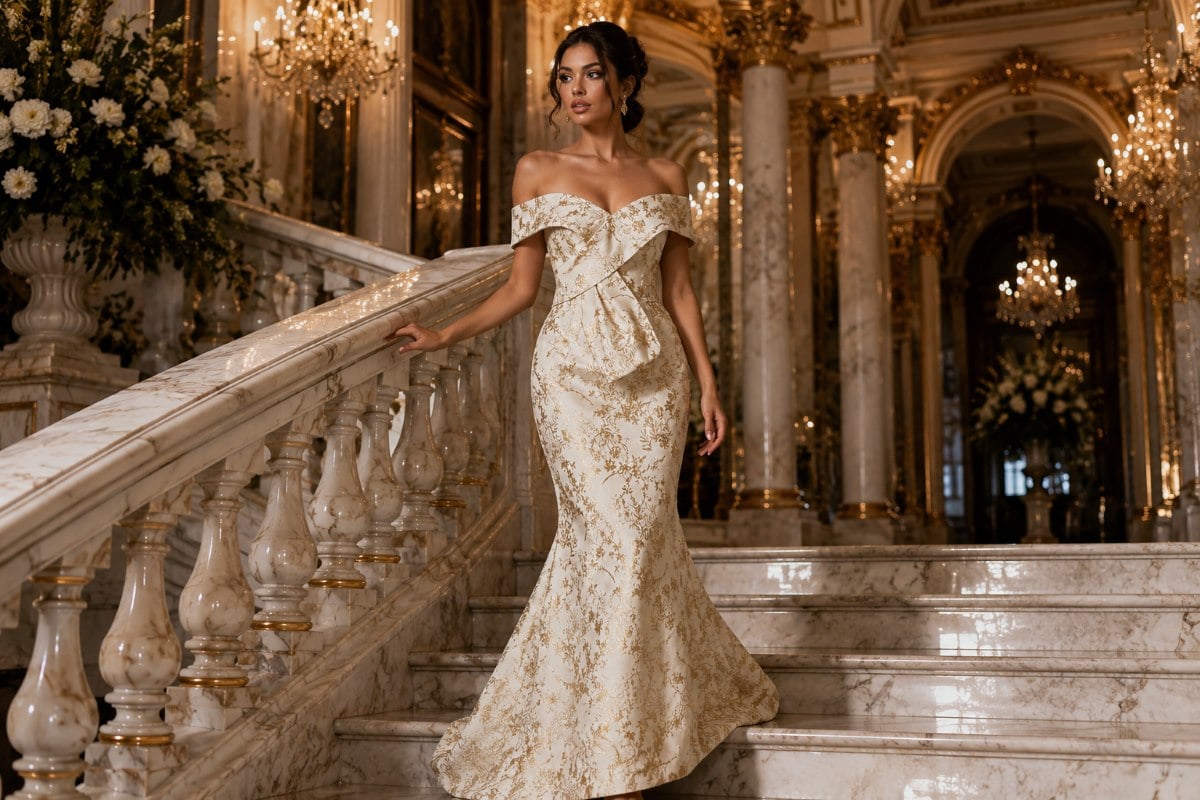
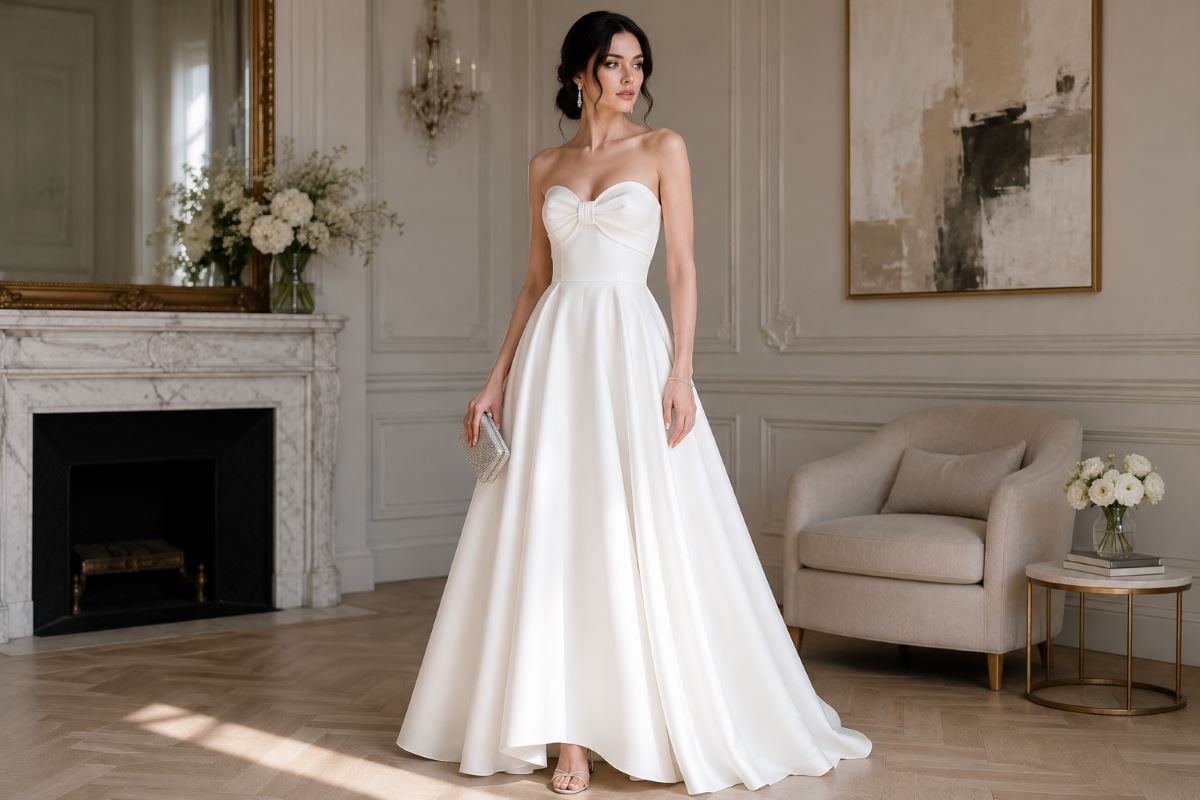
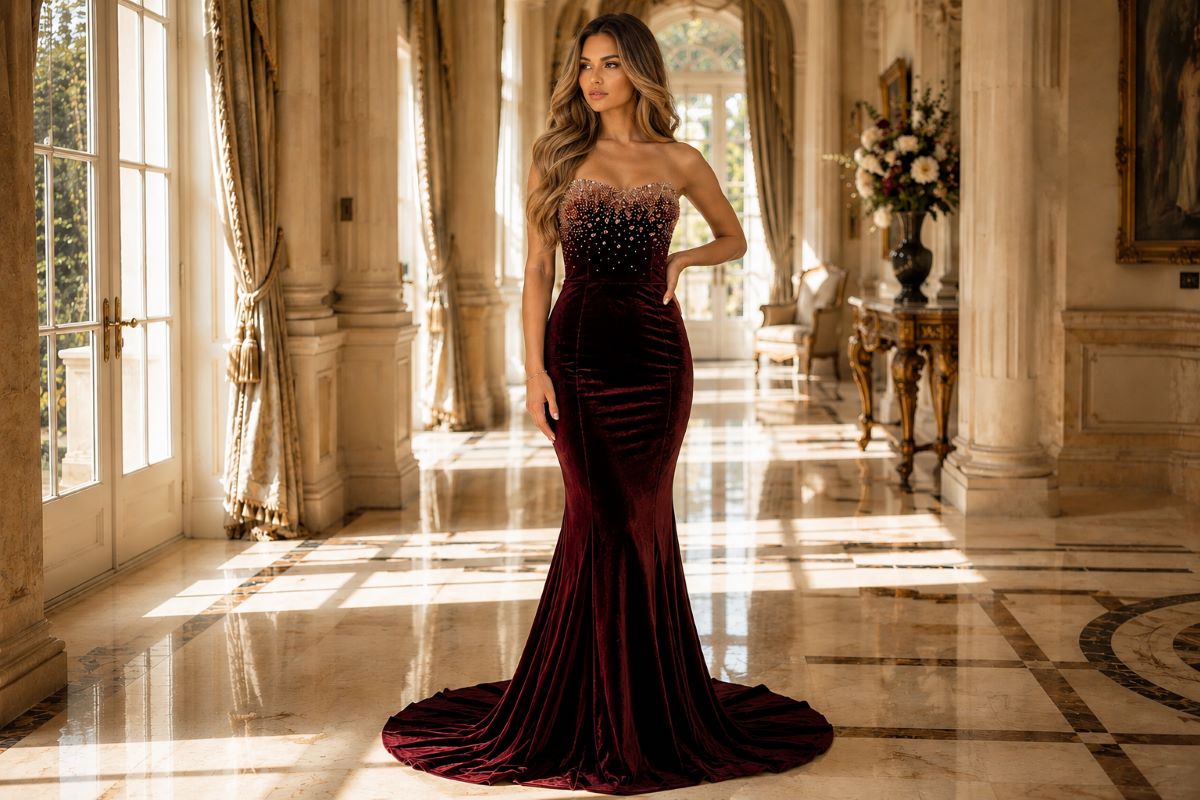
Because of this superior construction, the foundation of any versatile wardrobe often begins with beautifully constructed silhouettes. For example, fitted homecoming gowns offer a brilliant balance of youthful energy and highly sophisticated, body-skimming tailoring. Unlike massive, floor-sweeping bridal gowns or theatrical ball gowns that can be notoriously difficult to adapt to normal life, mid-length, tea-length, and structured short designs are inherently more adaptable. They sit at the perfect intersection of formal elegance and accessible, everyday style.
Reimagining the Cost-Per-Wear Concept
Once you begin to view these garments not as restrictive, single-use uniforms, but as versatile, deconstructable separates—imagining the garment as a stunning bodice effortlessly attached to a beautiful skirt—a massive world of styling possibilities opens up. Premium dresses are designed to move, breathe, and endure the elements of a dynamic lifestyle. The stretch crepe will not lose its highly tailored snap, the Mikado silk will maintain its regal, architectural structure without wrinkling, and the tulle will hold its airy volume despite repeated wear. Recognizing this inherent material durability is the vital first step in unlocking your garment’s true everyday potential and dramatically lowering its overall cost-per-wear over the years.
The Psychology of Upcycling Formal Wear
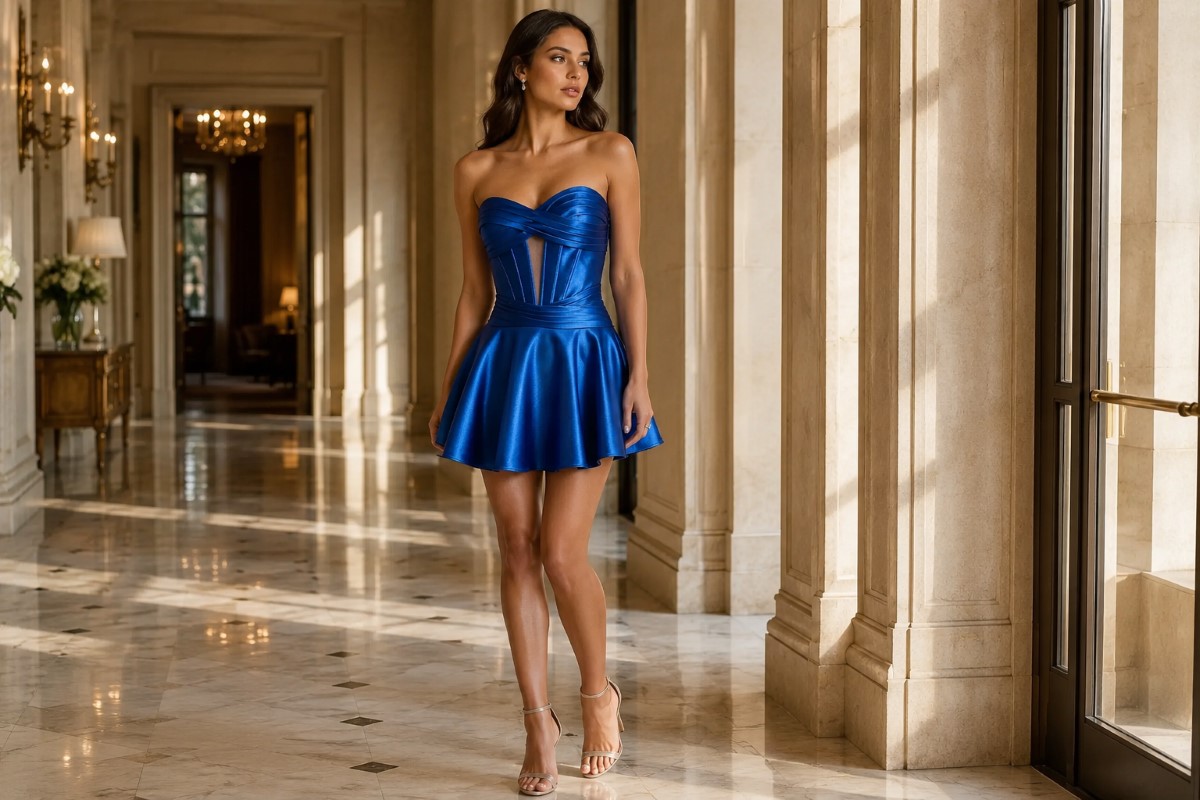
There is a distinct psychological barrier many women face when attempting to reuse formalwear. We often strongly associate a specific dress with the specific memory of the night we first wore it. Breaking this psychological tie is essential for wardrobe versatility. You must stop viewing the dress as “my dance outfit” and start viewing it as “my luxury satin mini” or “my embellished bodice.”
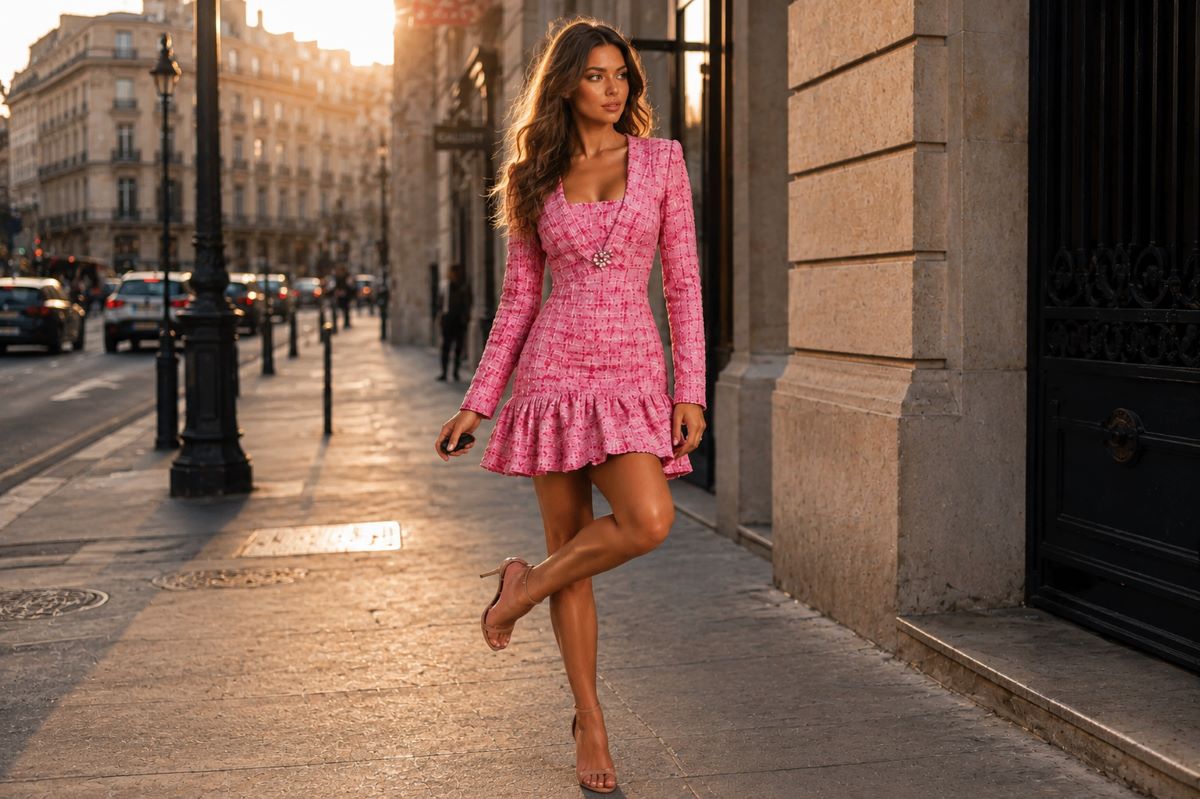
Fashion is fundamentally about self-expression and evolution. By taking a piece anchored in a high school memory and restyling it for your current life whether that is a college sorority formal, a young professional networking event, or a stylish weekend brunch—you allow the garment to evolve alongside your own personal style journey. This approach not only champions environmental sustainability by reducing textile waste, but it also challenges your creative boundaries, turning dressing into an empowering, artistic daily exercise.
Strategic Layering Techniques for Everyday Wear
One of the most effective, editorial, and fashion-forward ways to style formalwear for everyday use is through the strategic application of layering. By introducing contrasting textures, matte finishes, and casual everyday basics, you can easily mask the intrinsic formality of the gown, creating a look known in the fashion industry as “high-low dressing.”
Under-Layering for Daytime Sophistication
This highly popular styling technique involves wearing shirts, fine blouses, or thin knits directly underneath your formal dress, instantly transforming it into a chic jumper or overall-style garment. This specific look frequently dominates street style galleries during global fashion weeks in New York and Paris, and it is incredibly easy to replicate at home. For those who initially chose delicate, sleeveless hoco designs, this layering technique becomes effortlessly achievable without the added bulk or awkwardness of trying to fit heavy formal sleeves over another shirt.
When choosing under-layers, fabric weight and texture are absolutely critical. You must avoid heavy cottons, thick flannels, or chunky knits that will bunch up and create unsightly lumps beneath the perfectly fitted bodice of your dress. Instead, opt for tissue-weight cashmere, sheer mesh turtlenecks, or sleek, form-fitting silk blouses. A classic, sharply tailored white collared shirt worn under a structured, dark bodice gives a chic, preppy, dark-academia aesthetic that is perfectly appropriate for a high-end brunch, a daytime museum date, or a creative business-casual office environment. Alternatively, pairing a sheer, black dotted-mesh long-sleeve top underneath a brightly colored satin dress adds an immediate touch of modern edge, completely erasing the traditional school dance vibe of the original garment.
The Over-Layering “Dress as a Skirt” Method
If under-layering feels too preppy, youthful, or structured for your personal style, the “over-layering” technique is your ultimate tool for seamless casual transformation. If you want to wear your homecoming dress again for a brisk daytime outing in the autumn or winter, consider treating the dress entirely as a skirt. By layering a slightly oversized, chunky knit sweater over the top of the dress, you completely hide the formal, embellished bodice, leaving only the beautiful fabric of the lower skirt visible.
A plush cashmere turtleneck or a thick, braided cable-knit sweater instantly grounds the look and brings it back to reality. To maintain a highly flattering shape and avoid looking boxy or overwhelmed by heavy fabric, utilize the stylist-approved “belt tuck” trick. Fasten a slim leather belt around your natural waist, directly over the heavy sweater. Then, gently pull the sweater up and over the belt, allowing the fabric to casually blouse out. This creates a cropped, seamlessly tucked-in illusion without adding any bulky, uncomfortable fabric inside the delicate inner waistband of the dress itself. The friction of a soft, matte wool sweater resting against a shiny, luxurious satin or tulle skirt creates intense, highly stylish visual interest.
Outerwear Alchemy: Shifting the Garment’s Mood
Outerwear holds incredible, almost magical transformative power over the overall mood and context of any outfit. The jacket you choose to throw over your shoulders can instantly communicate whether you are heading to a prestigious black-tie gala or a casual, trendy outdoor dinner. To successfully reuse a party dress, you must master the delicate art of pairing casual, rugged outerwear with formal, delicate fabrics to create intentional fashion friction.
Denim and Leather for Grounded Contrast
Few garments in the modern fashion landscape are as highly adaptable as dark or neutral gowns, which offer a timeless elegance that can be manipulated in countless ways. To make classic, foundational black homecoming gowns work perfectly for a standard evening out at a restaurant or lounge, reach for a classic denim jacket. A slightly oversized, vintage-wash denim jacket instantly neutralizes the strict formality of eveningwear. It perfectly tones down the intense, light-catching sparkle of sequins, the heaviness of ornate lace, or the high-shine luxury of silk satin. The rugged, utilitarian nature of the denim grounds the floating, ethereal elegance of the dress, making it absolutely perfect for a summer concert, an outdoor patio dinner, or a casual weekend gathering with friends.
If your primary style goal is to add edge, rebellion, and a touch of rock-and-roll chic, the classic motorcycle leather jacket is the ultimate wardrobe equalizer. The harsh, structured architectural lines, heavy silver hardware, and dense weight of a genuine leather jacket perfectly counteract the soft, overtly feminine details of formalwear. This high-contrast aesthetic is particularly striking when paired with delicate floral appliqués, soft flowing chiffon, or pale, sweet pastels. The resulting outfit is complex, interesting, and effortlessly cool.
Tailored Blazers for Authority and Polish
For a much more polished, authoritative, and sophisticated transformation, the oversized, menswear-inspired blazer is your absolute best styling tool. Draping a sharply tailored blazer over your shoulders adds an immediate layer of corporate chic to an otherwise sweet or intensely glamorous dress. This pairing is highly effective when you want to repurpose your dress for professional networking events, art gallery openings, upscale dinners, or any professional environment where you want to project confidence, maturity, and impeccable style. Opt for high-quality blazers in solid neutral tones like camel, rich navy, or charcoal gray to beautifully balance out the vibrant jewel tones or bright colors often found in formalwear collections.
Seamless Event Transitions: Styling for New Occasions
Sometimes, you do not want to dress down your formalwear for everyday activities; you simply want to wear it to another formal or semi-formal event without looking as though you are repeating a high school dance outfit. The true key to successful event hopping is aggressively altering your accessories, hair styling, and makeup application to perfectly fit the new environment.
Adapting for Wedding Guest Attire
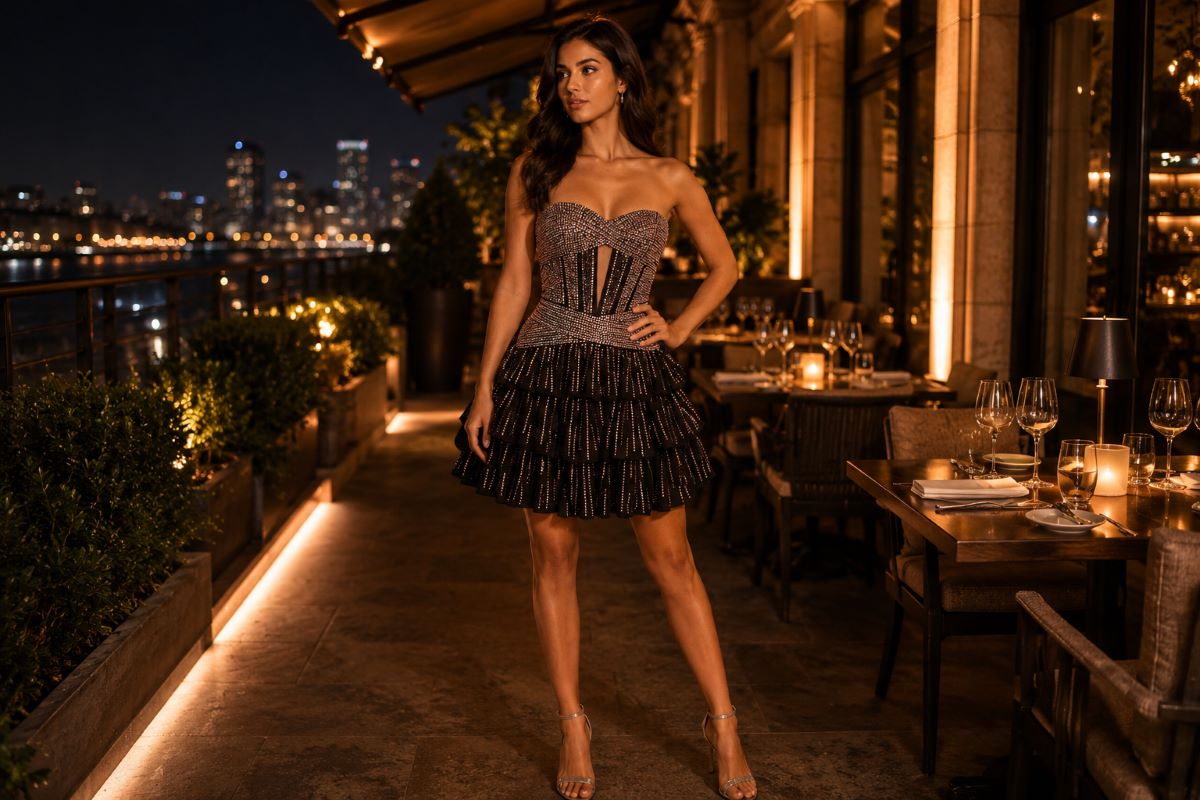
Wedding guest attire is one of the most common, practical, and highly requested reasons to upcycle formalwear. When attending conservative family events, elegant evening receptions, or breezy daytime outdoor ceremonies, the structured, beautiful nature of designer dresses allows them to transition flawlessly. To make the dress feel entirely appropriate for a wedding, you must soften the overall styling. Swap out the dramatic, heavy dance makeup for a soft, glowing, natural aesthetic. Change out the towering, heavily embellished stilettos for a simple, elegant nude pump or a refined, comfortable block heel. Always ensure your dress does not compete with the bride—strictly avoid wearing white, ivory, champagne, or excessively pale shades to any wedding event.
Holiday Celebrations and Corporate Galas
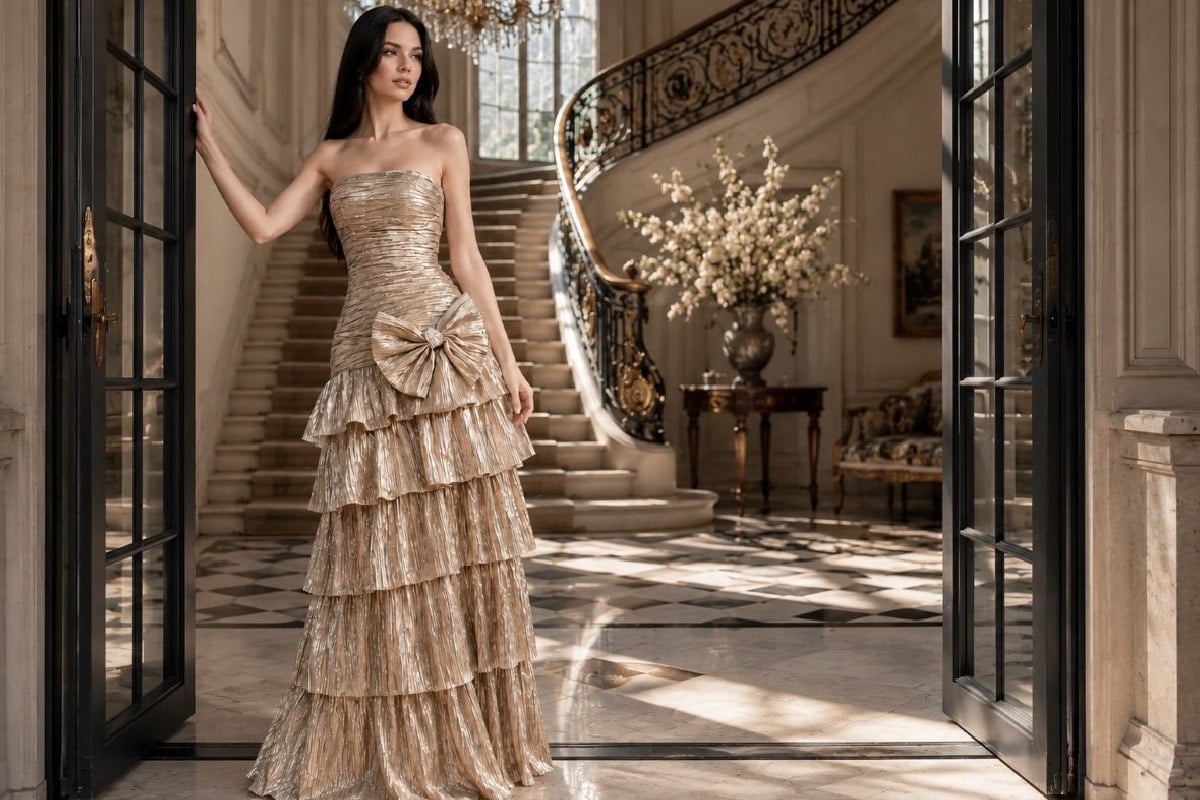
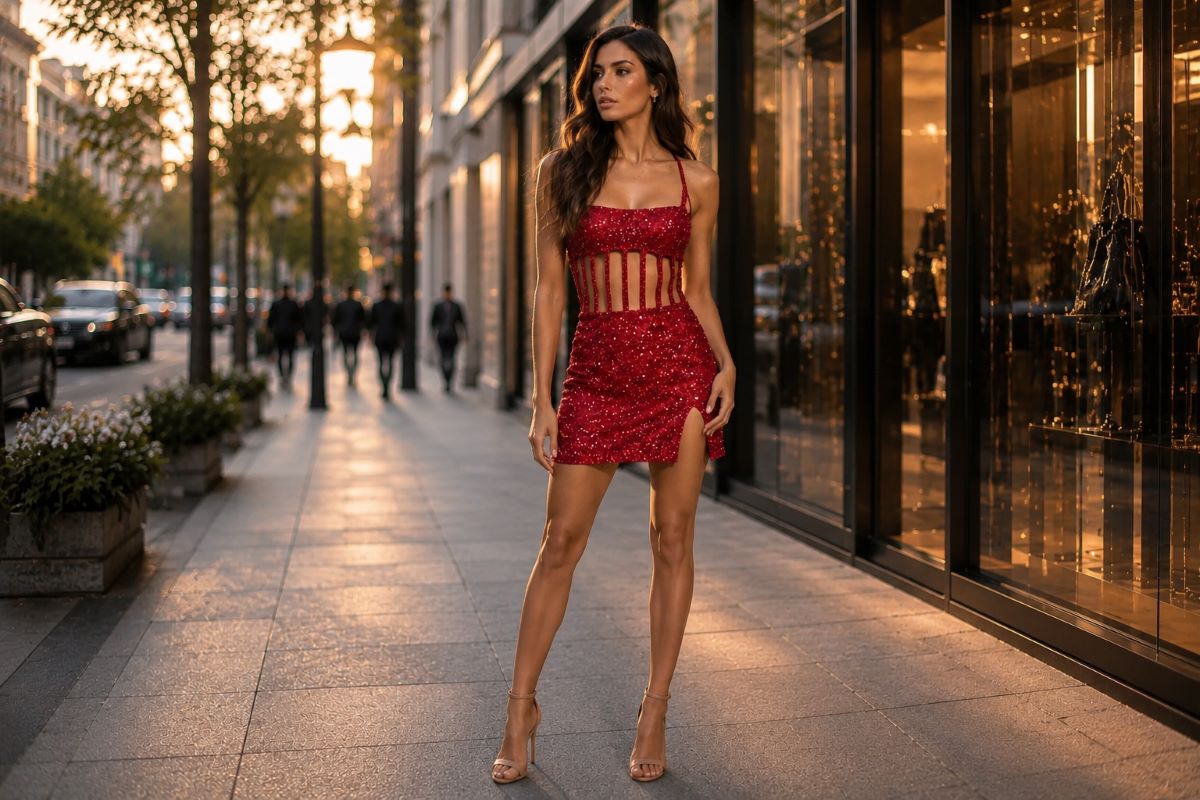
Winter holiday parties are another exceptional opportunity for garment reuse and sustainable styling. A rich jewel-toned dress (like deep emerald green, sapphire blue, or ruby red) or a metallic gown is absolutely perfect for a glamorous New Year’s Eve bash or an upscale corporate holiday party. By changing your hairstyle—perhaps opting for a sleek, severe low chignon instead of voluminous, glamorous pageant curls—and carrying a sophisticated, structured leather clutch instead of a sparkly novelty evening bag, the dress matures instantly, making it perfect for an adult corporate environment.
Milestone Birthdays and Anniversary Dinners
For milestone birthday dinners, romantic anniversary dates, or upscale weekend getaways with friends, you want to lean fully into the celebratory vibe without looking overly formal or out of place. By adding a sharp winged eyeliner, a bright red or deep berry matte lip, and a pair of strappy, modern, minimalist sandals, you effectively shift the entire narrative of the garment. This specific styling seamlessly bridges the gap between traditional formalwear and stylish, modern night-out attire, allowing you to celebrate your special moments in true luxury without feeling overdressed in a contemporary restaurant or cocktail lounge.
The Magic of Professional Tailoring and Alterations
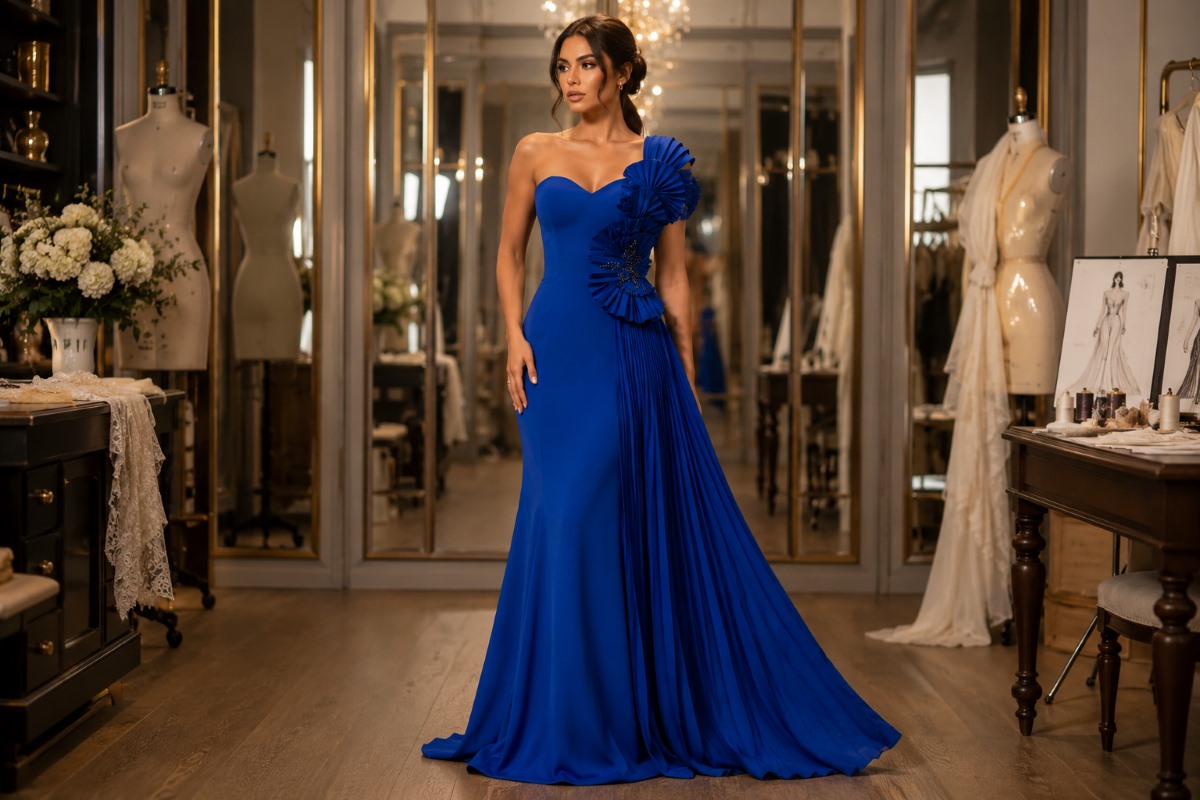
If clever styling tricks, outerwear pairings, and layering techniques are not quite enough to make you feel comfortable wearing the piece again in its current state, it may be time to look into permanent physical alterations. To truly upcycle formalwear and give it a lasting, vibrant second life, you need to find a trusted, highly experienced tailor. High-quality designer gowns are constructed with future alterations in mind; they possess sufficient seam allowances and utilize robust, premium fabrics that can easily withstand the rigorous tailoring process without fraying or losing shape.
Hemline Transformations and Modern Lengths
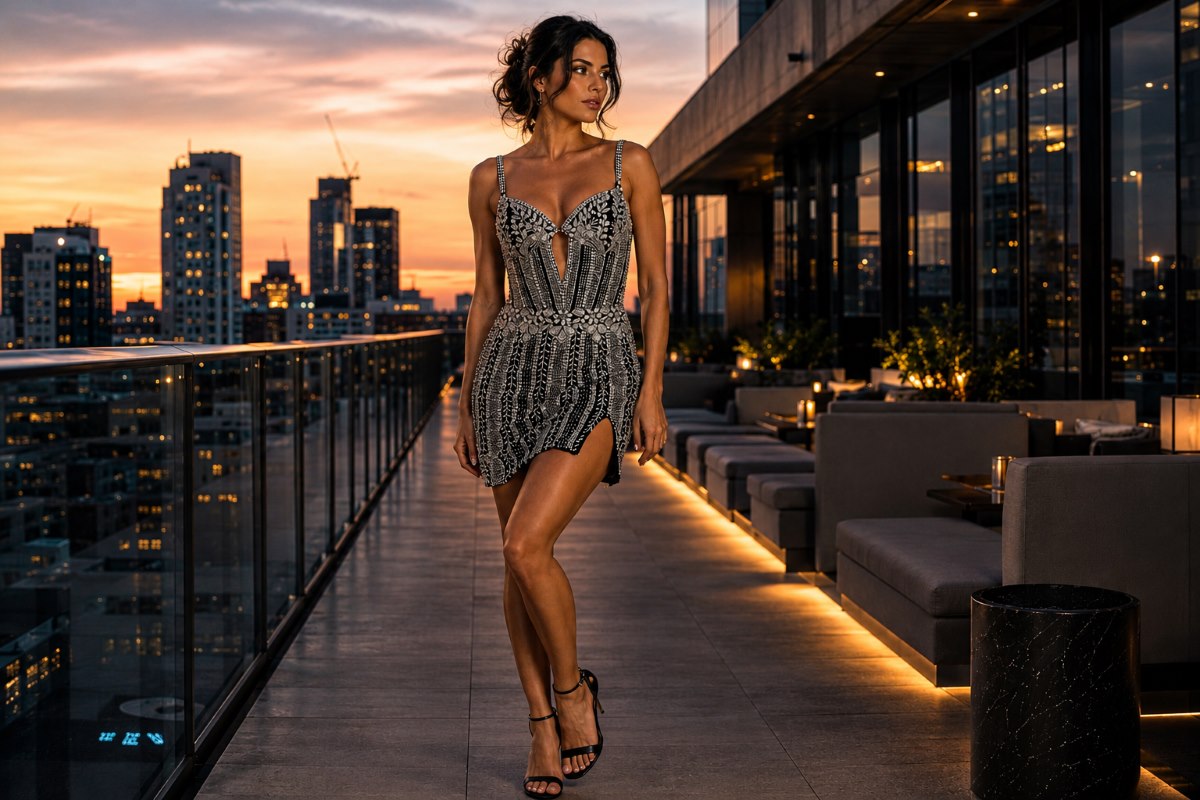
One of the most drastic, highly popular, and effective ways to breathe entirely new life into a garment is to completely change the hemline. If your dress is tea-length, midi-length, or hits awkwardly just above the knee, a tailor can easily adjust the hem to a chic, modern length. Taking a few inches off the bottom instantly changes the entire mood of the piece from formal, heavy, and traditional to playful, youthful, and highly contemporary. Because short homecoming dresses are inherently more casual, altering a longer gown into a mini allows it to be worn to a much wider variety of social events, from summer rooftop parties to upscale nightclubs, making it incredibly easy to wear your homecoming dress again for entirely new social settings.
Neckline Adjustments and Silhouette Refinement
Do not be afraid to request structural alterations to necklines, straps, or sleeves. Removing bulky, dated sleeves, lowering a restrictive, high neckline into a modern scoop or elegant sweetheart shape, or taking out heavy layers of stiff crinoline from the skirt can drastically reduce the overwhelming formality of the dress. You might also consider having thick straps changed to delicate spaghetti straps, or having a back zipper removed in favor of a modern, adjustable corset tie-back. When you invest in premium design, the superior fabric quality ensures that a skilled tailor can manipulate the garment extensively without the material fraying, puckering, or losing its essential structural integrity.
Footwear and Accessories: Anchoring Formal Fabrics
Never underestimate the immense, defining power of footwear and accessories in determining the overall formality and mood of an outfit. The absolute easiest way to wear your homecoming dress again without looking overly formal is to completely abandon the original accessories you wore to the dance. Accessories act as the definitive punctuation marks of your outfit, signaling to the world exactly how the garment should be perceived.
The Power of Casual Footwear
Formal heels, heavily embellished pumps, and metallic strappy sandals immediately and loudly signal a special, highly formal occasion. By changing the absolute foundation of the outfit—the shoes—you change the entire context of the dress. The “sneaker and dress” trend has heavily dominated contemporary fashion and global street style for years, and it shows no signs of slowing down. Pairing a beautifully constructed formal dress with a clean, minimalist white leather sneaker creates a look that is effortlessly cool, incredibly comfortable, and highly modern. This brilliant juxtaposition of high luxury and casual athletic leisure is the ultimate hallmark of modern, “it-girl” style.
Ankle boots are another fantastic, highly versatile option for bringing a formal dress down to earth. A sleek black leather Chelsea boot or a slightly chunky, utilitarian combat boot adds significant visual weight and edge to a delicate dress. This pairing is highly effective during the autumn and winter months, especially when combined seamlessly with the leather jacket or denim outerwear layering techniques discussed earlier.
Curating Everyday Accessory Combinations
When you originally wore your dress to the dance, you likely paired it with glamorous statement earrings, a rhinestone necklace, and a highly embellished clutch. To bring the dress into your everyday wardrobe successfully, you must actively and intentionally tone down the jewelry.
Replace heavy, sparkling rhinestones with minimalist, fine everyday jewelry. Think delicate solid gold chains, simple huggie hoop earrings, or a classic leather-band watch. These subtle, quiet touches signal that the outfit is meant for daytime or a standard evening out, rather than a red carpet. Your choice of handbag is equally important. Leave the tiny, crystal-covered minaudieres in the closet. Instead, pair the dress with a structured leather crossbody bag, a high-quality leather tote, or an oversized suede hobo bag. The introduction of everyday, utilitarian materials (like matte leather and suede) instantly neutralizes the high-shine fabrics of formalwear.
Long-Term Preservation and Garment Care
If you plan to successfully build a versatile wardrobe and wear your homecoming dress again for years to come, proper garment care is absolutely non-negotiable. High-quality fabrics, intricate beadwork, and delicate embellishments require specific, deliberate attention to ensure they remain in pristine, wearable, and flawless condition.
Immediate Post-Event Cleaning Protocols
Immediately after your initial event, have the dress professionally dry cleaned. This is the single most important step in garment preservation. Do not let spilled drinks, invisible perspiration, or makeup stains sit in the fabric. While a stain may look invisible or minor the next day, these elements can oxidize, turn deeply yellow, and become entirely permanent over time as they react with the air. When selecting a dry cleaner, seek out a highly rated professional who specializes specifically in eveningwear, couture, and bridal gowns. They will possess the necessary expertise, gentle chemicals, and equipment to safely handle delicate hand-sewn beadwork, complex sequins, and luxury fabrics like silk, Mikado, and fine tulle without causing heat damage, fabric melting, or chemical burns to your beautiful garment.
Archival Storage Best Practices
Once the dress is clean, focus heavily on proper, long-term storage in your closet. Never hang a heavily beaded or weighted dress by its delicate shoulder straps. The sheer, continuous downward weight of the embellishments and heavy fabrics will pull, stretch, and eventually distort the garment permanently over time. Instead, always use the interior fabric hanger loops sewn securely into the side seams by the designer; these vital loops are specifically engineered to distribute the weight of the dress evenly across the hanger, preserving the delicate straps.
Avoid storing any formalwear in the thin, flimsy plastic bags provided by the dry cleaner. Plastic traps ambient moisture, restricts vital airflow, and can cause light-colored fabrics to yellow rapidly and dark fabrics to develop a musty, unappealing odor. Instead, invest in a high-quality, breathable fabric or canvas garment bag to protect the dress from dust, friction, and light exposure while still allowing air to circulate freely. By treating the garment with respect and meticulous care, you guarantee that its color, shape, and detailing will remain flawless for all your future styling endeavors.
About Repurposing Formal Wear FAQ’s
1. Is it actually appropriate to wear a homecoming dress to a wedding as a guest?
Yes, in the vast majority of cases, it is entirely appropriate, provided you adhere to basic, traditional wedding guest etiquette. The golden rule is to ensure the dress is not white, ivory, champagne, or excessively pale to avoid competing with the bride in photographs. Additionally, strictly evaluate the specific dress code on the wedding invitation. If the wedding is a casual outdoor daytime event, a heavily beaded gown might be far too flashy. However, elegant satin, chiffon, or crepe styles work beautifully for weddings, especially when paired with understated, elegant accessories and soft, natural makeup.
2. How can I effectively dress down a highly embellished gown for a normal night out?
The ultimate secret to dressing down highly detailed or sequin homecoming dresses is utilizing high-contrast, matte layering. You must deliberately introduce fabrics that are traditionally considered casual, flat, or rugged to neutralize the high-wattage glamour of the sequins. Layer a chunky, oversized matte wool sweater over the embellished bodice, effectively turning the dress into a sparkly skirt. Pair it with opaque black tights and a heavy leather combat boot. The friction between the glamorous, shiny sequins and the casual, heavy winter wear creates a perfectly balanced, stylishly grounded outfit.
3. Can formal fabrics with prints or appliqués be styled easily?
Absolutely. Dresses that feature intricate details, such as vibrant floral hoco styles, are actually some of the easiest to transition into spring and summer everyday wear. Because floral patterns naturally evoke a sense of daytime brightness and garden parties, you can simply pair the dress with a woven straw tote bag, a classic denim jacket, and a pair of flat leather sandals. The print itself does the heavy lifting of bringing the dress out of the dark, formal evening aesthetic and into the bright, casual daylight.
4. What is the best jacket to wear over a formal dress if I want to look professional?
If your goal is absolute professionalism or polished sophistication (such as attending a corporate dinner, an important networking event, or an art gallery opening), the oversized, tailored blazer is your absolute best option. A well-structured, high-quality blazer in black, navy, or camel adds sharp, architectural lines to the outfit, contrasting beautifully with the feminine flow of a dress. Ensure the blazer has a slightly relaxed, “boyfriend” fit so it drapes elegantly over the dress without looking stiff, bulky, or overly restrictive on the arms.
5. How do I care for a formal dress between wears to maintain its flawless condition?
Proper, intentional storage is the absolute key to garment longevity. After professional dry cleaning, store the dress in a cool, dry, dark place inside a breathable fabric garment bag—never leave it in a plastic dry-cleaning sleeve. If the dress features incredibly heavy, all-over beading or thick layers of heavy tulle, consider storing it flat in an acid-free archival box to prevent the shoulder straps from stretching and the seams from warping under the immense weight of the embellishments. Always keep formalwear entirely out of direct sunlight to prevent vibrant fabric dyes from fading or bleaching.
6. Can I wear my homecoming dress to another school dance, like winter formal or prom?
Absolutely. Many savvy students choose to re-wear their beautiful dresses to other school events to maximize their initial investment. To make the dress feel brand new and avoid feeling repetitive, focus on changing your styling dramatically. If you wore your hair up in an intricate updo for homecoming, wear it down in sleek, Old Hollywood waves for the winter formal. Swap your delicate jewelry for statement pieces, change your shoe style entirely, and experiment with a bolder, entirely different makeup look. Because high-quality designer dresses are created to stand out beautifully, reinventing the styling allows you to shine with confidence at a new event without spending money on a second garment.
Your closet should be a carefully curated collection of garments that inspire confidence, joy, and daily creativity, not a dark graveyard for expensive outfits worn only once. By actively embracing creative layering techniques, clever, high-contrast accessorizing, and the transformative, personalized magic of professional tailoring, you can easily and stylishly transform a specialized formal garment into a heavy-rotation wardrobe staple. High-end designer pieces are meticulously crafted with the intention of lasting a lifetime; it is entirely up to you to unlock their full fashion potential. When you purposefully choose to wear your homecoming dress again, you are not just making a highly sustainable, eco-friendly fashion choice; you are proving your own sartorial creativity and sophisticated eye for design. Discover the exquisite craftsmanship, superior fabrics, and timeless architectural designs that make a truly versatile, lifelong wardrobe possible by exploring the full Jovani collection today.