
Two mothers of the bride can have the exact same figure, the same taste, and the same budget, and still need completely different dresses. The reason is simple: one daughter is marrying on a beach at midday, and the other is hosting a black-tie reception in a hotel ballroom at eight in the evening. The venue and the season do more to shape the right dress than almost anything else, and yet most shopping advice skips straight to body type and color. This guide takes the other route. Choosing a mother of the bride dress for every venue starts with reading the setting honestly, then matching the silhouette, the fabric, and the length to it. Get that foundation right and every other decision becomes easier. What follows is a practical, setting-by-setting walk through how to dress beautifully for the wedding you are actually attending.
Start by reading the invitation, not the dress racks
Before you look at a single dress, gather the information that actually drives the decision. Four details matter most: the venue type, the season, the time of day, and the stated dress code. Together they tell you how formal to go and how light or warm the dress needs to be.
A useful way to think about it is that the venue and season set the practical limits, the fabric and length, while the dress code and time of day set the formality. A garden at noon in June and a ballroom at night in December are two different climates and two different levels of formality, and the dress has to answer both. If the couple has given a dress code, follow it as your anchor. If they have not, the venue and time are your best guide. Once you have those four details, the silhouette conversation becomes much clearer, and our guide on how to choose the right silhouette helps you narrow the shape from there.
Dressing for the venue
The location of the ceremony and reception is the single biggest factor. Each setting has its own practical demands, from the ground underfoot to the lighting in the photographs.
Beach and waterfront weddings
A beach wedding asks for lightness in every sense. Heavy fabrics and structured ball gowns feel wrong against sand and sea, and they trap heat. Choose a flowing silhouette in a light fabric, an A-line or a soft column that moves in the breeze. Chiffon is the ideal choice, and the float and drape of chiffon mother of the bride dresses suit the setting perfectly. Keep the hem clear of the sand, so a midi length or a dress that sits just above the ground is practical. Skip thin stiletto heels, which sink, and choose a wedge or an elegant flat instead. For a full breakdown, our dedicated guide to options for a beach wedding goes deeper.
Garden and outdoor weddings
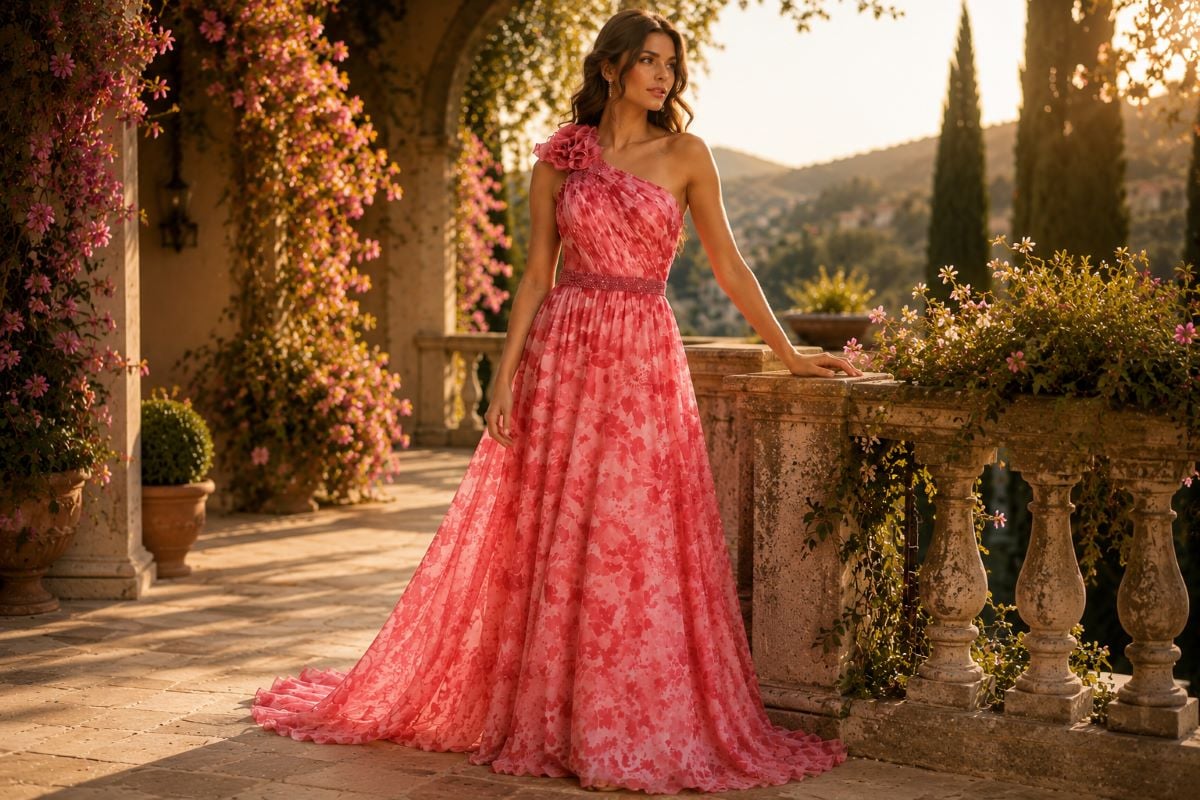
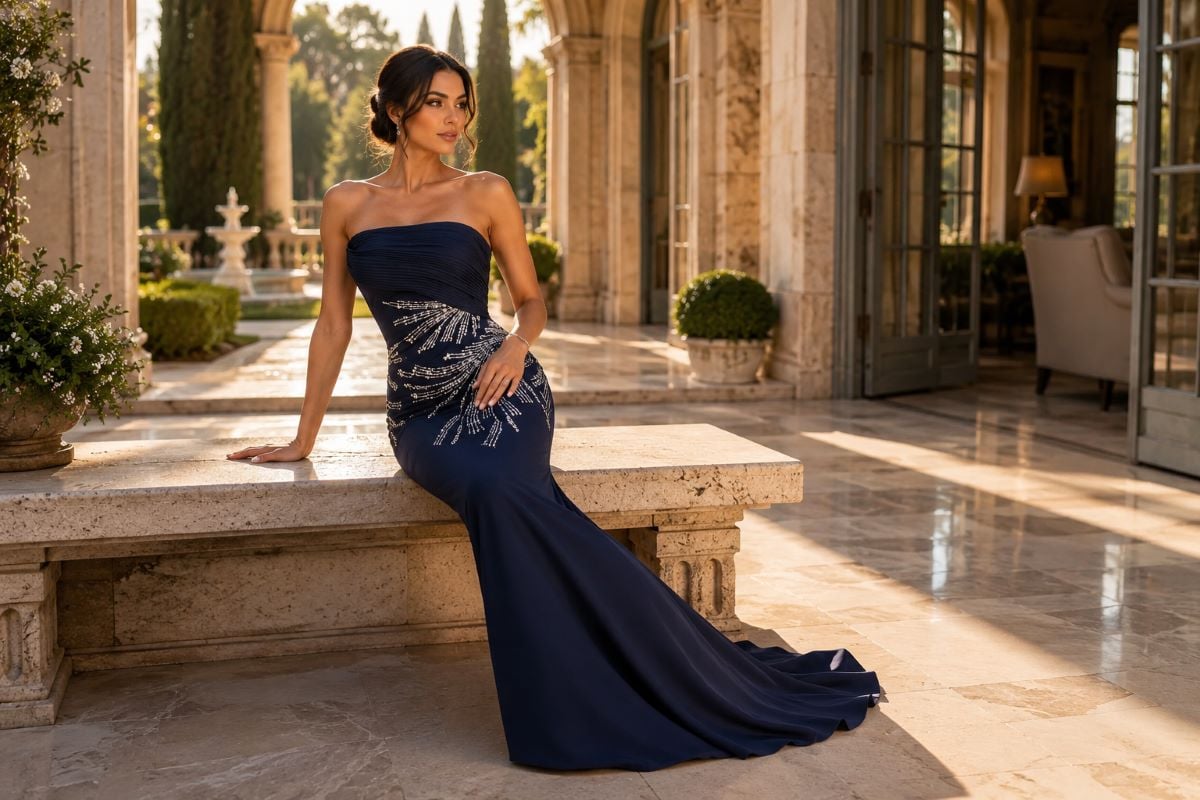
A garden wedding sits between casual and formal, and it rewards soft, romantic dressing. Grass is the practical concern, so a hem that clears the ground cleanly and a block heel rather than a thin one will serve you well. Light to medium fabrics work best, and floral or soft solid colors echo the setting. A flowing A-line or a fitted bodice with a soft skirt feels right here. Outdoor light is bright and honest, so a matte or lightly textured fabric photographs better than a high-shine one.
Ballroom and hotel weddings
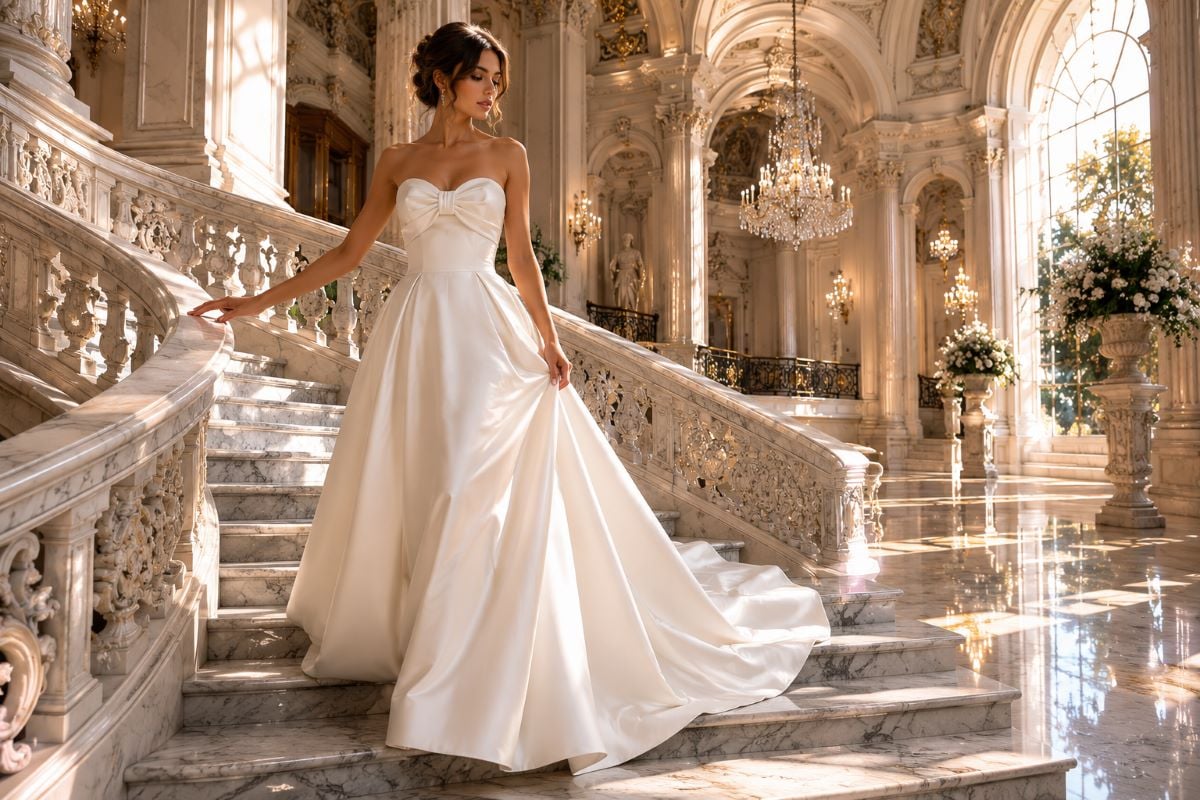
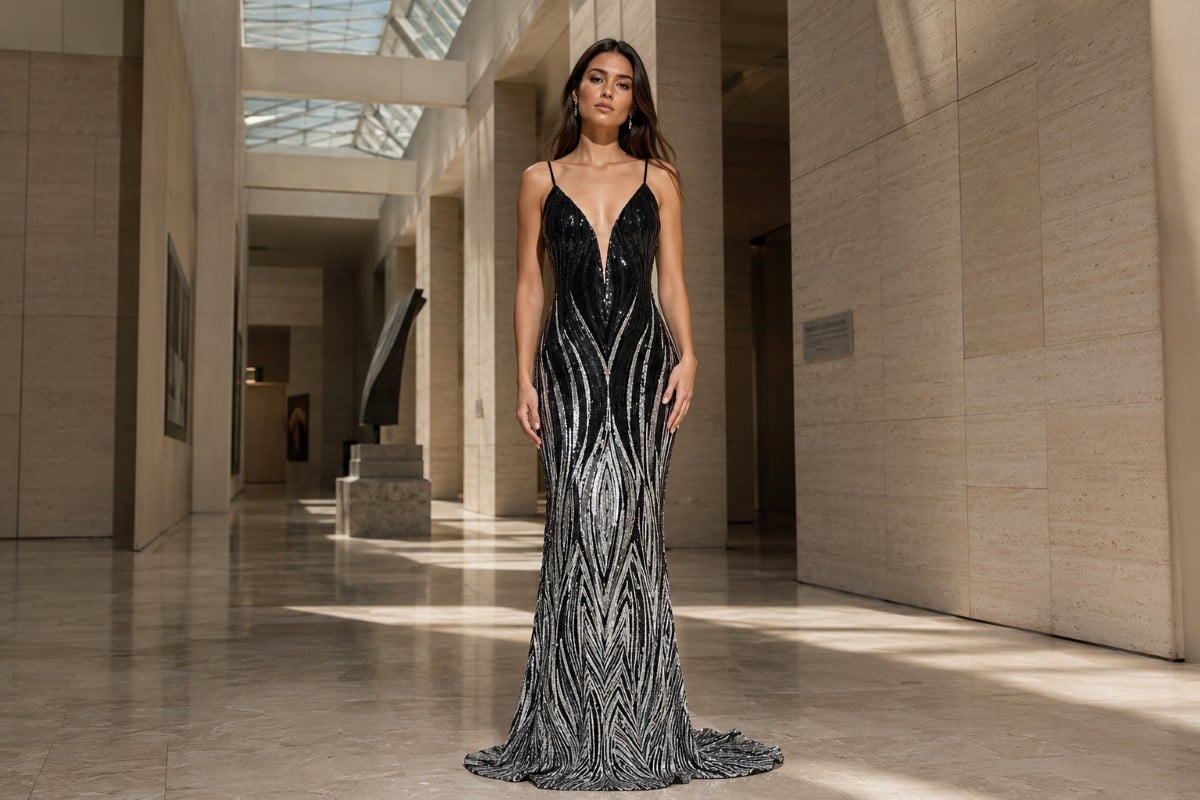
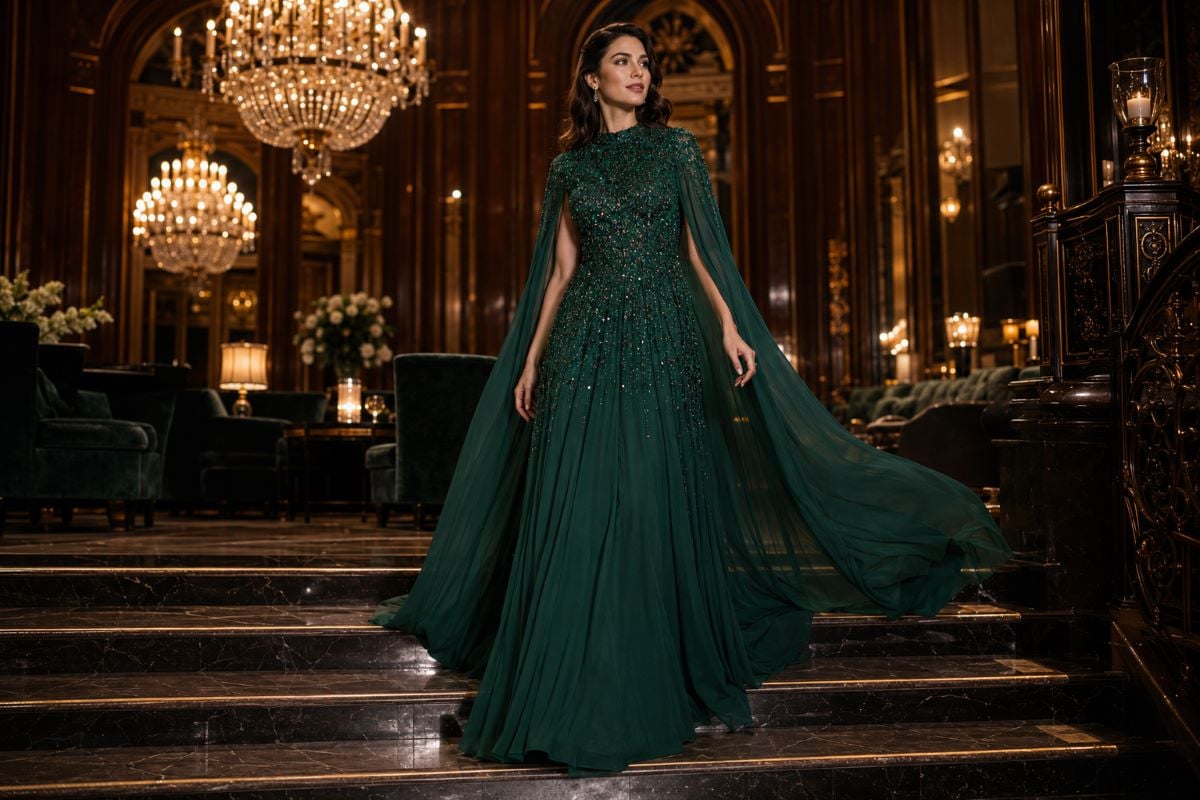
This is the most formal setting, and it invites the most elegant dressing. A floor-length gown is expected, and the controlled, indoor environment means you can choose richer fabrics and more structure. A floor-length A-line, a column, or a mermaid silhouette all suit a ballroom, and the range of long mum of the bride dresses is the natural place to look. Ballroom lighting, chandeliers and ambient warmth, makes this the ideal setting for embellishment, since beadwork catches the light beautifully indoors.
Vineyard, barn, and rustic weddings
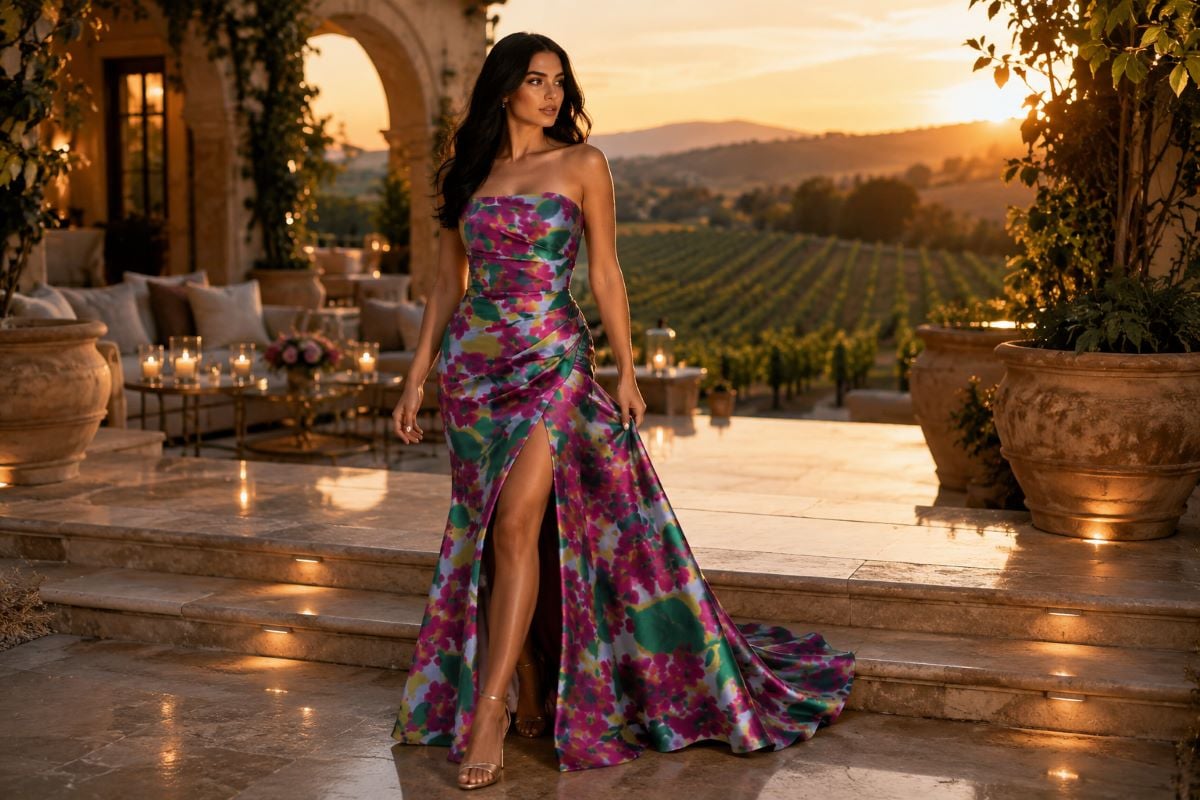
These venues are semi-formal and have a relaxed, characterful tone. The dress should feel polished but not stiff. A tea-length or midi dress works well, as does a floor-length gown in a softer fabric. Uneven ground is common, so prioritize a stable heel. Lean toward warm, natural tones and avoid anything that feels overly formal for the setting.
Place of worship ceremonies
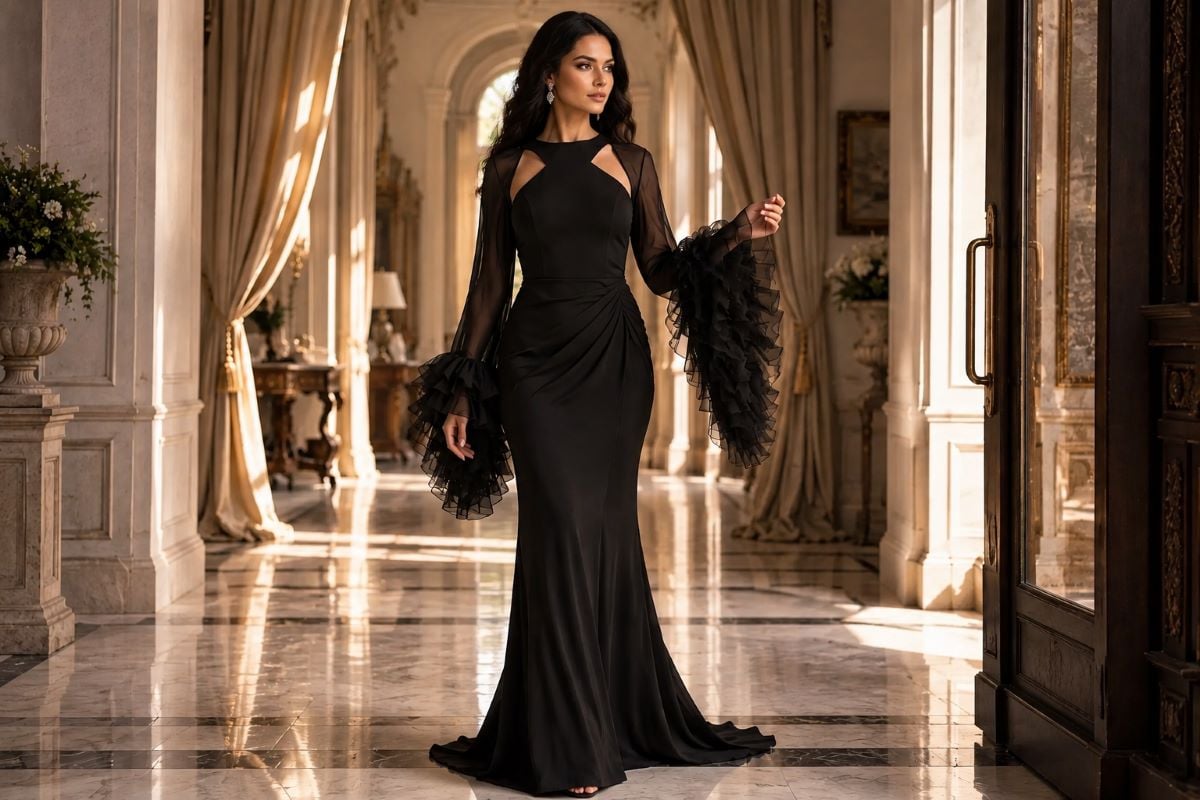
Many religious venues call for more coverage regardless of the season or the reception that follows. A dress with sleeves, a higher neckline, or a coordinating jacket is a respectful choice. The reception may be less formal, so a style with a layer you can remove afterward lets one dress carry you through both.
Choosing a mother of the bride dress for every season
Once the venue is settled, the season refines the fabric, the color, and the coverage. Selecting a mother of the bride dress for every venue also means dressing for the weather that venue will have on the day, since an outdoor wedding in October and one in June ask for very different things.
Spring weddings
Spring is soft and fresh. Light to medium fabrics such as chiffon, lace, and lightweight crepe suit the season. Colors lean toward pastels, soft florals, and gentle neutrals. Spring weather is changeable, so a light wrap or a sheer jacket is sensible for a cooler ceremony, especially outdoors.
Summer weddings
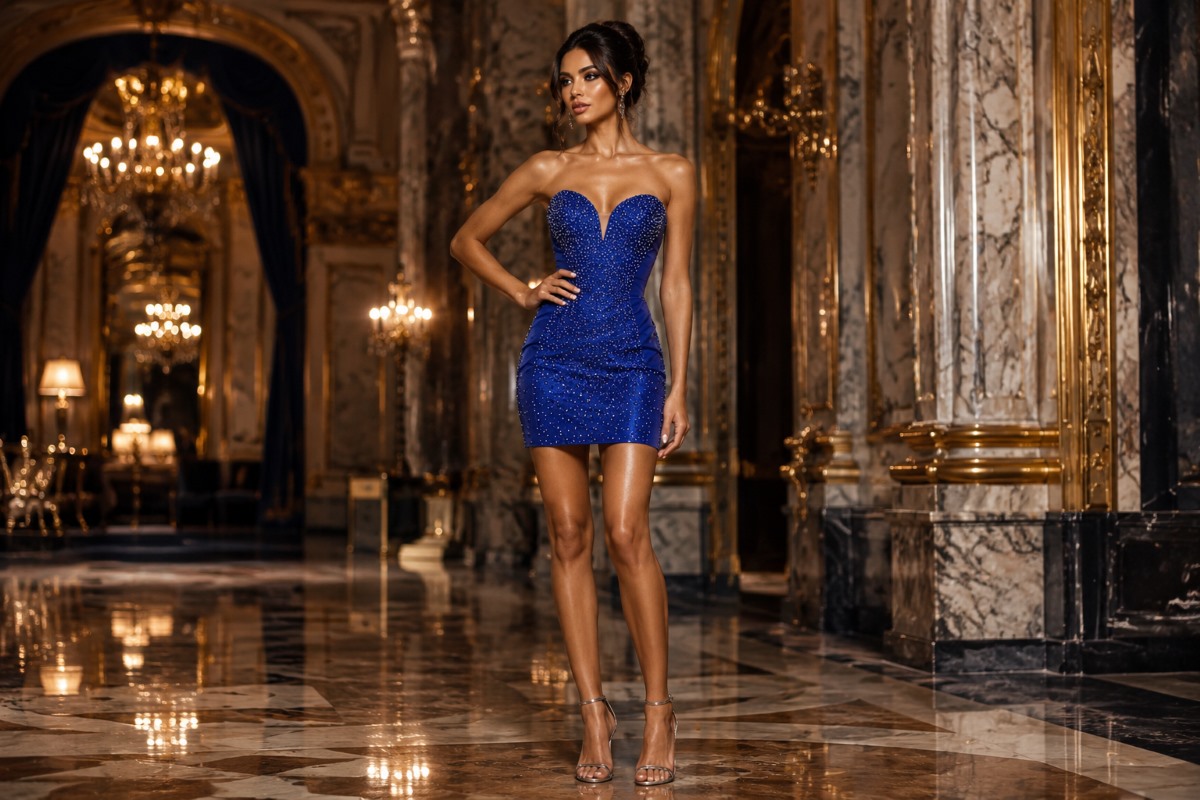
Summer is about staying cool and looking effortless. Choose the lightest breathable fabrics, chiffon and fine lace, and avoid heavy satin, velvet, and dense beading, which trap heat. Bright and pastel colors both work. For a hot daytime celebration, a midi length adds comfort, and the styles among short mother of the bride dresses keep an outdoor summer wedding comfortable without losing elegance.
Autumn weddings
Autumn invites richer dressing. Medium-weight fabrics, deeper jewel tones, and warm metallics all feel seasonal. Burgundy, emerald, navy, and bronze photograph beautifully against fall light. This is a comfortable season for both floor-length gowns and dresses with sleeves.
Winter weddings
Winter is the season for the most luxurious fabrics. Velvet, heavier satin, brocade, and long sleeves all come into their own. Deep colors and rich embellishment suit the season, and an evening winter wedding is the perfect setting for a beaded gown, since the beaded mother of the groom dresses shine under indoor winter lighting. Plan for warmth getting to and from the venue, and our guide to dresses for a winter wedding covers the seasonal details in full.
Matching the silhouette to the setting
With the venue and season understood, the silhouette decision falls into place. Rather than asking which silhouette is best in the abstract, ask which one suits this wedding.
- A-line. The most adaptable choice across venues and seasons. It works on a beach in a light fabric and in a ballroom in a structured one, and it moves comfortably through a long day.
- Column and sheath. Sleek and modern, best for formal indoor settings such as ballrooms and hotels, where a clean vertical line reads as elegant.
- Mermaid. The most dramatic silhouette, suited to formal evening weddings where you want a statement. It is less practical on sand or uneven ground.
- Fitted bodice with a flowing skirt. A romantic, balanced choice that suits gardens, vineyards, and semi-formal settings.
- Tea-length and midi. Ideal for daytime, outdoor, and semi-formal weddings, keeping the hem practical while staying polished.
The principle is consistency. A light, flowing silhouette belongs at a relaxed outdoor wedding, and a structured, floor-length gown belongs at a formal indoor one. When the dress matches the setting, the whole look reads as intentional.
Practical details that change with the setting
A few final details deserve attention, because they shift depending on where and when the wedding takes place.
Think about the ground, since sand, grass, and uneven stone all call for a stable heel rather than a thin stiletto. Plan for temperature, since outdoor ceremonies and evening receptions often run cooler than expected, and a wrap or jacket solves both warmth and coverage. Consider the light, since bright daylight favors matte fabrics while indoor evening lighting flatters embellishment and shine. Coordinate with the bridal party palette so your dress complements rather than clashes. And always, in every season and at every venue, leave white, ivory, and pale champagne to the bride.
FAQs about choosing a mother of the bride dress by venue
How does the wedding venue affect what the mother of the bride should wear?
The venue sets the practical limits and the formality. A beach or garden wedding calls for light fabrics and a stable heel, while a ballroom or hotel calls for a floor-length gown and can carry richer fabrics and embellishment. Reading the venue first makes every other choice clearer.
What should the mother of the bride wear to an outdoor wedding?
For an outdoor wedding, choose a flowing silhouette in a light to medium fabric such as chiffon, a hem that clears grass or sand cleanly, and a block heel or wedge rather than a thin stiletto. Bring a wrap for a cooler ceremony, and favor matte fabrics that photograph well in bright daylight.
How do I choose a mother of the bride dress for the season?
Match the fabric and color to the weather. Spring and summer call for light, breathable fabrics and softer or brighter colors. Autumn and winter invite medium and heavy fabrics like velvet and satin, deeper jewel tones, and the option of sleeves. Always dress for the conditions the venue will have on the day.
Can the mother of the bride wear a floor-length dress to a daytime wedding?
Yes, a floor-length dress can suit a daytime wedding, especially a formal one, as long as the fabric matches the setting. For a casual daytime or outdoor wedding, a tea-length or midi dress is often more practical and still elegant. The venue’s formality is the deciding factor.
What silhouette works best across different venues?
The A-line is the most adaptable silhouette. In a light fabric it suits a beach or garden wedding, and in a structured fabric it suits a ballroom. It also defines the waist while allowing comfortable movement, which makes it reliable across nearly every setting and season.
Does the mother of the bride dress need to match the wedding’s formality?
Yes. The dress should reflect the formality stated in the dress code or implied by the venue and time of day. A structured floor-length gown suits a formal evening wedding, while a lighter, shorter dress suits a casual daytime one. Matching the formality keeps the look intentional.
When you are ready to find a style suited to your daughter’s venue and season, explore the full range of mom of the bride dresses through an authorized Jovani retailer.