
What Is a Dama Dress and How to Coordinate Your Court

When a young woman plans her quinceañera, she does not walk into the celebration alone. She is surrounded by a court of close friends and family who stand beside her through the ceremony, the waltz, and the surprise dance. The young women in that group are her damas, and what they wear matters more than many families first realize. Dama dresses are not an afterthought, they frame the guest of honor in every photograph and set the visual tone of the entire event. This guide explains exactly what a dama is, what her dress should be, and how to coordinate a whole court so it looks polished and intentional rather than thrown together.
What Is a Dama and What Is Her Role
A dama is a young woman chosen by the quinceañera to be part of her court of honor, known in Spanish as the corte de honor. The court is the group of attendants who accompany and support the celebrant throughout her fifteenth birthday celebration, and the damas are its female members. Their male counterparts are called chambelanes, and together the damas and chambelanes make up the full court.
Being asked to be a dama is a genuine honor. It is a sign of a close, trusted relationship, and the role usually carries real responsibility. Damas typically attend rehearsals, learn the choreographed dances, take part in the formal entrance, and stand with the quinceañera during the religious ceremony. In many ways the role mirrors that of a bridesmaid at a wedding, a chosen circle of support that is publicly recognized as part of the celebration.
The size of a court varies widely from family to family. Some celebrants choose a small court of just a few damas, while others build a large, traditional court. A common traditional structure includes fourteen attendants who, with the quinceañera herself, represent each year of her life leading up to the fifteenth. There is no rule that forces a particular number, and the right size depends on the celebrant's wishes, her budget, and her circle of friends and family. One member is often designated the dama of honor, a role similar to a maid of honor, who holds a position of special closeness to the quinceañera. While the celebrant's own gown comes from the dedicated range of quinceanera dresses, the court is dressed separately, and planning both together from the start keeps the whole celebration visually consistent.
What Dama Dresses Are and Why They Matter
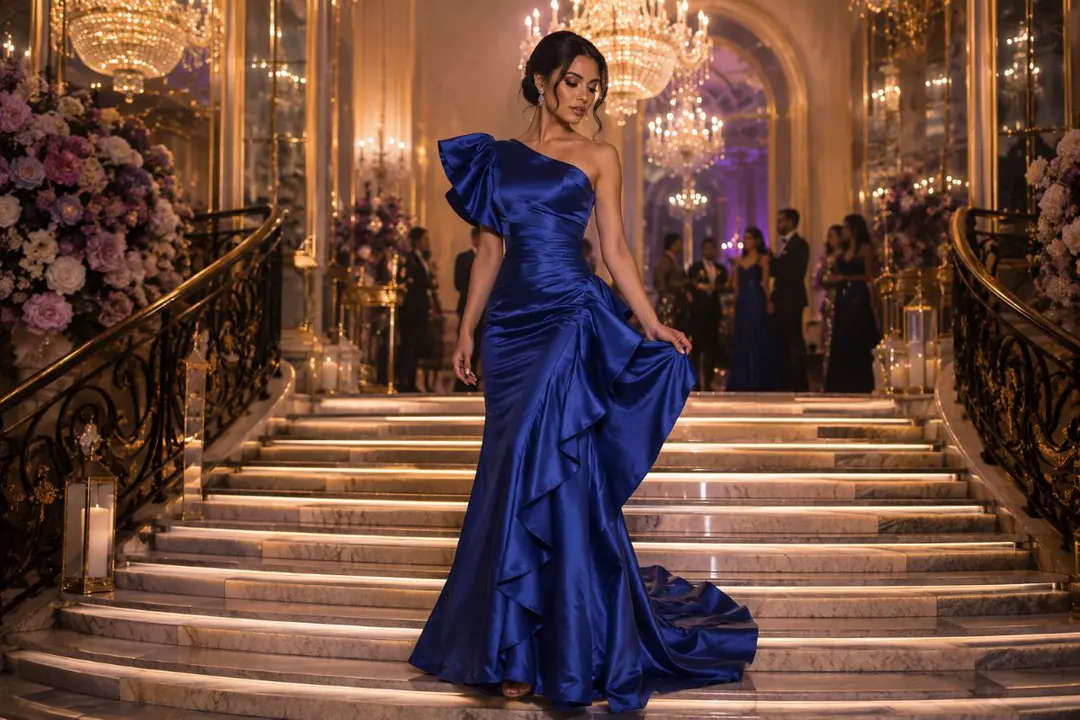
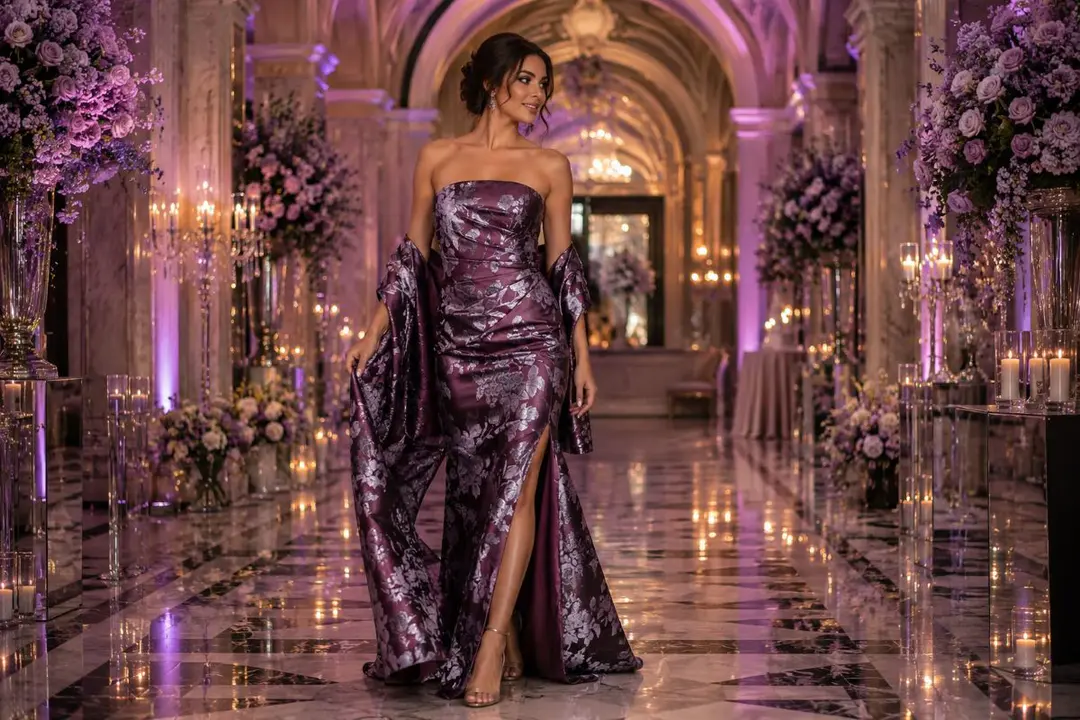
Dama dresses are the coordinated gowns worn by the damas in the court. They are formal dresses, chosen to complement the quinceañera's gown and to unify the court into a single, cohesive group. They are not meant to compete with the celebrant's gown, and that distinction is the single most important principle in choosing them.
The reason these dresses matter so much comes down to photography and presence. The quinceañera and her court appear together constantly throughout the celebration, in the formal entrance, in the waltz, in countless group photos that the family will keep for decades. If the court is dressed in clashing colors or wildly different styles, the photos look chaotic and the celebrant does not stand out the way she should. When the dama dresses are chosen thoughtfully, the whole court reads as one elegant unit, and the quinceañera remains the clear focal point. Good dama dresses do two jobs at once: they make each dama feel beautiful, and they frame the guest of honor.
Because damas need formal gowns rather than quinceañera ball gowns, families often dress the court from a broader range of formalwear. The full selection of formal gowns is a natural place to outfit a court, since it offers the silhouettes, colors, and price points that suit a group while leaving the dramatic ball gown to the celebrant alone. It also makes it far easier to dress a court that includes a real range of body types, since a wide collection carries the same color and spirit across many cuts and a full span of sizes.
How to Choose the Color for Your Court
Color is the foundation of court coordination, and it is where most of the planning energy should go. The goal is for the damas to complement the quinceañera's gown without disappearing into it or overpowering it.
The Two Main Approaches
There are two reliable strategies for choosing a court color, and both work well when done with intention:
- Complementary contrast. The damas wear a color that contrasts with the quinceañera's gown so she stands out. If the celebrant wears a soft pastel, dressing the damas in a deeper, richer shade like burgundy or navy makes her light gown pop in group photos. If she wears a bold jewel tone, a softer or lighter version of that family keeps the court cohesive while letting her lead.
- Tonal harmony. The damas wear a shade pulled from the celebration's accent colors, or a lighter version of the gown's color, so the whole court shares one palette. This creates a soft, elegant, coordinated look rather than a high-contrast one.
What you want to avoid is dressing the damas in the exact color of the quinceañera's gown. When the court matches the celebrant too closely, she blends into her own court and loses her place as the focal point. The court should echo her palette, not copy it. For a deeper look at how shades work together and what they signify, the guide on quinceanera dress colors and their meanings is a useful companion when you are building the celebration palette.
Letting the Theme Guide You
Many quinceañeras are built around a theme or a season, and that can make the color decision easier. A charro-inspired celebration has its own traditional palette, a garden theme suggests soft naturals, and a winter celebration invites deeper, richer tones. Once the celebration's overall color story is set, the dama color should fit within it rather than stand apart from it.
The Meaning Behind the Court
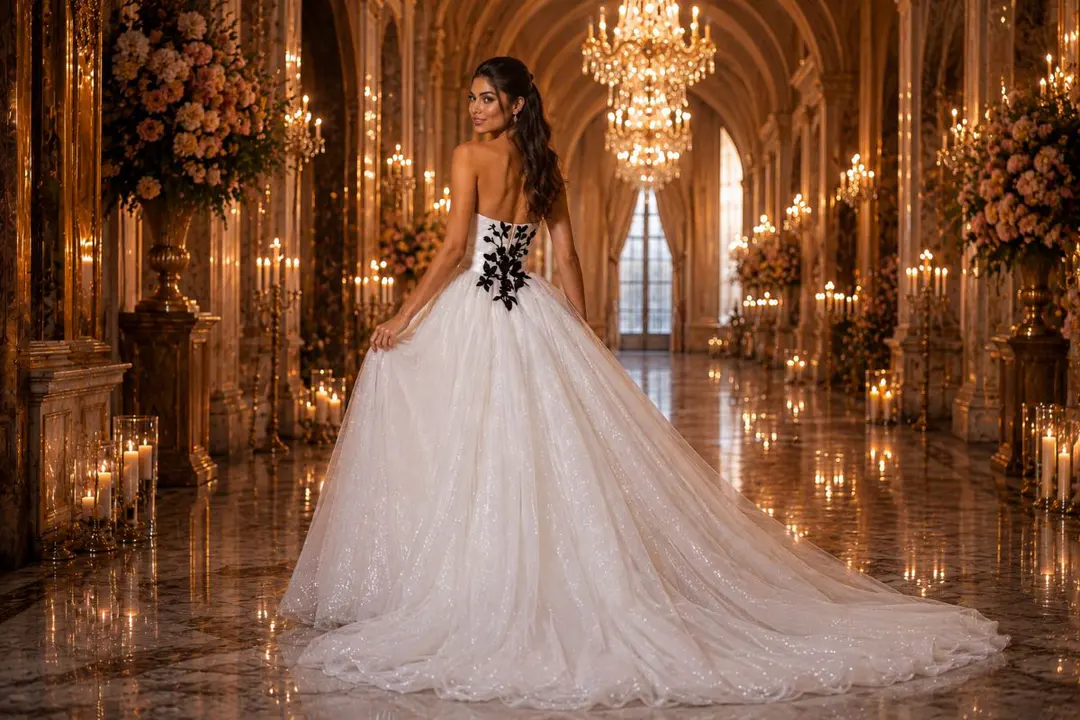
Before getting into the practical details, it is worth understanding why the court exists at all, because that meaning should guide the choices a family makes. The corte de honor is not simply a group of well-dressed friends. It is a visible representation of the community that surrounds and supports the young woman as she steps into adulthood.
In the traditional structure, each member of the court represents one year of the celebrant's life. The court walking in together is a quiet statement that she has not arrived at this milestone alone, that she has been carried here by family and friendship. The damas, in particular, often represent the closest female relationships in her life, sisters, cousins, lifelong friends, and being chosen reflects a real bond.
This is why dama dresses deserve genuine thought rather than a rushed decision. The court is a living symbol within the celebration, and dressing it with care honors both the tradition and the people in it. A court that looks unified and elegant tells the story the tradition intends: a young woman supported, celebrated, and surrounded by those who matter most. Keeping that meaning in mind makes the coordination decisions that follow feel purposeful rather than merely logistical.
Coordinating Style and Silhouette Across the Court
Color unifies a court, but style and silhouette decide whether the group looks genuinely elegant or slightly mismatched. This is where an honest understanding of real bodies matters.
Matching Dresses Versus Coordinated Dresses
Families often assume every dama must wear the identical dress. That is one option, and it does create a very uniform look, but it is not the only one, and it is frequently not the best one. A court is made up of young women with different heights, different body types, and different comfort levels. A single dress that looks beautiful on one dama may not flatter another at all.
A more modern and more flattering approach is the coordinated court: all the damas wear the same color and a similar level of formality, but the exact silhouette can vary. One dama might wear a fitted style while another wears a softer A-line, all in the same shade. This lets each young woman choose a cut that suits her, while the shared color still unifies the group. The court looks intentional and elegant, and every dama feels confident, which always shows in photos.
Dressing Different Body Types Fairly
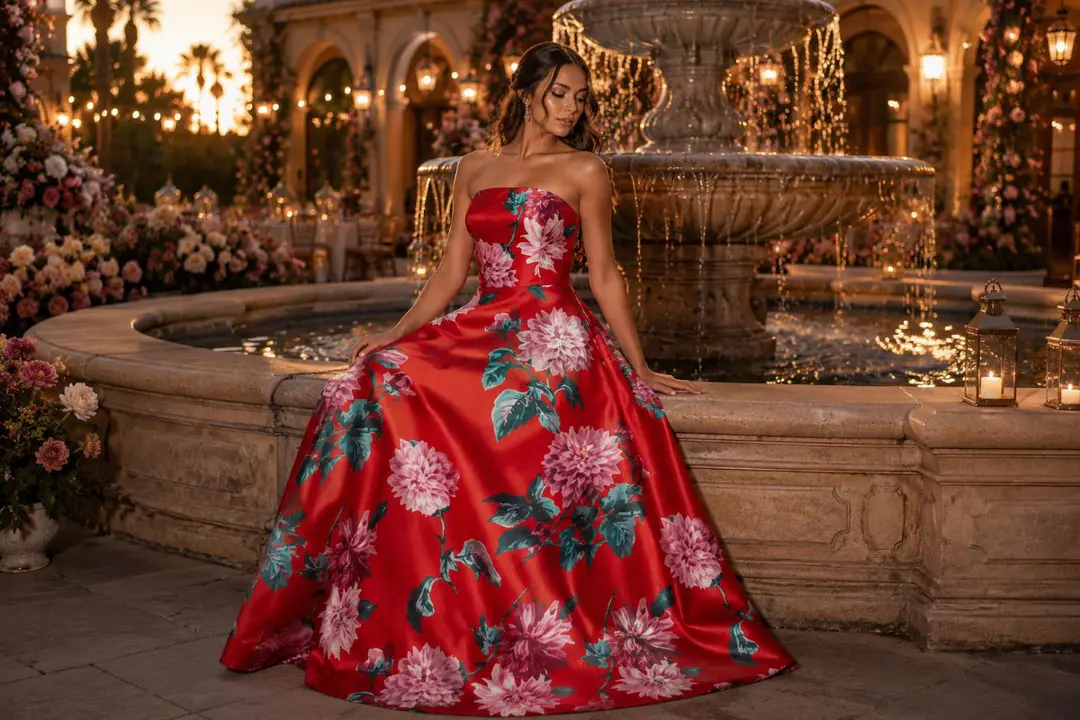
If you do choose one style for the whole court, choose a forgiving one. An A-line silhouette is the most universally flattering option, since it skims rather than clings and suits the widest range of body types. Be thoughtful and inclusive when building the court's wardrobe, and make sure the chosen styles are available in the full range of sizes your damas need. The selection of plus size evening dresses means every dama can be dressed beautifully in the same color and spirit as the rest of the court, which is exactly how a coordinated group should work.
Choosing the Right Length
Dress length sets the formality of the court and should match the formality of the celebration. For a traditional, formal quinceañera, long gowns give the court a graceful, elegant presence, and the range of long evening gowns covers the floor-length styles that suit a classic court.
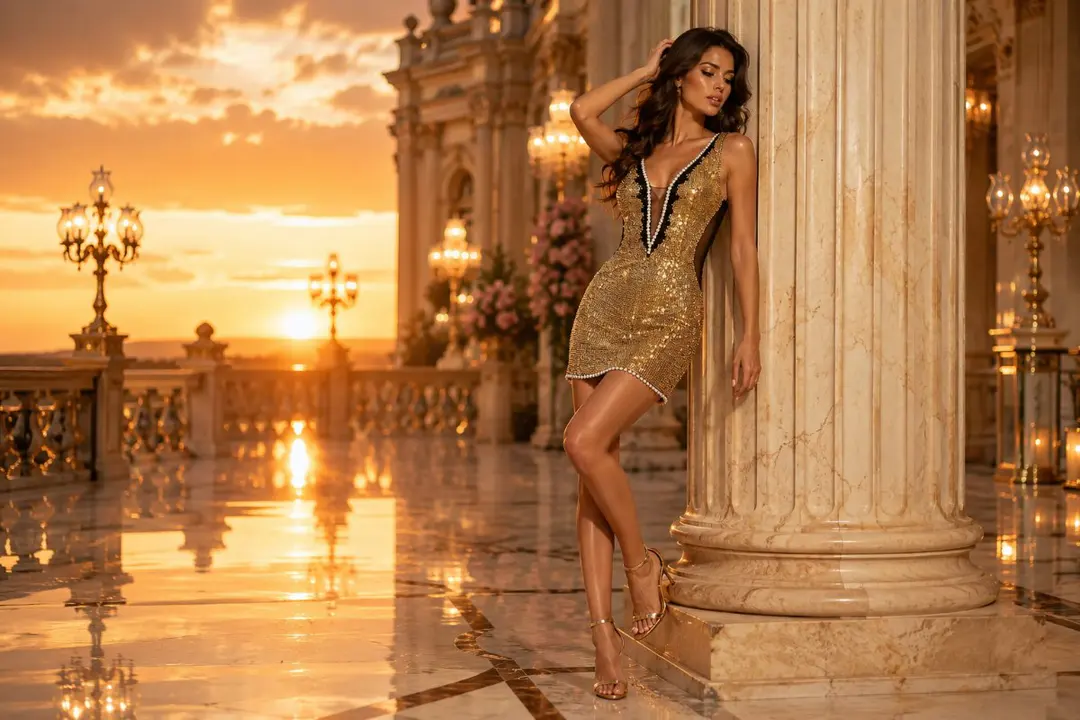
For a more modern or relaxed celebration, especially a daytime event, shorter dama dresses can be perfectly appropriate, and the collection of cocktail gowns offers polished options for a less formal court. The key is consistency: the whole court should wear roughly the same length so the group reads as one unit, since a mix of long and short gowns within a single court tends to look unplanned in photos.
Do Not Forget the Chambelanes
A court is not only damas. The chambelanes, the young men of the court, need to be coordinated too, and they are easy to overlook until the last minute.
Chambelanes traditionally wear formal suits or tuxedos. The simplest and most effective way to tie them to the rest of the court is through a single accent: a tie, a vest, a pocket square, or a bow tie in a color that matches either the quinceañera's gown or the dama dresses. This small detail visually links the men to the women and makes the entire court look like one deliberate group rather than two separate ones.
The most cohesive courts decide the chambelanes' accent color at the same time as the dama color, not afterward. When the whole palette, gown, damas, and chambelanes, is planned together, every entrance and every group photo looks balanced and intentional.
The Practical Side: Budget, Timing, and Fairness
Coordinating a court is a group project, and the logistics deserve honest attention, because this is where good intentions often run into real friction.
- Decide who pays early. Customs vary. In some families the quinceañera's family covers the court's attire, in others each dama and chambelan pays for their own. There is no single correct answer, but the expectation must be made clear from the very beginning so no one is caught off guard.
- Set a realistic budget. Once you know who is paying, agree on a price range that works for everyone involved. A court includes people with different financial situations, and choosing a budget that respects that keeps the process kind and stress-free.
- Start shopping months ahead. Formal gowns take time to order, and a whole court multiplies that timeline. Begin several months before the celebration so there is room for ordering and for the alterations each dama will likely need.
- Coordinate sizing and measurements carefully. Every dama should be measured properly rather than guessing her size, since formal gowns are cut to precise charts. The advice in the guide on how to measure for a quinceañera dress applies just as well to measuring the court.
- Keep communication open. A shared group chat, a clear timeline, and one organized point person prevent most last-minute problems. The damas are doing the celebrant a kindness by being there, so the process should feel collaborative, not demanding.
Handled well, dressing the court becomes a joyful shared experience rather than a source of stress. The damas feel valued, the celebration looks beautiful, and the quinceañera is surrounded by a group that looks every bit as intentional as her own gown.
Frequently Asked Questions About Dama Dresses and the Court
What exactly is a dama in a quinceañera?
A dama is a young woman chosen by the quinceañera to be part of her court of honor. Damas support the celebrant throughout the celebration, taking part in rehearsals, the formal entrance, the choreographed dances, and the ceremony. The role is similar to that of a bridesmaid at a wedding.
Do all the damas have to wear the exact same dress?
No. Identical dresses are one option, but a coordinated court, where all damas wear the same color and a similar length while the exact silhouette varies, is often more flattering. Because a court includes different body types, letting each dama choose a cut that suits her usually looks more elegant.
What color should dama dresses be?
Dama dresses should complement the quinceañera's gown without matching it exactly. You can choose a contrasting shade so the celebrant stands out, or a tonal shade pulled from the celebration's accent colors for a harmonious look. The one rule is to avoid dressing the court in the exact color of the celebrant's gown.
How many damas should be in a court?
There is no fixed number. Some celebrants choose a small court of a few damas, while a traditional court often has fourteen attendants who, with the quinceañera, represent each year of her life. The right size depends on the celebrant's wishes, her budget, and her circle.
Who pays for the dama dresses?
It varies by family. In some celebrations the quinceañera's family covers the court's attire, and in others each dama pays for her own dress. There is no single correct answer, but the expectation should be made clear at the very start so everyone can plan accordingly.
How do you coordinate the chambelanes with the damas?
Chambelanes usually wear formal suits or tuxedos, tied to the court through a single accent such as a tie, vest, or pocket square in a color matching the quinceañera's gown or the dama dresses. Deciding this accent color at the same time as the dama color keeps the whole court cohesive.
Bringing Your Court Together Beautifully
The court is one of the most meaningful parts of a quinceañera, a circle of the people closest to the celebrant, made visible for everyone to see. Choosing dama dresses thoughtfully is how that circle becomes a beautiful, unified frame around the guest of honor. The principles are simple: understand the role of each dama, choose a color that complements the celebrant rather than copying her, coordinate silhouette and length so the group looks intentional, remember the chambelanes, and handle the budget and timeline with fairness and care. For families who want to ground their planning in the wider traditions of the celebration, the the traditional quinceañera dress guide is a helpful companion to this one. Jovani has spent more than forty years designing gowns for milestone celebrations, with the range of styles, colors, and sizes that makes dressing both a celebrant and her court possible in one place.
When you are ready to dress your court alongside the celebrant, explore the full range of coordinating styles through an authorized Jovani retailer.