
An evening at the opera, the symphony, or the theater is one of the few remaining occasions where dressing up is part of the experience itself, not just a requirement to meet. Yet it is also one of the most genuinely confusing events to dress for, because the expectations have shifted enormously over the decades and vary wildly from one performance to another. Opening night at a grand opera house calls for something completely different from a Tuesday evening symphony performance, and a casual matinee is different again. Knowing what to wear to the opera, the symphony, or a theater performance means understanding which kind of performance you are attending, reading the formality correctly, and choosing something that honors the occasion while keeping you comfortable through hours in a seat. This guide covers all of it, from the most formal opening nights to relaxed regular performances.
Why Performance Dress Codes Are So Confusing
The honest reason dressing for the opera or symphony is confusing is that the rules have changed dramatically and unevenly. A century ago, attending the opera meant formal evening wear without exception. Today, the range of acceptable attire spans from genuine black-tie formality at gala openings all the way to smart casual at regular performances, and the same opera house can host both within the same season.
This means there is no single answer to what to wear to a performance, and anyone who gives you one is oversimplifying. The right attire depends entirely on which performance you are attending, the venue’s culture, your seat location, and whether it is a special occasion like an opening night or a regular performance. Understanding these variables is the key to dressing correctly. The broad range of formal dresses spans every level of formality a performance might call for, but reading the specific event correctly is what tells you where on that spectrum to land.
One reassurance: it is genuinely difficult to be wildly wrong if you aim for elegant and slightly dressy. The opera and symphony are cultural occasions that reward effort, and a guest who is slightly overdressed reads as respectful of the art form, while a guest who is underdressed can feel out of place. When in doubt, lean toward more elegant rather than less, and you will rarely regret it.
Opening Nights and Galas: The Most Formal Performances
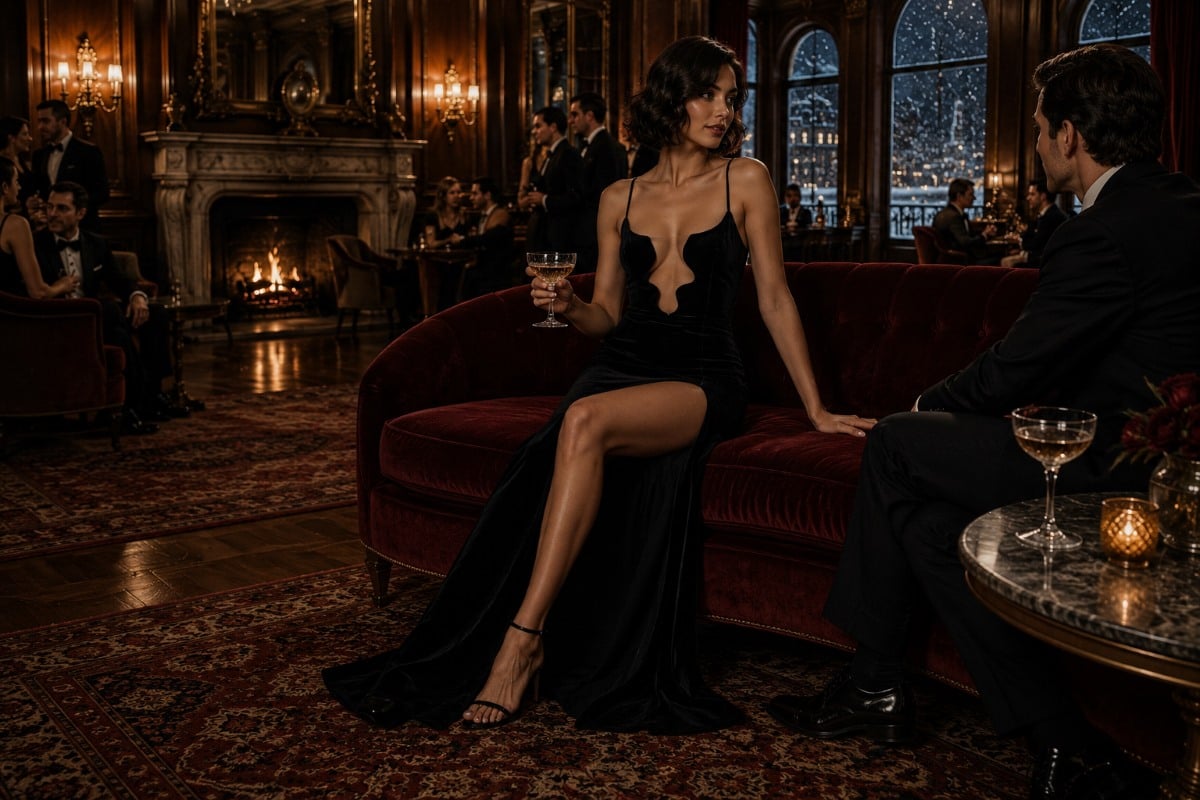
The most formal performance occasions are opening nights, season premieres, and gala performances, which often carry genuine black-tie or formal expectations and are treated as significant social events in many cities.
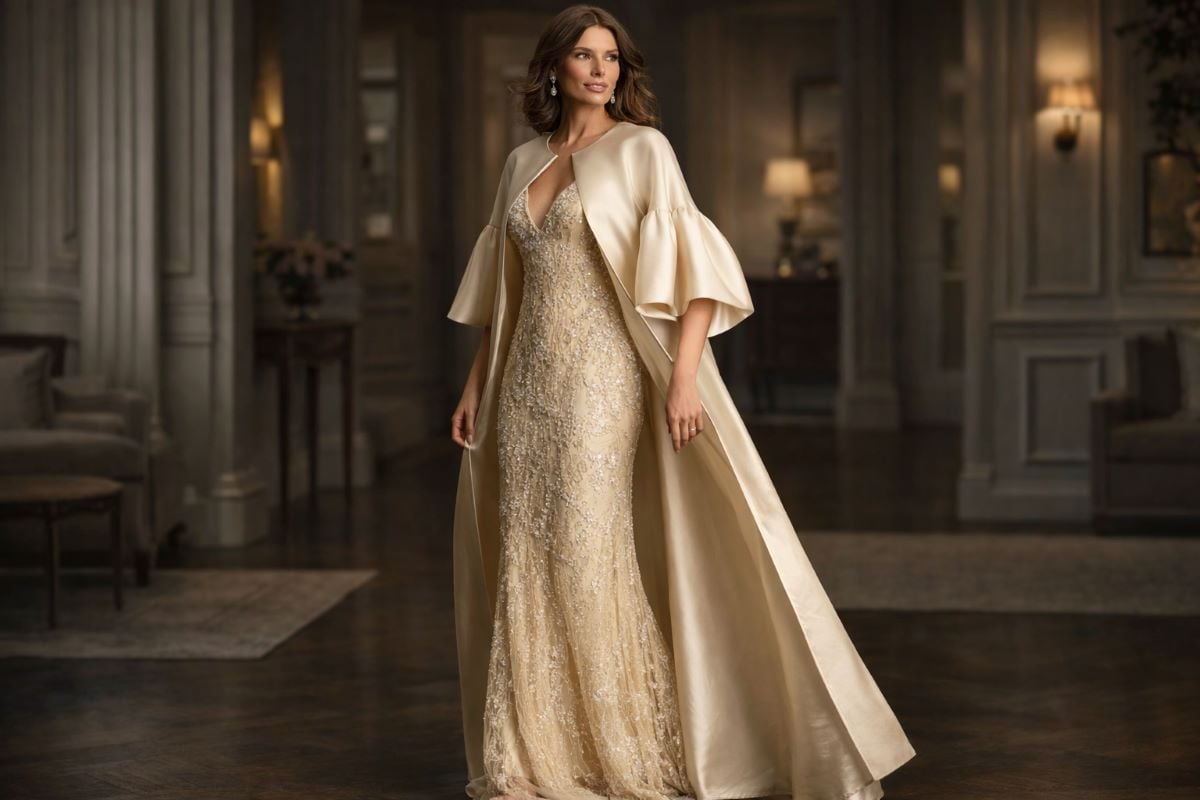
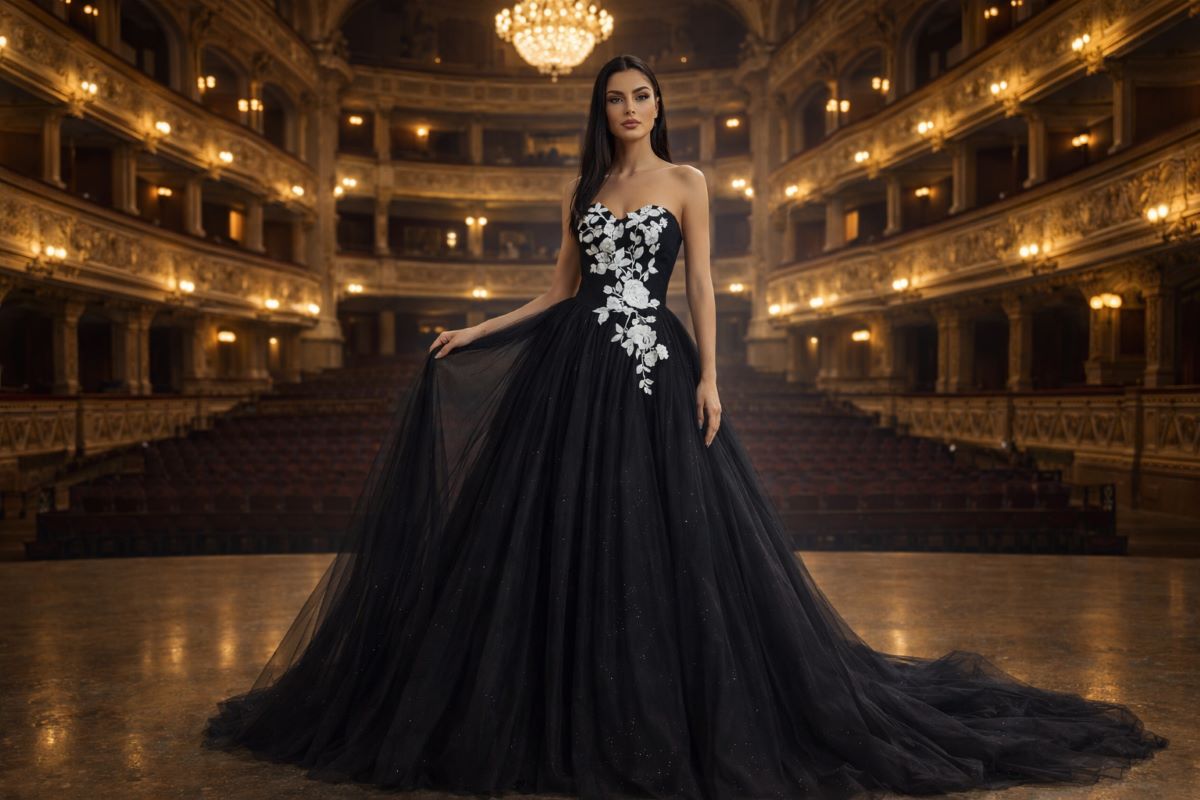
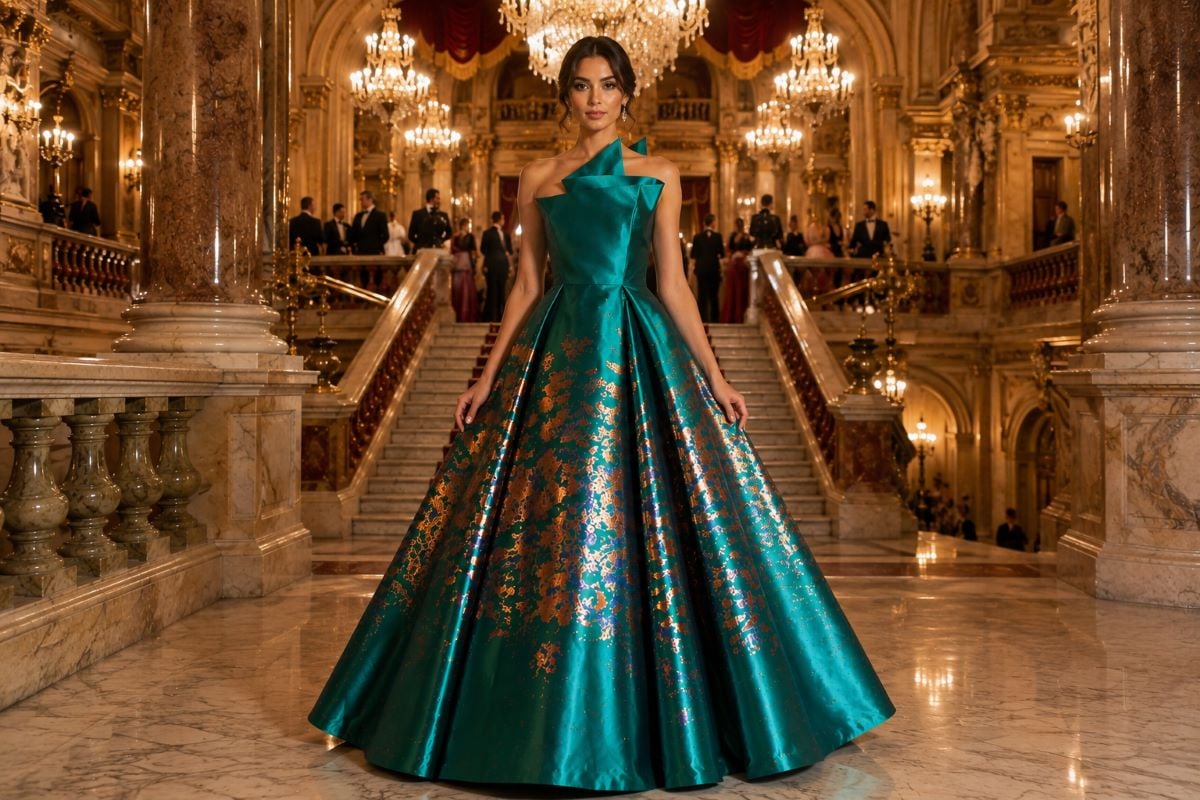
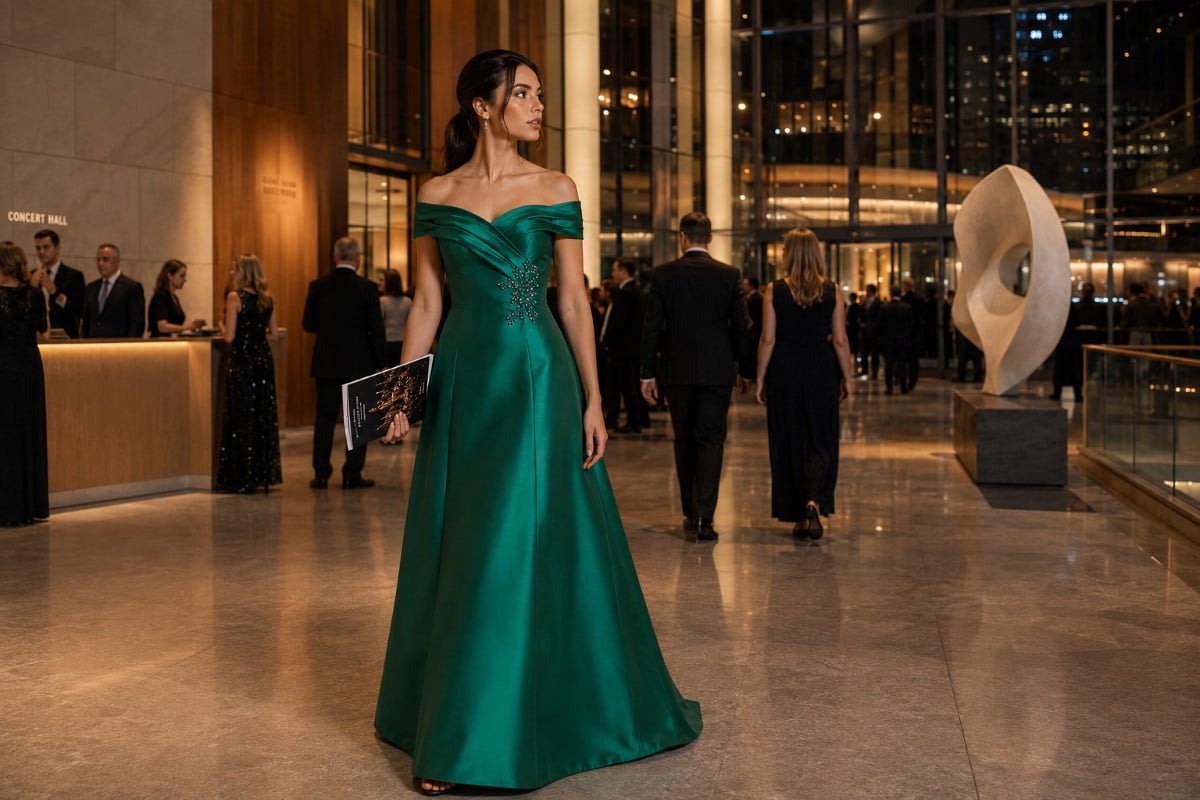
For an opening night or gala performance, a floor-length gown or an elegant formal dress is the appropriate choice. These occasions are among the dressiest cultural events of the year, with patrons genuinely dressing to the nines, and they are a wonderful opportunity to wear a true evening gown. The styles among long evening dresses are ideal for these occasions, where the grandeur of the venue and the significance of the event call for full formal elegance. An opening night at a major opera house is one of the few occasions outside of weddings and galas where a floor-length gown is genuinely expected rather than merely permitted.
Black is the classic, timeless choice for these formal performances, reading as sophisticated and appropriate in any opera house or concert hall. The styles among black formal dresses offer the kind of refined elegance these occasions call for, though rich jewel tones and other sophisticated colors are equally welcome. The point is formality and elegance rather than any single color.
Regular Evening Performances: Smart and Elegant
The most common scenario is a regular evening performance, neither an opening night nor a casual matinee, and this is where the dress code is most flexible and most often misjudged.
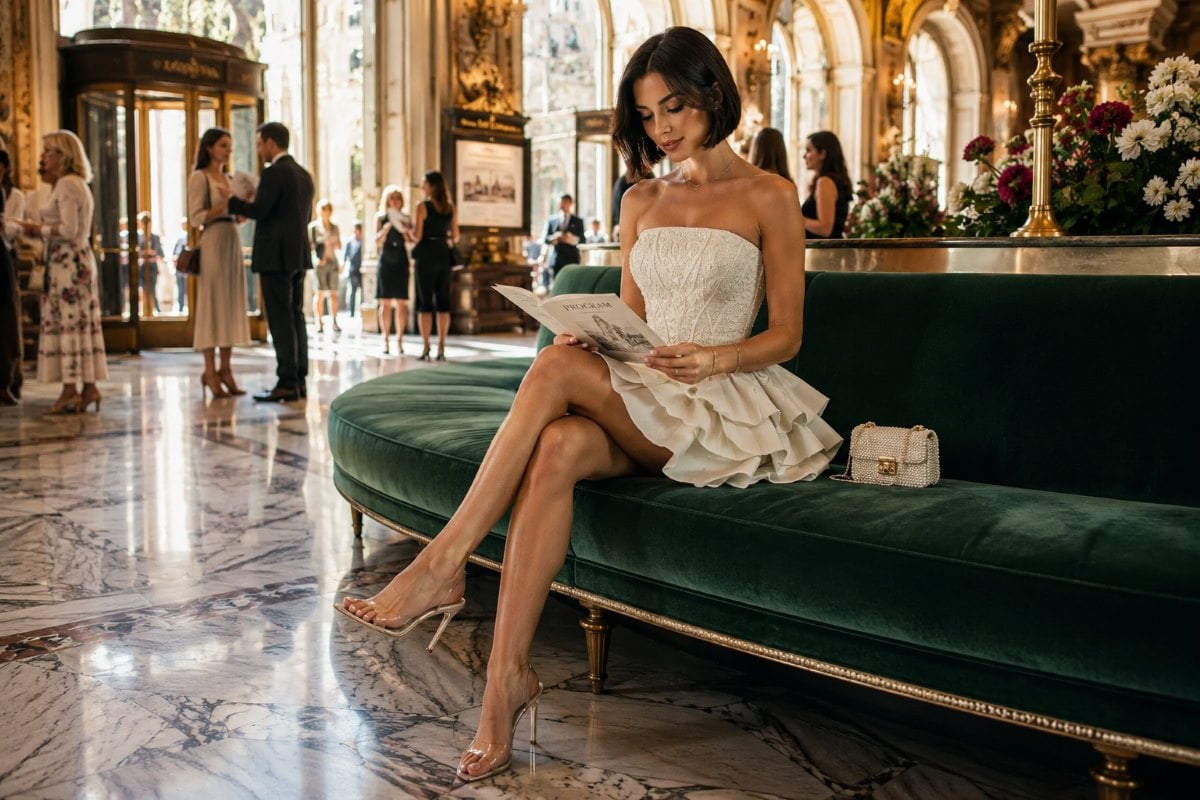
For a regular evening performance at the opera or symphony, smart, elegant attire is the sweet spot. A cocktail dress, an elegant midi, a sophisticated separates look, or a dressy day-to-evening dress all work beautifully. You do not need a floor-length gown for a regular Tuesday evening performance, but you should look polished and put-together, dressier than you would for a casual dinner out. The styles among cocktail gowns are perfectly suited to a regular evening performance, offering elegance without the full formality of a gown.
The guiding principle for a regular performance is that you are attending a cultural event in a beautiful venue, and your attire should reflect that you take the occasion seriously without treating it as a black-tie gala. Think of how you would dress for a nice dinner at an upscale restaurant followed by something special, polished, elegant, and considered, but not over the top. This level of dressing honors the occasion appropriately while keeping you comfortable.
Matinees and Casual Performances: Relaxed but Put Together
A matinee or a more casual performance allows the most relaxed attire, though relaxed at the opera still means put-together rather than truly casual.
For a weekend matinee or a casual performance, smart casual to business casual attire is appropriate. A nice dress, elegant separates, or a polished daytime look all work. You can dress more comfortably and casually than for an evening performance, but jeans, sneakers, and truly casual wear still feel out of place in most opera houses and concert halls, even at a matinee. The venue’s beauty and the cultural nature of the occasion still call for a degree of effort.
The principle for a matinee is daytime-appropriate and comfortable while still respecting the venue. A guest at an afternoon performance can dress as they would for a nice daytime event, polished and presentable, without the elegance a formal evening performance would require. When in doubt even at a matinee, slightly dressier is the safer direction.
How to Read Your Specific Performance
Since the right attire varies so much, knowing how to read your specific performance is the most valuable skill. A few clues reliably indicate the expected formality.
The occasion is the biggest signal: an opening night, a season premiere, a gala, or a special event leans formal, while a regular subscription performance or a matinee leans smart casual. When you are figuring out what to wear to the opera or a symphony performance, this single question, what kind of performance is it, settles most of the decision before you consider anything else. The venue matters too: a grand, historic opera house in a major city tends toward more formal attire, while a smaller regional theater or a more contemporary venue is generally more relaxed. The day and time provide clues as well, with evening performances dressier than matinees, and weekend performances sometimes dressier than weeknight ones.
Your seat location can also influence the choice. Patrons in premium seats, boxes, orchestra seats, or the dress circle, traditionally dress more formally than those in upper-tier seating, though this distinction has relaxed considerably. If you are attending in a box or premium seats for a special performance, leaning more formal is appropriate. When you genuinely cannot tell, checking the venue’s website or simply calling the box office to ask about typical attire is entirely reasonable, and the principles in this guide on how to choose an evening dress for a night event help you calibrate the right level of formality for any evening occasion.
Comfort for Hours in a Seat
An often-overlooked aspect of dressing for a performance is that you will be seated for a long stretch, often two to three hours or more, in a fixed seat in a darkened hall. Comfort matters more than at events where you move around freely.
Choose a dress you can sit in comfortably for the duration of the performance, without a tight bodice that presses when seated or a fabric that wrinkles badly after hours in a seat. The same long-sit comfort that matters at a seated dinner applies at a performance: a fabric that resists wrinkling, a silhouette that sits comfortably, and a bodice that does not constrict all make the difference between enjoying the performance and counting the minutes until intermission.
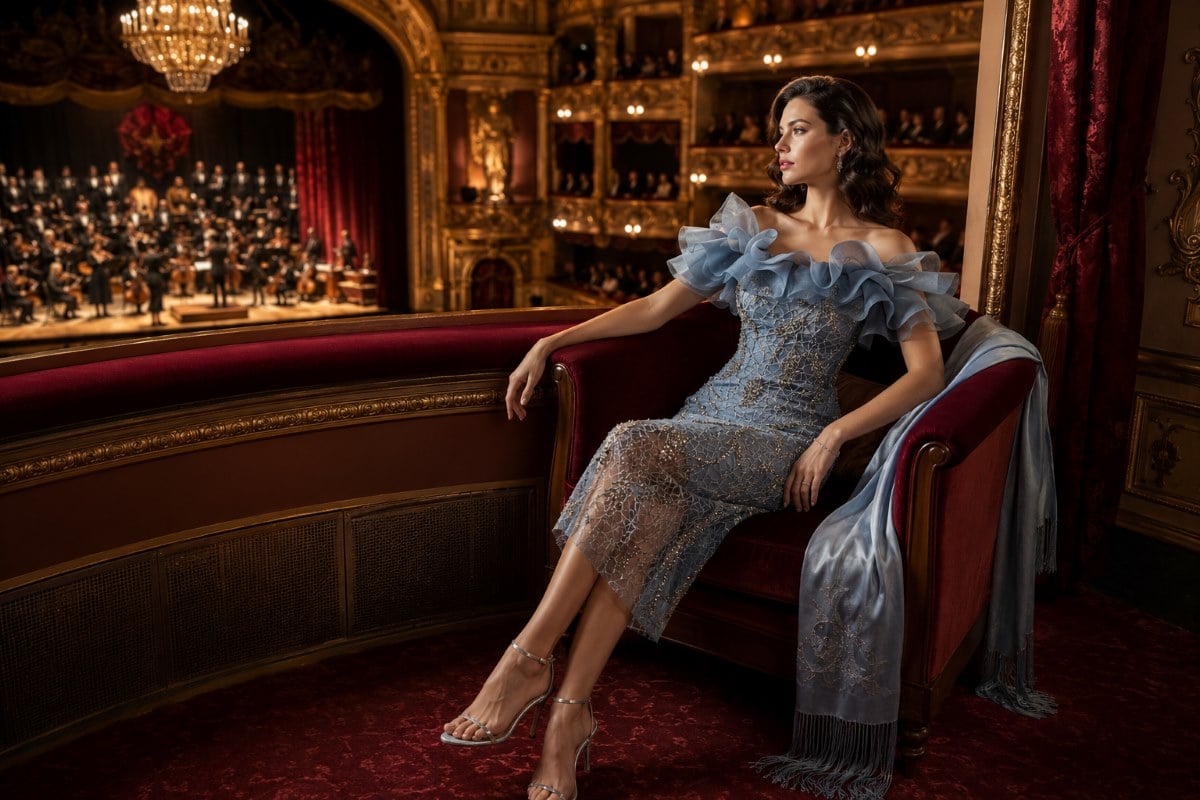
Temperature is a real consideration too. Opera houses and concert halls are often air-conditioned and can run cool, especially when you are seated still for hours. A wrap, a shawl, or a gown with sleeves keeps you comfortable through a long performance in a cool hall, and a wrap has the added benefit of being easy to remove if the venue is warm. A coordinating wrap is one of the smartest additions to a performance outfit, both practical and elegant.
Footwear deserves thought as well. While your feet are tucked under a seat for most of the performance, you will walk to your seat, navigate stairs in many historic venues, and stand during intermission. A comfortable heel or an elegant flat serves better than a punishing stiletto, particularly in older venues with steep staircases and narrow rows.
Fabrics and Seasonal Considerations
The fabric of your performance attire affects both how it reads in the venue and how comfortable you are through a long evening, and the season shapes the right choice.
For fall and winter performances, richer fabrics suit the season and the often-formal atmosphere of the opera and symphony. Velvet is a particularly beautiful choice for a winter performance, reading as luxurious and seasonal while providing warmth in a cool hall. The styles among velvet gowns are especially well-suited to a winter evening at the opera, where the rich fabric reads as both elegant and appropriate to the season. Heavier satins, brocades, and structured fabrics also suit the cooler months.
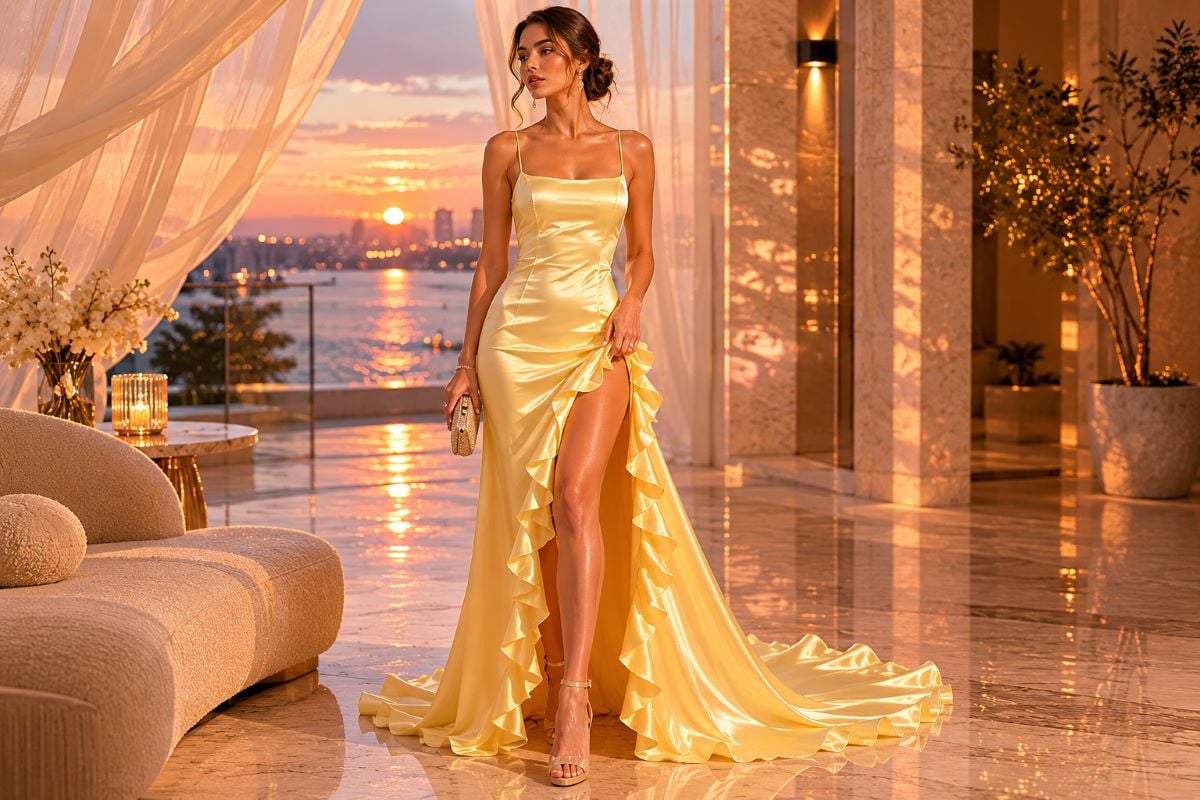
For spring and summer performances, lighter fabrics like chiffon, crepe, and lightweight satin keep you comfortable while maintaining elegance. The formality level stays the same regardless of season, but the fabric weight adjusts to the weather. A summer opening night still calls for a formal gown, simply in a lighter fabric than a winter one would be.
Color follows the same logic as any formal occasion: black and jewel tones are timeless and always appropriate, while the specific best color depends on your complexion and the formality of the event. The principles in this guide on best dress colors for your skin tone help you choose the most flattering shade for a performance, where you will be seen both in the bright lobby and the darker hall.
Accessorizing for a Performance
Accessories complete a performance look, and the principles balance elegance with the practical realities of a long evening in a seat.
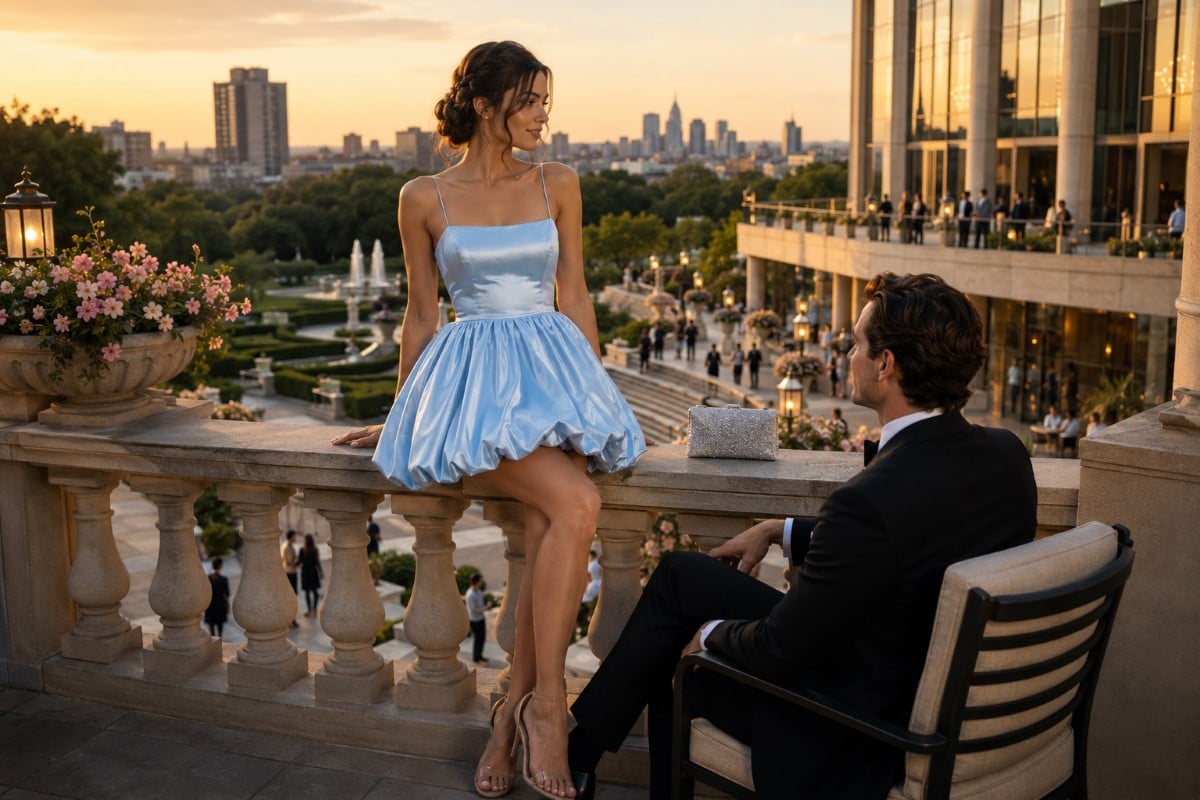
For a formal opening night, more considered jewelry and a refined evening clutch suit the occasion, matching the elegance of a floor-length gown. For a regular performance, simpler, elegant accessories keep the look polished without overdressing. In both cases, avoid anything that might disturb other patrons, jangling bracelets that make noise during quiet passages, or oversized accessories that crowd a neighbor in close theater seating, are worth avoiding out of consideration for those around you.
A wrap or shawl, as mentioned, is both practical and elegant for the cool temperatures of most venues. A small, refined clutch handles essentials and tucks easily under a seat or onto your lap. The broader principles of finishing a formal look are covered in this guide on how to accessorize an evening dress, which applies well to a performance, with the added consideration of choosing pieces that work in the close, quiet environment of a concert hall or opera house.
Common Mistakes to Avoid
A few mistakes account for most performance-attire missteps, and avoiding them keeps you comfortable and appropriately dressed.
- Underdressing for an opening night. Treating a gala opening like a regular performance and showing up in casual attire is the most common mistake at formal performances. When the occasion is a premiere or gala, dress for the formality it carries.
- Overdressing for a casual matinee. The opposite mistake is wearing a floor-length gown to a relaxed weekend matinee, which can feel out of step. Match the formality to the specific performance.
- Forgetting about temperature. Many guests are caught cold in an over-air-conditioned hall during a long performance. A wrap solves this and is easy to bring.
- Wearing noisy or disruptive accessories. Jangling jewelry, crinkling fabrics, or anything that makes noise can disturb other patrons during quiet moments. Choose accessories that stay silent.
- Prioritizing looks over sit-comfort. A gown that looks stunning but is miserable to sit in for three hours ruins the experience. Comfort through a long seated performance matters as much as the initial impression.
The single best approach is to identify what kind of performance you are attending, dress to its formality level, and prioritize comfort for a long evening in a seat. Get those right, and you are free to focus on the performance itself, which is the entire point of the evening.
Frequently Asked Questions About What to Wear to a Performance
A few clear, common questions come up about what to wear to the opera, the symphony, and the theater, and the honest answers below cover what most people want to know before a performance.
What should I wear to the opera?
It depends on the performance. For an opening night or gala, a floor-length gown or elegant formal dress is appropriate. For a regular evening performance, smart and elegant attire like a cocktail dress or sophisticated midi works well. For a matinee, smart casual is acceptable. When in doubt, lean toward more elegant, since the opera rewards effort and slightly overdressed reads as respectful.
Do you have to dress up for the symphony?
You should look polished and put-together, though the exact formality depends on the performance. A regular symphony performance calls for smart, elegant attire, dressier than casual dinner wear but not necessarily a gown. Opening nights and galas call for formal attire. Even at a matinee, jeans and truly casual wear feel out of place in most concert halls, so some effort is always appropriate.
What do you wear to an opening night at the opera?
An opening night or gala performance is one of the dressiest cultural events of the year and genuinely calls for a floor-length gown or elegant formal dress. These occasions see patrons dressing to the nines, making them a wonderful opportunity for a true evening gown. Black and rich jewel tones are classic, timeless choices for these formal performances.
Can you wear a cocktail dress to the symphony?
Yes, a cocktail dress is ideal for a regular evening symphony or opera performance, offering elegance without the full formality of a gown. For an opening night or gala, a floor-length gown is more appropriate, but for a standard evening performance, a sophisticated cocktail dress hits exactly the right note of smart, elegant attire.
What should I wear to a matinee performance?
Smart casual to business casual attire works for a matinee, a nice dress, elegant separates, or a polished daytime look. You can dress more comfortably than for an evening performance, but jeans, sneakers, and truly casual wear still feel out of place in most venues. Daytime-appropriate and comfortable while still respecting the venue is the right balance.
How do I stay comfortable through a long performance?
Choose a dress you can sit in comfortably for hours, with a fabric that resists wrinkling and a bodice that does not constrict when seated. Bring a wrap or shawl, since halls often run cool when you are seated still for a long stretch. Comfortable shoes help too, since you will navigate stairs and stand at intermission. Long-sit comfort matters as much as the look.
Dressing for the Art of the Evening
Knowing what to wear to the opera, the symphony, or a theater performance comes down to reading the specific occasion correctly and dressing to honor both the art form and the venue. Save the floor-length gown for opening nights and galas, choose smart elegant attire like a cocktail dress for regular evening performances, dress smart casual for matinees, and throughout, prioritize comfort for a long evening in a seat and bring a wrap for the cool hall. Aim for slightly more elegant rather than less, and you will rarely go wrong at a cultural occasion that genuinely rewards the effort. Get it right, and you are free to lose yourself in the performance, beautifully dressed and completely comfortable, which is exactly how an evening at the opera should feel. Jovani has spent more than forty years designing formal and evening collections across every level of formality, so the right look for any performance, from the grandest opening night to a relaxed matinee, is well within reach.