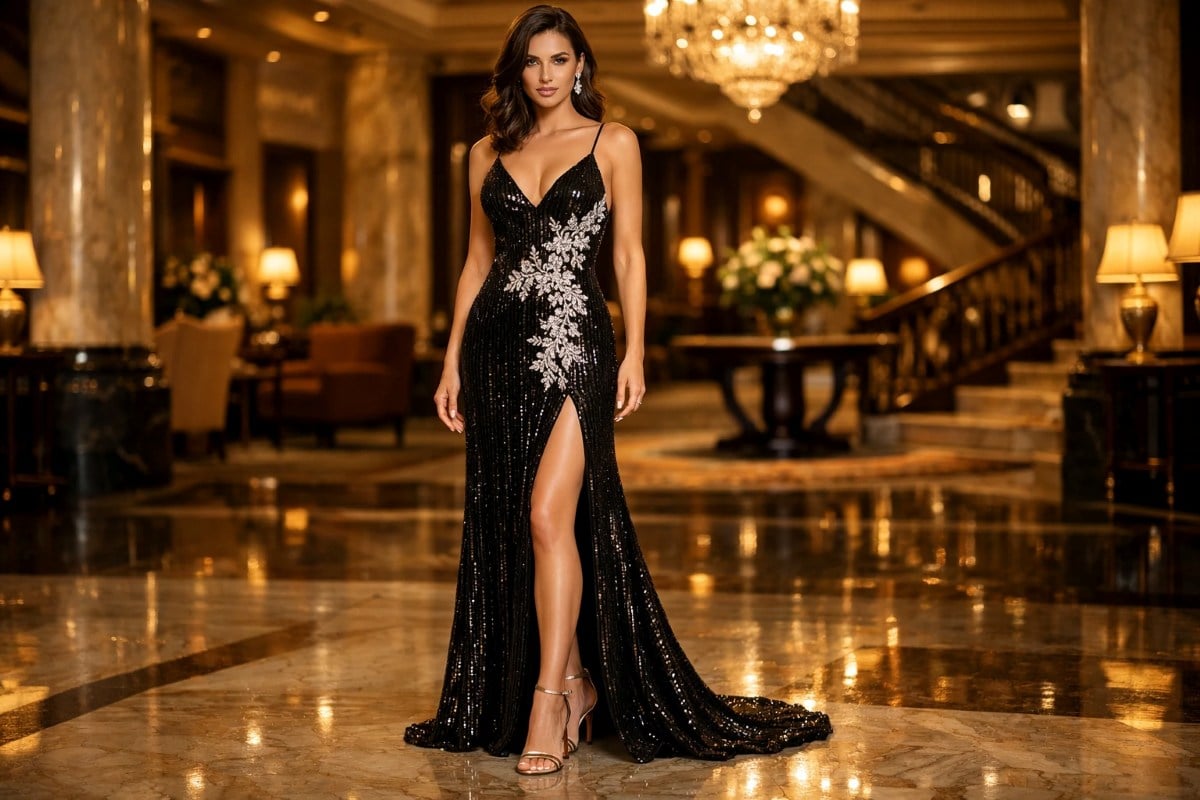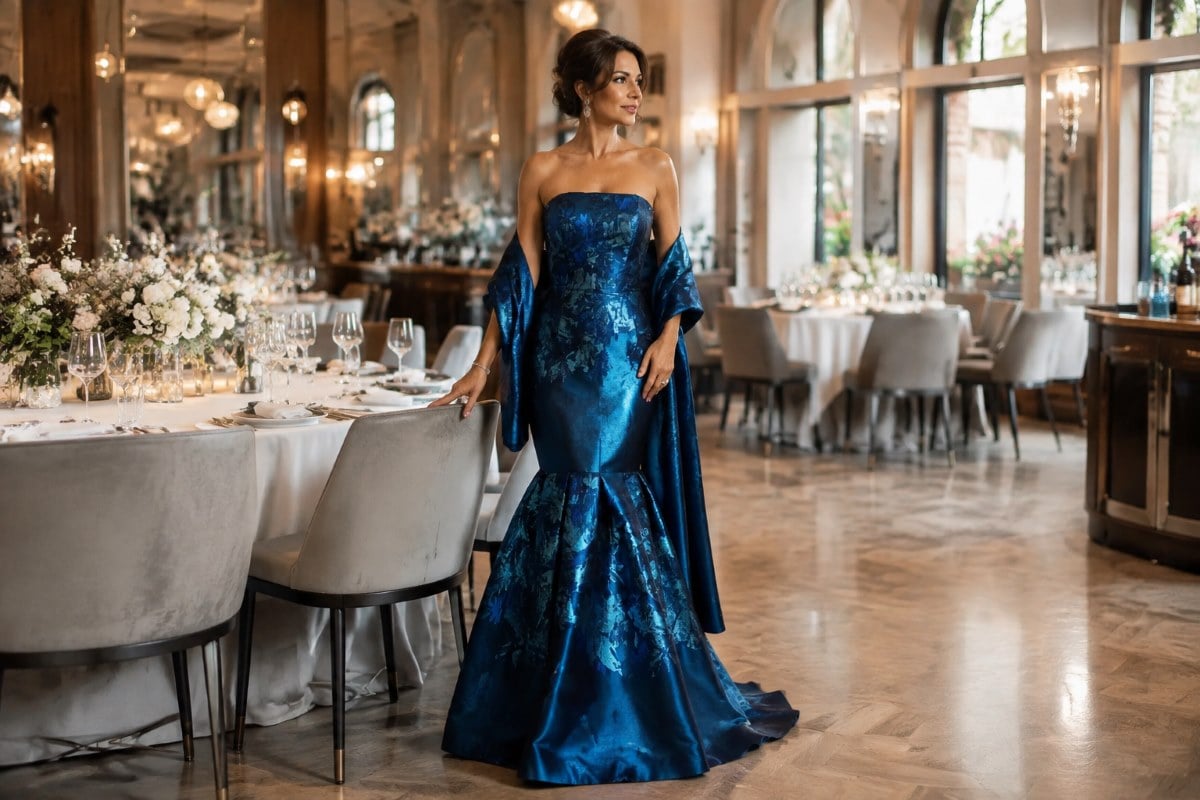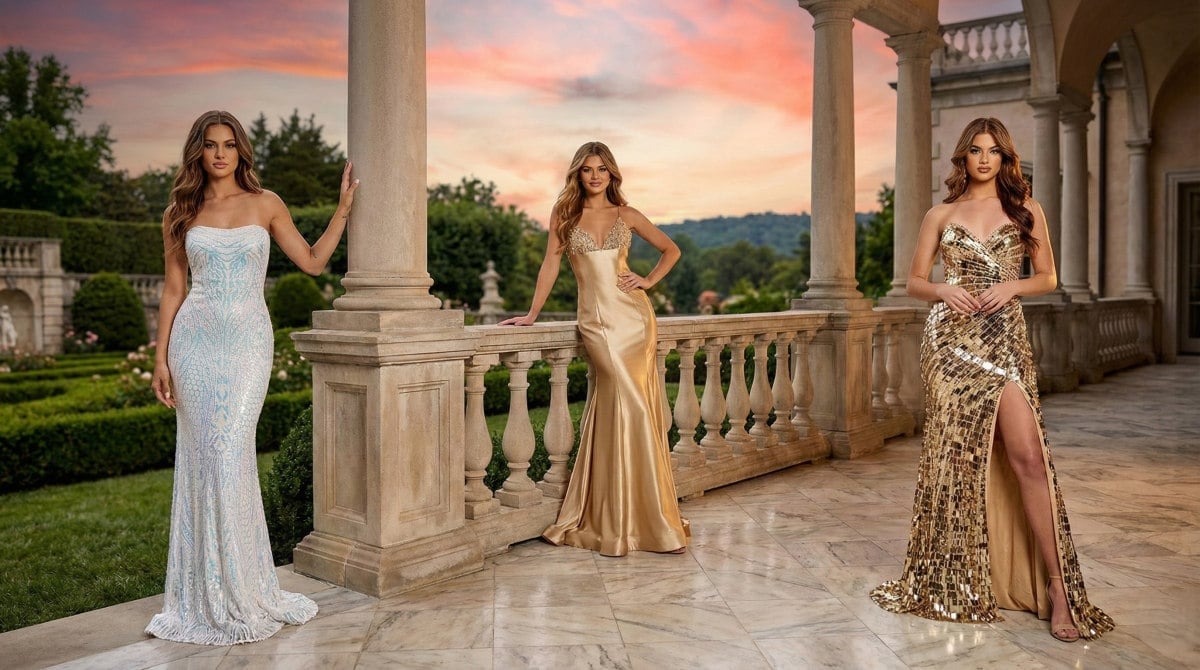

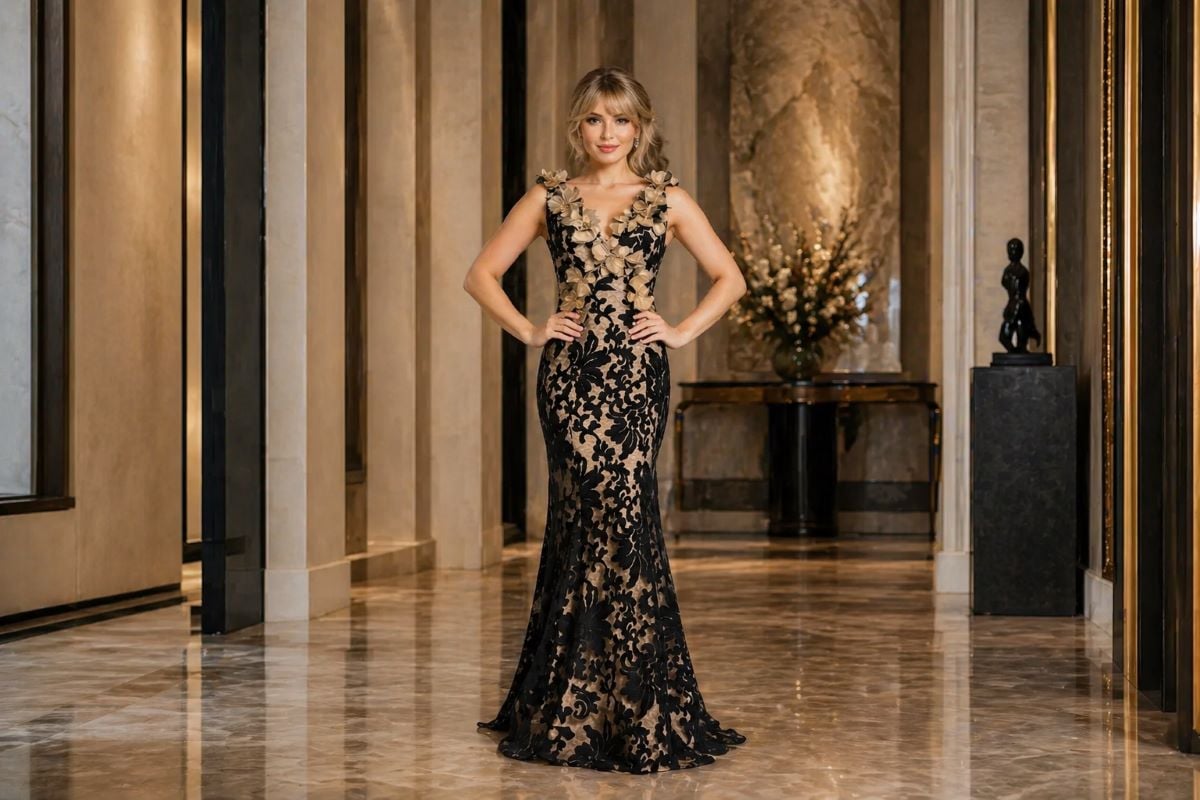
The moment a woman receives a designer gown is filled with anticipation and high expectations. Whether it is for a gala, a wedding, or a high-profile corporate event, the desire for absolute perfection is paramount. However, because designer garments are often crafted using standard sizing charts to accommodate a global audience, it is common to find that an evening dress doesn’t fit perfectly upon its first arrival. In the world of high fashion, the fit is what distinguishes a garment from a masterpiece. A gown that is slightly too long, gaping at the bust, or pulling at the hips can distract from the wearer’s natural beauty and the intricate craftsmanship of the design.
The discrepancy between a standard size and a personal fit is not a flaw in the garment; rather, it is the beginning of a transformation. Understanding formal wear sizing is the first step toward achieving a red-carpet look. Unlike casual clothing, which often utilizes “vanity sizing” or highly elastic synthetic blends, luxury formal dresses are structured, architectural, and precise. If you find yourself facing formal dress fitting issues, there is no need for alarm. Most high-end garments are designed with the intention of being tailored to the individual’s unique proportions, allowing for a bespoke finish that off-the-rack items simply cannot provide.
Assessing Your Gown’s Fit: The Initial Evaluation
Before deciding how to alter an evening gown, you must perform a thorough and objective assessment. This is best done in a well-lit environment with a three-way mirror. Put on the dress with the exact undergarments and shoes you plan to wear to the event. This is a non-negotiable step; a change in bra padding or heel height can fundamentally shift the dress’s center of gravity and silhouette. Stand in a neutral position and observe how the fabric behaves. Look for horizontal pulling across the midsection, which indicates a need for more width, or notice if the bodice feels like it is sliding down, suggesting the waist or bust is too loose.
Identifying Silhouette-Specific Fitting Challenges
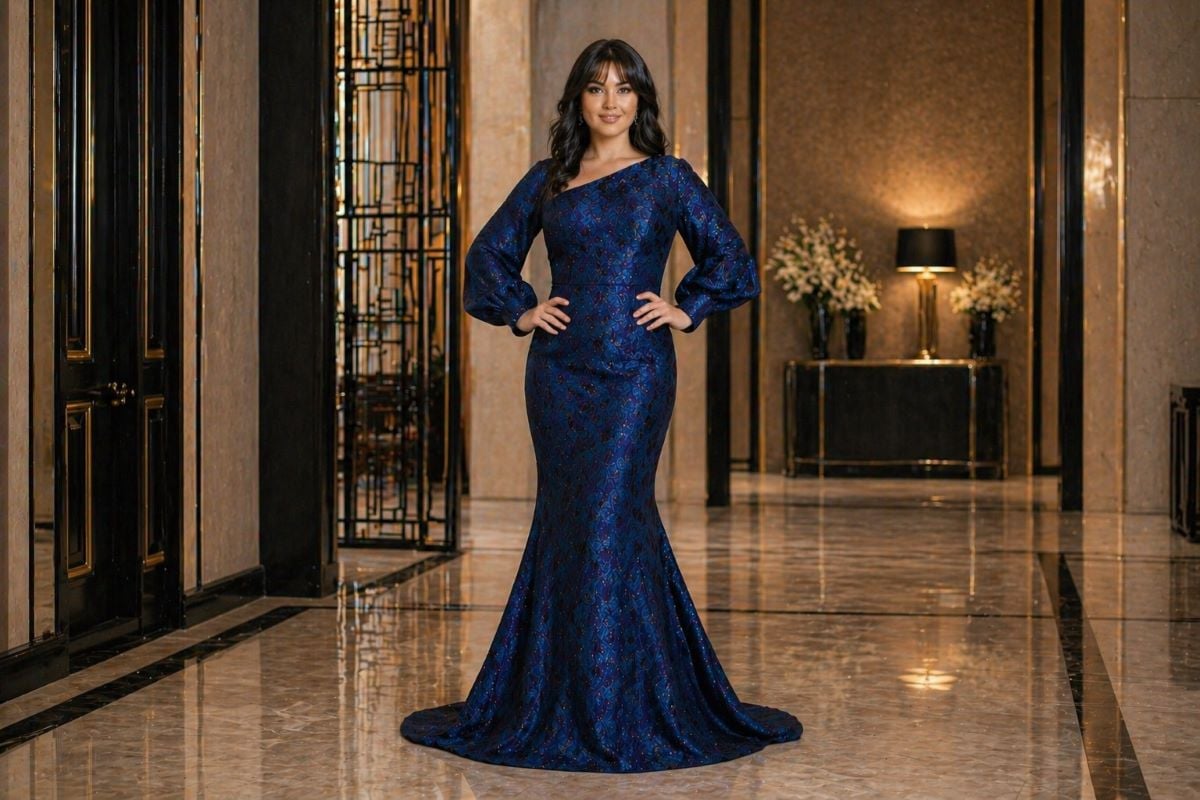
One of the most common challenges occurs with specific silhouettes that require structural integrity to look their best. For instance, mermaid evening dresses are celebrated for their dramatic flare, but they require an exacting fit through the hips and knees to maintain their signature hourglass shape. If the garment is even a fraction of an inch too tight or loose in these areas, the silhouette loses its impact and can become difficult to walk in comfortably.
Similarly, strapless evening gowns must be perfectly anchored at the bodice. The internal boning must sit flush against the ribs to prevent the wearer from constantly adjusting the garment throughout the night. A secure fit at the waist is often the secret to keeping a strapless gown in place, as the waistline should act as the primary support for the weight of the skirt.
Managing a Gown That Is Too Large
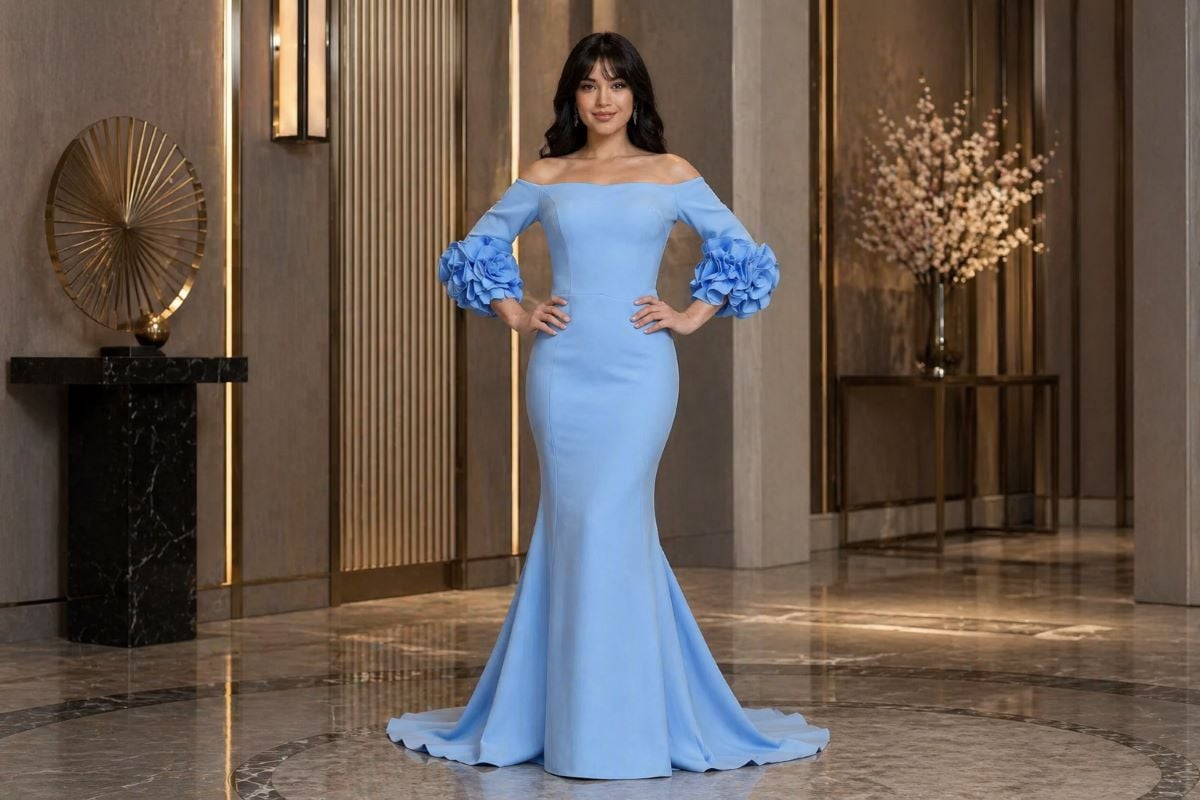
Finding that you need to fix a dress that is too big is generally a favorable situation in the world of tailoring. In the lexicon of professional seamstresses, it is far easier to remove fabric than to add it. Taking in a formal dress is a standard procedure that can transform a generic fit into a custom-made experience. Professional tailors look at “transition points”—the shoulders, the bust, the waist, and the hips—to determine where the garment can be adjusted without disrupting the design’s balance.
Refining Proportions for a Custom Look
The implications of a dress being too large extend beyond just the width. Often, a dress that is too big in the bust will also have armholes that sit too low, leading to exposure or discomfort. When a tailor takes in the shoulders, it lifts the entire garment, often resolving multiple fit issues at once. For those navigating plus size formal gowns, fit is about finding the perfect balance between comfort and structure. A dress that is too voluminous can overwhelm a frame, hiding the wearer’s best features. Precise tailoring can highlight the waist and create a sophisticated, streamlined appearance that celebrates the silhouette rather than masking it.
Troubleshooting a Tight Fit
Discovering that a dress fit too tight can be stressful, especially as an event date approaches, but it is rarely a reason to abandon the garment. Most luxury gowns are constructed with a “generous seam allowance,” which refers to the extra fabric left inside the garment beyond the stitch line. High-quality designers include this specifically to allow for the possibility of letting the dress out. This hidden resource can often provide the half-inch or full inch needed for comfort, deep breathing, and effortless mobility.
Working with Embellishments and Delicate Fabrics
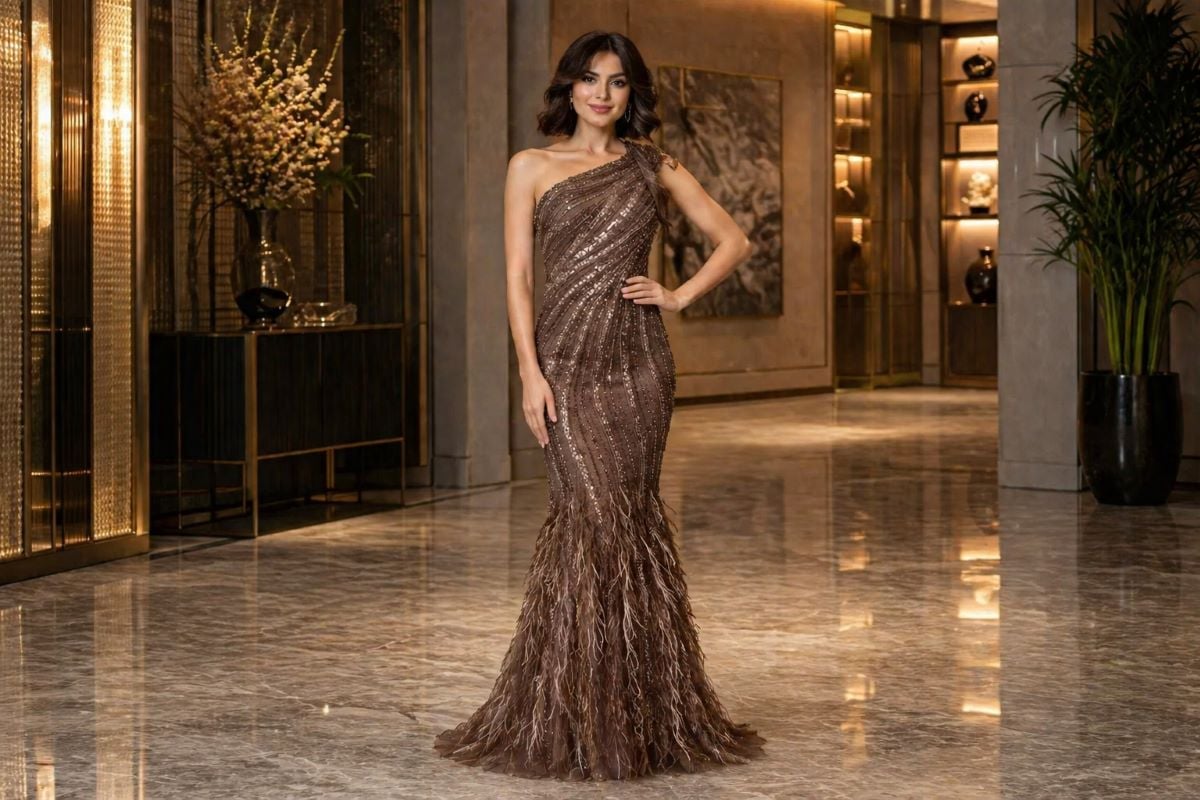
When a dress is tight, pay close attention to the fabric type and the embellishments. Heavily beaded formal wear requires a specialized, highly skilled touch. The beads along the seam must be painstakingly removed by hand, the seam opened and resewn, and then each bead must be reapplied to ensure the pattern remains seamless. This is a labor-intensive and delicate process, which is why working with an expert who understands the complexities of the garment is essential. They will know how to expand the bodice or hips while avoiding “fabric stress” marks that can occur when needles pierce delicate silks or satins.
The Professional Alteration Process
While some minor adjustments might seem DIY-friendly in a pinch, high-end evening wear should always be handled by a specialist. The extreme complexity of formal construction—featuring internal corsetry, multi-layered petticoats, and hidden zippers—requires a level of expertise that home sewing cannot match. A professional tailor has the industrial-grade equipment and decades of experience to work with materials like silk, chiffon, and expensive lace.
Precision Hemming and Structural Integrity
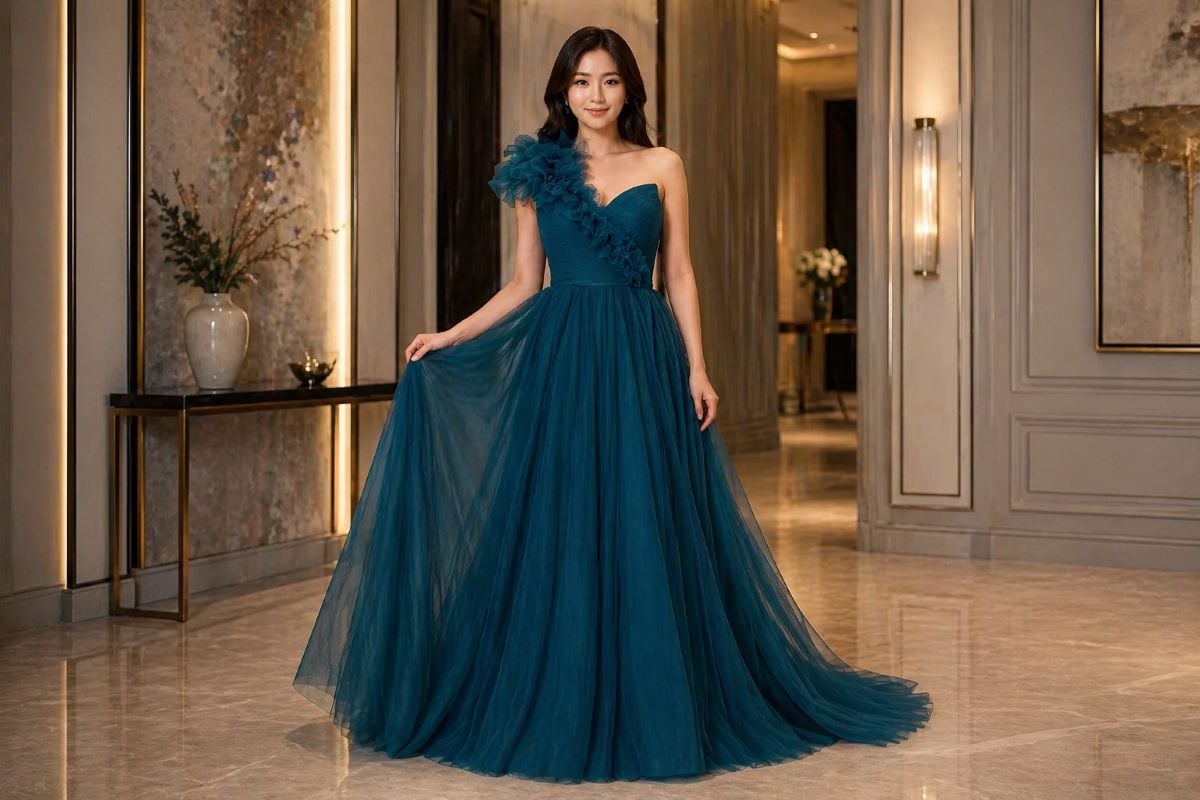
For those wearing classic a-line formal gowns, the most frequent alteration is the hem. Because Jovani caters to a diverse global audience, gowns are often produced with extra length to accommodate various heel heights. Shortening a hem is a routine task, but it requires mathematical precision to ensure the dress hangs evenly all the way around. Furthermore, if the skirt has a “horsehair braid” hem (a stiffening ribbon used to give the skirt volume), the tailor must remove, trim, and reattach this specialized material to maintain the gown’s original movement and bounce.
Foundation Layers and Accessory Solutions
Sometimes, the reason an evening dress doesn’t fit perfectly isn’t the dress itself, but the foundational layers worn underneath. The architecture of a gown relies on the support system below it. Modern shapewear and specialized bras can solve many formal dress fitting issues instantly, often eliminating the need for expensive structural alterations. For example, if a bodice feels slightly loose or lacks “fill,” a high-quality padded bra or silicone inserts can fill out the space and provide the necessary tension to hold the dress up.
Conversely, if a dress fit too tight in the midsection, high-quality compression wear can smooth out the silhouette, potentially providing that crucial half-inch of breathing room. It is also important to consider the role of friction; if a dress is clinging or bunching, a simple silk slip can allow the gown to glide over the body as intended. Furthermore, never underestimate the power of footwear. A dress that seems too long can often be “fixed” simply by opting for a higher heel or a platform shoe.
Planning Your Tailoring Timeline
Properly addressing fit issues requires the luxury of time. It is strongly recommended to have your first fitting at least four to six weeks before the event. This allows for a “basting” phase, where the tailor pins or loosely stitches the changes so you can see the result before the final, permanent cuts are made to the fabric. Whether you are taking in a formal dress or letting it out, rushing the process can lead to irreversible mistakes, such as puckered seams or uneven hemlines.
When you choose a Jovani gown, you are investing in a legacy of style and craftsmanship; ensuring that gown fits perfectly is the final, essential step in honoring that investment. If your body tends to fluctuate in weight due to stress or travel, schedule a final “check-fit” one week before the event to make any last-minute adjustments for a flawless appearance.
Practical Tips for Your Fitting Appointment
To ensure the best possible outcome during your alterations, keep these expert tips in mind:
- The Sit Test: During your fitting, do not just stand still. Walk, turn, and sit down. If the dress feels like it might pop a seam or if you cannot sit comfortably for a dinner, the dress is too tight through the torso or hips.
- The Reach Test: For dresses with sleeves, ensure you can raise your arms to hug someone or dance. Tightness in the armscye (armhole) is a leading cause of ripped seams in evening wear.
- Lighting Checks: Ensure your tailor checks the fit in different lighting. Shadows can sometimes reveal where fabric is pulling or bunching in ways not visible in a dim dressing room.
FAQs About Formal Dress Fitting
1. How much does it typically cost to tailor evening wear?
The cost is variable and depends on the tailor’s expertise and the gown’s complexity. A simple hem or taking in side seams on a plain fabric might range from $50 to $150. However, complex alterations involving hand-beading, lace appliqué, or structural bodice changes can easily exceed $300 to $500.
2. Can a dress be made larger if there is no seam allowance?
If a dress fit too tight and there is absolutely no extra fabric in the seams, a skilled tailor can still find solutions. They may suggest adding gussets using a matching fabric or panels of contrasting lace. Another popular option is replacing a zipper with a corset-style lace-up back.
3. Is it possible to change the neckline of an evening gown?
Yes, necklines can often be modified, but it involves major changes to the dress structure. A high-neck dress can sometimes be converted to a V-neck, or straps can be added to a strapless bodice for better support. These changes should only be attempted by master tailors.
4. What should I bring to my fitting appointment?
Bring the exact shoes, bra, and shapewear you will wear to the event. If you plan on wearing a specific necklace that requires a certain neckline depth, bring that as well.
5. How many sizes can a formal dress be taken in?
A dress can usually be taken in up to two full sizes without losing the balance of the design. Beyond that, the placement of the bust cups and side seams may shift too far, which can look awkward.
Explore our latest designs and find your signature style in the full Jovani evening dresses collection.