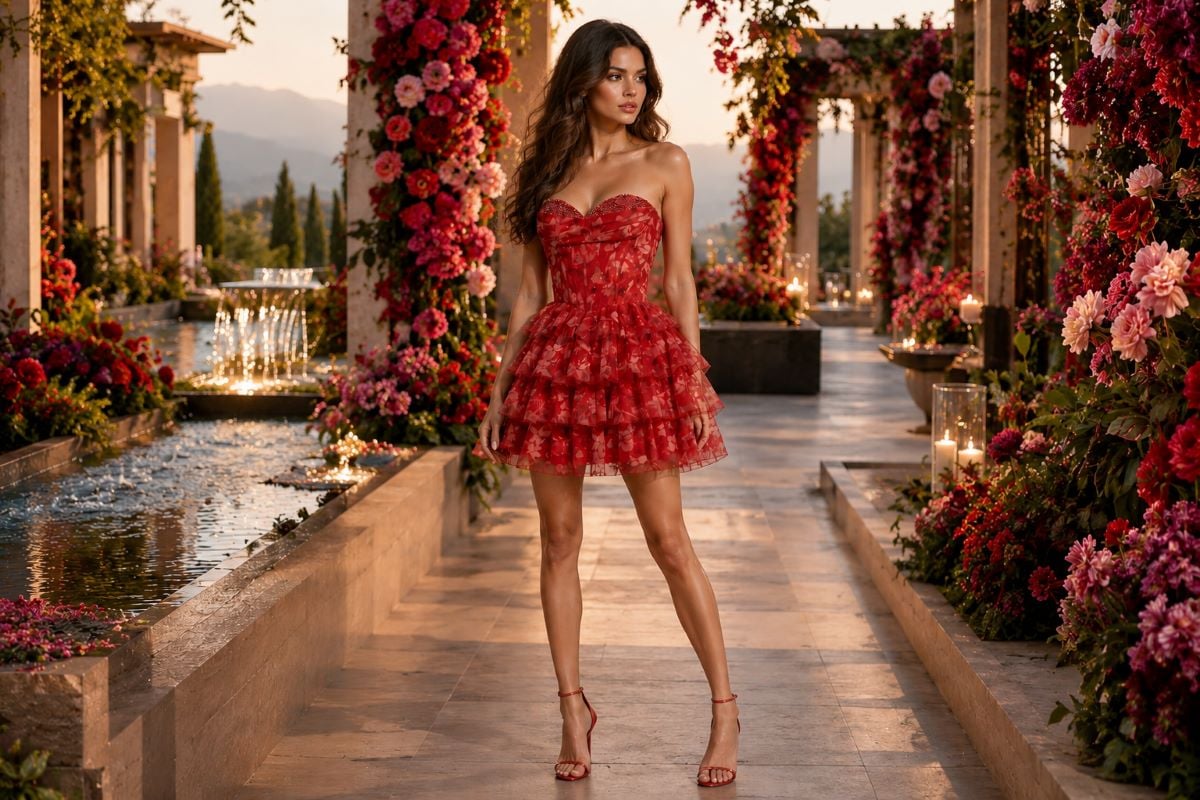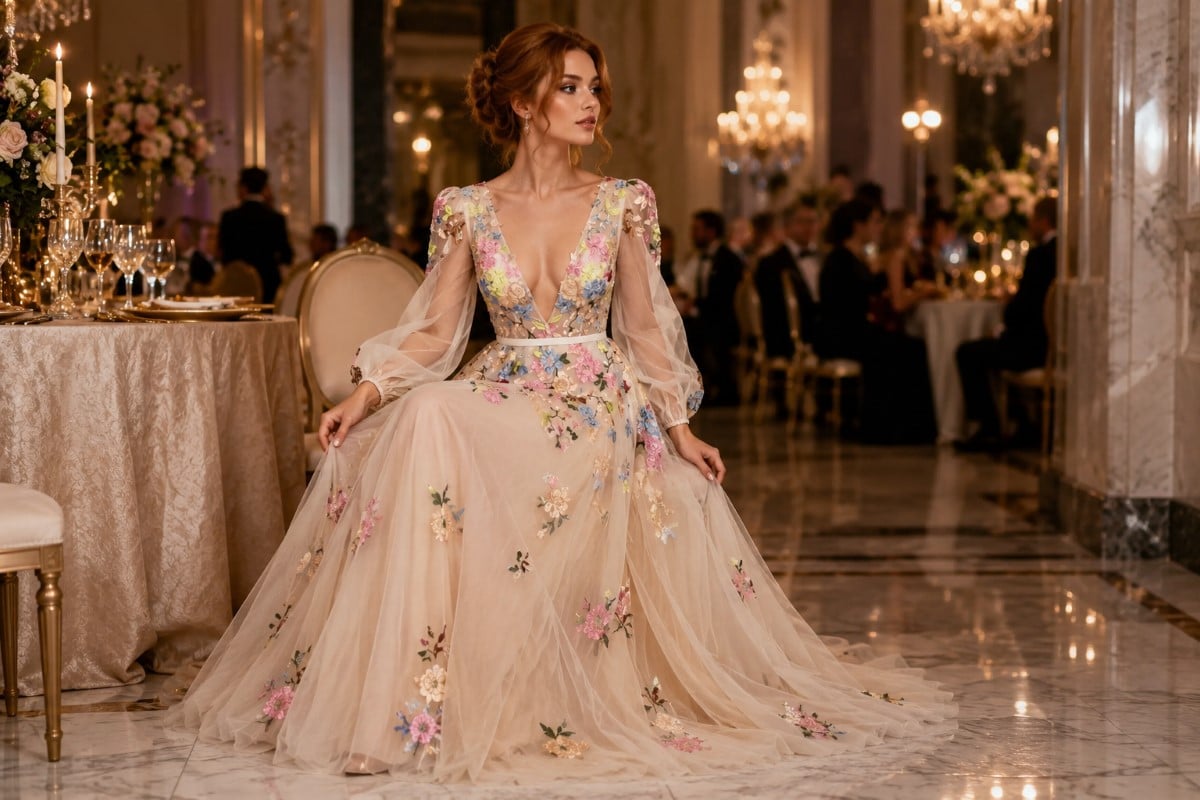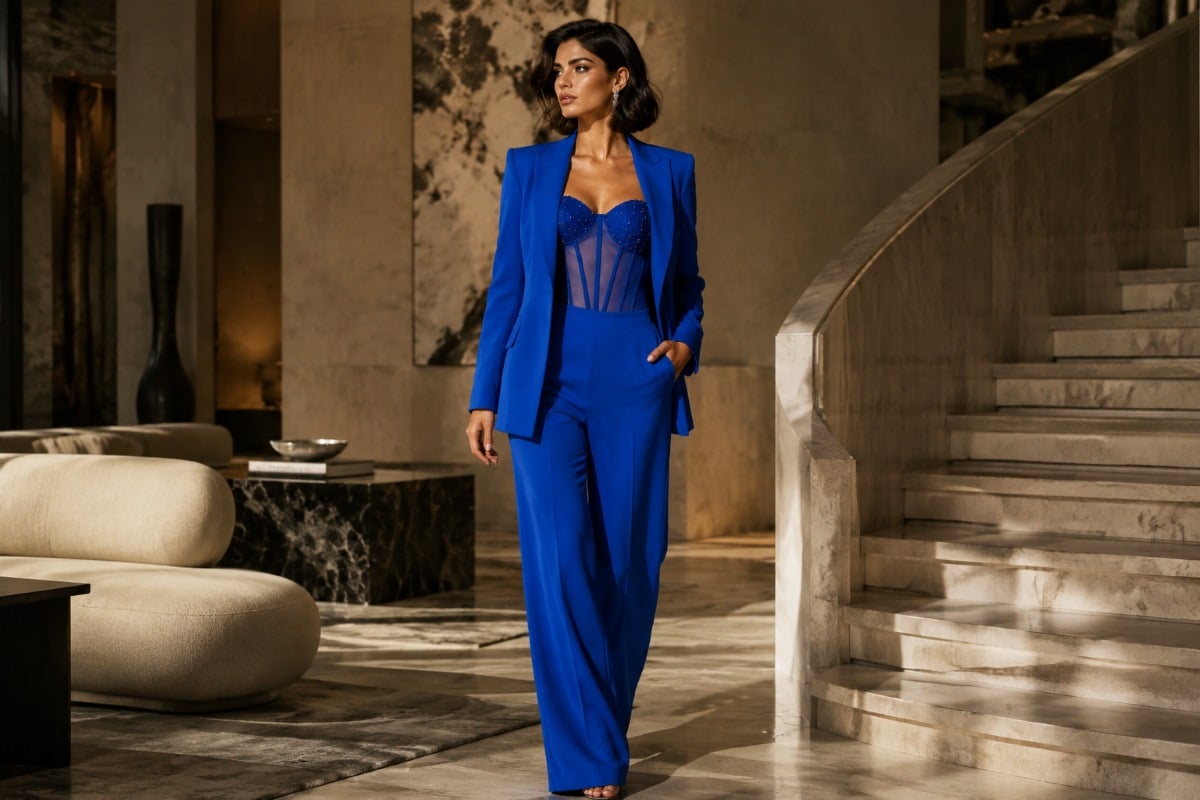

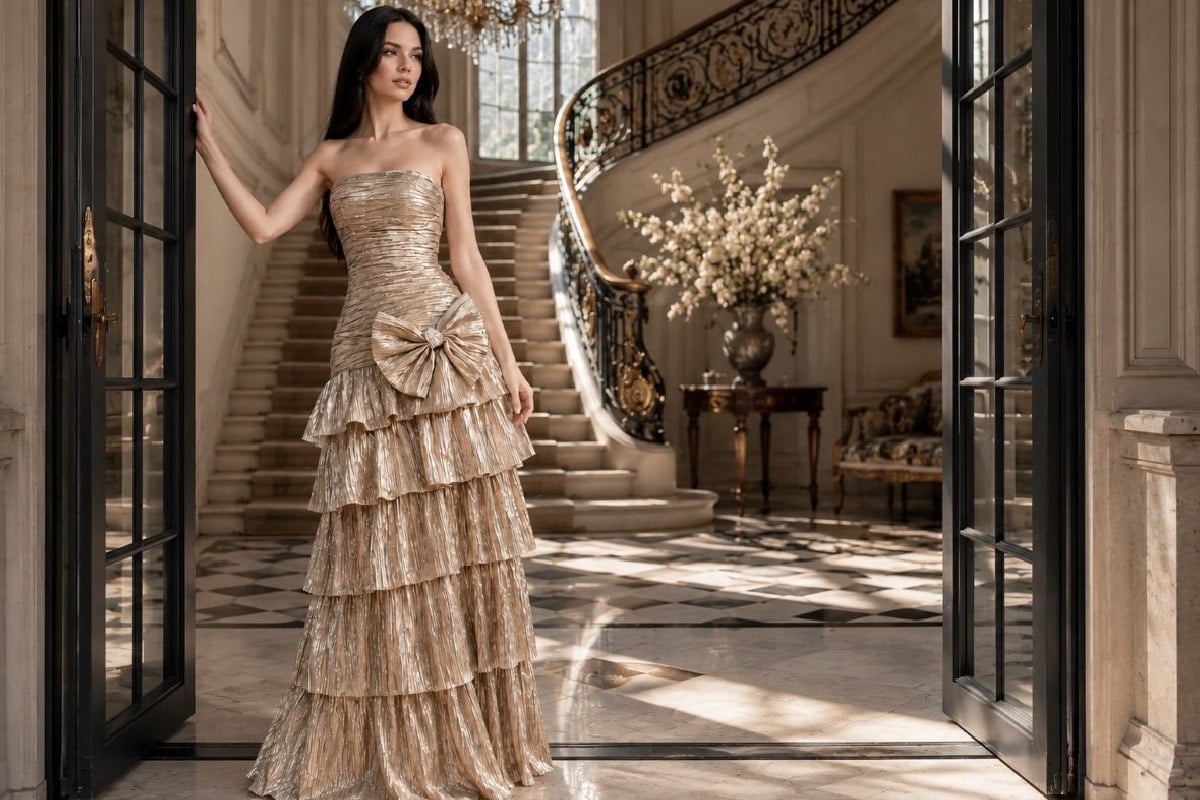
Stepping into a formal event, the first thing people notice before the silhouette, the beadwork, or the draping of your gown is the color. Color has a profound, almost instantaneous psychological and aesthetic impact on how we are perceived by others, the energy we project into a room, and, most importantly, how we feel about ourselves. The right hue can illuminate your face, make your eyes sparkle, and give your complexion a vibrant, healthy glow that radiates in both person and professional photographs. Conversely, wearing a shade that fights against your natural coloring can cast heavy shadows, emphasize exhaustion, and wash out your beautiful features. Finding the best dress colors for your skin tone is the ultimate secret to flawless formal dressing.
At Jovani, our expert designers spend countless hours studying the delicate interplay between rich fabric dyes, light reflection, and human complexions. We understand that a gown is not just a piece of clothing; it is a wearable piece of art and a direct extension of the woman wearing it. Creating a truly unforgettable entrance requires perfect visual harmony between the garment and your natural beauty. Whether you are preparing for a high school dance, an elegant evening soirée, or walking the red carpet, matching dress color to skin tone elevates your overall look from simply beautiful to absolutely breathtaking. This comprehensive guide will walk you through the precise science of color theory, the biological nuances of your unique complexion, and the advanced strategies used by celebrity fashion stylists.
The Psychology of Color in Formalwear
Before diving into the technical aspects of skin undertones, it is crucial to understand why color matters so deeply in a formal setting. Colors evoke specific emotional responses. When you wear a color that perfectly aligns with your skin, you not only look healthier, but you also project an aura of complete self-assurance. A harmonious color choice subconsciously signals to others that you are put-together, detail-oriented, and comfortable in your own skin. It transforms the dress from something you are simply wearing into an organic part of your personal identity.
When a dress color clashes with your complexion, the opposite effect occurs. The eye is naturally drawn to the dissonance. People might notice the dress before they notice you, or they might subconsciously perceive that you look tired or unwell, simply because the fabric is reflecting the wrong light pigments onto your face. By mastering your unique color profile, you take control of your aesthetic narrative, ensuring that your face remains the focal point of your entire ensemble.
Understanding the Core of Color Theory in Fashion
To confidently build a customized formalwear wardrobe, you must understand how professional stylists view complexion. It is not just about how light or dark your skin appears to the naked eye; it is about the temperature, the contrast, and the biological pigmentation of your natural coloring. Grasping this concept is the very first step toward finding your signature look.
The Biological Difference Between Surface Complexion and Undertone
The most common and costly mistake people make when shopping for formalwear is looking only at their surface tone. Your surface tone is the overt color you describe when you casually look in the mirror. It is generally categorized into spectrums such as fair, light, medium, olive, dark, or deep. This surface color is highly reactive to the environment. It can change dramatically depending on sun exposure, the changing seasons, or even temporary skin conditions like rosacea or a lack of sleep.
Your undertone, however, is the permanent, underlying hue beneath the surface of your skin. It is dictated by the biological combination of melanin (brown/black pigment), carotene (yellow/orange pigment), and hemoglobin (red pigment in the blood). This internal balance is genetic and never changes, regardless of how much time you spend in the sun or how your surface tone shifts over the decades. Even the fairest porcelain skin and the deepest mahogany skin can share the exact same undertone. In the fashion and beauty industries, undertones are strictly categorized into three distinct groups: warm, cool, and neutral.
Foolproof Methods to Determine Your True Undertone
If you have never determined your undertone, professional stylists rely on several simple, foolproof tests that you can perform at home. It is crucial that you perform these tests in bright, natural daylight, as artificial indoor lighting can heavily skew the visual results.
- The Vein Test: Examine the veins on the inside of your wrist. If your veins appear distinctly green or olive, you have warm undertones (the yellow tint of your skin mixes with the blue veins to create a green appearance). If they look purely blue or purple, your undertones are cool. If you see a mix of both, you likely have neutral undertones.
- The Jewelry Test: Think about which precious metal naturally makes your skin look more radiant. If traditional yellow gold jewelry makes your skin glow, you lean warm. If silver, platinum, or white gold makes you look fresh, you lean cool. If both metals look equally stunning, you are neutral.
- The White Paper Contrast Test: Hold a pure, bright white piece of printer paper next to your bare face in natural sunlight. If your skin appears yellowish, peachy, or golden in contrast to the paper, you are warm. If it appears pink, rosy, or slightly blueish-red, you are cool. If your skin appears gray or ashen, you are neutral.
- The Sun Reaction Test: If you tan easily and rarely burn, your melanin levels indicate a warmer or neutral undertone. If you burn easily and struggle to tan, or if your skin turns pink in the sun, you almost certainly have cool undertones.
Decoding Dress Colors by Temperature
Before you can begin decoding the best dress colors for your skin tone based on temperature, you must recognize that the overarching styling goal is to choose colors that either harmonize beautifully with your skin’s natural warmth or provide a striking, deliberate contrast that highlights your best features.
Illuminating Palettes for Warm Undertones
Individuals with warm undertones possess a beautiful, natural golden, peachy, or yellow-toned glow. Your complexion radiates an earthy warmth, and the most flattering colors for you will effortlessly echo that natural heat. You should gravitate toward nature-inspired palettes that evoke the feeling of a vibrant autumn landscape, a brilliant sunset, or rich, exotic spices.
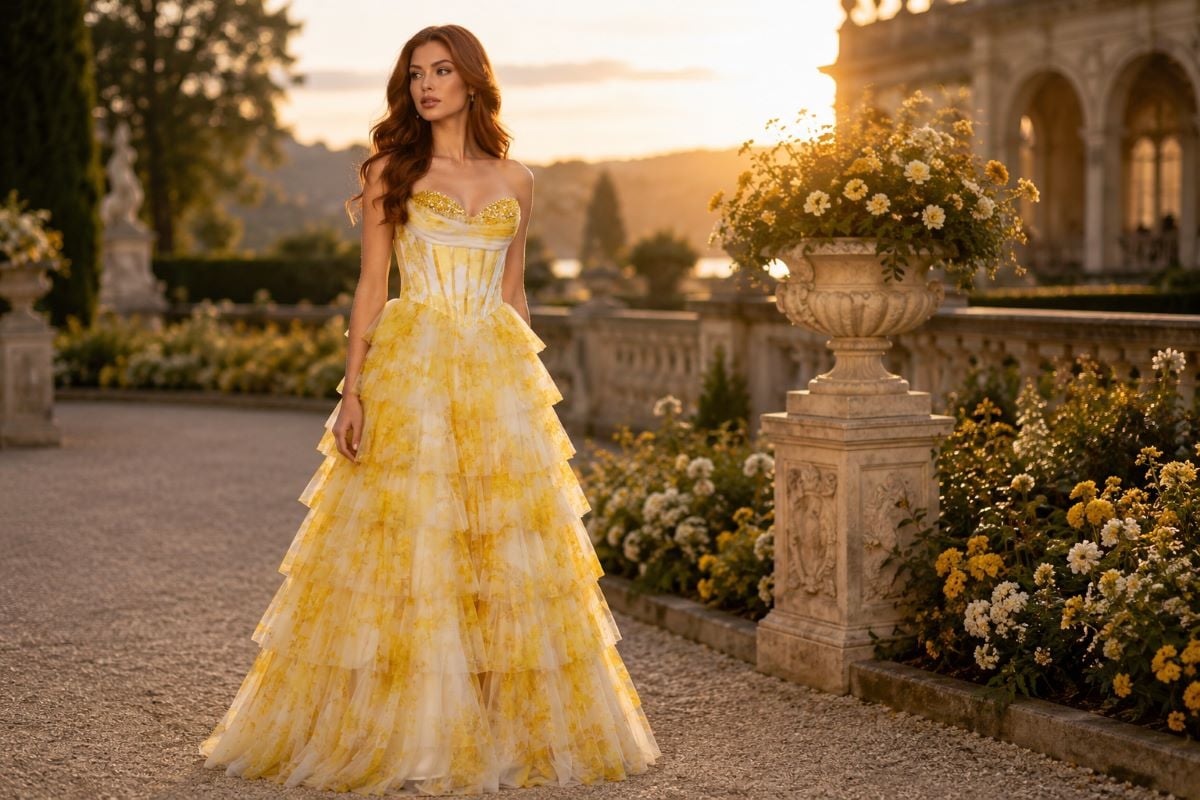
Deep, highly saturated shades like mustard, terracotta, rust, bronze, and burnt orange look spectacularly vibrant against warm skin. These colors harmonize effortlessly with the golden pigments in your complexion, creating a seamless and radiant look. A brilliant way to embrace this natural warmth for a formal high school event is by exploring yellow prom outfits, which highlight the subtle gold nuances in the skin, project immense confidence, and command immediate positive attention.
If your personal style leans toward cooler colors like green or blue, you do not have to avoid them completely. The stylist’s secret is to choose variations of those colors that have a warm, yellow base mixed in. Instead of an icy baby blue, opt for a vibrant turquoise. Instead of a cool emerald, look for a warm olive or moss green. When it comes to neutrals, warm undertones shine their brightest in creamy ivories, warm beiges, and rich chocolate browns. You should generally avoid stark, crisp white, as it can make warm skin look somewhat sallow.
Striking Contrasts for Cool Skin Tones
Cool undertones are characterized by pink, red, or blueish hues lingering just beneath the surface of the skin. People with cool undertones often have a porcelain, rosy, or deeply cool-toned complexion that can flush easily. The styling goal for cool undertones is completely different from warm tones; the aim is to provide a beautiful, crisp contrast that brightens the skin without overwhelming its natural rosiness.
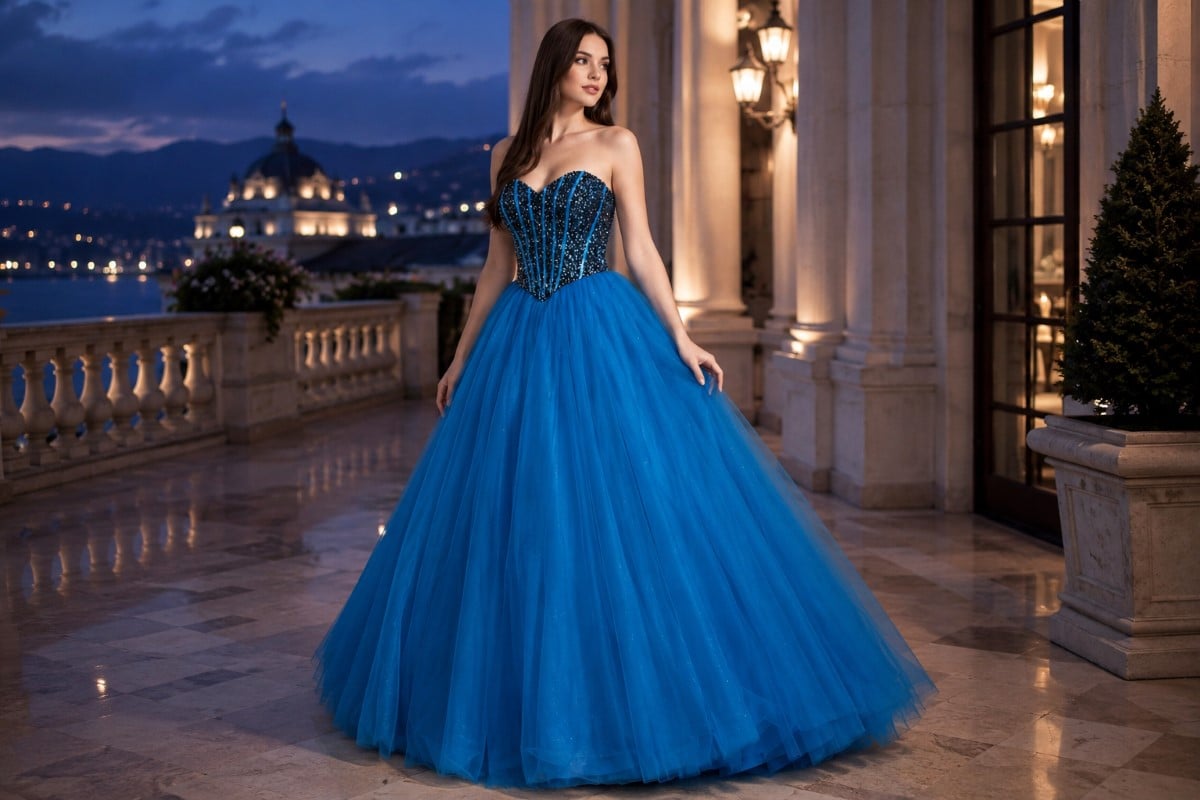
The absolute most magnificent colors for cool undertones are found in the rich, deep jewel-toned family. Sapphire, amethyst, ruby, and brilliant emerald are incredibly striking. Because these colors share an underlying cool blue base with your skin’s undertone, they create an immediate visual harmony. For galas or formal dances, wearing majestic blue prom dresses can be a transformative experience, offering a regal, highly sophisticated, and classic aesthetic that perfectly complements cool coloring.
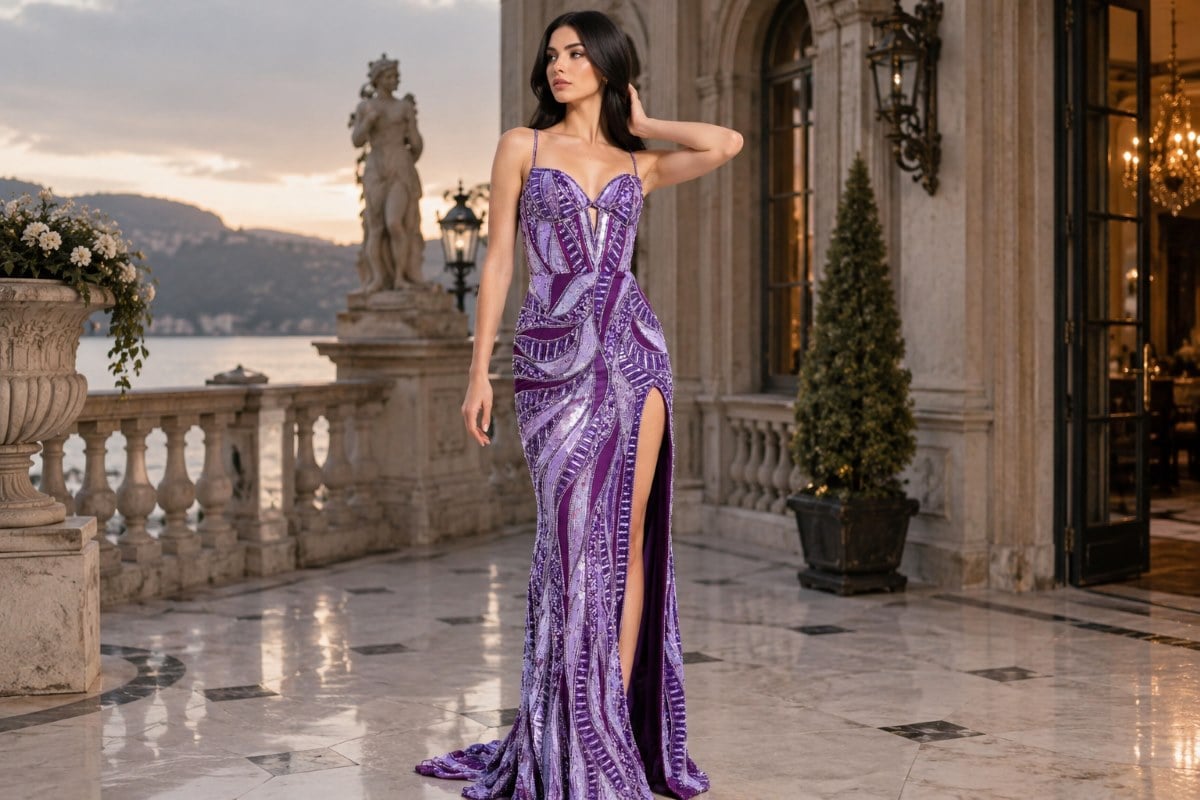
Pastels also look exceptionally beautiful on cool skin, provided they are icy and frosted rather than warm and muted. Think of frosty lavender, pale mint, and icy baby blue. If you are choosing neutrals, stark, brilliant white looks incredibly crisp and fresh on cool undertones, providing an angelic contrast. You should generally avoid muddy, earthy colors like mustard, copper, and rust, as they will clash aggressively with your rosy undertones.
Maximizing the Versatility of Neutral Complexions
If you possess neutral undertones, your skin has a nearly perfect, even balance of warm and cool pigments. This balance means you can successfully pull off a remarkably wide spectrum of colors with ease. However, the most flattering colors for neutral skin tend to fall right in the middle of the color spectrum. Muted, dusty, and softened colors look incredibly chic, expensive, and sophisticated on you.
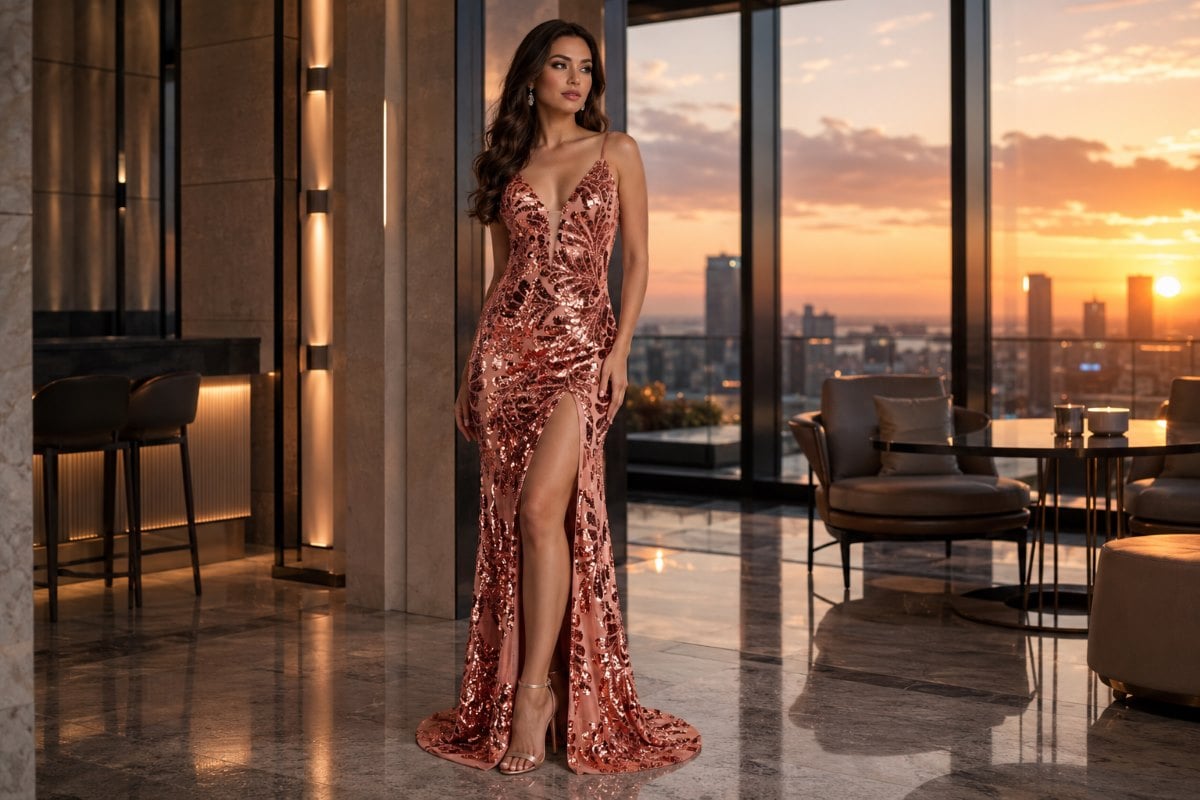
Dusty rose, jade green, taupe, and slate blue are phenomenal choices. Because your skin does not heavily lean warm or cool, it serves as the absolute perfect canvas for striking metallic fabrics; a gown crafted in liquid champagne, heavy pewter, or a soft, romantic rose gold will highlight the beautifully balanced nature of your complexion brilliantly without overpowering your features.
Tailoring Color Choices to Surface Depth and Richness
While your undertone dictates the temperature of the colors you should wear (warm vs. cool), your surface skin tone dictates the depth and contrast of the colors that will look best. The physical interaction between the lightness or darkness of your skin and the lightness or darkness of your dress fabric creates the overall visual impact of your ensemble.
Elevating Fair and Light Complexions
When searching for the best dress colors for your skin tone, fair skin requires a very delicate and intentional balance. You want a color that provides enough deep contrast so you do not look washed out, pale, or ill, but not so much contrast that the heavy fabric entirely overpowers your delicate facial features.
If you have fair skin with cool undertones, deep jewel tones are breathtaking because they create a striking, high-contrast aesthetic that is incredibly photogenic. If you have fair skin with warm undertones, soft peaches, warm corals, and rich earthy greens are exceptionally beautiful. When fair-skinned individuals wish to wear pale colors or neutrals, intense caution is required. Select light neutral tones that are distinctly different from your actual skin color to avoid looking washed out from a distance.
Complementing the Golden Glow of Medium and Olive Skin
Medium and olive skin tones naturally possess a warm, sun-kissed, and healthy appearance year-round. Olive skin has a highly unique green or yellow-green surface tone that requires specific styling. The absolute best way to highlight this stunning Mediterranean glow is to wear bold colors that fall on the opposite side of the color wheel.
Rich pinks, vibrant magentas, and deep burgundies look sensational on olive skin because they provide perfect complimentary contrast. Additionally, because green is inherently part of the olive complexion, wearing green can create a beautiful, highly editorial monochromatic harmony. Exploring vibrant green prom dresses is an excellent way for medium and olive skin tones to showcase their natural radiance and depth, ensuring they stand out beautifully in any crowd.
High-Impact Formal Gowns for Dark Skin
Dark and deep skin tones are incredibly versatile and can handle a massive amount of color saturation and high-impact contrast. The rich, beautiful pigmentation of dark skin provides the absolute perfect, flawless backdrop for the most vibrant, vivid hues imaginable. Colors that might look gaudy on fairer skin look majestic, high-fashion, and highly intentional on deep skin.
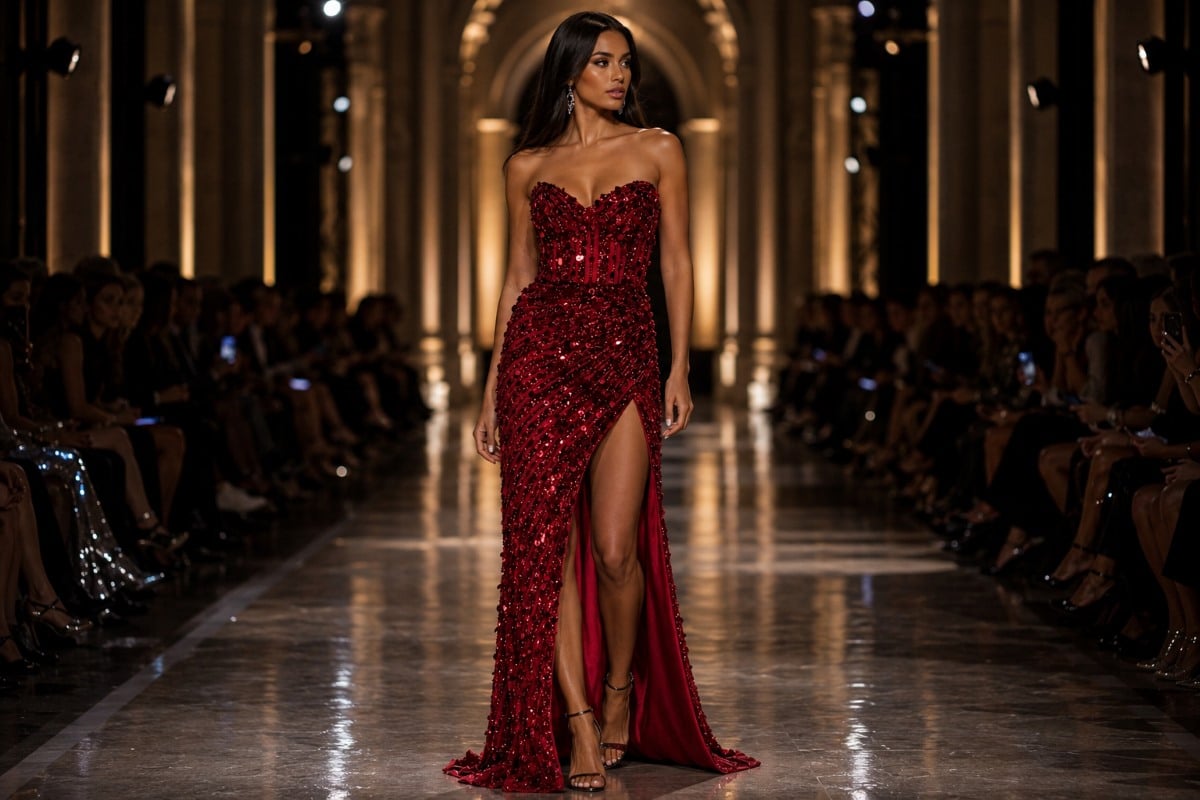
When selecting formal gowns for dark skin, high-intensity colors are your absolute best friend. Electric blue, vibrant fuchsia, and vivid yellow look spectacular. Furthermore, deep skin tones look phenomenal in stark, high-contrast shades. Exploring bold ruby and crimson gowns creates an aura of commanding elegance, power, and regal sophistication. The only colors to approach with caution are those that are muddy, ashy, or heavily gray-based, as they can sometimes dull the natural, healthy luminosity of deep, highly pigmented skin.
Advanced Color Matching: Finding Your Color Season
To take your wardrobe to the next level, many fashion experts and image consultants use the seasonal color analysis system. This advanced framework takes the guesswork out of finding the best dress colors for your skin tone by analyzing your contrast levels. It combines your undertone, surface tone, hair color, and eye color to place you into one of four specific overarching categories.
- Spring: Springs have warm, golden undertones paired with relatively light hair and sparkling eyes. They possess a delicate, fresh coloring. They look best in clear, bright, warm colors that mimic a vibrant spring garden. Peach, true coral, golden yellow, and bright warm greens are absolutely flawless on them.
- Summer: Summers have cool, rosy undertones paired with light, often ashy hair and light eyes. Their overall coloring is soft and low-contrast. They shine brightest in soft, muted, cool colors. Dusty blue, soft lavender, icy pink, and muted sage green are their ultimate power colors.
- Autumn: Autumns have warm undertones paired with dark hair and dark eyes, creating a rich, golden, and high-contrast look. They are the absolute queens of rich, earthy, spicy shades. Rust, dark olive green, mustard yellow, and deep mahogany enhance their natural depth beautifully.
- Winter: Winters have starkly cool undertones with high contrast between their skin, hair, and eyes (e.g., very fair skin with jet-black hair, or very deep cool skin with intensely dark eyes). They are the only season that truly thrives in stark, pure black, pure optic white, and intense, icy jewel tones like royal blue and shocking magenta.
The Hidden Impact of Fabric Texture on Color
A crucial, highly technical element that is often completely overlooked when shopping for formalwear is the physical fabric itself. At Jovani, we know that the texture, weave, and finish of a fabric fundamentally change how a color is perceived by the human eye and how it reflects ambient light onto the wearer’s skin.
Satin, Mikado, and Silk Charmeuse: These are highly reflective fabrics. They bounce ambient light back onto the face, which can significantly amplify the brightness and intensity of a color. A red satin gown will look much brighter, shinier, and more aggressive than the exact same shade of red in a matte fabric. This reflectivity is wonderful for brightening a dull complexion.
Chiffon, Organza, Georgette, and Tulle: These fabrics are sheer and matte. Colors appear softer, more muted, and somewhat diffused when dyed onto these delicate, airy fabrics. A neon pink might look shocking and loud in heavy satin, but in layers of flowing chiffon, it becomes a soft, romantic, watercolor wash of color. This makes chiffon an excellent choice for women who want to wear a bold hue but prefer a softer overall appearance.
Velvet and Crepe: Velvet is a deeply absorbent, plush fabric. It drinks in the light rather than reflecting it, making colors appear significantly darker, richer, and more heavily saturated. A navy blue velvet gown will look almost black under certain dim lighting. Velvet is unparalleled for achieving deep, dramatic jewel tones that provide maximum color payoff.
How Event Lighting Alters Your Look
Even if you choose the absolute perfect hue, the wrong environment can completely shift how the fabric appears. When you are determining your final selection, you must carefully consider the lighting environment in which the dress will actually be worn, as well as how you will be photographed.
If you are attending a daytime outdoor event, natural sunlight will show the truest, most accurate version of the dress color and your skin tone. However, if you are attending an evening event in a grand ballroom with dim, warm chandelier lighting, that warm incandescent light will cast a heavy yellow glow over everything in the room. A cool-toned icy blue dress might suddenly look washed out under warm indoor lights. Conversely, a warm golden or true red dress will look even more vibrant. Always try to view your gown in lighting that mimics the environment of your specific event.
Jovani’s Commitment to Color Harmony
Creating a luxury gown that flawlessly complements the wearer is a highly technical art form. It requires much more than just choosing a pretty color off a seasonal trend palette; it requires a deep understanding of how pigments interact with the human form. Jovani has built a decades-long legacy on this exact expertise.
When our design team selects the fabrics and dyes for a new collection, we rigorously test those swatches against multiple skin tones to observe how the color behaves under various lighting conditions. We engineer our vast color palettes to ensure they flatter the widest possible range of complexions. By meticulously controlling the undertones of our dyes and the reflective qualities of our premium fabrics, we ensure that when you put on a Jovani gown, you are wearing a masterpiece designed specifically to make you shine.
About the Best Dress Colors for Your Skin Tone FAQ’S
1.What is the most common mistake people make when choosing a dress color?
The most common mistake is confusing surface tone with undertone. A person with very fair skin might assume they cannot wear pale yellow, thinking it will wash them out. However, if that fair skin has a warm undertone, a soft, warm pastel yellow can actually look incredibly glowing and harmonious. Always base your primary color palette on your undertone first.
2.Can I wear a color that is not recommended for my specific undertone?
Absolutely. Color theory in fashion is an incredibly helpful guideline, not a strict, unbreakable law. If you deeply love a color that technically clashes with your undertone, you can still wear it successfully by using strategic styling. Keep the “clashing” color slightly away from your face by choosing a dress with a plunging neckline, and use makeup in your correct undertone to bridge the gap.
3.Does my hair color matter when choosing a formal dress color?
Yes, your natural or dyed hair color plays a highly significant role in your overall contrast levels. High-contrast individuals (like fair skin with dark hair) can generally carry off highly saturated, bold jewel tones much easier than low-contrast individuals (like fair skin with light blonde hair), who often look much better in softer, more blended, or pastel shades.
4.Are there universally flattering dress colors that look good on everyone?
Yes. True primary red, rich emerald green, classic navy blue, and deep eggplant purple are widely considered universal colors. They contain a scientifically balanced mix of warm and cool pigments that harmonize beautifully with almost every skin tone, surface color, and undertone combination.
5.Is black a good formal color for everyone to wear?
While black is the traditional, reliable go-to for formalwear due to its famous slimming effect, it is not actually universally flattering. On individuals with very fair, cool, and low-contrast coloring, stark black can cast heavy shadows on the face, emphasizing fine lines and looking incredibly harsh. If black washes you out, try substituting it with navy blue or rich espresso brown. Understanding these nuances is exactly how you ensure you always find the best dress colors for your skin tone, regardless of shifting fashion fads.
When you are ready to find the perfect shade that illuminates your natural beauty, flatters your unique complexion, and guarantees an unforgettable entrance, we invite you to explore the full collection of expertly crafted Jovani prom gowns available at your nearest authorized retailer.