
A cowl neck dress is defined by a single detail that changes the entire mood of a gown, a soft fold of fabric that drapes loosely across the front of the neckline. Where most necklines are cut and fixed into a fixed shape, the cowl is built to fall and gather on its own, creating gentle horizontal folds that catch light and move slightly as you do. The effect is quietly luxurious, fluid where other necklines are structured, and it has stayed a favorite across decades precisely because it flatters so easily. This guide explains how the drape is actually built, the fabrics that make a true cowl possible, who the neckline suits, and how to style and choose a cowl neck dress so the fold falls exactly the way it should.
What a cowl neck dress is
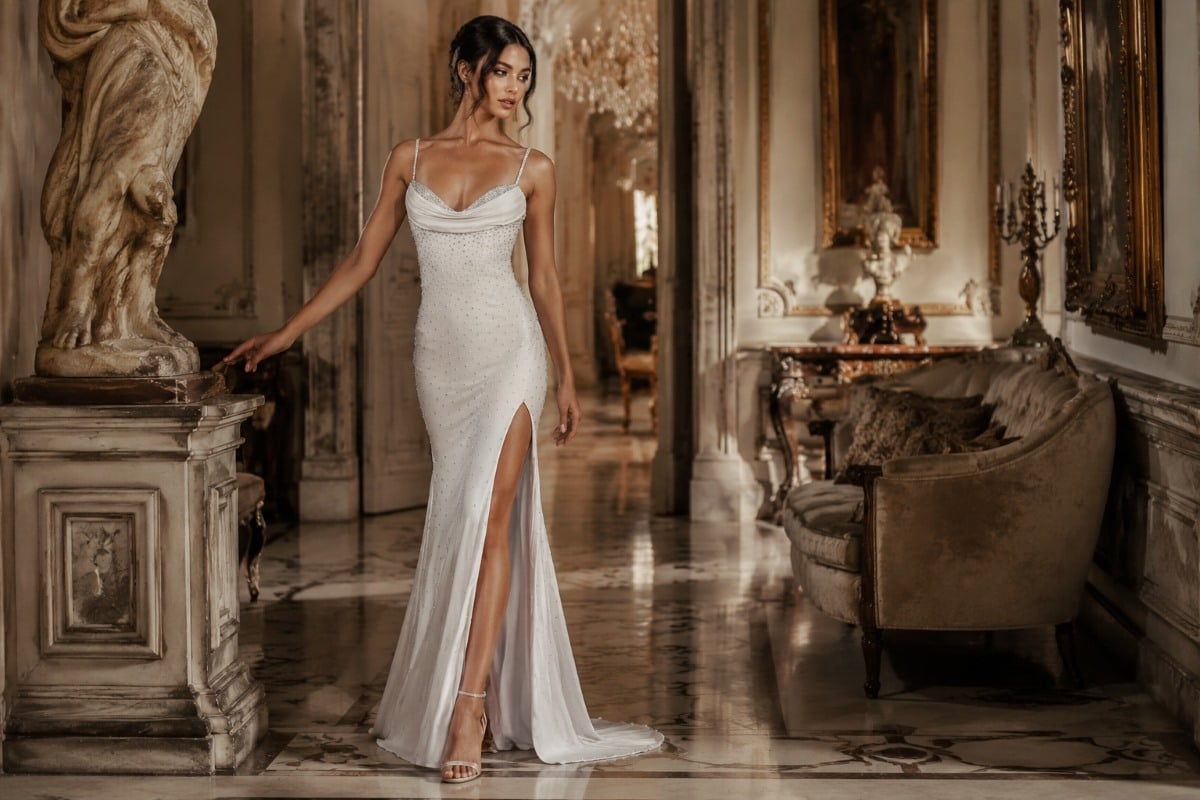
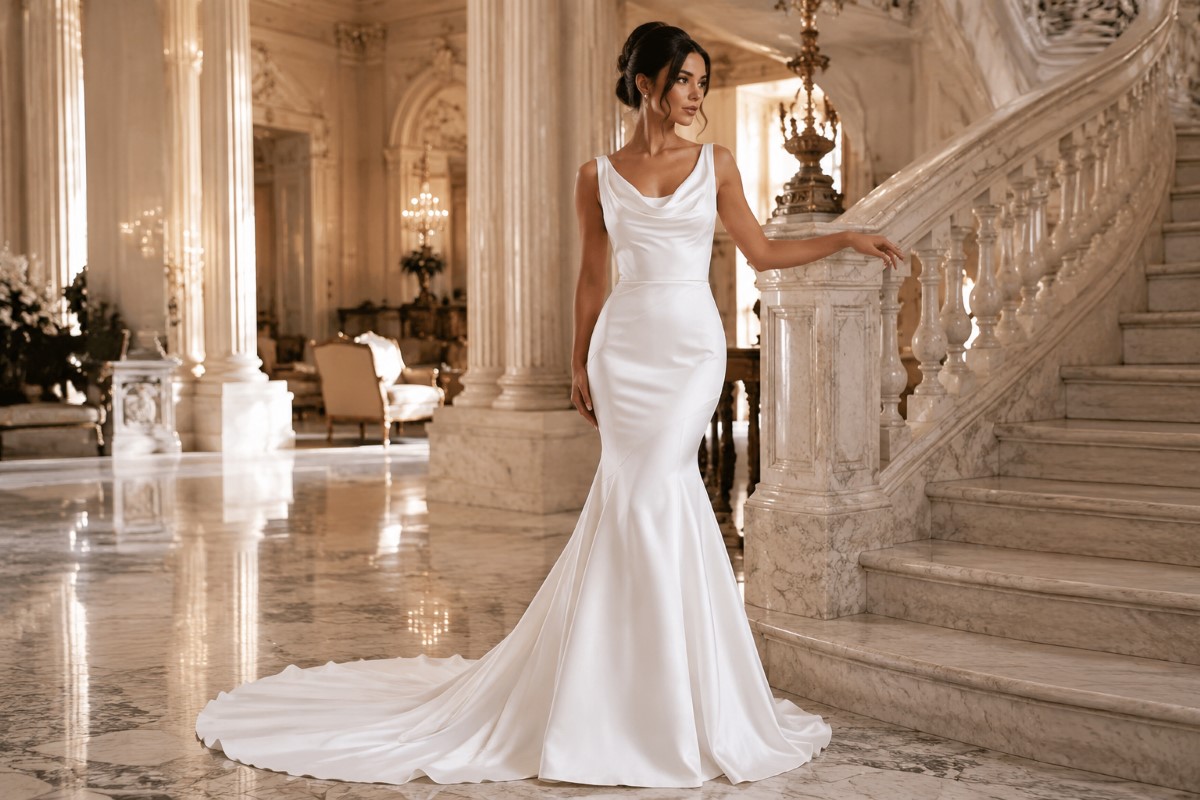
A cowl neck dress has a neckline cut on the bias and draped so that the fabric folds softly across the chest rather than sitting flat against it. The word cowl comes from the draped hood of a monk’s robe, and the principle is the same, a length of fabric allowed to fall into a loose, rounded fold. On a dress, that fold sits below the collarbone and creates a soft, open curve of gathered material. The depth varies, from a shallow, subtle drape that grazes the upper chest to a deeper, more dramatic fold that dips toward the bust. Either way, the defining quality is softness, since the neckline is shaped by gravity and the cut of the fabric rather than by a rigid seam.
The cowl is a neckline rather than a single dress style, which means it appears across silhouettes and occasions, from a slinky floor-length evening gown to a short, fluid party dress. You will find it on draped jersey gowns, on bias-cut satin slips, and on softly tailored cocktail dresses. Because it reads as understated and elegant rather than flashy, it suits formal events where you want a refined look. The range of evening gowns shows how a draped neckline sits within the broader world of formal gowns.
How the drape is constructed
A true cowl is harder to make well than it looks, and the construction is where quality shows. The fabric at the neckline must be cut on the bias, meaning diagonally across the grain of the cloth, because the bias is the only direction in which woven fabric drapes with that soft, fluid fall. Cut on the straight grain, the same fabric would hang stiffly and the fold would collapse or look flat. The depth and number of folds are controlled by how much extra fabric the designer allows and how it is anchored at the shoulders. Too little fabric and the cowl looks mean and shallow, too much and it gapes open and reveals more than intended.
This is exactly the kind of detail where construction experience matters, and Jovani has refined draped necklines from its New York studio since 1983. A well-built cowl is often supported by a hidden lining or a discreet inner layer so the drape stays where it should without exposing the body when you lean forward. Under design director Julie DuRocher, the house pairs the soft outer drape with the internal structure that keeps a gown secure, which is what lets a cowl look effortless while still behaving through a full evening of movement. The difference between a cowl that falls beautifully and one that sags is almost always in this hidden engineering.
Front cowl, back cowl, and double cowl
The cowl is not limited to the front of a dress, and the placement changes the character of the gown entirely. A front cowl is the classic version, with the soft drape across the chest, framing the neckline and softening the upper body. A back cowl moves the drape to the back of the dress, leaving the front clean and often higher, then revealing a low, draped fold across the back. This is a striking choice for an evening gown, since it keeps the front demure while making the back the focal point, ideal for a dress that will be seen from behind on a dance floor or down an aisle of tables.
A double cowl carries the drape on both the front and the back, which is the most fluid and the most dramatic of the three, usually reserved for a slinky, bias-cut gown where movement is the whole point. The placement you choose should follow the event and your comfort. A front cowl is the most universally flattering and the easiest to wear, a back cowl suits a confident, statement evening look, and a double cowl works best on a sleek silhouette where both folds can fall cleanly without competing.
Fabrics that drape into a true cowl
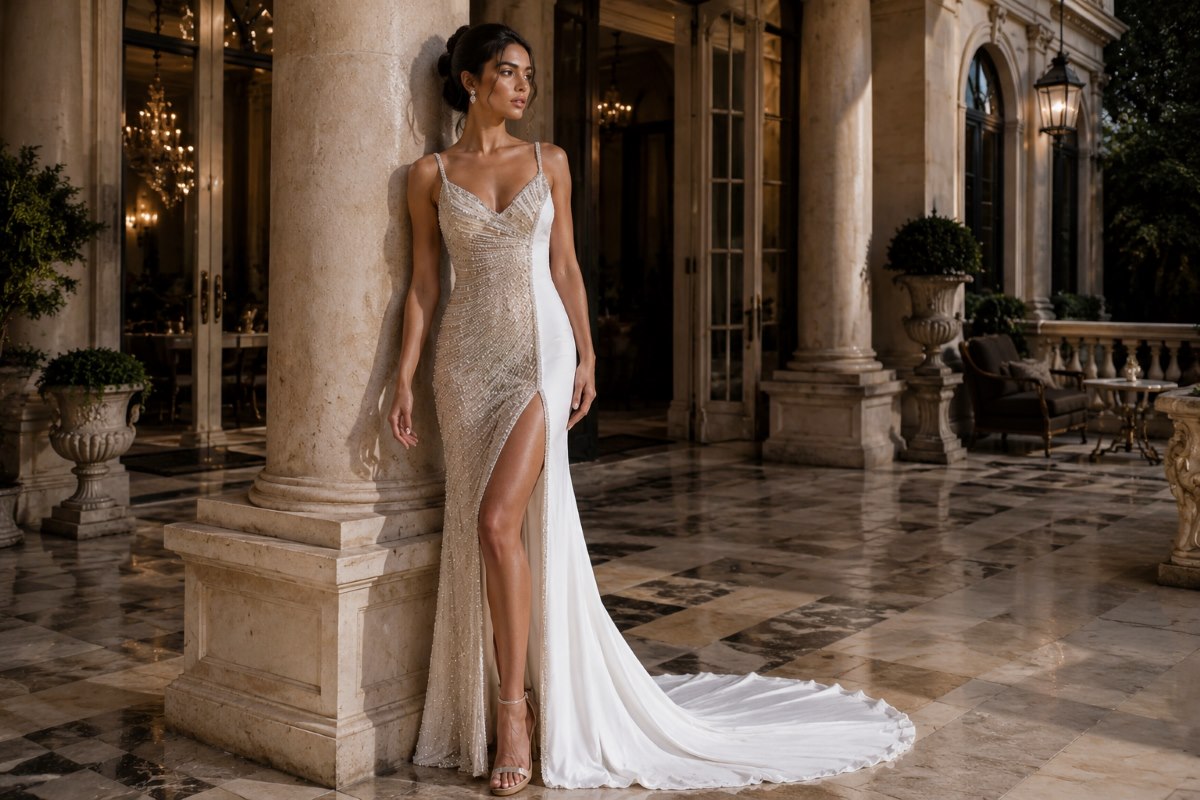
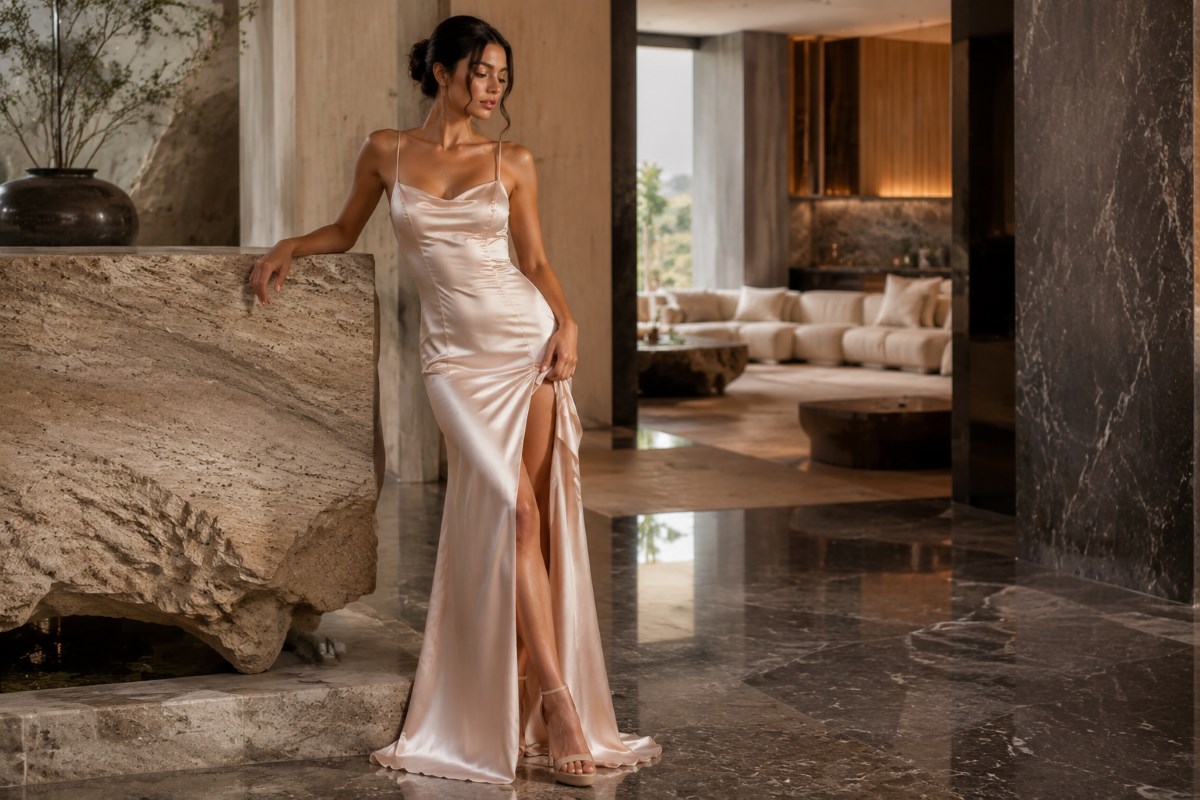
The cowl neckline depends entirely on fabric, because only certain materials fall into that soft fold. Jersey is the most reliable, since its knit structure is naturally fluid and clings just enough to create a clean, weighted drape, which is why so many draped gowns are cut from it. Satin, particularly a bias-cut charmeuse, gives a more luminous, liquid cowl that catches light along every fold, lending the neckline a richer, more formal feeling. Silk and fine crepe also drape well, offering a slightly more matte version of the same soft fall.
The fabrics that fight a cowl are the stiff, structured ones. A crisp taffeta, a heavy brocade, or a rigid mikado holds its own shape too firmly to fall into a soft fold, so a cowl cut from a structured fabric looks awkward and propped rather than fluid. When you are assessing a cowl neck dress, look at how the fold actually hangs. A good cowl falls in soft, rounded folds with a clear weighted drape. A poor one looks flat, stiff, or bunched, and that stiffness is usually a sign the fabric was wrong for the neckline from the start. For a fluid, jersey-based version of the look, the range of jersey prom dresses shows how the fabric carries the drape.
Who the cowl neck flatters
The cowl neckline is broadly flattering, but it does specific things that suit some figures especially well. The soft horizontal fold adds gentle fullness and a draped, feminine line across the chest, which makes it a graceful choice for a smaller bust, since it creates the impression of softness and curve without padding or structure. For an athletic or straight figure, the same drape introduces a soft, rounded line that breaks up a straighter silhouette and adds a feminine quality. The open, scooped shape of the neckline also draws the eye to the collarbone and face, which is universally flattering.
For a fuller bust, a cowl can still work beautifully, but the depth matters. A shallower, more controlled cowl with a supportive inner layer keeps the look elegant and secure, while a very deep cowl on a fuller chest can gape or reveal more than intended. The neckline also pairs naturally with a longer neck, since the soft drape sits low and leaves the upper chest and throat open. For guidance on matching necklines to your own proportions, the breakdown of the best necklines for different body shapes is a useful companion to this guide.
Styling a cowl neck dress
The cowl neckline frames the chest and face, which means jewelry choices should respect that frame rather than crowd it. A cowl already creates soft, draped detail at the neckline, so a heavy statement necklace usually competes with the fold and looks cluttered. The most elegant approach is to leave the neckline bare and let the drape speak, then add interest at the ears with sculptural or drop earrings that draw the eye up to the face. If you do want a necklace, choose something fine and delicate that sits inside the cowl rather than fighting it.
For a back cowl, the styling rule flips, since the back is the feature. Keep the front simple, skip a necklace entirely, and let the draped back be the statement, perhaps with hair worn up or to one side so the fold stays visible. Footwear and bag should support the fluid quality of the dress rather than contrast with it, so a refined heel and a sleek clutch keep the focus where it belongs. For a complete approach to finishing a formal look, the guide on how to match shoes and accessories with evening dresses covers the balance in detail.
The cowl neck across occasions
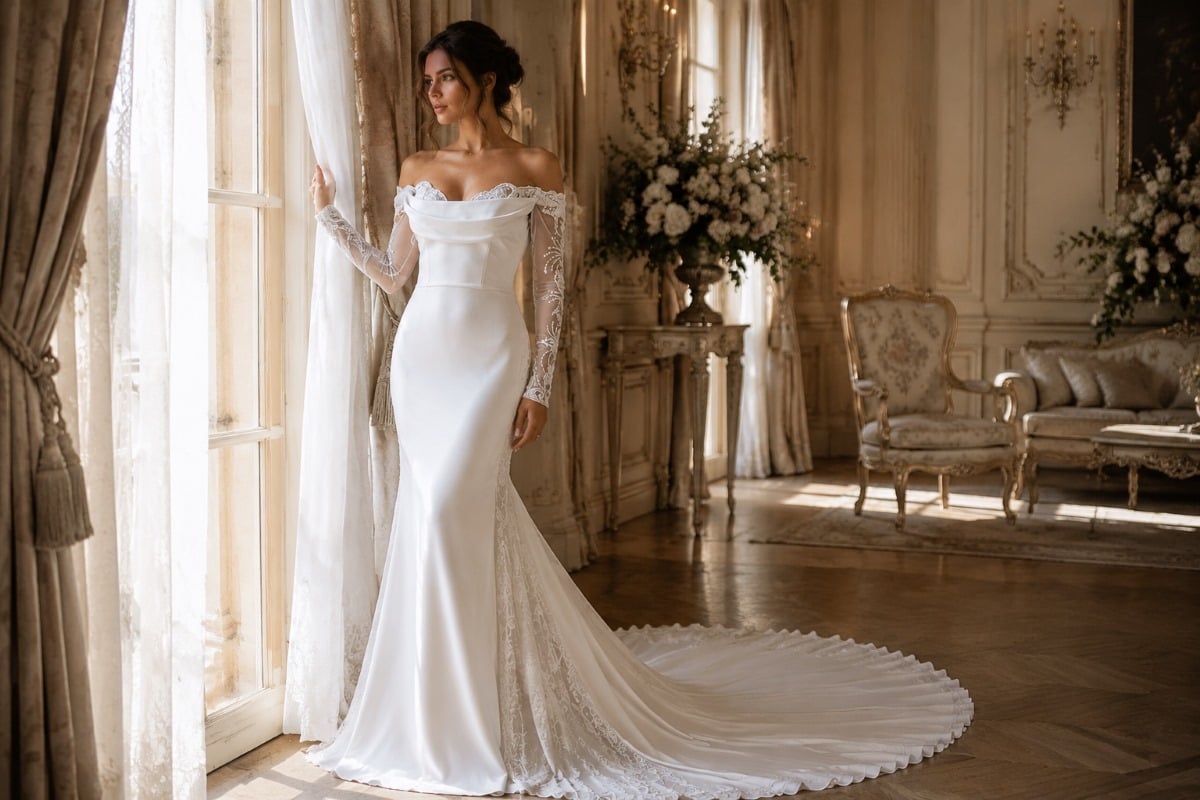
Because the cowl appears on so many silhouettes, a cowl neck dress can suit a wide spread of events. In a long, draped satin or jersey gown, it reads as a sophisticated evening or black-tie choice, fluid and quietly glamorous. In a short or midi length, it becomes a softer, more relaxed option for a cocktail party or an evening out. The neckline carries a timeless, slightly vintage quality, since it was a signature of mid-century Hollywood glamour, which makes it a natural fit for an old-money or quiet-luxury aesthetic that favors elegance over embellishment. In a short or midi cut, the same draped neckline pairs beautifully with a luminous fabric, and the range of satin cocktail dresses shows how light moves across the folds.
The cowl is also a graceful choice for a wedding guest who wants to look refined rather than attention-seeking, since the draped neckline is elegant without being revealing, as long as the depth is appropriate. For a mother of the bride or groom, a cowl on a fluid gown offers a flattering, comfortable, and dignified option that moves well through a long celebration. The range of mother of the groom dresses shows how a soft neckline can read as formal and age-appropriate at once.
Choosing quality in a cowl neck dress
When you are choosing a cowl neck dress, a few checks separate a well-made gown from a disappointing one. First, look at the drape itself, which should fall in soft, even, weighted folds rather than hanging flat or bunching to one side. Second, check the lining or inner support, since a quality cowl is built so the drape stays modest and secure when you move or lean, while a cheap one exposes the chest the moment you shift. Third, test the fabric weight in your hand, because a cowl needs a fabric with enough weight to fall properly, and a thin, papery material will never create a true fold. For a wider view of how necklines are trending across formal gowns, the overview of trending necklines in evening dresses places the cowl among current options.
Fit through the shoulders and bodice also matters, since the cowl is anchored at the shoulders and the way it falls depends on those anchor points sitting correctly on your frame. If the shoulders are too wide, the cowl drops too low, and if they are too narrow, the fold pulls and loses its softness. A cowl neck dress that is constructed well and fitted correctly will drape exactly the way the designer intended, and that is the entire reward of the style, a neckline that looks effortless precisely because so much care went into making it fall right. For a sense of where a draped neckline sits among formal options, the edit of wedding guest dresses shows its range across occasions.
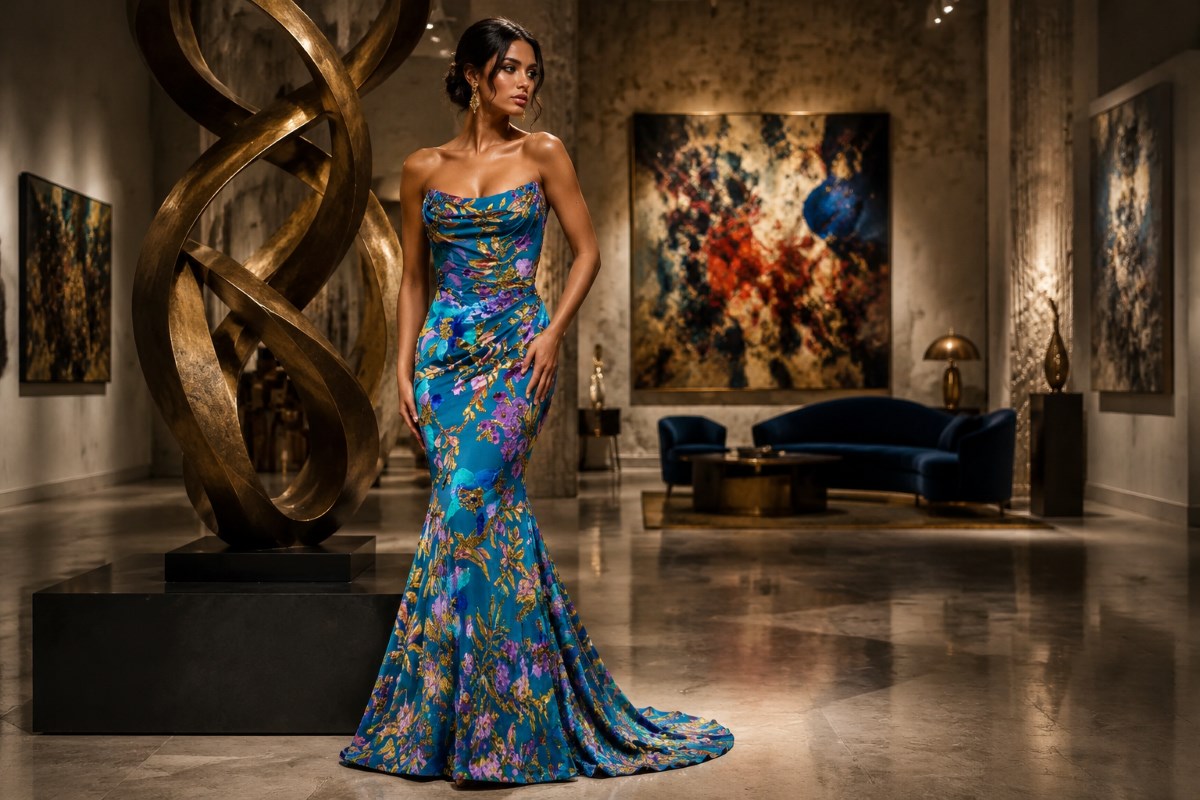
Common fit considerations with a cowl
A few fit issues come up specifically with cowl necklines, and knowing them helps you avoid disappointment. Gaping is the most common, where the cowl falls open and reveals more than you want when you lean forward, which usually means the drape is too deep for your frame or the inner support is missing. The fix is choosing a shallower cowl or a version with a built-in modesty layer, and a small piece of fashion tape can secure a fold discreetly for a deeper cut. The opposite problem, a cowl that looks flat and lifeless, almost always traces back to fabric that is too stiff or too light.
Length and proportion deserve a thought as well, since the soft neckline pairs differently with different silhouettes. On a fitted gown, the fluid cowl provides a pleasing contrast to the structured body, while on a fully draped slip dress, the cowl continues the soft theme for a head-to-toe fluid look. Whichever you choose, try the dress on and move in it, lean forward, raise your arms, and turn, so you can see exactly how the cowl behaves on your body before the event rather than discovering it in a photograph afterward.
Frequently Asked Questions cowl neck dress
What is a cowl neck on a dress?
A cowl neck is a neckline made from fabric cut on the bias and draped so it falls into a soft, rounded fold across the chest rather than sitting flat. The fold is shaped by gravity and the cut of the fabric rather than by a fixed seam, which gives it a fluid, gently gathered look. It can appear on the front of a dress, the back, or both, and it reads as soft and elegant compared with more structured necklines.
What kind of bra do you wear with a cowl neck dress?
It depends on the depth of the cowl and the cut of the dress. For a moderate front cowl, a regular or plunge bra in a matching tone usually works, kept low enough to stay hidden. For a back cowl or a low-backed draped gown, a stick-on or adhesive bra, or a built-in cup if the dress includes one, keeps the back clean. Many quality cowl gowns are constructed with internal support, so check whether the dress holds you on its own before adding anything.
Is a cowl neck dress flattering?
Yes, for most figures. The soft draped fold adds gentle fullness across the chest, which flatters a smaller bust, and the open, scooped shape draws the eye up to the collarbone and face. It also introduces a soft, feminine line that suits athletic or straighter frames. For a fuller bust, a shallower cowl with good inner support keeps the look elegant and secure, so the depth is the main thing to match to your shape.
What fabric makes the best cowl neck?
Fluid fabrics make the best cowl, because the neckline depends on the fabric falling into a soft fold. Jersey is the most reliable for a clean, weighted drape, satin and bias-cut charmeuse give a more luminous, liquid version, and silk and fine crepe offer a softer matte fall. Stiff, structured fabrics like taffeta, heavy brocade, and mikado hold their own shape too firmly and cannot form a proper cowl, so they should be avoided for this neckline.
Can you wear a cowl neck dress to a formal event?
Absolutely. In a long, draped satin or jersey gown, a cowl neck reads as a sophisticated evening or black-tie choice, fluid and quietly glamorous. The neckline carries a timeless, vintage-inspired elegance that suits formal galas, evening weddings, and upscale celebrations. For a strict dress code, choose a floor-length version in a refined fabric and a moderate cowl depth, and the look will sit comfortably among full evening gowns.
How do you stop a cowl neck from gaping?
Gaping usually means the cowl is too deep for your frame or lacks inner support. Choosing a shallower, more controlled cowl or a version with a built-in modesty layer solves it at the source. For a deeper cut you want to keep, a small piece of double-sided fashion tape can hold a fold in place discreetly, and many well-made gowns are constructed so the layers fall closed naturally when you stand, so trying the dress on and moving in it tells you what you need.