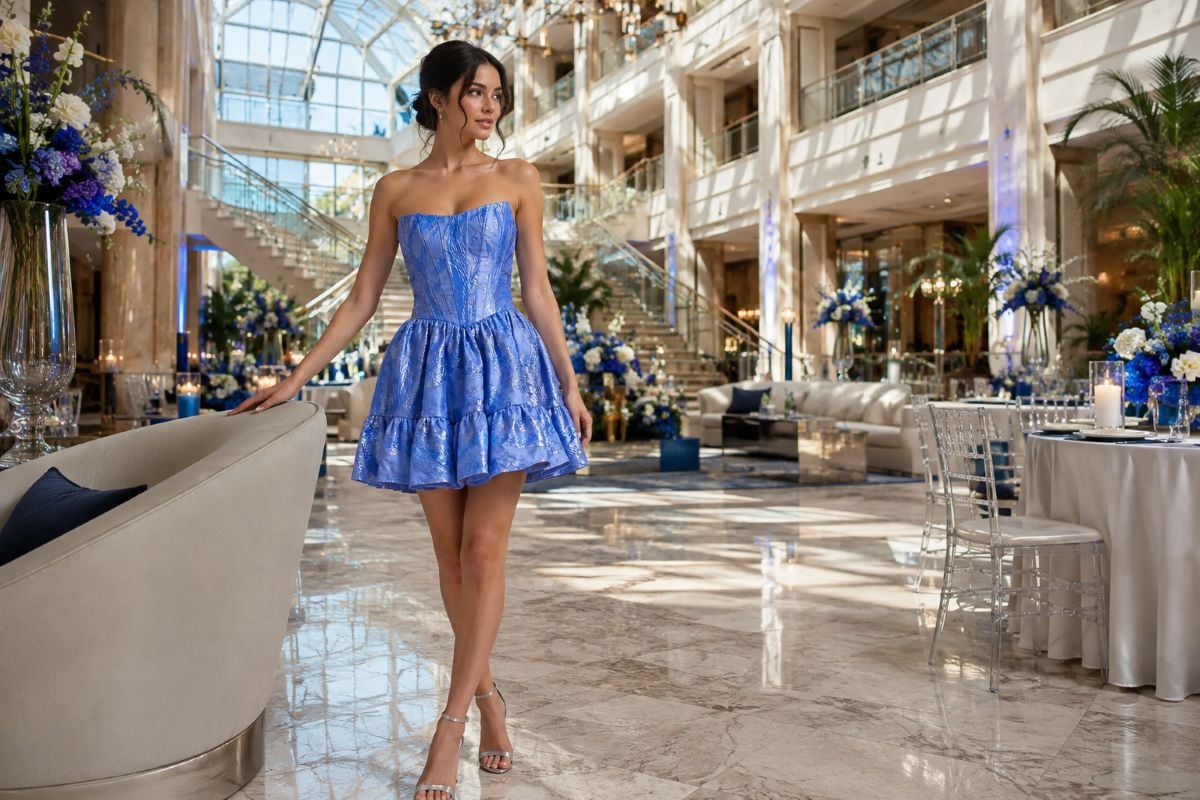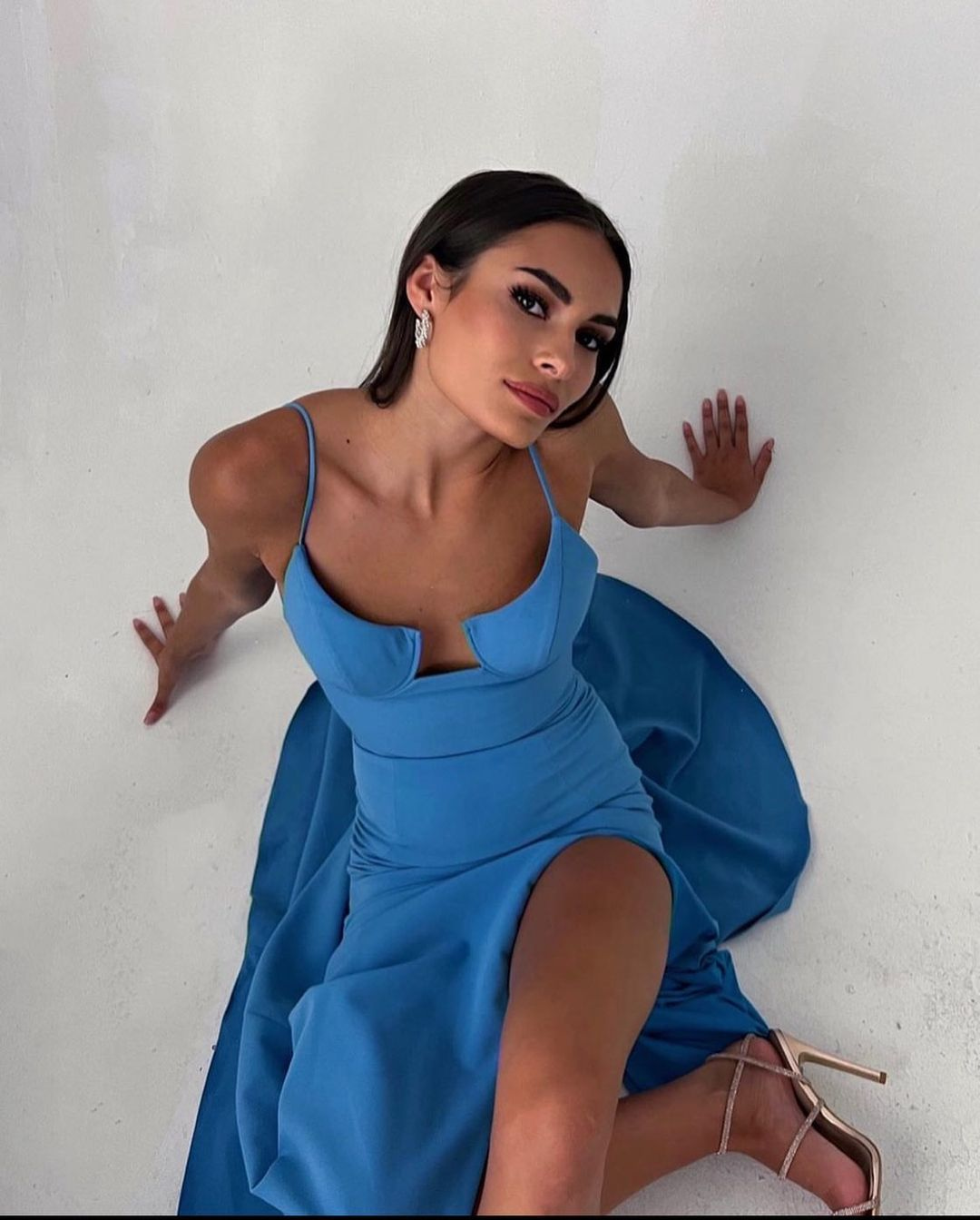


A cutout is one of the few design choices in formal wear that creates its effect through absence rather than addition. Where beading, color, and embellishment all work by adding something to a dress, a cutout works by taking something away, revealing a sliver of skin at exactly the point that flatters the body most. Done well, a cut-out cocktail dress reads as modern, confident, and quietly daring without being revealing. Done poorly, it can feel awkward or ill-placed. The entire difference comes down to where the cutout sits and how its proportion relates to the rest of the dress. This guide walks through what a cutout actually does, the different placements and what each one flatters, how to choose a cutout that suits your body and your comfort level, how to wear a cutout dress through a full event, and how to style the look so the cutout stays the focal point.
What a cutout actually does for a dress
Before getting into specific placements, it helps to understand why a cutout works at all. A cutout is a strategically placed opening in the fabric of a dress, positioned to reveal a small, considered area of skin. The effect is not about exposure for its own sake, it is about drawing the eye to a specific point and creating visual interest through contrast between fabric and skin.
The reason cutouts have become such a staple of modern cocktail dressing is that they create a focal point and a sense of shape without relying on embellishment or a dramatic silhouette. A cutout at the waist creates an hourglass impression even on a relatively straight dress. A cutout at the back turns the rear view, which people see as often as the front in a social setting, into a design feature. A well-designed cut-out cocktail dress makes its statement through this intelligence of placement rather than through sequins or bold color, which is part of why the look reads as contemporary and fashion-forward. The styles in the cut-out cocktail dresses collection are designed with placement and proportion as the primary criteria, so each opening exists where it creates the strongest version of the dress rather than as a trend applied without purpose.

The different cutout placements and what each flatters
Not all cutouts are the same, and the placement determines entirely what the cutout emphasizes and who it flatters. Understanding the placements helps you describe what you want and choose the version that suits your body and your comfort.
- Waist cutouts. The most figure-flattering placement. A cutout at the natural waist reveals the narrowest point of the torso, creating an hourglass visual even when the dress silhouette itself is relatively straight. Waist cutouts can be small side openings or larger curved cutouts, and they suit nearly every body type because they draw attention to the slimmest part of the body.
- Side cutouts. Openings along the sides of the waist and torso that elongate the body and create a subtle reveal without exposing the front or back. Side cutouts read as modern and balanced, and they are among the most wearable placements for women who want the look without significant exposure.
- Back cutouts. A cutout at the upper or lower back reveals an area that is almost always flattering and creates a striking detail from behind. Since people see the back of a dress as often as the front in a room, a back cutout turns a full half of the dress into a design feature. Upper back cutouts read as elegant and refined, while lower back openings read as bolder.
- Bodice and neckline cutouts. Geometric openings at the chest or décolletage create a focal point at the upper half of the dress that reads as directional and current. These placements work best in dresses where the cutout is the primary design element and the rest of the dress stays clean.
- Underbust cutouts. Openings positioned just below the bust, often paired with a band or strap detail, create a fashion-forward look that draws the eye to the midsection while maintaining coverage of the bust itself.
The principle across all placements is that a cutout works when it reveals a flattering area and relates well to the proportion of the dress. A cutout placed thoughtlessly can break the line of a dress, while one placed at the waist, side, or back enhances the body’s natural shape. When choosing, think about which area you feel most confident showing and which placement suits the occasion.

Choosing a cutout that suits your body and comfort level
One of the most useful things to understand is that cutouts range enormously in how revealing they are, which means there is a version for nearly every comfort level. The choice is personal, and matching the cutout to your own comfort is what makes the look feel confident rather than self-conscious.
For a subtle, easy-to-wear option, small side cutouts at the waist or a modest upper-back opening give the design interest of a cutout with minimal exposure. These suit women who like the look but prefer restraint, and they work across a wide range of occasions. For a more noticeable but still balanced option, a curved waist cutout or a single statement opening creates a clear focal point without feeling daring. For a bolder look, larger cutouts, multiple openings, or a dramatic back reveal make a confident statement suited to events where presence is the point. Body type matters less with cutouts than comfort does, since the placement can be chosen to flatter any figure. That said, waist and side cutouts are the most universally flattering, back cutouts suit nearly everyone, and bodice cutouts work best for women comfortable drawing attention to the upper body. The styles among fit-and-flare cocktail dresses with cutout detail are particularly flattering, since the defined waist of the silhouette works naturally with a waist or side opening. For a fuller breakdown of choosing styles by figure, the broader principles of matching design to body type apply directly to cutout placement.
Fabric and construction matter more with cutouts
A cutout asks more of a dress than a solid design, because the fabric around the opening has to hold its shape cleanly without gaping, sagging, or curling at the edges. This makes fabric quality and construction unusually important for a cut-out cocktail dress.
Structured fabrics work best around cutouts, since they hold the edge of the opening crisply and keep its shape through movement. Structured crepe, mikado, and quality satin all maintain a clean cutout edge, while very soft or flimsy fabrics can let the opening sag or distort. The construction at the cutout edge matters enormously. A well-made cutout has a finished, often reinforced edge that holds its shape and lies flat against the body, while a cheap one has a raw or poorly finished edge that curls, gapes, or reveals more than intended. When trying on a cut-out dress, move, sit, and raise your arms to confirm the opening stays where it should and does not gape or shift. The lining and internal structure also matter, since a cutout near the bust or waist often relies on boning or a structured panel to keep the dress secure and the opening positioned correctly. The styles among lace cocktail dresses show how texture can frame a cutout beautifully, and the same attention to quality construction applies. This is one area where the difference between a well-made dress and a cheap one shows itself immediately, since a poorly constructed cutout undermines the entire look.
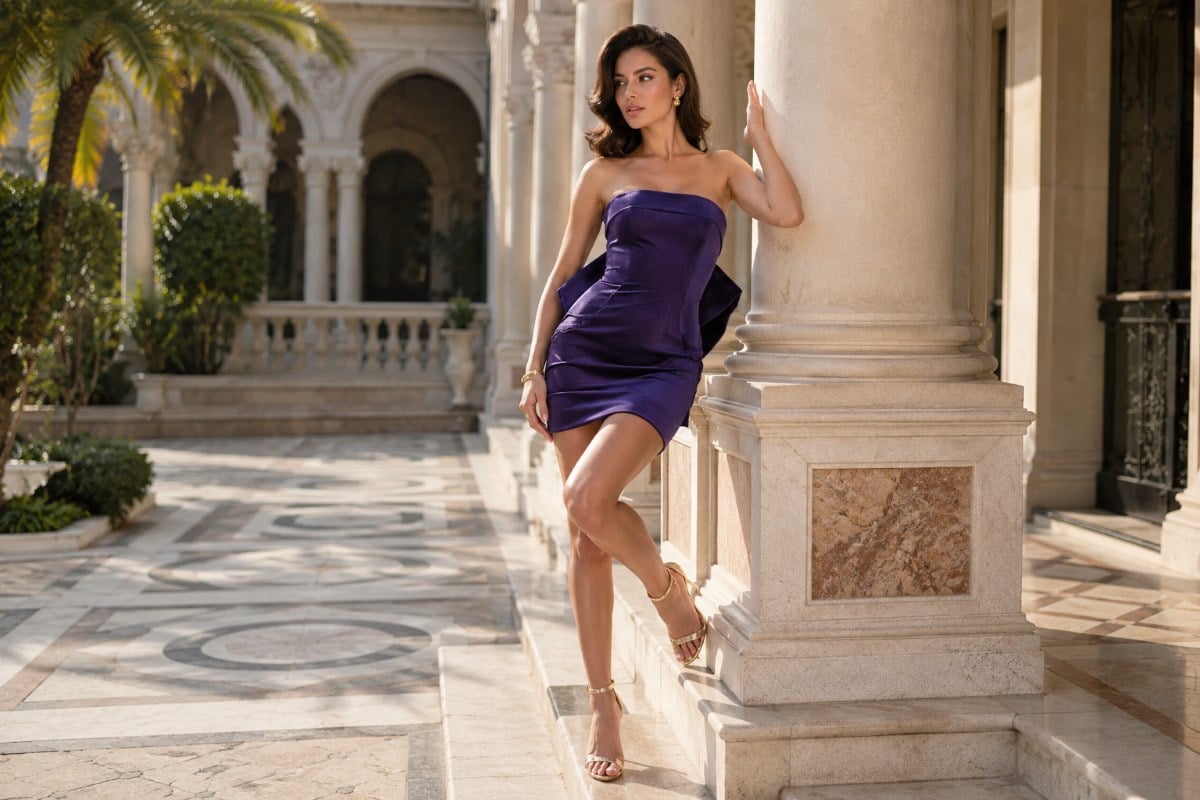
The practical realities of wearing a cutout
A cutout dress involves a few practical considerations that a solid dress does not, and planning for them makes the difference between a look you can relax into and one you spend the evening adjusting.
Undergarments are the first consideration. The placement of the cutout determines what you can wear underneath, and a side or waist cutout often rules out certain styles of shapewear or requires careful planning. Plan your undergarments around the specific cutout before the event rather than discovering a problem the night of. Many cutout dresses are designed with built-in support precisely because traditional undergarments would show through the openings. Movement is the second consideration. A cutout that sits perfectly when standing can shift when you sit, dance, or raise your arms, so it is worth testing the dress in motion before committing to it for a long event. Fashion tape is a genuine ally for cutout dresses, holding edges in place and preventing any unwanted shifting through the evening. Skin comfort is a smaller consideration, since exposed skin at the waist or back can feel cool in an air-conditioned venue, and a wrap is worth having for cooler moments. For broader practical guidance on cocktail dressing across settings, our piece on how to style a cocktail dress covers the foundations that apply to cutout styles too.
Matching the cutout to the occasion
Cutouts range from subtle to bold, which means the right cutout depends partly on the formality and nature of the event. Reading the occasion correctly keeps the look appropriate as well as flattering.
For semi-formal and cocktail events, most cutout styles work beautifully, since these occasions welcome modern, fashion-forward dressing. A waist or side cutout reads as chic and current at a cocktail party, a dinner event, or a celebration. For more formal events, a subtle cutout in an elegant placement, such as a refined back opening or a small side detail, suits the occasion without crossing into anything too daring. The styles among black tie gowns show how a restrained cutout can work even at elevated formality when the rest of the dress reads as polished. For weddings as a guest, a modest cutout is generally safer than a dramatic one, and the focus should stay on elegance rather than exposure, since the occasion belongs to the couple. For nights out and celebratory events, bolder cutouts come into their own, where confidence and presence are the point. For conservative or religious settings, a cutout dress is usually not the right choice, and a more covered style serves better. The current trend has embraced cutouts as a way to look contemporary without being revealing, and our guide on short cocktail dress trends places the look within the broader movement of the season.

Styling a cut-out cocktail dress
The styling around a cutout dress should let the cutout remain the focal point rather than competing with it. A cutout is already a design statement, so restraint in everything else is what keeps the look polished.
For jewelry, the placement of the cutout guides the choice. A bodice or neckline cutout is already drawing attention to the upper body, so skip a statement necklace and let the cutout speak, choosing refined earrings instead. A waist or back cutout leaves the neckline free, so a delicate necklace or statement earrings can work. The principle is to avoid layering attention-grabbing elements on top of the cutout. For shoes, a clean, refined shoe complements a cutout dress better than a heavily embellished one, since the dress already has a strong design element. A simple heel in a complementary tone lets the cutout stay the focus, and our guide on what shoes to wear with a cocktail dress covers how to balance footwear with a statement dress. For hair, an updo or swept-back style works particularly well with a back cutout, keeping the design visible, while a waist or side cutout pairs with any hairstyle. For makeup, a polished but not overly dramatic look keeps the overall effect cohesive. The unifying idea is that the cutout is the statement, and every other choice should support it rather than compete. The broader range of cocktail gowns shows how a single strong design element works best with restrained styling around it.

Common mistakes to avoid with cutouts
A few recurring errors can undermine an otherwise striking cutout dress. Knowing them helps you choose and wear one with confidence.
- Choosing a cutout that does not suit your comfort level. A cutout you feel self-conscious in undermines the confidence the look depends on. Choose a placement and size you genuinely feel good wearing.
- Ignoring the undergarment question. Discovering the night of an event that your shapewear or bra shows through a cutout is a real problem. Plan undergarments around the specific cutout in advance.
- Cheap construction at the cutout edge. A poorly finished cutout curls, gapes, and reveals more than intended. Check that the edge is finished cleanly and holds its shape when you move.
- Over-styling on top of the cutout. A statement necklace over a bodice cutout, bold jewelry everywhere, and an embellished shoe can overwhelm the look. Let the cutout be the focal point.
- Wearing a bold cutout to the wrong occasion. A dramatic cutout at a conservative event or a wedding where the focus belongs to the couple reads as misjudged. Match the boldness of the cutout to the occasion.
- Not testing the dress in motion. A cutout that sits perfectly standing can shift when you sit or dance. Move in the dress before committing to it for a long event.
Frequently asked questions about cut-out cocktail dresses
What is a cut-out cocktail dress?
A cut-out cocktail dress is a semi-formal dress featuring one or more strategically placed openings in the fabric that reveal a small area of skin. The cutouts are positioned to create visual interest and flatter the body, commonly at the waist, sides, back, or bodice, and they make their statement through placement rather than embellishment.
Which cutout placement is most flattering?
Waist cutouts are the most universally flattering, since they reveal the narrowest point of the torso and create an hourglass effect even on a straight silhouette. Side cutouts elongate the body with minimal exposure, and back cutouts flatter nearly everyone. Bodice cutouts work best for women comfortable drawing attention to the upper body.
Are cut-out dresses appropriate for formal events?
Subtle cutouts in elegant placements, such as a refined back opening or a small side detail, can work at formal events when the rest of the dress reads as polished. Bolder, more revealing cutouts suit cocktail parties, nights out, and celebrations better. For weddings as a guest or conservative settings, a modest cutout or a more covered style is the safer choice.
What should I wear under a cut-out dress?
The cutout placement determines your undergarment options, so plan in advance. Many cutout dresses include built-in support precisely because traditional bras or shapewear would show through the openings. Fashion tape helps hold edges in place. Test the dress with your intended undergarments before the event to avoid any visible lines or shifting.
What fabric works best for a cut-out dress?
Structured fabrics like crepe, mikado, and quality satin work best, since they hold the cutout edge crisply and keep its shape through movement. Very soft or flimsy fabrics let the opening sag or curl. The construction at the cutout edge matters most, so look for a finished, reinforced edge that lies flat against the body.
How do I keep a cutout in place through an event?
Fashion tape is the most reliable tool for keeping cutout edges in place. Choose a well-constructed dress with a reinforced cutout edge, test the dress in motion before the event by sitting, dancing, and raising your arms, and plan your undergarments around the specific cutout. A quality dress with proper internal structure stays positioned correctly through a full evening.