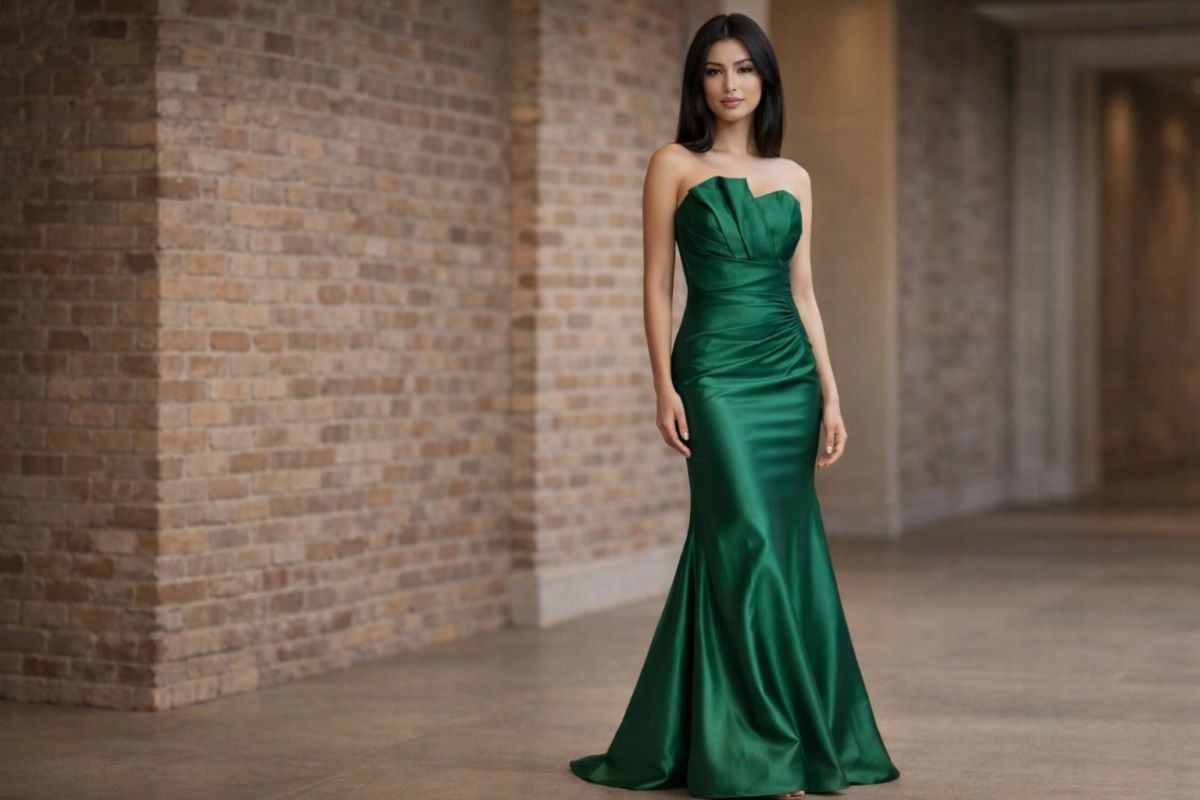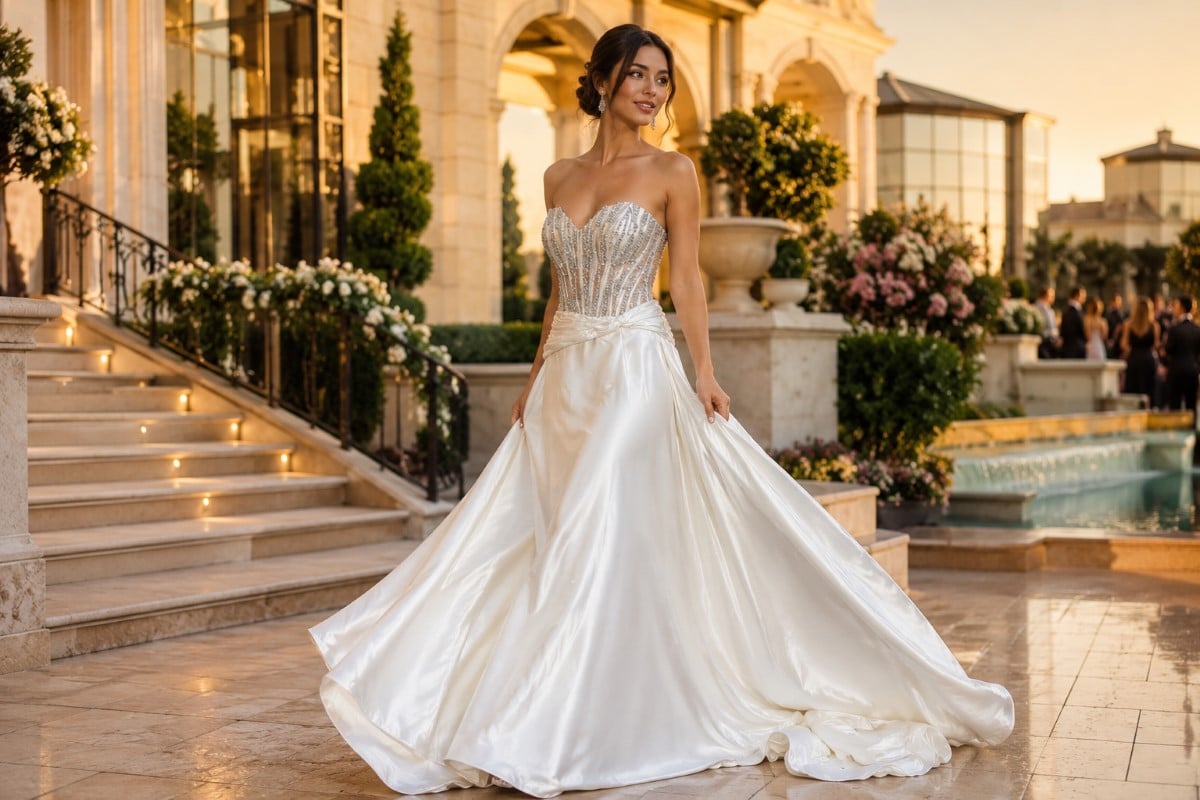

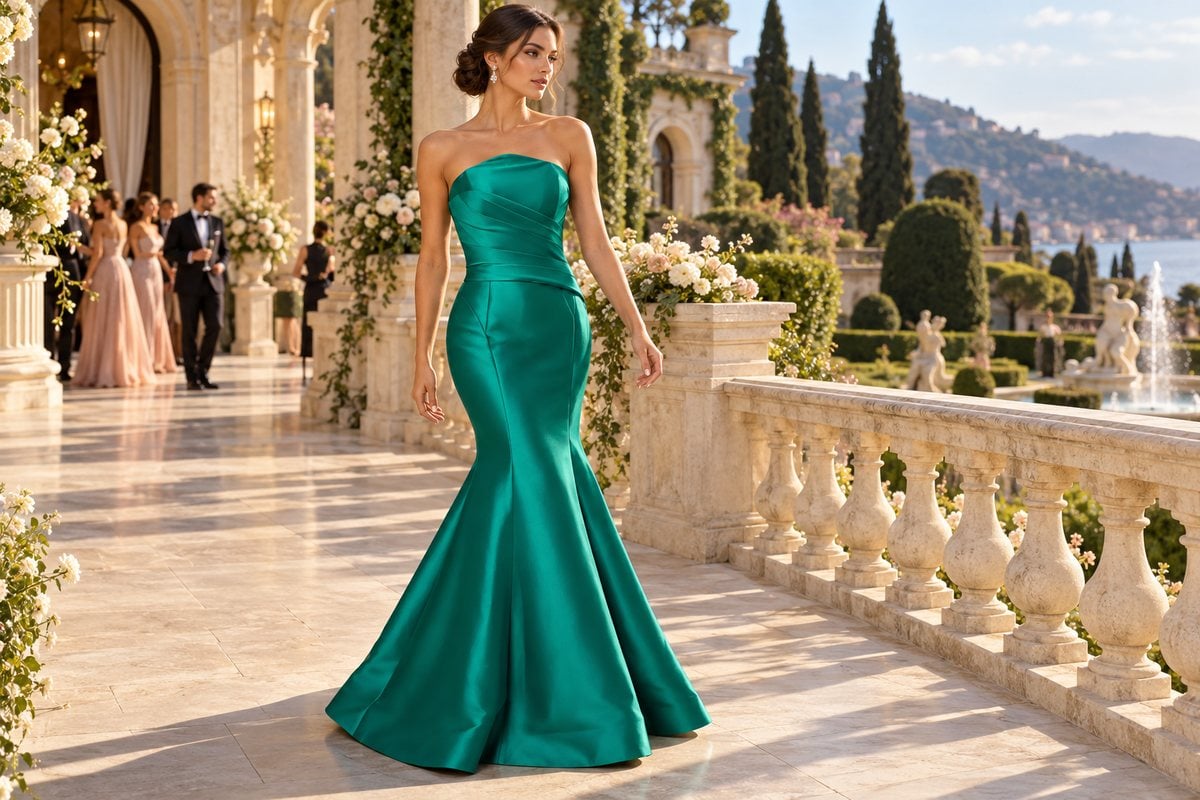
Choosing what to wear to a wedding as a guest starts with more than finding a dress you like. The invitation, dress code, venue, time of day, season, and cultural context all help define what will feel appropriate. Once those signals are clear, choosing among different wedding guest dresses becomes much easier.
What should you wear to a wedding as a guest?
Wear an outfit that meets the stated dress code, suits the setting, and respects any instructions or cultural traditions shared by the couple. When the invitation is specific, follow it before relying on general wedding fashion rules.
That principle applies whether you are deciding between a midi and a gown, wondering if a particular color is appropriate, or trying to understand an unfamiliar dress code. Wedding guest etiquette is less about memorizing rigid rules and more about reading the information the couple has given you.
Start with the invitation, not the dress
The invitation is the strongest source of information about what the couple expects. Look for an explicit dress code first. Black tie, formal, cocktail, semi-formal, garden party, destination, and casual celebrations each set a different level of formality.
If you need a complete explanation of how the standard categories compare, Jovani’s wedding guest dress codes guide covers each code in more detail.
When the dress code is clear
Treat the stated code as the starting point. A formal ballroom wedding and a casual afternoon garden ceremony may both be weddings, but they do not ask guests to dress at the same level.
Venue and time can help refine your choice, but they should not be used to ignore a dress code that the couple has clearly stated.
When the invitation uses a custom dress code
Terms such as garden elegant, resort formal, festive attire, or coastal cocktail do not have one universal definition. Use the couple’s wording together with the venue, time of day, and any examples provided on the wedding website.
If the phrase remains unclear and the difference could materially change what you wear, asking the couple or wedding party is more reliable than guessing.
When there is no dress code
Start with the venue and time of day, then consider the season and overall style of the wedding. A hotel ballroom in the evening usually calls for a more formal approach than an afternoon ceremony at a casual outdoor venue.
No dress code does not automatically mean casual. It simply means you need to gather the formality clues from somewhere else.
Wedding guest etiquette that matters across dress codes
Some decisions depend on formality, while others are better treated as general etiquette. Jovani’s broader wedding guest dress etiquette guide covers the wider rules, but a few principles are especially useful when you are choosing an outfit.
Respect colors or styles reserved by the couple
Avoid assuming that every wedding follows the same color traditions. White and bridal-adjacent shades are commonly reserved for the bride at many Western weddings unless the couple requests otherwise, but cultural traditions can differ.
The safest approach is to follow explicit instructions and avoid a color that has a ceremonial role you know belongs to the couple.
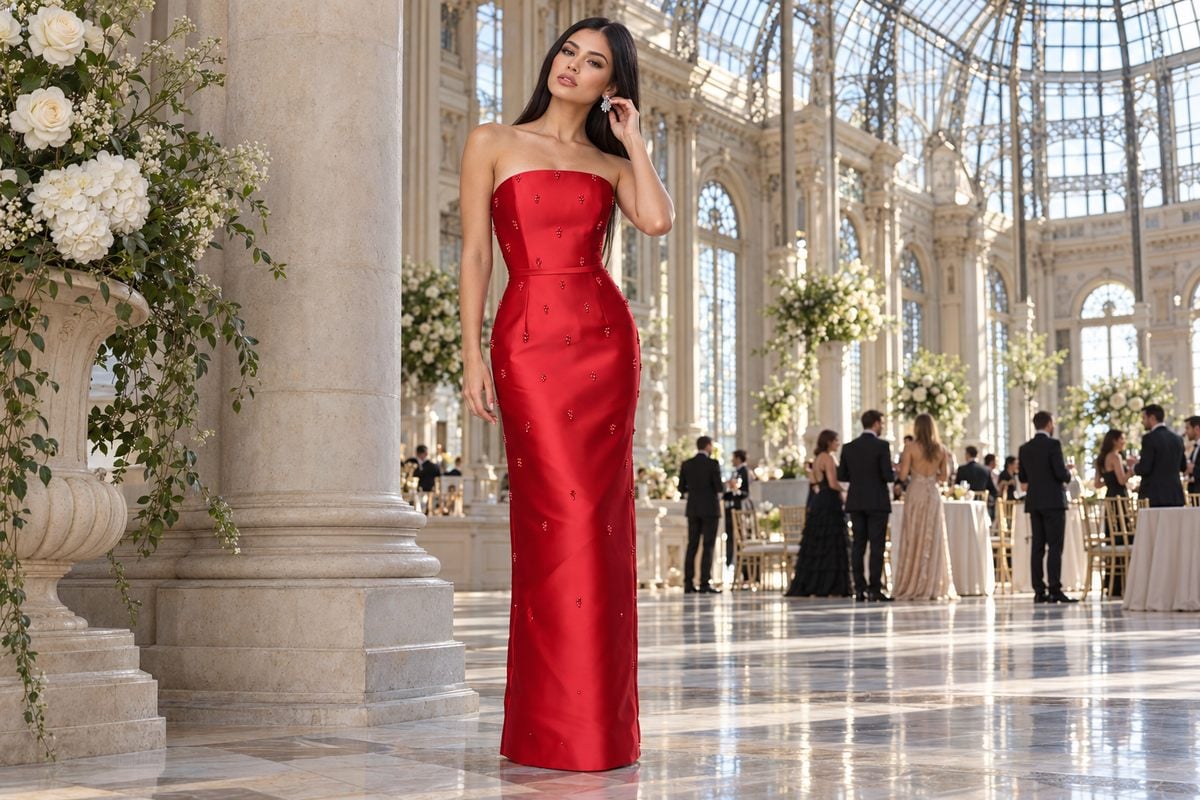
Red is a good example of why context matters. It can be completely acceptable at many weddings and inappropriate in others. If that is the color you are considering, see Jovani’s guide to wearing red to a wedding.
Match the formality without trying to create a second focal point
A wedding guest can wear color, embellishment, an unusual neckline, or a strong silhouette. Appropriate does not have to mean plain.
The useful distinction is between participating in the requested level of formality and deliberately choosing something that conflicts with the couple’s instructions. Let the dress code set the range, then make your personal style decisions inside it.
Ask when context changes the answer
Cultural ceremonies, religious venues, destination weddings, and family traditions can introduce expectations that a general online guide cannot predict.
If the invitation or wedding website gives special instructions about color, coverage, shoes, or ceremony attire, those instructions take priority.
What to wear to a formal wedding
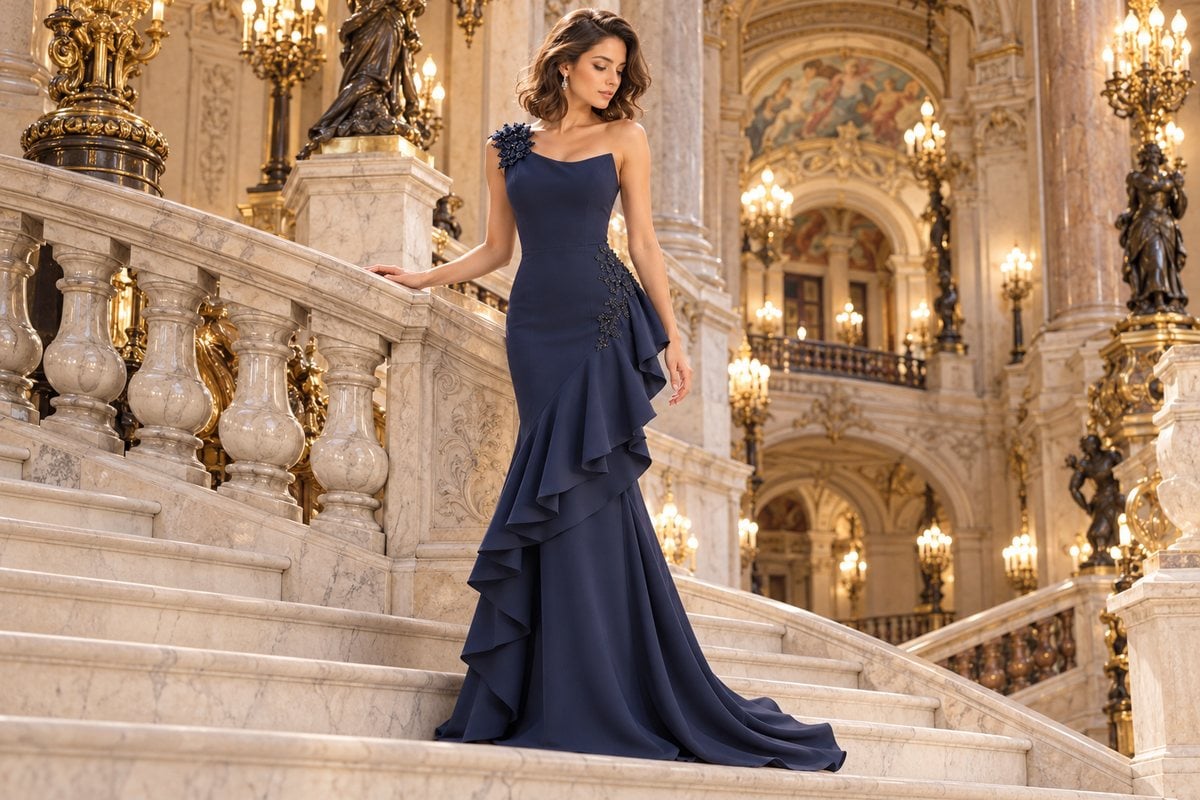
Formal wedding attire usually calls for a polished evening look. Floor-length gowns are a straightforward choice, while some formal weddings allow a refined midi depending on the invitation, venue, and time.
Pay attention to the overall design rather than length alone. Fabric, surface detail, neckline, and styling all contribute to how formal a dress reads.
If the invitation says black tie rather than simply formal, move toward the higher end of the formality scale. A floor-length gown remains the safest standard.
For mothers participating in a black-tie wedding, the role has its own considerations. Jovani’s guide to black-tie wedding etiquette for moms covers that situation separately.
What to wear to cocktail or semi-formal weddings
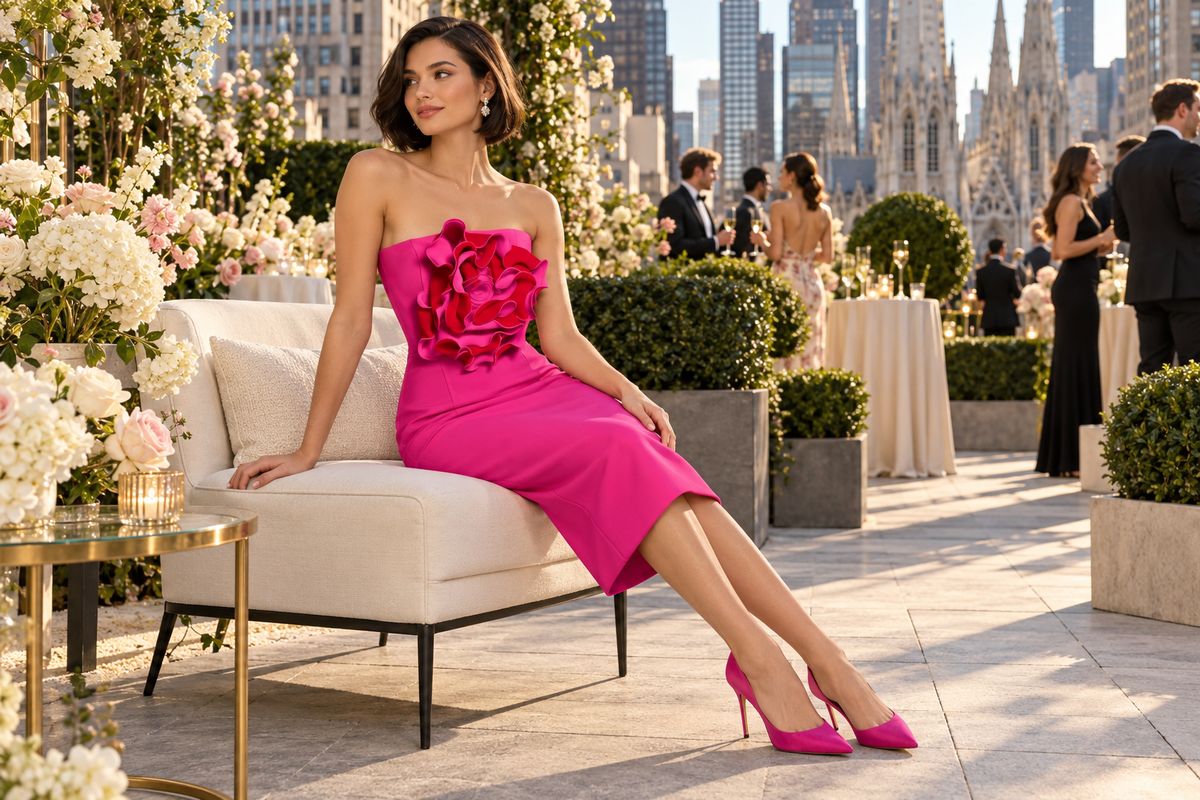
Cocktail and semi-formal weddings usually give guests more flexibility than black tie. Midi dresses, polished knee-length styles, and occasion-ready longer dresses can all work depending on the setting.
The easiest way to judge a dress is to ask whether the complete outfit feels intentionally chosen for a wedding rather than adapted from ordinary daywear.
For an evening cocktail reception, you may choose a stronger fabric finish or more embellishment. For a daytime semi-formal ceremony, a softer or less reflective dress may fit the setting more naturally.
What to wear to a summer wedding as a guest
Summer adds a practical layer to wedding guest etiquette because temperature, direct sun, outdoor ground, and travel between ceremony and reception can affect the outfit.
If you are specifically searching for dresses to wear to a summer wedding as a guest, keep the wedding dress code as the first filter. Summer weather should influence the weight, layers, and practicality of the dress, but it does not lower the requested level of formality.
A black-tie summer wedding is still black tie. A casual beach ceremony is still casual even if both take place in the same temperature.
For detailed summer fabric, venue, color, and coverage guidance, use Jovani’s dedicated summer wedding guest dress guide rather than trying to apply one summer formula to every wedding.
How venue changes the practical choice
Two dresses can meet the same dress code and behave very differently at the venue.
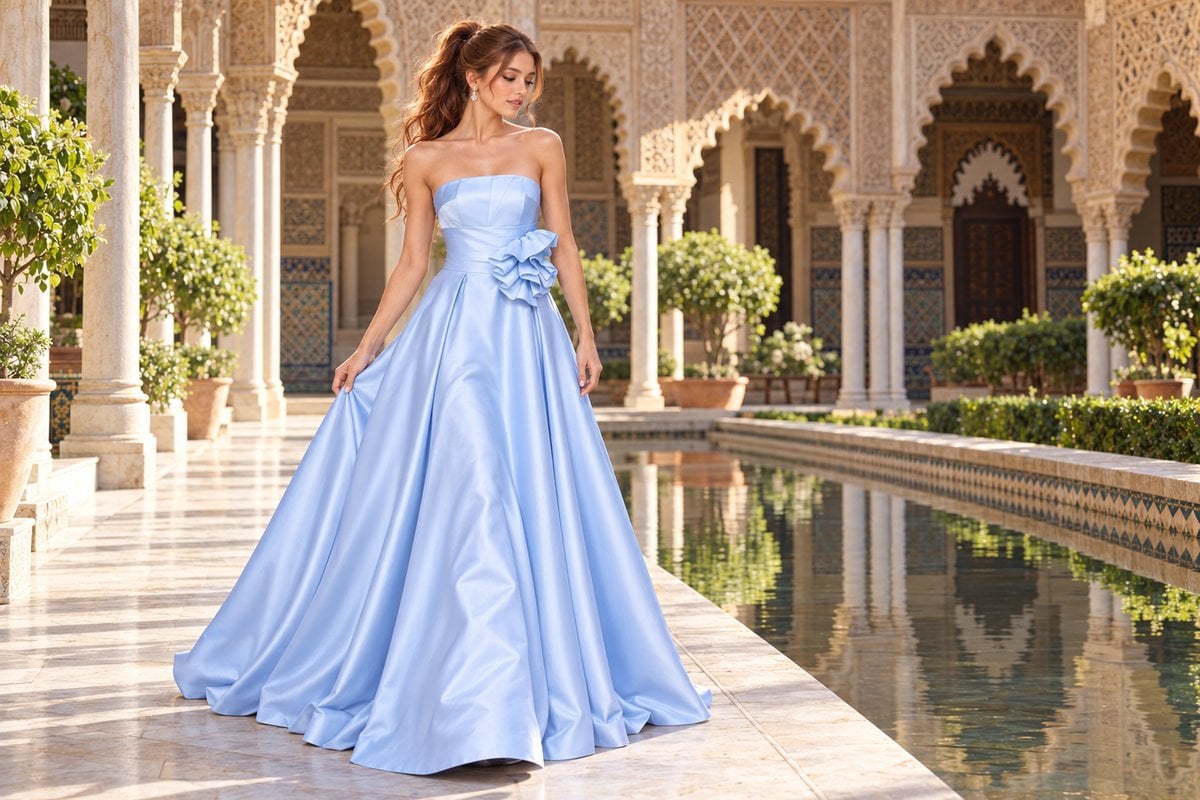
For a lawn or garden wedding, think about hem length and shoe stability. For a beach ceremony, consider how the dress and footwear handle sand and wind. For an indoor ballroom, those concerns may matter much less.
Venue should refine the outfit after you understand the dress code. It should not be used as an excuse to ignore a clear invitation.
How long should a wedding guest dress be?
There is no single correct wedding guest dress length.
Floor-length gowns are the standard choice for black tie and work well at many formal weddings. Midi dresses fit a wide range of cocktail and semi-formal settings. Shorter dresses can work for appropriate daytime, casual, or cocktail celebrations when the overall design still matches the occasion.
Long dresses to wear to a wedding as a guest should also be evaluated for the venue. A long hem that works easily in a hotel ballroom may require more attention on grass, gravel, or stairs.
How to approach color without relying on outdated rules
Color etiquette is more contextual than many older wedding rules suggest.
Start with anything the couple has explicitly reserved or requested. After that, consider cultural meaning, wedding-party colors if they have been shared, and how formal the event is.
Black can be appropriate at many modern weddings. Red can be appropriate in some settings and restricted in others. Bright colors, pastels, jewel tones, florals, and deeper shades can all work when the dress code and cultural context support them.
You do not need to choose the least noticeable color in the room. You do need to avoid treating a general fashion trend as more important than the couple’s instructions.
What should you avoid wearing to a wedding?
Avoid outfits that directly conflict with the stated dress code or the couple’s explicit instructions.
A casual sundress at a black-tie wedding creates a formality mismatch. A floor-length embellished evening gown at a genuinely casual daytime ceremony can create the opposite problem.
Also consider whether the outfit is practical for the event. A train you cannot manage on grass or shoes that make it difficult to walk through the venue can turn an otherwise appropriate look into an inconvenient one.
The goal is not to eliminate individuality. It is to choose a look that works for the actual celebration.
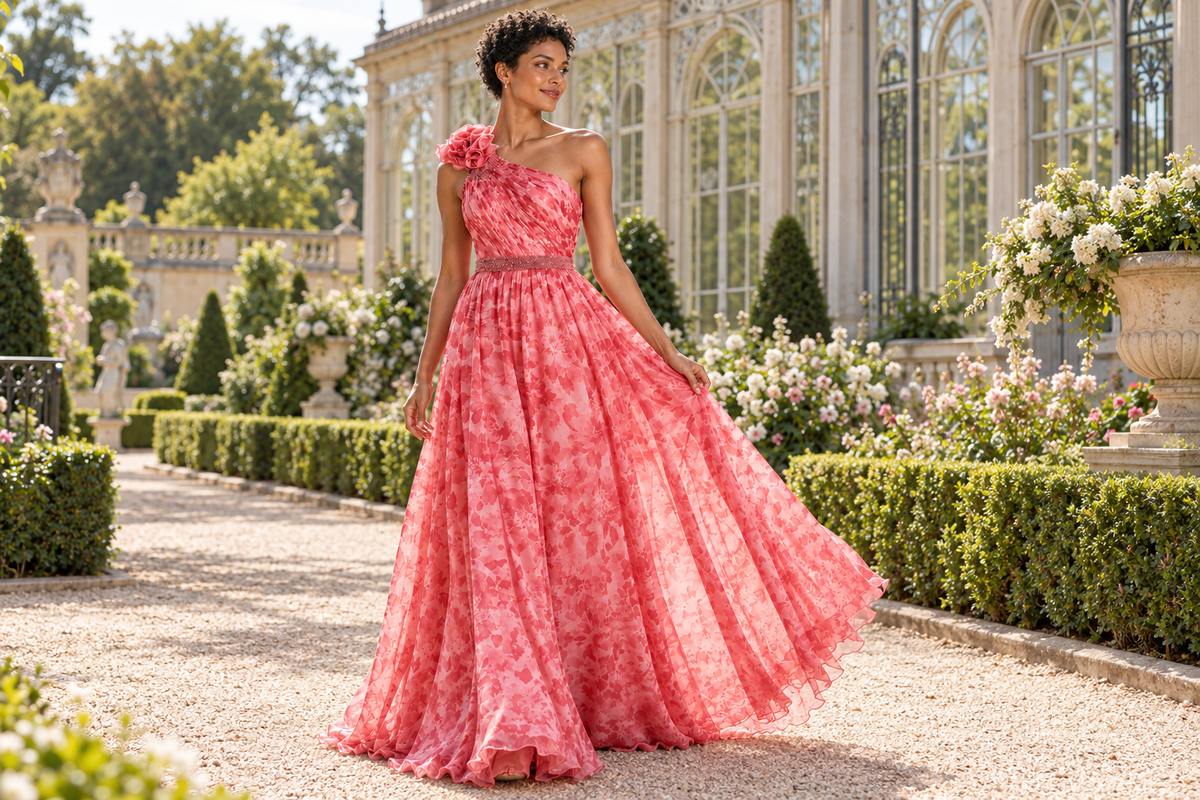
What if you are invited to a bridal shower too?
What to wear to a bridal shower is a separate question from what to wear to the wedding itself.
The shower may have a different venue, time of day, theme, and level of formality. Do not assume that the wedding-day dress code applies automatically.
Use the shower invitation as its own source of information and avoid wearing anything the host has specifically reserved for the bride or event theme.
Dress etiquette and wedding gift etiquette are separate
Wedding gift etiquette should not determine the formality of your outfit, and the price of your dress should not determine the value of your gift.
Treat the two decisions separately. Follow the dress code because it reflects the event, and follow any registry or gift instructions provided by the couple based on your own circumstances.
There is no useful etiquette rule that requires your outfit spending and gift spending to match each other.
A simple way to make the final decision
Before committing to a dress, check four things: the invitation, the venue, the time, and any cultural or family instructions you know apply.
Then evaluate the actual dress for formality and practical wear. Check the hem with your intended shoes, sit and walk in the gown, and make sure the neckline and closures stay comfortable through normal movement.
If several options meet those requirements, the remaining choice is personal style.
Wedding guest dress code and etiquette questions
The answers below cover the decisions guests most often need to make after reading the invitation.
What should I wear to a wedding if the invitation says formal?
Choose a polished formal dress or gown that matches the setting and time of day. Floor length is a reliable option, while some formal weddings allow a refined midi when the invitation and venue support it.
What can you wear to a wedding with no dress code?
Use the venue, time of day, season, and wedding website to estimate the expected formality. If those signals conflict, ask the couple or someone in the wedding party instead of making a high-risk guess.
Can a wedding guest wear a long dress?
Yes. Long dresses work particularly well for formal, black-tie, and evening weddings. For less formal celebrations, check that the fabric and overall styling do not make the outfit read more formal than the event.
What should I wear to a summer wedding as a guest?
Start with the stated dress code, then choose a dress that is practical for the expected temperature and venue. Do not reduce the level of formality simply because the wedding takes place in summer.
Can I wear red to a wedding?
Often yes, but context matters. Check the couple’s cultural background, any color instructions, and the role red may have in the ceremony before treating it as universally appropriate.
What should I wear to a black-tie wedding?
A floor-length evening gown is the safest standard for a black-tie wedding. Choose the color, neckline, and silhouette based on your preference while keeping the overall level of formality consistent with the invitation.
Once you know the code and setting, try the dress in person and confirm the details that photographs cannot show through an authorized Jovani retailer.