
Confirmation dresses are decided by the parish before they are decided by the girl, so the first step is the letter from the church, not the shopping. Once that letter is read, the answer is steady: a modest dress with the knees and the shoulders covered, or a bolero over a sleeveless one, in white, ivory, a soft pastel, or a color that answers the red of the day. It has to survive a long Mass and the family lunch that follows. This guide covers the parish rules, the confirmand’s dress by age, the sponsor and the guests, and the two details that photograph beside a bishop.
What Is the Confirmation Dress Code?
Modest, semi-formal, and church-appropriate is the confirmation dress code at almost every parish, and many print it plainly. Knees and shoulders covered, nothing tight, nothing sheer, no sequins or evening sparkle, and a hem that stays past the knee when you sit and kneel. Some parishes go further and dress the whole class in white robes over the outfit, some ask for white or a light color, and some name red, the liturgical color of the sacrament, as an accent. Read the letter twice; it decides the color and the coverage before any store does.
Catholic confirmation dresses follow those rules most closely, but the same logic holds for a Lutheran, Episcopal, or Methodist confirmation: the ceremony is a rite in a sanctuary, so the dress answers to the room. What to wear to a confirmation is the same question at every altar, answered one notch more covered than the girl would dress for a school dance.
White, Pastel, or Red: Choosing the Color
White confirmation dresses are the tradition, a carryover from the first communion dress and from the idea of a fresh start, and white remains the safest choice when the parish says nothing. It is also the color that reads formal in a sanctuary at any age. Ivory and cream do the same job with less glare in photographs, and the softer whites among white girls dresses sit inside the tradition for the younger candidates.
Older confirmands, sixteen and seventeen where the parish confirms late in high school, often want the white without the childlike cut. The cleaner styles among white homecoming dresses give it to them: a lace or crepe knee-length dress with a modest neckline that reads as a young woman rather than a girl.
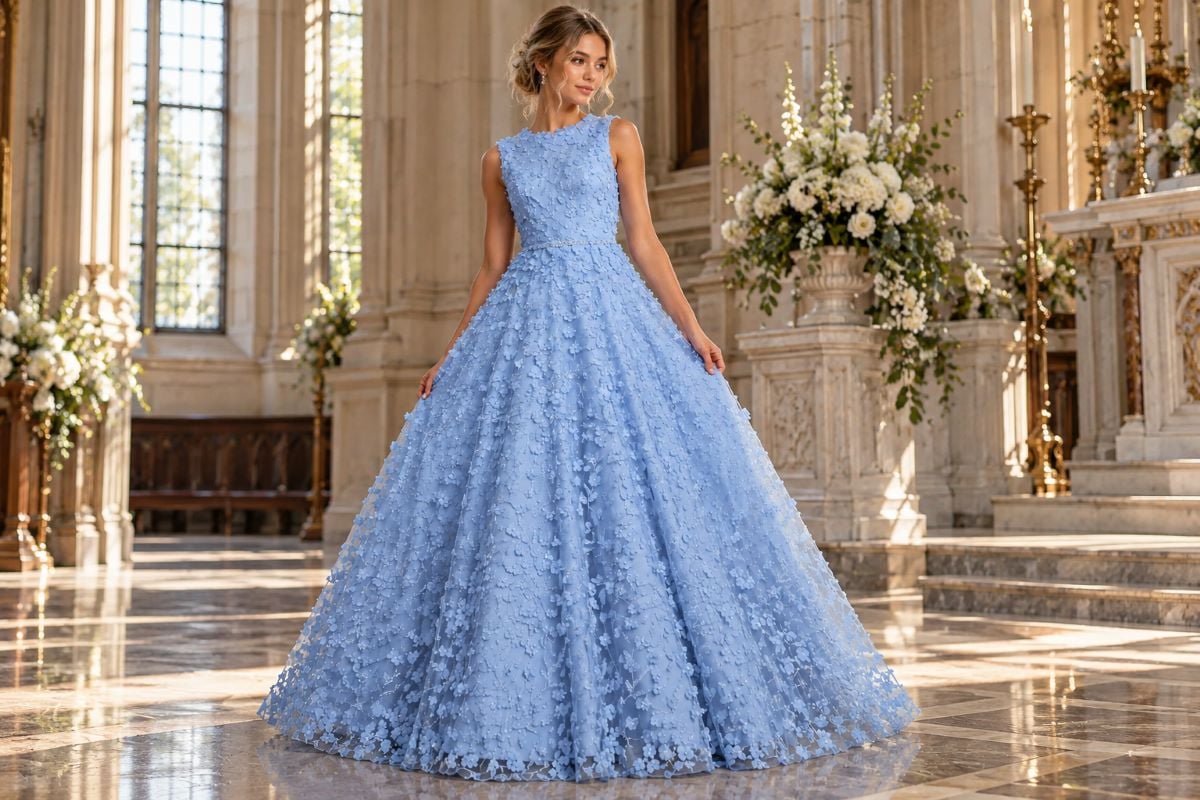
Pastels are the second tradition, blush, powder blue, lavender, and sage, and they photograph warmly in a spring church. Red dresses for confirmation are the newer choice and a meaningful one, since red is the color of the Holy Spirit and of the bishop’s vestments that day. Wear it as a full dress only where the parish allows color, and as an accent, a sash, a shoe, a wrap, where it asks for white.
The Knee-and-Shoulder Test, and the Bolero That Passes It
Every dress on the shortlist gets two tests at home. Sit in it: the hem has to cover the knee seated, because the ceremony includes a long stretch in a pew and, in many parishes, kneeling. Raise your arms: the shoulders have to stay covered and the neckline has to stay high, since the sponsor’s hand rests on your shoulder at the moment that matters most and the photographs are taken from the front.
The bolero solves most of the shortlist. A sleeveless dress a girl already loves becomes a confirmation dress with a lace or crepe bolero, a cropped cardigan, or a matching shrug, and the layer comes off for the lunch afterward. Modest confirmation dresses that need no layer live among modest homecoming dresses, with the sleeves and the necklines already built in.
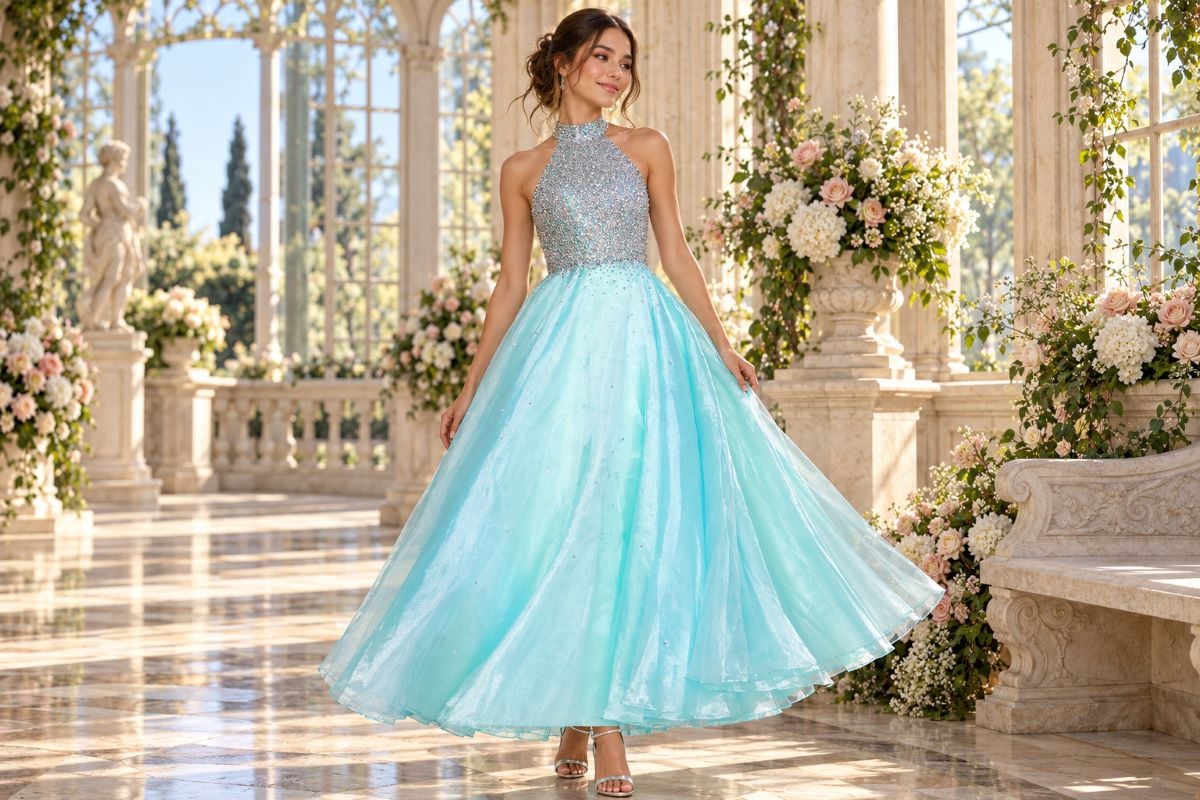
Fabric and finish matter more here than at a dance. Lace, crepe, chiffon over a lining, and cotton sateen read reverent, while sequins, high shine, and cut-outs read as a party. The same reading of a religious dress code, and how to pass it without looking plain, is in our guide to prom dresses for religious schools.
Confirmation Dresses for Girls and Teens, by Age
Confirmation dresses for girls confirmed in middle school, at twelve to fourteen, sit closest to the first communion look grown up one step. Think of an A-line or a fit-and-flare at the knee, a short or a cap sleeve, a satin ribbon or a lace overlay, in white or a pastel. The girls dresses collection covers this age, and the rule for it is simple: pretty, covered, and comfortable enough for a two-hour Mass.
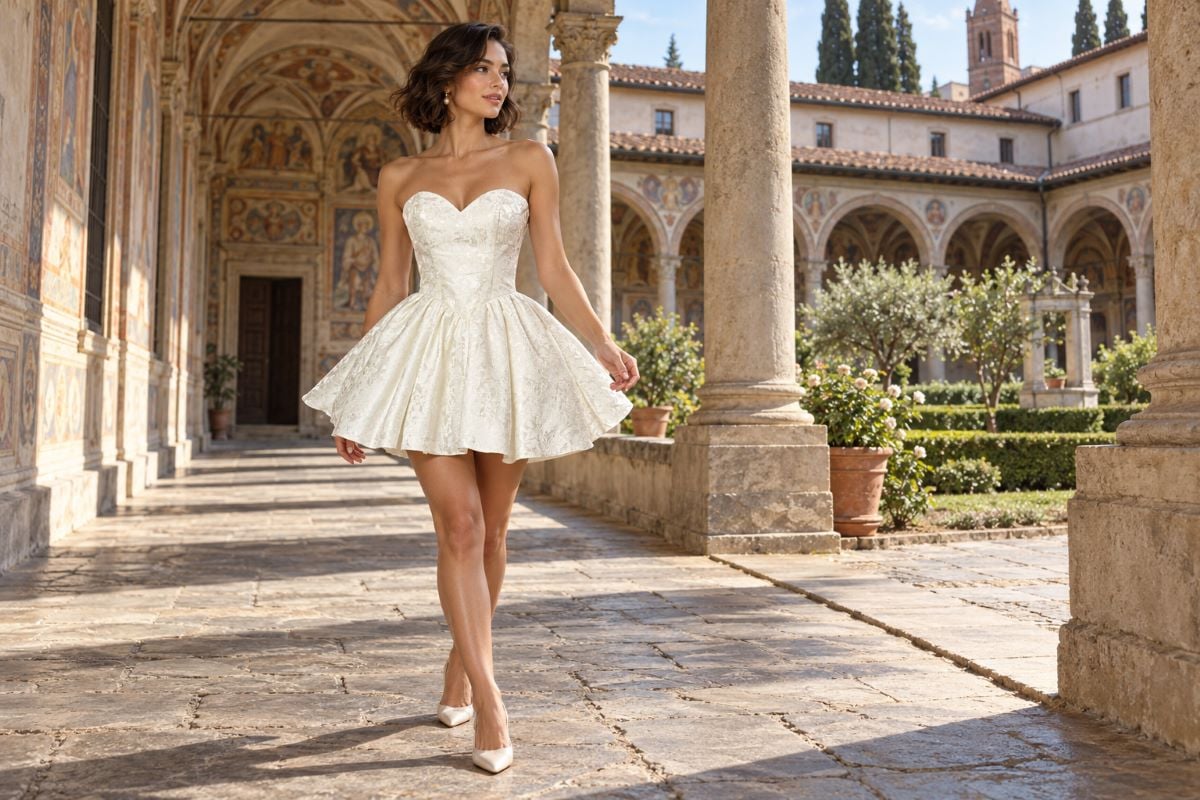
Confirmation dresses for teens confirmed in high school move toward a young woman’s dress: a knee-length sheath or a midi, a modest neckline, a sleeve or a bolero, and a cleaner color, ivory, blush, dusty blue, or navy where the parish allows it. The test is the lunch afterward. The dress should look right at a restaurant table with grandparents, which rules out both the childish end of the rack and the nightclub end.

Sponsors, Mothers, and Guests at a Confirmation
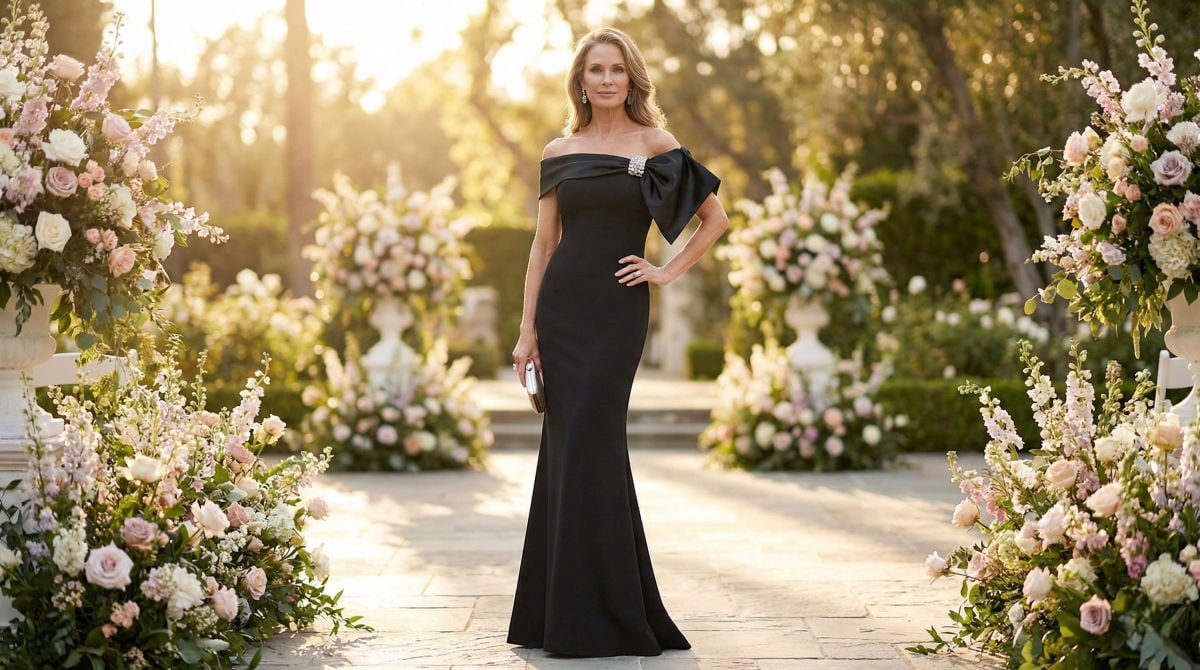
The sponsor stands beside the confirmand with a hand on her shoulder and appears in every photograph of the anointing, so the sponsor dresses like a close relative at a church wedding. That means covered shoulders, a knee-length or midi dress or a suit, no white or red that would compete with the confirmand, and a low heel for the standing. Mothers follow the same rule one notch dressier, and the covered styles among modest evening dresses in midi length serve both roles.
Guests dress for a church service followed by a lunch: dressy daytime, nothing sheer, nothing that reads as evening. The sacrament’s cousin, the christening, has its own guide in our christening guest dress code, and the two codes are close enough to share a closet.
From the Pew to the Lunch: Shoes, Hair, and the Chrism
Confirmation runs long and the day continues at a restaurant or at home, so the shoes are a low block heel or a flat with a strap rather than a first stiletto, and the dress is one that sits, kneels, and eats. Two small details belong to this sacrament alone. The bishop anoints the forehead with chrism, so hair goes off the face, in a half-up style or a low knot, and heavy forehead makeup stays home. And the name tag or the stole that some parishes give the class is worn over the dress, which is one more reason the neckline should be clean.
Dresses for confirmation that pass those tests carry the family through the photographs, the lunch, and the years the picture stays on the wall. Many families in the middle school group buy one dress for the confirmation and the graduation in the same season, and our guide to 8th grade graduation dresses covers the second day.
Confirmation Dresses: The Letter, Then the Chair
Confirmation dresses come down to the letter from the parish and two tests at home: read the rules for color and coverage first, then sit and raise your arms in the dress before you buy it. White or a pastel keeps the tradition, red keeps the meaning, a bolero rescues the dress a girl already loves, and a low heel and hair off the forehead finish the day the sacrament asks for. Choose the dress for the pew and the lunch together, and it looks right in the photograph beside the bishop.
Bring the parish letter to an authorized Jovani retailer near you and try the shortlist sitting down; the dress that passes in the chair is the one.
Confirmation Dresses FAQ
Do confirmation dresses have to be white?
Only if the parish says so. White and ivory are the tradition and always appropriate, but many parishes allow pastels and some allow color, and red, the color of the sacrament, works as an accent. Read the parish letter first, then choose.
Can you wear a sleeveless dress to a confirmation?
Usually not on its own, since most parishes ask for covered shoulders. A sleeveless dress passes with a lace or crepe bolero, a cropped cardigan, or a matching shrug over it, and the layer comes off at the lunch afterward.
How long should a confirmation dress be?
At or past the knee, measured seated. The ceremony includes a long time in a pew and often kneeling, so a hem that rides above the knee when you sit fails the parish rule even if it passes standing.
What should a confirmation sponsor wear?
Like a close relative at a church wedding: covered shoulders, a knee-length or midi dress or a suit, a low heel for the standing, and no white or red that competes with the confirmand. The sponsor’s hand is on the confirmand’s shoulder in the main photograph, so the sleeve matters.