
Finding the perfect gown is an unforgettable milestone in your bridal journey, but the styling process does not end the moment you say yes to the dress. The gown itself serves as a breathtaking, foundational canvas, and the finishing touches you choose will ultimately define your complete bridal aesthetic. Understanding how to accessorize your wedding dress is the key to transforming a beautiful garment into a highly personalized, cohesive vision that reflects your unique personality and individual love story.
At Jovani, our designers pour extraordinary attention to detail into every silhouette, knowing that the right styling elements will inevitably elevate a gown’s natural elegance. Whether your tastes lean towards modern minimalism, bohemian romance, or high-impact dramatic glamour, curating the perfect combination of wedding dress accessories requires a thoughtful balance of scale, texture, and personal flair. It is not simply about adding sparkle; it is about creating a sartorial harmony that ensures you remain the radiant focal point of your wedding day.
Defining Your Bridal Style
Before exploring specific pieces of jewelry or headwear, it is essential to look at the overarching aesthetic and structural design of your chosen gown. If you are still exploring silhouettes and need a foundational guide to choosing your bridal gown, establishing your core style first will make the accessorizing process infinitely much easier. The fundamental rule of styling a wedding gown is allowing the dress to remain the undisputed center of attention, while your chosen accessories provide beautiful, harmonious support.
Harmonizing with Details
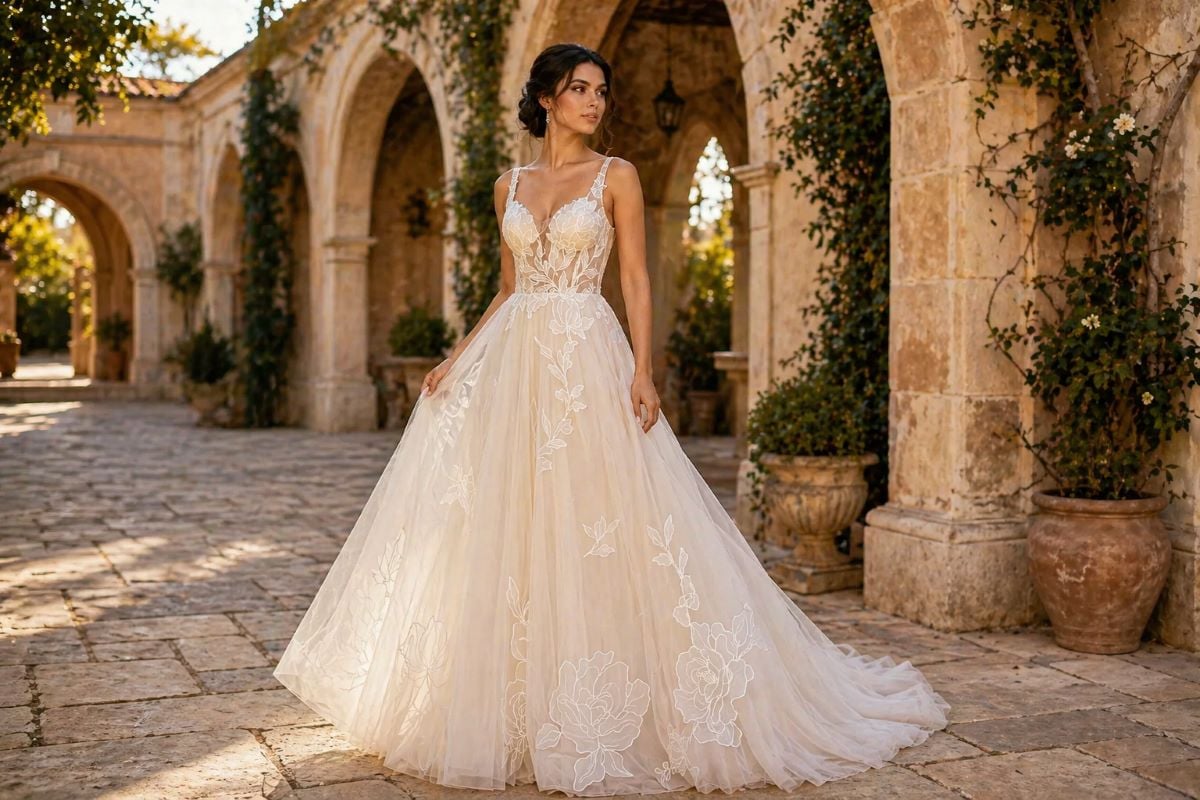
As you browse through various wedding gowns, you will notice that heavily beaded, sequined, or intricately embroidered gowns naturally command attention the moment they catch the light. In these cases, opting for understated, delicate bridal accessories ensures that your overall look does not become overly crowded or visually overwhelming. A heavily crystal-encrusted bodice, for example, pairs beautifully with simple diamond or pearl studs rather than a competing statement necklace.
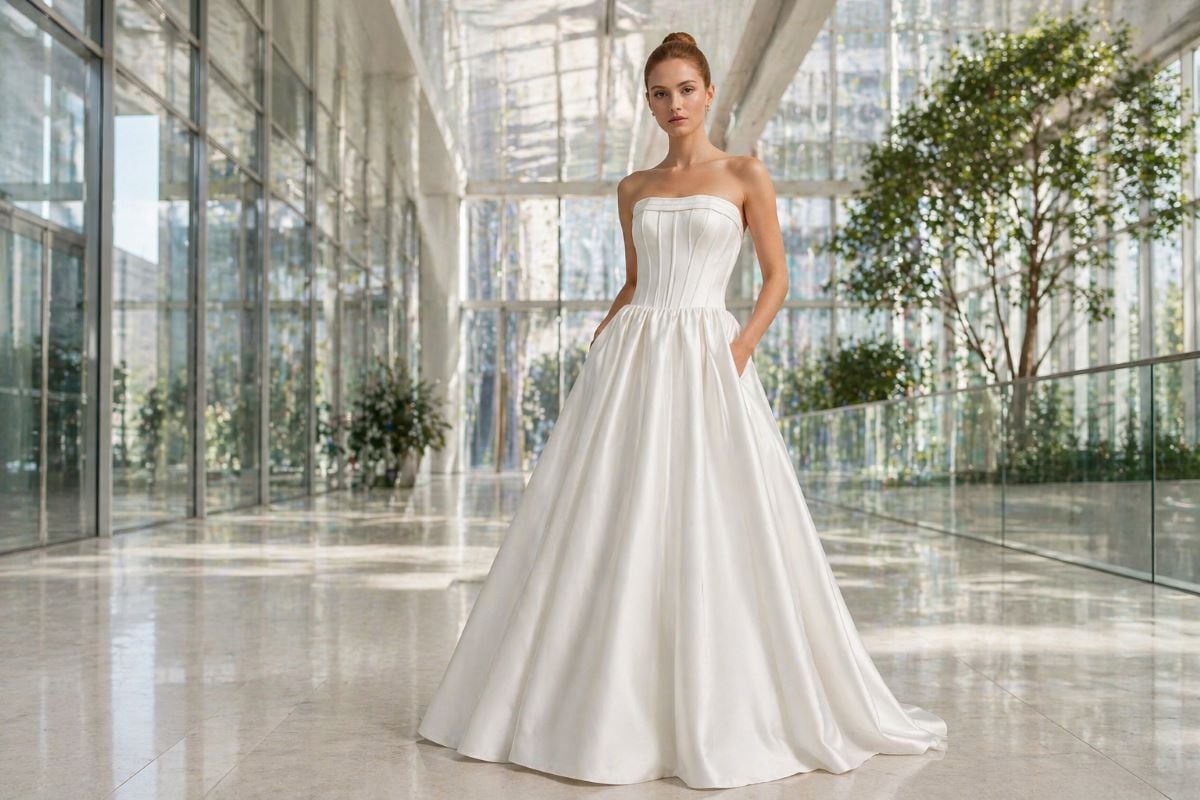
Conversely, a minimalist silk, crepe, or sleek mikado gown provides the perfect blank canvas to introduce bold, personality-driven statement pieces. Without the competition of heavy dress embellishments, you have the sartorial freedom to incorporate a dramatic crystal drop earring, a vibrant pop of color in your footwear, or an intricately embellished, multi-tiered headpiece. The goal is to create visual equilibrium: if the dress is loud, keep the accessories quiet; if the dress is quiet, let the accessories speak.
Matching Metals to Fabric
It is also crucial to match your precious metals to the specific undertones of your gown’s fabric, as contrasting tones can subtly disrupt the cohesiveness of your look. True, stark white fabrics—which have a cool undertone—pair impeccably with the icy brilliance of platinum, white gold, or silver. Ivory, champagne, and candlelight gowns feature warmer undertones that are beautifully enhanced and warmed by traditional yellow gold. Meanwhile, modern bridal fabrics featuring soft blush, taupe, or nude underlays are perfectly complemented by the romantic, vintage-inspired hue of rose gold accents.
Accessorizing by Neckline
One of the most important technical aspects of bridal styling is understanding how to properly frame your face and décolletage. Accessorizing different dress necklines properly ensures that your bridal jewelry enhances the structural, architectural design of the gown rather than competing with it or disrupting its intended lines.
Strapless and Sweetheart
If you are wearing an open neckline, such as a classic strapless or a romantic sweetheart cut, you have a beautifully clear expanse of skin to serve as your canvas. You have two highly effective options here. First, you can choose to wear a statement collar or choker-length necklace that rests gracefully against your collarbones, adding brilliance right at the face. Alternatively, you can skip the necklace entirely a very modern, editorial approach—and opt for dramatic, shoulder-grazing chandelier earrings that draw the eye upward toward your smile.
V-Neck and Plunging
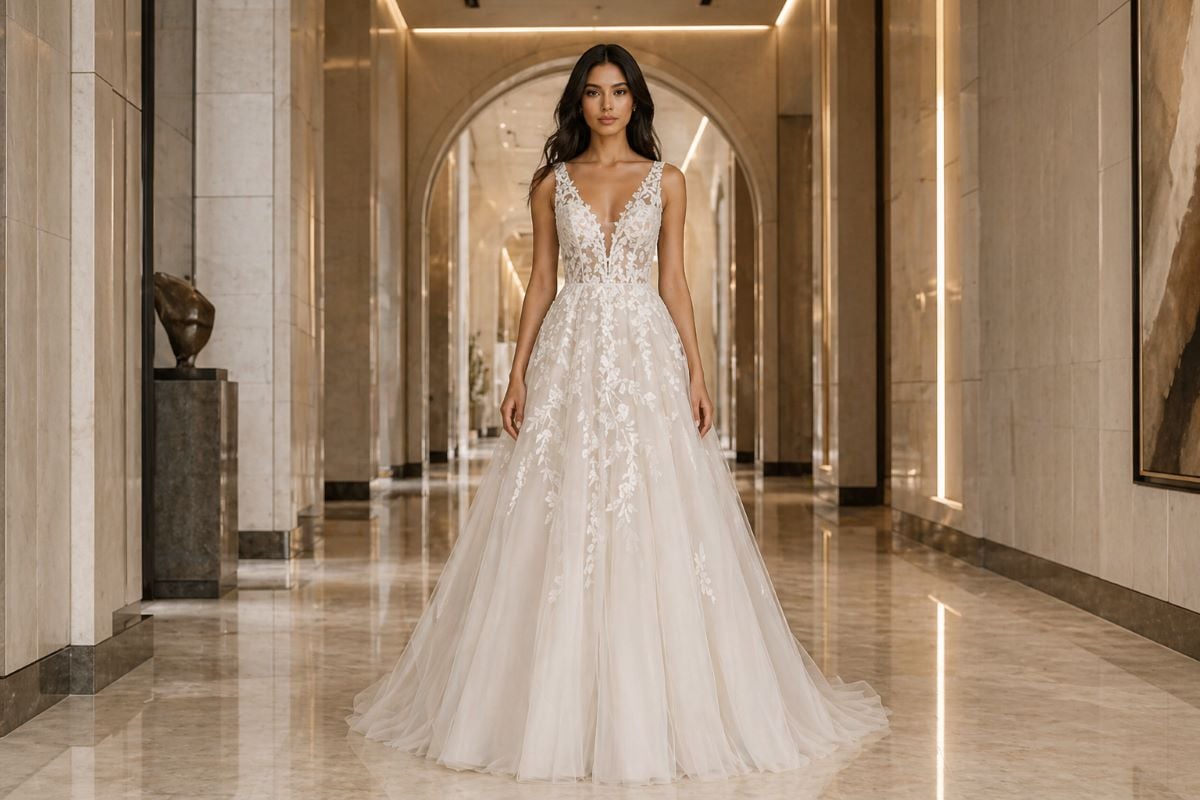
For plunging V-neck designs, your jewelry should intuitively echo the angle of the neckline. A delicate drop pendant or a sophisticated lariat necklace that mirrors the “V” shape creates a stunning, elongated effect without distracting from the gown’s sharp architectural cut. If your gown features a plunging back rather than a plunging front, consider a glamorous backdrop necklace a piece that rests against your collarbone in the front but drops a dramatic line of pearls or crystals down your open back.
High Illusion and Long Sleeves
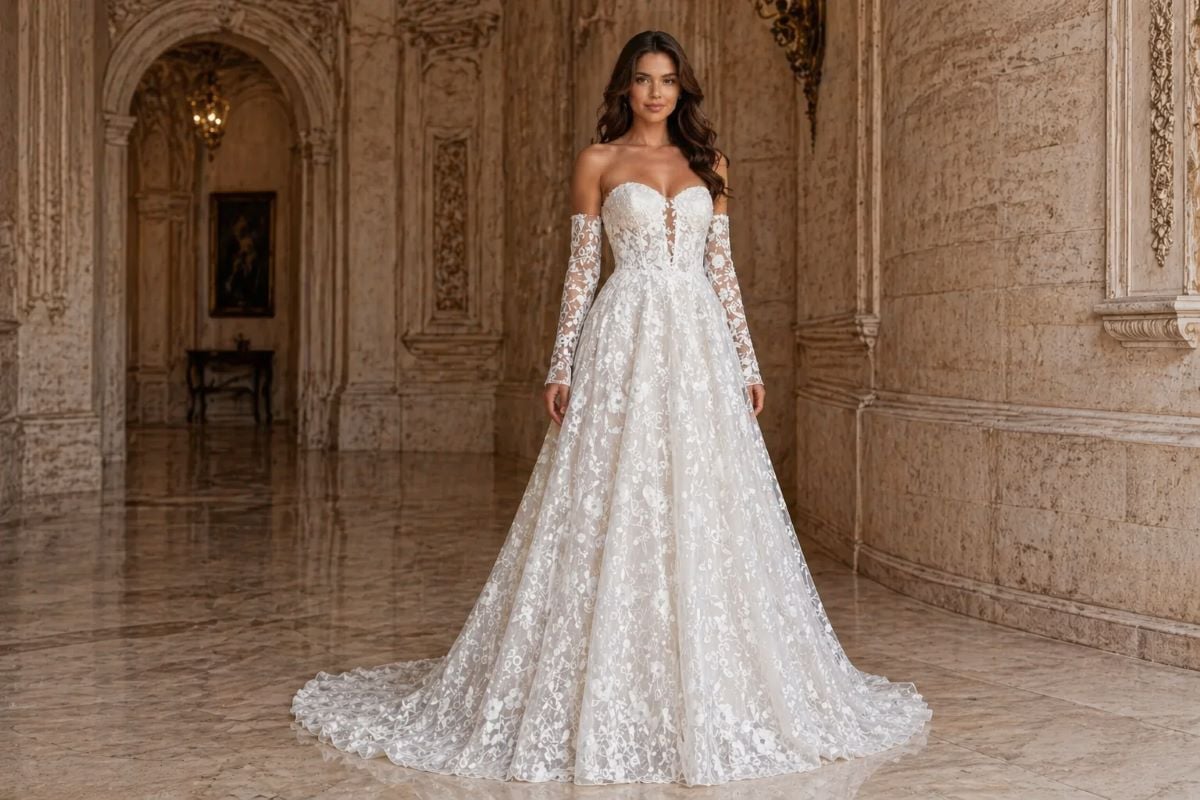
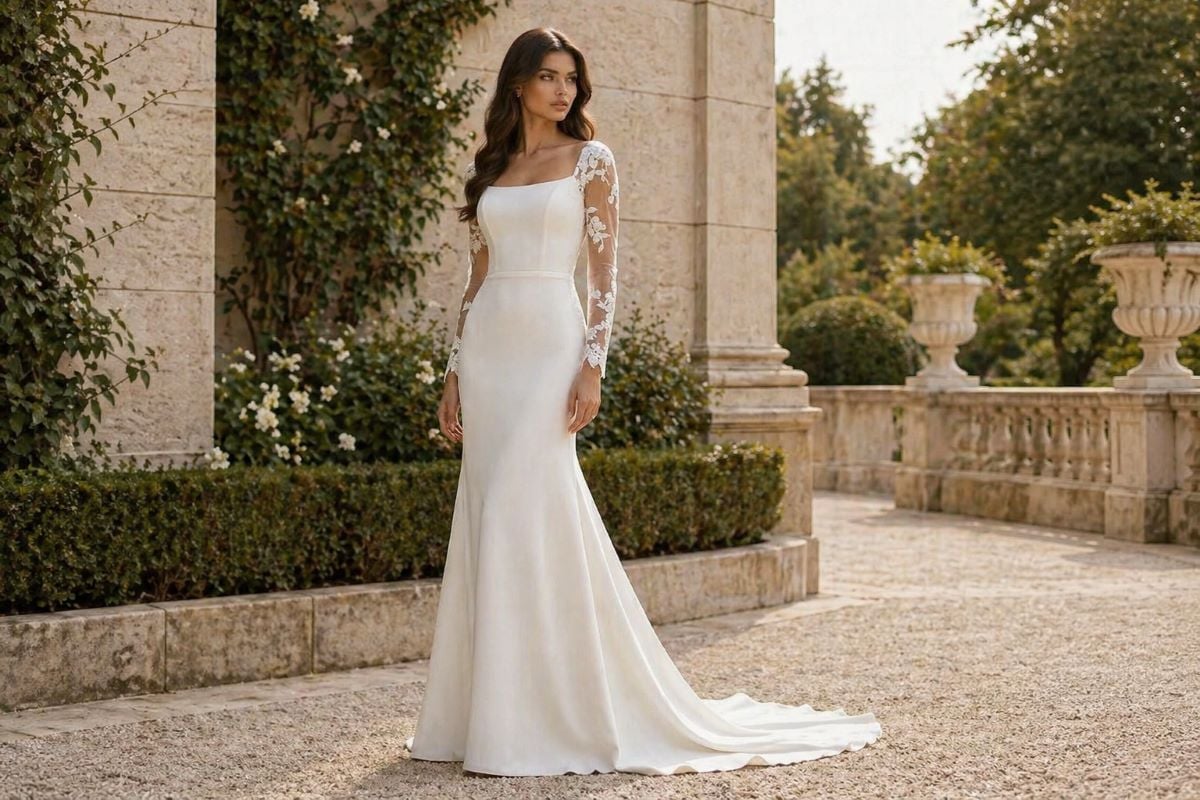
For brides wearing sophisticated bridal gowns with long sleeves, high illusion necklines, or intricate lace bateau cuts, introducing a necklace will often tangle with the fabric or visually clash with delicate lace appliques resting on the skin. In these scenarios, the most elegant, fail-proof approach is to forego the necklace entirely. Instead, focus your attention on finding the perfect pair of statement earrings and a beautiful, classic tennis bracelet to complete the look and add sparkle to your wrists.
Asymmetric and Halter
One-shoulder and halter necklines are inherently dynamic and draw the eye diagonally or upward toward the neck. Because these necklines already feature a significant amount of fabric near the face, a necklace will look out of place. The best way to accessorize an asymmetric gown is to utilize a striking pair of post earrings and focus your accessory budget on a bold, architectural cuff bracelet worn on the bare arm to balance the visual weight of the gown.
Choosing a Wedding Veil
For many brides, the veil is the ultimate symbol of bridal tradition and romance. However, choosing a wedding veil requires careful consideration of your gown’s length, volume, and detailing, as the veil can dramatically alter the formality and atmosphere of your entire ensemble.
Veil Lengths
A cathedral-length veil, which extends far past the train of the gown and sweeps the floor, offers an incredibly regal, dramatic, and formal presence. This sweeping length pairs magnificently with grand silhouettes, such as classic a-line wedding dresses, creating a continuous, ethereal flowing line as you walk down the aisle.
If you prefer something with more mobility, a fingertip veil is universally flattering and offers a more contemporary feel without hiding the intricate back details of your gown. For vintage-inspired brides or those hosting intimate city hall ceremonies, a short, retro birdcage veil that just covers the eyes offers an incredibly chic, fashion-forward alternative to traditional flowing tulle.
Textures and Embellishments
Texture plays a critical role in veil selection. When wearing intricately detailed lace wedding gowns, a simple, sheer tulle veil with a subtle raw edge is often the best choice, allowing the superior craftsmanship and floral motifs of the gown to shine through unhindered. Alternatively, if your gown is sleek, unembellished, and modern, a veil adorned with scattered pearls, 3D floral appliqués, a structured horsehair trim, or a distinct scalloped lace edge can introduce a beautiful, necessary layer of visual interest to your bridal profile.
Selecting Bridal Jewelry
The true art of selecting bridal jewelry is about curating pieces that feel incredibly special, luxurious, and elevated, but remain undeniably true to your personal, everyday style. You want to look like the most radiant, polished version of yourself on your wedding day, not like you are playing dress-up in someone else’s jewelry box.
The Rule of Three
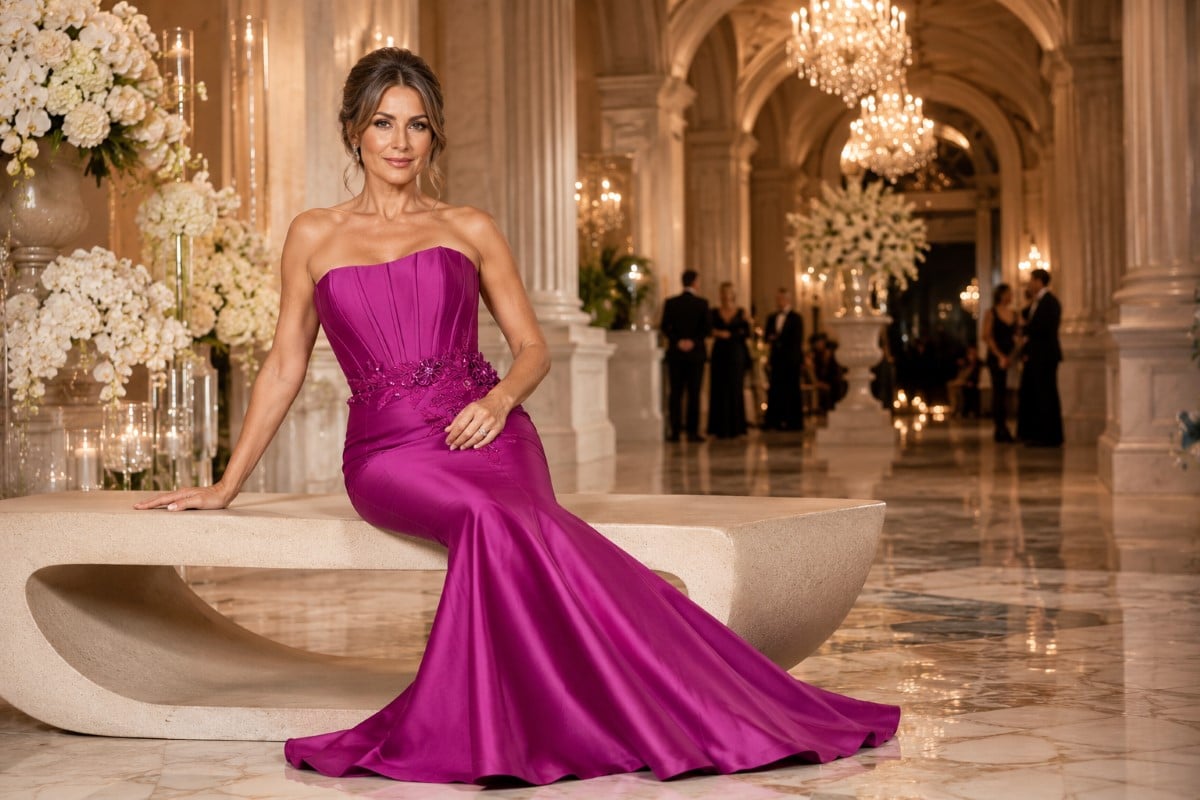
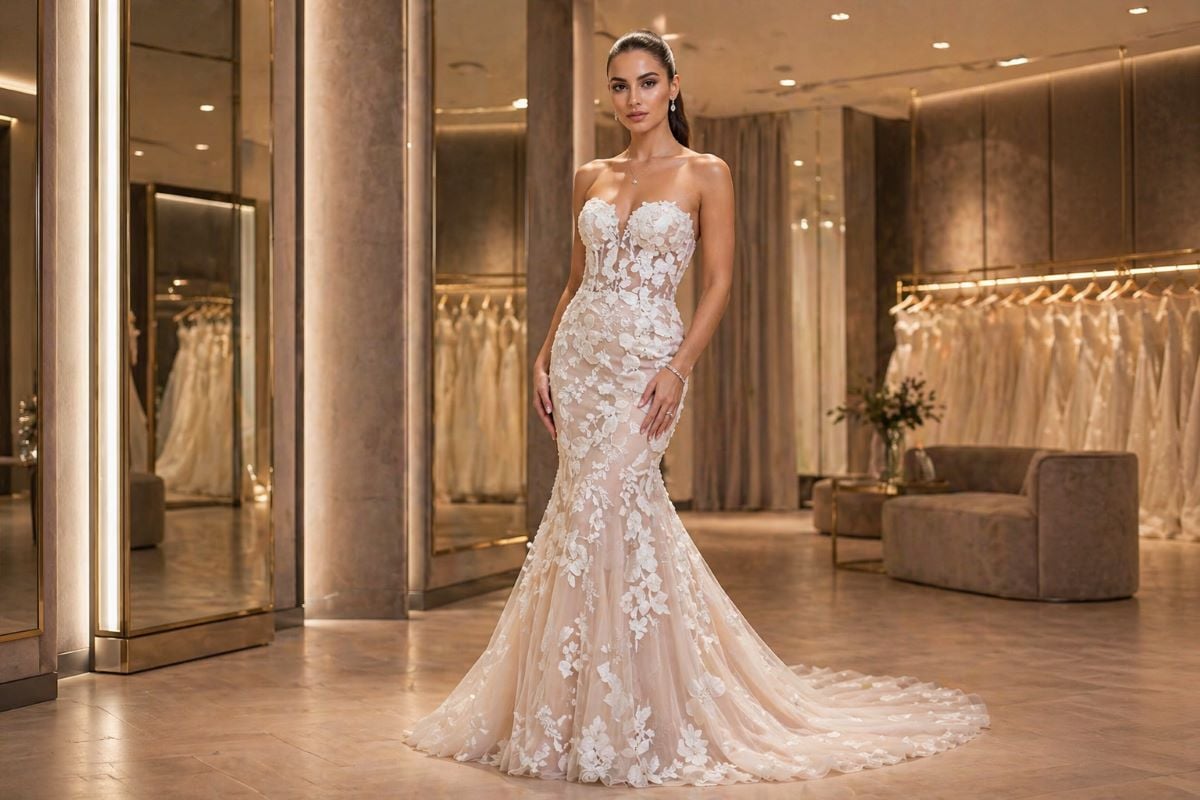
A common styling mistake is attempting to wear every type of accessory at once. Bridal stylists often recommend the “Rule of Three” to avoid over-accessorizing. If you rarely wear heavy earrings in your daily life, your wedding day might not be the time to experiment with massive, heavy chandeliers. When styling form-fitting mermaid gowns, which naturally emphasize the curves of the body and command attention through silhouette alone, elegant and structural jewelry works best. Consider a sleek diamond tennis bracelet or geometric crystal drop earrings that mirror the dramatic flair of the flared skirt. Always ensure that your chosen bracelets and right-hand rings do not overshadow the undeniable stars of the show: your engagement and wedding rings.
Heirloom and Vintage Pieces
Many brides wish to incorporate a family heirloom—such as a grandmother’s pearl necklace or a mother’s vintage sapphire ring—into their bridal look. When doing so, allow the heirloom to dictate the rest of your accessory choices. If you are wearing an ornate, vintage yellow-gold locket, keep your newly purchased earrings simple and matching in metal tone. Blending old and new adds a layer of emotional resonance to your ensemble that cannot be bought in a store.
Belts and Headpieces
Sometimes, a gown needs just one more tailored element to feel utterly complete. A carefully chosen bridal belt can seamlessly define the natural waistline and introduce a touch of sparkle to an otherwise minimalist bodice. When considering a belt, look for one that matches the specific type of beadwork (pearl, crystal, or silver bugle bead) already present on the dress.
Hair accessories offer another beautiful avenue for deep personalization. From regal, towering tiaras and delicate bohemian floral crowns to vintage-inspired crystal combs, your bridal accessories should work seamlessly with your chosen hairstyle to create a cohesive aesthetic. A pearl-encrusted hairpin nestled into a low, sleek chignon creates a timeless, royal-inspired look, while a bold metallic halo headband can give loose, romantic waves a striking, modern editorial edge.
Choosing Bridal Footwear
While they may be hidden beneath layers of tulle for much of the day, your wedding shoes are a crucial component of your bridal accessories. Your footwear impacts your posture, your comfort, and how your gown falls.
When selecting shoes, you must balance couture aesthetics with all-day comfort. Just as you would carefully pick the perfect shoes for your evening dress to match the formality of an event, your bridal footwear requires a strategic evaluation of your venue’s terrain. If you are not accustomed to walking in towering stilettos, opt for a chic block heel or an elegant wedge that provides stability without sacrificing style. Many brides are now using their footwear to inject a playful surprise into their ensemble opting for a bright “something blue” velvet heel, a fully crystal-encrusted pump, or even customized bridal sneakers that peek out from beneath the hemline as they walk.
Second Look Styling
Modern brides are increasingly embracing the concept of the mid-wedding outfit change. However, even if you plan to wear one beloved gown all night, second look styling is a fantastic, budget-friendly way to refresh your aesthetic for the evening festivities. Knowing how to accessorize your wedding dress for the transition from a formal, emotional ceremony to a high-energy celebration allows you to enjoy the absolute best of both worlds.
Evening Transitions
This stylistic transition is often easily achieved by simply removing the formal cathedral veil before your grand entrance and replacing it with a playful tulle hair bow, a sparkling party clip, or a fresh floral headpiece. You might also swap your classic, demure pearl ceremony studs for dramatic, glittering evening hoops that catch the light on the dance floor. Furthermore, adding a bespoke bridal jacket—whether it is an edgy customized leather moto jacket, a casual denim piece, or a glamorous feather bolero instantly changes the silhouette of your dress for photos.
If you do choose to change your outfit entirely to prioritize movement and comfort, transitioning into chic, shorter wedding reception dresses allows you to experiment with entirely different, wildly fun accessories. A reception mini-dress is the perfect opportunity to showcase embellished statement heels, a customized acrylic bridal clutch, or bold, avant-garde jewelry that would have felt out of place during a traditional ceremony.
FAQ: Wedding Dress Accessories
1. Should my bridal jewelry perfectly match the metal of my engagement ring?
While matching metals is the most traditional, classic, and seamless route, it is absolutely not a strict rule in modern bridal fashion. If your engagement ring is platinum but your gown has warm champagne undertones that desperately call for gold jewelry to make the fabric pop, you can confidently mix metals. The key to mixing metals successfully is intention; try to incorporate a bridging piece that ties both tones together (like a bracelet featuring both silver and gold elements), or keep the secondary accessories delicate enough that they do not fiercely compete with your engagement ring.
2. Can I wear a necklace with an intricately detailed bodice?
It is heavily recommended by bridal stylists to avoid wearing a necklace if your gown features a highly detailed, heavily beaded, or sheer illusion neckline. A necklace can visually clutter the chest area and, more practically, physically snag on delicate appliqués, potentially damaging the gown. In these instances, redirecting your accessory focus to a stunning pair of earrings and a classic tennis bracelet creates a much more balanced, sophisticated, and elegant aesthetic.
3. How do I choose between wearing a veil and a hair accessory?
The beauty of modern bridal styling is that you do not necessarily have to choose between the two. Many brides opt to wear both for the ceremony, placing a delicate comb, vine, or tiara at the crown of the head and securing the veil just beneath it. This strategic placement allows you to easily remove the veil for the reception to allow for free movement, while leaving the sparkling hair accessory firmly in place for the remainder of the evening celebration.
4. Are bridal belts necessary for every dress style?
No, bridal belts are not universally necessary for every gown. They work beautifully to break up the fabric on a continuous, unembellished silhouette (like a plain crepe fit-and-flare) or to draw the eye to the smallest part of the waist. However, if your dress already features an intricate waistline design, an exposed corset bodice, or heavy, localized detailing at the midsection, adding a belt may painfully disrupt the designer’s intended architectural lines.
5. When should I start shopping for my bridal accessories?
Ideally, you should begin shopping for your wedding dress accessories immediately after you have officially purchased your gown and locked in the silhouette and color. It is highly beneficial to have your primary accessories especially your shoes and your undergarments—purchased before your first round of dress alterations, as the height of your heel dictates the exact hemline of your dress. Having your veil and jewelry chosen before your hair and makeup trial will also allow you to see the complete, final vision before the big day.
We invite you to explore the stunning, expertly crafted craftsmanship of our bridal collections to find the perfect foundation for your unique styling vision. By choosing your accessories with intention, you will create a timeless bridal aesthetic that you will cherish in photographs for a lifetime.