
The modern bridal experience has evolved significantly over the last decade, shifting away from rigid, one-size-fits-all traditions and wholeheartedly embracing personalized, multi-faceted celebrations. One of the most prominent and exciting shifts in contemporary bridal fashion is the transition from a single, all-day gown to a curated, strategic wardrobe that reflects the different emotional stages and physical requirements of the wedding day. When you envision walking down the aisle, the image in your mind is often one of solemnity, profound tradition, and breathtaking grandeur. You picture heavy fabrics, dramatic cathedral trains, and intricate heirloom details. However, when you picture the evening hours—the live band playing your favorite high-energy song, the champagne flowing, and the venue lights turning down to signal the start of the party—the sartorial requirements shift dramatically. You need a garment that allows for kinetic movement, uninhibited joy, and perhaps a touch of daring glamour. This is where the concept of the Second wedding dress becomes not just a modern trend, but a highly practical and stylish necessity. Choosing specific wedding reception gowns allows a bride to fully lean into the celebratory atmosphere of the evening without compromising the breathtaking, emotional impact of her formal ceremony look.
The Cultural Shift: Why Brides Are Choosing a Second Look
The tradition of wearing a single dress for the entirety of the wedding day is rooted in an era when weddings were often shorter, daytime, or less complex affairs. Today, a wedding is frequently a highly produced, eight to twelve-hour marathon of emotions, extensive photography sessions, multi-course dining, and vigorous late-night dancing. The expectation that a single garment can comfortably and appropriately serve all of these vastly different functions is rapidly fading among modern brides.
Physical Freedom and Unmatched Comfort
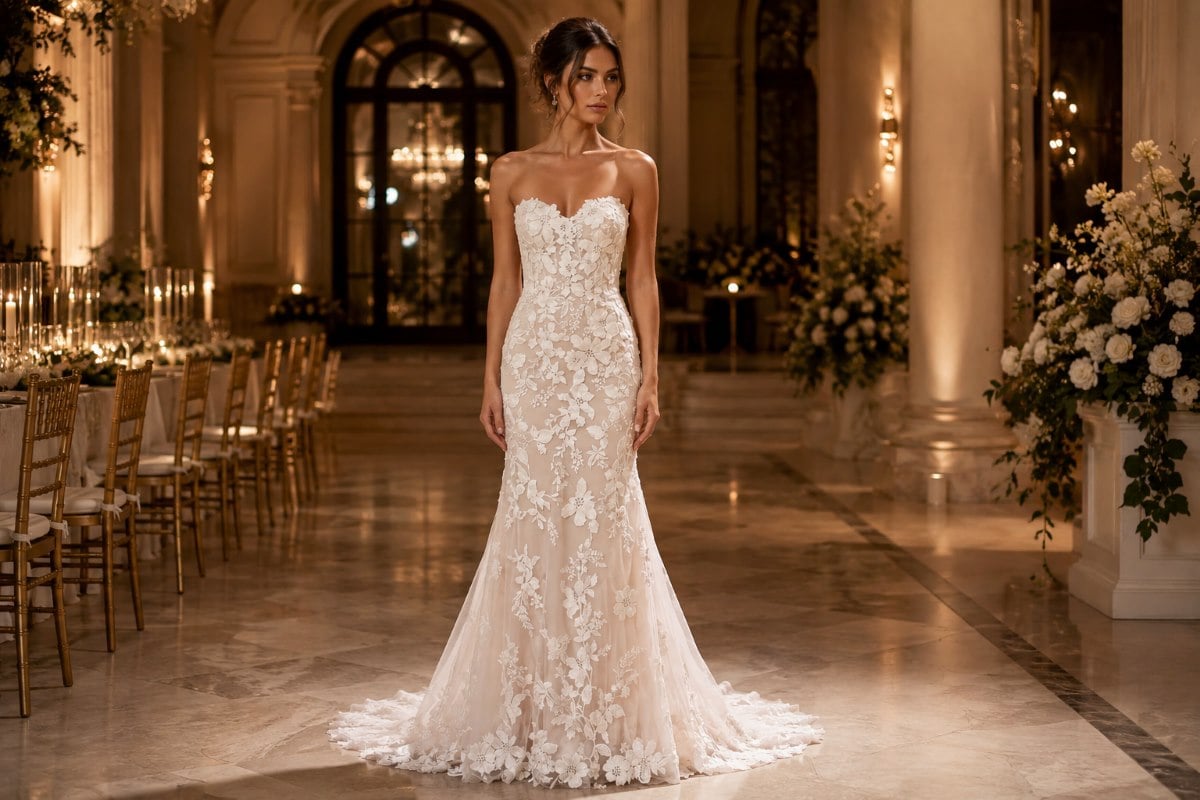
The primary catalyst for the rise of the Second wedding dress is pure practicality and physical comfort. Ceremony gowns are magnificent, but they are often constructed with heavy layers of tulle, rigid structural boning to maintain shape, dense, intricate beadwork, and sweeping trains that require constant management. While these elements look magnificent in a grand cathedral or a formal estate garden setting, they can quickly become cumbersome when trying to navigate a crowded reception hall, mingle intimately with guests, or perform a choreographed first dance.
Expressing Dual Style Personalities
Beyond the immense physical relief, the second wedding dress offers a brilliant sartorial opportunity for self-expression. Many brides feel incredibly torn between two distinct aesthetics during the dress shopping process. Perhaps you have always dreamed of a highly modest, long-sleeved, traditional lace gown for a religious church ceremony, but your everyday personal style is typically much more modern, sleek, fashion-forward, and sultry. A planned wardrobe change eliminates the need to compromise your vision. You can confidently wear the traditional, conservative masterpiece for your vows and family portraits, and seamlessly swap it for a daring, high-slit, contemporary design for the after-party.
Determining Your Reception Vibe and Aesthetic
Before you begin shopping for the evening portion of your celebration, it is critically important to clearly define the atmosphere, location, and energy of your reception. The dress you change into for reception festivities must harmonize beautifully with the physical environment, the style of music being played, and the overall mood you wish to cultivate for the night.
Black-Tie Ballroom Glamour
If your reception is being held in a grand, opulent ballroom, a historic luxury mansion, or an upscale, modern urban loft, your second look should maintain a high level of formality while simultaneously turning up the volume on glamour. In these sophisticated settings, brides often pivot away from voluminous princess skirts toward sleek, body-skimming silhouettes that reflect the ambient evening lights. Opting for exquisite beaded wedding dresses ensures that you command the room’s attention, sparkling brilliantly with every step you take.
Relaxed Romance for Outdoor and Destination Settings
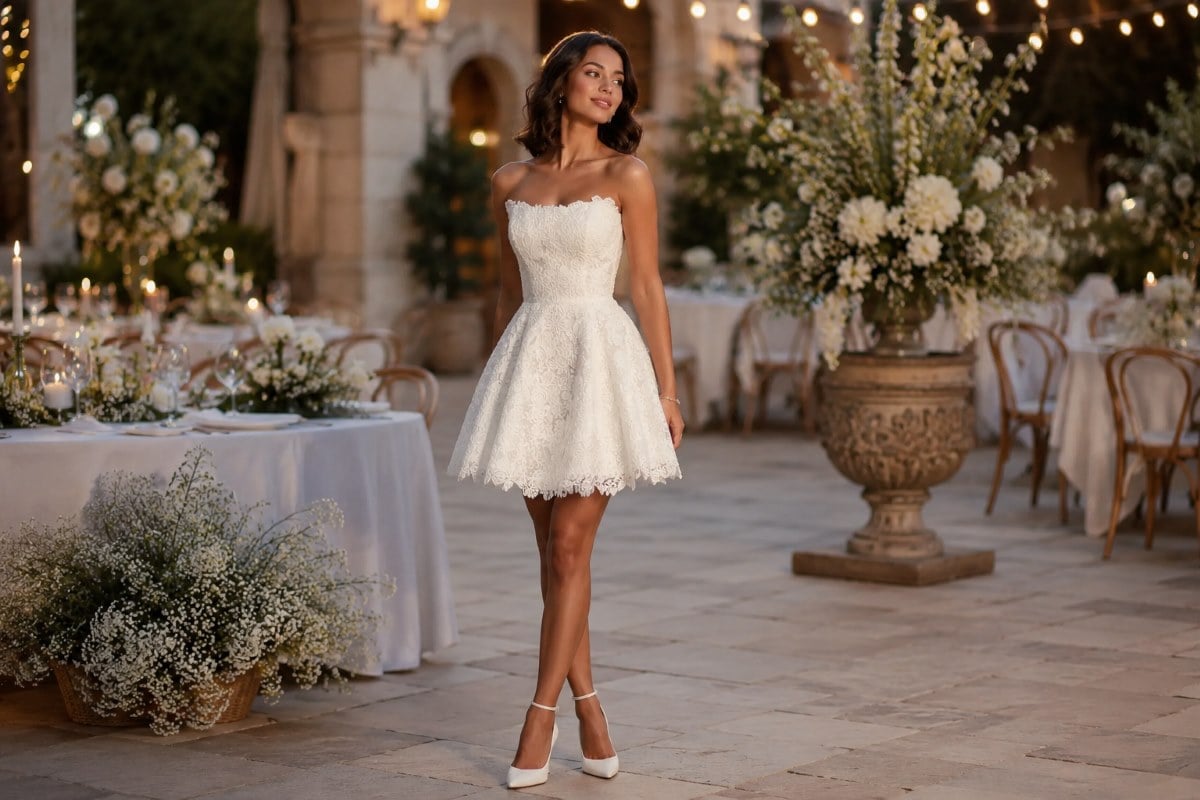
Conversely, if your reception is taking place in a rustic, elegantly draped barn, beneath a beachfront tent with the sound of the ocean, or in a lush, sprawling botanical garden, your evening look should lean heavily towards effortless, breathable romance. You need a dress that catches the evening breeze beautifully and allows you to walk comfortably and safely on uneven terrain like grass, gravel, or soft sand. For these organic environments, many brides gravitate towards casual wedding dresses that feature incredibly soft, breathable fabrics like silk chiffon, organza, or fine English net.
Top Silhouettes to Command the Dance Floor
The silhouette of your reception outfit dictates not just how you will look, but crucially, how you will be able to move for the remaining hours of the evening. When exploring your options, closely consider what specific activities you have planned. Are you doing a highly choreographed, fast-paced salsa or swing routine for your first dance? Will you be spending the majority of the night jumping up and down with your college friends to pop anthems? Your choice of shape should facilitate these joyful moments seamlessly, rather than hindering them.
The Playful Freedom of Short Styles
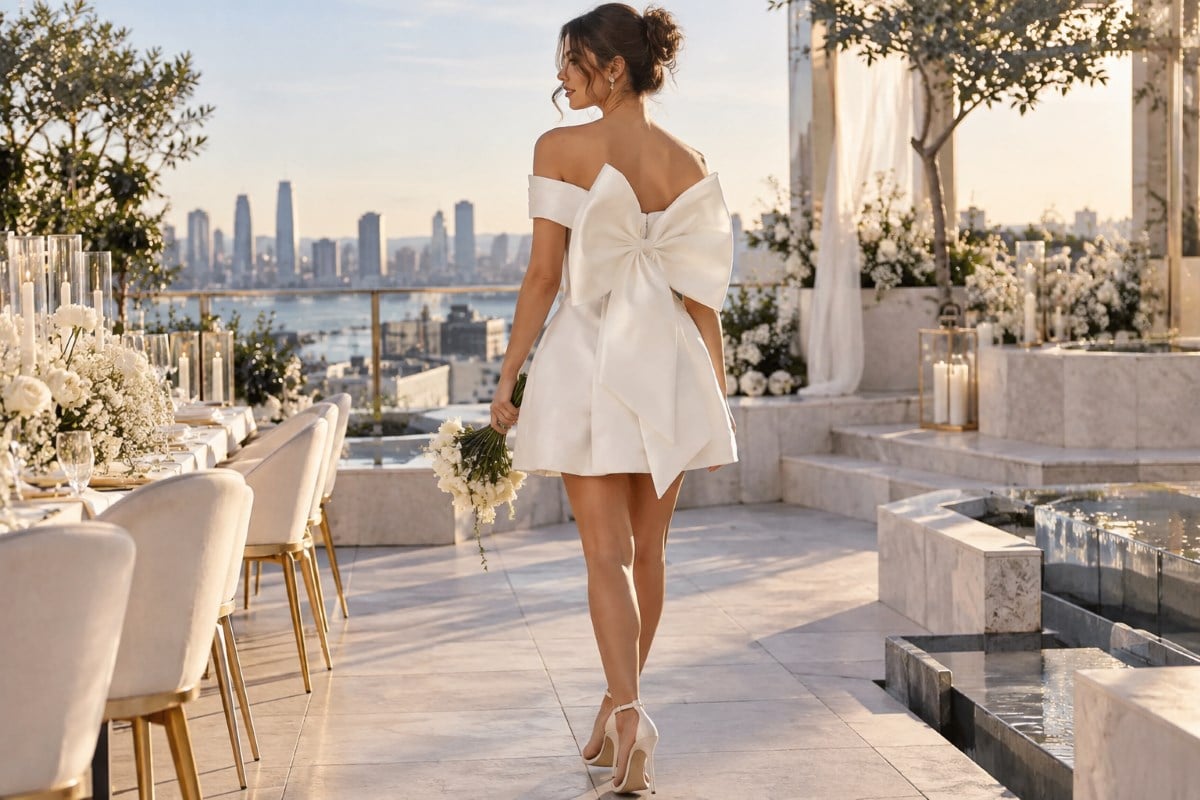
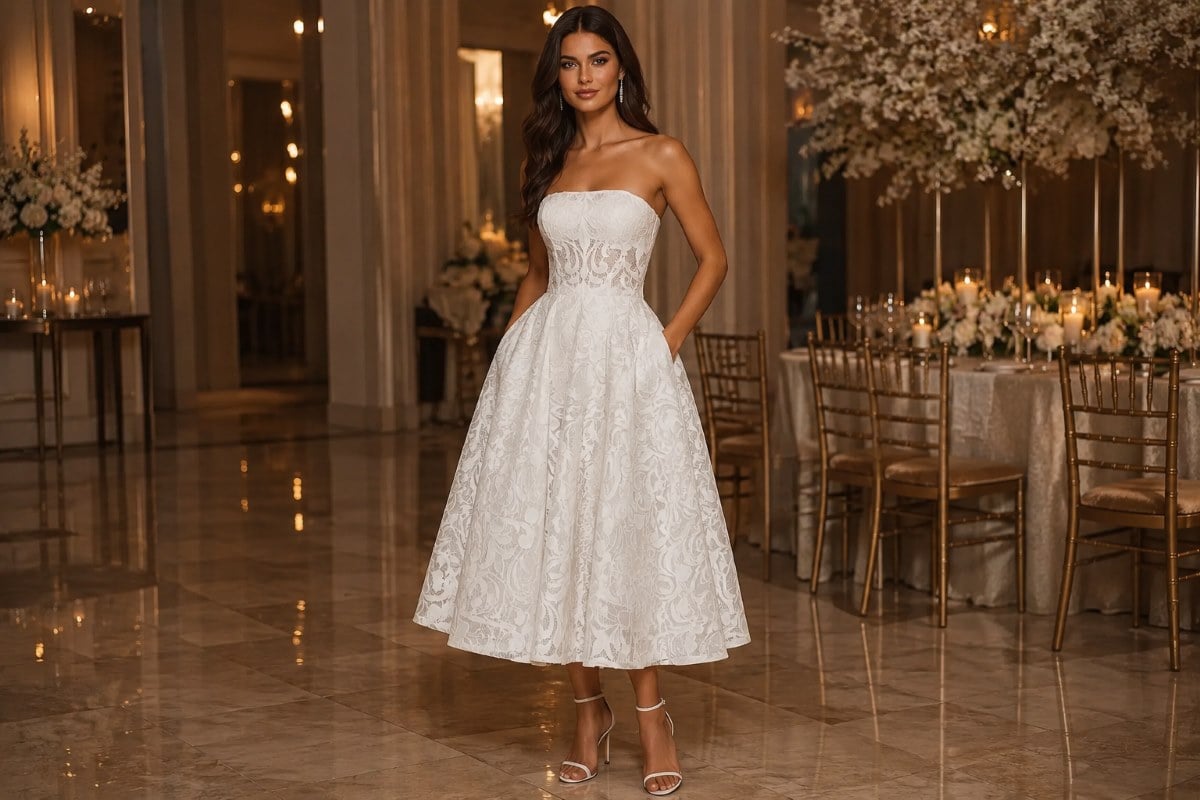
One of the most universally popular and practical choices for a reception change is abandoning the traditional floor-length hemline entirely. Opting for short wedding dresses instantly and effectively signals a shift in the evening’s tone from formal and serious to fun, relaxed, and ready to party. A mini or midi-length dress provides absolute, uncompromised freedom of movement for your legs, ensuring you can execute any dance move safely and without the constant fear of tripping over layers of fabric. Within the diverse realm of shorter hemlines, the classic little white dress has solidified its place as a modern bridal staple.
The Sensual Drama of Fitted Styles
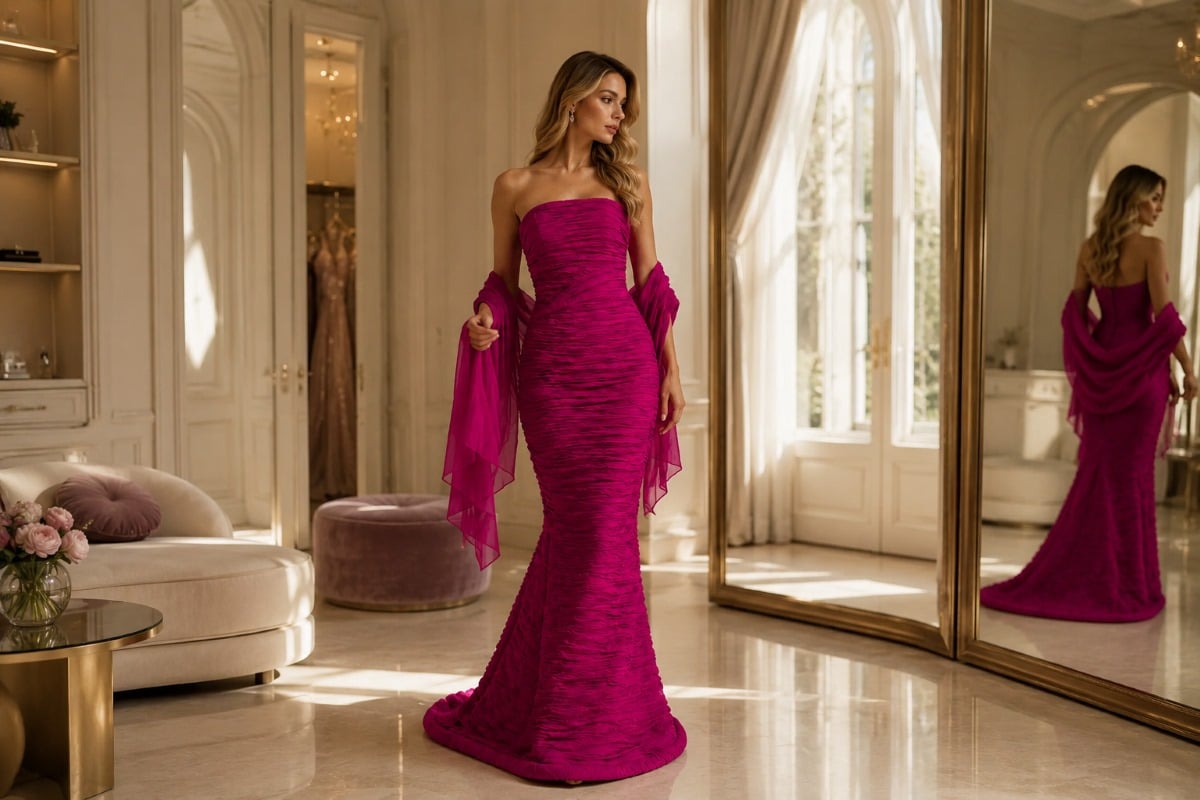
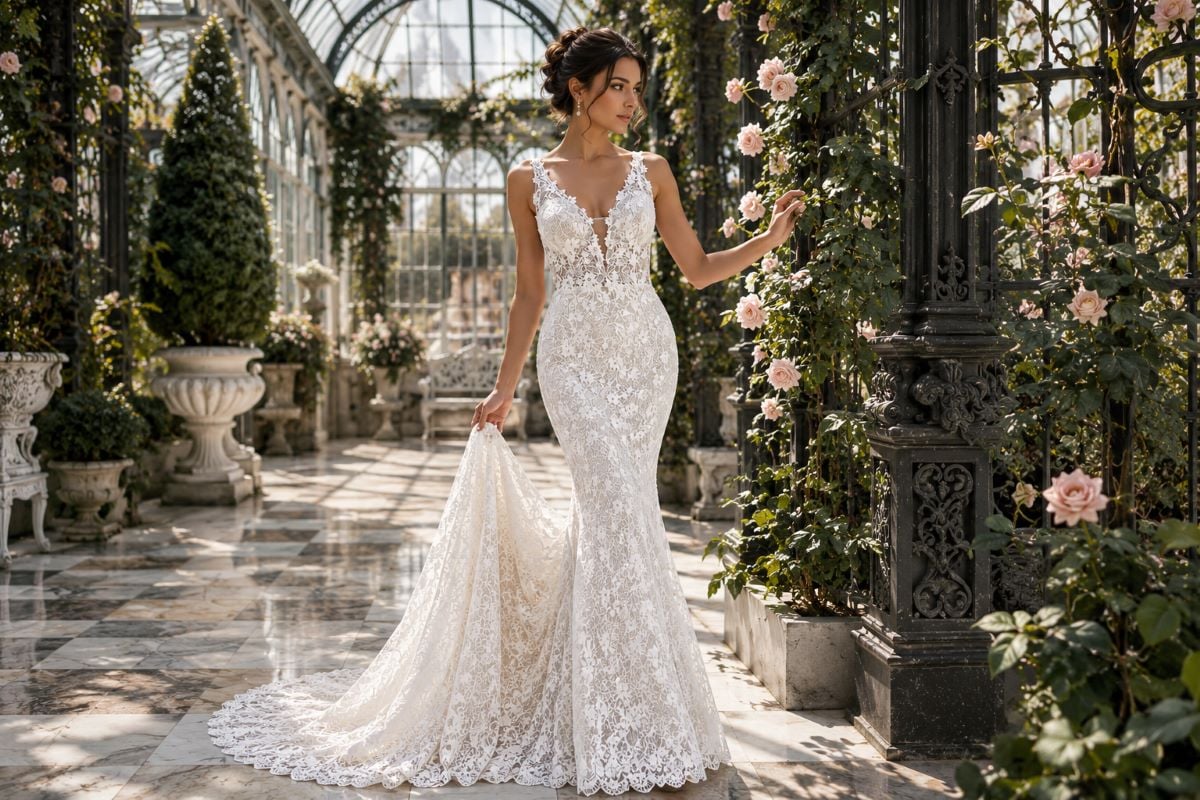
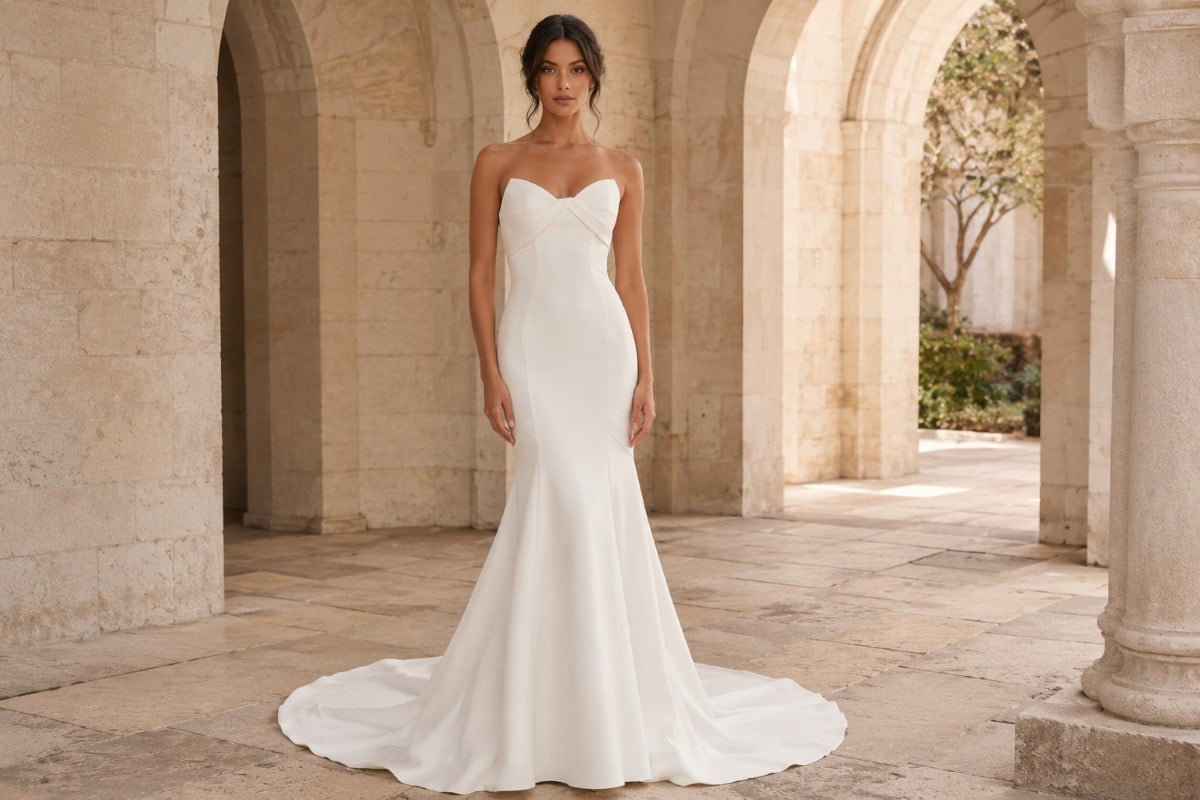
For the bride who deeply wants to maintain the elegance of a floor-length look but desires a much more sensual, curve-enhancing, and sophisticated shape for the evening hours, fitted silhouettes are entirely unparalleled. Exquisite mermaid wedding gowns are uniquely suited for creating a show-stopping, highly dramatic entrance into the reception space. By meticulously hugging the natural curves of the waist and hips and flaring out dramatically at or below the knee, this iconic silhouette celebrates the feminine form in a way that traditional A-lines or ballgowns simply cannot. When wearing a Second wedding dress in this silhouette, you ensure your entrance is memorable.
Modern and Avant-Garde Alternatives
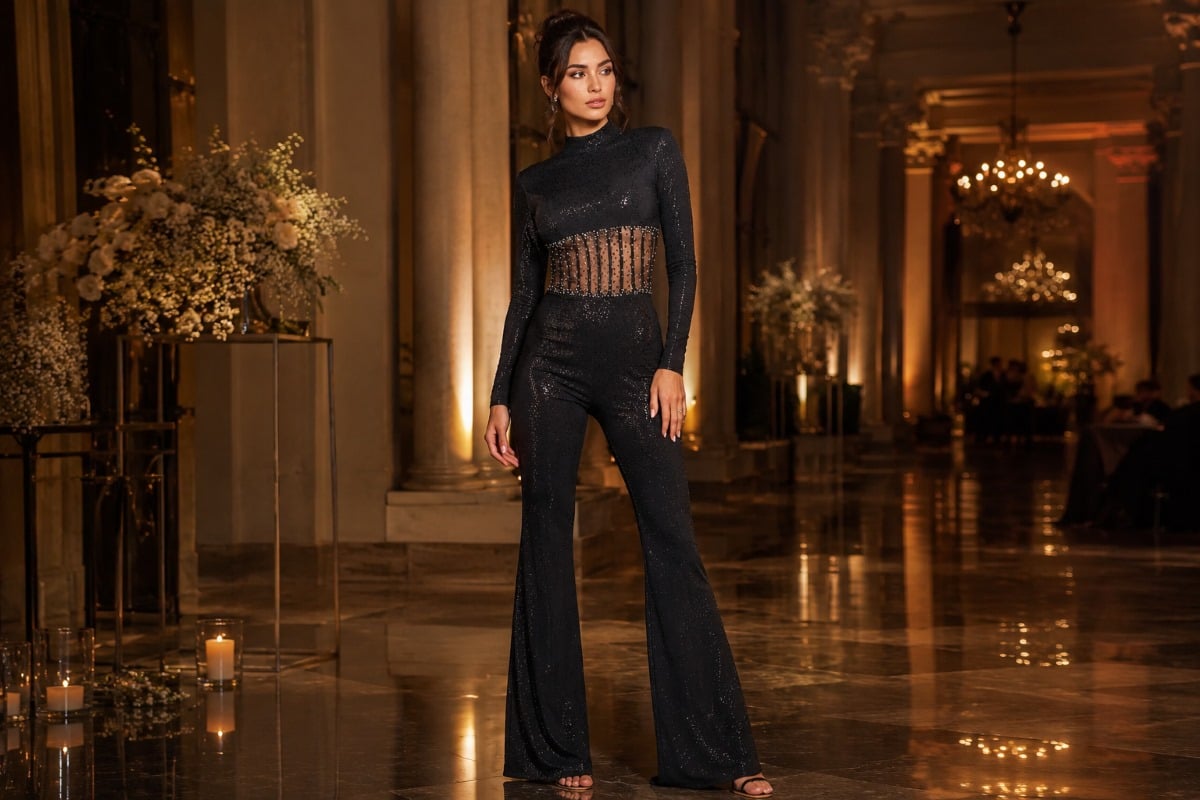
It is a wonderful reality of modern fashion that not every bride feels her absolute best or most authentic in a dress, and contemporary bridal fashion wholeheartedly embraces and celebrates this diversity. For the bold, avant-garde, or fashion-forward bride, expert tailoring and trousers offer a stunning, unforgettable alternative to the traditional skirt. Sleek, beautifully tailored bridal suits or sophisticated evening party jumpsuits deliver an incredibly chic, powerful, and confident statement. A beautifully cut white crepe jumpsuit featuring a daring plunging neckline, a sophisticated architectural halter top, or delicate lace sleeves provides maximum comfort and zero risk of wardrobe malfunctions on a vigorous dance floor.
Fabrics and Embellishments: Reacting to Evening Lighting
While the silhouette provides the foundational structure and mobility of your Second wedding dress, the fabric choice and the specific detailing provide the garment’s true personality. Because the reception is a controlled, indoor (or tented) environment with very specific, often artificial lighting—typically dim ambient light supplemented by bright spotlights, colorful disco lights, or romantic candlelight—you have the unique opportunity to choose materials that react beautifully and dynamically to these exact conditions.
Strategic Timing: When to Execute the Wardrobe Change
Once you have successfully selected the perfect bridal reception dress, the next logistical hurdle is strategically deciding exactly when to make the transition. The timing of your wardrobe change is not just a scheduling detail; it can serve as a distinct, powerful turning point in the flow of the evening, subconsciously signaling to your guests that the polite formalities are officially concluding and the real party is truly beginning.
The Post-First Dance Reveal
A highly popular and effective timeline involves the bride wearing her primary, formal gown for the grand reception entrance, the entirety of the dinner service, the toasts, and the traditional first dance. Immediately following the first dance, the bride will discreetly slip away to her private bridal suite with her styling team or bridesmaids. When she re-emerges into the reception space in her striking new look, the DJ can announce her return, acting as a powerful, unspoken invitation for all the guests to finally abandon their seats, join her on the dance floor, and truly let loose.
The Late-Night Transition
Alternatively, some brides deeply cherish their primary gown and prefer to stay in it for the vast majority of the evening, only opting to change in the final, most energetic hour or two of the night. In this specific scenario, the cake cutting dress serves a brilliant dual purpose: it fiercely protects your expensive, delicate, and often heirloom ceremony gown from potential, brightly colored frosting mishaps or spilled champagne, while simultaneously providing a fresh, highly energetic, and comfortable look for the late-night dancing, the traditional bouquet toss, and the highly photographed grand exit.
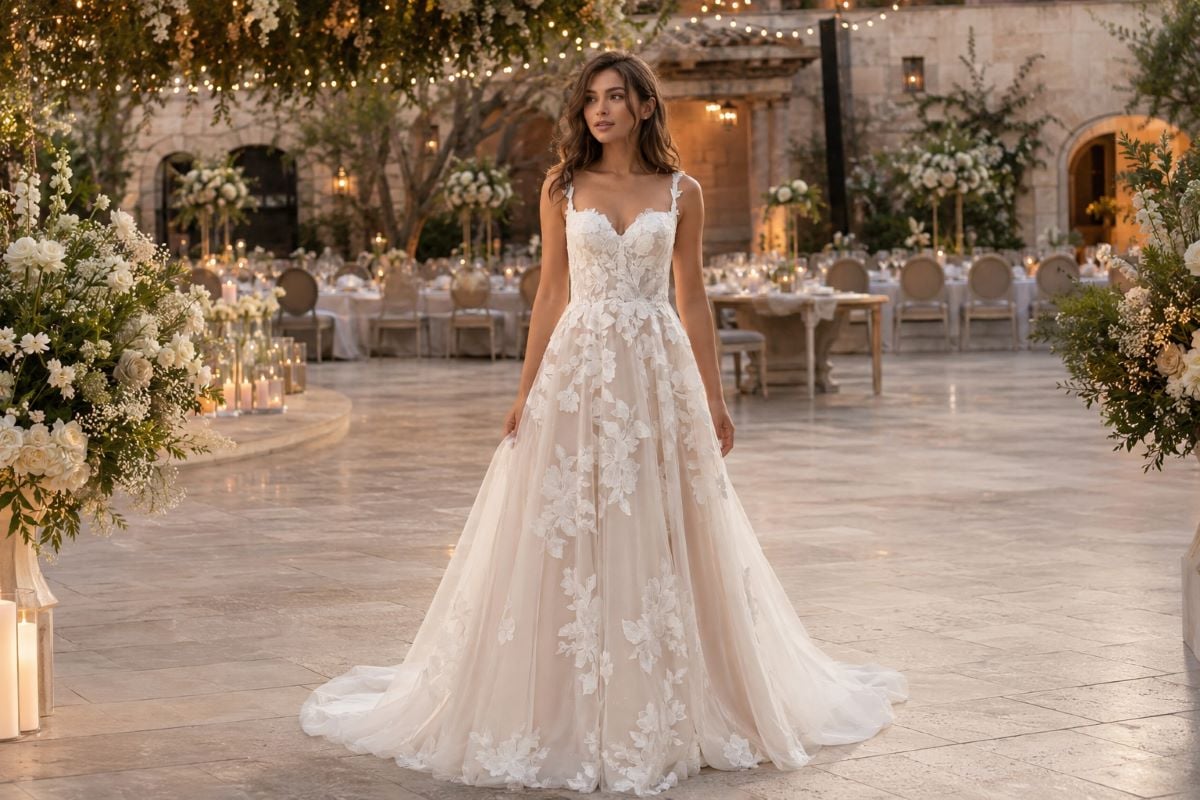
The Psychological Benefit of the Wardrobe Change
While the aesthetic and practical benefits are clear, it is incredibly important to acknowledge the profound psychological benefit of the wardrobe change for the bride. A wedding day, while joyful, carries a tremendous amount of emotional weight, anxiety, and anticipation. The ceremony is undeniably beautiful, but it requires a high level of composure, deep emotional focus, and a sense of performance. Taking just fifteen to twenty minutes away from the massive crowd to retreat to a quiet room and change into your Second wedding dress provides a rare, desperately needed quiet moment to breathe, hydrate, and mentally process the monumental fact that you are finally married.
Why Choose Jovani for Your Second Bridal Look?
When selecting the vital garments for the most important, highly photographed day of your life, the designer and brand you choose matters immensely. You need a brand that intrinsically understands the delicate intersection of high fashion aesthetics, rigorous structural integrity, and deep emotional resonance. Jovani has spent decades masterfully perfecting the art of the luxury evening gown, making the brand uniquely and perfectly qualified to dress the modern bride for the most celebratory portion of her night. The absolute core strength of a Jovani design lies in its impeccable, world-class construction. A dress that is explicitly meant for vigorous dancing, twisting, and celebrating must be built from the inside out to withstand intense movement while flawlessly retaining its beautiful shape.
FAQs About Choosing Your Second Wedding Dress
1. Is a second wedding dress absolutely necessary for a modern wedding?
No, it is not a strict, mandatory requirement, but it has become highly popular and standard for very practical reasons. If your primary gown is lightweight, comfortable, easy to bustle, and simple to move in, you may be perfectly happy and comfortable wearing it all night long. However, if your ceremony dress is physically heavy, highly restrictive around the ribs or legs, or features a massive, unmanageable train, a second look is highly recommended by planners to ensure you can actually participate in and enjoy your own reception.
2. Who typically pays for the reception dress?
The financial responsibility falls to whoever is graciously paying for the bridal wardrobe, which varies widely depending on the family’s specific financial arrangements. Traditionally, the bride’s family pays for the attire, but today, many independent couples fund their own wardrobes entirely or split the costs among multiple family members. The cost of the second look should be factored into the overall fashion budget from the very beginning of the planning process to avoid surprises.
3. Can my reception outfit be a color other than white, ivory, or champagne?
Absolutely! While many brides choose to stick to traditional ivory, soft champagne, or bright white to maintain a distinct, cohesive bridal feel throughout the night, the reception is the absolute perfect time to break the traditional rules. Some bold brides change into striking colors like deep red or black, shimmering metallics like liquid gold and silver, or soft, romantic pastels like blush pink or ice blue to perfectly match their wedding decor or simply to stand out and surprise their guests.
4. What exactly do I do with my first dress after I take it off in the bridal suite?
It is absolutely vital to have a clear, pre-arranged plan for the safe storage of your ceremony gown. Designate a trusted, sober bridesmaid, your mother, or your professional wedding planner to properly and carefully hang the dress up in a safe, secure, locked room (like the main bridal suite) in a durable, breathable garment bag. This crucial step prevents the highly expensive dress from being accidentally stepped on, spilled on by catering staff, or misplaced during the joyful chaos and movement of the reception.
Discover your perfect evening transition and explore the full relevant collection of exquisite styles at Jovani, meticulously designed to make your night utterly unforgettable.