
For decades, the expected answer to what a mother wears to her child’s wedding was a single floor-length gown, and anything else felt like a risk. That has changed. Modern mothers are dressing with more personality and more range, and one of the options drawing real attention is the coordinated two piece. A two-piece mother of the bride dress pairs a separate top with a matching skirt to create a look that reads as a single, intentional outfit while offering a more current, fashion-forward feeling than a traditional one-piece gown. It is not the right choice for every wedding or every mother, but for the right setting it can feel fresh, comfortable, and genuinely elegant. This guide walks through when the look works, how to keep it appropriate for the mother’s role, and how to choose the pieces so the result is polished rather than casual.
What a two-piece look means for a mother of the bride
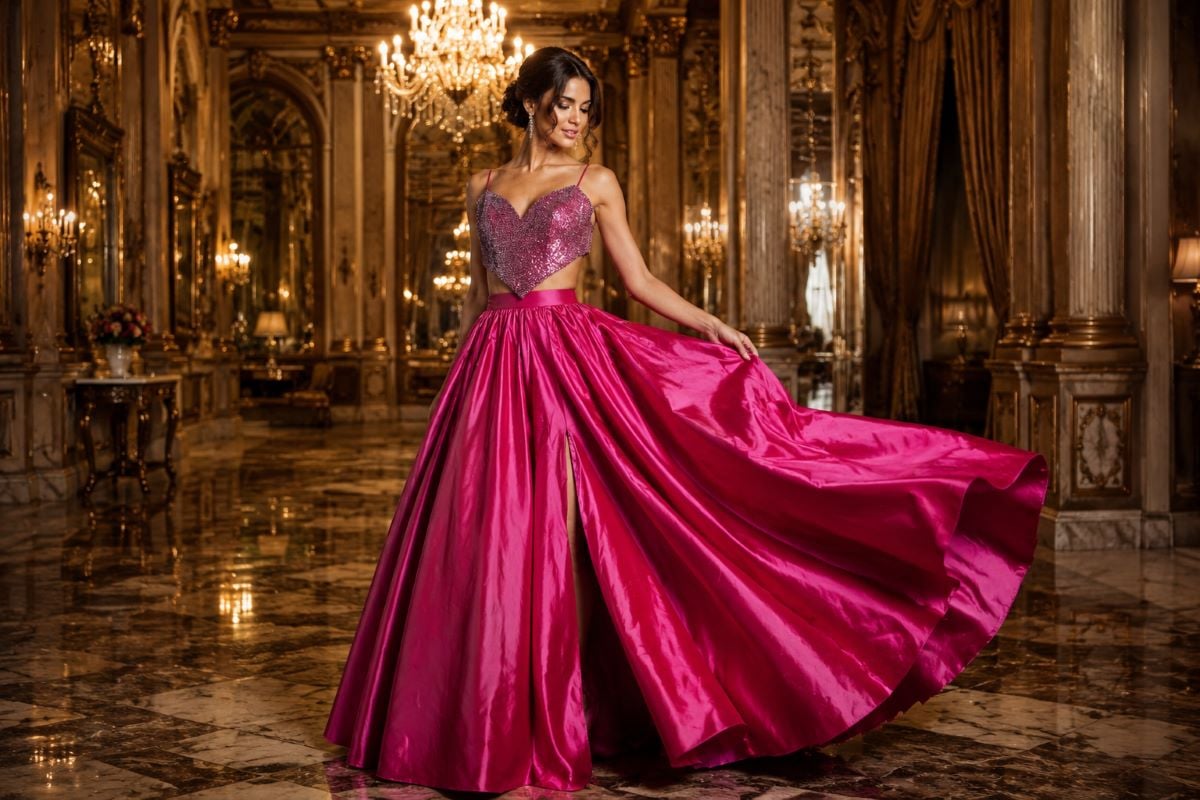
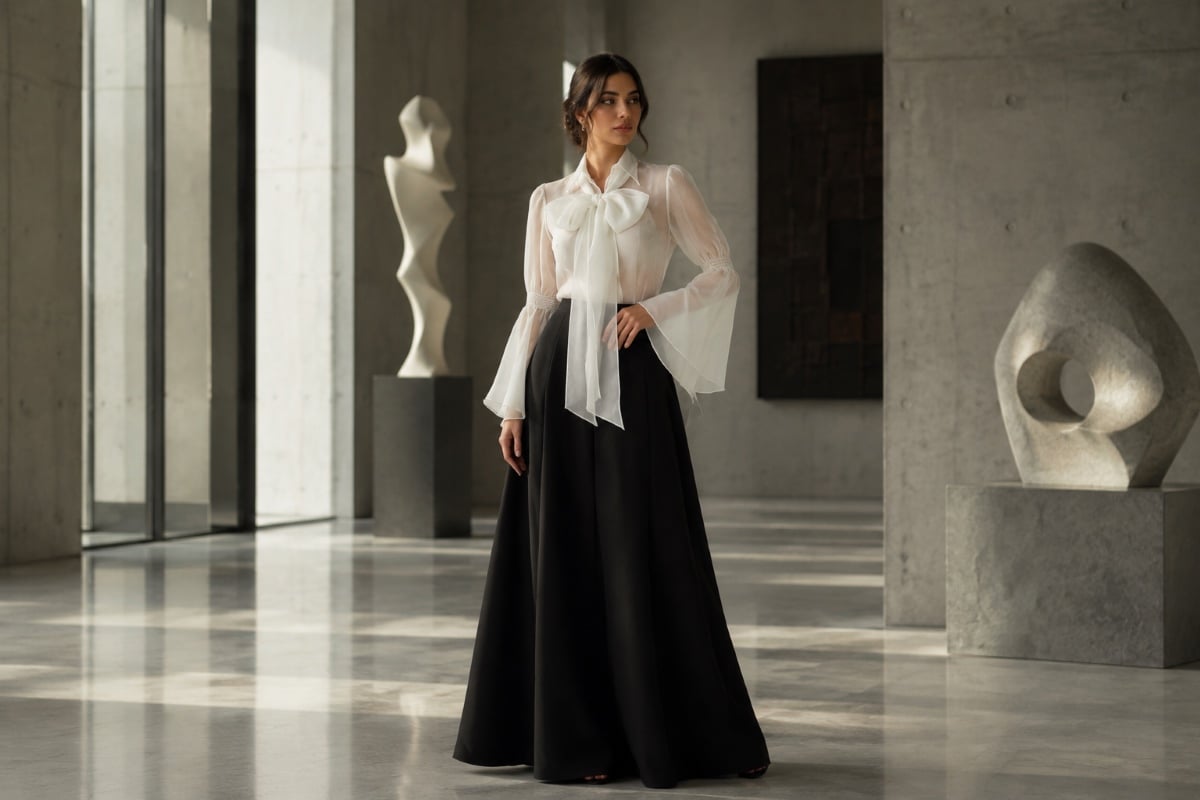
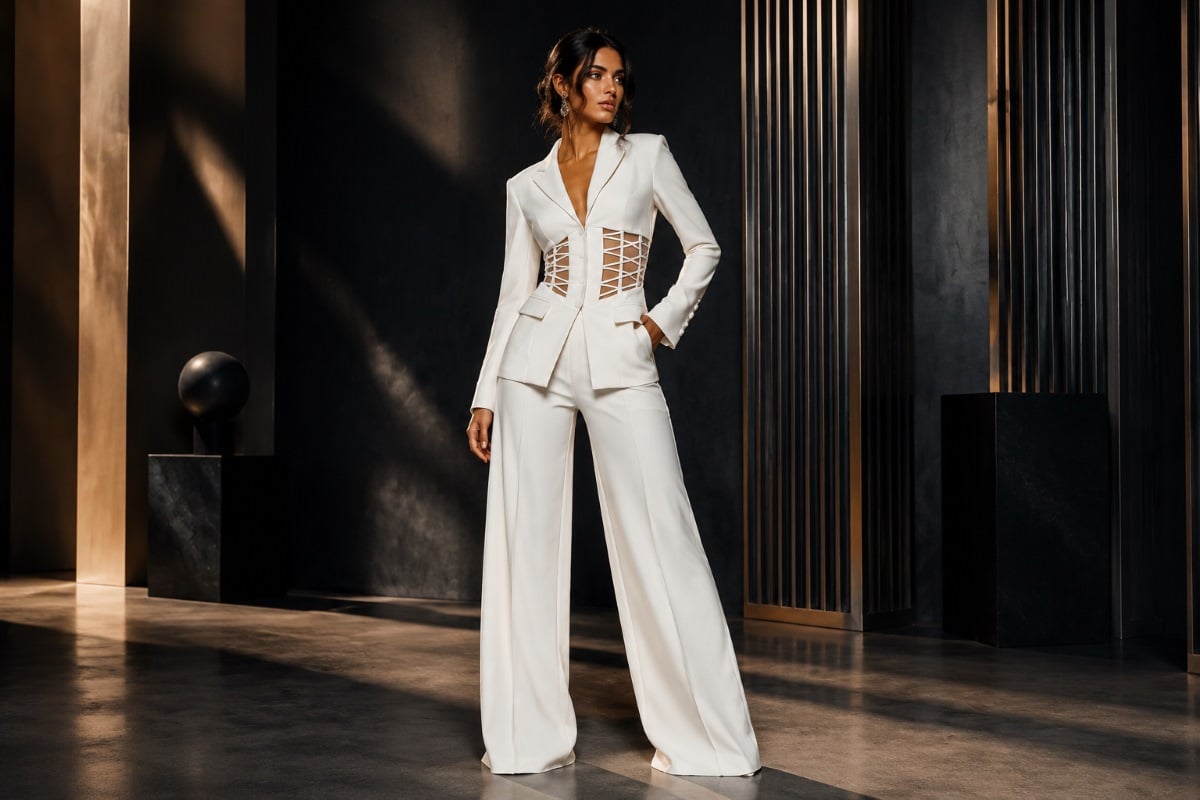
A two-piece in this context is not the cropped-top-and-skirt set a younger guest might wear to a cocktail party. For a mother of the bride, the look is built from a structured top and a coordinating skirt designed to read as a formal ensemble, with the two pieces meeting cleanly at or near the waist so very little skin shows, if any. The effect comes from the seam and the styling rather than from exposure. Done well, it gives a mother the polish of a gown with a little more visual interest and, often, a more comfortable fit, since separates can be sized and adjusted independently for the top and the bottom.
This is a meaningful distinction, because the mother’s role carries its own expectations. She is photographed constantly, greeted by guests from every side of the family, and present from the ceremony through the last dance. The wider collection of mother of the groom gowns shows the level of formality these moments call for, and a two-piece has to meet that same standard. The goal is an outfit that looks composed and dignified, suits the formality of the wedding, and never reads as casual separates thrown together. When those conditions are met, the two-piece becomes a sophisticated alternative rather than a compromise.
When a two-piece works, and when it does not
The two-piece suits some weddings far better than others, and being honest about that is what keeps the look appropriate. It is most at home at modern, semi-formal, and contemporary celebrations, especially evening receptions and stylish venues where the overall dress code leans current rather than strictly traditional. At that kind of wedding, a well-made two-piece in an elegant fabric reads as intentional and fashion-aware. A garden or cocktail-style wedding, a city celebration, or a reception with a fashion-forward crowd are all settings where the look feels natural.
For a very formal or traditional wedding, a black-tie cathedral ceremony, a grand ballroom, or a religious service with strict expectations, a floor-length one-piece gown is usually the safer and more fitting choice. The collection of long mother of the bride dresses shows why a sweeping single gown carries the gravity those settings ask for. This does not mean a two-piece can never work at a formal wedding, but it has to be built from rich fabric, cut at a formal length, and styled with real care to hold its own. When in doubt about the formality, the one-piece gown is the more reliable answer, and the two-piece is best reserved for the weddings whose tone genuinely supports it.
How this differs from a two-piece guest look
It is worth drawing a clear line between a mother’s two-piece and the version a wedding guest might wear, because the rules are not the same. A guest has more freedom to show a sliver of midriff or choose a shorter skirt, since the stakes around her outfit are lower. The reasoning behind those guest choices is laid out in the guide to the two-piece wedding guest dress, and reading it makes the contrast obvious. The mother of the bride holds a more prominent, more photographed role, which means more coverage, a more formal length, and a more restrained overall effect. Her two-piece should read as elegant and considered, closer to a gown in spirit, while a guest’s can lean more playful. Understanding that difference is the first step to choosing a two-piece that suits the responsibility of the role.
Coverage is the decision that matters most
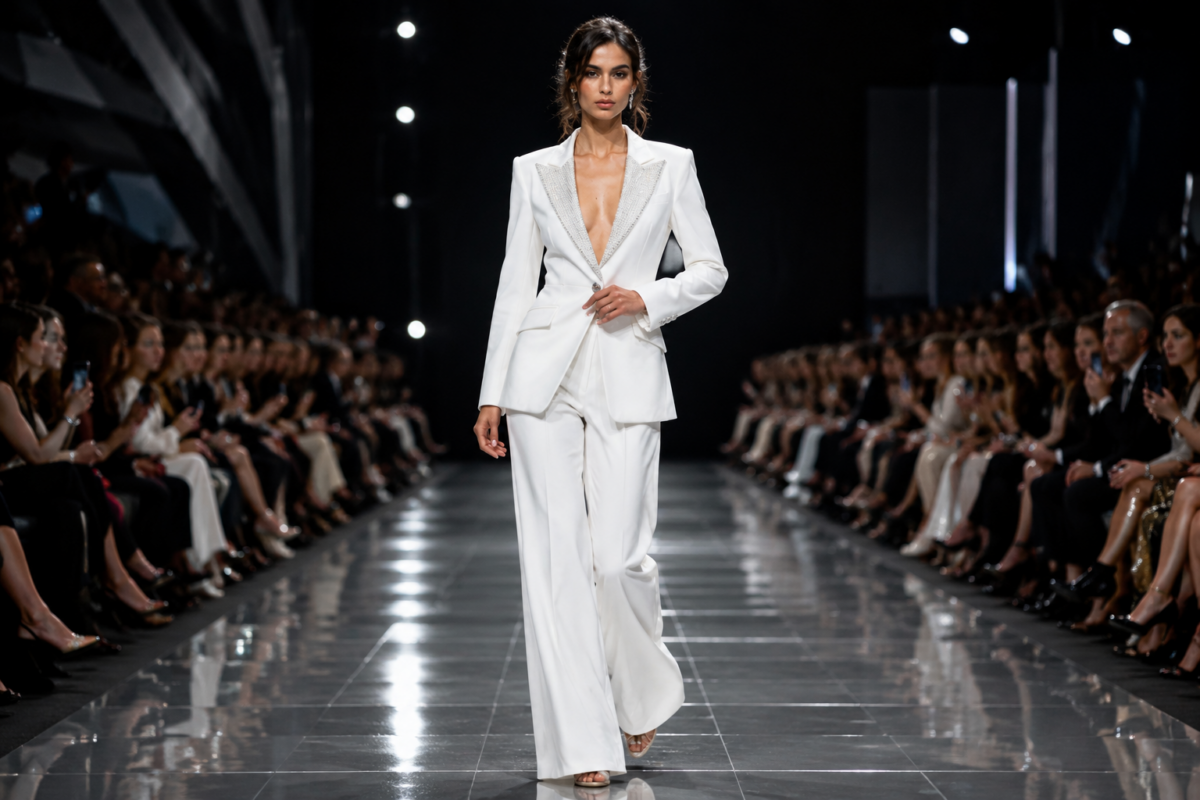
If there is one choice that determines whether a two-piece mother of the bride dress looks appropriate, it is coverage. A wedding, and especially the mother’s place in it, is not the setting for exposed midriff. The most fitting two-piece styles are those where the top and the skirt nearly meet or fully meet, showing only a sliver of skin or none at all. A high-waisted skirt paired with a top that sits close to it gives the modern two-piece silhouette while keeping the look polished and respectful of the day. Out of consideration for the couple and the formality of the occasion, less skin is consistently the more elegant choice.
For a mother who loves the two-piece concept but wants full coverage, there are easy ways to get there. A top with a higher neckline, an illusion or mesh panel bridging the waist, or a longer overtop that skims past the waistline all preserve the two-piece effect while covering completely. Many of these approaches overlap with the principles behind modest mother of the bride dresses, which is useful for a mother who wants coverage for a religious ceremony or simply prefers it. The two-piece look does not require showing skin to work, since the interest comes from the seam, the proportions, and the fabric. Choosing coverage first, then building the rest of the look around it, keeps the outfit firmly in appropriate territory.
Choosing fabric, length, and color
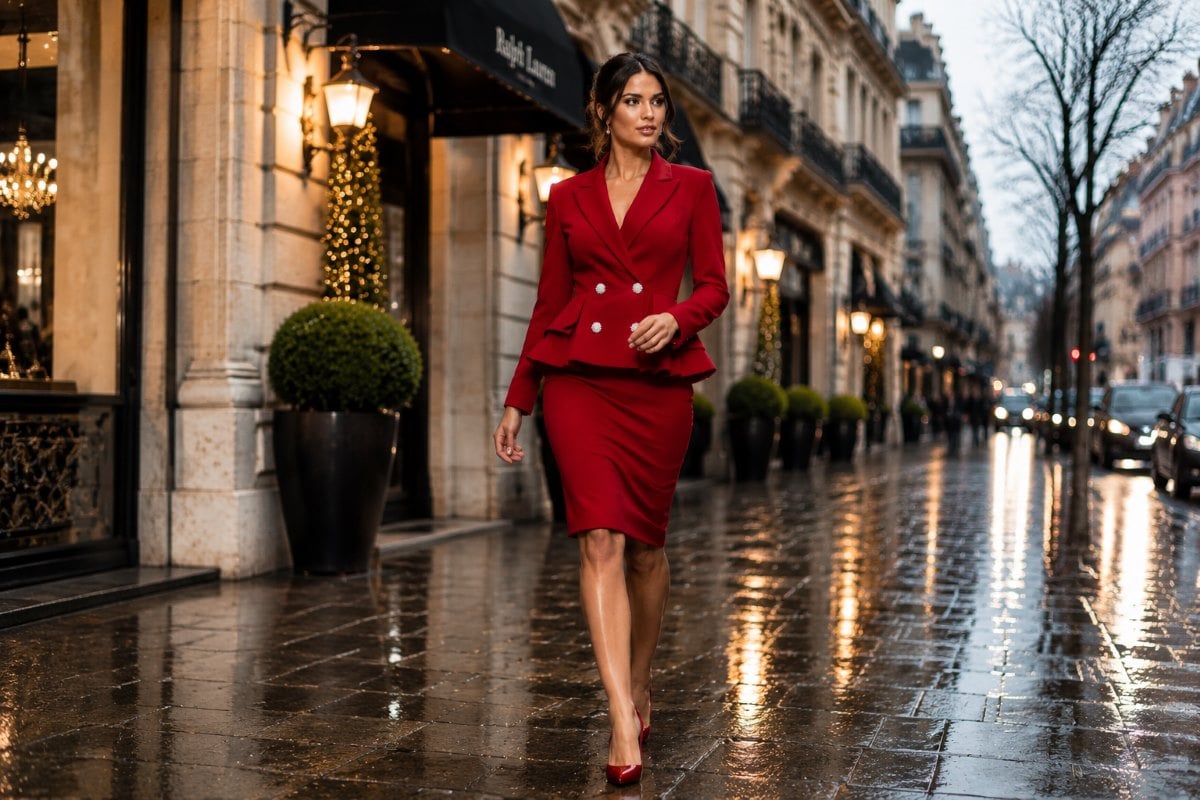
Once coverage is settled, the choices of fabric, length, and color decide whether the two-piece reads as formal or casual, and these details matter more for separates than for a single gown. Fabric carries much of the elegance. Quality materials like satin, crepe, and beaded mesh read as formal and intentional, holding their shape and catching light in a way that elevates the look, while casual fabrics undercut it immediately. A beaded or embellished top paired with a clean satin or crepe skirt is a reliable formula, and the range of beaded mother of the bride dresses shows how embellishment reads at this level of formality. The fabric is what separates a refined ensemble from an outfit that looks pieced together.
Length sets the formality of the skirt. A floor-length or true midi skirt reads as more formal and balances the two-piece silhouette, while a shorter skirt leans casual and is better suited to a relaxed celebration. For most weddings, a longer skirt paired with a coordinating top creates the most appropriate and polished result, and the longer line keeps the look sophisticated rather than playful. Color follows the familiar wedding logic: avoid white, ivory, and anything bridal, and steer clear of matching the bridesmaids too closely. Beyond that, a flattering jewel tone, a soft seasonal shade, or an elegant neutral all work beautifully. A coordinated two-tone effect, where the top and skirt differ slightly in shade, can read as deliberate and current when handled with restraint.
Fit and comfort across a long day
One of the real, practical advantages of a two-piece is fit. Because the top and skirt are separate, they can be sized and tailored independently, which is a genuine benefit for a mother whose proportions differ between her upper and lower body. A separate top can be fitted precisely through the shoulders and bust while the skirt is adjusted for the waist and hips, often producing a cleaner fit than a single gown cut to one set of measurements. That independence makes the two-piece a strong option across a wide range of figures, including for a mother who appreciates the way plus-size mother of the bride dresses are engineered with structure and support built in. Jovani has constructed formalwear in its New York studio since 1983, using details like steel boning through the bodice and power mesh lining to shape and support without compression, and those same construction methods carry into a well-built two-piece. Comfort matters here because the mother is on her feet for hours, and a look that fits properly lets her greet, sit, and dance without constant adjusting.
Styling a two-piece so it reads as one outfit
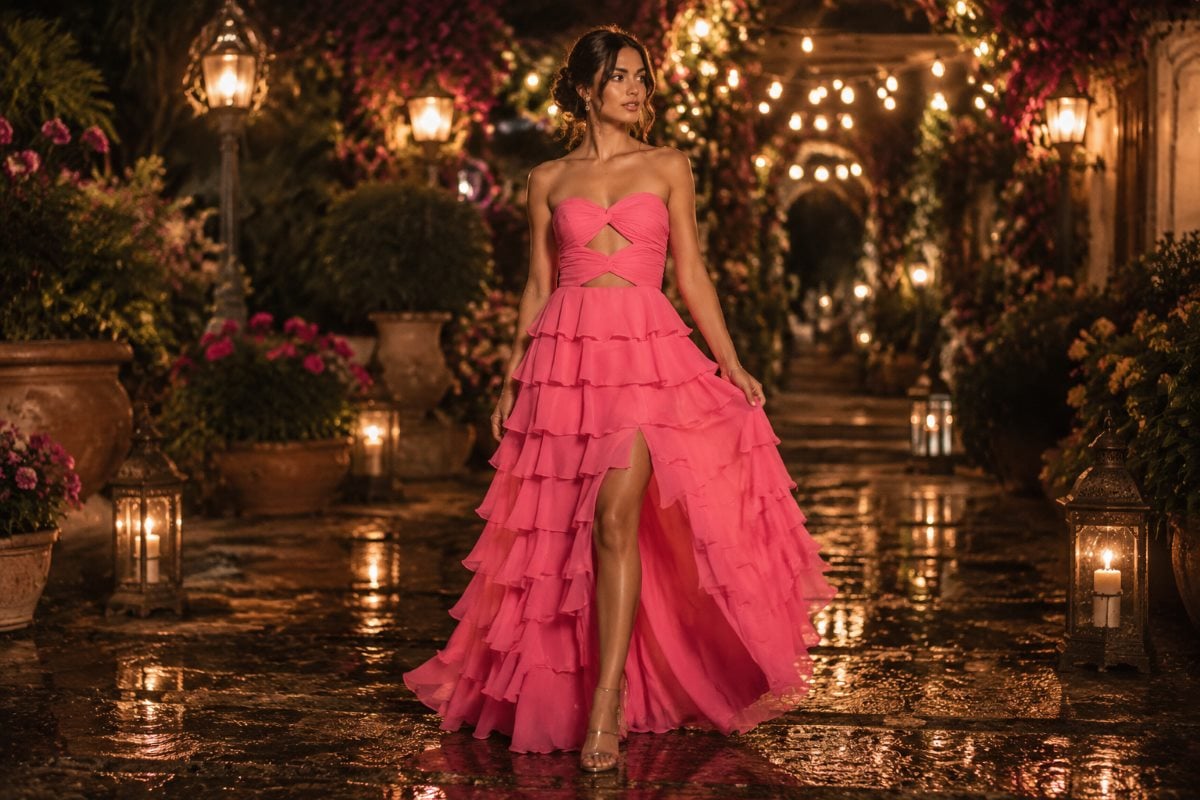
The styling goal with any two-piece is cohesion: the top and skirt should look like halves of a single, intentional outfit rather than two separate garments. The cleanest way to achieve that is to let one piece lead and the other support. If the top is heavily beaded or detailed, the skirt should stay simple and clean, and the reverse holds true as well. Two competing, equally busy pieces read as cluttered, while a clear hierarchy reads as designed. Keeping the color story tight, whether matching exactly or coordinating two close shades, reinforces the sense that the pieces belong together.
Accessories should support the look without crowding it. Refined jewelry, a structured clutch, and a comfortable heel finish the outfit without competing with the two-piece detail at the waist. Above all, the mother’s outfit should complement the wedding rather than compete with the bride, and observing that balance is part of the broader etiquette of the role. The guidance in mother of the bride dress etiquette covers how to coordinate with the couple’s vision, when to confirm colors with the bride, and how to stay appropriately dignified, all of which apply just as much to a two-piece as to a gown. Thoughtful styling is what turns a fashion-forward idea into a look that feels right for the occasion.
Is a two-piece right for you?
A two-piece mother of the bride dress suits a particular kind of mother: one who wants a current, fashion-aware look, who likes the idea of a more interesting silhouette than a single gown, and who is attending a wedding whose tone genuinely supports it. It rewards a mother who is comfortable with coverage and restraint, since the look depends on keeping skin minimal and the overall effect polished. For that mother, at the right wedding, a two-piece offers personality, a flattering independent fit, and a refined alternative to the expected gown.
For a mother attending a very formal or traditional wedding, or one who simply feels most confident in a classic single gown, the two-piece may be more statement than she wants, and a one-piece is the easier, safer choice. There is no wrong answer here, only the question of what suits the wedding and the woman wearing the dress. For help weighing the broader decision of silhouette, formality, and timing, the overview in choosing the perfect mother of the bride dress is a useful companion, since it places the two-piece within the full range of options a mother has. Understanding the look gives her one more strong, modern choice to consider as she decides.
two-piece mother of the bride dress FAQ’s
What is a two-piece mother of the bride dress?
A two-piece mother of the bride dress is a coordinated formal outfit made of a separate structured top and a matching skirt, designed to read as a single, intentional ensemble. Unlike a casual crop-top set, the mother’s version keeps the top and skirt meeting cleanly at or near the waist so very little skin shows. The look offers the polish of a gown with more visual interest and, often, a more comfortable fit, since the two pieces can be sized and tailored independently. It has become a way for mothers to look current and considered without abandoning the formality the role calls for, which is much of its appeal.
Is a two-piece appropriate for the mother of the bride?
It can be, provided it is styled with coverage and formality in mind. The mother of the bride holds a prominent, heavily photographed role, so her two-piece should show minimal or no midriff, use a formal skirt length, and rely on quality fabric. At a modern or semi-formal wedding, a well-made two-piece reads as elegant and current. At a very formal or traditional wedding, a floor-length one-piece gown is usually the more fitting choice, so matching the look to the wedding’s tone is essential.
How is it different from a two-piece wedding guest outfit?
The main difference is coverage and formality, driven by the difference in role. A wedding guest has more freedom to show a little midriff or wear a shorter skirt, since less attention is on her outfit. The mother of the bride is far more visible and photographed, which calls for more coverage, a more formal length, and a more restrained overall effect. Her two-piece should read closer to a gown in spirit and dignity, while a guest’s version can lean more playful and fashion-forward.
What fabric works best for a two-piece mother of the bride look?
Quality, structured fabrics work best because they hold their shape and read as formal. Satin and crepe are reliable for the skirt, giving clean lines and a polished finish, while a beaded or embellished mesh works beautifully for the top. Pairing one detailed piece with one simple piece keeps the look balanced. Casual fabrics like jersey in a relaxed cut undercut the formality immediately, so investing in better materials is what separates an elegant ensemble from an outfit that looks pieced together.
What length should the skirt be?
For most weddings, a floor-length or true midi skirt is best, since a longer length reads as more formal and balances the two-piece silhouette. A floor-length skirt suits formal and evening weddings, while a midi can work for a slightly less formal celebration. A short skirt leans casual and is generally better suited to relaxed events than to the mother-of-the-bride role. The longer length also helps the two-piece read as a considered formal choice rather than a casual party outfit, which matters given how visible the mother is.
Can a two-piece be flattering for different body types?
Yes, and the independent fit is one of its strengths. Because the top and skirt are separate garments, they can be tailored to different measurements, which often produces a cleaner fit than a single gown for a mother whose proportions differ between her upper and lower body. A structured top with internal support pairs with a skirt cut to flatter the waist and hips, and choosing coverage and a longer length creates balanced, elongating lines. With thoughtful fit and quality construction, a two-piece can flatter a wide range of figures.
If a coordinated two-piece sounds like the modern, comfortable direction you want for your child’s wedding, the best next step is to try the pieces on and feel how they fit and move together, which you can do by visiting an authorized Jovani retailer to see the fabrics, proportions, and construction in person.