
How to Sit Gracefully in a Formal Gown: Skirts, Posture, and Photo-Ready Composure
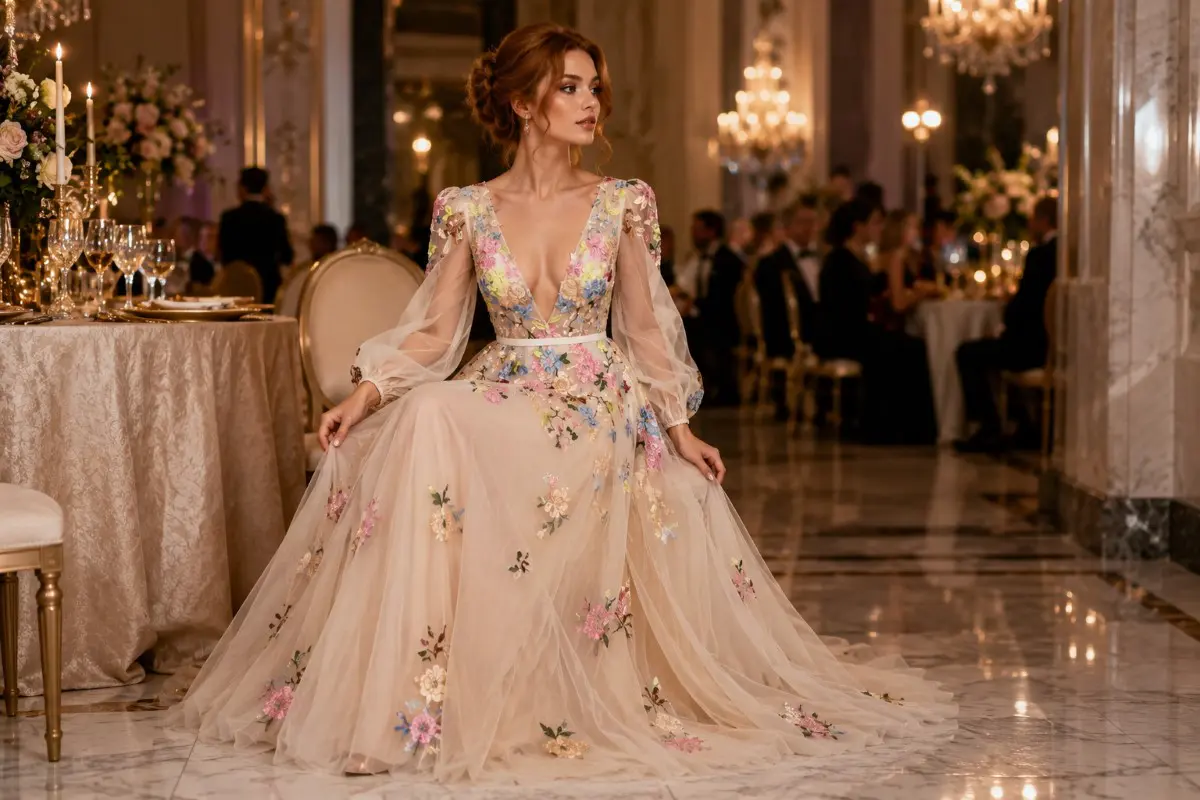
You can practice walking, perfect your hair, and choose the right shoes, and the moment that often catches you off guard is the simplest one of all: sitting down. A long, voluminous, or fitted formal gown does not sit the way regular clothing does, and most women have never been told how to do it well. The result is a stunning outfit photographed at half its potential, with the dress rumpled, the skirt bunched, or the bodice pulled out of place across every dinner shot. The good news is that sitting gracefully in formal wear is a small set of learnable techniques, and once you know them, every photograph of you seated looks as composed as your standing ones. This guide explains exactly how to sit in a formal gown, with practical advice for every silhouette, every type of chair, and every camera moment.
Why Sitting in a Formal Gown Is Its Own Skill
Everyday clothing forgives almost anything you do in a chair. A formal gown does not. The fabric is more delicate, the silhouette is more structured, and the volume of the skirt has nowhere to go when you collapse onto a seat the way you would in jeans. What looks effortless in person, a graceful descent, a dress that settles instead of bunches, a bodice that stays put, is the result of a small ritual you can practice in a few minutes.
There is also a photography reality worth naming directly. Most formal events involve hours of seated time: ceremony chairs, dinner tables, lounge sofas during cocktails. The camera does not stop running just because you are sitting down. Some of the most-shared photos from any wedding, prom, or gala are seated ones, the toast, the speech, the candid laugh across the table. A gown that looks beautiful standing but rumples the moment you sit is photographed at less than its best for half the evening. Learning how to sit in a formal gown is really about extending the effort you put into the outfit through every moment of the night, not just the entrance. The broad range of formal dresses includes silhouettes that handle sitting more or less easily, and the techniques in this guide work for all of them.
One reassurance before we go further: none of this requires unusual flexibility or dancer's training. It is mostly a matter of slowing down, smoothing the skirt before you sit, and knowing where to put your hands. Anyone can do it.
The Universal Approach: Smooth, Lower, Settle
Before getting into specific silhouettes, there is a three-step approach that works for every formal gown, every time. Treat it as a small ritual rather than a single motion.
The first step is to smooth the skirt with your hands as you reach the chair. Standing just in front of where you will sit, gather the front of the skirt gently with both hands and sweep it back along your thighs, smoothing it down behind you. This single motion prevents the most common mistake, sitting on a bunched front skirt that then traps you and pulls the bodice forward. You want the front of the skirt to lie flat over your legs as you lower, not crumple beneath you.
The second step is to lower yourself slowly and with intention. Drop into the chair the way you might into a yoga pose, controlled rather than collapsed. Keep your back straight as you descend; let your legs bend rather than your spine. The skirt has time to settle around you when you move slowly, but it bunches and twists when you drop hard.
The third step, once you are seated, is to settle. Use one quick discreet hand motion to smooth the skirt across your lap, check that the bodice is sitting where it should, and adjust your posture. Three seconds of settling at the end of sitting down is what turns a functional moment into a composed one. That ritual, smooth, lower, settle, is the foundation that every silhouette-specific technique below builds on.
How to Sit in Each Major Silhouette
Different gowns sit differently because their construction is different. Knowing what your specific silhouette does helps you anticipate the challenge.
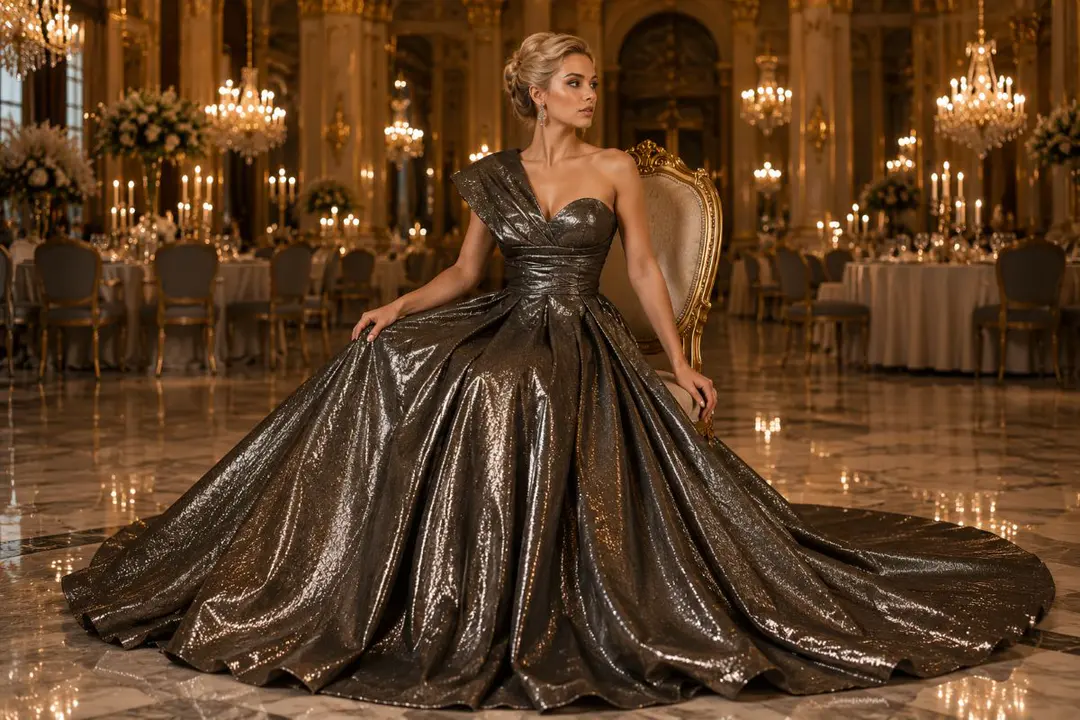
The Ball Gown
A ball gown is the most visually dramatic silhouette to sit in, with a full, voluminous skirt that needs somewhere to go when you take a seat. The technique is to gather the front skirt slightly higher than usual as you smooth it back, then sit forward on the chair rather than pushing all the way against the back, so the skirt has room to fan out in front of you. The volume should sweep gracefully across your lap and the floor in front of the chair, not crumple behind you. A ball gown actually photographs beautifully seated, because the spread skirt creates a flattering visual frame, but only if you give the volume the room it needs. The styles among ball gown prom gowns show how much skirt can be involved, and a moment of patience while sitting is the difference between looking regal and looking buried in fabric.
The Mermaid
A mermaid silhouette is the trickiest to sit in, because the fitted hip and thigh leave very little room to bend. The trick is not to try to fold a mermaid gown into a normal sitting position. Instead, sit slightly toward the edge of the chair, with one leg crossed gently over the other or with your knees angled to one side rather than directly forward. This creates the bend the gown needs while keeping the fitted line of the dress intact. Avoid sitting with knees apart or with thighs pressed firmly together in a way that strains the fabric. The flexible flare at the knee of the styles among mermaid evening dresses gives you the room to do this gracefully, as long as you sit with a slight diagonal rather than facing dead forward.
The A-Line and Fit-and-Flare
An A-line is the most forgiving silhouette to sit in, because it is fitted only through the bodice and waist, then flares away from the body. The smooth, lower, settle approach works perfectly here without much modification. The skirt is light enough to gather quickly, the flare gives your legs room to bend, and the dress recovers its shape easily after you stand up. This is the silhouette to choose if you anticipate a great deal of sitting and want the least to think about.
The Sheath and Fitted Column
A sheath or fitted column gown is sleek and body-skimming all the way down, which means it has the same problem as a mermaid through the legs, with even less flare to give. The technique is similar: angle your knees to one side rather than directly forward, and sit slightly toward the edge of the chair. Avoid crossing your legs at the knee in a fitted gown, which can stress the fabric across the thigh; cross at the ankle instead. Length matters here too, since the styles among long formal dresses in a fitted cut need the hem to fall correctly without riding up when seated, so the slight angle helps the line of the gown stay clean.
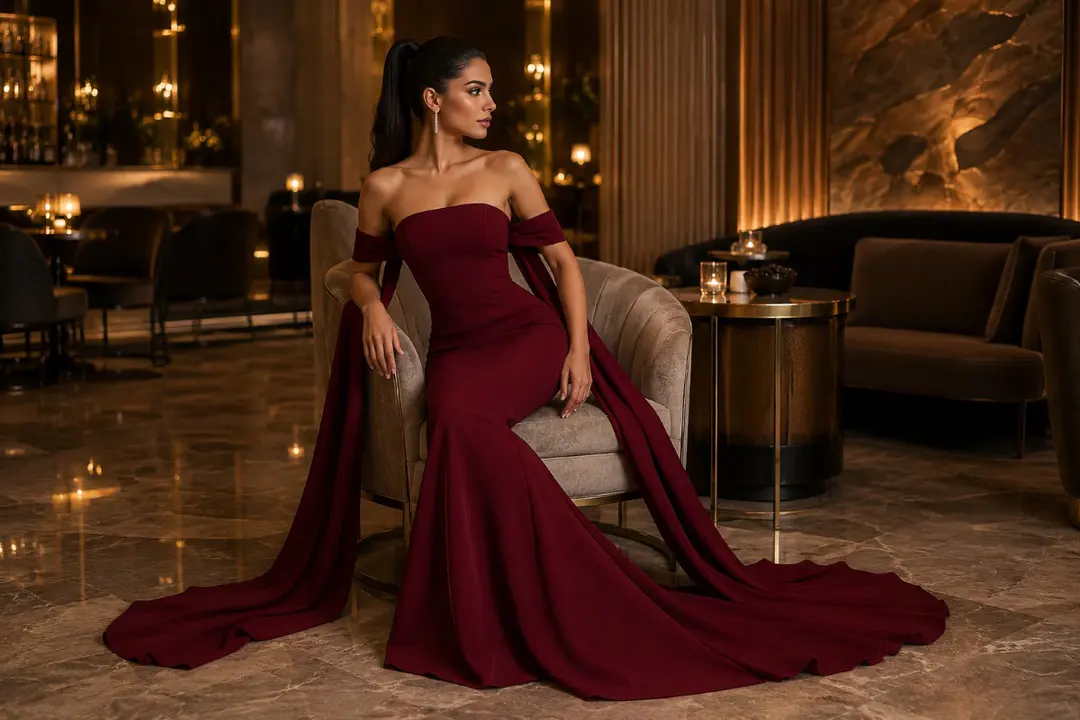
Adapting to Different Kinds of Seating
The chair you sit on changes the technique as much as the dress does. A few common seating situations deserve their own approach.
Dining Chairs With High Backs
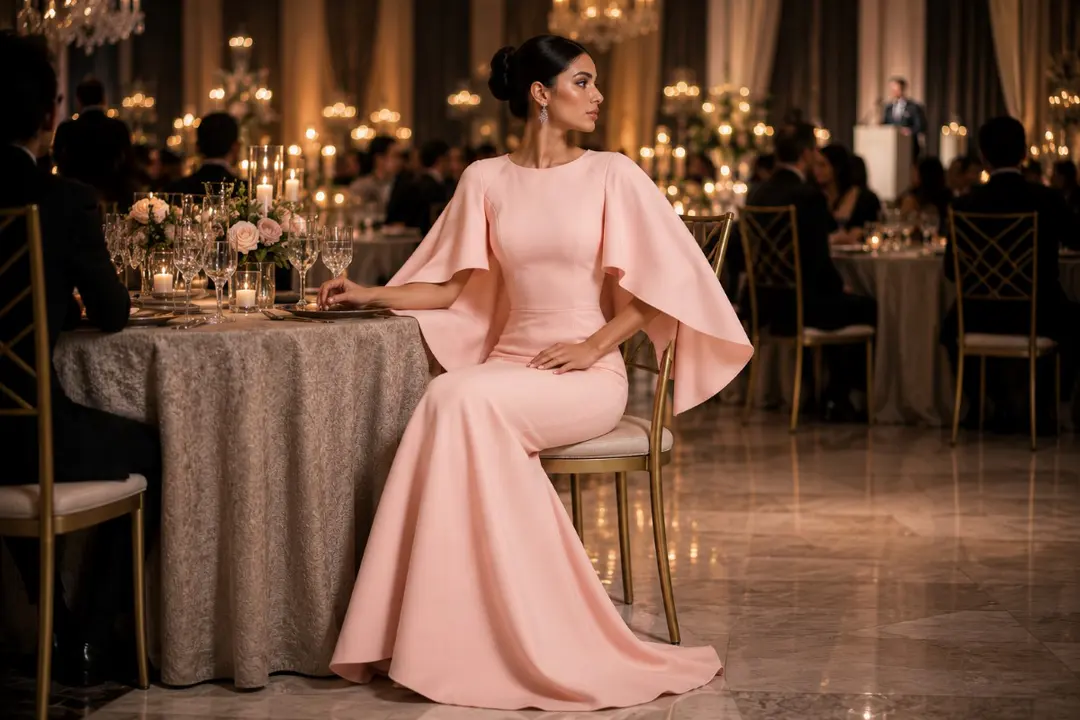
The most common formal seating, a dining or banquet chair with a tall back, is the easiest scenario. The high back supports your posture, and the chair has enough depth to spread a skirt comfortably. Use the standard approach, smooth, lower, settle, and let the chair do the rest of the work. Avoid leaning back hard against the chair, which presses the bodice out of place; instead, sit upright with your back lightly touching the support.
Backless Stools and Bench Seating
A bench, a bar stool, or any seat without a back is harder for two reasons: you have to hold your own posture, and there is less room to fan a skirt behind you. For a bench, sit toward the front edge so the skirt has more space to drape, and engage your core to hold an upright posture without a backrest. For a backless stool, the same principle applies, with one extra note: a fitted or mermaid gown can be especially restrictive on a stool, so a half-perched sitting position with one foot resting on the footrest often looks more graceful than a full sit.
Sofas and Lounge Seating
Cocktail-hour sofas and lounge chairs are the most common photo opportunity nobody plans for. The trap is sinking deep into a soft cushion, which crumples the skirt and pulls the dress forward. The fix is to sit toward the front of the cushion rather than nestling in, which keeps your posture upright and the skirt smoothed in front. If the seat is genuinely soft and low, accept that you will need to perch rather than fully relax, especially in a structured gown.
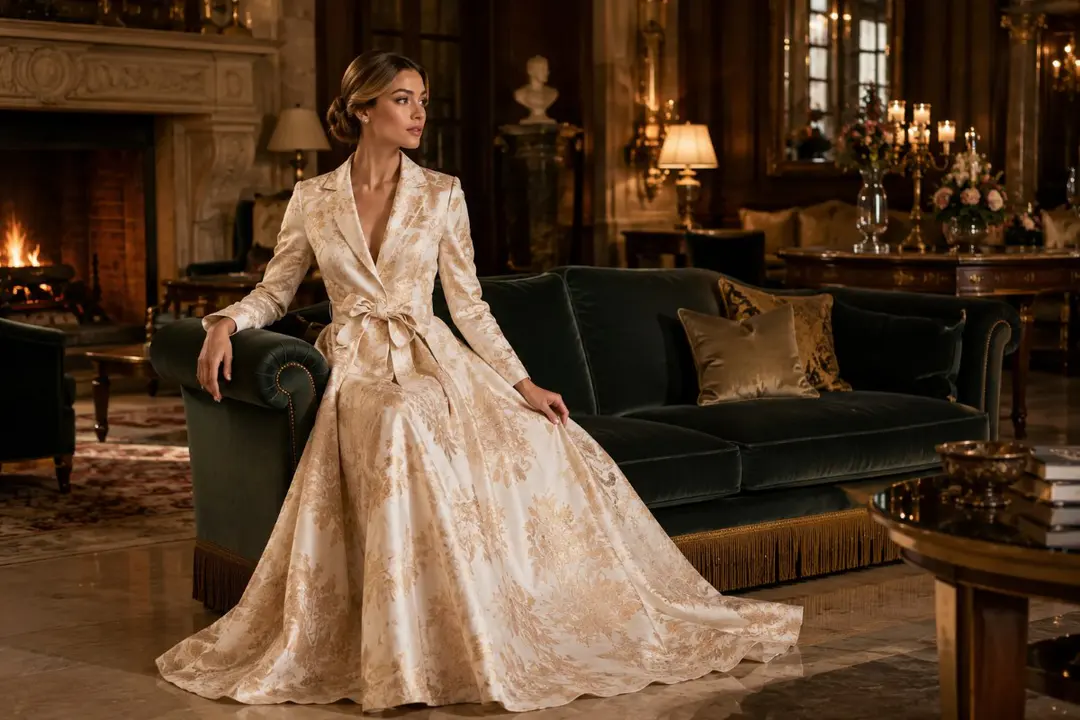
Chairs With Arms
An armchair adds one more consideration: the arms can catch a flowing sleeve or a draped wrap. Notice the arms before you sit, gather any flowing fabric inward, and avoid resting your own arms heavily against the chair arms, which can press a sleeve out of shape over a long dinner.
Posture: The Quiet Skill That Changes Every Photograph
How you sit, not just how you arrived at sitting, decides how every seated photograph reads. A few small adjustments make a real difference.
Sit tall through the spine. A straight back lengthens the neck, opens the chest, and makes any neckline sit correctly. Slouching pulls the bodice forward, creating a gaping line at the top of the gown and a compressed look from the shoulders. You do not need to perch rigidly; simply imagine a string lifting the crown of your head gently upward.
Drop the shoulders down and back. A common posture mistake is creeping shoulders that hunch toward the ears, which shortens the neck and rounds the upper body in photographs. Pulling the shoulders down and slightly back, almost as if drawing them toward each other behind you, instantly looks more composed. This single adjustment is the difference between a photographed posture that looks elegant and one that looks tense.
Position the hands deliberately. A common nervous habit is to hold your hands in your lap with shoulders curled forward over them. Instead, rest your hands lightly, one on the other, or one on the knee and one in the lap, with the elbows relaxed away from the ribs rather than pinned to them. The space between your arms and your body in photographs is what makes the upper body look slim and intentional rather than crowded.
Cross at the ankle, not the knee. For most formal gowns, crossing at the ankle is more elegant than crossing at the knee, especially in a fitted or mermaid silhouette where a high knee cross can strain the fabric. Crossed ankles, with one foot slightly in front of the other, is also the classic photo-ready position, used by everyone from royalty to red-carpet veterans for exactly that reason. For more on the upright body presentation that translates from standing to sitting, the guidance in this guide on how to pose in an evening gown covers the standing version of the same principles.
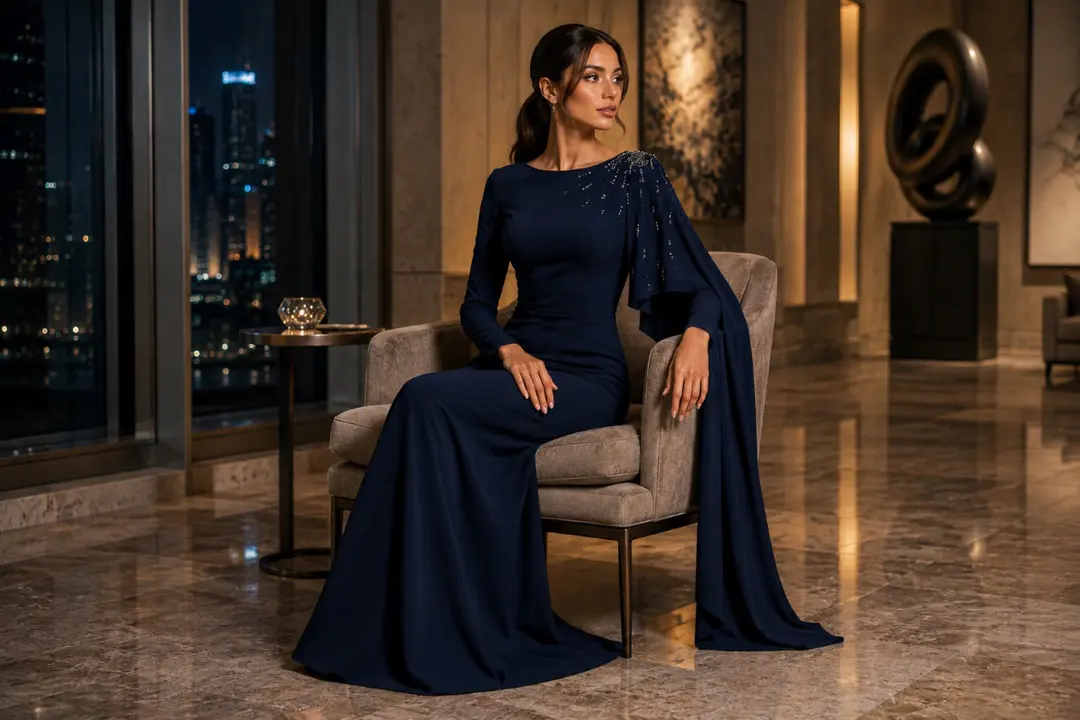
Composure for Photographs While Seated
Beyond posture, a few photo-specific techniques produce the kind of seated photographs that actually look like the gown standing did.
- Angle your body slightly off-center. Facing the camera dead-on while seated foreshortens the body and makes the gown look flat. A small turn of the shoulders, fifteen or twenty degrees from straight forward, creates a more flattering line.
- Position the skirt visibly. A formal gown deserves to be seen in seated photos too. If the skirt has dramatic volume, beadwork, or a pattern, let it fan into the frame rather than disappearing under the table. A small adjustment of the skirt with one hand into the camera's view tells the story of the dress.
- Watch the bust line. Slouching pulls a bodice forward; sitting tall holds it in place. Before any seated photo, do a quick check that the neckline is sitting where the designer intended.
- Keep one hand visible. Hands folded entirely into the lap or hidden behind a table read as stiff. One visible hand, holding a glass or resting on the chair arm, adds natural ease.
- Smile through the eyes. A seated dinner shot taken mid-conversation almost always photographs better than a posed grin. If you are aware of a camera, look toward someone you are speaking with rather than the lens, and let the expression be relaxed.
These small choices turn the unavoidable hours of seated time at any formal event into photographs that match the standing ones in composure and grace. For the broader story of being photographed at an event, the ideas in creative prom photography ideas are a useful companion when you are thinking about the full range of shots that will document the night, including the seated ones.
Common Sitting Mistakes to Avoid
Three mistakes account for almost every awkward seated formal photograph. Knowing them in advance is half the battle.
The first is sitting without smoothing. Dropping straight into a chair without sweeping the front of the skirt back is the universal source of bunched, twisted, or pulled gowns. The two seconds it takes to smooth and lower is the single most important habit to build.
The second is sinking deeply into soft furniture. A low sofa pulls the gown out of shape and forces you to fight back to standing. Sit toward the front of any soft seat, even when it feels less relaxed.
The third is crossing the legs at the knee in a fitted or mermaid silhouette. The high cross strains the fabric across the thigh, can ride the hem up unattractively, and is harder to hold gracefully. The ankle cross is more elegant in every fitted silhouette and most others too.
The same care applied to sitting deserves to be applied to walking, which is the other half of moving gracefully in a formal gown. The companion guide on how to walk in long prom dresses covers the standing-and-moving version of the same skills, and the techniques translate beautifully to evening and gala wear too.
Learning how to sit in a formal gown is really one piece of a broader skill set that includes walking, posing, and managing the dress through a long event. The principles apply across all the styles among prom dresses, regardless of whether you are at a prom, a gala, a wedding, or any other formal occasion, so the time you invest in practicing them once pays dividends across every event you attend.
Frequently Asked Questions About Sitting in a Formal Gown
A few common questions come up again and again about how to sit in a formal gown, and the honest answers below cover the situations most readers find themselves in.
What is the best way to sit in a long gown without wrinkling it?
Use the smooth-lower-settle approach. Stand just in front of the chair, gather the front of the skirt and sweep it back along your thighs to smooth it, then lower yourself slowly into the seat with a straight back. Once seated, take three seconds to settle the skirt across your lap. This prevents the bunched, twisted look that comes from dropping straight into a chair.
How do you sit in a mermaid dress?
A mermaid silhouette is fitted through the hip and thigh, so do not try to sit in a normal squared position. Sit slightly toward the edge of the chair with your knees angled to one side, or cross one leg gently over the other. Crossing at the ankle is more elegant than at the knee in a mermaid gown, since a knee cross can strain the fabric across the thigh.
Should I sit back in the chair or toward the edge?
It depends on the silhouette. A ball gown benefits from sitting slightly toward the edge so the volume has room to fan out in front. A fitted gown is more comfortable toward the edge too, where the dress is not pressed against a chair back. An A-line is fine in either position. The general rule is to avoid sinking deeply into soft seating in any formal gown.
How do I keep my posture composed for hours of seated photographs?
Sit tall through the spine, drop the shoulders down and back, and keep the elbows away from the ribs. Imagine a string lifting the crown of your head gently upward, which lengthens the neck and opens the chest. A small angle of the shoulders off-center, rather than facing the camera dead-on, creates a more flattering seated photograph.
Can I cross my legs in a formal dress?
Yes, and crossing at the ankle is the most elegant choice for almost every formal silhouette. One foot is placed slightly in front of the other, ankles crossed lightly, which photographs as polished and intentional. Avoid crossing at the knee in a fitted or mermaid gown, since the high cross strains the fabric and is harder to hold gracefully.
What should I do if my dress bunches when I sit down?
Stand up slightly, smooth the front of the skirt back along your thighs with both hands, and lower yourself again more slowly. The bunching almost always comes from sitting too quickly without sweeping the skirt back first. A discreet, quick fix between bites or sips of a drink is also acceptable; nobody will notice a brief skirt adjustment.
The Half of the Night Spent Sitting Down
A formal event is not only a series of standing moments. The seated time, dinner, speeches, the lull between dances, is half of any night, and it is worth treating that time with the same care as the entrance. Knowing how to sit in a formal gown comes down to a small, learnable set of techniques: smooth, lower, settle every time you take a seat; adapt the approach to your specific silhouette; sit tall with shoulders down and elbows relaxed; cross at the ankle rather than the knee; and remember that a quick discreet adjustment is always better than a held compromise. Practice the ritual once at home in your gown before the event, and on the night every photograph captures you composed and the dress sitting exactly as it should. Jovani has spent more than forty years engineering gowns with the boning, construction, and fabric quality that hold their shape through every hour of an evening, including the seated ones that no one talks about.
When you are ready to find a formal gown built to look as composed seated as it does standing, explore the full collection through an authorized Jovani retailer.