
Choosing the right evening dress length can completely change how a look feels, fits, and functions. Length is not just a style detail. It affects comfort, confidence, formality, movement, and how a dress works for the occasion. Many shoppers focus first on color or embellishment, but experienced stylists know that length should come first. When length is right, everything else falls into place.
This Evening Dress Length Guide is designed to help you understand how long, midi, and short evening dresses differ, when each works best, and how to choose based on body type, event setting, and personal style. Whether you are attending a black tie event, a formal dinner, a wedding reception, or an upscale celebration, knowing how length impacts the overall look will help you make a confident decision.
What are the standard evening dress lengths? From shortest to longest, dress lengths run mini, above the knee, knee length, midi, tea length, ankle or maxi, and floor length. For evening events, the three most common choices are short styles that end above the knee, midi styles that end between the knee and ankle, and long gowns that reach the floor.
Understanding Evening Dress Lengths
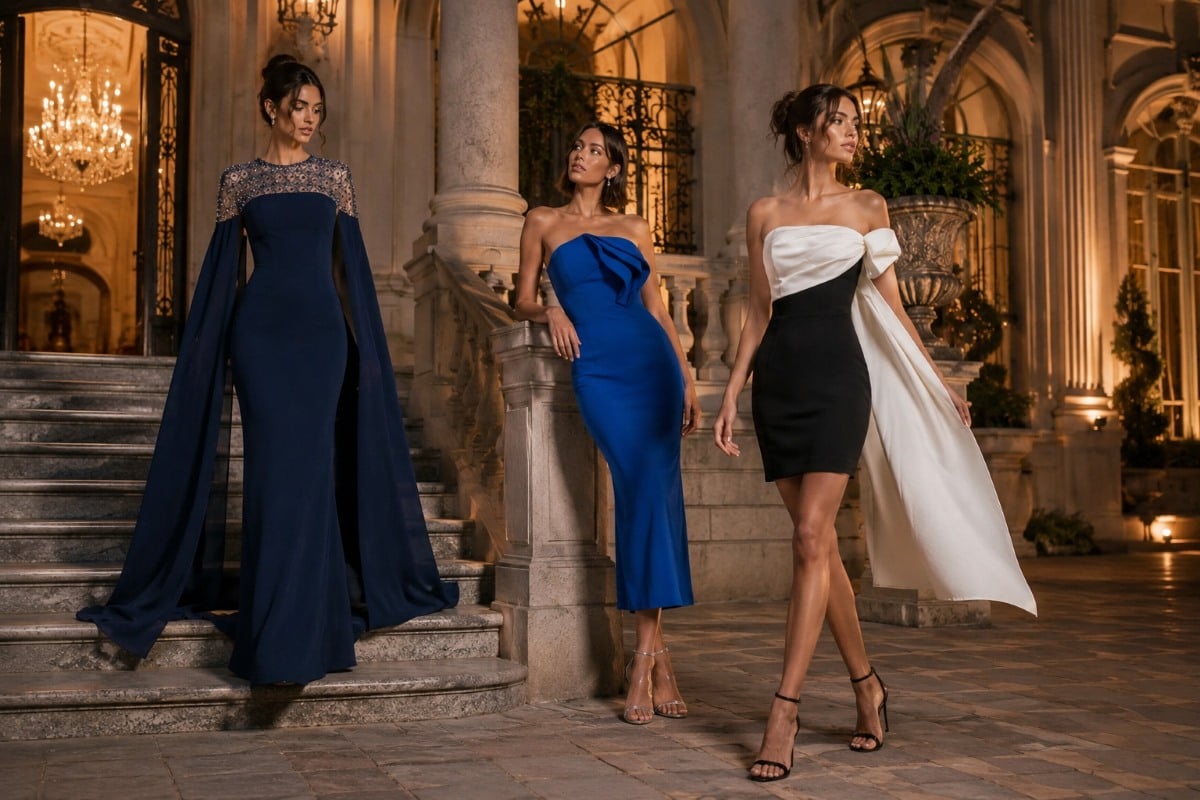
Evening dress lengths generally fall into three categories. Long, midi, and short. Each serves a specific purpose and creates a different visual effect. Long evening dresses usually fall to the floor or just above it. Midi evening dresses hit between the knee and ankle. Short evening dresses typically fall above the knee. While these definitions sound simple, the impact of each length can be very different depending on silhouette, fabric, and design details.
Choosing the right length starts with understanding the event, then considering body proportions, and finally personal comfort.
Beyond those three broad groups, every dress length has a name, and knowing them makes shopping much faster. This dress length chart shows where each hem falls and where it works best.
| Dress length | Where the hem falls | Best for |
|---|---|---|
| Mini | Mid thigh to just above the knee | Parties, after parties, celebratory events |
| Above the knee | A few inches above the kneecap | Cocktail events and receptions |
| Knee length | At or just covering the kneecap | Semi formal dinners and daytime events |
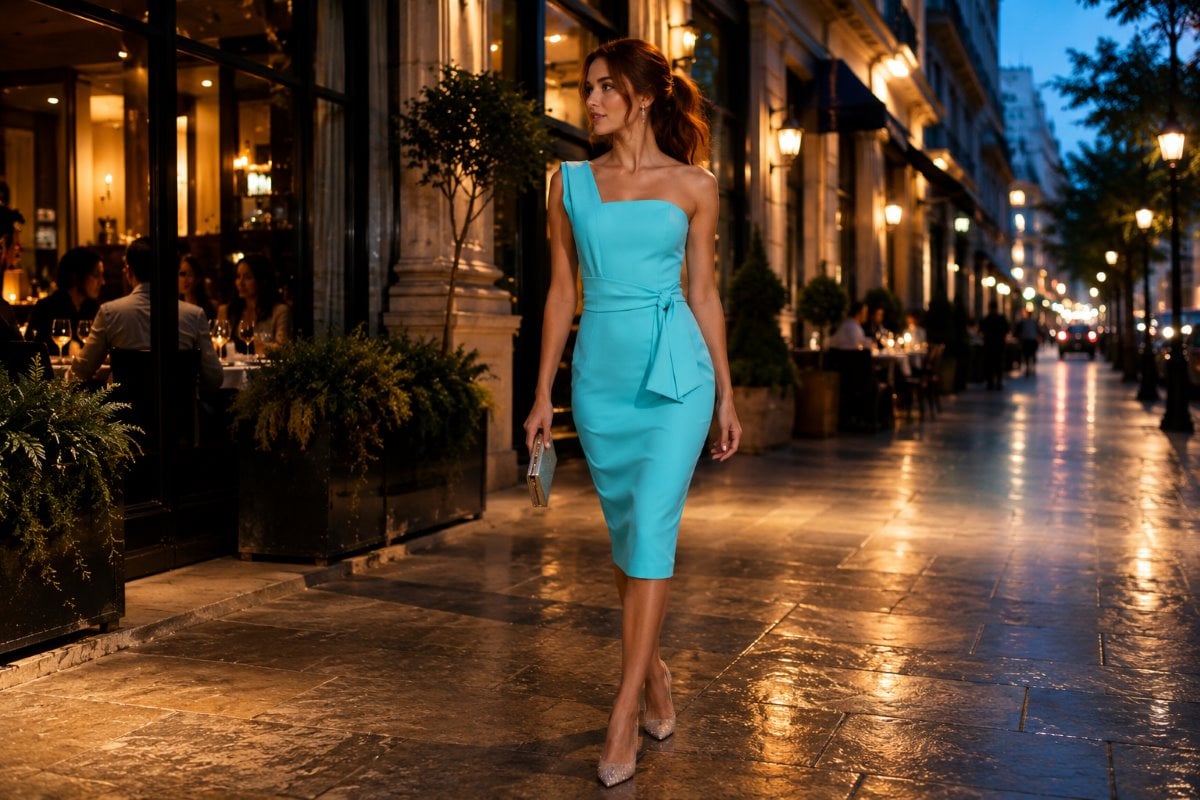
| Midi | Below the knee to mid calf | Upscale dinners and cocktail style evenings |
| Tea length | Lower calf, a few inches above the ankle | Formal daytime events and classic celebrations |
| Ankle or maxi | At or just above the ankle | Evening events that call for easy movement |
| Floor length | Skims or touches the floor | Black tie, galas, and formal weddings |
These seven names, mini, above the knee, knee length, midi, tea length, maxi, and floor length, cover almost every dress you will see online or in a boutique. Retailers sometimes add variants such as micro mini or high low hems, but each of them is still measured against these standard points on the leg.
Long vs Midi Evening Dresses
One of the most common questions shoppers ask is how to choose between long and midi styles. The comparison between Long vs Midi Evening Dresses often comes down to formality, venue, and desired presence.
Long dresses create a classic formal impression. They elongate the body and offer a sense of drama and refinement. Midi dresses feel more modern and versatile, balancing elegance with ease of movement. A long gown may feel perfect for a grand ballroom or evening gala, while a midi style often works better for cocktail style events, upscale dinners, or semi formal celebrations.
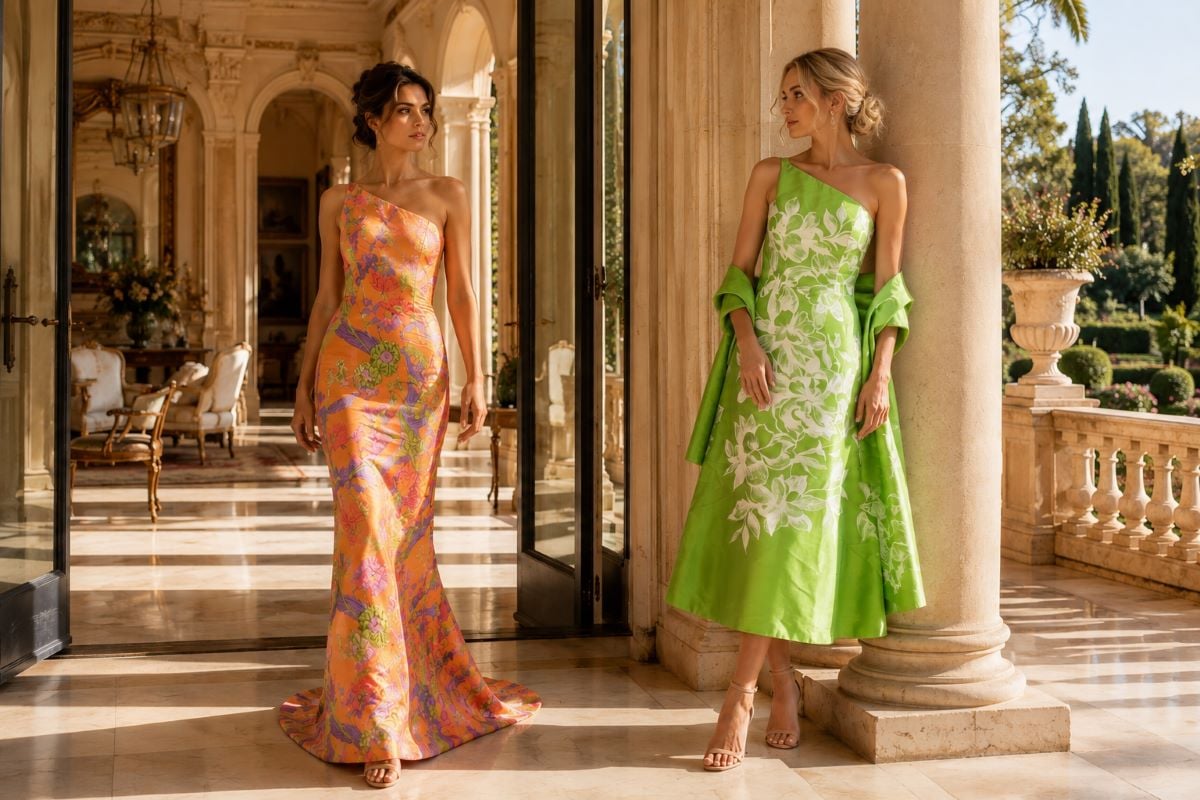
When Long Evening Dresses Are the Right Choice
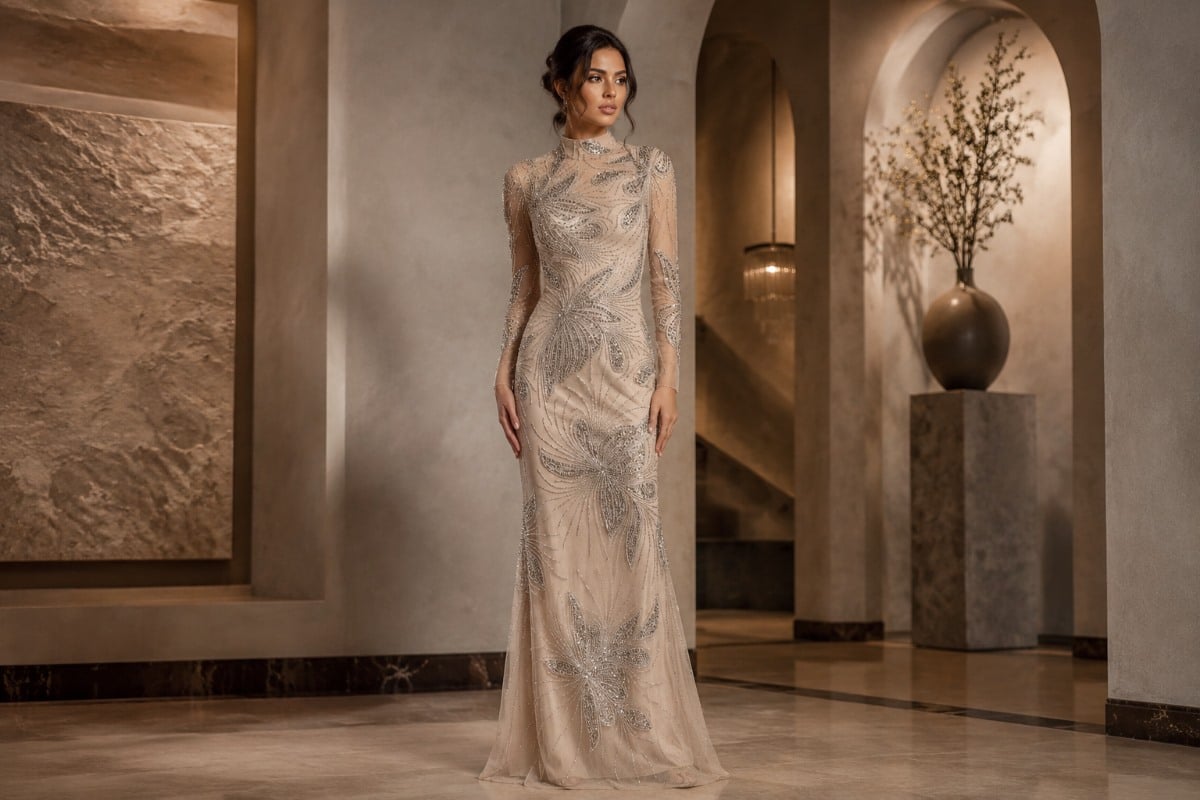
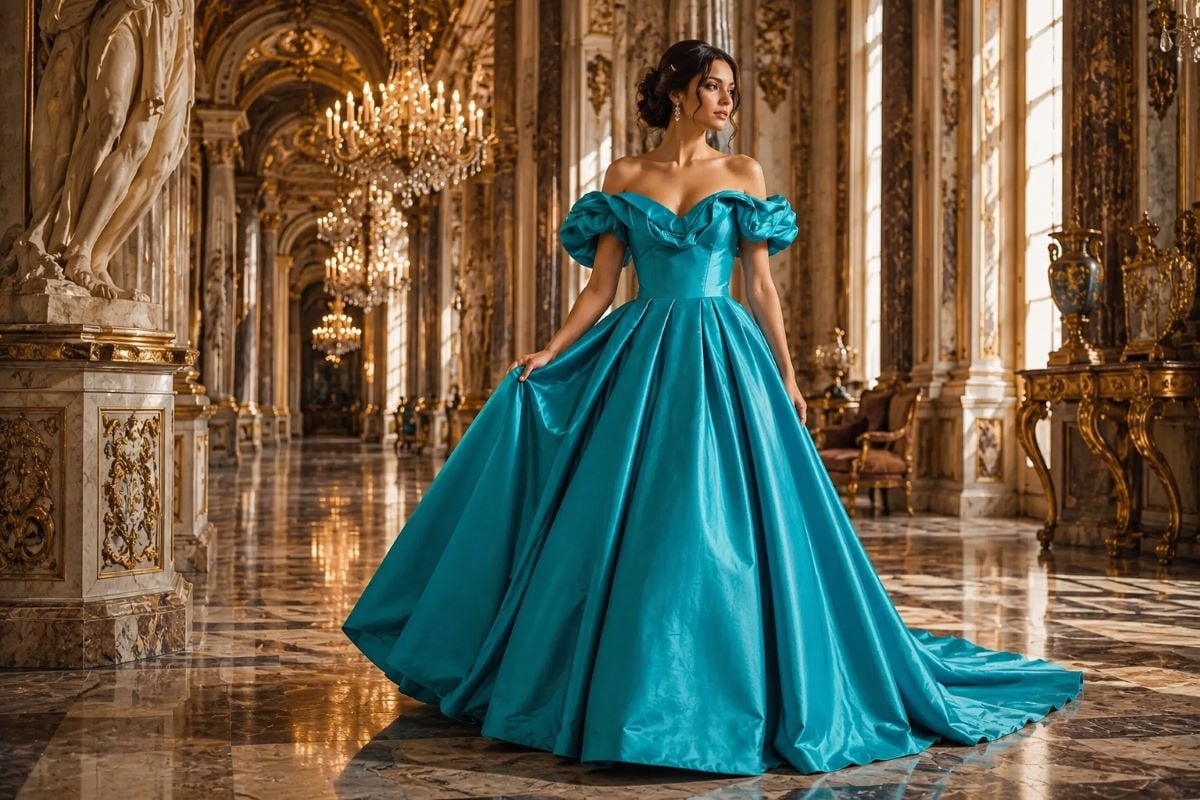
Long evening dresses are traditionally associated with formal events and evening occasions that call for a refined presence. Floor length designs naturally draw the eye vertically, creating a graceful silhouette that works across many body types.
Long dresses are ideal for black tie events, formal weddings, charity galas, and milestone celebrations. They also photograph beautifully, especially in structured silhouettes that hold their shape.
Many long styles are also designed with movement in mind, allowing the dress to flow without restricting comfort. This makes long dresses a reliable option for events that last several hours.
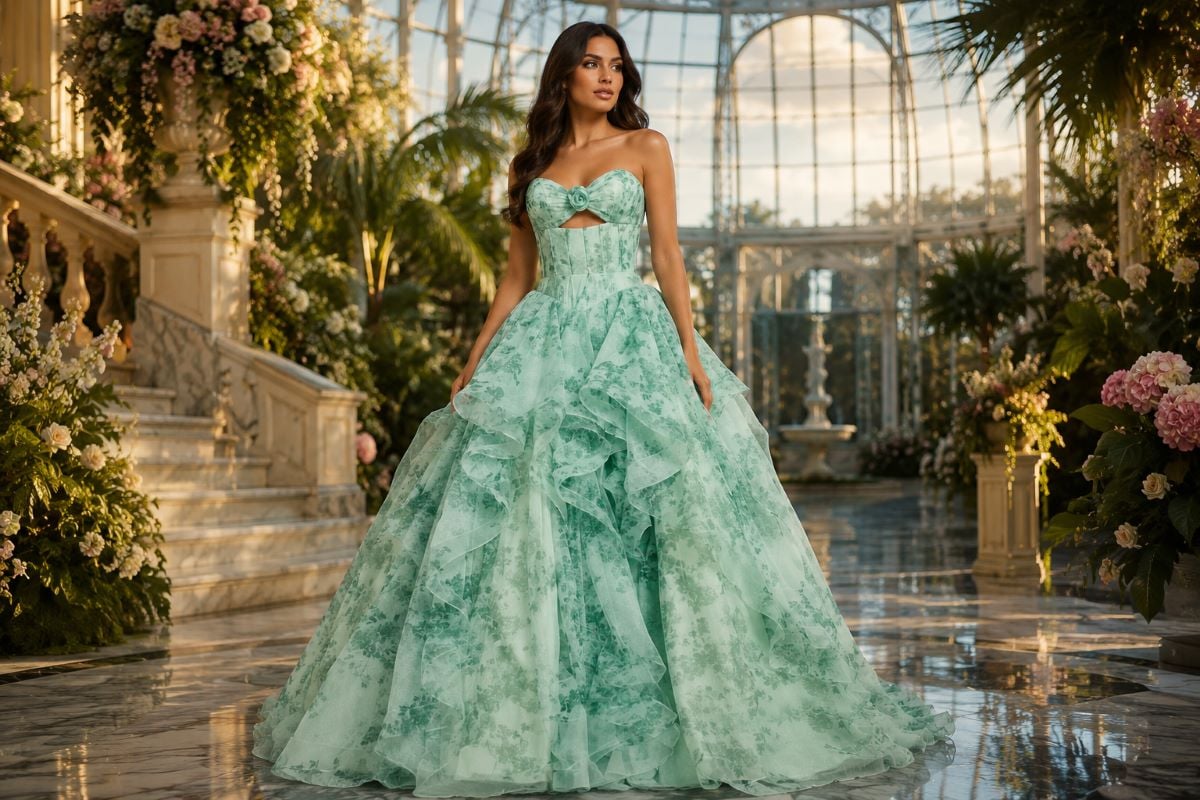
For those seeking the most formal expression of eveningwear, Evening Ball Gowns offer a timeless option that emphasizes elegance and statement making design.
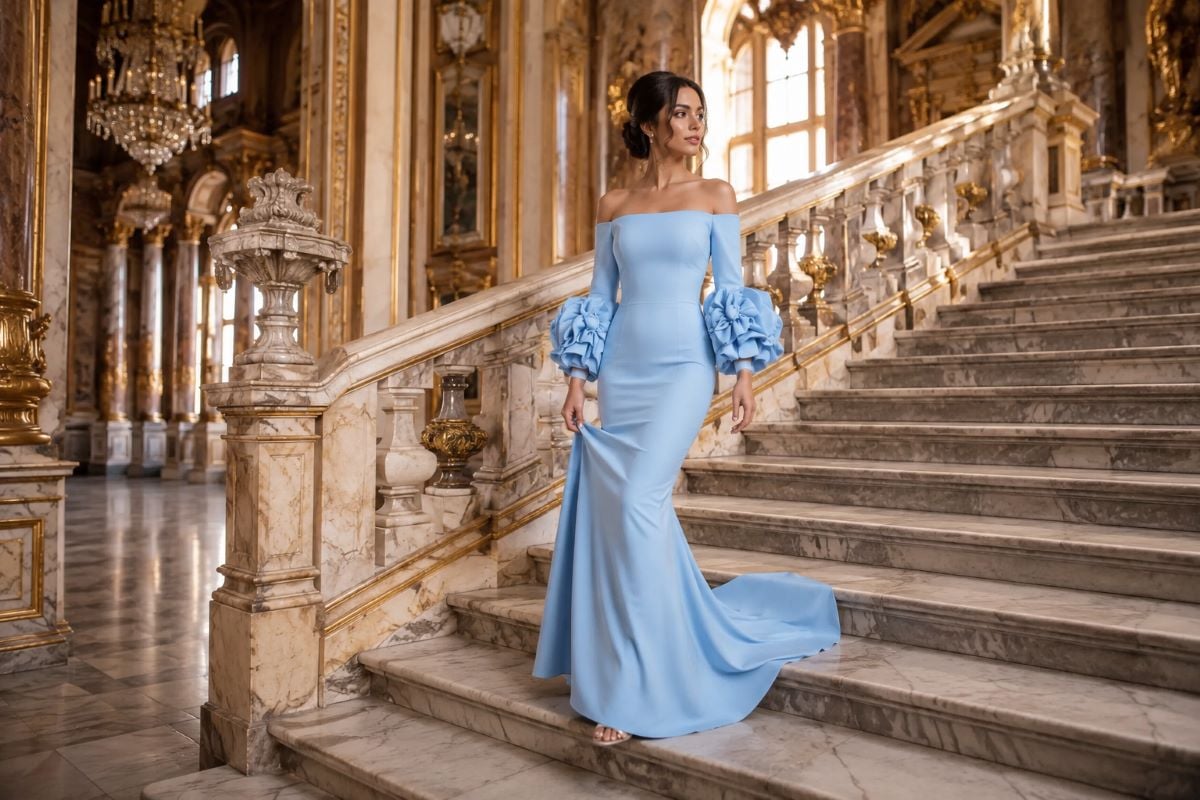
Why Midi Evening Dresses Feel So Versatile
Midi evening dresses sit in a unique space between formal and contemporary. Their length allows for sophistication while still feeling approachable and modern. Midi styles are often chosen for events where a floor length gown may feel too formal, but a short dress may feel underdressed.
Midi dresses work well for evening receptions, formal dinners, and events that involve movement, such as walking between venues or dancing for long periods. They also allow shoes to become part of the outfit, making them popular for those who want to highlight footwear.
Jovani midi designs maintain structure and elegance through thoughtful tailoring and fabric choices, ensuring the dress still reads as eveningwear rather than casual.
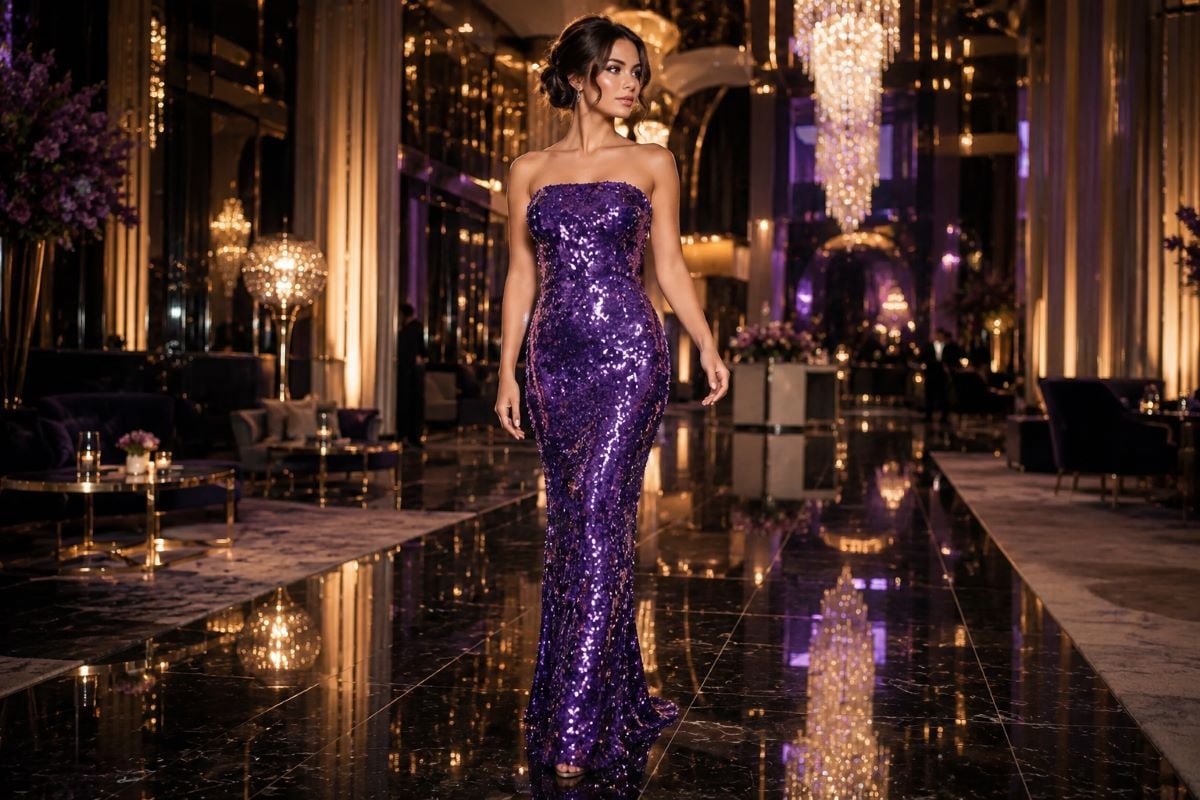
Choosing Short Evening Dresses with Confidence
Short evening dresses offer a youthful and confident look when designed correctly. Length above the knee allows for ease of movement and a lighter feel, making short styles popular for parties, receptions, and celebratory events with a less traditional dress code.
Short Evening Dresses work best when the design remains formal through silhouette, fabric, or detailing. Structure is key. A well cut short dress feels intentional and polished, not informal. Short styles are also ideal for those who want to show leg length or prefer a less restrictive fit without sacrificing elegance.
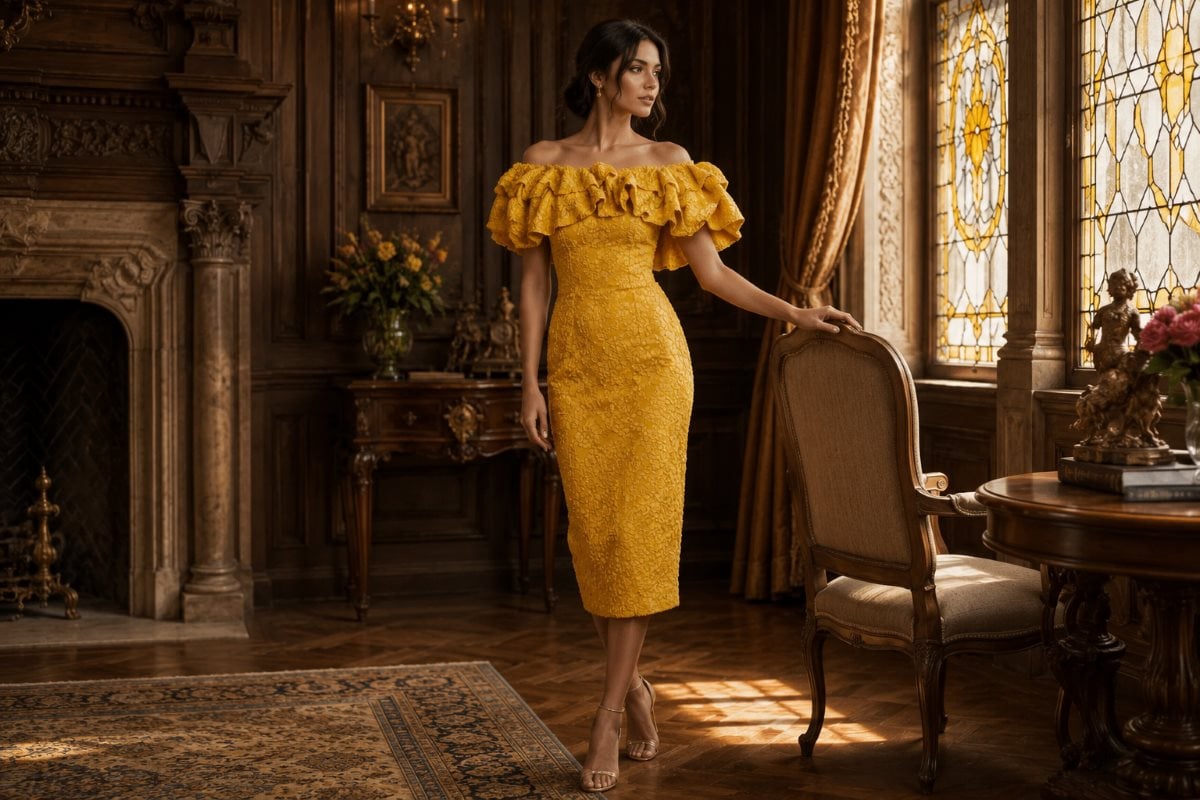
Tea Length vs Midi: What Is the Difference
Tea length and midi are the two most confused dress lengths, and the difference comes down to a few inches. A midi dress finishes anywhere from just below the knee to mid calf. A tea length dress finishes lower, on the lower calf, usually a few inches above the ankle. If the hem stops at or above the widest part of your calf, you are looking at a midi. If it covers most of the calf but clearly clears the ankle, that is tea length.
The two lengths also carry different moods. Midi reads modern and versatile, which is why it suits cocktail style evenings and upscale dinners. Tea length has a dressier, slightly vintage character that works for formal daytime events, garden weddings, and classic evening celebrations. One more pair worth separating: a maxi dress ends at or just above the ankle so your shoes stay visible, while a true floor length gown skims the floor, which is why floor length remains the standard for black tie.
How Silhouette Influences Dress Length
Length alone does not determine how a dress looks. Silhouette plays an equally important role. The same length can feel dramatically different depending on the shape of the dress.
A Line Formal Gowns are universally flattering and work beautifully across all lengths. In long versions, they feel classic and graceful. In midi lengths, they offer balance and movement. In shorter styles, they feel playful yet refined.
Mermaid Evening Dresses are most commonly seen in long lengths, where their fitted shape and dramatic flare can fully shine. This silhouette emphasizes curves and creates a striking evening look.
Bodycon Evening Dresses work well in both long and midi lengths, offering a clean, modern profile that feels elegant without excess volume.
Coverage, Comfort, and Style Needs
Personal comfort and coverage preferences should always guide length choice. Some shoppers prioritize elegance with more coverage, while others prefer lighter designs.
Modest Evening Gowns often appear in longer lengths or midi styles with thoughtful construction that provides coverage without looking heavy. These designs focus on balance, allowing the dress to feel refined and intentional.
For those seeking inclusive fit and proportion, Plus Size Evening Dresses are designed with length and silhouette working together to create balance, comfort, and confidence. Proper length can enhance proportion and ensure the dress feels supportive rather than restrictive. Height also changes where every hem lands, so if you are petite or tall, our guide on how to choose an evening dress for your height pairs well with this one.
Event Setting Matters More Than Trends
While trends change each season, event expectations remain relatively consistent. Long dresses continue to dominate formal settings. Midi dresses remain a favorite for versatile evening events. Short dresses thrive in celebratory and social environments.
Jovani designs are not trend driven alone. Each collection reflects an understanding of where and how dresses are worn across the United States. This approach ensures that length choices feel relevant year after year. Choosing the right length is not about following fashion rules. It is about understanding how the dress supports the moment you are dressing for.
Choosing Your Evening Dress Length with Confidence
The best evening dress length is the one that aligns with your event, body proportions, and personal style. Long dresses offer timeless formality. Midi dresses provide versatility and modern elegance. Short dresses deliver confidence and ease. This Evening Dress Length Guide is meant to simplify that decision. When length is chosen thoughtfully, the entire look feels effortless.
To see how different lengths come to life through expert design and refined silhouettes, explore the full collection of Evening Gowns from Jovani, then visit an authorized Jovani retailer to try your shortlist in person.
Evening Dress Length Questions
How long is a midi dress?
A midi dress finishes between just below the knee and mid calf. On most women that puts the hem somewhere on the upper half of the calf, which keeps the look polished while leaving the ankle and lower leg visible.
What is tea length?
Tea length finishes on the lower calf, usually a few inches above the ankle. It covers more leg than a midi but never touches the floor, and it carries a formal, slightly vintage character that suits daytime formal events and classic evening celebrations.
What is the difference between tea length and midi?
Placement. A midi ends between the knee and mid calf, while tea length ends lower, near the ankle. If the hem stops at or above the widest part of the calf it is a midi, and if it covers most of the calf and stops just above the ankle it is tea length.
Does formal mean a long dress?
Not always. Black tie and white tie events do call for floor length gowns, but formal and semi formal dress codes accept polished midi and knee length styles as well. Read the invitation first, then let the venue and the hour decide how long to go.
How long is a maxi dress compared to floor length?
A maxi ends at or just above the ankle, so your shoes stay visible. A floor length gown skims or touches the floor and is the more formal of the two, which is why it remains the standard for galas and black tie weddings.
How do I measure dress length?
Use the shoulder to hem method. Stand straight, place a measuring tape at the top of your shoulder, and run it straight down to where you want the hem to end. Wear the shoes you plan to pair with the dress, since heel height changes where every length lands.