
How to Choose an Evening Dress for Your Height
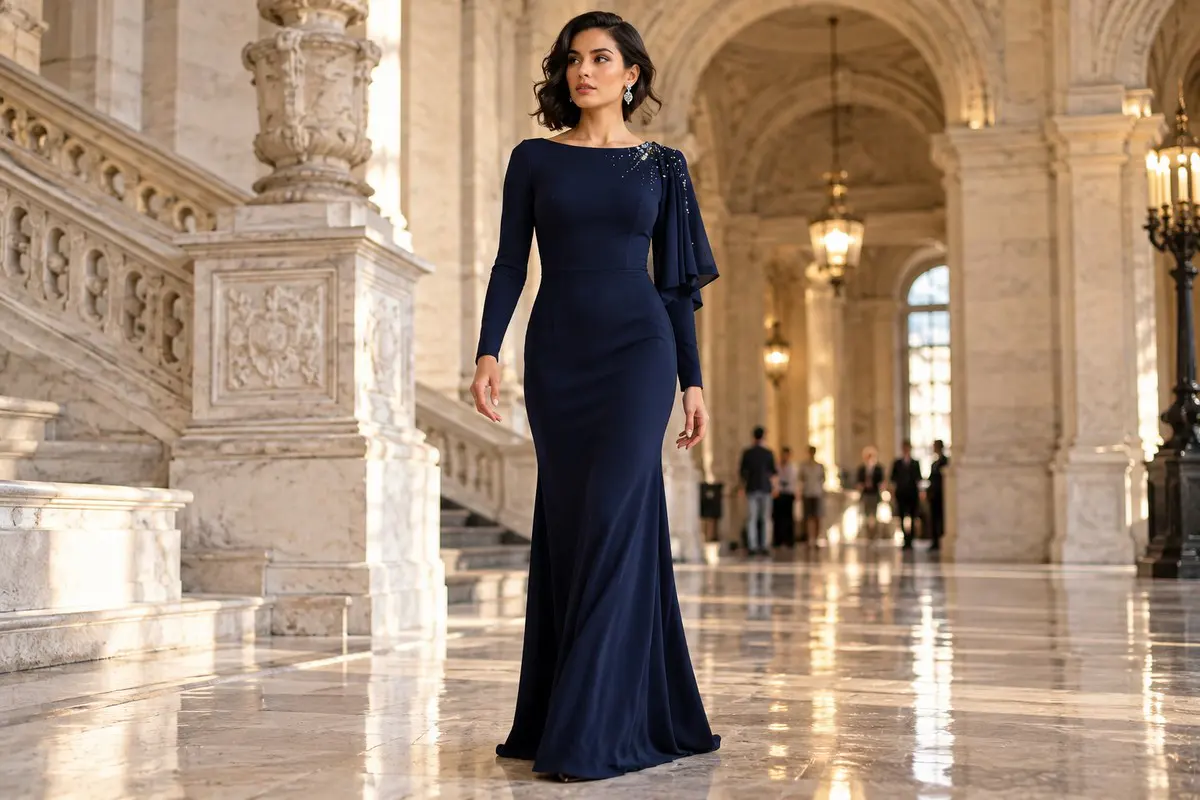
To choose an evening dress for your height, check where its waist, bodice, and hem sit on your body. Height alone does not determine the best gown. A properly placed waist seam and a comfortable hem matter more than labels like petite or tall.
Start with the occasion and a few silhouettes from Jovani’s formal evening dresses. Then assess your own torso and leg proportions in a fitting room, rather than judging length from a model photograph.
What Does Height Change About Evening Dress Fit?
Height changes the position of a gown’s design features relative to your body. A waist seam can sit above your natural waist, a knee flare can begin at the wrong point, and a long sleeve can finish too soon. These differences depend on proportions as well as total height.
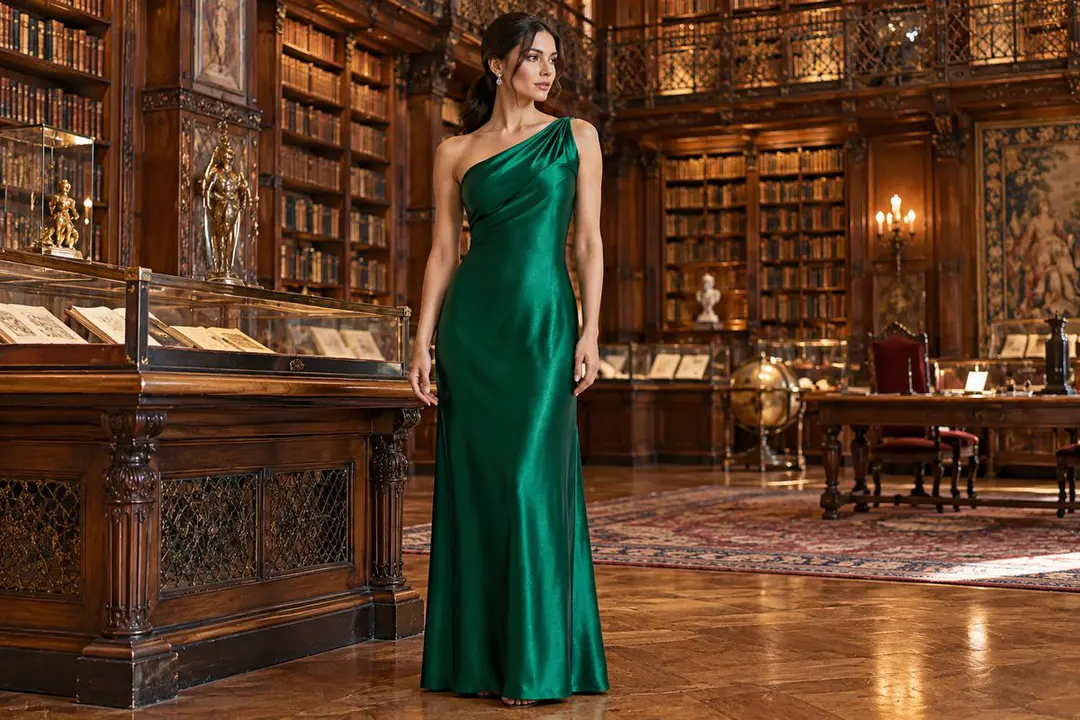
Measure your bust, waist, and hips, then pay attention to shoulder-to-waist length and the intended skirt length. For example, Jovani style 49688 is a floor-length satin A-line gown with a structured bodice and defined waist. Check those two construction points separately during the fitting.
Choose an Evening Dress Length for Your Height and Event
Start with the event dress code, then judge where the hem falls with your actual shoes. There is no single perfect dress length for petite, average-height, or tall women. The correct choice is one that suits the occasion and lets you move safely.
Floor-length and ankle-length formal gowns
For black tie events, floor-length formal gowns are often the clearest choice. A full-length skirt should finish near the floor without catching beneath your shoes. Petite shoppers may need hemming, while taller shoppers should confirm there is enough fabric before assuming length can be added.
Check the front and back hem while walking. A train is a separate design feature, not evidence that the front of a gown is the right length. Shoes can change the final clearance, so bring the pair you plan to wear.
Midi and shorter evening dresses
Midi-length evening styles offer a practical alternative for formal dinners and events that allow them. On two people of different heights, the same midi design can end at very different points on the calf. Look at the real hem position, not just its category label.
Shorter lengths can work for appropriate cocktail events, but they are not a requirement for petite figures. Likewise, tall women do not need to avoid midi styles. Let the invitation, your comfort, and the actual garment determine the decision.
Which Evening Dress Silhouettes Work Across Different Heights?
A-line, column, and mermaid silhouettes can work at many heights when their seams and skirt shapes align correctly. Instead of choosing a silhouette based only on stature, identify where the design widens and where it fits closely.
A-line and straight silhouettes
A-line formal dresses have a fitted upper section and a skirt that widens toward the hem. Check that the shaping begins at the intended waist. A straight or column gown needs enough ease through the hips for natural walking, especially when the fabric has little stretch.
Jovani style 49688 shows how a defined waist can organize the shape of a full-length satin skirt. That does not mean the same waist placement suits every wearer. The fit must still be checked in person.
Mermaid shapes and fuller skirts
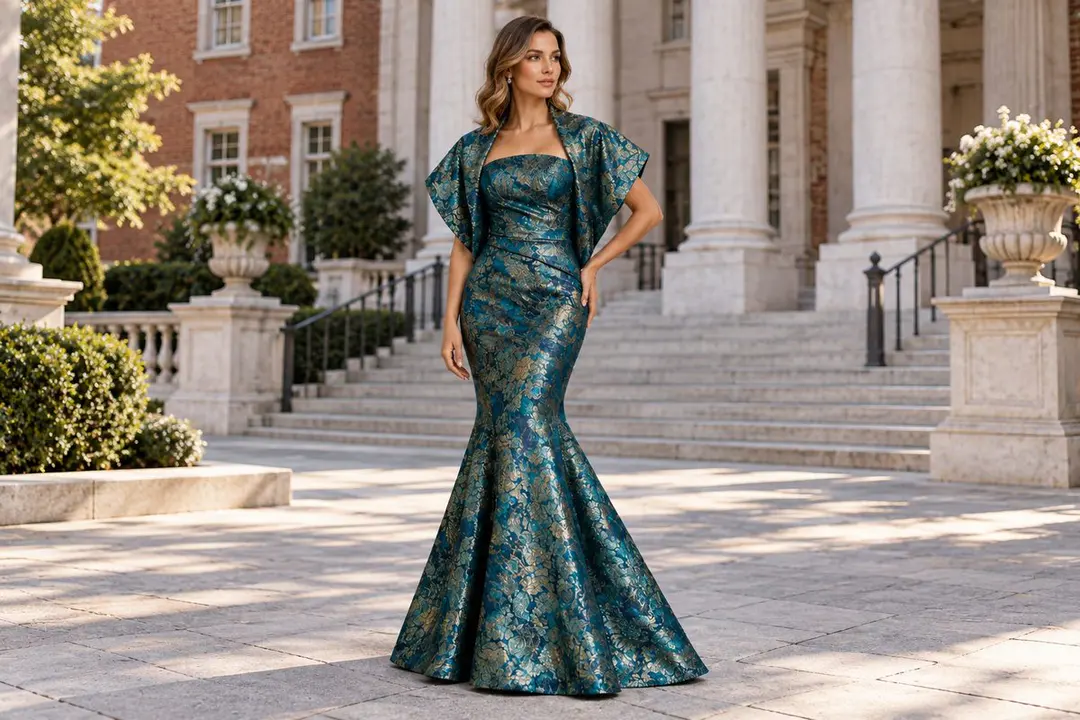
Mermaid-style evening dresses fit closely before widening lower on the body. The most important height check is the flare position: it should start where the design intends and still allow a comfortable stride. A flare that begins awkwardly high or low can change the whole silhouette.
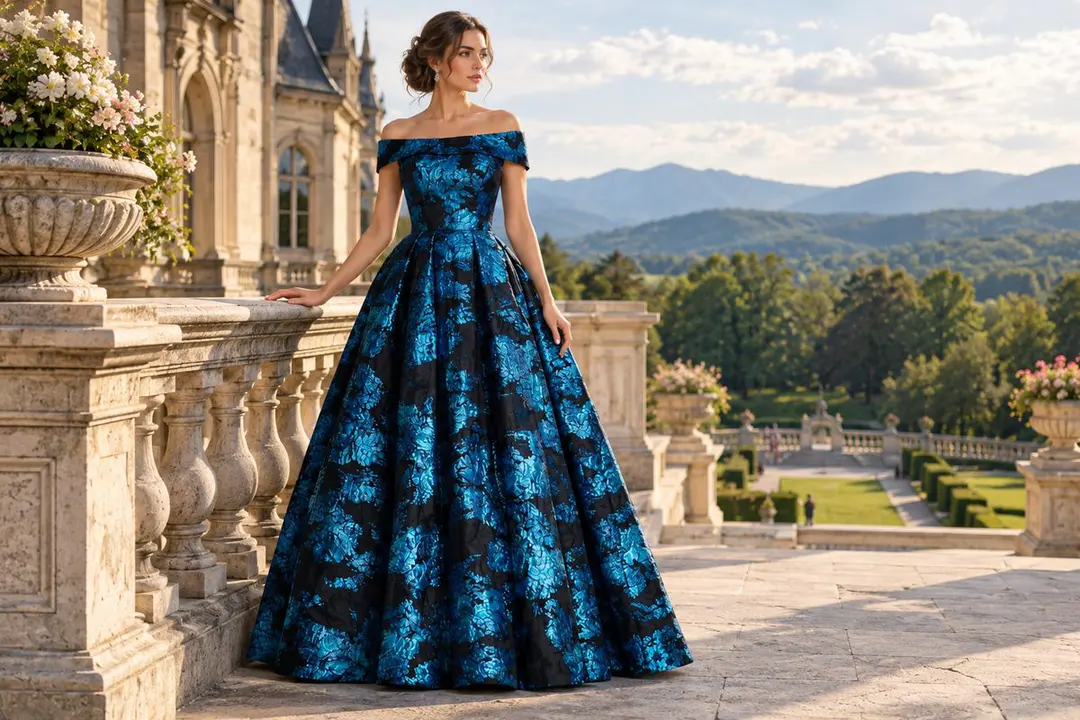
For example, Jovani style 51599 is a metallic floral jacquard mermaid gown with an off-shoulder neckline. Its fitted shape is useful for checking hip fit and flare placement. Do not assume a mermaid design automatically adds visual height.
How Should Petite, Average-Height, and Tall Shoppers Fit a Gown?
Focus on proportion checks, not a universal height cutoff. People of similar stature can have different torso and leg lengths. Compare shoulder, waist, knee, and hem positions before deciding a gown is right or wrong for your height.
Petite and shorter proportions
Shorter shoppers should confirm that the bodice is not too long and the waist seam does not drop too low. A heavily layered skirt may also need adjustment. Jovani’s guide to formal dresses for shorter women covers petite-specific silhouette preferences in more detail.
Do not rely on hemming to fix everything. Shortening a dress can change the placement of an embellished border or a mermaid flare. Ask which design features the alteration would affect before committing.
Taller proportions
Taller shoppers should check whether the natural waist, fitted hip area, and sleeve ends sit in the correct places. The hem may also be too short, even in a gown described as floor length. For more focused fitting advice, see Jovani’s evening dresses for taller women guide.
Do not assume that every long Jovani gown includes extra hem allowance. An authorized retailer can review the particular style and advise whether length adjustments are realistic.
Check Necklines, Sleeves, and Fabric Against Your Proportions
Neckline depth, sleeve length, and fabric structure affect how a dress fits at any height. A neckline should remain secure when you move, and sleeves should allow you to bend your arms without pulling. Fabric choice changes how clearly seams and fit issues show.
Jovani style 47220 combines a V-neck, long sleeves, embroidered tulle, and an A-line skirt. Its belted waist and sleeve ends provide several useful points to inspect during a fitting. The product page confirms those features, but it does not establish a special petite or tall cut.
Smooth satin can reveal tension at a waist or hip seam, while layers of tulle change how much skirt volume surrounds the body. Judge both while standing and moving. Fabric alone cannot compensate for a misplaced waist or inadequate length.
A Five-Minute Fitting Checklist Before Alterations
Try the dress with your planned undergarments and shoes, then ask someone to check the back and side views. This quick sequence can reveal a fit problem before you choose an alteration or commit to a style.
- Stand naturally and check whether the neckline stays level and secure.
- Locate the waist seam, bust shaping, and the start of any skirt flare.
- Walk, sit, turn, and raise your arms without adjusting the garment.
- Check the hem from the front and back with your event shoes.
- Ask what alterations are feasible without disturbing seams or decoration.
If the gown pulls, twists, or shifts as you move, review Jovani’s advice on common formal dress fitting issues. Sizing up may add width without correcting a torso-length mismatch, so identify the actual problem first.
Make the Final Choice at a Boutique Fitting
Compare two or three designs that meet your event’s dress code and note where each one fits correctly. Check the brand’s published measurements for the style, but confirm garment length, stock, and alteration options with the retailer. Product photos are useful references, not substitutes for measuring the garment.
Choosing an evening dress for your height means finding the right relationship between bodice, waist, skirt, and shoes. Keep the design that fits those points and feels comfortable in motion. The best result is a gown suited to your proportions, rather than a rule tied to a number on a height chart.
An authorized Jovani retailer can help you compare available gowns, review style-specific measurements, and discuss fitting or alteration options before purchase.
Frequently Asked Questions
Should petite women avoid floor-length evening gowns?
No. A floor-length gown can work well for a petite wearer when the waist and bodice fit correctly. Check whether hemming would disturb the skirt shape or any decorative border.
What is the best evening dress length for tall women?
The best length is the one that fits the event and lands where the design intends. For floor-length gowns, confirm front hem clearance with your planned footwear before choosing a style.
Can a tailor correct an evening dress that is too short?
Sometimes. Extra length depends on available hem allowance, construction, and matching material. Ask an alterations specialist to inspect the gown rather than assuming fabric can be added.
Does a higher waistline suit every height?
No. A higher waistline changes visual proportions, but it may not match your torso or the dress’s intended shape. Choose a waist position that fits comfortably and supports the overall design.